

Chopta Travel Guide: How to Reach, Stay & Plan Your Trip
Rohit Verma
August 21, 2026
A complete Chopta travel guide covering how to reach, where to stay, the Tungnath-Chandrashila trek, Deoria Tal, and how to plan a realistic 3-day trip.
Introduction
Chopta sits at around 2,900 metres in the Rudraprayag district of Garhwal, and it's earned its nickname as the 'Mini Switzerland of India' honestly — rolling meadows, dense oak and rhododendron forest, and a ring of snow peaks that includes Chaukhamba and the Kedarnath range visible from the right vantage points. Unlike bigger, more commercialized hill stations, Chopta itself is barely a village — a handful of dhabas, a few campsites, and a road junction. The reason people come is what surrounds it: the Tungnath temple and Chandrashila summit trek, Deoria Tal, and some of the most accessible high-altitude camping in the entire Garhwal Himalaya.
This guide covers the practical side of planning a Chopta trip — how to get there, where to stay, what to pack, and how to structure your days around the Tungnath-Chandrashila trek and Deoria Tal. For a season-specific breakdown, see our best time to visit Chopta guide, and for a detailed trek itinerary, check our Chopta Chandrashila trek itinerary.

Where Is Chopta and Why Visit
Chopta lies on the Ukhimath-Gopeshwar road, roughly 40 km from Ukhimath and about 200 km from Rishikesh. It sits at the base of the Tungnath temple trail — the highest Shiva temple in the world at around 3,680 metres — and within a relatively short drive or trek of Deoria Tal, a mirror lake known for reflecting the Chaukhamba massif on calm mornings. The combination of an easy-to-moderate trek, genuine high-altitude scenery, and minimal crowds compared to Kedarnath or the more built-up parts of Garhwal is what keeps drawing repeat visitors.
Because Chopta has almost no permanent town infrastructure, most travelers treat it as a base for two or three activities rather than a destination to wander around on its own. Plan your days around the Tungnath-Chandrashila trek, a visit to Deoria Tal, and — if you have the extra day — a night of camping under genuinely dark skies, something increasingly hard to find within a day's drive of Delhi.
How to Reach Chopta
By Road from Delhi
The most common route is Delhi to Rishikesh (about 5-6 hours by road or a comfortable overnight option), then Rishikesh to Chopta via Rudraprayag and Ukhimath, which takes another 7-8 hours given the winding mountain roads. Most travelers break the journey into two days — an overnight stop in Rudraprayag, Ukhimath, or even Devprayag makes the drive far less punishing than attempting it in one long push from Delhi.
Total driving distance from Delhi is roughly 460 km, and the full one-shot drive, while possible for experienced mountain drivers, is genuinely long — budget at least 12-13 hours if you insist on doing it in a single day, though we'd recommend against it given fatigue and the narrow, switchback-heavy stretches beyond Rudraprayag.
By Rail
The nearest major railway station is Rishikesh, well connected to Delhi and other major cities. From Rishikesh, shared taxis, private cabs, and occasional buses run toward Ukhimath and Chopta, though onward connectivity thins out considerably past Rudraprayag, so private transport is the more reliable option for the final stretch.
By Air
Jolly Grant Airport in Dehradun is the nearest airport, roughly 210 km from Chopta, with regular flights from Delhi. From the airport, it's the same Rishikesh-Rudraprayag-Ukhimath road route, so factor in a similar 7-8 hour onward journey regardless of whether you fly or take the train to Rishikesh first.

Best Time to Visit Chopta
Chopta is best visited from March to June and September to November. Spring brings rhododendron blooms along the trek trail and comfortably cool daytime temperatures, while the post-monsoon window from late September through November offers the clearest skies of the year, ideal for peak visibility on the Chandrashila summit.
Winter (December to February) covers Chopta and the upper trail in snow, transforming Chandrashila into a proper snow trek that draws experienced winter trekkers, though it demands more preparation and warmer gear. Monsoon (July to early September) is best avoided — the trail gets slippery, leech activity picks up in the forest sections, and low cloud regularly blocks the views that make the trek worthwhile. Full seasonal detail, including month-by-month temperature ranges, is in our best time to visit Chopta guide.
The Tungnath and Chandrashila Trek
The signature activity from Chopta is the trek to Tungnath temple and onward to Chandrashila summit. Tungnath, the highest of the Panch Kedar temples at roughly 3,680 metres, is reached via a well-maintained 3.5 km trail from Chopta that climbs steadily through forest and open meadow — manageable for most reasonably fit trekkers in about 2.5-3.5 hours one way. From Tungnath, a further 1.5 km climb leads to Chandrashila summit at approximately 4,000 metres, offering a 360-degree panorama that includes Nanda Devi, Trishul, Chaukhamba, and the Kedarnath range on a clear day.
Most trekkers do this as a long day trip from Chopta, though staying overnight near Tungnath or camping partway up lets you catch the Chandrashila sunrise, widely considered one of the best in the Garhwal Himalaya. For a full stage-by-stage breakdown including timing, difficulty notes, and packing specifics, see our Chopta Chandrashila trek itinerary.
Deoria Tal
Deoria Tal is a small, forest-ringed lake about an hour's drive plus a short 2-km trek from the Chopta-Ukhimath road, near the village of Sari. On calm mornings, it offers a near-perfect reflection of the Chaukhamba peaks, making it one of the more photographed spots in this part of Garhwal. Many travelers combine Deoria Tal with Chopta as a two-destination trip, either visiting it en route before reaching Chopta or as a half-day detour once based there. Camping is permitted near the lake with the right permissions, and a sunrise visit is worth the early start given how quickly the water can ripple once the wind picks up later in the morning. Full trekking and camping details are in our Deoria Tal Chopta trek guide.

Where to Stay in Chopta
Accommodation in Chopta itself is limited and basic — a small number of guesthouses and forest rest houses cluster near the main road junction, adequate for a night or two but not luxury by any measure. The far more popular option, and arguably the better experience, is camping. Several operators run tented camps around Chopta and near Deoria Tal, ranging from simple two-person tents with shared facilities to slightly more comfortable setups with proper bedding and meals included.
If you'd rather have a proper roof and hot water, Ukhimath, about 40 km away, has a wider range of hotels and guesthouses and works well as a base if you don't mind the extra drive each day. Given the genuinely dark skies at this altitude and distance from major towns, a night of camping in or near Chopta is worth prioritizing even if you base yourself in Ukhimath for the rest of the trip — full stargazing and campsite details are covered in our Chopta camping and stargazing guide.
What to See and Do Beyond the Main Trek
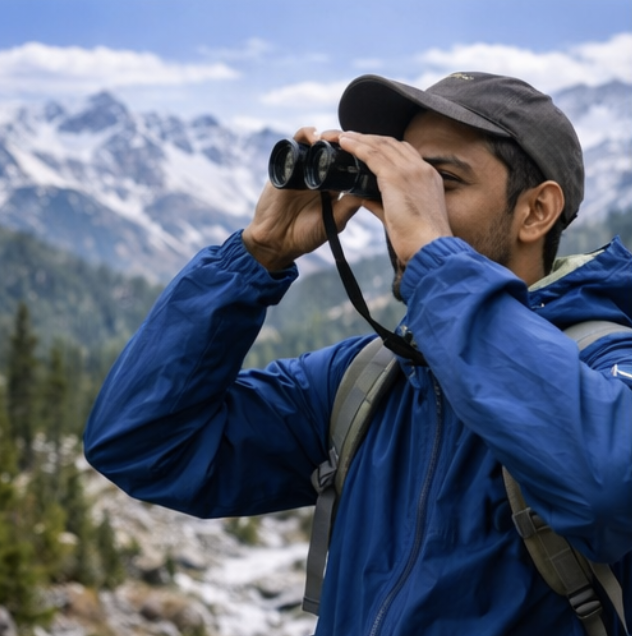
Beyond Tungnath-Chandrashila and Deoria Tal, Chopta rewards travelers who simply spend time in its meadows and forest. Short walks around the main road area reveal excellent birdwatching, particularly for high-altitude species like the Himalayan monal, Uttarakhand's state bird, occasionally spotted in the forest fringes near the trailhead. Local dhabas near the road junction serve simple, hearty Garhwali food, and evenings around a bonfire at one of the campsites are as much a part of the Chopta experience as the trek itself. For a broader roundup of things to do beyond the trek, see our things to do in Chopta guide, and for local shopping options in Ukhimath and nearby markets, check our Chopta shopping guide.
Suggested Itinerary
A realistic Chopta trip needs at least 3 days once travel time is factored in. Day one covers the drive from Rishikesh (or an overnight stop en route) to Chopta, with time to settle into your campsite or guesthouse by evening. Day two is reserved for the Tungnath-Chandrashila trek, ideally starting early to catch clear morning visibility from the summit. Day three can be used for Deoria Tal, either as a sunrise visit followed by the drive back toward Rishikesh, or as a leisurely half-day before departure. Travelers with an extra day can add a full camping night near Chopta or Deoria Tal purely for the stargazing, or extend toward nearby attractions covered in our places to visit in Chopta roundup.
Local Food and What to Eat
Chopta's handful of roadside dhabas serve simple, hearty Garhwali fare built around the practical needs of trekkers rather than tourist menus — think hot dal, rice, seasonal sabzi, and endless cups of chai to fend off the cold. Maggi noodles remain the unofficial trail food of the entire Garhwal trekking belt, and Chopta is no exception; you'll find it served at nearly every dhaba and campsite along the route to Tungnath. If you're camping, most operators include meals in the package, typically a simple but filling dinner and breakfast cooked over a wood fire, which tends to taste considerably better after a day of trekking than it might read on paper.
Connectivity and Practical Logistics
Mobile network coverage in Chopta is limited and unreliable, with BSNL offering the most consistent (if patchy) signal and other carriers dropping out entirely past Ukhimath. Treat any trip here as a genuine break from connectivity rather than planning around steady internet access. Electricity is generally available at guesthouses and established campsites, though power cuts are not unusual, so carrying a power bank is a sensible precaution if you rely on your phone for photography or navigation. There are no ATMs in Chopta itself, reinforcing the need to carry sufficient cash from Ukhimath or Rudraprayag before heading up.
Permits and Trekking Registration
The Tungnath-Chandrashila trail does not require a formal trekking permit in the way some restricted Himalayan routes do, but a nominal entry or maintenance fee is sometimes collected near the trailhead, and it's worth carrying a valid ID in case of any forest department checks along the route. If you're trekking with a registered local operator, they typically handle any required registration as part of the package, one more reason many first-time visitors prefer booking through an established operator rather than attempting the logistics entirely independently.
Photography Tips for Chopta
The best light on the Chandrashila summit and surrounding peaks comes in the first thirty to forty minutes after sunrise, before haze builds up over the valley — a strong reason to start the trek well before dawn if photography is a priority rather than a secondary interest. Deoria Tal's mirror reflections of Chaukhamba are similarly weather-dependent, sharpest on still mornings before any breeze ripples the surface, typically before 8 AM. Evenings around camp offer their own rewards, with genuinely dark skies making Chopta one of the more rewarding spots in Garhwal for basic astrophotography, even without specialized equipment.
Practical Travel Tips
- Carry cash — ATM access is virtually nonexistent in Chopta itself, with the nearest reliable options in Ukhimath.
- Pack layered clothing regardless of season; even summer nights at this altitude drop close to single digits Celsius.
- Book campsites or guesthouses in advance during peak season (April-June and Sept-Nov weekends), since room and tent count is genuinely limited.
- Start the Chandrashila trek early, ideally by 6-7 AM, to beat both afternoon cloud buildup and the midday sun on the exposed upper sections.
- Carry sufficient water and snacks, since there are limited facilities beyond Tungnath temple on the trail.
- Check road conditions before a monsoon-season trip, since landslides can affect the Rudraprayag-Ukhimath stretch.
Conclusion
Chopta packs an outsized amount of Himalayan experience into a fairly compact trip — a genuinely rewarding day trek to one of the highest temples in the world, a mirror lake with Chaukhamba reflections, and some of the most accessible dark-sky camping within reach of Delhi. Budget at least three days to do it justice, time your visit for the March-June or September-November windows for the clearest views, and prioritize at least one night of camping to experience Chopta after the day-trippers have left. Whether you're here purely for the Chandrashila sunrise or building a longer Garhwal itinerary around it, Chopta remains one of the best value high-altitude trips accessible from Delhi.
Location
Frequently Asked Questions
Q1.How do I reach Chopta from Delhi?
Q2.What is the best time to visit Chopta?
Q3.How long is the Tungnath-Chandrashila trek from Chopta?
Q4.Is Deoria Tal near Chopta?
Q5.Where can I stay in Chopta?
Q6.How many days do I need for a Chopta trip?
Q7.Is the Chandrashila trek difficult?
Q8.Is Chopta good for camping and stargazing?
Recommended For You

Things to Do in Chopta: Treks, Camps & Scenic Stops
Explore top things to do in Chopta including Tungnath trek, Chandrashila summit, camping, nature walks, winter planning, and practical itinerary tips.

Chopta Camping & Stargazing Guide: The Mini Switzerland of India
A comprehensive guide to camping and stargazing in Chopta, Uttarakhand, featuring campsite selection, best seasons, stargazing tips, and packing essentials.

Places to Visit in Chopta: Mini Switzerland of Uttarakhand
Places to visit in Chopta: Tungnath Temple, Chandrashila Peak, Deoria Tal, meadows & trekking guide for Uttarakhand's Mini Switzerland.
Never Miss an Adventure
Get the latest trekking guides, travel tips, and exclusive offers delivered straight to your inbox.
