
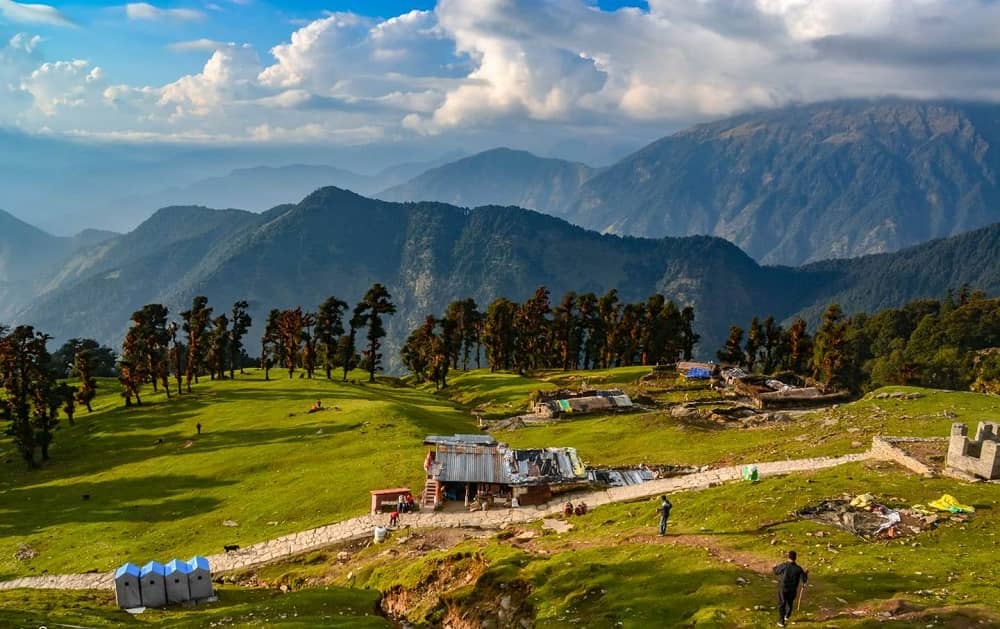
Things to Do in Chopta: Treks, Camps & Scenic Stops
Rohit Verma
February 20, 2026
Explore top things to do in Chopta including Tungnath trek, Chandrashila summit, camping, nature walks, winter planning, and practical itinerary tips.
Introduction
Chopta is one of Uttarakhand’s most rewarding mountain bases for travelers who want trekking, camping, spiritual stops, and Himalayan views in a compact route. Known as the gateway to Tungnath and Chandrashila, it attracts beginners and experienced trekkers alike. If you are searching for things to do in Chopta, the key is to balance altitude effort, weather timing, and recovery windows instead of overloading day plans.
This guide organizes activities by intensity and season so you can build a safe and satisfying itinerary. It also includes budget planning, winter tradeoffs, and route strategy for short trips. For supporting planning, see places to visit in Chopta and practical notes in Chopta travel activities.
Why Chopta Is a High-Value Mountain Destination
Chopta offers a rare mix of accessibility and alpine atmosphere. You get high-impact mountain scenery, temple-linked trekking routes, birdlife, and camping opportunities without needing extremely technical expedition skills. This makes it ideal for first-time Himalayan trekkers who still want meaningful altitude experiences.
Another advantage is route flexibility. You can design low-intensity plans focused on meadows and viewpoints, or higher-intensity plans combining Tungnath and Chandrashila. The destination rewards smart pacing more than raw speed.
Tungnath Trek: Core Experience
Tungnath trek is the signature activity in Chopta. The route is relatively short but includes altitude gain, so start early, maintain steady pace, and carry layered clothing. Clear mornings are best for visibility and safer movement, especially for beginners.
The trek combines spirituality and mountain views, which is why it appeals to diverse traveler profiles. At the temple zone, keep behavior respectful and avoid crowding sensitive sections for photos. Descend with caution, as downhill fatigue can cause slips on uneven stretches.
Keep hydration frequent and avoid heavy meals immediately before ascent. For first-time trekkers, planned breathing breaks improve stamina significantly.
Chandrashila Summit Trek
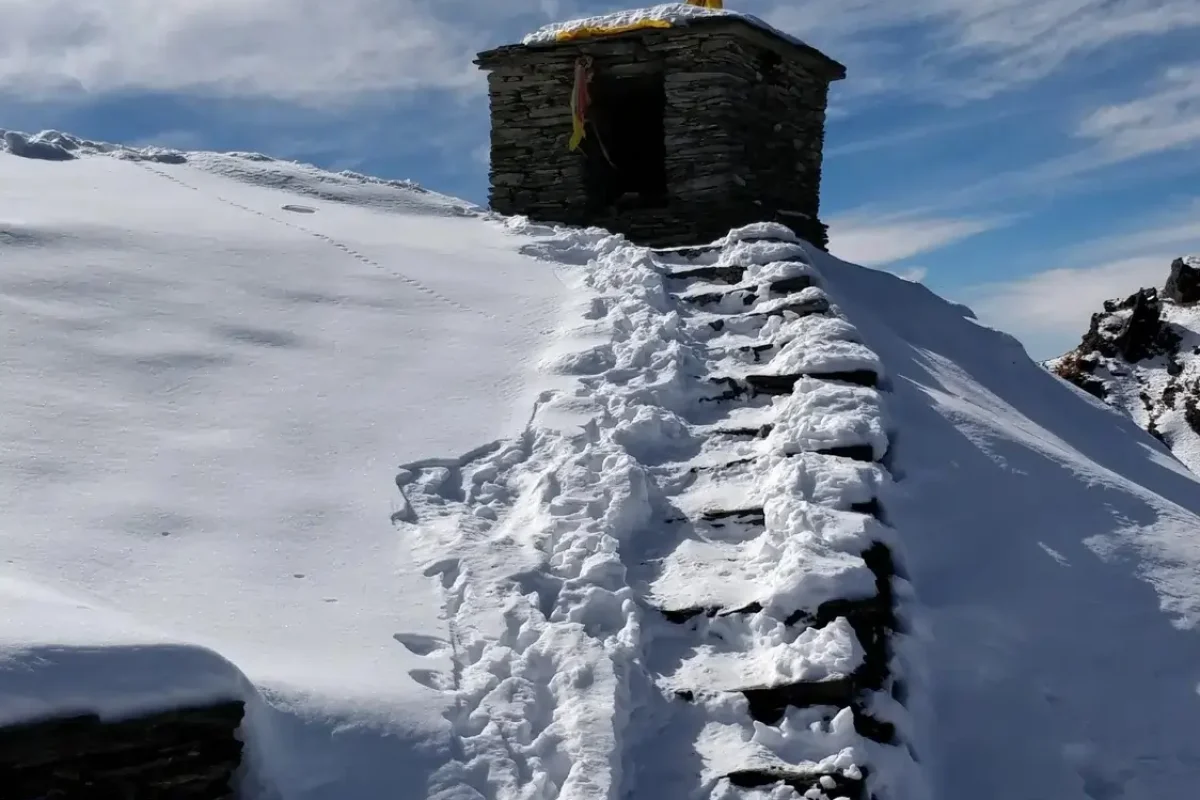
From Tungnath, Chandrashila adds a steeper and more exposed segment with exceptional panoramic rewards. Summit views can include major Himalayan ranges when weather cooperates. The extra push is worth it for fit travelers, but avoid forcing the climb in poor visibility or snow-heavy conditions without guidance.
Sunrise attempts are popular but demand stricter planning around temperature, path condition, and return timing. If conditions are uncertain, a safer daylight summit is the better choice.
Do not underestimate wind chill near the top. Carry gloves, a warm outer layer, and energy snacks even for short summit windows.
Camping in Chopta Meadows
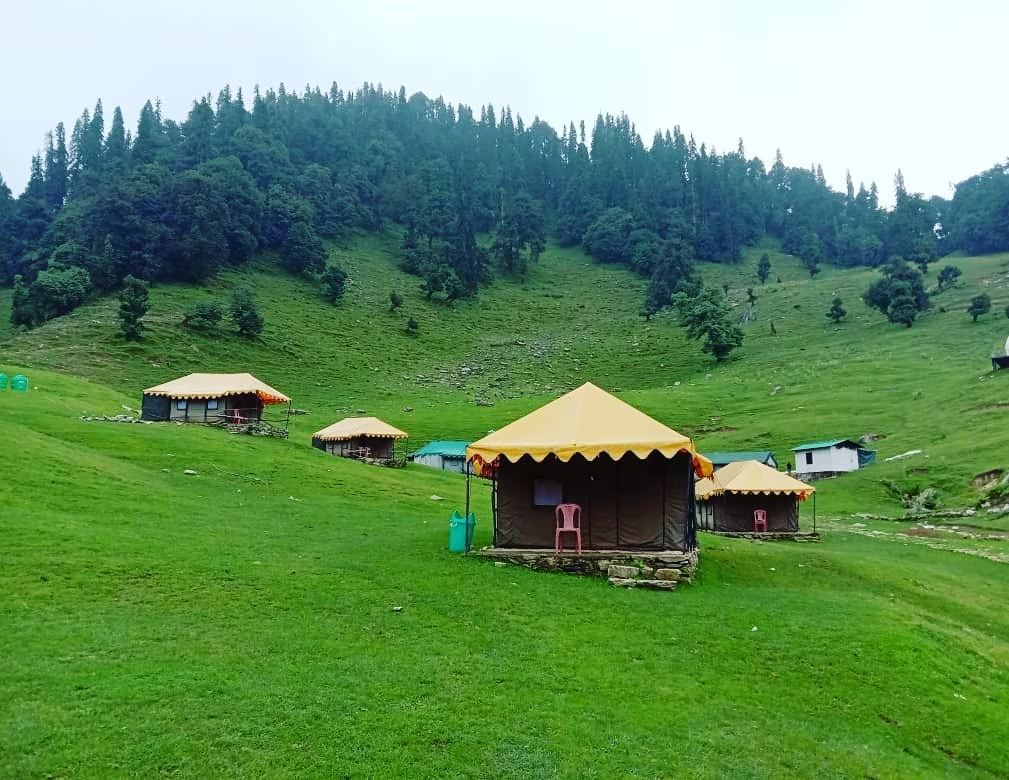
Camping is among the most memorable things to do in Chopta. Night skies, cold air, and early-morning mountain silence create a very different experience from hotel stays. Organized camps usually include tents, meals, and basic facilities, but quality varies, so verify inclusions before booking.
For comfort, choose camps with clear sanitation setup and weather preparedness. In shoulder seasons, nighttime temperatures can drop sharply, so sleeping-bag quality matters.
Responsible camping means no littering, no loud music near forest edges, and careful fire practices. Small behavior changes protect fragile mountain environments.
Deoria Tal and Nearby Excursions
Deoria Tal is a strong add-on for travelers wanting reflective lake views and moderate trekking texture. It works as a half-day or full-day excursion depending on your base and transfer mode. Early starts improve both weather comfort and photo conditions.
If you are planning multiple treks in one trip, avoid stacking intense climbs back-to-back. Use Deoria Tal day as a medium-intensity reset between heavier altitude pushes.
Birdwatching and Nature Walks
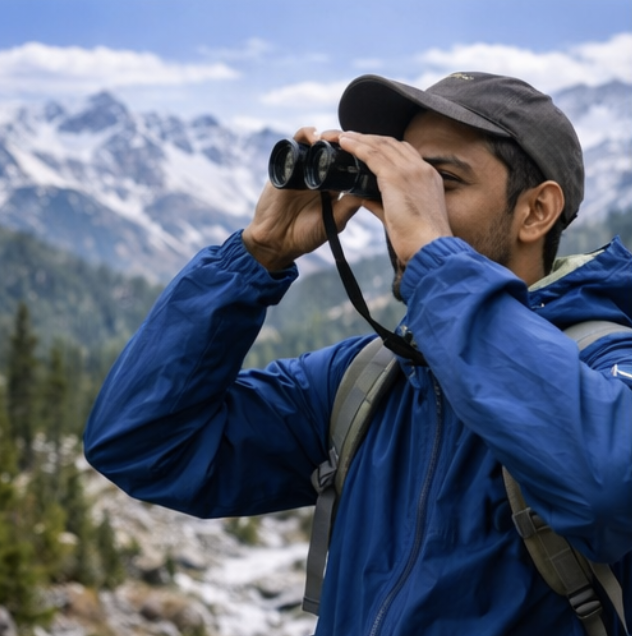
Chopta’s forest and meadow zones are useful for birdwatchers and slow hikers. Spring and early summer can offer stronger sightings. Carry binoculars, keep noise low, and move with patience rather than speed. Nature walks here are less about distance and more about attention to terrain and biodiversity.
For photographers, golden-hour light in meadows and treeline sections is highly rewarding. Weather shifts quickly, so keep rain cover for gear and flexible timing in your schedule.
Winter Activities and Snow Planning
Winter Chopta travel offers snow trails, white landscapes, and a very different mood, but it requires stronger preparation. Trails can become slippery, temperatures can drop sharply, and some services may reduce frequency. Beginners should avoid unsupported high-risk attempts in peak snow without local advice.
If snow is your goal, prioritize safety gear, proper footwear, layered insulation, and realistic daily limits. Maintain return-time discipline to avoid descending in low visibility.
2-Day and 3-Day Itinerary Framework
| Duration | Recommended Plan |
|---|---|
| 2 Days | Day 1 arrive + acclimatization walk + camp, Day 2 Tungnath/Chandrashila + return |
| 3 Days | Add Deoria Tal or nature day with low-intensity forest walk |
Keep weather buffer in all mountain itineraries. Chopta rewards flexible planning more than rigid schedules.
Best Time to Visit Chopta by Activity
- Spring-Summer: Trekking comfort, blooming landscapes, easier movement
- Post-monsoon: Clear views and stable conditions in many weeks
- Winter: Snow-focused travel with higher preparation needs
Activity choice should match season, fitness, and group experience level.
Budget, Logistics, and Safety
Costs vary by stay style, transport mode, and guide/camping choices. Budget travelers can manage efficient trips with shared transport and simple stays, while premium itineraries add private movement and curated camp setups.
- Budget day: INR 1,800-3,000
- Mid-range day: INR 3,500-6,000
- Premium day: INR 7,000+
Carry medicines, torch, power backup, and offline maps. In remote mountain weather, practical preparedness matters more than last-minute improvisation.
Common Mistakes to Avoid
A major mistake is starting treks late and descending after dark. Another is ignoring acclimatization signals and pushing pace for social-media goals. Keep your mountain plan grounded in energy, weather, and terrain reality.
Also avoid leaving waste on trails. Responsible trekking is essential to preserve Chopta’s ecosystem and visitor experience.
Fitness and Acclimatization Strategy
Chopta is beginner-friendly only when trekkers respect altitude and pacing fundamentals. If you are coming from plains, keep your first day light with short acclimatization walks and early rest. Avoid heavy meals before major climbs and maintain steady hydration through the day. Small breathing breaks every 20-30 minutes on ascent are more effective than long unplanned stops after exhaustion.
Groups with mixed fitness should adopt a slowest-member pacing rule. This keeps morale stable and prevents summit pressure. Trekking success in Chopta is not measured by speed; it is measured by safe ascent, controlled descent, and team consistency.
Route Discipline and Weather Decisions
Always start summit attempts early and set a hard turnaround time regardless of progress. Mountain weather can change rapidly, and descending late can introduce unnecessary risk. In winter, confirm trail status with local guides and stay operators before leaving. Do not depend on outdated online reports for same-day conditions.
If visibility drops or snowfall increases, prioritize return over completion goals. Conservative decisions are a core skill in Himalayan travel and should be treated as success, not failure.
Camping Quality Checklist
Before finalizing camp stay, check tent insulation quality, toilet arrangement, hot-water availability, and emergency support. Ask whether the camp team has weather backup plans and clear communication channels. Clean camps with responsible waste management and quiet-hour discipline provide far better mountain experiences than loud party-style setups.
Keep electronics charged before nightfall and carry power banks because cold weather drains batteries faster.
Photography and Nature Observation Tips
For landscape photography, early light near meadows and late light near ridge views produce the best depth. Wildlife and bird photography require patience and silence; avoid rushing through forest stretches with loud groups. Carry minimal but weather-protected equipment and plan one dedicated photo block rather than shooting continuously during strenuous ascent.
This approach preserves both safety focus and creative quality.
Responsible Trekking Practices
Carry your waste back, avoid single-use plastic where possible, and do not play loud music on trails. Respect temple spaces and local livelihoods by following route etiquette and buying from local service providers. Responsible travel keeps Chopta viable for future trekkers and strengthens the mountain economy in a sustainable way.
Pre-Trek Night Preparation
Lay out trekking layers, water, snacks, gloves, and headlamp before sleeping so you can start early without confusion. Early departure is one of the strongest safety advantages in Chopta. It gives stable weather windows, better visibility, and a more controlled descent timeline.
Sleep early, avoid heavy late dinners, and check weather once more before lights out. These small habits improve next-day performance far more than aggressive pace strategies on trail.
Emergency Preparedness Basics
Share your trek route with someone at your stay, carry emergency contacts on paper, and keep a basic whistle and backup torch. In mountain settings, simple redundancy improves response speed when visibility or connectivity drops.
Pacing Reminder for Mixed Groups
When traveling with friends of different fitness levels, split summit goals and rejoin at agreed points rather than forcing one pace for everyone. This keeps the trek safer and more enjoyable.
Always recheck morning weather before leaving camp.
Conclusion
The best things to do in Chopta combine trekking, meadow camping, spiritual mountain routes, and nature immersion. With smart timing, realistic effort planning, and weather awareness, Chopta can be one of the most satisfying short Himalayan trips.
Prioritize sunrise-ready schedules, careful descent planning, and responsible behavior, and your Chopta journey will be safer, richer, and far more memorable.
Location
Frequently Asked Questions
Q1.How many days are enough for Chopta?
Q2.What are the best things to do in Chopta?
Q3.Is Chopta good for beginners?
Q4.When is the best time to visit Chopta?
Q5.Is Tungnath trek difficult?
Q6.Can I camp in Chopta?
Q7.Do I need a guide for Chandrashila?
Q8.What should I pack for Chopta?
Recommended For You
Things to Do in Jibhi: Nature Trails, Cafes & Slow Travel Ideas
Explore Jibhi, Himachal's hidden gem! Discover Serolsar Lake, Jalori Pass, Chehni Kothi, trout fishing & more in this offbeat travel guide.
Things to Do in Kaza Spiti: Monasteries, Villages & Day Excursions
Discover things to do in Kaza, Spiti Valley. Visit Key Monastery, Chandratal, Kibber Village & more. Complete Kaza travel guide with itinerary.
Things to Do in Doodhpathri: Meadow Activities, Picnic Spots & Routes
Find top things to do in Doodhpathri with meadow walks, riverside picnics, horse rides, short trails, and practical day-trip planning from Srinagar.
Never Miss an Adventure
Get the latest trekking guides, travel tips, and exclusive offers delivered straight to your inbox.
