
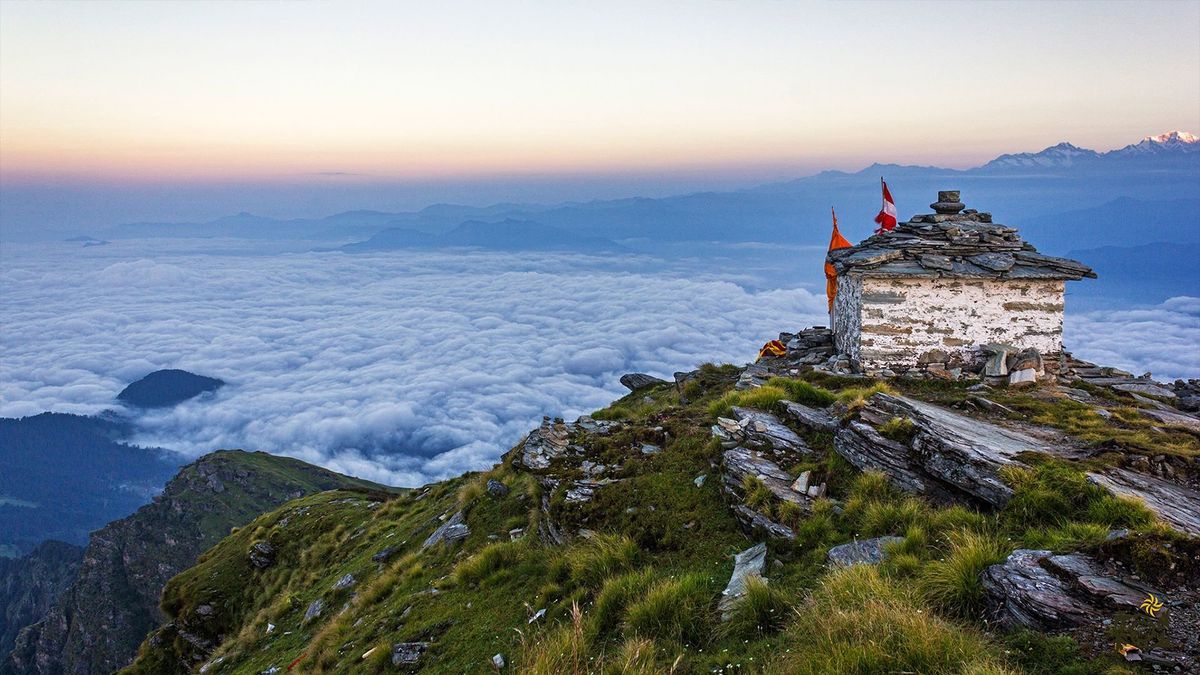
Places to Visit in Chopta: Mini Switzerland of Uttarakhand
Rahul Garg
January 14, 2026
Places to visit in Chopta: Tungnath Temple, Chandrashila Peak, Deoria Tal, meadows & trekking guide for Uttarakhand's Mini Switzerland.
Introduction: Discovering Uttarakhand's Alpine Paradise
Chopta, often called the "Mini Switzerland of India," is a pristine hill station nestled in the Garhwal Himalayas of Uttarakhand. Located at an altitude of 2,680 meters (8,790 feet), this unspoiled gem offers travelers breathtaking views of snow-capped peaks, lush meadows, dense forests, and some of the most rewarding trekking experiences in India. Unlike many Himalayan destinations that have become commercialized, Chopta remains refreshingly rustic and authentic - a place where nature still reigns supreme.
What makes Chopta truly special is its unique combination of accessibility and wilderness. The region serves as the base for two of India's most sacred pilgrimage sites (Tungnath Temple and Chandrashila Peak) while offering some of the Himalayas' most spectacular mountain views, including the impressive Nanda Devi, Trishul, and Chaukhamba peaks. For those seeking more things to do in Chopta, this destination offers much beyond the main attractions. Whether you're a serious trekker, a spiritual seeker, a nature enthusiast, or simply someone tired of crowded tourist destinations, Chopta delivers an experience that feels both profound and pure.
Top Attractions in Chopta
Tungnath Temple
Altitude: 3,680 meters (12,073 feet)
Trek Distance: 3.5 km from Chopta
Trek Duration: 2-3 hours one way
Tungnath Temple, the highest Shiva temple in the world, is Chopta's crown jewel and one of the Panch Kedar (five sacred Shiva temples in Uttarakhand). Believed to be over 1,000 years old, this ancient temple sits at 3,680 meters, surrounded by towering peaks and offering views that inspire both devotion and awe. According to Hindu mythology, Lord Shiva appeared here in the form of a bull to escape the Pandavas, who were seeking penance after the Kurukshetra war. The temple is part of the sacred Kedarnath Dham circuit, making it an important pilgrimage destination.
The Temple:
- Dedicated to Lord Shiva
- Stone construction with traditional Himalayan architecture
- Smaller temples for other deities in the complex
- Priests available for puja ceremonies
- Open April-November (closes in winter due to snow)
Trek Details:
- Well-defined paved path
- Moderate difficulty - gradual incline
- Horses available for hire (INR 600-800)
- Small tea stalls along the route
- Best done early morning to avoid afternoon clouds
Tips:
- Start early (6-7 AM) for clearest views
- Carry water and light snacks
- Wear sturdy hiking shoes
- Layer clothing - it's cold at the top even in summer
- Respect the temple's sanctity - remove shoes before entering
Chandrashila Peak
Altitude: 4,000 meters (13,123 feet)
Trek Distance: 1.5 km from Tungnath Temple (5 km from Chopta)
Trek Duration: 1-1.5 hours from Tungnath
Chandrashila Peak, meaning "Moon Rock," is the summit of the Chandranath Parbat and offers some of the most spectacular Himalayan views you'll see anywhere. According to legend, this is where Lord Rama meditated after defeating the demon-king Ravana. The 360-degree panorama from the summit is unforgettable - on a clear day, you can see Nanda Devi, Trishul, Chaukhamba, Bandarpunch, Kedar Dome, and countless other peaks stretching into the distance.
The Trek:
- Steep climb from Tungnath - more challenging than Chopta to Tungnath
- Rugged trail with some rocky sections
- Exposed ridge - can be windy
- Requires basic fitness
- No facilities on the way or at the top - carry everything
Views from Chandrashila:
- Nanda Devi (India's second-highest peak)
- Trishul (trident-shaped peak)
- Chaukhamba (four-pillared mountain)
- Kedarnath and Kedar Dome
- Bandarpunch peaks
- 360-degree panorama of entire Garhwal Himalaya
Best Time: Early morning (7-9 AM) before clouds obscure views. Winter (December-March) requires snow gear and experience.
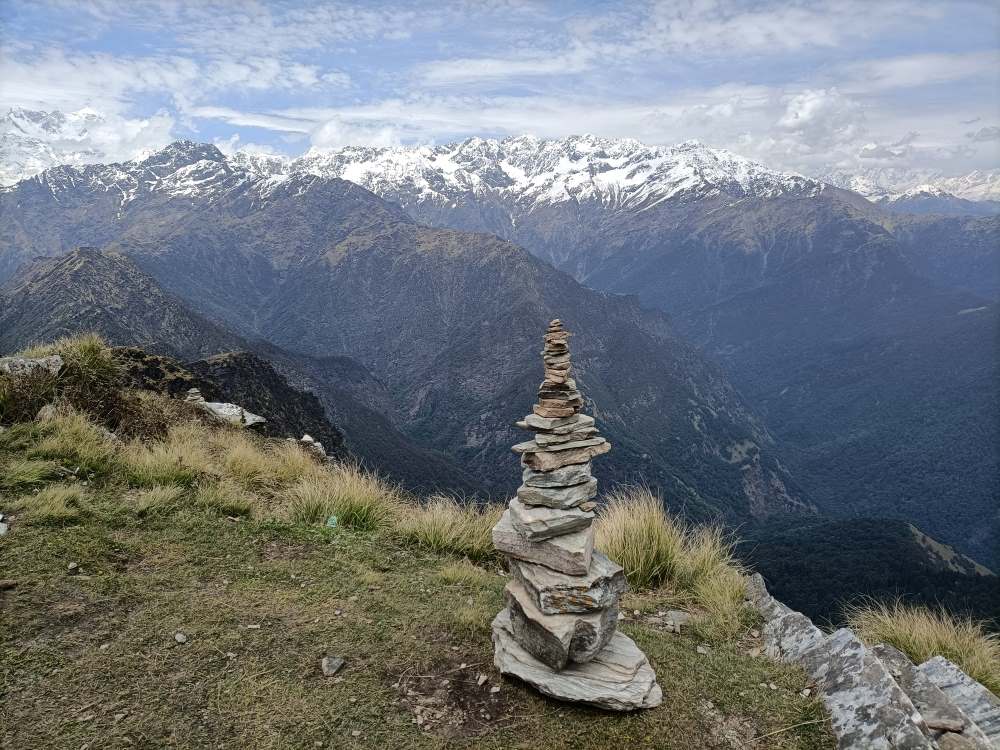
Deoria Tal
Altitude: 2,438 meters (7,998 feet)
Trek Distance: 3 km from Sari village
Trek Distance from Chopta: 12 km by road + 3 km trek
Deoria Tal is a crystal-clear alpine lake whose surface reflects the surrounding Chaukhamba peaks like a perfect mirror. According to Hindu mythology, this is where the Pandavas were asked questions by Yaksha to test their wisdom. The lake is considered sacred, and many pilgrims bathe in its freezing waters before continuing to Tungnath.
The Experience:
- Beautiful trek through rhododendron and oak forests
- Camping available by the lakeside (amazing sunrise experience)
- Fishing permitted with proper permits
- Bird watching opportunities
- Reflected views of Chaukhamba peaks on calm water
Trek Details:
- Easy to moderate difficulty
- Well-marked trail
- Can be done as day trip or overnight camping
- Guide not necessary but helpful for first-time visitors
- Camping equipment can be rented in Sari village
Best Time: Early morning or late afternoon for best light and reflections. Post-monsoon (October) for clearest water.
Chopta Meadows
Altitude: 2,680 meters (8,790 feet)
The meadows around Chopta are attractions in themselves - rolling alpine meadows covered in green grass and wildflowers during summer, and pristine white snowfields in winter. These meadows offer some of the best camping spots in Uttarakhand and are perfect for relaxing, photography, and simply soaking in the mountain atmosphere.
What to Do:
- Camp under the stars
- Photograph wildflowers (summer) or snow landscapes (winter)
- Bird watching - many Himalayan species found here
- Yoga and meditation with mountain views
- Sunset viewing
Seasons:
- Summer (May-June): Green meadows with wildflowers
- Autumn (October): Golden grass with mountain views
- Winter (December-February): Snow-covered winter wonderland
Rohini Bugyal
Altitude: 2,800 meters (9,186 feet)
Trek Distance: 4-5 km from Chopta
Rohini Bugyal is a beautiful alpine meadow that sees far fewer visitors than Chopta's main attractions. The trek passes through dense rhododendron forests (incredible during spring bloom) and opens to expansive meadows with mountain views. It's perfect for those wanting to escape the limited crowds around Chopta.
Highlights:
- Secluded and peaceful
- Rhododendron forests (blooming March-April)
- Camping opportunities
- Himalayan monal sightings (colorful pheasant)
UGM Guest House Area
The area around the UGM (Uttarakhand Garhwal Mandal) Guest House offers beautiful views and is a great spot for sunrise and sunset photography. The guest house itself offers basic accommodation, but the surrounding area is open to all visitors.
Adventure Activities
Trekking
Chopta offers excellent trekking for all levels:
Easy Treks:
- Chopta meadows exploration
- Short walks around the camping areas
Moderate Treks:
- Chopta to Tungnath (3.5 km)
- Sari to Deoria Tal (3 km)
- Rohini Bugyal trek (4-5 km)
Challenging Treks:
- Tungnath to Chandrashila (1.5 km steep)
- Winter treks (requires snow gear)
Camping
Camping in Chopta is magical:
- Camp in Chopta meadows with mountain views
- Lakeside camping at Deoria Tal
- Basic facilities available (tents on rent)
- Night sky viewing - incredible star gazing
- Wake up to mountain sunrises
Approximate Camping Costs: INR 500-1,500 per night including tent and meals
Bird Watching
Chopta is a bird watcher's paradise:
Species to Spot:
- Himalayan Monal (colorful national bird of Nepal)
- Kaleej Pheasant
- Snow Partridge
- Himalayan Griffon
- Various finches and thrushes
Best Spots: Rhododendron forests, meadows, and around Deoria Tal
Winter Trekking
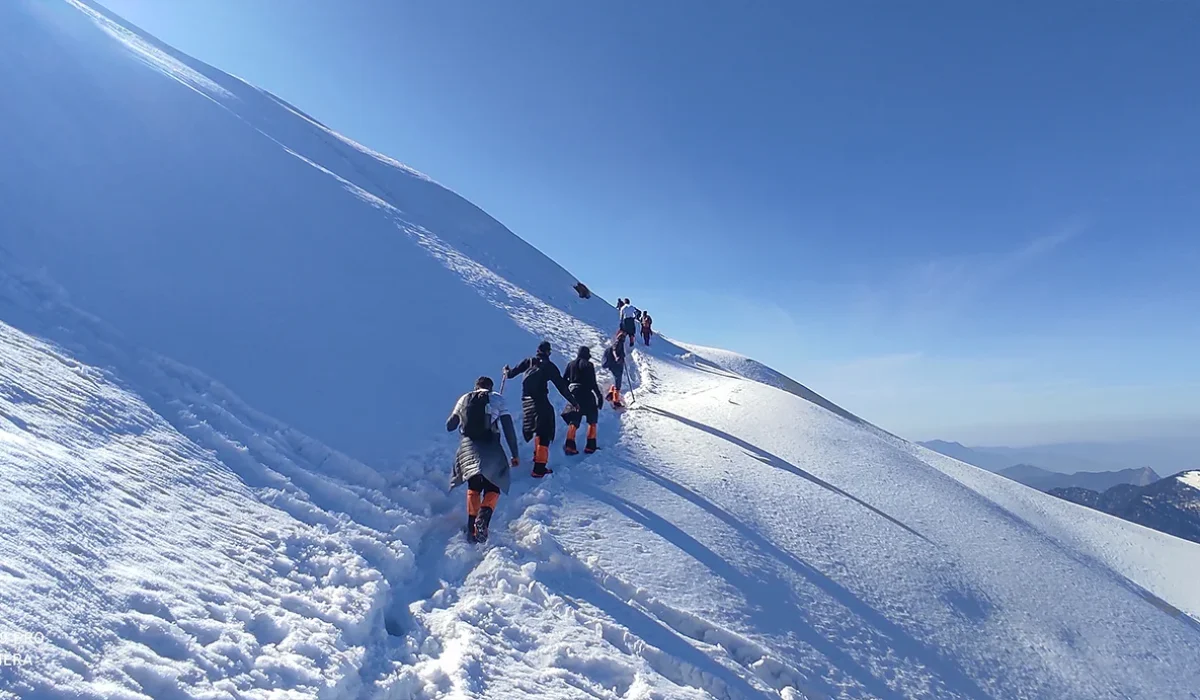
Winter transforms Chopta into a snow wonderland:
- Snow trekking to Tungnath and Chandrashila
- Requires proper winter gear
- More challenging due to snow on trail
- Winter camping possible
- Best months: December-February
Best Time to Visit Chopta
Summer (April - June)
Weather: Pleasant days (15-20°C), cold nights (5-10°C)
Pros: Best weather for trekking, rhododendrons blooming, clear mountain views, pleasant for camping
Cons: Peak season, more tourists, higher prices
Best For: Trekking, camping, nature walks, photography
Monsoon (July - September)
Weather: Rainy, lush greenery, landslides possible
Pros: Lush landscapes, fewer tourists, lower prices, wildflowers
Cons: Rain disrupts activities, leeches, roadblocks possible, mountain views obscured
Best For: Budget travelers, nature lovers who don't mind rain, photographers wanting green landscapes
AUTUMN (October - November)
Weather: Pleasant days (12-18°C), cold nights (0-5°C)
Pros: Clearest mountain views, festival season (Dussehra, Diwali), comfortable temperatures, fewer crowds than summer
Cons: Nights getting cold by November
Best For: Mountain views, photography, trekking, cultural experiences
Winter (December - March)
Weather: Cold days (5-10°C), very cold nights (-5°C to 0°C), snowfall common
Pros: Snow landscapes, winter trekking, very few tourists, magical winter atmosphere
Cons: Very cold, Tungnath temple closed, roads may close due to snow, requires winter gear
Best For: Winter trekking, snow experiences, photography, solitude
How to Reach Chopta
By Air
Nearest Airport: Jolly Grant Airport, Dehradun
Distance: Approximately 220 km (7-8 hours drive)
Taxis available from airport. Buses run from Dehradun to Ukhimath/Rudraprayag, then connect to Chopta.
By Train
Nearest Railway Station: Rishikesh
Distance: Approximately 180 km (6-7 hours drive)
Rishikesh is well-connected to major Indian cities. From Rishikesh, take a bus or taxi to Chopta via Rudraprayag and Ukhimath. While in Rishikesh, you might also explore Beatles Ashram Rishikesh or Ganga Aarti Rishikesh before heading to Chopta.
By Road
Chopta is accessible by road from major cities:
- Rishikesh: 180 km (6-7 hours)
- Haridwar: 200 km (7-8 hours)
- Dehradun: 220 km (7-8 hours)
- Delhi: 450 km (12-14 hours)
Route: Delhi -> Haridwar -> Rishikesh -> Devprayag -> Rudraprayag -> Ukhimath -> Chopta
Road Conditions: Mostly good until Ukhimath, then rough but motorable to Chopta. Avoid night driving.
Within Chopta
Chopta is small and everything is walkable. No vehicles needed once you're there.
Where to Stay
Camping
Best Option: Camp in the meadows
- Tents on rent (INR 500-1,000 per night)
- Some camps include meals
- Wake up to incredible views
- Basic but authentic experience
Guesthouses
Basic guesthouses available in Chopta:
- UGM Guest House (basic but clean)
- Private guesthouses with rooms (INR 800-2,000 per night)
- Most serve meals
- Hot water not guaranteed
Homestays
Some villagers offer homestays:
- Authentic cultural experience
- Home-cooked meals
- Basic facilities
- INR 600-1,500 per night including meals
What to Pack
Clothing
- Warm layers (even in summer, nights are cold)
- Windproof jacket
- Thermal inner wear (winter essential)
- Hiking pants
- Warm hat and gloves (winter/spring)
- Comfortable hiking shoes
- Extra socks
Essentials
- Sunscreen and sunglasses (UV is strong at altitude)
- Water bottle
- First aid kit
- Personal medications
- Power bank
- Camera with extra batteries (cold drains batteries)
- Torch/headlamp
Travel Tips
- Acclimatize: Chopta is at high altitude - take it easy first day
- Stay Hydrated: Altitude causes dehydration
- Respect Nature: Don't litter, respect wildlife
- Start Early: Mountain views clearest in morning
- Cash Only: No ATMs - carry sufficient cash
- Book Ahead: Peak season requires advance booking
- Be Flexible: Weather can change plans
Suggested Itineraries
Two Days in Chopta
Day 1:
- Arrive in Chopta
- Settle into accommodation/camp
- Explore meadows
- Sunset viewing
Day 2:
- Early morning start (6 AM)
- Trek to Tungnath
- Continue to Chandrashila
- Return to Chopta
- Depart or extend stay
Three Days in Chopta
Day 1: Arrival + meadows exploration
Day 2: Tungnath + Chandrashila trek
Day 3: Deoria Tal trek OR second visit to Tungnath for sunrise
Is Chopta Worth It?
In a Himalayan region full of beautiful destinations, Chopta stands out for its authenticity and accessibility. It's not developed or commercialized like some hill stations - it's raw, natural, and feels undiscovered despite growing popularity. The combination of sacred sites (Tungnath), adventure (Chandrashila trek), natural beauty (Deoria Tal, meadows), and genuine Garhwali hospitality makes Chopta special.
For serious trekkers, Chopta offers rewarding Himalayan experiences without extreme difficulty. For casual hikers, the Tungnath trek is achievable and incredibly rewarding. For spiritual seekers, the sacred energy of Tungnath is palpable. For nature lovers, the meadows and forests are pristine and peaceful.
Most importantly, Chopta feels real. It's not a tourist trap created for visitors - it's a living Garhwali community where pilgrims, trekkers, and locals all share the same trails, the same mountains, and the same awe at nature's grandeur. In an age of manufactured experiences, that authenticity is precious.
If you're looking for luxury, shopping, and nightlife, Chopta is not for you. But if you're seeking mountain views that take your breath away, treks that challenge just enough, and an experience that feels both profound and pure - Chopta delivers. It may be called "Mini Switzerland," but there's nothing miniature about the experiences awaiting you here.
Location
Frequently Asked Questions
Q1.How do I reach Chopta from Delhi?
Q2.What is the best time to visit Chopta?
Q3.Is Tungnath Chandrashila trek difficult?
Q4.Where can I stay in Chopta?
Q5.Is Chopta worth visiting?
Q6.Can we visit Chopta in December?
Q7.What is the height of Chandrashila Peak?
Q8.Is Deoria Tal worth visiting?
Recommended For You
Things to Do in Chopta: Treks, Camps & Scenic Stops
Explore top things to do in Chopta including Tungnath trek, Chandrashila summit, camping, nature walks, winter planning, and practical itinerary tips.
How to Reach Kedarnath: Registration, Route & Trek Information
Plan how to reach Kedarnath with route stages, trek preparation, seasonal timing, and practical safety guidance.
Places to Visit in Auli: Ski Slopes, Ropeway & Mountain Views
Best places to visit in Auli including skiing slopes, ropeway, Gurso Bugyal, artificial lake, Nanda Devi viewpoints, Chattrakund, Joshimath and travel tips.
Never Miss an Adventure
Get the latest trekking guides, travel tips, and exclusive offers delivered straight to your inbox.
