
Heritage
CSMT Mumbai: Complete Guide to Victoria Terminus Heritage Site

Rohan Malhotra
December 22, 2025
11 min read2,751 views
Discover Chhatrapati Shivaji Maharaj Terminus (CSMT), Mumbai's UNESCO World Heritage Site. Explore Victorian Gothic architecture & heritage gallery guide.
Introduction: Mumbai's Crown Jewel
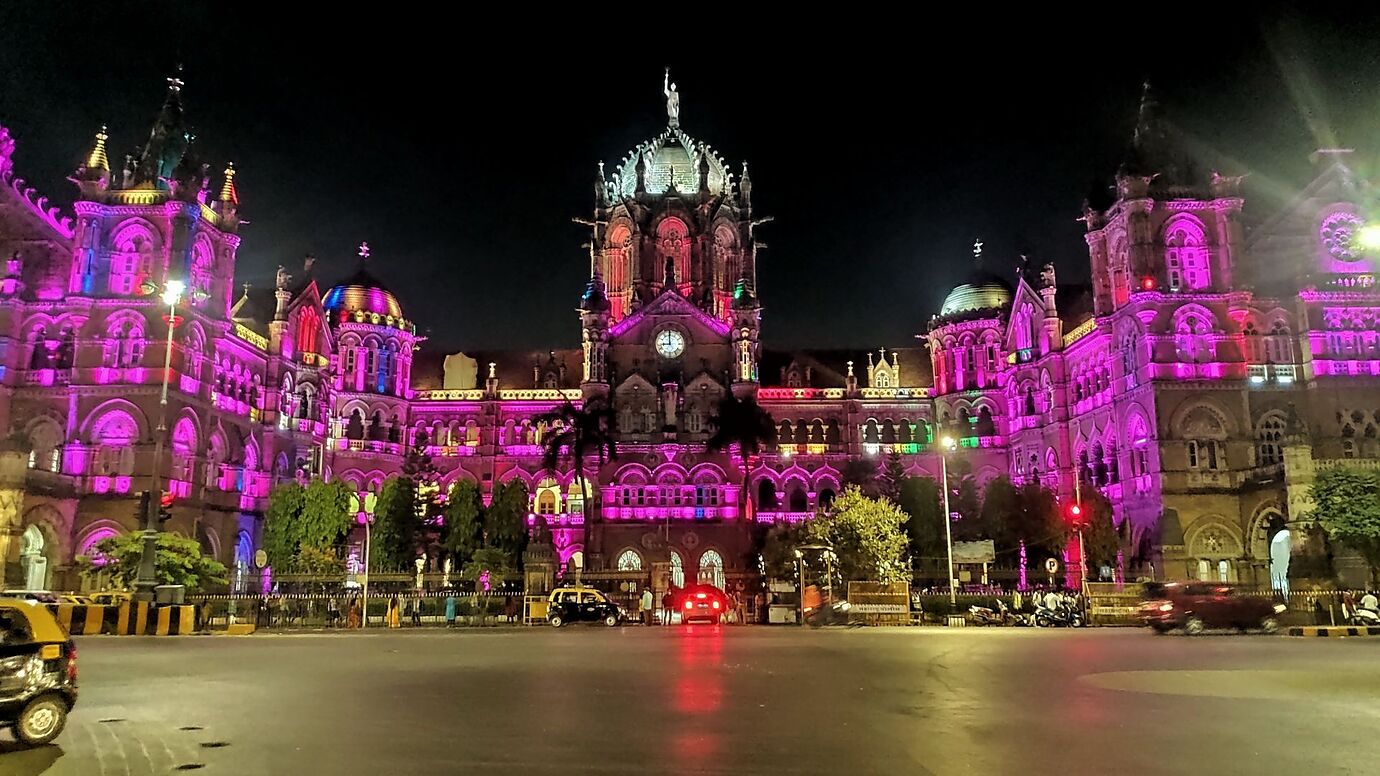
Standing tall in the heart of South Mumbai, Chhatrapati Shivaji Maharaj Terminus (CSMT) is more than just a railway station—it's a living testament to India's rich colonial history and architectural brilliance. This UNESCO World Heritage Site serves as the headquarters of the Central Railways and remains one of the busiest railway stations in India, handling over 3 million passengers daily.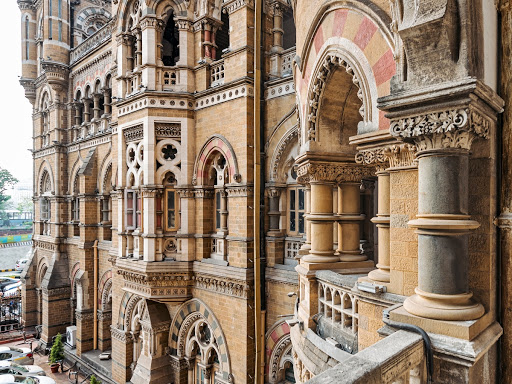 Yet, beyond the hustle and bustle of commuters lies an architectural masterpiece that tells the story of Mumbai's transformation from a colonial outpost to a modern metropolis. Originally known as Victoria Terminus (VT), this iconic structure was completed in 1887 and named after Queen Victoria to commemorate her Golden Jubilee.
In 1996, it was renamed Chhatrapati Shivaji Terminus in honor of the legendary Maratha warrior king. Today, it stands as one of Mumbai's most visited heritage sites, attracting history buffs, architecture enthusiasts, and curious travelers from around the world.
Yet, beyond the hustle and bustle of commuters lies an architectural masterpiece that tells the story of Mumbai's transformation from a colonial outpost to a modern metropolis. Originally known as Victoria Terminus (VT), this iconic structure was completed in 1887 and named after Queen Victoria to commemorate her Golden Jubilee.
In 1996, it was renamed Chhatrapati Shivaji Terminus in honor of the legendary Maratha warrior king. Today, it stands as one of Mumbai's most visited heritage sites, attracting history buffs, architecture enthusiasts, and curious travelers from around the world.
Historical Journey: From Bori Bunder to CSMT
The Early Days
The story of CSMT begins at Bori Bunder (literally meaning "sack depot"), the original railway station of Mumbai. Built in 1853, this was where India's first passenger train started its journey from Mumbai to Thane, marking the beginning of the railway era in India. However, as the railway network expanded rapidly, Bori Bunder proved inadequate to handle the growing passenger traffic and goods movement. The station was overwhelmed, and the British government realized the need for a grander, more efficient railway terminus that could serve the growing city's needs.Construction and Design
In 1878, the decision was made to construct a new, grand station building. The British government wanted a structure that would not only serve practical purposes but also stand as a symbol of imperial power and architectural excellence. An architectural competition was held, and Frederick William Stevens, a British architect, was selected to design this monumental building. Construction began in 1878 and took nearly a decade to complete, finally opening to the public in 1887.| Year | Milestone |
|---|---|
| 1853 | First passenger train runs from Bori Bunder to Thane |
| 1878 | Construction of new station begins |
| 1887 | Victoria Terminus officially opens to public |
| 1996 | Renamed Chhatrapati Shivaji Terminus |
| 2004 | UNESCO World Heritage Site designation |
| 2017 | "Maharaj" added to the name |
Post-Independence Transformation
Following India's independence in 1947, the station continued to serve as Mumbai's primary railway hub. In 1996, the Bombay Municipal Corporation renamed it Chhatrapati Shivaji Terminus to honor the Maratha king who challenged the Mughal Empire and established a sovereign Hindu kingdom in western India. In 2017, "Maharaj" was added to the name, making it Chhatrapati Shivaji Maharaj Terminus. In 2004, UNESCO recognized the station's architectural and historical significance by designating it as a World Heritage Site, making it one of the few railway stations in the world to receive this honor.Architectural Brilliance: A Gothic Masterpiece
Victorian Gothic Revival Style
CSMT is considered one of the finest examples of Victorian Gothic Revival architecture in India. The building stretches over 2,100 feet in length and stands approximately 120 feet tall at its highest point.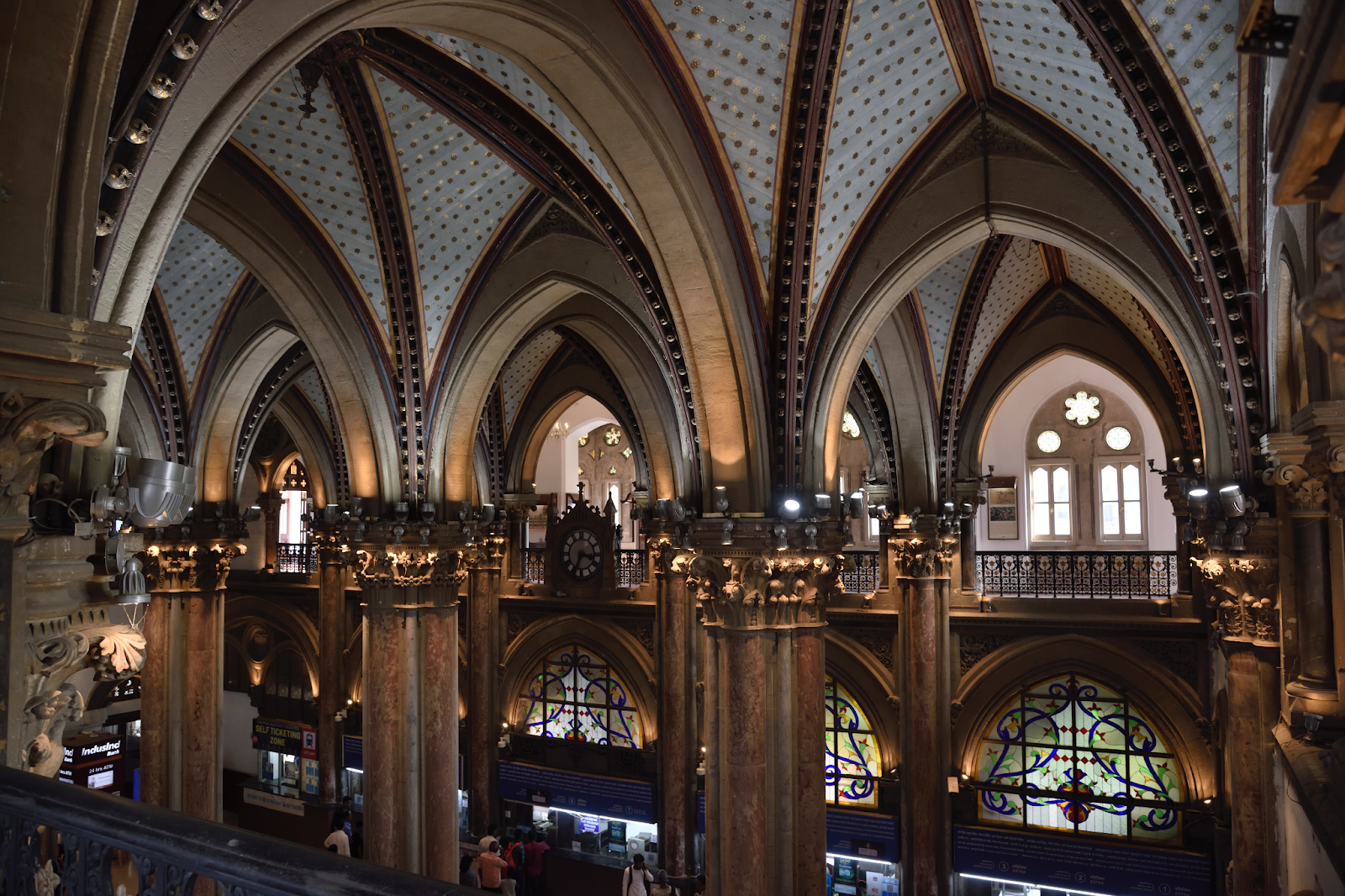 The façade is constructed using local Malad stone and limestone, with Italian marble used for the key decorative elements. This combination of materials not only provided durability but also created a stunning visual contrast that has withstood the test of time.
Key Architectural Features
| Feature | Description |
|---|---|
| Central Dome | 16 feet diameter, surmounted by "Progress" statue with torch and wheel |
| Turrets & Towers | >Numerous pointed arches and octagonal towers creating dramatic skyline|
| Gargoyles | >Elaborate stone sculptures with peacocks, monkeys, lions, and snakes|
| Stained Glass | >Beautiful windows filtering sunlight with railway-themed designs|
| Star Chamber | >Main booking hall with star-shaped ceiling and marble arches
Indigenous Elements
What sets CSMT apart from other Gothic buildings is its incorporation of traditional Indian architectural elements. The friezes and relief work feature designs inspired by Indian temple architecture, including lotus motifs, elephant heads, and figures from Hindu mythology.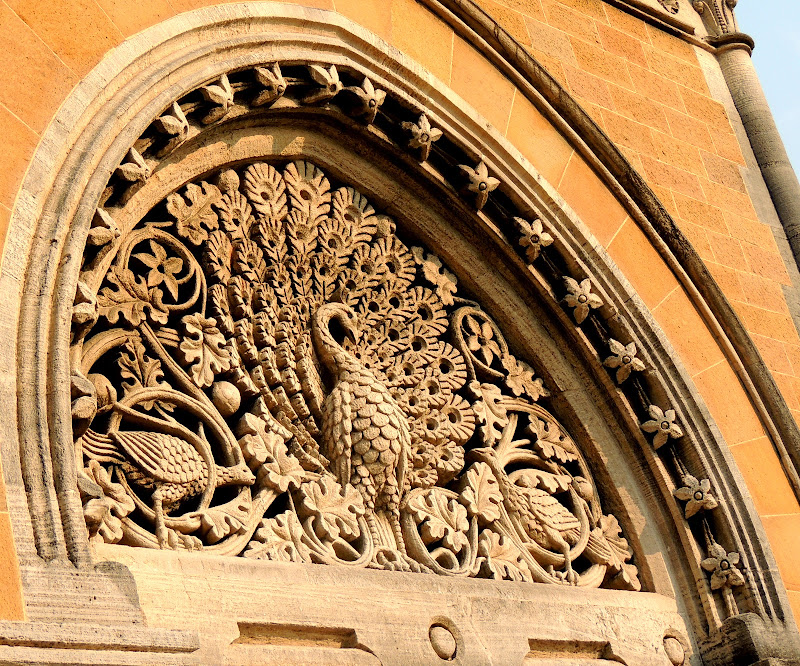 The students of the JJ School of Art, Mumbai, contributed significantly to these indigenous elements, making CSMT a true collaborative effort between British architects and Indian artisans. This East-meets-West approach was revolutionary for its time and created a distinctive architectural identity.
Inside the Station: The Heritage Gallery
The Heritage Museum
Located on the first floor of the station building is the CSMT Heritage Gallery, a museum that showcases the rich history of Indian railways. The gallery houses an impressive collection of artifacts that tell the story of how the railway network shaped modern India. The museum's collection includes old locomotive models and miniature trains that showcase the evolution of railway technology in India. Vintage photographs of Mumbai's railway network provide a fascinating glimpse into the city's past, while historical documents and railway tickets from the colonial era offer insights into the daily operations of early railways.Visiting the Heritage Gallery
| Detail | Information |
|---|---|
| Timings | Monday to Saturday, 3:00 PM to 5:00 PM |
| Closed | Sundays and public holidays |
| Entry Fee | ₹200 for adults, ₹100 for children |
| Location | First floor, CSMT building (P. D'Mello Road side) |
| Photography | May be restricted in certain areas |
The CSMT Experience: What to Expect
Architectural Photography
For photography enthusiasts, CSMT offers endless opportunities. The best time for exterior photography is early morning or late afternoon when the sunlight creates dramatic shadows on the façade. Evening visits are particularly magical when the building is illuminated, showcasing its Gothic grandeur against the night sky.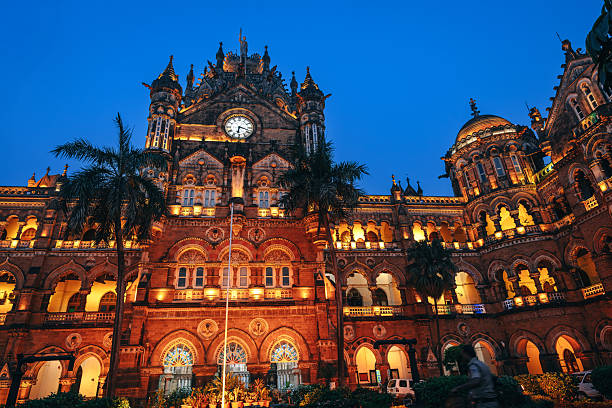 Photography is generally allowed in public areas, but commercial or professional shoots require prior permission from railway authorities. The exterior view from the opposite side of the road offers the best perspective of the entire building.
Exploring the Platforms
CSMT has 18 platforms, making it one of India's largest railway stations. Platforms 1-7 primarily handle suburban local trains on the Central and Harbour lines, while Platforms 8-18 cater to long-distance trains connecting Mumbai to various parts of India. The star-shaped layout of the platforms, with the central dome as the focal point, is an engineering marvel. The high vaulted ceilings, iron arches, and stone pillars create a cathedral-like atmosphere that's both grand and functional.The Commuter Experience
Experiencing CSMT during rush hour (8-11 AM and 5-8 PM) is an adventure in itself. Over 3 million passengers pass through this station daily, creating a sea of humanity that's both overwhelming and fascinating.| Time Period | Experience | Best For |
|---|---|---|
| 7-9 AM | Peak morning rush | Observing Mumbai's energy |
| 10 AM-4 PM | Relatively calmer | Architecture photography |
| 5-8 PM | Peak evening rush | Experiencing local culture |
| Late Evening | Illuminated building | Night photography |
Nearby Attractions: A Heritage Walk
CSMT is surrounded by several other heritage buildings and attractions, making it an ideal starting point for a heritage walk through South Mumbai.BMC Headquarters
Located directly opposite CSMT is the Bombay Municipal Corporation (BMC) building, another architectural gem built in the Victorian Gothic style. Designed by FW Stevens (the same architect as CSMT), this building features a 255-foot-tall tower that dominates the skyline.Crawford Market
A short walk from CSMT is Crawford Market, one of Mumbai's oldest and most famous markets. Built in 1869, this South Mumbai landmark is known for its fresh produce, pet market, and stunning Norman/Gothic architecture. The market's friezes were designed by Rudyard Kipling's father, John Lockwood Kipling.Flora Fountain & Hutatma Chowk
Located at the Hutatma Chowk intersection, Flora Fountain is a magnificent stone fountain built in 1864. The surrounding area is a heritage precinct with several historic buildings, including the historic St. Xavier's College and the Old Customs House.Mumbai High Court
Just a few minutes away is the Bombay High Court, another beautiful example of Gothic revival architecture in Mumbai. The building's distinctive blue stone and its impressive clock tower make it a photographer's delight.Gateway of India
For those wanting to visit the iconic Gateway of India, it's just a 15-minute taxi ride from CSMT. This monument is one of Mumbai's most recognizable landmarks and a perfect complement to a heritage walk through South Mumbai.How to Reach CSMT
By Local Train
CSMT is the terminus for both Central and Harbour line local trains. If you're coming from the Western line, you'll need to switch at Dadar or Mumbai Central. The station is well-connected to all parts of Mumbai and neighboring suburbs.By Bus
The CSMT bus depot is located right outside the station, with buses connecting to various parts of Mumbai. BEST buses are the most economical mode of transport, though they can be crowded during peak hours.By Taxi/Auto-rickshaw
Taxis and auto-rickshaws are readily available outside the station. App-based cab services like Ola and Uber also have designated pickup points in the area. Note that auto-rickshaws are not allowed in South Mumbai, so taxis are your best option.Best Time to Visit CSMT
For Architecture and Photography
The best time to appreciate CSMT's architectural beauty is during the winter months (November to February) when the weather is pleasant. Early morning (7-9 AM) or late afternoon (4-6 PM) offers the best lighting for photography.For Heritage Gallery Visit
The heritage gallery is open from 3 PM to 5 PM on weekdays, so plan your visit accordingly. Weekends are generally crowded, so visiting on a weekday morning is recommended.For Special Illuminations
CSMT is occasionally illuminated on special occasions like Independence Day, Republic Day, and important festivals. During these times, the building becomes a spectacle of lights, with 3D projection mapping shows that narrate Mumbai's history.Practical Tips for Visitors
Essential Items to Carry
- ID Proof: Required for heritage gallery entry
- Camera: For capturing architectural details
- Water bottle: Stay hydrated during exploration
- Comfortable shoes: For walking through the station
- Cash: For gallery entry and small purchases
Visitor Guidelines
- Dress modestly: As a working station and heritage site, modest attire is recommended
- Stay vigilant: Like any busy transit hub, keep your belongings secure
- Respect commuters: Remember that this is a functional railway station; avoid blocking pathways during rush hours
- Hire a guide: For a deeper understanding of the architecture and history, consider hiring a certified heritage guide
- Check for events: The railway occasionally organizes heritage walks and special exhibitions
Conclusion: A Monument to Mumbai's Spirit
Chhatrapati Shivaji Maharaj Terminus is more than just a railway station—it's a symbol of Mumbai's resilience, its rich history, and its unique position as a city where tradition and modernity coexist harmoniously. The station has witnessed Mumbai's transformation from a colonial port city to India's financial capital, and it continues to be the lifeline of millions of Mumbaikars. Whether you're a history enthusiast, architecture lover, or simply a curious traveler, CSMT offers something for everyone. The next time you're in Mumbai, don't just pass through this magnificent station—stop, look up, and appreciate the grandeur of one of India's most beautiful buildings. After all, it's not every day you get to experience a UNESCO World Heritage Site that's also a functioning railway station. As you explore CSMT and the surrounding heritage precinct, remember that you're walking through layers of history—each stone, arch, and dome has a story to tell about Mumbai's glorious past and its vibrant present. This is the magic of CSMT: it's a monument that lives, breathes, and moves with the city it serves.Location
Frequently Asked Questions
Q1.What is the old name of Chhatrapati Shivaji Terminus?
It was formerly known as Victoria Terminus (VT), named after Queen Victoria of England to commemorate her Golden Jubilee in 1887. The name was changed to Chhatrapati Shivaji Terminus in 1996 to honor the Maratha warrior king, and 'Maharaj' was added in 2017.
Q2.Is entry to the CSMT Heritage Gallery free?
No, there is a nominal entry fee for the Heritage Gallery. The fee is approximately ₹200 for adults and ₹100 for children, though prices are subject to change. The gallery is open from 3 PM to 5 PM on weekdays (Monday to Saturday) and is closed on Sundays and public holidays.
Q3.Can we take photos inside CSMT?
Photography is allowed in public areas of the station, including the exterior and main concourse. However, commercial or professional photography shoots require prior permission from railway authorities. The Heritage Gallery may have specific photography restrictions, so it's best to check current guidelines before visiting.
Q4.When is the best time to see the lighting at CSMT?
The building is beautifully illuminated on special occasions like Independence Day (August 15), Republic Day (January 26), and important festivals. For architectural photography, early morning (7-9 AM) or late afternoon (4-6 PM) offers the best natural light. Late evening visits provide stunning illuminated views.
Q5.Which railway lines operate from CSMT?
CSMT serves as the headquarters of Central Railways. It handles both long-distance trains connecting Mumbai to various parts of India and suburban local trains on the Central and Harbour lines of the Mumbai local train network. Platforms 1-7 serve local trains, while Platforms 8-18 handle long-distance trains.
Q6.How much time should I allocate for visiting CSMT?
For a quick visit to admire the architecture, 30-45 minutes is sufficient. If you plan to visit the Heritage Gallery and explore the surrounding heritage buildings, allocate 2-3 hours. A complete heritage walk including nearby attractions like BMC Headquarters, Crawford Market, and Flora Fountain can take 4-5 hours.
Q7.Is CSMT safe for tourists?
CSMT is generally safe for tourists during the day. However, like any busy transit hub, it's important to stay vigilant, keep your belongings secure, and avoid visiting isolated areas at night. The station is well-patrolled by railway police and security personnel. Avoid blocking pathways during rush hours (8-11 AM and 5-8 PM).
Q8.Are there guided tours available at CSMT?
The Central Railways occasionally organizes heritage walks and guided tours, especially during World Heritage Week in November. Various private tour operators also offer heritage walks that include CSMT as part of South Mumbai heritage tours. It's recommended to check with Maharashtra Tourism or the Central Railways for scheduled tours and special exhibitions.
Q9.What are the visiting hours for CSMT Heritage Gallery?
The CSMT Heritage Gallery is open Monday to Saturday from 3:00 PM to 5:00 PM. It remains closed on Sundays and public holidays. Visitors should carry a valid ID proof for entry. The gallery is located on the first floor of the station building, with entrance from the P. D'Mello Road side.
Q10.How do I reach CSMT by local train?
CSMT is the terminus for both Central and Harbour line local trains. If you're coming from the Western line, you'll need to switch trains at Dadar station. From the Harbour line, CSMT is the final stop. The station is also accessible by BEST buses, taxis, and app-based cab services like Ola and Uber.
Recommended For You
City Guides
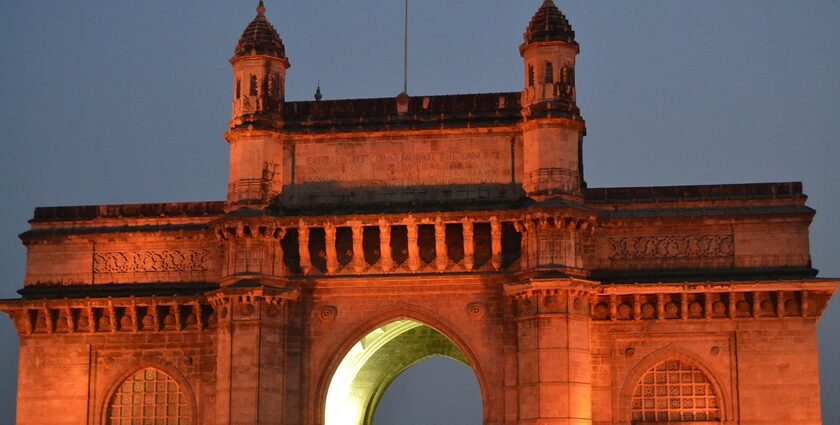
12 Best Places Near Gateway of India: Walkable Mumbai Attractions
Discover 12 best places to visit near Gateway of India Mumbai. From Elephanta Caves to Colaba Causeway, explore attractions, ferries & local experiences with practical travel guide.
Nov 19Read More
Heritage
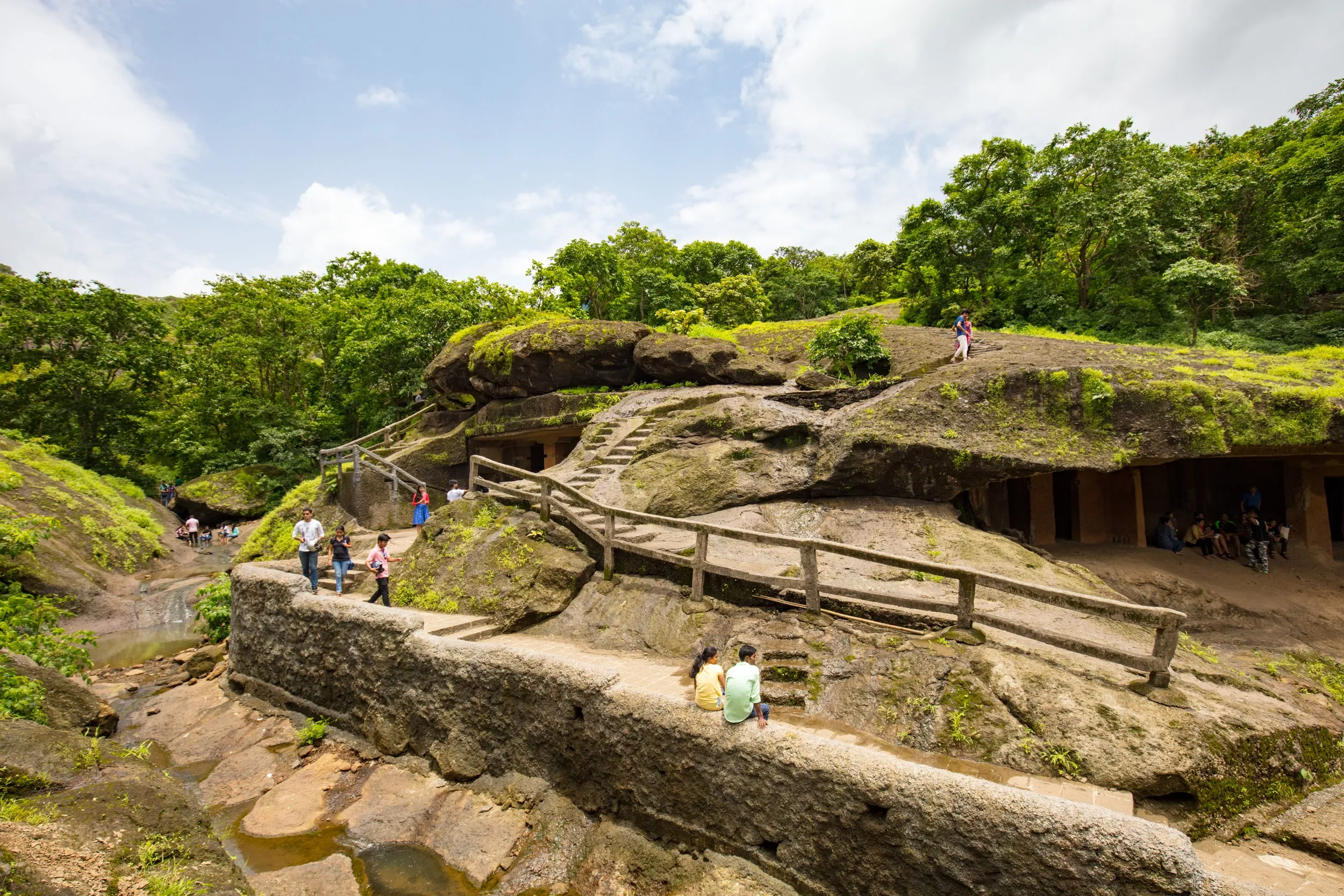
Kanheri Caves Mumbai: Buddhist Heritage, Timings & Trek Access
Explore Kanheri Caves in Mumbai's Sanjay Gandhi National Park. Discover ancient Buddhist rock-cut architecture, history & travel guide.
Dec 17Read More
Spiritual
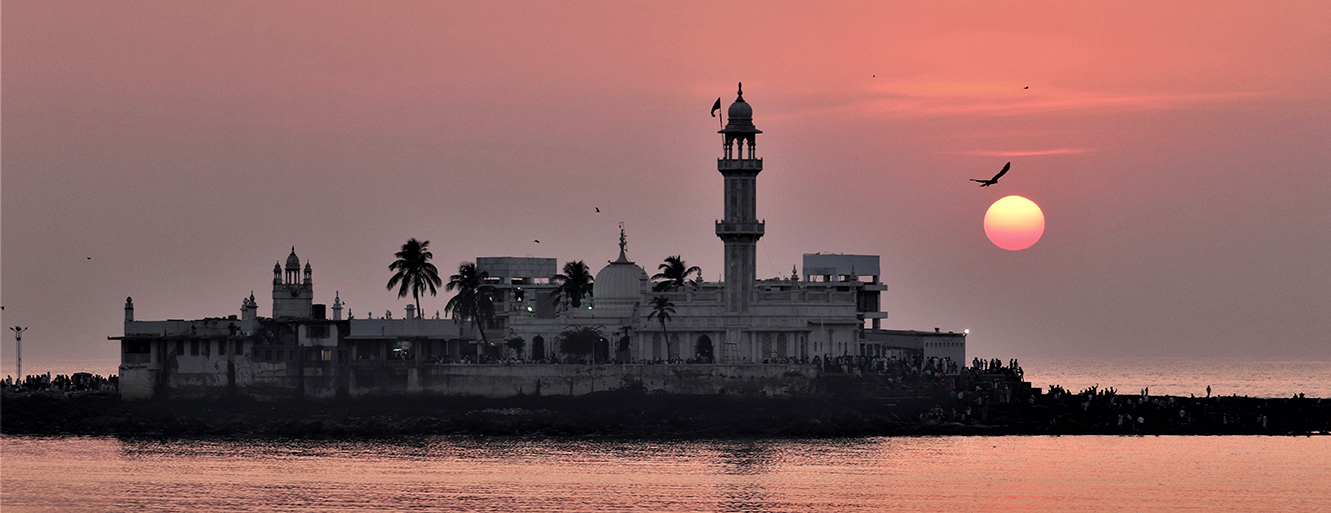
Haji Ali Dargah Mumbai: Timings, Causeway Access & Visitor Rules
Complete guide to Haji Ali Dargah Mumbai with timings, history, architecture, causeway access, qawwali performances, and practical travel tips.
Feb 3Read More
Never Miss an Adventure
Get the latest trekking guides, travel tips, and exclusive offers delivered straight to your inbox.
