
Heritage
City Palace Udaipur: Complete Guide to Mewar's Royal Heritage

Rahul Garg
February 14, 2026
10 min read1,755 views
Discover City Palace Udaipur, Rajasthan's largest palace overlooking Lake Pichola. Explore Mewar dynasty's heritage, museums & stunning Rajput architecture in this complete guide.
A Majestic Reflection of Mewar's Glorious Heritage
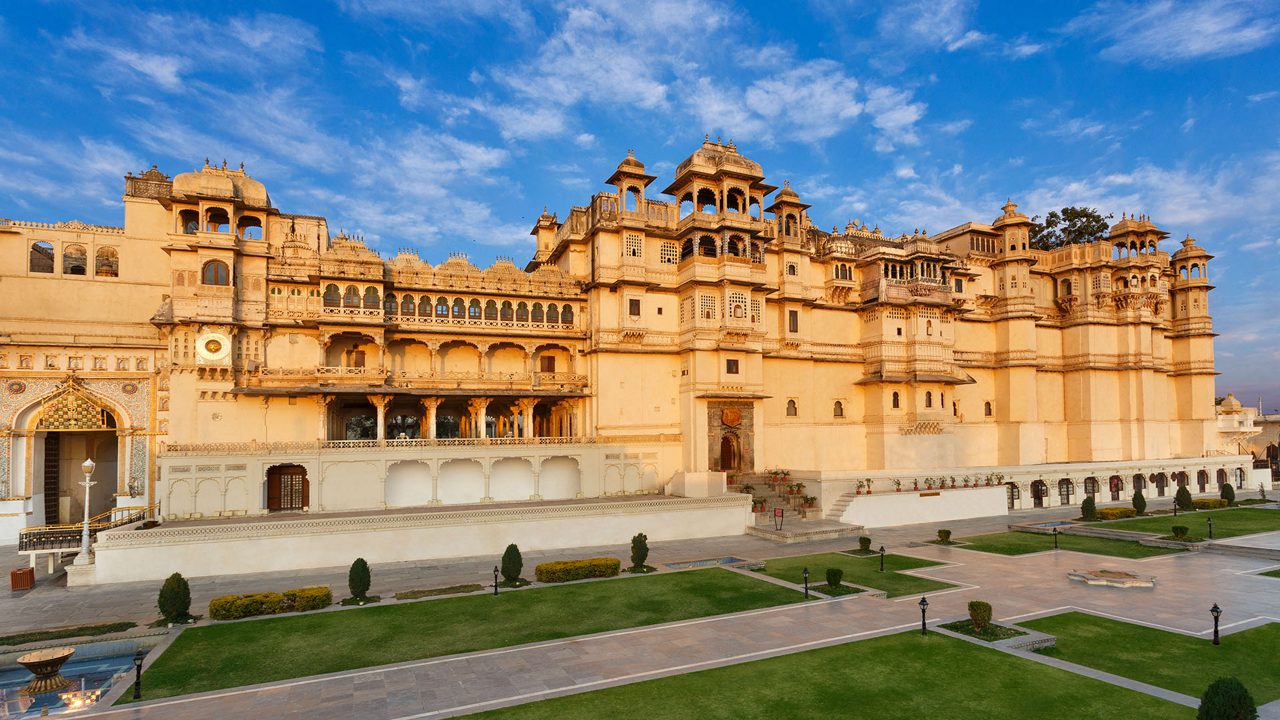
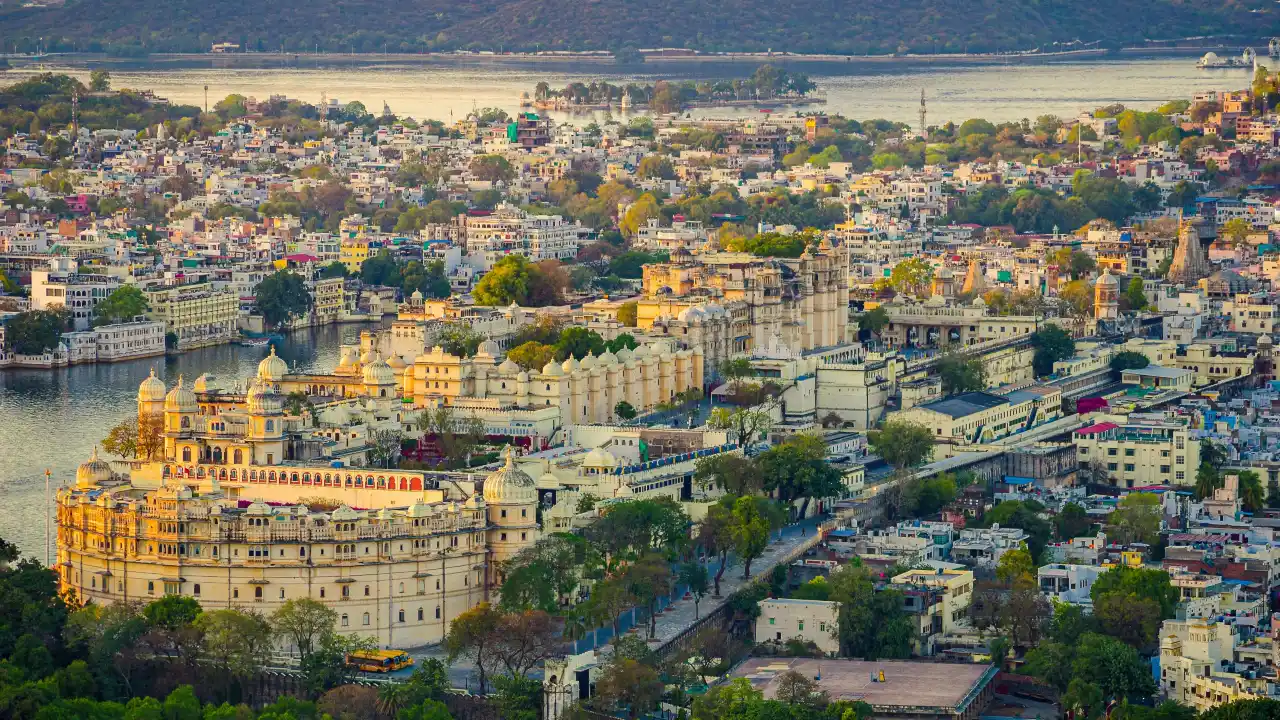
Standing proudly on the eastern banks of the picturesque Lake Pichola, City Palace Udaipur represents one of the finest examples of Rajput architecture and the enduring legacy of the Mewar dynasty. This magnificent palace complex, with its towering domes, intricate balconies, and stunning courtyards, has captivated travelers for centuries.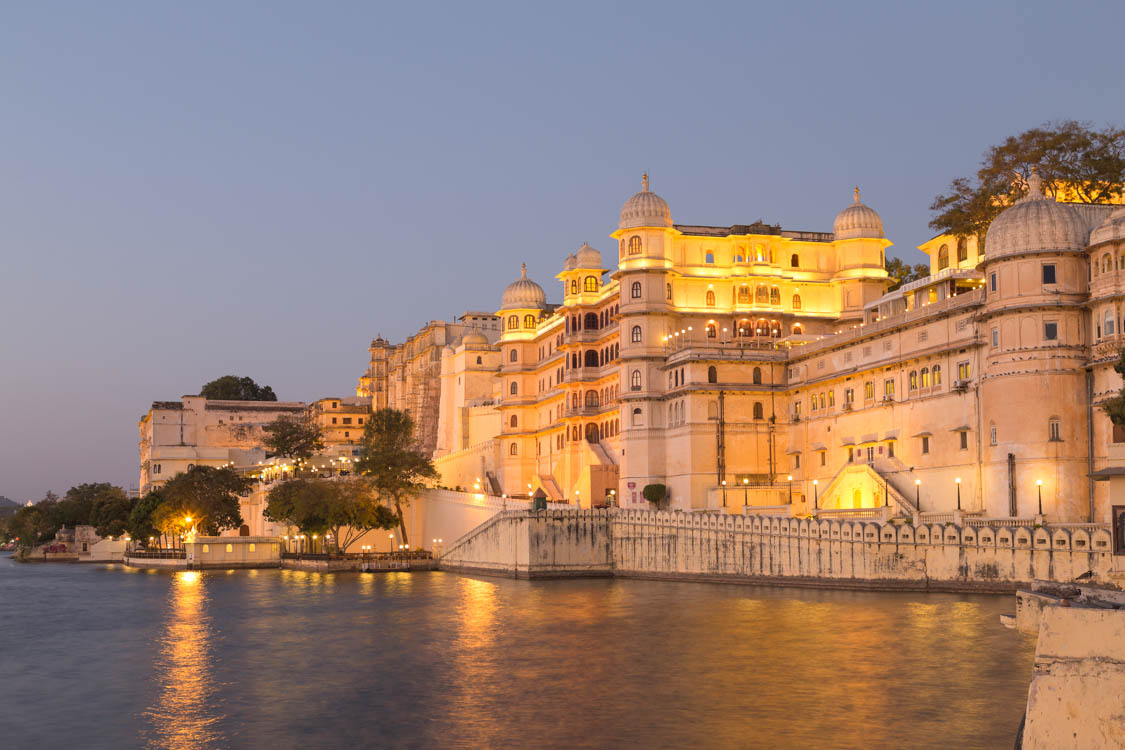 As the largest palace complex in Rajasthan, it offers visitors an unparalleled journey through the rich history, art, and culture of one of India's most celebrated royal families. Unlike many other royal residences in India that stand in isolation, City Palace Udaipur remains the private residence of the current Maharana of Udaipur, making it a living heritage site where centuries-old traditions continue to thrive.
The palace's unique position, overlooking the shimmering waters of Lake Pichola with the Aravalli hills as a backdrop, creates an atmosphere of timeless romance that has earned Udaipur its reputation as the "Venice of the East."
As the largest palace complex in Rajasthan, it offers visitors an unparalleled journey through the rich history, art, and culture of one of India's most celebrated royal families. Unlike many other royal residences in India that stand in isolation, City Palace Udaipur remains the private residence of the current Maharana of Udaipur, making it a living heritage site where centuries-old traditions continue to thrive.
The palace's unique position, overlooking the shimmering waters of Lake Pichola with the Aravalli hills as a backdrop, creates an atmosphere of timeless romance that has earned Udaipur its reputation as the "Venice of the East."
The Historical Legacy of Mewar's Rulers
The story of City Palace begins in 1559, when Maharana Udai Singh II, the founder of Udaipur, laid the foundation of this magnificent complex. Following the advice of a holy man who told him to establish his kingdom near Lake Pichola, Udai Singh II chose this strategic location. He shifted his capital from the vulnerable Chittorgarh to the more defensible site of Udaipur. This decision marked the beginning of a new chapter in Mewar's history and laid the groundwork for what would become one of India's most spectacular palace complexes.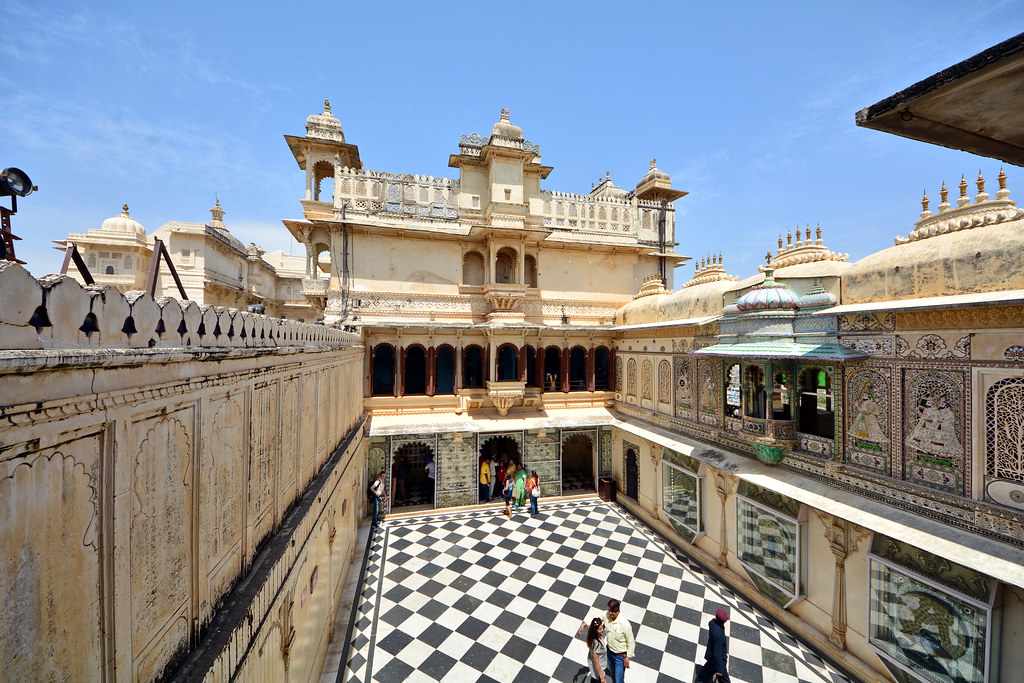 Construction continued over four centuries, with each successive Maharana adding their own architectural vision. The palace complex we see today is the result of contributions from 22 different generations of Mewar rulers, creating a fascinating blend of architectural styles that reflects the evolving tastes and requirements of each era.
The Mewar dynasty holds a special place in Rajput history. Unlike many other Rajput kingdoms that formed alliances with the Mughals through marriage, the rulers of Mewar maintained fierce independence and resisted Mughal domination for generations. This spirit of independence is reflected in every aspect of the palace's design and decoration.
Construction continued over four centuries, with each successive Maharana adding their own architectural vision. The palace complex we see today is the result of contributions from 22 different generations of Mewar rulers, creating a fascinating blend of architectural styles that reflects the evolving tastes and requirements of each era.
The Mewar dynasty holds a special place in Rajput history. Unlike many other Rajput kingdoms that formed alliances with the Mughals through marriage, the rulers of Mewar maintained fierce independence and resisted Mughal domination for generations. This spirit of independence is reflected in every aspect of the palace's design and decoration.
Architectural Splendor: A Fusion of Styles
City Palace Udaipur showcases a brilliant fusion of Rajasthani, Mughal, European, Medieval, and Chinese architectural elements. Built primarily in granite and marble, the white marble structures create a stunning contrast against the rugged terrain and blue waters of Lake Pichola. The main entrance, Hati Pol (Elephant Gate), features impressive stone elephants symbolizing the Mewar kingdom's strength. This gate was traditionally used by the Maharana and his royal procession, while commoners entered through the smaller side gates.| Architectural Element | Description |
|---|---|
| Hati Pol | Main entrance with stone elephants, symbol of strength |
| Jharokhas | Intricate balconies with lattice work for royal women |
| Cupolas | Domed towers creating Udaipur's iconic skyline |
| Stained Glass | Windows creating colorful light patterns on marble floors |
| Courtyards | Open spaces providing light and ventilation |
Exploring the Magnificent Sections of City Palace
Museum of Maharana Pratap: Celebrating the Legendary Warrior
The Museum of Maharana Pratap pays tribute to one of Mewar's most beloved rulers who resisted Mughal expansion. The museum houses an impressive collection of weapons, armor, and personal items including the actual armor worn by Maharana Pratap in battle.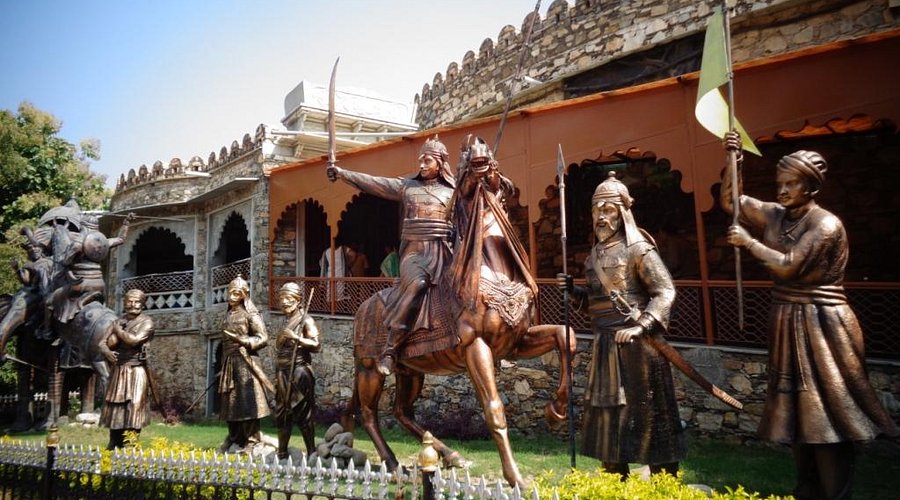 Detailed paintings and murals depict important battles, particularly the Battle of Haldighati, providing insights into medieval Rajasthan's military strategies. The museum brings to life the heroic tales of Mewar's most celebrated warrior king.
Manek Mahal: The Gem Palace
Manek Mahal features exquisite interiors with beautiful mirror work and colored glass. The room comes alive when light enters through windows, with thousands of reflections creating a magical atmosphere. The ceiling showcases geometric patterns and floral designs demonstrating Rajput artisans' mathematical precision and artistic vision. This chamber is particularly stunning during the afternoon when sunlight streams through the windows, illuminating the intricate mirror work.Mor Chowk: The Peacock Courtyard
One of the most photographed sections, Mor Chowk features five beautiful peacock mosaics created from colored glass chips during the 19th century. The peacocks represent summer, monsoon, and winter seasons, reflecting the deep connection between Rajput culture and nature.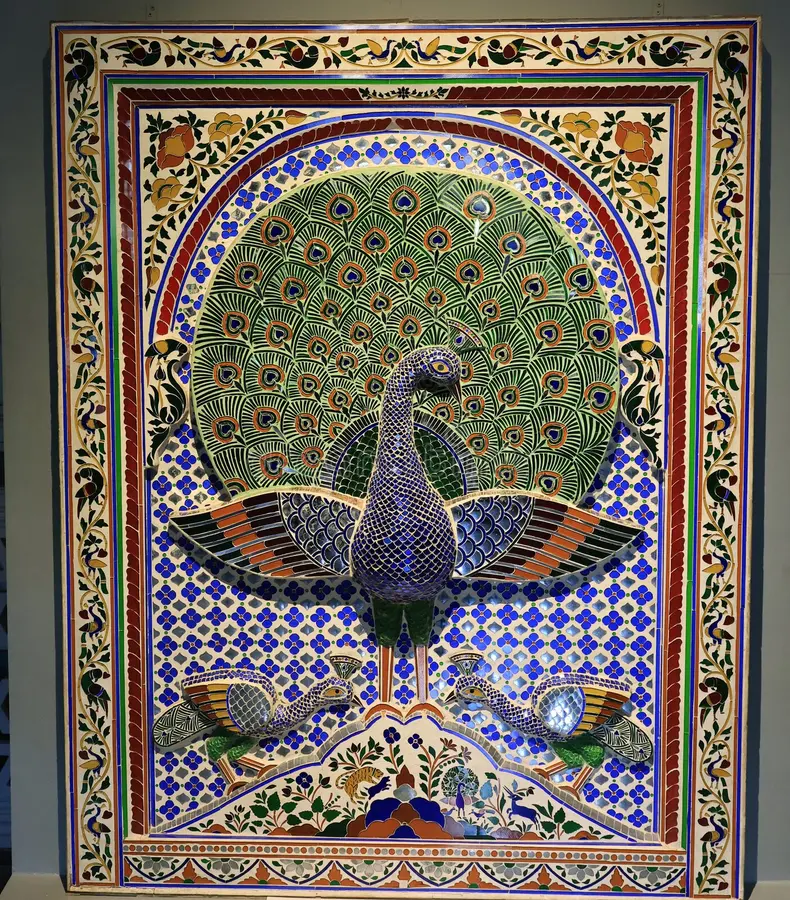 The craftsmanship is extraordinary—each peacock is composed of thousands of tiny glass pieces carefully arranged to create lifelike representations. The mosaics are best appreciated in natural light when the glass pieces sparkle and create rainbows of color.
Durbar Hall: The Throne Room
The grand Durbar Hall, where the Maharana would hold court, features soaring ceilings, crystal chandeliers, and portraits of former rulers. The walls are adorned with portraits of Mewar's rulers, painted by both Indian and European artists, providing a visual timeline of the dynasty. The hall's architecture exemplifies the grandeur of royal audiences, with its high ceilings allowing for excellent acoustics and natural ventilation. The crystal chandeliers, added during later renovations, add a touch of European elegance to this distinctly Rajput space.Zenana Mahal: The Queens' Quarters
The Zenana Mahal offered privacy and security for royal women while allowing them to participate in court life through strategically placed windows. The living quarters were luxuriously appointed with beautiful frescoes and private gardens.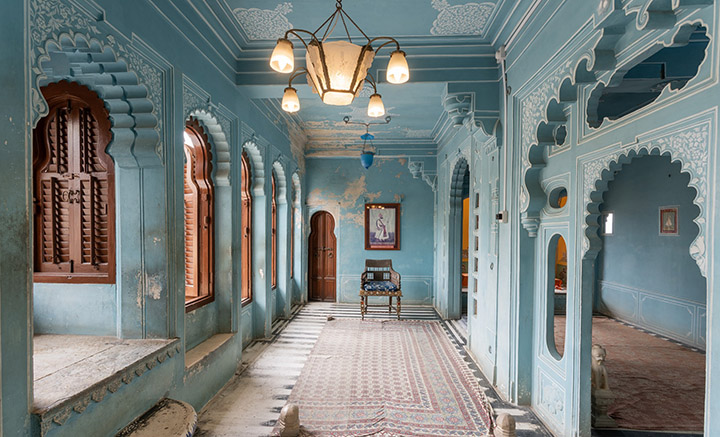 Featuring intricate jharokhas and screened windows characteristic of Rajput palace architecture, this section provides insights into the private lives of royal women. The design reflects both the need for purdah (veiling) and the desire to remain connected to the daily workings of the palace.
Lake Pichola and Palace Views
One of the most enchanting aspects of visiting City Palace is its relationship with Lake Pichola, created in 1362 AD. From the palace's terraces and balconies, visitors can enjoy panoramic views of the lake and islands. The Lake Palace seems to rise magically from the waters, creating one of India's most iconic photographed scenes. The upper terraces provide sweeping views of the surrounding hills, making it a perfect spot for photography enthusiasts.| Viewing Point | Best For | Ideal Time |
|---|---|---|
| Upper Terraces | Panoramic lake views | Sunrise/Sunset |
| Mor Chowk | Peacock mosaics photography | Mid-morning light |
| Durbar Hall | Architectural details | Afternoon |
| Lake View Rooms | Lake Palace photos | Golden hour |
Best Time to Visit City Palace Udaipur
The ideal time to visit is during winter months from October to March, when daytime temperatures range from 15°C to 28°C. The clear winter sky provides perfect conditions for photography and outdoor exploration.| Season | Months | Temperature | Pros | Cons |
|---|---|---|---|---|
| Winter | Oct - Mar | 15°C - 28°C | Ideal weather, clear skies | Peak tourist season |
| Summer | Apr - Jun | Up to 40°C | Fewer tourists | Extremely hot |
| Monsoon | Jul - Sep | 25°C - 30°C | Lush green surroundings | High humidity, rain |
City Palace Udaipur Timings and Entry Fees
Visiting Hours: Daily from 9:30 AM to 5:30 PM, with last entry at 5:00 PM. Plan for 2-3 hours for a thorough visit.| Category | Entry Fee |
|---|---|
| Indian Adults | ₹30 per person |
| Indian Children | ₹15 per person |
| Foreign Adults | ₹200 per person |
| Foreign Children | ₹100 per person |
| Still Camera | ₹50 |
| Video Camera | ₹250 |
| Audio Guide | ₹200 |
How to Reach City Palace Udaipur
By Air: Maharana Pratap Airport (UDR) is 22 kilometers away. Regular flights connect Udaipur to Delhi, Mumbai, Jaipur, Bangalore, and Hyderabad. Taxis and app-based cabs take 40-45 minutes (₹400-600). By Train: Udaipur City Railway Station is just 3 kilometers away. Auto-rickshaws cost ₹50-70, or it's a 30-35 minute walk through the old city. By Road: Udaipur is well-connected by National Highways 48 and 58. Regular buses operate from Delhi (11-12 hours), Jaipur (6 hours), Ahmedabad (4 hours), and other Rajasthan cities.Tips for an Enriching Palace Visit
Essential Items to Carry
- Comfortable shoes: The large complex has multiple levels, stairs, and uneven surfaces
- Sun protection: Hat, sunglasses, and sunscreen during summer months
- Camera: Fully charged battery for capturing architectural details
- Water bottle: Stay hydrated during exploration
- Light jacket: For winter mornings and evenings
- Cash: For entry fees, guide services, and shopping
Visitor Guidelines
- Hire an official guide: Authorized guides (₹300-500 for 2 hours) bring the palace alive with stories
- Start early: Arriving at 9:30 AM helps beat crowds and tour groups
- Dress respectfully: Parts remain the royal family's private residence
- Respect restrictions: Some areas are off-limits as private quarters
- Allow sufficient time: 2-3 hours minimum for a thorough visit
Photography Tips
The golden hours provide the most beautiful light. Look for interesting details like geometric patterns in mirror work and intricate stone carvings. The Mor Chowk peacock mosaics are challenging to photograph—try different angles and avoid using flash which creates reflections. Views of Lake Pichola from upper terraces are best during golden hour or when the lake is calm. Consider visiting Jagdish Temple nearby for additional architectural photography opportunities.Combine with Nearby Attractions
- Jagdish Temple: 5-minute walk, dedicated to Lord Vishnu
- Gangaur Ghat: Stunning sunset views over Lake Pichola
- Bagore Ki Haveli: Rajasthani culture museum with traditional artifacts
- Old city lanes: Great shopping for handicrafts and miniature paintings
Responsible Tourism
Parts remain the private residence of the Maharana. Be respectful of restricted areas, don't touch delicate frescoes and mirror work, and avoid littering. The palace is a living heritage site—treat it with the same respect you would show to someone's home. Avoid using flash photography on delicate artwork. Keep noise levels low, especially in areas that are still used by the royal family. Support local artisans by purchasing authentic handicrafts from authorized shops within the palace complex.Conclusion: A Timeless Journey Through Mewar's Legacy
City Palace Udaipur stands as a living testament to the Mewar dynasty's vision, artistic excellence, and enduring legacy. Every corner tells a story, every courtyard has witnessed history, and every architectural element reflects the sophisticated culture that created it. What sets City Palace apart is its continuity—it remains a living, breathing space where past and present coexist. The current Maharana continues to reside here, maintaining traditions passed down through generations while adapting to modern times. Whether you're marveling at the intricate mirror work in Manek Mahal, admiring the peacock mosaics in Mor Chowk, or taking in panoramic views of Lake Pichola from the terraces, City Palace Udaipur offers an experience that stays with you long after you've left. It's a place where history comes alive, where architecture transcends mere construction to become art, and where the glory of Mewar's past continues to inspire visitors from around the world.Location
Frequently Asked Questions
Q1.What is the best time to visit City Palace Udaipur?
The best time to visit City Palace Udaipur is during the winter months from October to March when temperatures are pleasant (15-28°C). Early morning (around 9:30 AM when it opens) is ideal to avoid crowds and capture beautiful photographs. The shoulder months of October-November and February-March offer the perfect combination of good weather, clear skies, and manageable tourist crowds.
Q2.How much time is needed to explore City Palace Udaipur?
Plan for at least 2-3 hours to explore City Palace Udaipur thoroughly. This allows you to visit the main sections including the museums, courtyards, terraces, and various mahals. History and architecture enthusiasts could easily spend 4-5 hours exploring every detail. Photography enthusiasts should allow extra time to capture the intricate mirror work and peacock mosaics properly.
Q3.What is the ticket price for City Palace Udaipur?
As of now, entry fees are ₹30 for Indian adults, ₹15 for Indian children, ₹200 for foreign adults, and ₹100 for foreign children. Additional charges include ₹50 for still cameras, ₹250 for video cameras, and ₹200 for audio guides (available in multiple languages). Prices are subject to change, so verify current rates before visiting. The palace accepts cash, cards, and UPI payments.
Q4.What are the visiting hours for City Palace Udaipur?
City Palace Udaipur is open daily from 9:30 AM to 5:30 PM, with last entry at 5:00 PM. The palace is open every day of the year including national holidays. For the best experience, arrive early morning to avoid crowds and enjoy pleasant temperatures, especially during summer months when afternoons can be quite hot for exploration.
Q5.Is photography allowed inside City Palace Udaipur?
Yes, photography is allowed in most parts of City Palace Udaipur for an additional fee of ₹50 for still cameras and ₹250 for video cameras. However, some areas, particularly sections that are still the private residence of the royal family, may have photography restrictions. Always respect 'no photography' signs and follow the instructions of palace staff. Avoid flash on delicate mirror work and frescoes.
Q6.How do I reach City Palace Udaipur from the railway station?
City Palace is located just 3 kilometers from Udaipur City Railway Station. You can easily reach it by auto-rickshaw (₹50-70), taxi, or app-based cab services like Uber/Ola. The short distance also makes it walkable in about 30-35 minutes through the old city's interesting streets if you're traveling light and enjoy exploring. The walk through the old city offers glimpses of traditional Udaipur life.
Q7.Is hiring a guide recommended for City Palace Udaipur?
Yes, hiring an official guide is highly recommended as they bring the palace's history alive with stories about the Mewar dynasty, architectural details, and cultural significance that you might otherwise miss. Authorized guides are available at the entrance for approximately ₹300-500 for a 2-hour tour. Audio guides are also available in multiple languages for ₹200 if you prefer exploring at your own pace.
Q8.What should I wear when visiting City Palace Udaipur?
Wear comfortable walking shoes with good grip as you'll be walking on uneven marble surfaces. Modest, respectful dress is recommended since parts of the palace remain the royal family's private residence. During summer, wear lightweight, breathable clothing and carry sun protection. During winter, carry layers as mornings and evenings can be cool, especially on exposed terraces overlooking the lake.
Q9.Can I combine City Palace visit with other Udaipur attractions?
Yes, City Palace is perfectly located to combine with nearby attractions. Jagdish Temple is a 5-minute walk, Gangaur Ghat is nearby for sunset views, and Bagore Ki Haveli is within walking distance. The old city around the palace offers great shopping for handicrafts, miniature paintings, and textiles. Boat rides on Lake Pichola also provide stunning views of the palace from the water.
Q10.Is City Palace Udaipur wheelchair accessible?
City Palace Udaipur has partial wheelchair accessibility. The main courtyards and some ground-level sections are accessible, but many areas require climbing stairs, which may be challenging for wheelchair users. The palace has multiple levels and uneven surfaces that limit accessibility. It's recommended to contact the palace management in advance for specific accessibility information and assistance if required.
Recommended For You
Adventure
Things to Do in Rajasthan: Desert, Heritage & Cultural Experiences
Discover 50 amazing things to do in Rajasthan - explore forts, palaces, deserts, culture & cuisine. Complete guide with timings, fees & tips for 2026.
Feb 20Read More
City Guides
Jaipur vs Udaipur: Which City To Visit?
Jaipur vs Udaipur: Compare cities, forts, lakes, palaces, food, shopping, cost, and decide which Rajasthan city is better for your next trip.
Nov 22Read More
Travel
Best Time to Visit Udaipur: Weather, Festivals & Best Travel Months
Find the best time to visit Udaipur with a season-by-season weather guide, monthly breakdown, festival context, and practical planning tips.
Feb 18Read More
Never Miss an Adventure
Get the latest trekking guides, travel tips, and exclusive offers delivered straight to your inbox.
