
Jagdish Temple Udaipur: Timings, Darshan Rituals & Nearby Attractions

Neha Kapoor
February 20, 2026
Visit Jagdish Temple Udaipur with timing tips, route guidance, etiquette notes, and old-city itinerary ideas. Explore this 17th-century Vishnu temple's architecture and spiritual significance.
Introduction
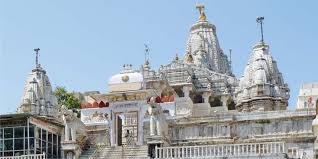
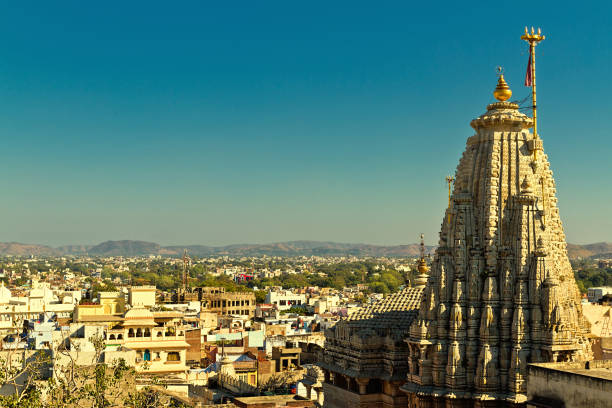
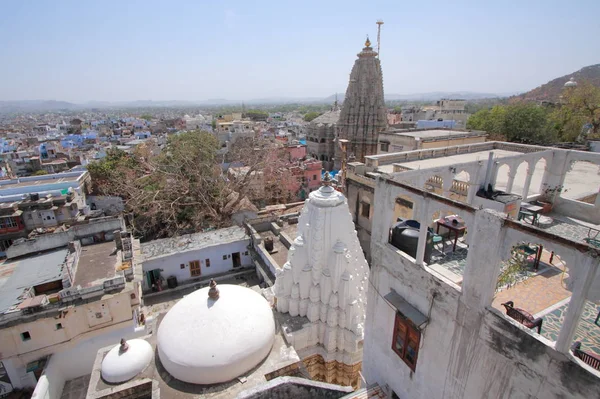
Standing tall in the heart of Udaipur's old city, Jagdish Temple is one of Rajasthan's most significant Vishnu temples and a masterpiece of Indo-Aryan architecture. Built in 1651 by Maharana Jagat Singh, this three-storeyed temple dominates the skyline with its intricately carved spire and serves as a spiritual anchor for Udaipur's residents and visitors alike. The temple's location, just 150 meters north of the City Palace, makes it an essential stop on any Udaipur itinerary, offering a perfect blend of spiritual devotion, architectural marvel, and historical significance.
What sets Jagdish Temple apart is not just its impressive exterior but the profound spiritual energy that permeates its sacred spaces. Dedicated to Lord Vishnu in his form as Jagannath (Lord of the Universe), the temple houses a beautiful black stone idol that has been worshipped continuously for over 370 years. The temple's importance extends beyond religion - it represents the artistic pinnacle of the Mewar dynasty's patronage of arts and architecture, showcasing the exceptional craftsmanship of medieval Rajasthani artisans.
For travelers exploring Udaipur's old city, Jagdish Temple offers more than just darshan - it's an immersive cultural experience. The sounds of temple bells, the fragrance of incense and flowers, the sight of devotees offering prayers, and the intricate carvings that adorn every surface create an atmosphere that transports visitors to a bygone era of royal devotion and artistic excellence. Whether you're a spiritual seeker, a history enthusiast, or simply a curious traveler, Jagdish Temple promises an experience that's both deeply moving and visually spectacular.
Historical Significance and Royal Legacy
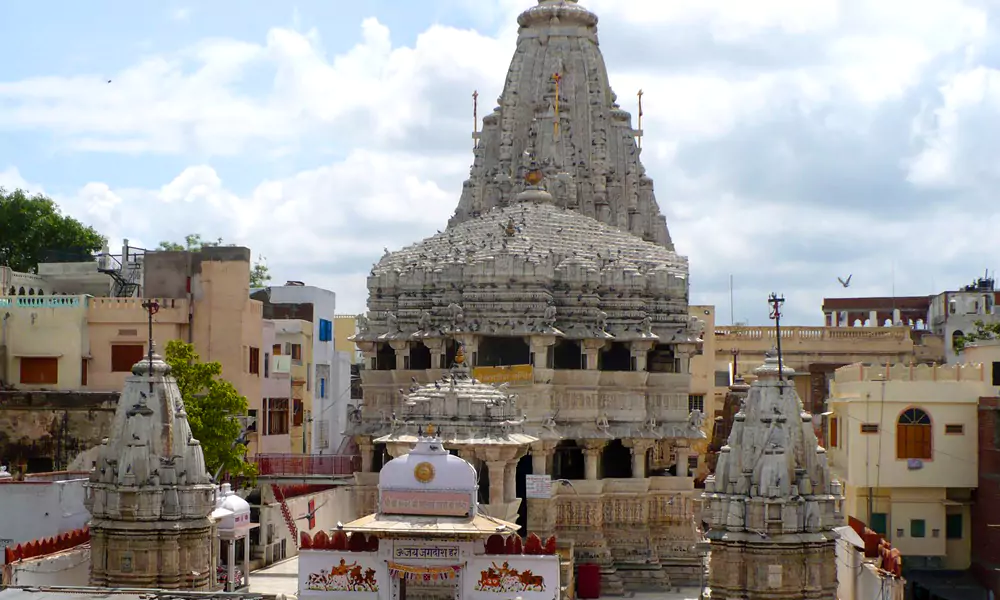
The story of Jagdish Temple begins in 1651 when Maharana Jagat Singh I, the ruler of Mewar, commissioned its construction. This period marked a significant era in Udaipur's history - the city was still relatively young, having been founded in 1559 by Maharana Udai Singh II, and the Mewar dynasty was establishing its cultural and spiritual identity. The temple's construction was an act of both devotion and political statement, reaffirming the Mewar rulers' commitment to Hindu traditions during a time when much of northern India faced external challenges.
The temple was built during a golden age of Mewar architecture, and it shows. Unlike many temples that were built in phases over centuries, Jagdish Temple was constructed as a complete project, resulting in a harmonious architectural unity that's rare in Indian temple architecture. The name 'Jagdish' derives from 'Jagadish' meaning 'Lord of the Universe,' one of the thousands of names of Lord Vishnu, reflecting the temple's dedication to Vishnu as the supreme deity.
Architectural Marvel and Engineering Excellence
The temple's architectural significance lies in its perfect execution of the North Indian Nagara style with distinctive Rajputana influences. The main shrine rises to a height of approximately 80 feet, with the towering shikhara (spire) visible from many parts of the old city. What makes this architectural achievement remarkable is that it was built without modern engineering tools - the precision of the stone carvings, the structural integrity of the towering spire, and the perfect alignment of the temple all speak to the advanced mathematical and engineering knowledge of medieval Indian craftsmen.
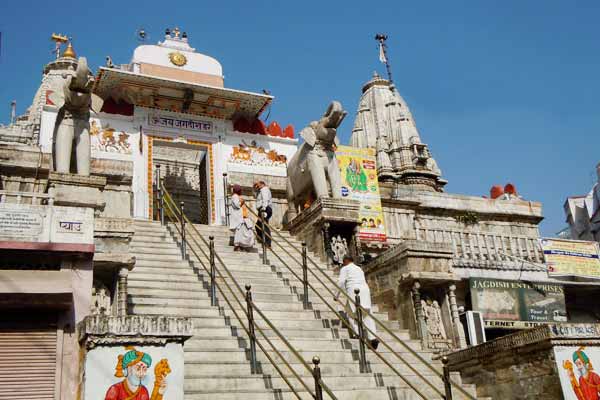
The temple is built on a raised platform, accessible by a flight of 32 marble steps. This elevation serves multiple purposes - it protects the temple from flooding during heavy rains, gives it a commanding presence, and requires devotees to physically ascend towards the divine, symbolizing spiritual elevation. The entire structure is built from locally sourced sandstone and marble, materials that have withstood centuries of exposure to the elements while maintaining their beauty and structural integrity.
Temple Architecture and Sacred Layout
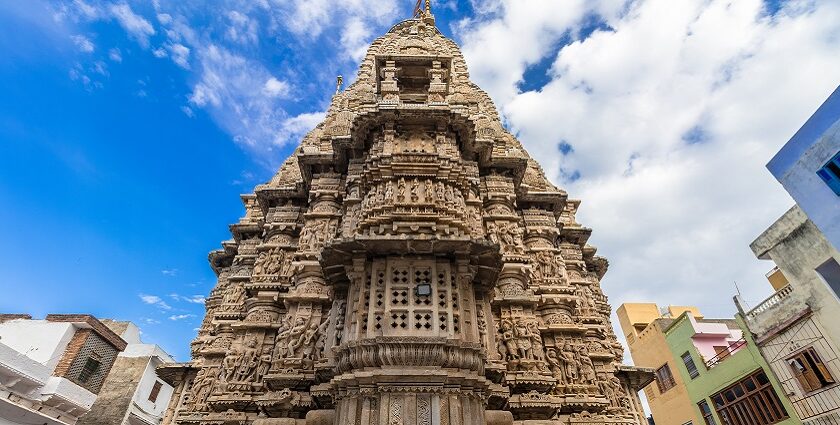
The architectural grandeur of Jagdish Temple deserves detailed exploration, as every aspect of its design carries both aesthetic beauty and spiritual symbolism. Understanding the temple's layout enhances the visitor experience, allowing you to appreciate not just the visual splendor but also the deeper meaning behind the architectural elements.
The Main Sanctuary and Garbhagriha
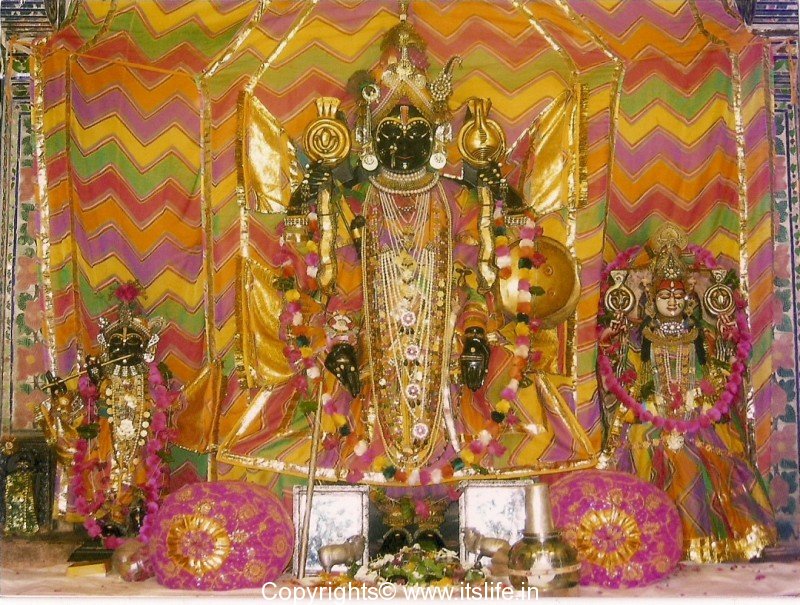
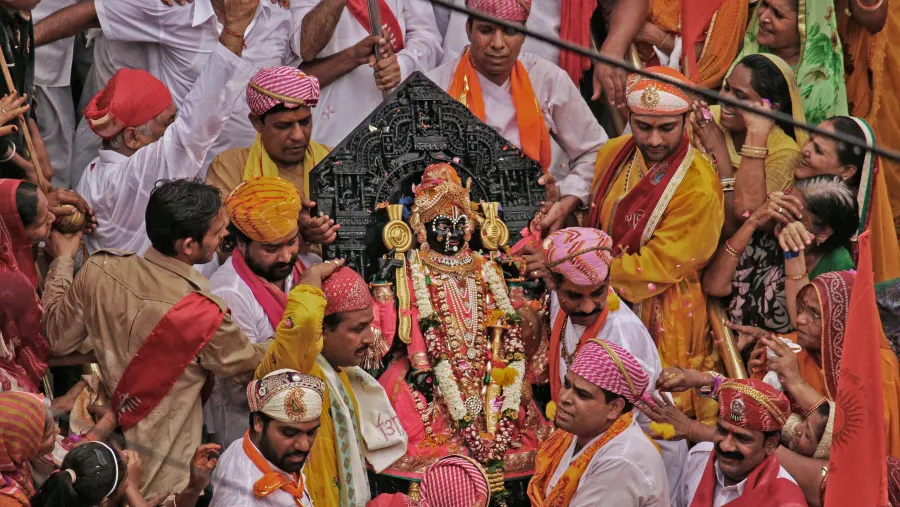
The innermost sanctum sanctorum (garbhagriha) houses the principal deity - a four-armed image of Lord Vishnu carved from black stone. This idol, standing approximately four feet tall, depicts Vishnu in a majestic posture with four arms holding the conch (shankha), discus (chakra), mace (gada), and lotus (padma) - his four iconic attributes. The black stone creates a striking contrast against the light-colored marble surroundings, drawing the devotee's focus to the deity. The sanctum is designed to be naturally cool even during Udaipur's hot summers, creating a comfortable environment for both the deity and devotees.
The Mandapam and Pillared Halls
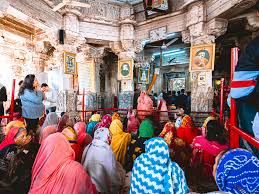
The temple features a spacious mandapam (pillared hall) where devotees gather before proceeding to the main sanctum. This hall is supported by 48 intricately carved pillars, each one a masterpiece of sculptural art. The pillars feature relief carvings of various deities, celestial beings, and mythological scenes from Hindu epics. The ceiling of the mandapam is equally impressive, with geometric patterns and floral motifs that showcase the mathematical precision of the temple's architects. Natural light filters into the hall through strategically placed openings, creating an ethereal atmosphere that changes throughout the day.
The Four-Storeyed Structure
One of the most distinctive features of Jagdish Temple is its four-storeyed structure, each level serving specific purposes:
- Ground Floor: Main sanctum and assembly hall where daily rituals and darshan occur
- First Floor: Additional shrines and prayer spaces used during festivals
- Second Floor: Smaller shrines and storage for ceremonial items
- Third Floor: Offers panoramic views of Udaipur and houses the temple's final spire section
Each level is accessible by narrow staircases, and visitors who ascend to the upper levels are rewarded with increasingly spectacular views of Udaipur's old city, Lake Pichola, and surrounding palaces.
Sculptural Details and Iconography
The exterior walls of Jagdish Temple are adorned with over 100 sculpted panels depicting various deities, celestial dancers (apsaras), musicians, and scenes from Hindu mythology. These carvings are not merely decorative - they serve an educational purpose, narrating stories from the Vedas, Puranas, and epics for devotees who may not have had access to texts. The level of detail in these carvings is extraordinary, with each figure displaying distinct features, expressions, and attributes that make them identifiable.
Particularly noteworthy are the carvings of the Dashavatara (ten incarnations of Lord Vishnu) on the temple walls. These include Matsya (fish), Kurma (tortoise), Varaha (boar), Narasimha (lion-man), Vamana (dwarf), Parashurama (warrior-sage), Rama (prince), Krishna (cowherd), Buddha (enlightened one), and Kalki (future incarnation). Each avatar is depicted with its associated symbols and stories, creating a visual narrative of Hindu theology.
Secondary Shrines Within the Complex
The temple complex houses several smaller shrines dedicated to various deities, reflecting the inclusive nature of Hindu worship. These include:
- Ganesha Shrine: Dedicated to Lord Ganesha, the remover of obstacles, worshipped before beginning any auspicious undertaking
- Durga Shrine: Honoring the Divine Mother in her fierce form, representing the shakti (divine energy) aspect of the divine
- Shiva Shrine: A smaller shrine dedicated to Lord Shiva, representing the harmony between different Hindu traditions
- Surya Shrine: Dedicated to the Sun God, reflecting ancient solar worship traditions
These subsidiary shrines allow devotees to offer prayers to multiple deities during a single temple visit, making Jagdish Temple a comprehensive spiritual destination.
Jagdish Temple Timings and Darshan Schedule
Understanding the temple timings and planning your visit accordingly can significantly enhance your experience at Jagdish Temple. The temple follows a traditional schedule of rituals that have been maintained for centuries, creating a powerful spiritual atmosphere that varies throughout the day.
| Time Period | Activity | Best For |
|---|---|---|
| 5:00 AM - 6:30 AM | Mangala Aarti & Morning Rituals | Devotees seeking peaceful darshan |
| 6:30 AM - 12:30 PM | Morning Darshan Hours | First-time visitors and families |
| 12:30 PM - 4:00 PM | Temple Closure | Not ideal for visits |
| 4:00 PM - 8:00 PM | Evening Darshan Hours | Photography and relaxed exploration |
| 8:00 PM - 9:00 PM | Sandhya Aarti & Shayan Aarti | Evening spiritual experience |
Best Time for Darshan
The early morning hours between 5:00 AM and 7:00 AM offer the most spiritually charged experience at Jagdish Temple. During this time, you can witness the Mangala Aarti (first awakening of the deity) and participate in the morning abhishekam (ritual bathing ceremony). The temple is relatively less crowded in the early hours, allowing for a more intimate darshan experience. The cool morning air, combined with the chanting of Vedic mantras and the fragrance of fresh flowers, creates an ideal atmosphere for meditation and prayer.
The evening hours between 6:00 PM and 8:00 PM are equally enchanting, especially if you want to explore the temple's architecture in favorable lighting. The golden hour light before sunset creates beautiful photography opportunities, and the evening aarti around 8:00 PM provides a powerful spiritual conclusion to the day. The temple complex is illuminated after sunset, creating a magical ambiance.
Special Poojas and Offerings
Devotees can participate in various special poojas by purchasing seva tickets from the temple office:
- Mangala Aarti: The first morning ritual, considered especially auspicious
- Abhishekam: Ritual bathing of the deity with sacred substances
- Archana: Recitation of Lord Vishnu's names with offerings
- Sahasranama Archana: Recitation of the thousand names of Vishnu
- Tulabharam: Offering equal weight to the deity in coins or bananas
These special poojas allow devotees to participate more actively in temple rituals and create a deeper connection with the divine. The temple office can provide current rates and schedules for these ceremonies.
How to Reach Jagdish Temple
Jagdish Temple's central location in Udaipur's old city makes it easily accessible from various parts of the city. Whether you're staying near Lake Pichola, Fatehsagar Lake, or in the newer areas of Udaipur, reaching the temple is straightforward with multiple transportation options available.
From Udaipur City Center
The temple is located in the heart of old Udaipur, approximately 2 kilometers from the main city center. If you're staying near the City Palace or Lake Pichola area, Jagdish Temple is easily accessible on foot - just a 3-5 minute walk from the City Palace entrance. The walk through the old city's narrow lanes is an experience in itself, offering glimpses of traditional Rajasthani architecture, local shops selling handicrafts and religious items, and the vibrant street life that characterizes old Udaipur.
From Railway Station and Airport
From Udaipur City Railway Station: The railway station is approximately 4 kilometers from Jagdish Temple. Auto-rickshaws are readily available outside the station and cost between ₹80-₹120 depending on traffic. The journey takes about 15-20 minutes. App-based cabs like Uber and Ola also operate from the railway station and offer more comfortable, though slightly more expensive, transportation.
From Maharana Pratap Airport (Dabok Airport): The airport is approximately 22 kilometers from the temple. Prepaid taxis are available at the airport, and the journey takes about 45 minutes depending on traffic conditions. The cost for a taxi from the airport ranges from ₹500-₹700. It's advisable to book a taxi through your hotel or a reliable service rather than using unlicensed taxis.
Local Transportation Options
| Transportation Mode | Cost Range | Best For |
|---|---|---|
| Walking | Free | Staying in old city area |
| Auto-Rickshaw | ₹50-₹150 within city | Short distances, budget travel |
| App-based Cabs (Uber/Ola) | ₹100-₹250 within city | Comfort, AC, reliable service |
| Private Taxi | ₹800-₹1200 per day | Full-day sightseeing |
| Rental Scooter/Bike | ₹300-₹500 per day | Independent exploration |
Parking and Access
If you're driving to Jagdish Temple, be aware that the old city has narrow, congested streets that can be challenging for navigation. There's no dedicated parking lot at the temple, but you can find paid parking options nearby:
- City Palace Parking: Located about 200 meters from the temple, this is the most convenient option
- Gangaur Ghat Parking: Approximately 300 meters away, offers space for about 50 vehicles
- Street Parking: Limited availability on nearby streets, but be cautious about local restrictions
The parking fee ranges from ₹20-₹50 for four-wheelers and ₹10-₹20 for two-wheelers. From these parking areas, the temple is a short walk through the bustling markets of old Udaipur.
Best Time to Visit Jagdish Temple
Timing your visit to Jagdish Temple can significantly impact your experience. Udaipur experiences distinct seasons, each offering different advantages and considerations for temple visits. Understanding these seasonal variations will help you plan the most comfortable and spiritually rewarding visit.
Winter Season (October - March)
This is undoubtedly the best time to visit Jagdish Temple, combining pleasant weather with major festival celebrations. Daytime temperatures range from 15°C to 28°C, making it comfortable to explore the temple complex without the discomfort of extreme heat. The winter sky is usually clear, providing excellent conditions for photography and allowing you to appreciate the temple's architectural details in favorable natural light.
Winter is also the festive season, with major Hindu celebrations like Diwali (usually October/November) and the wedding season falling during these months. Visiting during festivals offers the opportunity to see the temple beautifully decorated with flowers, lights, and colorful fabrics. However, be prepared for larger crowds during festival periods and major holidays.
Summer Season (April - June)
Summer in Udaipur can be extremely challenging, with daytime temperatures often exceeding 40°C. The stone surfaces of the temple absorb heat, making the complex particularly hot during afternoon hours. However, summer visitors have some advantages - the temple is less crowded, and you might get quicker, more peaceful darshan.
If you must visit during summer, plan your trip for very early morning (around 5:30 AM) when temperatures are relatively cooler, or late evening (after 7:00 PM) when the complex has cooled down. Avoid midday visits between 11:00 AM and 4:00 PM as the heat can be overwhelming. Carry plenty of water and protect yourself from the sun with a hat or umbrella.
Monsoon Season (July - September)
The monsoon brings relief from the scorching summer heat and transforms the landscape around Udaipur. The temple complex looks particularly beautiful during and immediately after rain, when the wet stone surfaces glisten and the air is fresh and clean. The temperatures during monsoon are moderate, ranging between 24°C to 32°C, making it a comfortable time to visit if you don't mind occasional rain.
Rainfall can be unpredictable, so carry an umbrella or rain jacket. The temple complex can become slippery with water accumulation, so wear footwear with good grip. The monsoon atmosphere adds a mystical quality to the temple visit, and the overcast skies can create dramatic lighting for photography. Some areas around Udaipur, including parts of Lake Pichola, may flood during heavy rainfall, so check local conditions before venturing out.
Time of Day Recommendations
Regardless of the season, the optimal times for visiting Jagdish Temple are:
Early Morning (5:30 AM - 7:30 AM): Experience the temple at its most peaceful, witness the morning rituals, enjoy cool temperatures, get the best lighting for photography, and avoid crowds. This is ideal for meditation and focused darshan.
Late Afternoon (4:30 PM - 6:30 PM): Good for combining temple visits with other sightseeing, enjoy golden hour light for photography, comfortable temperatures in most seasons, and witness the transition to evening aarti.
Evening (7:00 PM - 9:00 PM): Experience the magical ambiance of the illuminated temple, participate in the evening aarti, explore the complex in cooler temperatures, and see the temple decorated with oil lamps.
Udaipur Old City Itinerary Combinations
One of the great advantages of visiting Jagdish Temple is its proximity to several of Udaipur's most iconic attractions. This makes it easy to plan efficient itineraries that combine spiritual, historical, and cultural experiences in a single day. Strategic planning allows you to make the most of your time while avoiding the exhaustion of over-scheduling.
Half-Day Spiritual Circuit
This itinerary focuses on spiritual and heritage sites within walking distance of each other in old Udaipur:
Morning Option (5 Hours):
- 5:30 AM - 7:00 AM: Start with Mangala Aarti and darshan at Jagdish Temple when it's most peaceful
- 7:30 AM - 8:30 AM: Breakfast at a traditional rooftop restaurant overlooking the temple
- 9:00 AM - 11:00 AM: Visit City Palace Udaipur, just 150 meters away
- 11:30 AM - 1:00 PM: Explore Bagore Ki Haveli with its museum and cultural exhibits
- 1:00 PM: Lunch at Gangaur Ghat area
Afternoon/Evening Option (5 Hours):
- 4:00 PM - 5:30 PM: Visit Jagdish Temple for evening exploration and photography
- 5:30 PM - 7:00 PM: Sunset at Gangaur Ghat on Lake Pichola
- 7:00 PM - 8:00 PM: Return to Jagdish Temple for evening aarti
- 8:00 PM - 9:30 PM: Dinner at a lakeside restaurant
Full-Day Heritage Circuit
This comprehensive itinerary covers major Udaipur attractions with Jagdish Temple as a key stop:
- 8:00 AM - 9:30 AM: Start with darshan at Jagdish Temple
- 9:30 AM - 12:30 PM: Explore City Palace complex
- 12:30 PM - 2:00 PM: Lunch and rest
- 2:00 PM - 4:00 PM: Visit Saheliyon Ki Bari gardens
- 4:00 PM - 5:30 PM: Return to old city, shopping in markets around Jagdish Temple
- 5:30 PM - 7:00 PM: Sunset boat ride on Lake Pichola
- 7:30 PM - 8:30 PM: Evening aarti at Jagdish Temple
Temple-Hopping Itinerary
For spiritual travelers interested in exploring multiple temples:
- Early Morning: Jagdish Temple (5:30 AM - 7:00 AM)
- Late Morning: Eklingji Temple (9:00 AM - 12:00 PM, 22 km from Udaipur)
- Afternoon: Return to Udaipur, lunch and rest
- Evening: Return to Jagdish Temple for aarti (7:30 PM - 8:30 PM)
Family-Friendly Itinerary
Designed for families with children and elderly members:
- 9:00 AM: Start with Jagdish Temple (easier access, less climbing required)
- 10:30 AM: City Palace (wheelchair accessible areas available)
- 12:30 PM: Lunch break with rest
- 3:00 PM: Saheliyon Ki Bari (pleasant gardens, easy walking)
- 5:00 PM: Boat ride on Lake Pichola (fun for children)
- 7:00 PM: Brief visit to Jagdish Temple for evening blessings
Photography-Focused Itinerary
For photographers wanting to capture Jagdish Temple and surroundings in optimal light:
- 6:00 AM - 7:30 AM: Early morning light on Jagdish Temple exterior
- 7:30 AM - 9:00 AM: Architectural details in the soft morning sun
- 9:00 AM - 11:00 AM: Street photography in markets around the temple
- 5:00 PM - 6:30 PM: Golden hour shots of temple and old city
- 6:30 PM - 7:30 PM: Sunset from temples upper levels
- 7:30 PM - 8:30 PM: Temple illuminated at night
Temple Etiquette and Dress Code
Visiting Jagdish Temple requires understanding and respecting certain traditions and protocols. Following proper etiquette not only shows respect for the sacred space but also enhances your experience by helping you connect more deeply with the spiritual atmosphere of the temple.
Dress Code Guidelines
As with most Hindu temples, modest and conservative dressing is essential at Jagdish Temple. The dress code reflects both respect for the sacred space and sensitivity to local cultural norms:
For Men:
- Wear trousers or jeans with shirts/t-shirts
- Traditional attire like kurta-pajama is welcome and appreciated
- Avoid shorts, sleeveless tops, and tank tops
- Remove footwear before entering temple premises
- Full-length pants are mandatory even in hot weather
For Women:
- Traditional attire like salwar kameez, saree, or long skirts with tops are ideal
- Western clothing is acceptable if modest - no short dresses or sleeveless tops
- Carry a dupatta or scarf to cover head if desired (not mandatory but respectful)
- Avoid tight-fitting or revealing clothing
- Remove footwear before entering - wear shoes easy to take off
Footwear:
- Shoes must be removed before entering the temple premises
- Designated shoe storage areas are available near the entrance
- Wear socks if you prefer (stone floors can be cold in winter)
- Carry a small bag to hold your footwear if you don't want to use storage
Behavioral Etiquette
Proper conduct within the temple complex ensures a respectful experience for both devotees and visitors:
Within the Temple Complex:
- Maintain silence or speak in hushed tones
- Turn off mobile phones or keep them on silent mode
- Do not touch the idols or sacred objects unless invited by priests
- Follow the designated queue for darshan - don't push or cut ahead
- Refrain from taking photos inside the sanctum area
- Respect devotees who are deep in prayer - don't disturb them
During Darshan:
- Join the queue patiently - the line moves relatively quickly
- Have your offerings ready (flowers, coins, etc.)
- Spend a few moments in quiet contemplation before the deity
- Accept prasad (blessed food) with both hands as a mark of respect
- Circumambulate (pradakshina) in a clockwise direction if doing so
Photography Guidelines:
- Photography is permitted in temple exterior and common areas
- Do not photograph inside the main sanctum where the deity is housed
- Ask permission before photographing priests or devotees
- Be mindful of others when taking photos - don't block pathways
- Respect any signage indicating photography restrictions
Temple Offerings and Prasad
Making offerings is an integral part of Hindu temple worship, and participating in this tradition can enhance your visit:
Common Offerings:
- Flowers: Marigolds, roses, lotus flowers (available from shops near temple)
- Fruits: Bananas, coconuts, apples, or seasonal fruits
- Sweets: Laddu, peda, or other traditional Indian sweets
- Coconut: Whole coconut with husk (traditional offering)
- Tulsi Leaves: Sacred basil leaves especially dear to Lord Vishnu
- Cash Donation: For temple maintenance (receipts available)
After the priest completes the puja with your offerings, you'll receive prasad - typically some blessed sweets, fruits, or sacred items like tulsi water. Accept prasad with both hands as a sign of reverence. Consuming prasad is believed to carry the deity's blessings.
First-Time Visitor Tips
If this is your first visit to a Hindu temple, these tips will help you navigate the experience with confidence:
- Arrive with an open mind: Every spiritual tradition is unique - observe and learn
- Ask permission: Temple staff and priests are usually happy to guide you
- Don't feel pressured: Participate as much or as little as you're comfortable with
- Observe quietly: Sometimes the most meaningful experience is simply observing
- Respect differences: You may see practices you don't understand - observe respectfully
- Learn a few phrases: Saying 'Jay Jagdish' (Victory to Lord Jagdish) is appreciated
Family and Senior Traveler Tips
Jagdish Temple welcomes visitors of all ages, and with proper planning, families with children and senior citizens can have a comfortable, spiritually enriching visit. However, the temple's ancient design presents some accessibility challenges that should be considered in your planning.
Accessibility Considerations
Physical Challenges:
- The temple is built on a raised platform accessed by 32 marble steps
- Narrow staircases connect the different levels
- Stone floors can be slippery when wet
- No elevators or wheelchair access to upper levels
- Limited seating areas within the complex
Solutions for Elderly Visitors:
- Take breaks while climbing the stairs - no rush
- Use walking sticks or canes for better grip on stone surfaces
- Visit during less crowded times for easier movement
- The main sanctum on ground floor is accessible without climbing
- Temple staff are generally helpful and accommodating
Solutions for Wheelchair Users:
- Ground level areas including main entrance are partially accessible
- Temple staff can sometimes make special arrangements for darshan
- Consider visiting during early morning when it's less crowded
- Focus on ground-level shrines and exterior architecture
Visiting with Children
Children can have meaningful experiences at Jagdish Temple with proper preparation and supervision:
Preparation:
- Explain the significance of the temple before visiting
- Teach them basic temple etiquette (quiet behavior, removing shoes)
- Dress them comfortably but modestly
- Carry water and snacks (though eating isn't allowed inside temple)
During the Visit:
- Keep children close - the complex can get crowded
- Point out interesting architectural details and carvings
- Engage them with stories behind the sculptures
- Allow them to observe rituals from a respectful distance
- Plan shorter visits - children may not tolerate long temple visits
Educational Opportunities:
- The temple is like an open-air museum of Hindu mythology
- Carvings depict stories from epics - great for teaching culture
- Priests may be willing to explain some traditions
Health and Safety for Seniors
Senior travelers should take certain precautions:
- Best Visit Times: Early morning or evening when temperatures are moderate
- Hydration: Carry water, especially in summer months
- Medications: Carry necessary medications - limited facilities nearby
- Rest: Take frequent breaks - don't rush your visit
- Assistance: Consider hiring a guide who can assist and explain
- Emergency: Note location of nearest medical facilities
Family-Friendly Facilities
The temple complex offers basic facilities:
- Drinking water available near the entrance
- Basic restroom facilities (maintain hygiene expectations appropriately)
- Shoe storage service for nominal fee
- Seating areas in the courtyard for resting
- Small shops selling religious items and snacks nearby
Common Mistakes to Avoid
Learning from common mistakes that travelers make can help you have a smoother, more meaningful visit to Jagdish Temple. Being aware of these pitfalls allows you to focus on the spiritual and cultural experience rather than dealing with avoidable problems.
Mistake 1: Visiting During Peak Hours Without Planning
The temple attracts maximum crowds between 10:00 AM and 12:30 PM and between 5:00 PM and 7:00 PM. Visiting during these peak times means:
- Extended wait times for darshan (sometimes 30-60 minutes)
- Difficulty finding space for peaceful contemplation
- Challenging photography with crowds in every frame
- Difficulty hearing priests and guides
- Potential for pickpocketing in crowded conditions
Solution: Plan your visit for early morning (5:30 AM - 7:30 AM) or late evening (after 8:00 PM). If you must visit during peak hours, maintain patience and keep valuables secure.
Mistake 2: Inappropriate Dressing
Visitors often underestimate the dress code, especially during summer when wearing revealing clothing seems comfortable. Common issues include:
- Being denied entry or asked to cover up
- Feeling self-conscious among traditionally dressed devotees
- Disrespecting local cultural norms unintentionally
Solution: Always dress modestly regardless of the weather. Carry a light scarf or shawl that can be used to cover up if needed. When in doubt, err on the side of conservative dressing.
Mistake 3: Disrespecting Photography Rules
Photography violations are common and can cause offense:
- Photographing inside the sanctum where it's prohibited
- Using flash during rituals
- Photographing devotees without permission
- Taking selfies during aarti ceremonies
Solution: Look for signage and ask if unsure. Restrict photography to exterior areas and common spaces. Be particularly cautious during rituals and ceremonies.
Mistake 4: Not Removing Footwear Properly
Footwear etiquette is important but often misunderstood:
- Leaving shoes in walkways, creating tripping hazards
- Not knowing where to store footwear
- Walking in prohibited areas with shoes
Solution: Use designated shoe storage areas. If storage isn't available, place shoes neatly against walls, not in pathways. Carry a small bag to hold footwear if you prefer.
Mistake 5: Over-Scheduling and Rushing
Trying to combine too many attractions in one day:
- Rushing through the temple without absorbing its atmosphere
- Missing important architectural and spiritual details
- Creating fatigue that diminishes enjoyment of other attractions
Solution: Allocate at least 1-2 hours for a meaningful temple visit. Quality of experience matters more than quantity of sights seen.
Mistake 6: Disrupting Rituals and Ceremonies
Unintentional disruption of ongoing rituals:
- Talking loudly during aarti or chanting
- Walking in front of devotees who are praying
- Touching sacred objects or priests' ritual items
- Using mobile phones during ceremonies
Solution: Observe what others are doing and follow their lead. Maintain silence during rituals. Step back during ceremonies and observe respectfully from a distance.
Mistake 7: Ignoring Weather Considerations
Not planning for Udaipur's weather:
- Visiting during midday summer heat
- Not carrying rain gear during monsoon
- Not dressing warmly for winter early morning visits
Solution: Check weather forecasts before visiting. Carry appropriate protection - umbrella in monsoon, sun protection in summer, light layers in winter.
Mistake 8: Not Bargaining Properly in Nearby Markets
The area around Jagdish Temple is filled with shops selling handicrafts and religious items:
- Overpaying due to not knowing fair prices
- Being pressured into unwanted purchases
- Not verifying authenticity of claimed antiques
Solution: Bargaining is expected in these markets. Start at 50% of the quoted price and negotiate reasonably. Be polite but firm. Don't buy unless you genuinely want something.
Mistake 9: Carrying Too Many Valuables
Security considerations that are often overlooked:
- Carrying expensive jewelry that attracts attention
- Keeping large amounts of cash
- Leaving bags unattended while removing shoes
Solution: Carry only essential items. Leave expensive jewelry at your hotel. Use money belts for cash. Keep bags with you or use the temple's storage facilities.
Mistake 10: Missing the Spiritual Experience
Focusing entirely on photography and sightseeing:
- Treating the temple merely as a tourist attraction
- Not spending any time in quiet contemplation
- Missing the opportunity for spiritual connection
Solution: Balance sightseeing with spiritual engagement. Spend at least 10-15 minutes sitting quietly and absorbing the temple's atmosphere. Participate respectfully in rituals if inclined.
Shopping and Dining Around Jagdish Temple
The area surrounding Jagdish Temple is one of Udaipur's most vibrant commercial districts, offering excellent opportunities for shopping and dining. The narrow lanes leading to the temple are lined with shops selling everything from religious items to handicrafts, making it an ideal place to experience Udaipur's commercial culture.
Shopping Opportunities
Religious Items:
- Brass and copper idols of various deities
- Pooja thalis (prayer plates) and ritual items
- Sacred threads, rudraksha malas, and yantras
- Religious books and posters
- Incense, camphor, and other worship materials
Rajasthani Handicrafts:
- Miniature paintings depicting Rajputana themes
- Handmade pottery and ceramics
- Colorful textiles and bandhani (tie-dye) fabrics
- Leather goods including mojari (traditional footwear)
- Silver jewelry with traditional Rajasthani designs
Souvenirs:
- Puppets and stuffed camel toys
- Wooden handicrafts and carvings
- Traditional Rajasthani paintings
- Spices and tea (especially saffron and masala chai)
Shopping Tips
- Bargaining is expected - start at 50% of quoted price
- Compare prices across multiple shops before buying
- Be cautious of 'antiques' - many are reproductions
- Check quality carefully before purchasing
- Ask for certificates for gemstone purchases
- Carry cash - many small shops don't accept cards
Dining Options
The area around Jagdish Temple offers numerous dining options:
Traditional Rajasthani:
- Try dal baati churma (the signature Rajasthani dish)
- Gatte ki sabzi and ker sangri (local specialties)
- Thalis offering multiple traditional dishes
Rooftop Restaurants:
- Several restaurants offer rooftop dining with temple views
- Perfect for combining meals with temple sightseeing
- Especially pleasant during winter months
Street Food:
- Kachori and samosa from local vendors
- Jalebi (sweet) especially popular in winter
- Hot masala chai available throughout the day
Recommended Restaurants
While specific recommendations change, look for restaurants that:
- Have good reviews for hygiene
- Offer rooftop seating for temple views
- Serve authentic Rajasthani cuisine
- Are priced reasonably for your budget
Conclusion
Jagdish Temple stands as more than just a religious monument - it's a living testament to Udaipur's rich cultural heritage, architectural excellence, and enduring spiritual traditions. For over 370 years, this sacred space has welcomed countless devotees, travelers, and curious explorers, each leaving with their own unique experience of its divine atmosphere. The temple's towering shikhara has watched over Udaipur through centuries of change, remaining a constant symbol of devotion in an evolving world.
What makes Jagdish Temple truly special is the way it seamlessly blends multiple dimensions of human experience. It is simultaneously a place of deep spiritual devotion where devotees offer prayers with unwavering faith, an architectural masterpiece showcasing the incredible skill of medieval Indian craftsmen, a historical monument bearing witness to the grandeur of the Mewar dynasty, and a vibrant cultural hub where tradition continues to thrive in the modern era. This multifaceted nature means that every visitor, regardless of their background or purpose, finds something meaningful here.
For the spiritual seeker, Jagdish Temple offers a space for connection with the divine, where the chanting of mantras, the fragrance of incense, and the sight of the beautifully decorated deity create an atmosphere conducive to meditation and prayer. For the history enthusiast, the temple provides a tangible link to Udaipur's royal past, with every carving and pillar telling stories of the Mewar rulers' devotion and patronage. For the architecture lover, the temple represents one of the finest examples of Indo-Aryan temple architecture, with its perfect proportions, intricate carvings, and harmonious design. And for the cultural traveler, the temple offers an authentic glimpse into living Hindu tradition, where rituals performed today follow the same patterns as they did centuries ago.
As you plan your visit to Jagdish Temple, approach it with an open mind and respectful heart. Take time to not just see but to experience - to feel the spiritual energy that permeates the space, to appreciate the artistic details that adorn every surface, to observe the devotion of fellow worshippers, and to reflect on the continuity of tradition that this temple represents. Whether you spend thirty minutes or three hours here, what matters is the quality of your attention and the openness of your spirit.
May your visit to Jagdish Temple be filled with moments of peace, insights into Rajasthan's rich heritage, and perhaps even a touch of the divine that has drawn devotees here for centuries. As you leave the temple complex and step back into the bustle of Udaipur's old city, carry with you not just photographs and souvenirs, but the memory of a place where heaven and earth seem to meet, where art becomes devotion, and where the human spirit reaches toward something greater than itself.
Location
Frequently Asked Questions
Q1.What are Jagdish Temple Udaipur opening hours?
Q2.What is the best time for darshan at Jagdish Temple?
Q3.How much time should I keep for Jagdish Temple visit?
Q4.Can Jagdish Temple be covered with City Palace on the same day?
Q5.Is Jagdish Temple suitable for family visitors?
Q6.Is there any dress code or etiquette to follow at Jagdish Temple?
Q7.How should first-time visitors plan local transport in Udaipur?
Q8.What are common mistakes travelers make at Jagdish Temple?
Recommended For You
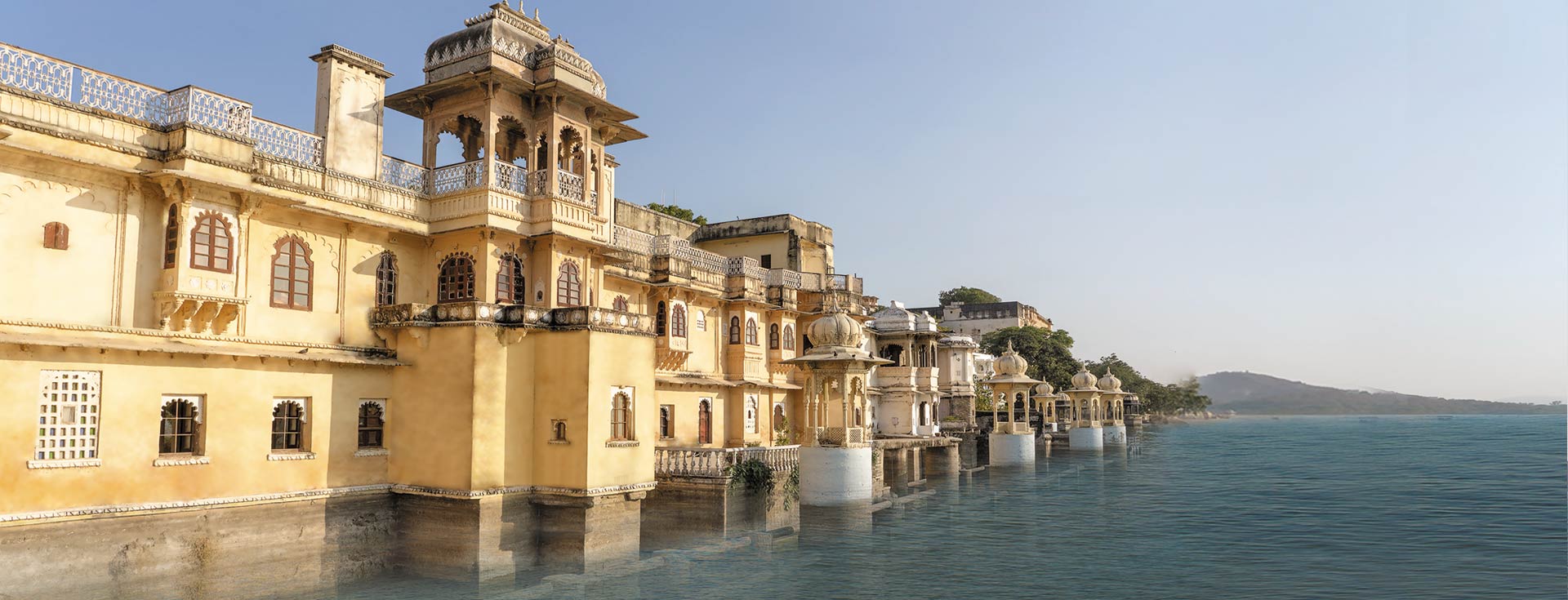
Bagore Ki Haveli Udaipur: Museum, Puppet Show Timings & Tickets
Discover Bagore Ki Haveli Udaipur: 18th-century mansion turned museum with Dharohar dance, puppet shows, turban gallery & stunning Lake Pichola views.
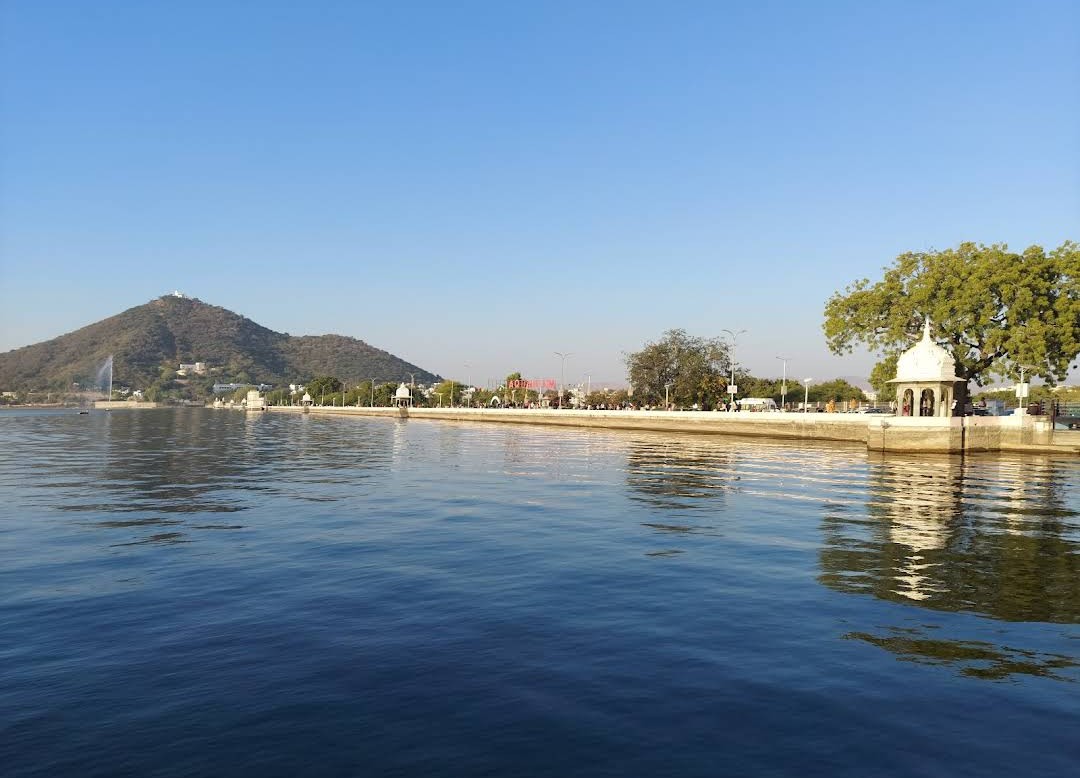
Fateh Sagar Lake Udaipur: Boating Fees, Timings & Sunset Spots
Visit FatehSagar Lake in Udaipur! Enjoy boating, sunset views, and how to reach. Complete guide to this beautiful artificial lake.
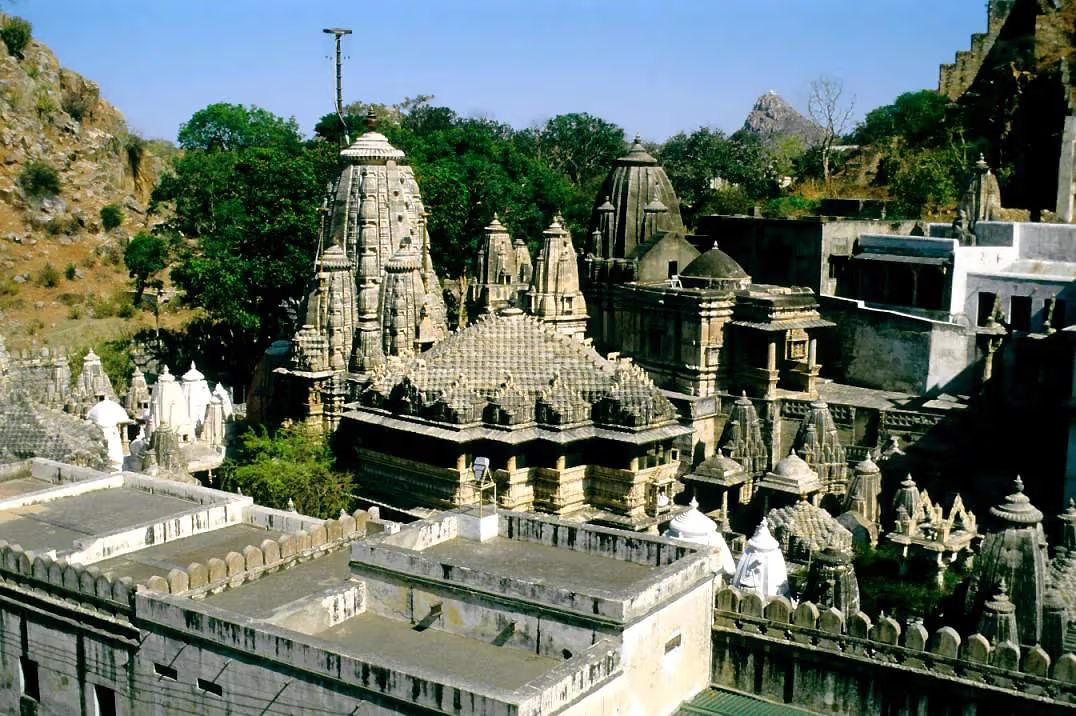
Eklingji Temple Udaipur: Timings, History & Architecture Highlights
Discover Eklingji Temple Udaipur - the sacred 8th-century Shiva temple with a unique four-faced lingam. Explore timings, history, architecture, rituals, festivals, and travel tips for this divine shrine in Rajasthan.
Never Miss an Adventure
Get the latest trekking guides, travel tips, and exclusive offers delivered straight to your inbox.
