
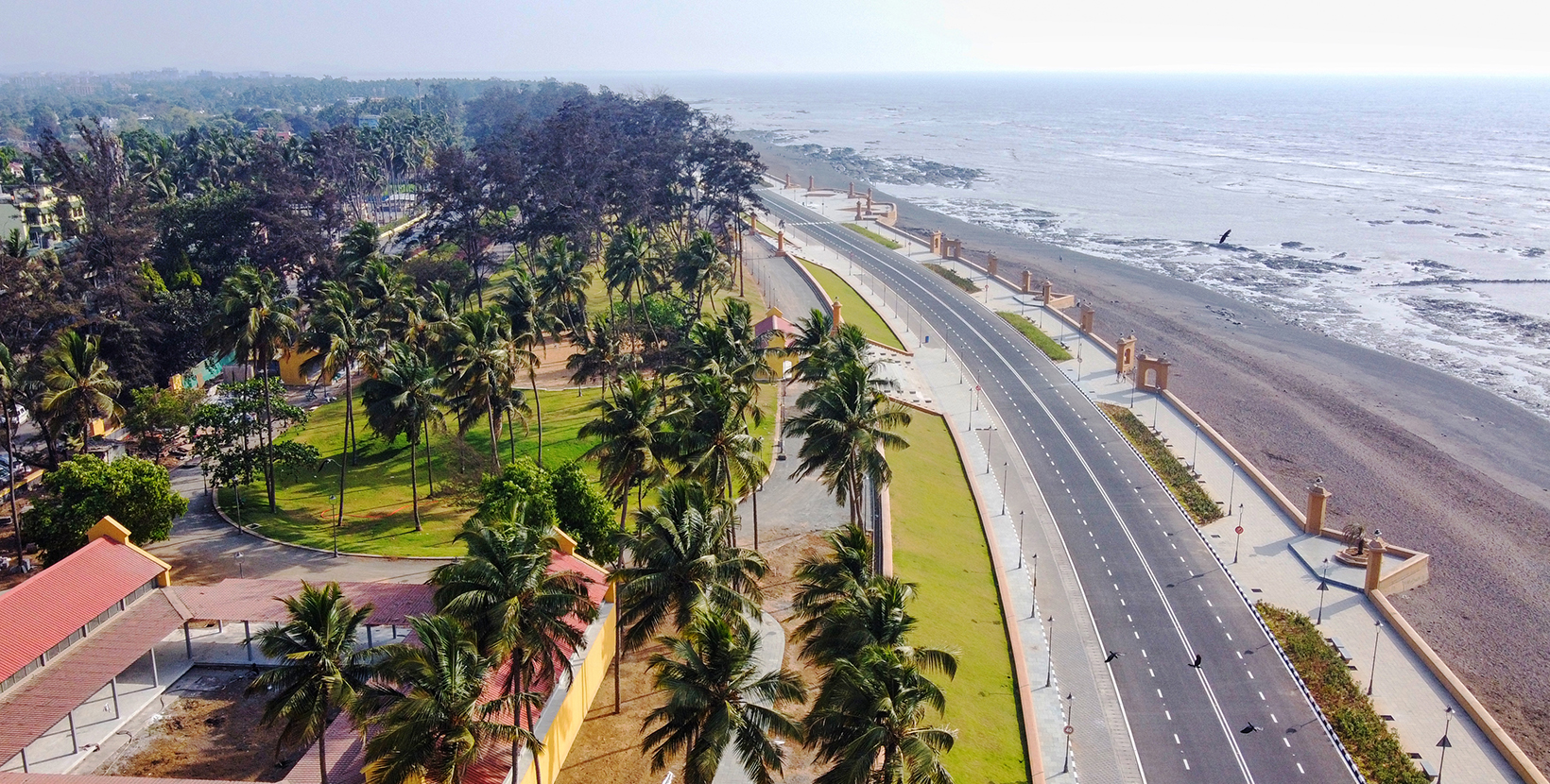
Culture of Daman and Diu: Heritage, Festivals & Local Traditions

Rohan Malhotra
February 19, 2026
Discover the culture of Daman and Diu through Portuguese heritage, festivals, food traditions, language blend, architecture, and practical travel insights.
Culture of Daman and Diu: Coastal Heritage and Portuguese Influence
The culture of Daman and Diu reflects a unique blend of Gujarati coastal traditions, Portuguese-era history, and local community life. Travelers notice this mix in architecture, festivals, churches, cuisine, and old-town street patterns. It is one of India’s compact destinations where heritage and coastal leisure coexist naturally.
If you are planning a short cultural trip, combine this with How to Reach Daman and Diu and Churches in Daman and Diu.
Daman and Diu remained under Portuguese administration for over four centuries, from the early 16th century until their annexation into India in 1961, a history that set them apart from most of the surrounding Gujarati mainland. This extended colonial period left a deeper architectural and cultural imprint here than in many other formerly colonized parts of India, visible in everything from the layout of old town squares to surviving Portuguese surnames among some local Christian families.
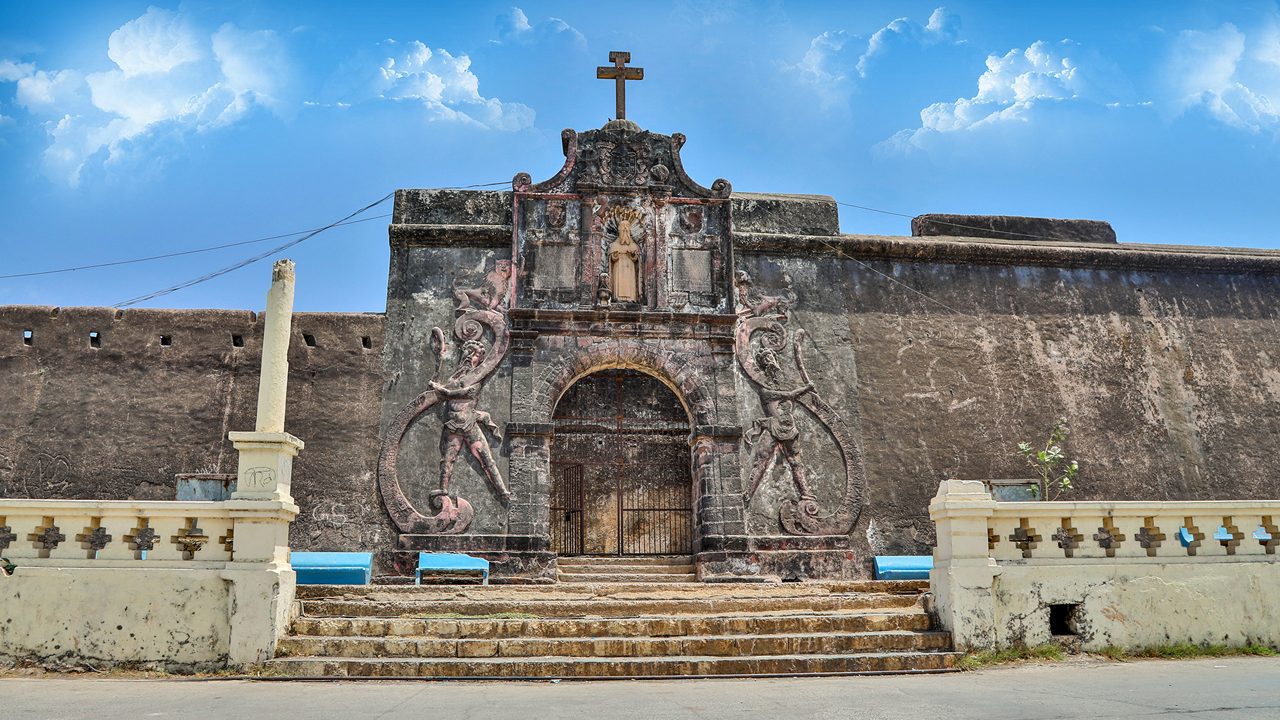
Fort structures such as Fort Moti Daman and Diu Fort stand as the most visible reminders of this era, built originally for coastal defense and later repurposed for civic and administrative use. Within these old quarters, narrow lanes, tiled-roof houses, and pastel-colored facades echo a Goan-adjacent architectural style, since Daman, Diu, and Goa shared the same colonial administrative lineage under the Portuguese Estado da Índia for centuries.

What Defines Local Culture
- Portuguese architectural traces in churches and civic zones.
- Coastal lifestyle linked to fishing and sea-based economy.
- Festival celebrations shaped by multi-faith communities.
- Food traditions blending local spices and colonial influence.
Festivals and Community Traditions
The region hosts both religious and civic celebrations with strong local participation. Church festivals, local fairs, and seasonal gatherings create a community-led cultural rhythm.
| Cultural Layer | Where You Notice It |
|---|---|
| Religious heritage | Churches, feast events, prayer gatherings |
| Coastal life | Fishing areas, markets, sea-facing settlements |
| Historic memory | Old forts, colonial facades, preserved streets |
Cuisine and Everyday Identity
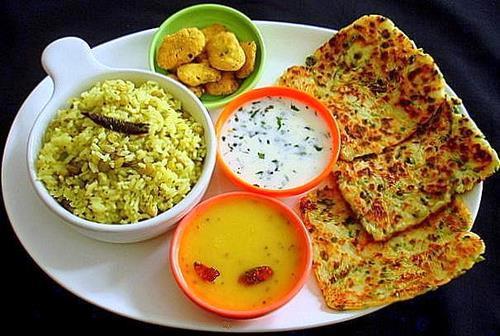
Food culture includes seafood-heavy meals, regional snacks, and local adaptations of Portuguese-era recipes. For planning, see Food in Daman and Diu and pair meals with heritage route stops.
How to Explore Culture in One Day
Language and Identity Today
While Gujarati and Hindi dominate everyday conversation now, older residents in some Diu neighborhoods still recall Portuguese phrases passed down through family, a fading but notable trace of the territory's long colonial past.
- Morning: church and heritage district walk.
- Afternoon: local market and coastal food stop.
- Evening: lighthouse/promenade style sunset route.
You can combine this with Daman Light House for a balanced cultural and scenic day plan.
Final Takeaway
Social Fabric and Everyday Life
Daily life in Daman and Diu reflects a blend of Catholic and Hindu community traditions coexisting closely, with church bells and temple rituals often marking time within the same neighborhoods. Fishing communities continue to follow tidal and seasonal rhythms that have shaped local life for generations, and small-scale liquor and seafood trade, both historically tied to the region's coastal and colonial economy, remain visible parts of everyday commerce today.
The culture of Daman and Diu is best experienced through slow exploration of its heritage streets, churches, food, and coastal community life. Keep your itinerary light and respectful for a richer experience.

Location
Frequently Asked Questions
Q1.What is unique about the culture of Daman and Diu?
Q2.Is Portuguese still spoken in Daman and Diu?
Q3.How did Portuguese influence local culture?
Q4.What are major festivals celebrated in Daman and Diu?
Q5.What is traditional food like in Daman and Diu?
Q6.What languages are spoken in Daman and Diu?
Q7.Can visitors experience local culture authentically?
Q8.What are key cultural attractions in Daman and Diu?
Recommended For You
10 Reasons to Visit Daman and Diu: Beaches & More
Discover the top reasons to visit Daman and Diu with beaches, forts, Portuguese heritage, water activities, food highlights, and practical travel tips.
Diu Museum: Timings, Entry Fee & Heritage Highlights
Explore Diu Museum with history, collections, timings, entry guidance, route planning, and nearby heritage-beach attractions in one practical guide.
St Jerome Fort Daman: History, Timings & How to Visit
Explore St Jerome Fort in Daman with complete details on history, architecture, timings, how to reach, and nearby attractions for a practical heritage visit.
Never Miss an Adventure
Get the latest trekking guides, travel tips, and exclusive offers delivered straight to your inbox.
