
St Jerome Fort Daman: History, Timings & How to Visit

Neha Kapoor
January 28, 2026
Explore St Jerome Fort in Daman with complete details on history, architecture, timings, how to reach, and nearby attractions for a practical heritage visit.
Introduction: Why St Jerome Fort Matters in Daman
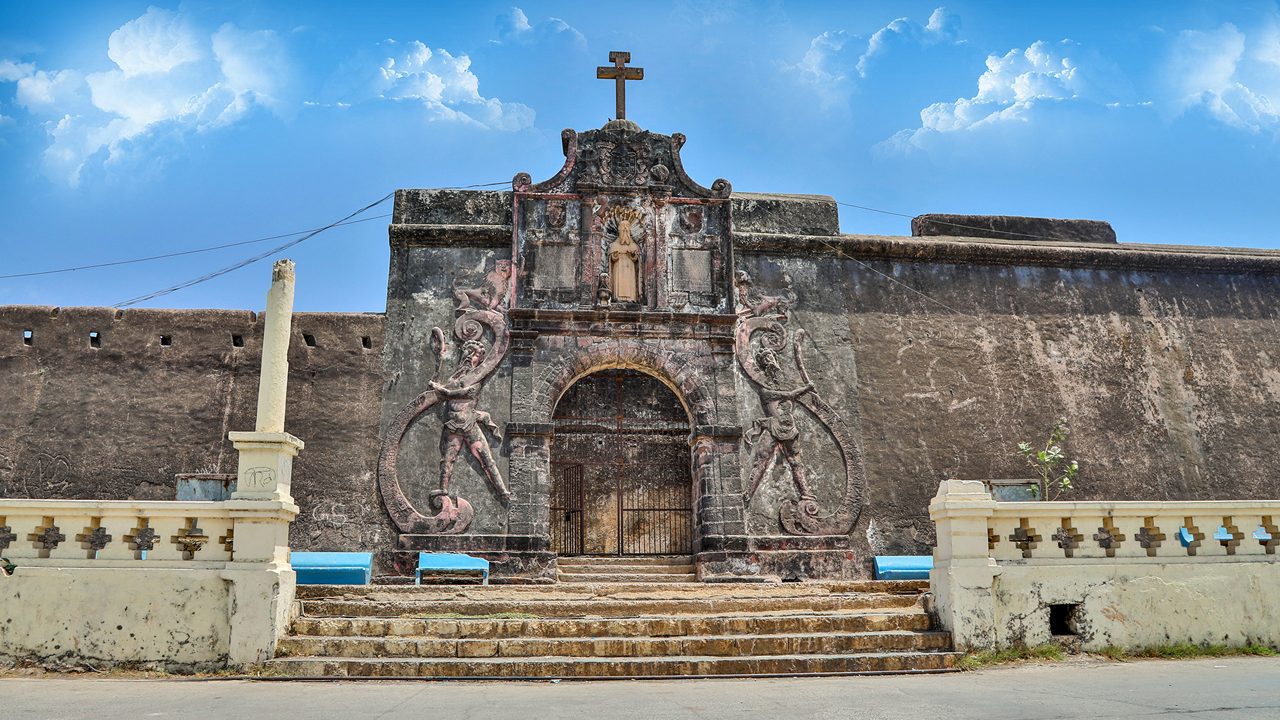
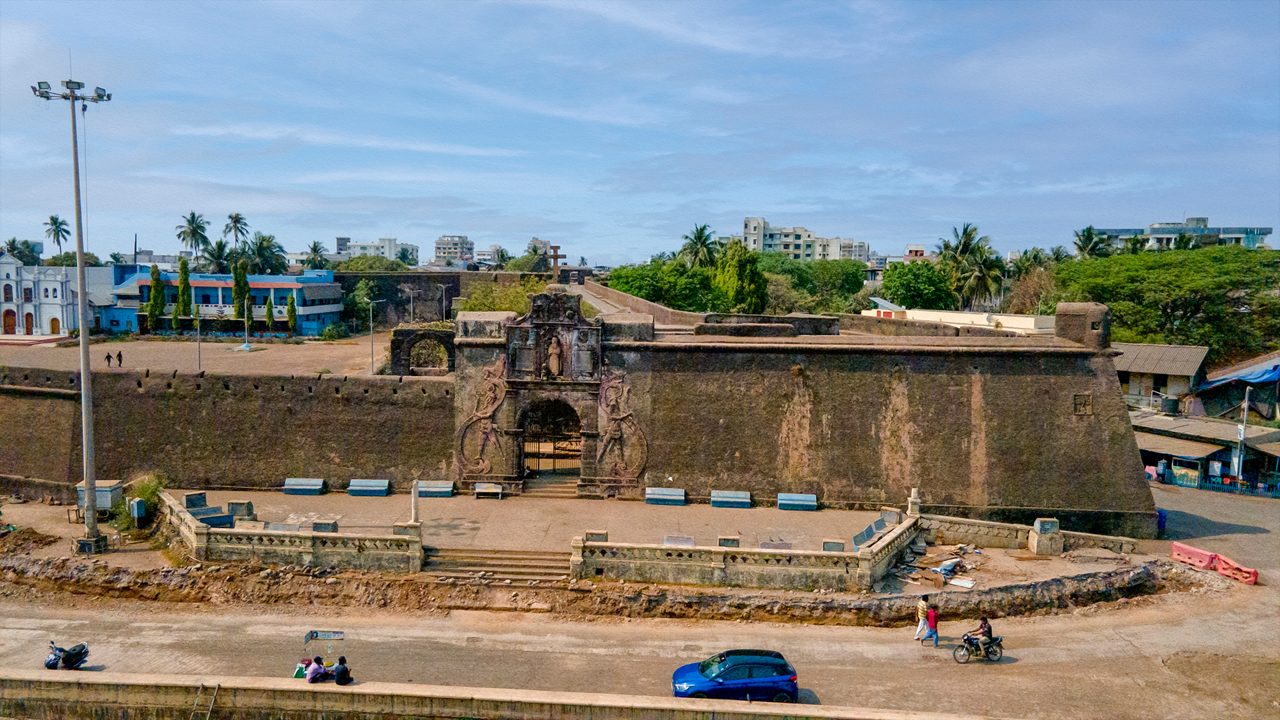
St Jerome Fort, widely known as Nani Daman Fort, is one of the most important Portuguese-era landmarks in Daman. Many travelers searching for St Jerome Fort Daman details are actually looking for a complete heritage experience: history, architecture, timings, practical route planning, and what to combine nearby in one half-day itinerary. This fort is not just a photogenic wall with a gateway; it reflects the strategic coastal role Daman played during Portuguese rule and the cultural layers that still define the town today.
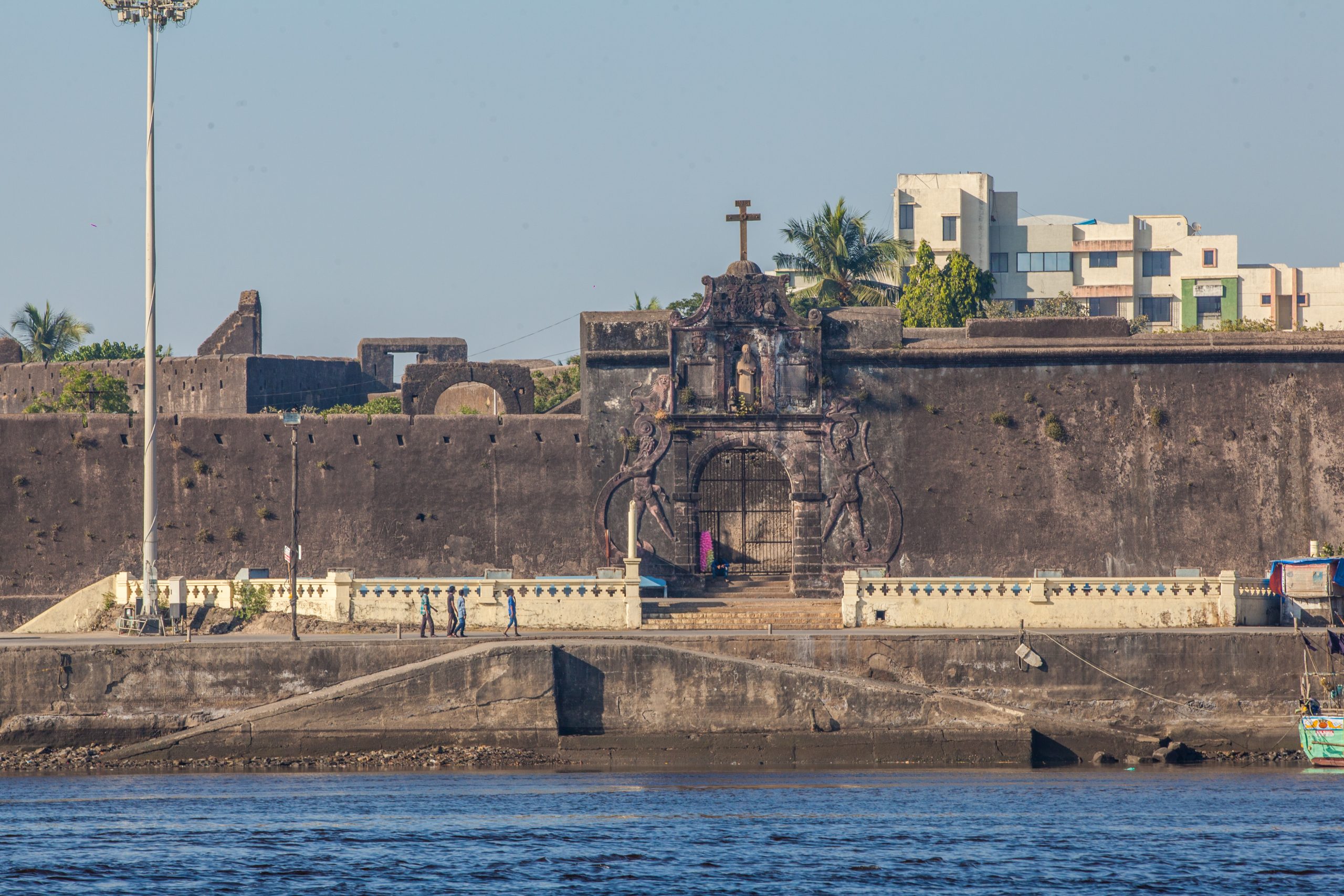
Located on the north bank of the Daman Ganga River, the fort offers a compact yet meaningful heritage walk with river views, old defenses, and church-linked history in its surroundings. If you are doing a broader Daman circuit, you can combine this stop with Nani Daman, places to visit in Daman and Diu, and things to do in Daman Diu for better route efficiency.
1. St Jerome Fort Daman History
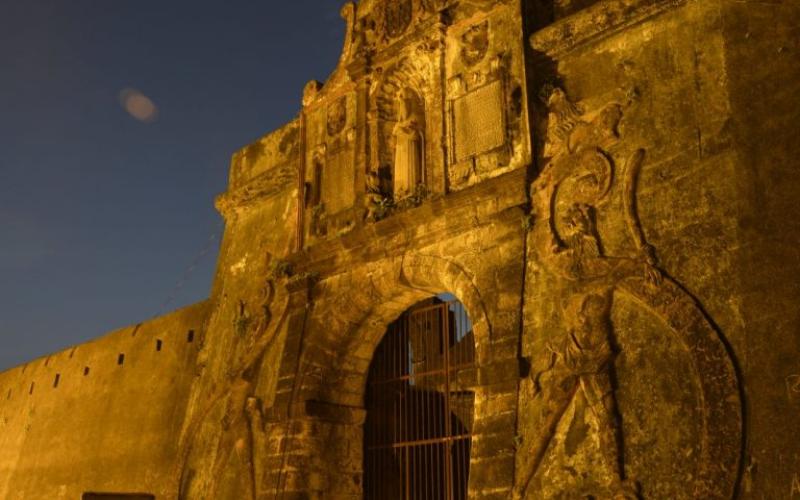
St Jerome Fort belongs to the Portuguese defensive network in Daman and is historically associated with the Nani Daman side of the river. During colonial rule, Daman's coastal position made it strategically useful for maritime monitoring, taxation control, and defense against naval threats. The fort's placement near the river mouth allowed strong visual command over movement between inland routes and the Arabian Sea corridor.
In most travel discussions, there is often confusion between Moti Daman Fort and St Jerome Fort. Moti Daman is larger and includes broader administrative heritage zones, while St Jerome Fort (Nani Daman Fort) is a distinct fortification unit with its own military design logic. For travelers interested in history, understanding this difference improves itinerary quality and helps avoid repetitive sightseeing.
After Goa, Daman remained one of the notable Portuguese enclaves on India's west coast for a long period. Like many colonial structures, the fort today is valued as a heritage site rather than an active military unit, but its walls still communicate the original intent: command, defense, and control over a key coastal passage.
2. Architecture and Design Features
The fort's visual identity is shaped by Portuguese military architecture adapted to local coastal conditions. You will notice robust ramparts, fortified entry points, and limited ornamental clutter in defense-facing sections. The style favors tactical geometry and line-of-sight over decorative planning.
Main Architectural Highlights
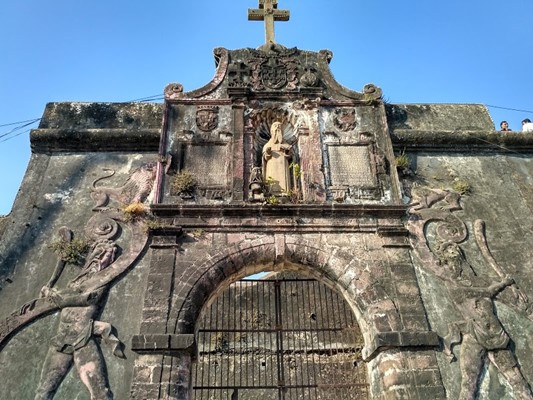
- Fortified Gateway: The entry zone remains one of the most recognizable features, often photographed by visitors arriving from the town side.
- Bastion-Based Defense: Projecting points along the walls were designed to extend surveillance and defensive coverage.
- River-Oriented Positioning: Strategic placement near the Daman Ganga channel gives the fort its historical military relevance.
- Stone Construction: Thick masonry and durable wall sections reflect long-term defensive intent in a humid coastal climate.
Travelers looking for fine ecclesiastical details should combine this with church-focused routes from churches in Daman and Diu, because the fort's core design language is practical military rather than cathedral-style interior ornamentation.
| Feature | Why It Matters | Visitor Value |
|---|---|---|
| Gateway facade | Represents controlled military entry | Best photo point |
| Ramparts | Primary defensive structure | Historic scale and depth |
| River-facing edge | Strategic surveillance corridor | Context for fort location |
| Bastion sections | Extended watch coverage | Helps understand colonial defense design |
3. Fort Walls, Bastions, and Viewing Points
Most visitors spend 45 to 90 minutes inside and around St Jerome Fort, depending how deeply they explore the walls and surrounding lanes. The strongest experience comes from walking slowly and observing how the fort aligns with river flow, settlement pattern, and approach roads. Instead of rushing through, pause at vantage edges to understand why this site was selected for defense.
The wall thickness and bastion spacing show clear adaptation to pre-modern artillery realities. These sections may look simple at first glance, but they are core to the fort's story. If you have already visited Diu Fort or Panikota Fort Daman, compare design intent across these forts: each responds differently to coastline, waterline, and naval risk.
Near sunset, the atmosphere around the riverfront side improves significantly for photography. Morning is usually better for architecture-focused exploration because heat is lower and crowd density is more manageable.
4. Religious and Cultural Layer Around the Fort
St Jerome Fort's heritage value is closely tied to nearby church and settlement patterns developed during Portuguese administration. While the fort itself is military in character, the wider zone around it carries religious and civic imprints of the same period. This is why heritage travelers should not isolate the fort from the surrounding neighborhood history.
You can pair the visit with St Paul Church Diu for architectural comparison across coastal Portuguese sites, or with broader theme pieces like culture of Daman and Diu to understand how old colonial grids continue to shape modern travel circuits.
For families and first-time visitors, mixing one fort stop with one lighter attraction works best. A common route is St Jerome Fort plus Dinosaur Park Daman and Diu or beach-side breaks, depending group preference.
5. Timings, Entry, and Practical Visitor Information
Travelers frequently search for St Jerome Fort Daman timing, entry fee, and visit duration before finalizing local transport. As with many open heritage zones, timing patterns can vary slightly by local administration and season, so verify same-day details at destination. In practical itinerary planning, treat this as a daytime heritage site best visited in morning or late afternoon.
Quick Visit Planning
- Ideal visit window: Early morning or post-4 PM for better comfort.
- Typical duration: 1 to 1.5 hours for relaxed exploration.
- Entry format: Usually open heritage visit style; confirm local updates on arrival.
- Photography: Exterior and architectural captures are a major attraction.
- Footwear: Comfortable walking shoes recommended.
Summer afternoons can be harsh, so avoid mid-day fort walks where possible. During monsoon, surfaces may be slippery in some sections, so keep movement careful.
6. How to Reach St Jerome Fort in Daman
St Jerome Fort is in the Nani Daman zone and is straightforward to access from most local stay areas.
From Vapi Railway Station
- Distance: roughly 12 km to Daman core zones (varies by exact drop point).
- Transport: auto-rickshaw, private cab, or pre-booked taxi.
- Travel time: usually 25 to 40 minutes depending traffic.
From Daman Town Areas
- Short local transfers from Nani Daman hotels and riverfront stays.
- Can be paired with bridge-view and market movement in one compact route.
From Mumbai / Surat Side
- Mumbai: road or train to Vapi, then onward local transfer.
- Surat: road/rail to Vapi corridor and onward by cab.
For full transport planning, use how to reach Daman and Diu. If you are staying longer, include nearby options like villas in Daman and evening activities from nightlife in Daman Diu.
7. Nearby Attractions to Combine with St Jerome Fort
St Jerome Fort works best as part of a route cluster, not as a standalone long stop. The following combinations improve trip value:
- Nani Daman Riverside: market movement, local food, and bridge views.
- Moti Daman Zone: wider colonial precincts and additional heritage sections.
- Beaches in Diu circuit extension: useful if your trip continues beyond Daman via beaches in Diu.
- Military-heritage add-on: Khukri Memorial Daman for a modern commemorative contrast.
- Family-friendly break: Dinosaur Park Daman and Diu as a lighter second stop.
If your itinerary is two days or more, start with heritage in the morning and keep beach time for evening. This gives better pacing and lower heat exposure.
8. Best Time to Visit St Jerome Fort
- October to March: most comfortable season for heritage walks and outdoor photography.
- April to June: visit early morning or late evening due heat.
- July to September: monsoon charm with caution on wet pathways.
Weekday visits are usually calmer than peak weekend windows. If you prefer clearer photos with fewer interruptions, arrive near opening-time equivalents and complete your fort walk before mid-day crowds.
9. Common Mistakes to Avoid
- Confusing St Jerome Fort with Moti Daman Fort and planning duplicate stops without purpose.
- Visiting at noon in peak summer and rushing due heat discomfort.
- Skipping route pairing, which leads to unnecessary local transfers.
- Relying only on old timing information without day-of confirmation.
- Treating the fort as a quick selfie point instead of a heritage walk.
A better plan is simple: one focused fort walk, one nearby cultural or leisure stop, and one sunset block.
10. Suggested Half-Day Itinerary Around St Jerome Fort
If you have only half a day in Daman, start with St Jerome Fort in the early morning to avoid heat and get cleaner photos of the gateway and bastions. Then move through the Nani Daman riverside for a short cultural walk and local breakfast stop. By late morning, cross toward a second heritage or church landmark based on interest. Keep afternoon flexible for check-in and recovery, then use sunset for either river views or beach-side time. This sequence keeps travel short, avoids rush, and gives a balanced mix of history and leisure in one practical route.
Final Take
St Jerome Fort Daman is one of the most meaningful Portuguese-era sites in the region, especially for travelers who want history with practical accessibility. Its gateway, bastion logic, river-facing position, and neighborhood context make it more than a short monument stop. Plan it with nearby attractions, choose the right time window, and use route clusters to experience Daman's heritage with depth rather than rush.
Location
Frequently Asked Questions
Q1.What is St Jerome Fort in Daman famous for?
Q2.Is St Jerome Fort the same as Moti Daman Fort?
Q3.Who built St Jerome Fort Daman?
Q4.What are the timings of St Jerome Fort Daman?
Q5.Is there an entry fee for St Jerome Fort?
Q6.How to reach St Jerome Fort from Vapi station?
Q7.How much time is needed to explore St Jerome Fort?
Q8.Which nearby attractions can be combined with St Jerome Fort?
Recommended For You
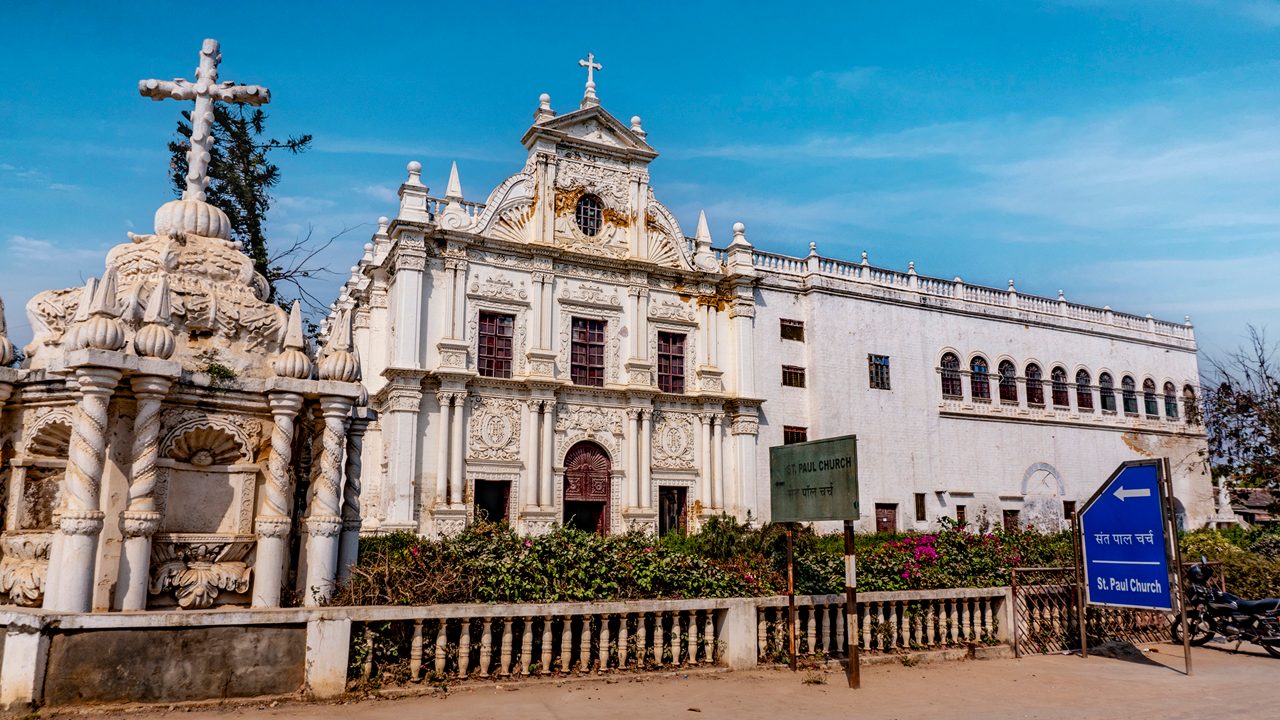
Churches in Daman and Diu: Heritage Sites, Timings & Route Plan
Explore top churches in Daman and Diu, including St. Paul's Church, with architecture highlights, heritage context, worship etiquette, and travel planning tips.

Khukri Memorial Guide: Tribute to INS Khukri
Khukri Memorial guide with INS Khukri history, Captain Mulla tribute, Diu location clarification, visitor tips, and nearby places for a complete heritage visit.

Dinosaur Park Diu: Timings, Entry Fee & Family Activity Tips
Plan your Dinosaur Park Diu visit with realistic expectations, timing guidance, family tips, route options, and nearby attractions for a complete Diu day plan.
Never Miss an Adventure
Get the latest trekking guides, travel tips, and exclusive offers delivered straight to your inbox.
