
Churches in Daman and Diu: Heritage Sites, Timings & Route Plan

Rohit Verma
February 19, 2026
Explore top churches in Daman and Diu, including St. Paul's Church, with architecture highlights, heritage context, worship etiquette, and travel planning tips.
Churches in Daman and Diu: A Heritage Route Worth Planning
Churches in Daman and Diu represent one of the most visible Portuguese-era religious legacies on India’s western coast. The region’s church network blends faith, architecture, and colonial history in a compact geography that is easy to explore in two to three days. For travelers, this is a high-value circuit because you can combine church visits with forts, coastal viewpoints, and local food without long transfers.
Most visitors know St. Paul’s Church in Diu, but the broader route includes multiple churches and chapels with distinct styles and historic relevance. If planned correctly, this trip can be both spiritually meaningful and culturally rich. For logistics, combine this guide with How to Reach Daman and Diu and local add-ons such as Daman Light House.
Why These Churches Are Historically Significant
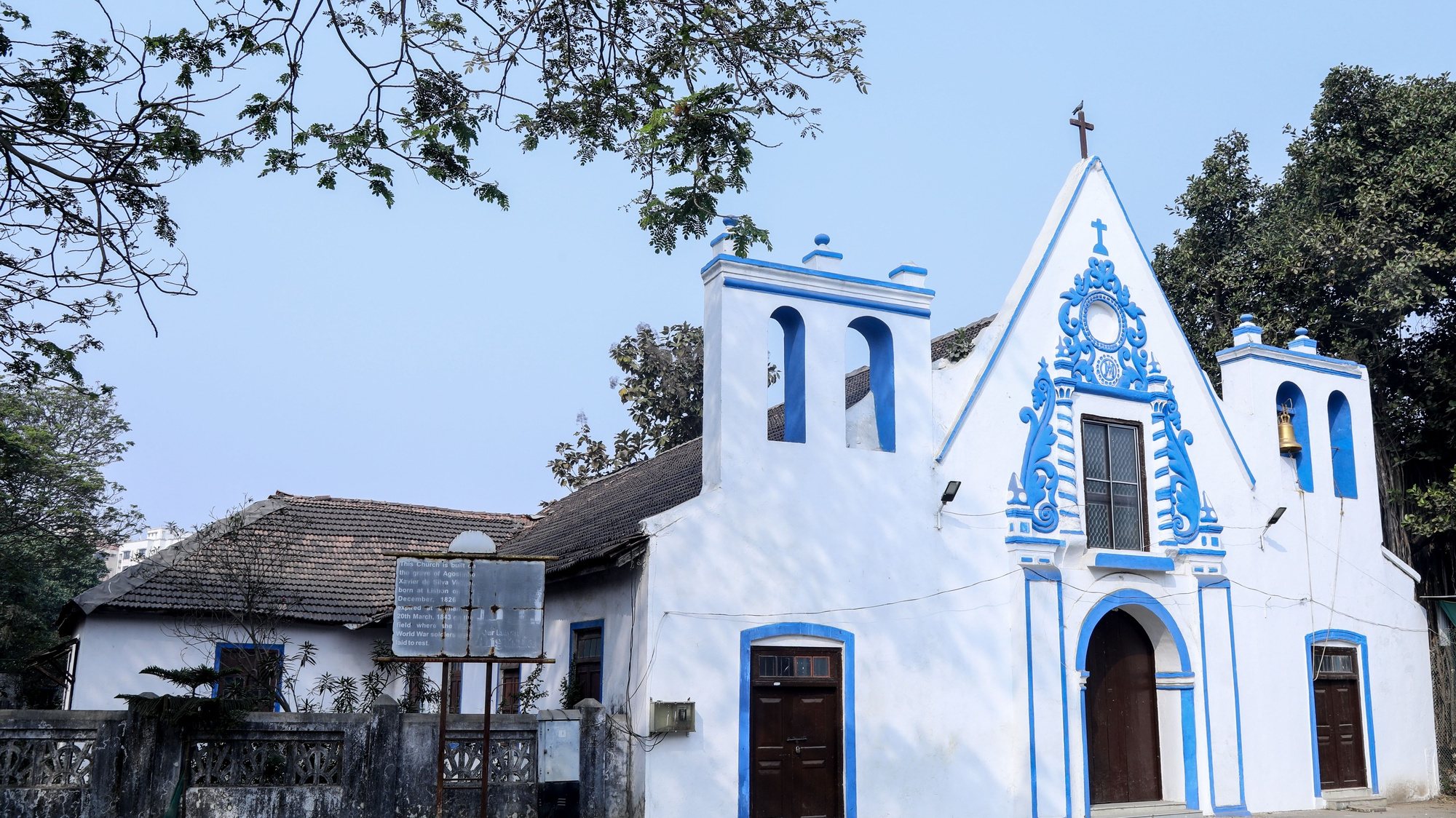
The churches in Daman and Diu evolved during Portuguese rule and became key centers of worship, administration, and community life. Their facades, altars, and carved interiors often carry Baroque and Indo-Portuguese influence, while local materials and climate adaptation shaped long-term preservation patterns.
| Heritage Layer | What You Will Notice |
|---|---|
| Colonial influence | Portuguese design language in facade and altar work |
| Religious continuity | Several churches remain active worship spaces |
| Coastal adaptation | Materials and structure adjusted to humid marine climate |
| Cultural value | Churches function as both faith and heritage landmarks |
Top Churches to Visit in Daman
1. Church of Our Lady of Rosary
One of the most referenced churches in Daman, known for its historic relevance and architectural character.
2. Church of Our Lady of Remedios
A key site for travelers interested in old parish networks and devotional continuity.
3. St. Jerome-linked Church Zone
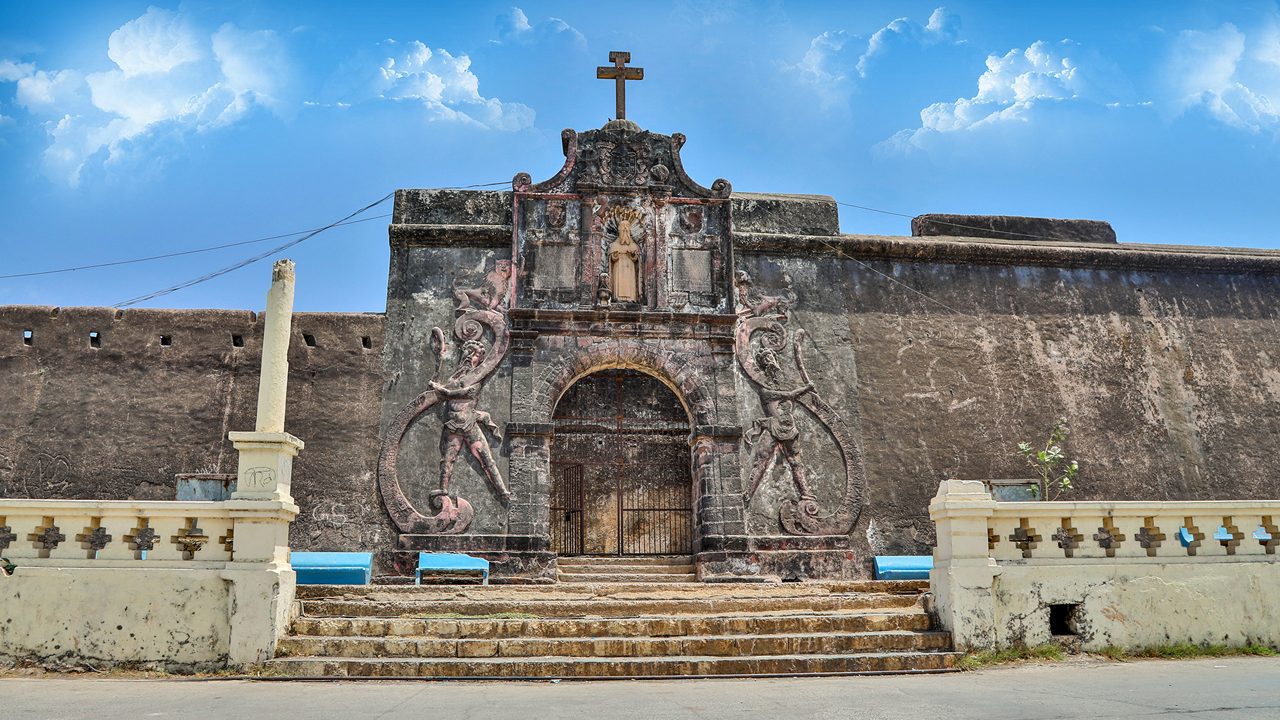
Fort-area church spaces are important for understanding how religion and defense architecture coexisted in colonial planning.
4. Smaller Parish and Chapel Stops
Local chapel visits often offer quieter prayer experiences compared to major tourist-heavy locations.
Top Churches to Visit in Diu
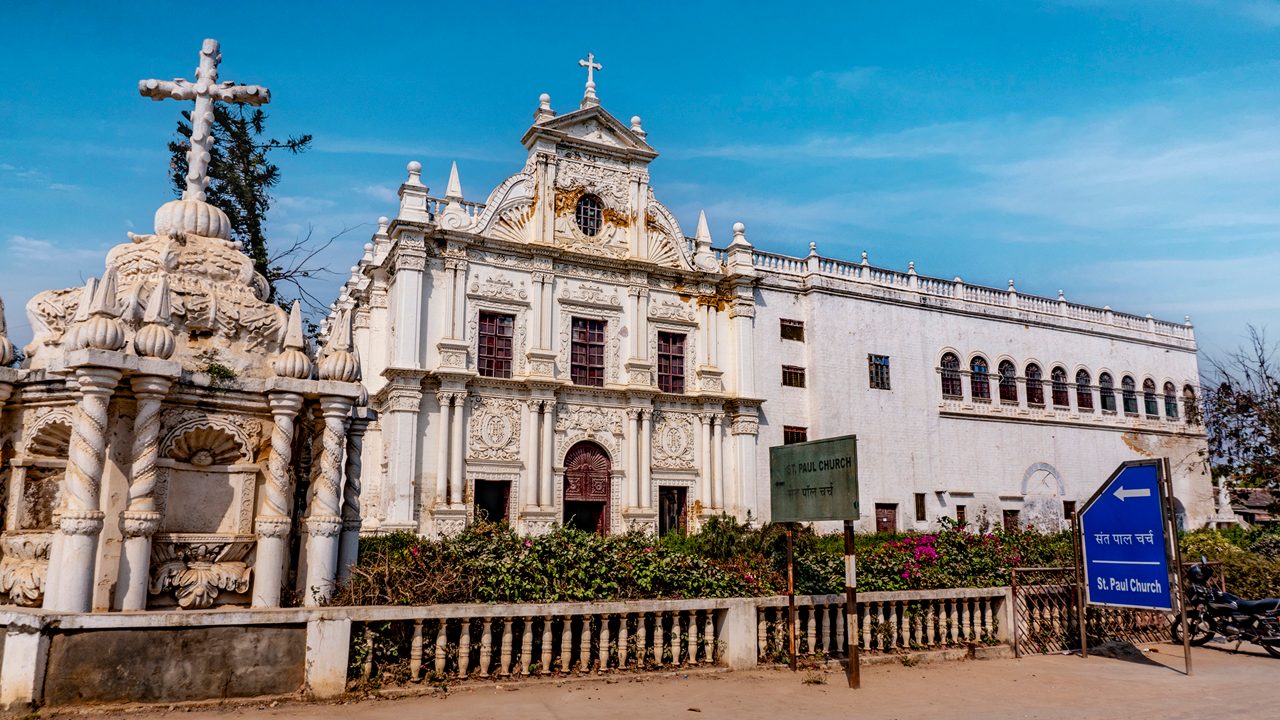
1. St. Paul’s Church, Diu
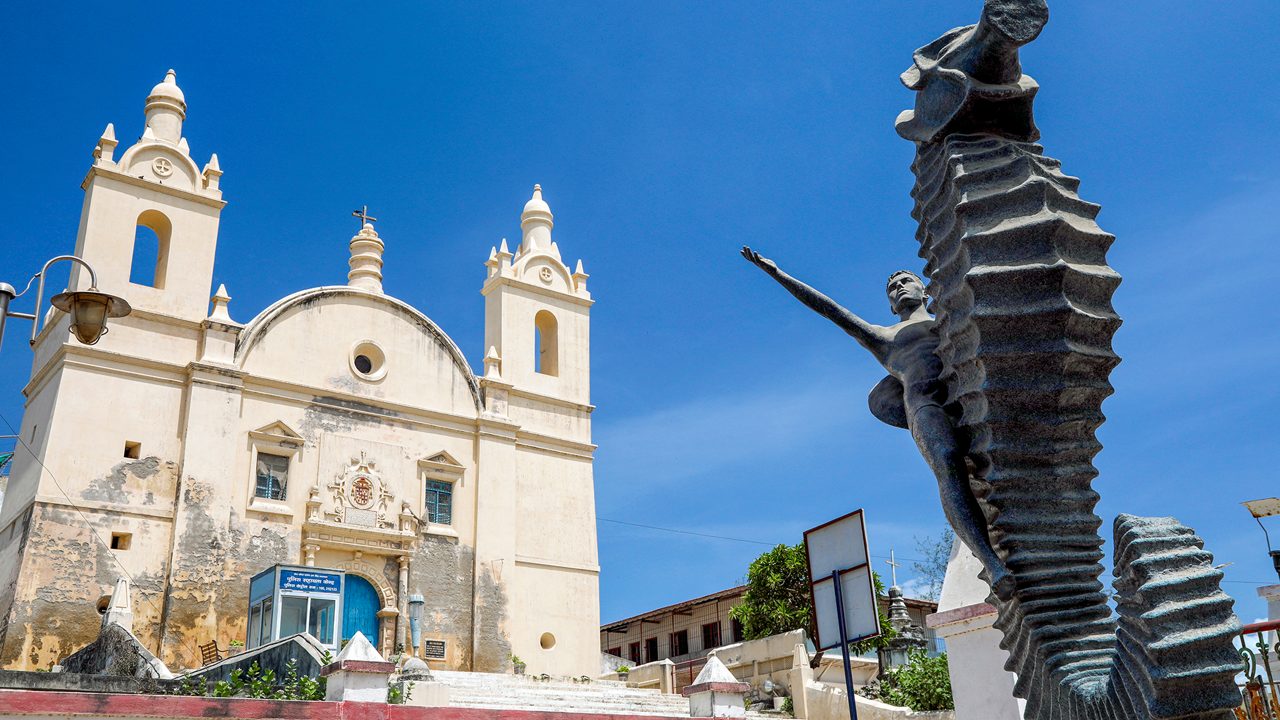
The most iconic church in Diu, known for an ornate facade and richly carved interior details. This is usually the anchor point of any church-focused itinerary.
2. St. Thomas Church
A crucial heritage stop in Diu, frequently included in architecture and museum-linked circuits.
3. Church of Our Lady of the Sea (regional reference)
Often explored as part of broader religious and coastal heritage routes depending on local access.
4. Franciscan-linked Church Heritage Sites
These spaces help complete the Portuguese ecclesiastical history narrative in Diu.
Architecture and Design Features to Observe
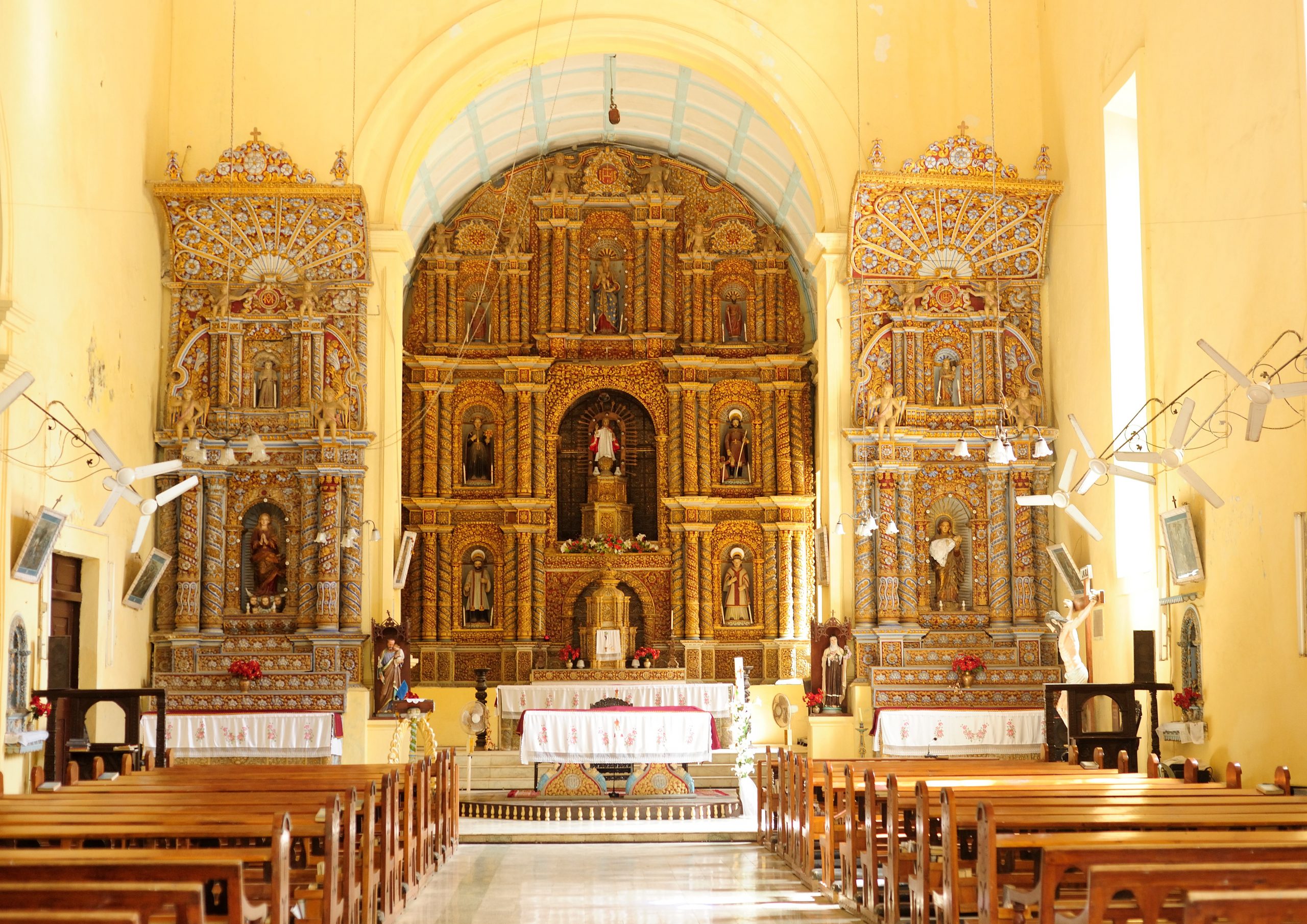
If you are interested in visual details, do not rush through these churches. Focus on facade symmetry, bell towers, altar carving depth, and window treatment.
- Portuguese Baroque facade character in key churches.
- Carved wooden altar segments in major interiors.
- High-ceiling prayer halls built for ventilation and climate response.
- Coastal weathering patterns and restoration markers.
- Hybrid local-European material and design execution.
Religious Significance and Active Worship Culture
Several churches in this region are not museum-only spaces; they continue to host worship activities and parish events. During Christmas and Easter periods, attendance rises and local participation creates a very different atmosphere than regular tourist days.
If you are visiting during festive periods, prioritize respect and schedule verification. You can also explore related Christmas context through Christmas Churches in India.
Best Time to Visit Churches in Daman and Diu
Weather and crowd conditions matter. The most comfortable season is usually the cooler period when walking circuits are easier and daytime heat is manageable.
| Season Window | Experience | Recommendation |
|---|---|---|
| Cooler months | Comfortable church-hopping and photography | Best for full-day circuits |
| Festive windows | High spiritual energy, larger crowds | Arrive early, plan transport in advance |
| Peak summer afternoons | Higher heat and fatigue risk | Use morning/evening slots |
How to Reach and Move Between Church Stops
Daman and Diu are best explored with pre-planned local transport. Self-drive and hired cabs both work, but route sequencing is important to avoid repeat travel on the same corridor.
- Start with one major church anchor each day.
- Add nearby forts or coast points only after prayer/heritage stops.
- Keep buffer time for service schedules and rest breaks.
- Avoid late unplanned inter-town transfers.
For extended planning, connect your route with Food in Daman and Diu and Dominican Monastery Daman.
Suggested 2-Day Church and Heritage Itinerary
| Day | Plan |
|---|---|
| Day 1 (Daman) | Our Lady of Rosary + heritage church cluster + lighthouse + evening local market |
| Day 2 (Diu) | St. Paul's Church + St. Thomas + fort/coastal add-ons + local food circuit |
This format gives enough time for architecture appreciation and worship etiquette without exhausting transfers.
Visitor Etiquette and On-Ground Conduct
- Wear modest clothing for church interiors.
- Keep phones silent in prayer spaces.
- Avoid flash during active worship sessions.
- Do not climb or lean on heritage structures.
- Follow local caretaker instructions.
Common Mistakes to Avoid
- Treating all churches as quick photo stops.
- Ignoring service timings and arriving during restricted windows.
- Overloading one day with too many distant points.
- Skipping hydration and shade breaks in coastal heat.
Final Takeaway
Churches in Daman and Diu are ideal for travelers who want faith, history, and architecture in one compact route. Plan church visits as the core of your itinerary, then add coastal and food experiences around them. With proper timing and respectful conduct, the region offers one of India’s most rewarding small-format heritage church journeys.
For a smoother trip, verify local schedules before departure and keep your route flexible by weather and crowd level.

Photography Planning for Heritage Church Travelers
Church architecture photography in Daman and Diu works best with timing, not equipment. Early morning gives softer light on white facades, while late afternoon produces better depth on carved surfaces. Interior photography requires extra care because flash can disturb prayer and often reduces visual quality on polished wood and reflective altar surfaces.
- Use natural light wherever possible.
- Capture facade details from diagonal angles for depth.
- Avoid crowd obstruction during prayer windows.
- Respect all no-photography signage.
If your trip is content-focused, plan separate slots for worship and photography to keep both experiences respectful.
Family and Senior-Friendly Route Adjustments
Traveling with elders or children requires slower pacing. Instead of trying to cover every church, choose one priority church in Daman and one in Diu, then add one nearby low-effort attraction each day. Keep hydration, shade breaks, and early meal planning in place, especially in warmer weather windows.
| Group Type | Recommended Pace |
|---|---|
| Families with children | 2 major stops + 1 short add-on |
| Senior travelers | Morning-first visits and minimal evening transfers |
| Architecture-focused travelers | Longer church stays, fewer non-church detours |
A realistic pace improves comfort and helps travelers absorb the heritage value rather than rushing from one point to another.
Budget Framework for a 2-Day Church Trip
Daman and Diu church travel can be managed on flexible budgets. Core church visits are usually low-cost, so most spending happens on transport, stay quality, and food choices.
- Budget style: basic stay + local transport + simple food route.
- Comfort style: central stay + private transfers + curated dining.
- Buffer: keep 10-15% for schedule shifts and weather-driven changes.
The key saving strategy is route optimization. Poor sequencing increases transfer cost more than any other factor in this region.
Extended Circuit Ideas Beyond Churches
If you have an extra day, add selected heritage and leisure stops that complement church history. Useful options include light house viewpoints, monastery-linked sites, coastal promenades, and local food experiences. A balanced extension keeps the trip engaging without diluting its heritage focus.
With better planning, Daman and Diu can become a model short-format heritage trip where religious architecture and coastal travel work together smoothly.
Location
Frequently Asked Questions
Q1.How many churches are there in Daman and Diu?
Q2.Which are the most famous churches in Diu?
Q3.What is special about churches in Daman and Diu?
Q4.What is the best time to visit these churches?
Q5.Are these churches still active for worship?
Q6.Is there an entry fee to visit churches in Daman and Diu?
Q7.Who built these historic churches?
Q8.What architectural style do these churches follow?
Recommended For You
Things to Do in Daman Diu: Coastal Activities, Beaches & Family Fun
Explore things to do in Daman Diu with beaches, forts, water sports, heritage circuits, and practical two or three-day itinerary planning tips.
Diu Museum: Timings, Entry Fee & Heritage Highlights
Explore Diu Museum with history, collections, timings, entry guidance, route planning, and nearby heritage-beach attractions in one practical guide.
St Jerome Fort Daman: History, Timings & How to Visit
Explore St Jerome Fort in Daman with complete details on history, architecture, timings, how to reach, and nearby attractions for a practical heritage visit.
Never Miss an Adventure
Get the latest trekking guides, travel tips, and exclusive offers delivered straight to your inbox.
