
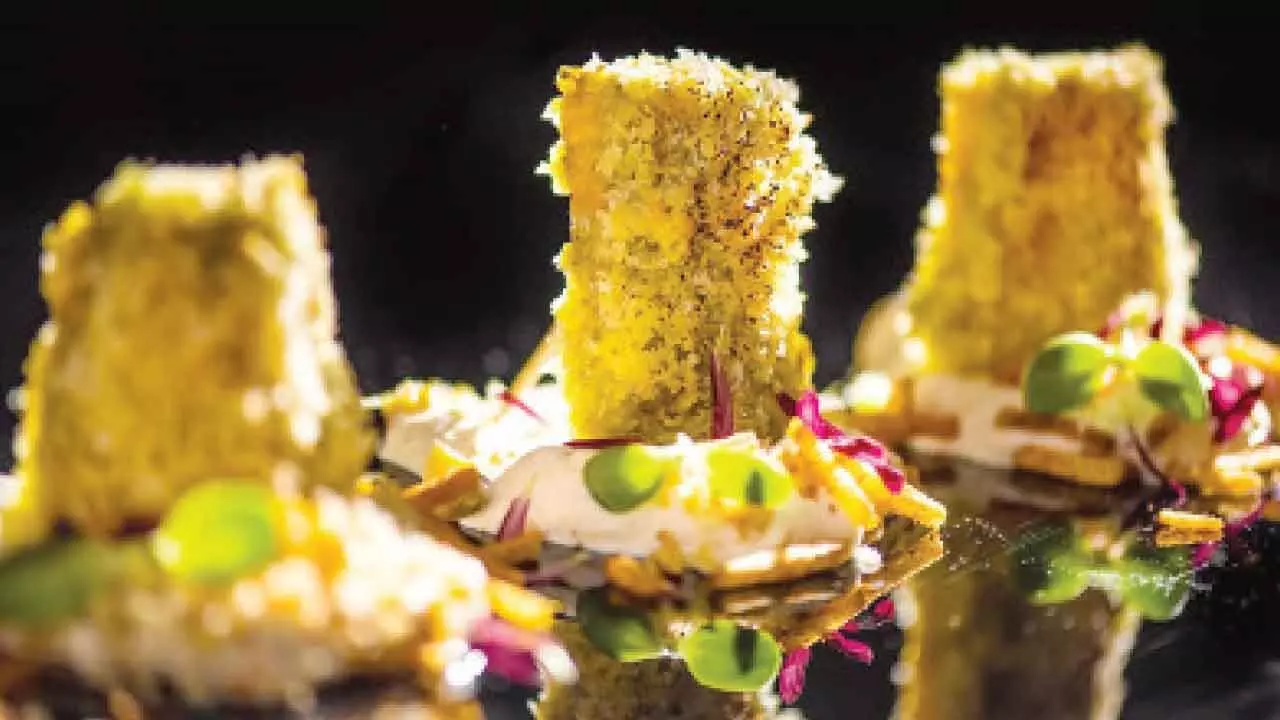
Dabhadba Food Pune: Menu Highlights, Pricing & Visitor Experience

Neha Kapoor
February 19, 2026
Complete guide to Pune's dabhadba food culture including essential dishes like pithla bhakri, misal pav, best dabhadbas, and dining tips.
Dabdhaba Food Pune: Best Places for Authentic Maharashtrian Taste
Dabdhaba style food in Pune is where travelers discover robust Maharashtrian flavors beyond standard restaurant menus. People searching this keyword usually want to know what dishes are essential, where to find reliable regional meals, and how to balance spice, budget, and authenticity. This guide is structured around those practical questions.
Unlike generic city restaurant lists, this article focuses on traditional formats and signature dishes that define Pune’s local food identity. If you are planning a complete city route, pair this with places to visit in Pune and keep your meals aligned with movement windows.
What Is Dabdhabha Food
Dabdhabha food typically refers to hearty, homestyle Maharashtrian meals served in practical, no-nonsense settings. The emphasis is on regional staples, spice-forward accompaniments, and everyday comfort combinations. These places are valued for taste depth and consistency over presentation-heavy dining.
In Pune, this format is popular with locals who want traditional flavors that feel close to home cooking, especially pithla-bhakri, zunka, bharli vangi, misal variants, and thecha-based sides.
Must-Try Dabdhabha Dishes in Pune
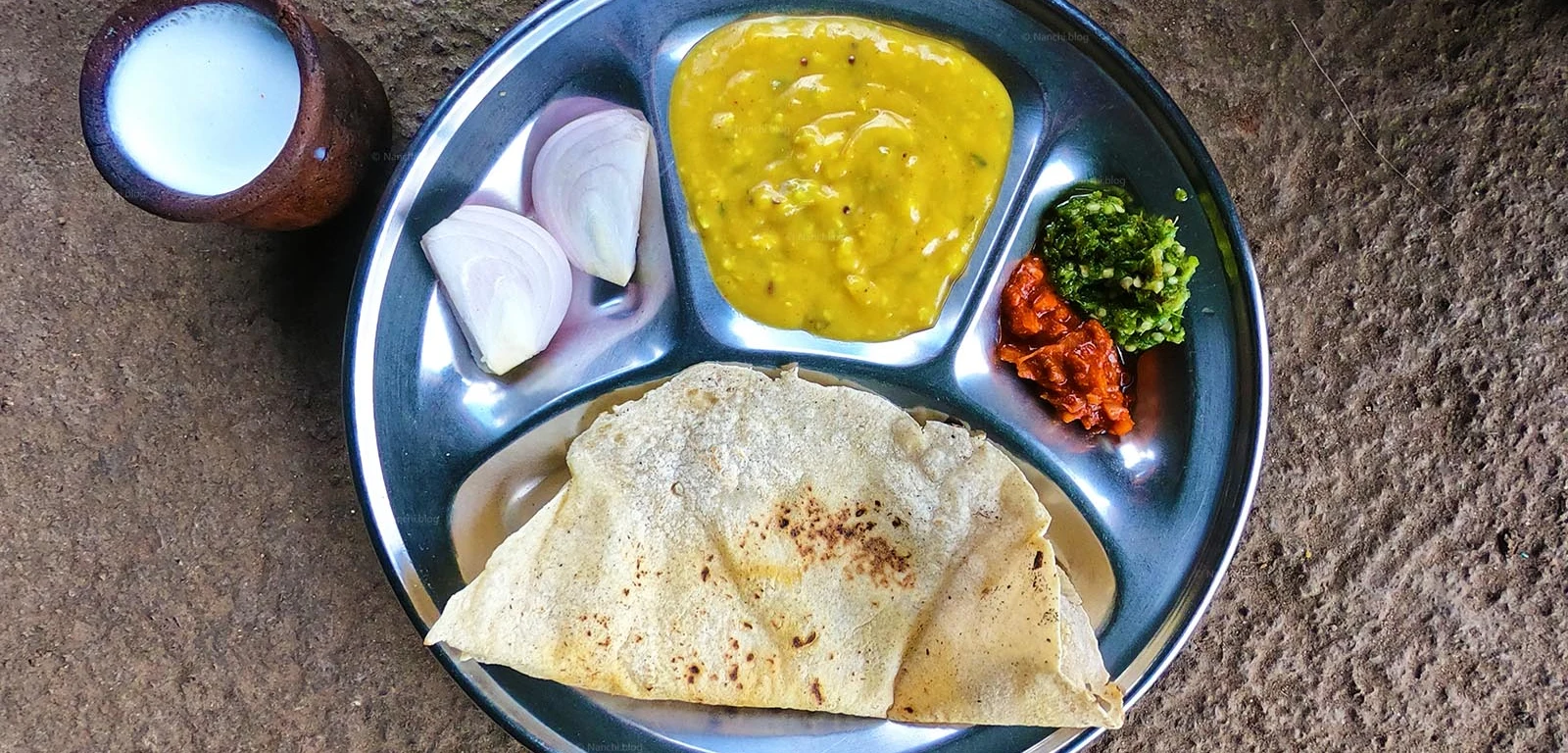
Pithla Bhakri
A foundational Maharashtrian pairing: gram flour based pithla with rustic bhakri. It is simple, filling, and strongly local in identity. Choose this as your first order if new to regional cuisine.
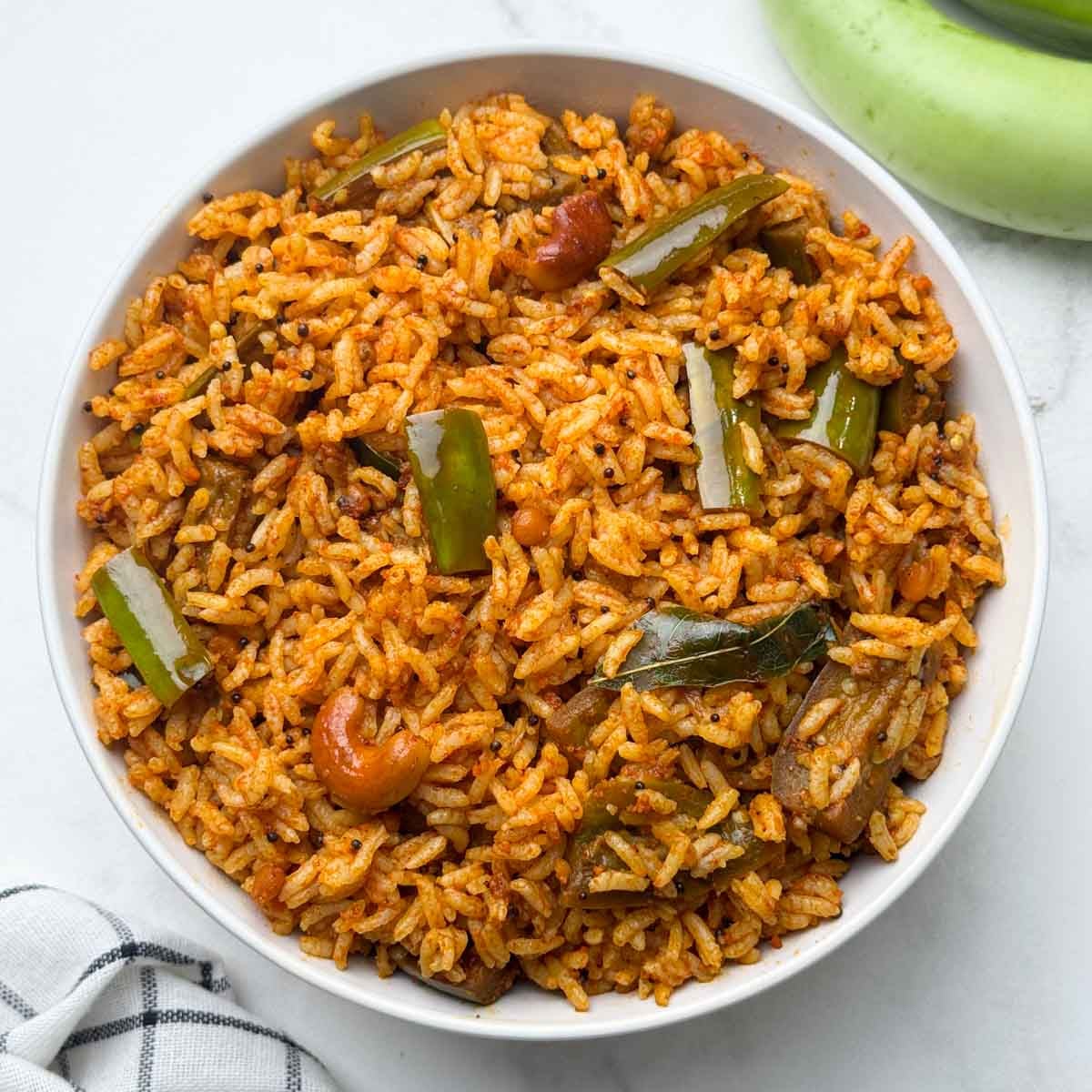
Vangi Bhat and Bharli Vangi
Brinjal based preparations are central in many traditional kitchens. These dishes bring earthy, spiced flavor with excellent rice compatibility.
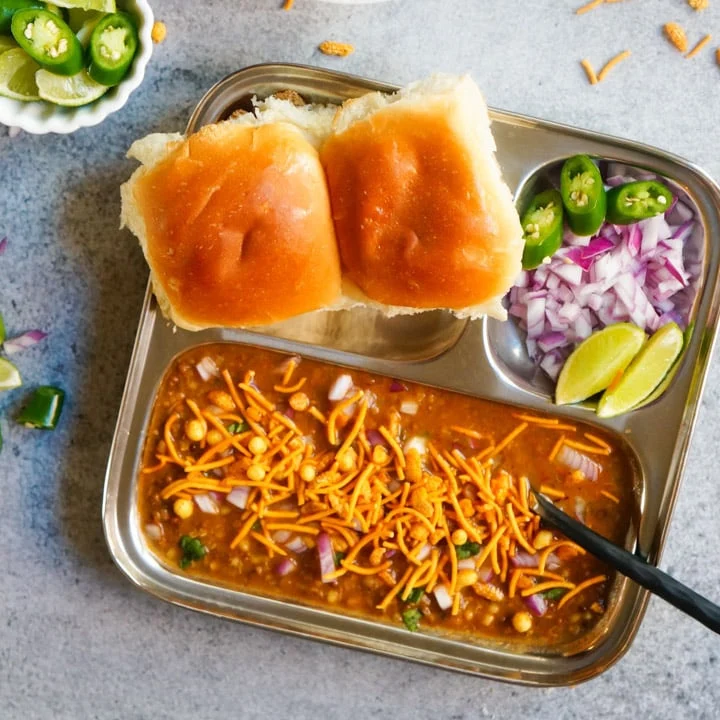
Misal Pav
One of Pune’s most iconic spice-rich dishes. Misal can vary from moderate to very hot, so always ask heat level before ordering.
Thecha and side accompaniments
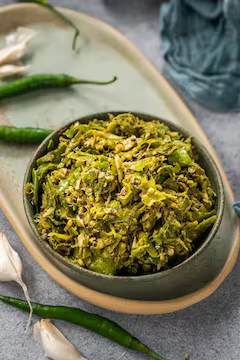
Thecha delivers concentrated heat and garlic impact. Use it carefully with bhakri or rice to control spice intensity.
How to Choose a Good Dabdhabha Spot
Look for high local footfall, fast table turnover, and clear daily menu specials. Traditional kitchens often do a smaller menu very well instead of serving everything. Clean service flow and fresh batch preparation are better quality signals than social media aesthetics.
If you are exploring surrounding routes, combine city meals with places to visit near Pune and keep heavier lunch slots before lower activity periods.
Meal Timing for Better Experience
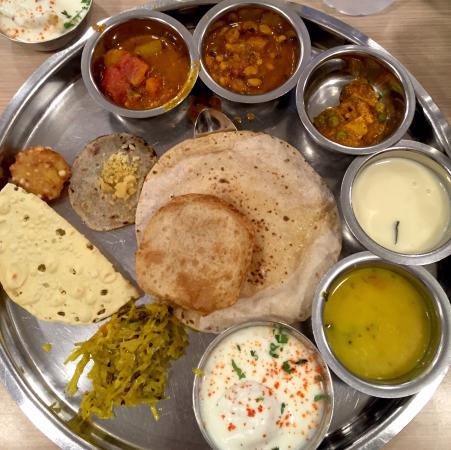
Lunch is generally the best window for classic Maharashtrian thali and home-style specials. Evening sessions work for lighter snack-led local dishes but can be crowded. Weekend demand increases, so arrive earlier for quicker seating.
For spice-sensitive travelers, lunch is also better because kitchen pace allows easier customization than peak dinner rush.
Budget Planning for Dabdhabha Meals
Budget tier: single signature dish with local bread. Mid tier: complete meal with two mains and side accompaniments. Family tier: share-style ordering with multiple regional dishes and desserts.
Dabdhabha style dining is usually value-friendly, but add-ons and repeated side orders can increase total quickly. Plan your main combinations first.
What to Pair in One Meal
Balanced ordering helps avoid spice overload. A practical plate is one gravy item, one dry item, bhakri or rice, and one controlled-spice side like thecha. Keep buttermilk or curd where available for palate reset.
Who Should Try Dabdhabha Food
Food travelers: for authentic local depth. Families: for value meals and sharing portions. Regional cuisine explorers: for structured exposure to Maharashtra staples. Students and budget travelers: for filling meals at practical cost.
For city-to-city comparison, you can also review restaurants in Mumbai and street food Mumbai to understand how Pune’s regional style differs from coastal metro formats.
Tips Before You Order
- Ask spice level in advance, especially for misal and thecha.
- Start with one signature dish and scale gradually.
- Choose lunch for best traditional menu availability.
- Avoid over-ordering spicy sides in one meal.
- Keep hydration and palate-balancing sides ready.
Detailed Planning and Local Insight
To get better results from this food route, plan meals around movement, weather, and crowd intensity. Travelers often overpack sightseeing and then rush meals, which reduces the quality of the experience. A better pattern is one anchor meal and one exploratory meal each day. Keep your anchor meal at a trusted location where menu quality is consistent, then use your exploratory window for local discovery. This structure protects both comfort and curiosity.
Another useful strategy is to track what you have already tried. In destination food travel, people often order similar dishes repeatedly and miss regional depth. Maintain a small note list: one signature dish, one local beverage, one dessert, and one street style item per day. This method increases variety without increasing spend. It also gives you a cleaner memory of each city’s food identity.
For families, prioritize places with clear seating comfort, predictable service, and easy menu customization. For solo travelers, look for safe timing windows and cafes or restaurants that allow slower sessions without table pressure. For groups, assign one person to menu coordination before arrival to reduce ordering delays and avoid repetitive dishes.
Seasonality also matters. Freshness, ingredient availability, and crowd levels shift by month. During high season, reserve popular places where possible and arrive earlier for signature items that may sell out. During shoulder season, use quieter windows to have longer conversations with staff and ask for day recommendations. You often discover better dishes through these interactions than by ordering only headline items.
Finally, keep hydration and pacing in mind. Food travel should be enjoyable, not exhausting. Spacing heavier meals and adding lighter breaks helps you keep energy for the rest of your itinerary. A balanced dining day usually produces better taste memory than back-to-back heavy sessions.
Final Verdict
Dabdhaba food in Pune is one of the strongest ways to experience Maharashtra through everyday cuisine. It is flavorful, grounded, and built for real appetite. With a smart order structure and timing plan, you can enjoy authentic regional food without guesswork.
Use this guide as your practical map and your Pune food trail will feel local, satisfying, and memorable.
Advanced Local Planning
Serious food travelers can improve outcomes by pairing meal intensity with activity intensity. Keep heavy meals for slower evening schedules and lighter meals before long movement windows. This reduces fatigue and helps you enjoy both cuisine and sightseeing quality. In city or hill environments, one strong lunch and one moderate dinner usually performs better than repeated heavy sessions.
Another practical method is to diversify dish structure in each meal. Instead of ordering similar gravies or similar cafe items, choose one staple, one texture contrast item, and one palate balancing side. This creates better taste memory and lowers the chance of flavor fatigue. Many travelers forget this and end up with repetitive plates that feel less satisfying by day two.
When traveling in groups, assign a quick ordering framework before entering the restaurant or cafe. Pre-decide vegetarian and non-vegetarian split, spice preference, and shared vs individual ordering. This prevents delays and reduces accidental over-ordering. It also helps service staff deliver better recommendations when they understand your table profile clearly.
For budget control, use per-meal limits rather than per-item limits. Per-item control often fails because small add-ons accumulate quickly. A full meal cap gives cleaner decisions and keeps your trip spending stable. If the place is premium, reduce variety but increase quality instead of trying to sample everything in one visit.
Finally, collect local recommendations directly from staff during non-rush hours. Their guidance is often more current than static online lists, especially in destinations where menus shift seasonally. This is one of the most reliable ways to discover signature items and avoid disappointing orders.
Location
Frequently Asked Questions
Q1.What is a dabhadba in Pune?
Q2.What is pithla bhakri?
Q3.What is misal pav?
Q4.Which are the best dabhadbas in Pune?
Q5.What is the cost of a meal at dabhadbas in Pune?
Q6.What are the timings of dabhadbas in Pune?
Q7.Is dabhadba food healthy?
Q8.What is thecha served with Maharashtrian food?
Recommended For You
Local Food of Patna: Litti Chokha, Sweets & Famous Food Spots
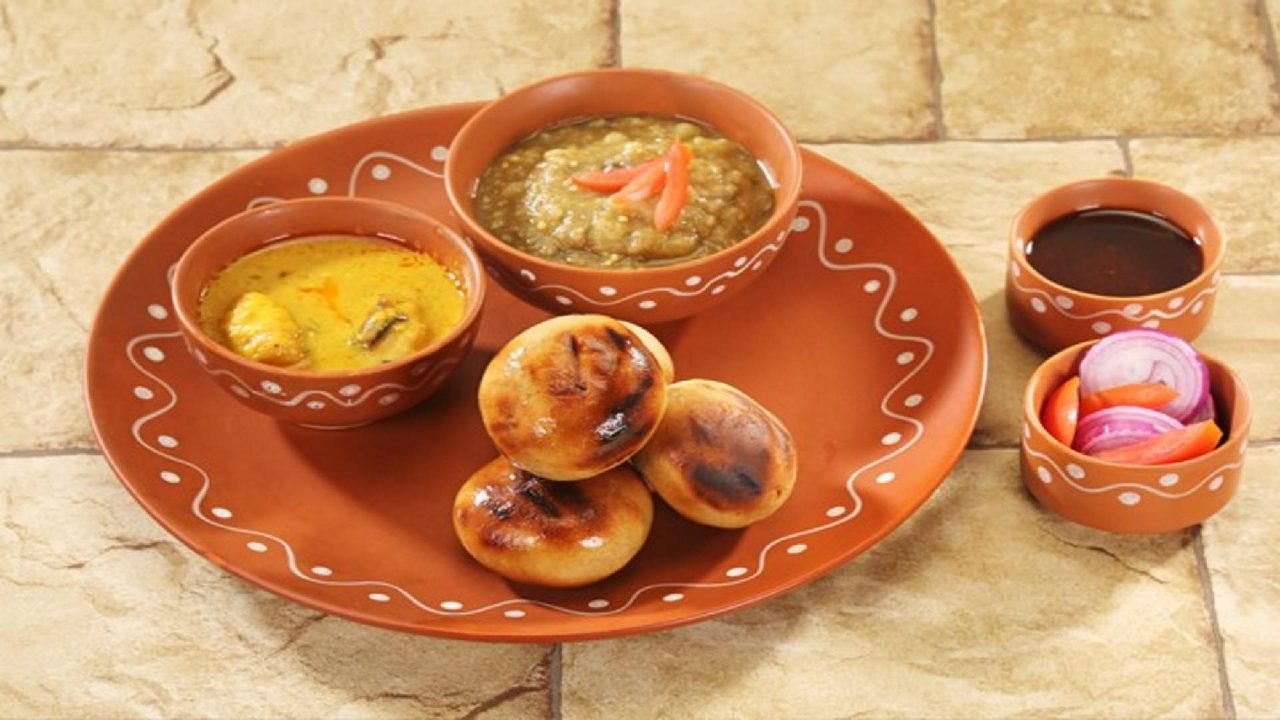
Discover authentic Bihari cuisine in Patna. Explore traditional dishes like Litti Chokha, Sattu Paratha, Khaja, and must-try local delicacies with our complete food guide.
Best Restaurants in Mumbai: Street Eats, Fine Dining & New Hotspots
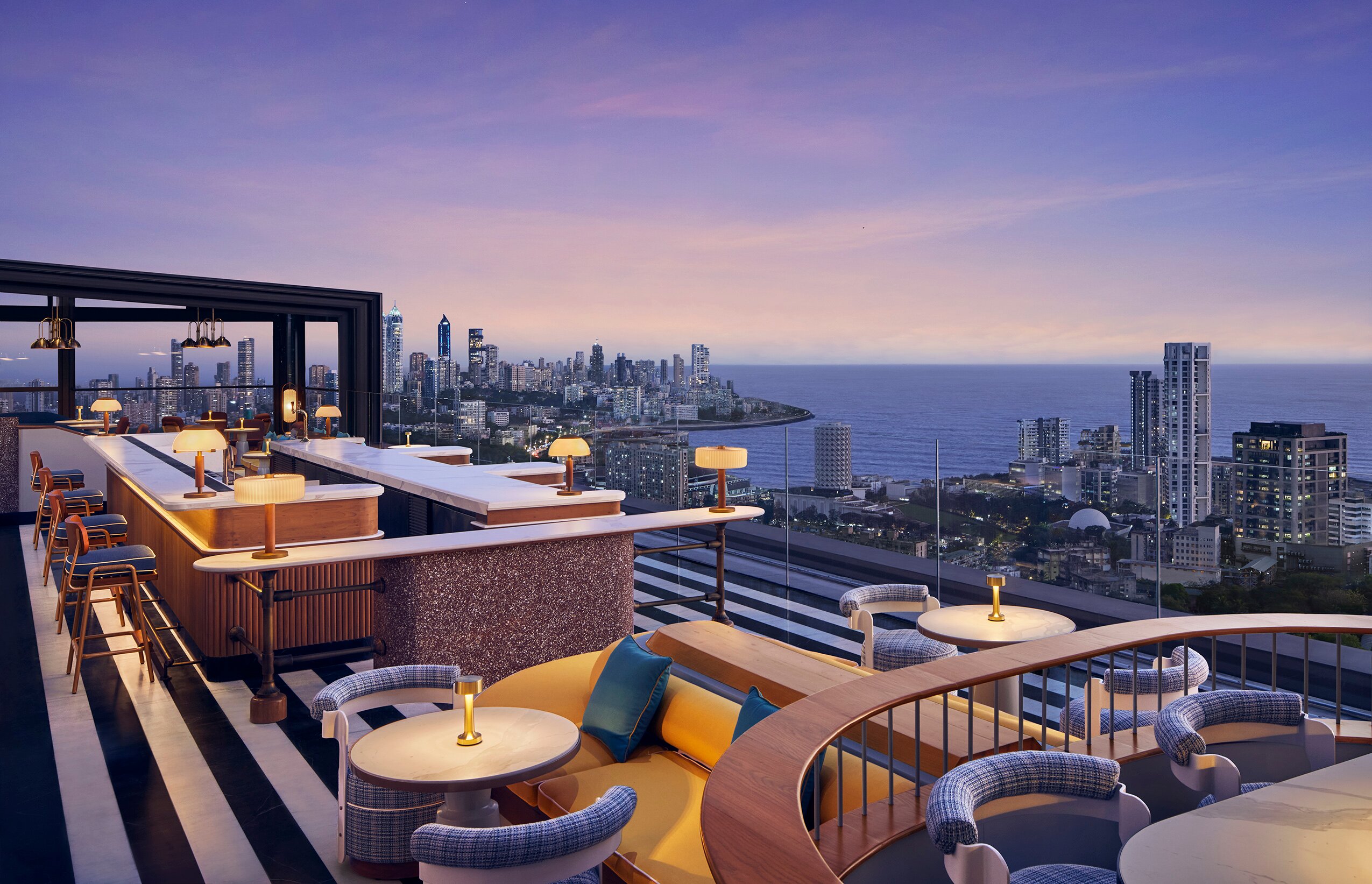
Best restaurants in Mumbai guide with district clustering, reservation timing, and practical route strategy for high-quality food days.
Best Street Food in Mumbai: Top 25 Must-Try Dishes & Locations
Discover the best street food in Mumbai - from iconic vada pav and buttery pav bhaji to spicy misal pav and delicious chaat. Explore 25+ must-try dishes, famous food locations, hygiene tips, and price guides in this comprehensive Mumbai street food guide.
Never Miss an Adventure
Get the latest trekking guides, travel tips, and exclusive offers delivered straight to your inbox.
