
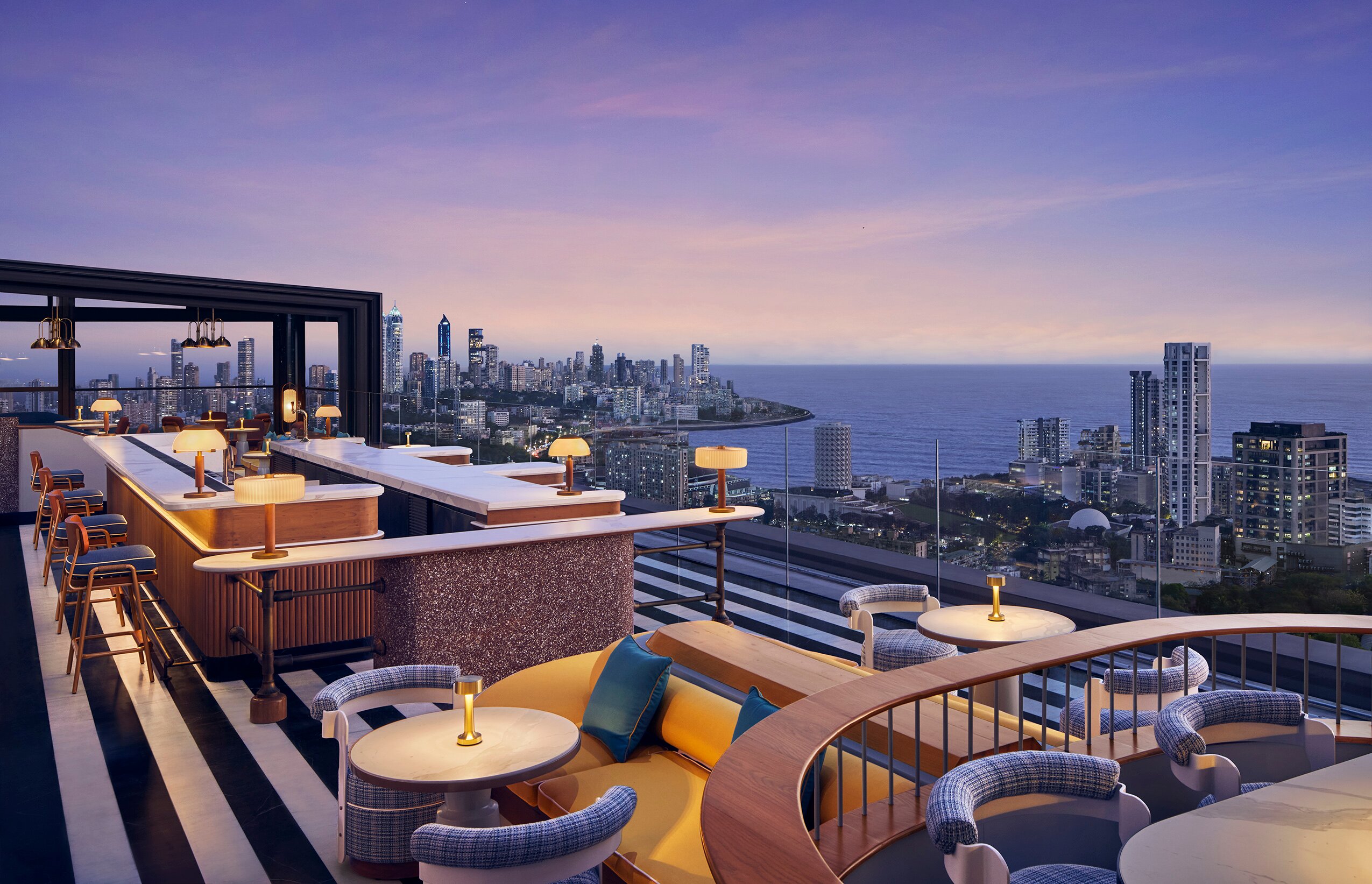
Best Restaurants in Mumbai: Street Eats, Fine Dining & New Hotspots

Rohan Malhotra
February 18, 2026
Best restaurants in Mumbai guide with district clustering, reservation timing, and practical route strategy for high-quality food days.
Best Restaurants in Mumbai: How to Plan a High-Quality Food Route in a High-Speed City
Mumbai has one of India’s deepest restaurant ecosystems, from legacy institutions and neighborhood classics to premium fine dining and experimental cuisine. The challenge is not finding options. The challenge is planning meals without losing hours in traffic and overbooking too many zones in one day. A smart Mumbai food plan is neighborhood-clustered and purpose-driven.
This guide gives a practical way to choose restaurants in Mumbai by zone, dining style, and time window. Pair with street food in Mumbai, neighborhood shopping from Fashion Street, and route extensions through Colaba Causeway.
How to Choose Restaurant Zones in Mumbai
Zone-first selection is the biggest decision. Pick one district for lunch and one nearby district for dinner, not four different parts of the city. This keeps the day practical and reduces travel fatigue. If your day includes sightseeing, map meals near those anchors instead of forcing food-specific detours.
For first-time visitors, combining one iconic restaurant with one contemporary restaurant gives the strongest balance.
Best Time Windows for Different Dining Styles
Mumbai meal windows vary by district and traffic rhythm. Weekday lunches can be efficient in business belts; weekend evenings need reservation discipline almost everywhere.
| Dining Window | Best Use | Key Tip |
|---|---|---|
| 12:00 PM-3:00 PM | Business and classic lunch stops | Book ahead in high-demand zones |
| 6:00 PM-8:00 PM | Balanced dinner start | Best for lower wait pressure |
| 8:30 PM onward | High-energy dinner and social slots | Keep fallback in same district |
Reservation + fallback is non-negotiable in top-demand windows.
Building a Balanced Restaurant Mix
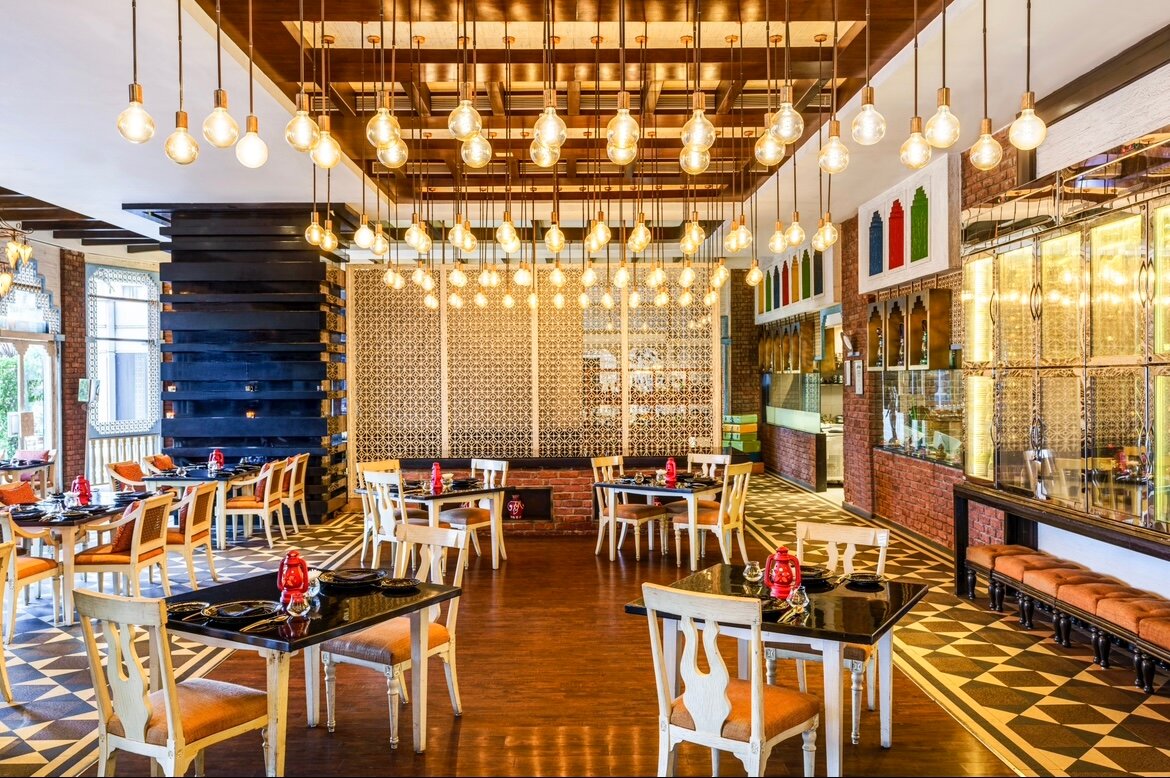
A strong Mumbai itinerary uses three dining layers: iconic legacy, practical local favorite, and one premium or trend-driven stop. This gives historical depth, local authenticity, and modern variety in a single trip.
If you only have one day, do one legacy lunch and one reservation-backed dinner.
Budget and Ordering Strategy
Mumbai supports all budgets, but spending can escalate fast with unplanned add-ons. Set caps by meal block and define one shared-order rule for groups. This controls bills without reducing quality.
- One premium meal per day is usually enough.
- Use moderate lunch, richer dinner structure.
- Track taxes and service charges early.
- Avoid adding long-distance dessert stops late.
Good financial planning improves flexibility for better choices later in the day.
One-Day Mumbai Restaurant Template
Lunch: iconic or legacy restaurant in your first zone. Evening: local exploration + one main dinner reservation in nearby district. Late: optional short stop only if route and energy allow. Keep decisions simple and route-anchored.
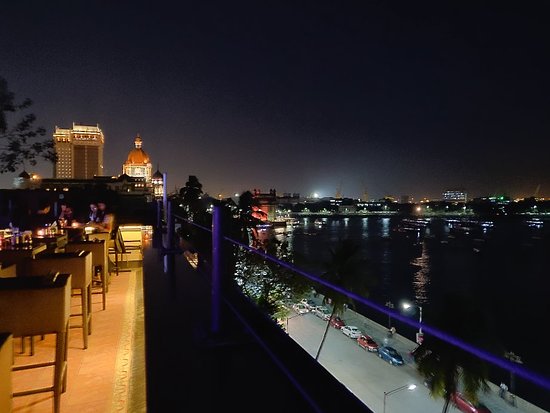
If you need a scenic close, combine with a short pass near Hanging Gardens or a nearby promenade zone.
Common Mistakes and Better Alternatives
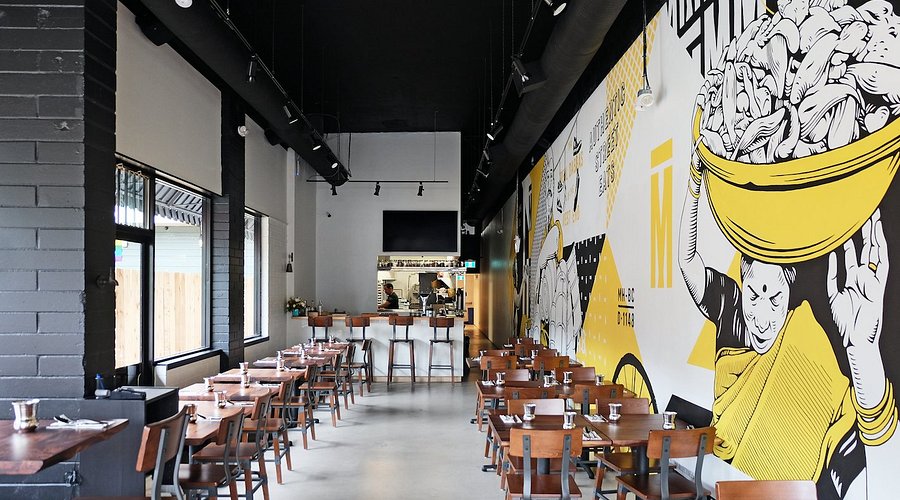
The biggest mistake is over-ambitious cross-city booking. Another is leaving reservations too late for prime evenings. Better alternatives are clustered planning, earlier slots, and one confirmed fallback in the same district.
If stuck in delays, drop one stop and protect quality at the next stop. Mumbai rewards adaptability.
Planning for Couples, Families, and Groups
Couples should prioritize ambience and travel-light routes. Families should prioritize comfort and predictable seating. Group outings should assign one booking lead and one route lead to reduce delay. These small coordination habits are highly effective in Mumbai’s dynamic dining environment.
Purpose-fit venue selection almost always beats popularity-only selection.
Neighborhood Clusters That Actually Work
Mumbai rewards cluster logic. Instead of selecting restaurants by social media popularity alone, shortlist by neighborhood compatibility with your day plan. A practical approach is to keep south-city exploration paired with nearby lunch options, then move to one evening district with a confirmed reservation. This avoids long cross-city jumps that reduce appetite and cut into sightseeing time.
If your group has mixed preferences, use a two-layer shortlist in the same zone: one comfort choice and one experimental choice. Decide based on queue and timing when you arrive. The goal is not to force a fixed script, but to keep options concentrated so quality stays high even if traffic or weather changes your schedule.
How to Balance Iconic Places and Hidden Favorites
Many travelers either chase only famous restaurants or only lesser-known spots. The better strategy is one-and-one balance. Pick one iconic venue for city context and one neighborhood favorite for authentic pace. This gives both story value and local realism without overextending your day. It also prevents disappointment from putting all expectations on a single high-hype booking.
When comparing choices, evaluate four factors together: travel time, expected wait, menu fit, and post-meal route. A slightly less famous restaurant with better timing often creates a stronger overall experience than a top-ranked place that requires long detours and rushed eating.
Rain, Traffic, and Delay-Proof Dining Plans
Mumbai conditions can change quickly, especially in busy or wet periods. Build delay-proof plans by setting a hard cutoff for switching venues. For example, if your arrival is delayed beyond 25 minutes, move to your backup in the same district. This keeps your meal window intact and prevents late-night schedule spillover.
Also keep payment and reservation confirmations ready in advance, especially for premium evening slots. Small operational readiness reduces table friction and keeps the group focused on food rather than logistics. If you are traveling with family, prioritize reliable seating and shorter transfer routes over novelty-heavy plans.
Two-Day Restaurant Flow for First-Time Visitors
Day 1: iconic lunch in a heritage-oriented district, light evening movement, and reservation-backed dinner nearby. Day 2: local neighborhood lunch, short market walk, then one premium or contemporary dinner experience. Keep one optional dessert stop only if it is on your return route.
This flow gives variety across style, price, and ambience while respecting Mumbai’s movement realities. In most cases, travelers who follow this structure enjoy better meals with less stress than those attempting long, city-wide food checklists in a single day.
Conclusion
The best restaurants in Mumbai are best explored through district clustering, timing discipline, and realistic stop count. Choose fewer but better-aligned meals, secure reservations early, and keep a nearby backup. This gives higher-quality food experiences with less travel stress.
Location
Frequently Asked Questions
Q1.Which area has the best restaurants in Mumbai?
Q2.Do I need reservations for Mumbai restaurants?
Q3.Is Mumbai good for budget food options?
Q4.What should first-time visitors eat in Mumbai?
Q5.Is traffic a big factor in Mumbai food planning?
Q6.Are Mumbai restaurants family-friendly?
Q7.Can I combine food and shopping in one route?
Q8.How many days are ideal for a food-focused Mumbai trip?
Recommended For You
Hanging Gardens Mumbai: Timings, Best Viewpoints & Visitor Info
Visit Hanging Gardens in Mumbai! Discover timings, entry fee, best time to visit, how to reach & complete travel guide to this terraced garden on Malabar Hill.
Juhu Chowpatty Mumbai: Street Food, Sunset & Beach Activities
Visit Juhu Chowpatty in Mumbai! Discover street food, beach timings, sunset views, how to reach, things to do, & complete guide to this famous Mumbai beach.

Global Vipassana Pagoda Mumbai: Timings, Meditation Sessions & Entry
Plan your Global Vipassana Pagoda Mumbai visit with timings, entry details, meditation context, and ferry-road route tips.
Never Miss an Adventure
Get the latest trekking guides, travel tips, and exclusive offers delivered straight to your inbox.
