
Places to Visit in Pune: Forts, Museums, Cafes & Weekend Spots

Ananya Sharma
January 17, 2026
Explore top places to visit in Pune including Shaniwar Wada, Aga Khan Palace, temples, museums, gardens, and nearby hill getaways.
Introduction: Pune Beyond the Transit Itinerary
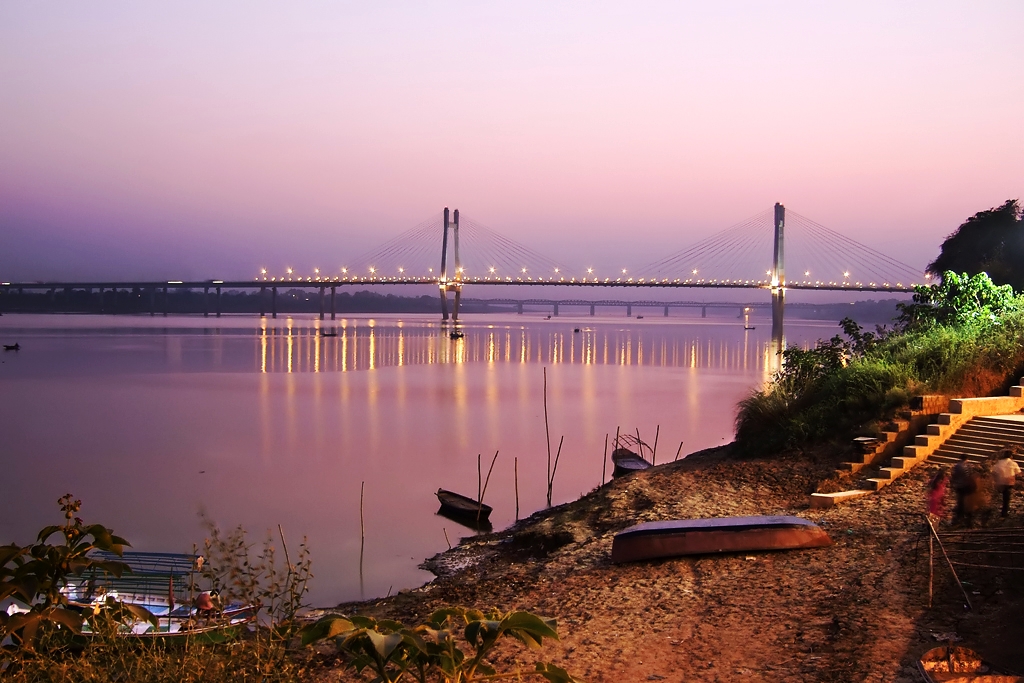
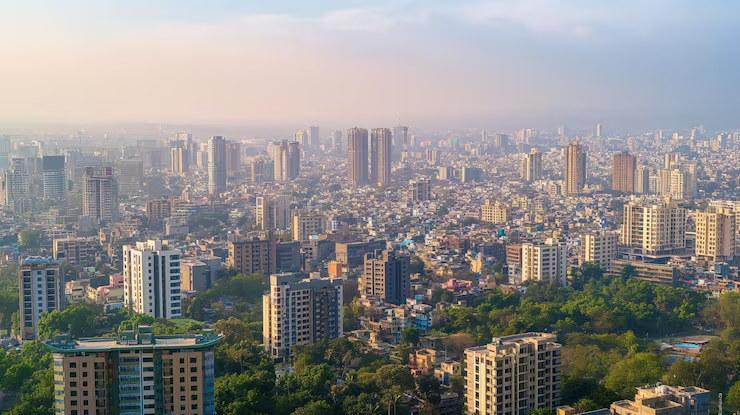
Pune is one of Maharashtra's most layered cities, where Peshwa-era landmarks, spiritual centers, museums, gardens, and modern food streets coexist within a manageable urban spread. Many travelers stop here only on the way to Lonavala or Mumbai, but if you are searching for places to visit in Pune, the city can easily fill two to three rewarding days when planned by zones.
Pune's identity comes from its dual personality: a strong historical core and a youthful cultural pulse shaped by students, working professionals, and weekend travelers. You can spend the morning at heritage sites, shift to temple and museum circuits in the afternoon, and close the day with local market walks and dining areas.
This guide covers Pune tourist places, route planning, seasonal advice, and nearby hill extensions so you can build a practical city plan. For extension planning, combine this with places to visit near Pune and Lonavala travel guide.
1. Historical Forts and Palaces in Pune
Shaniwar Wada
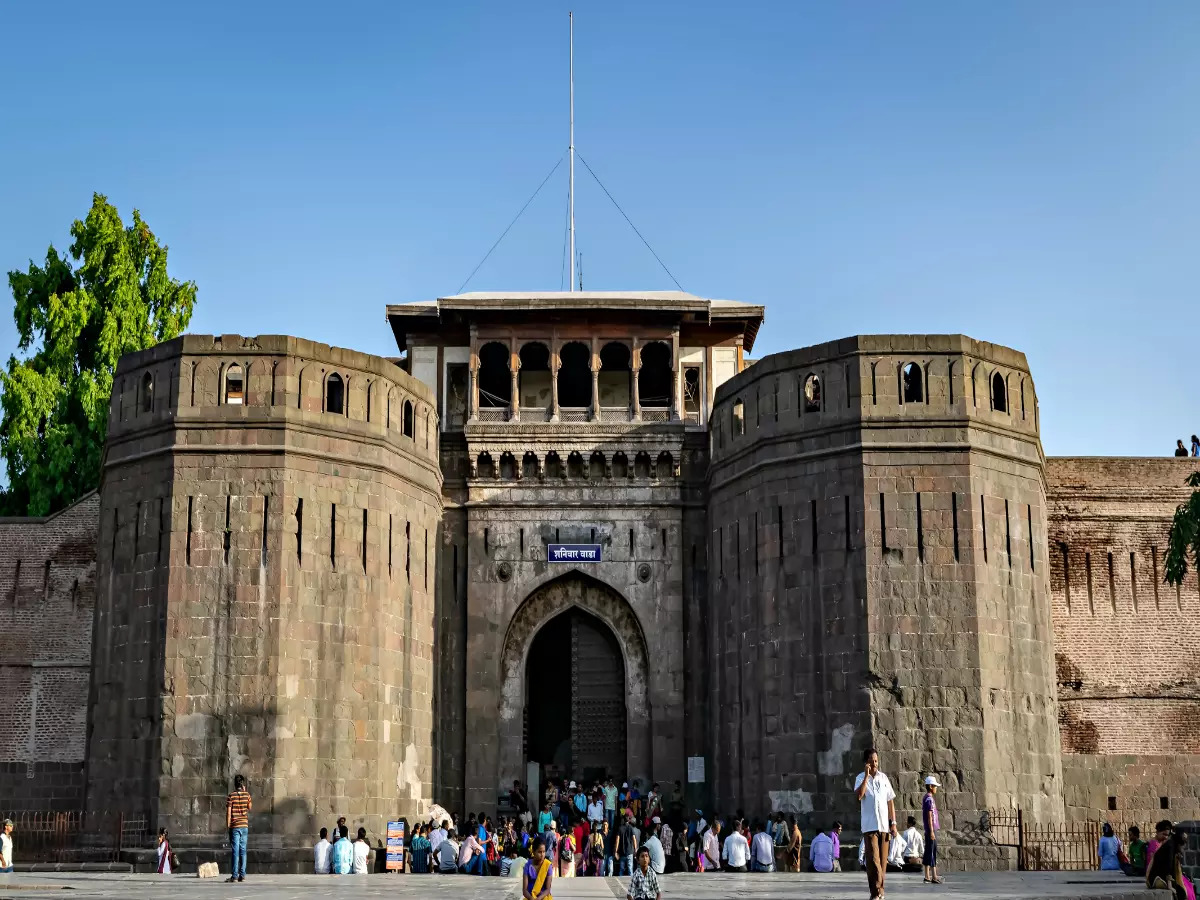
Shaniwar Wada is Pune's most iconic historical landmark and a core stop for first-time visitors. Built in the 18th century as the seat of the Peshwas, it remains one of the most recognized symbols of Maratha-era political history in the city. Even where original structures are partially preserved, the fort complex still offers strong heritage atmosphere and storytelling value.
Visit in the morning or late afternoon for better walking comfort. If you plan a heritage-heavy day, cluster Shaniwar Wada with nearby old-city temples and museum stops.
Aga Khan Palace
Aga Khan Palace adds a different layer to Pune's heritage profile through its role in India's freedom movement and its elegant architecture. It is a calm, spacious stop compared with denser city markets, making it ideal for families and history-focused travelers.
Allocate at least 60-90 minutes here to explore the grounds and museum sections without rushing.

Fort Extensions Around Pune
For travelers with extra time, Pune can be used as a base for hill-fort circuits, including Lohagad Fort routes and nearby trek-friendly points. These are best planned as separate half-day or full-day segments, not as add-ons to tight city schedules.
| Heritage Site | Why Visit | Ideal Slot |
|---|---|---|
| Shaniwar Wada | Peshwa-era history and architecture | Morning / late afternoon |
| Aga Khan Palace | Freedom movement significance | Late morning / afternoon |
| Fort extensions | Views and trekking heritage | Dedicated half-day |
2. Religious and Spiritual Places in Pune
Dagdusheth Halwai Ganpati Temple
Dagdusheth Halwai Ganpati Temple is one of the most visited spiritual landmarks in Pune. Devotees and tourists both include it due to religious significance, central location, and easy inclusion in old-city routes. During festival windows, crowd patterns can change quickly, so keep timing flexible.
Pataleshwar Cave Temple
Pataleshwar Cave Temple offers a heritage-spiritual combination with rock-cut character and a calmer atmosphere than high-footfall temple zones. It works especially well for travelers interested in early stone architecture and short, meaningful stops in central Pune.
Other Temple Circuits
Pune also has established temple routes across older neighborhoods. Rather than attempting too many in one day, pick 1-2 based on proximity to your existing route. This keeps movement efficient and reduces transit fatigue.
3. Museums and Cultural Centers
Raja Dinkar Kelkar Museum
Raja Dinkar Kelkar Museum is one of Pune's best cultural stops for travelers who enjoy material history, decorative arts, and curated collections. It adds depth to a city trip beyond fort-and-temple checklists and is particularly good for families and students.
Institutional and Heritage Spaces
Pune's cultural profile includes multiple educational and heritage institutions that reflect its reputation as a major learning center. If you are planning a slower itinerary, keep one dedicated museum-and-campus block in your second day to balance outdoor sightseeing with indoor exploration.
4. Parks and Green Spaces in Pune
Saras Baug
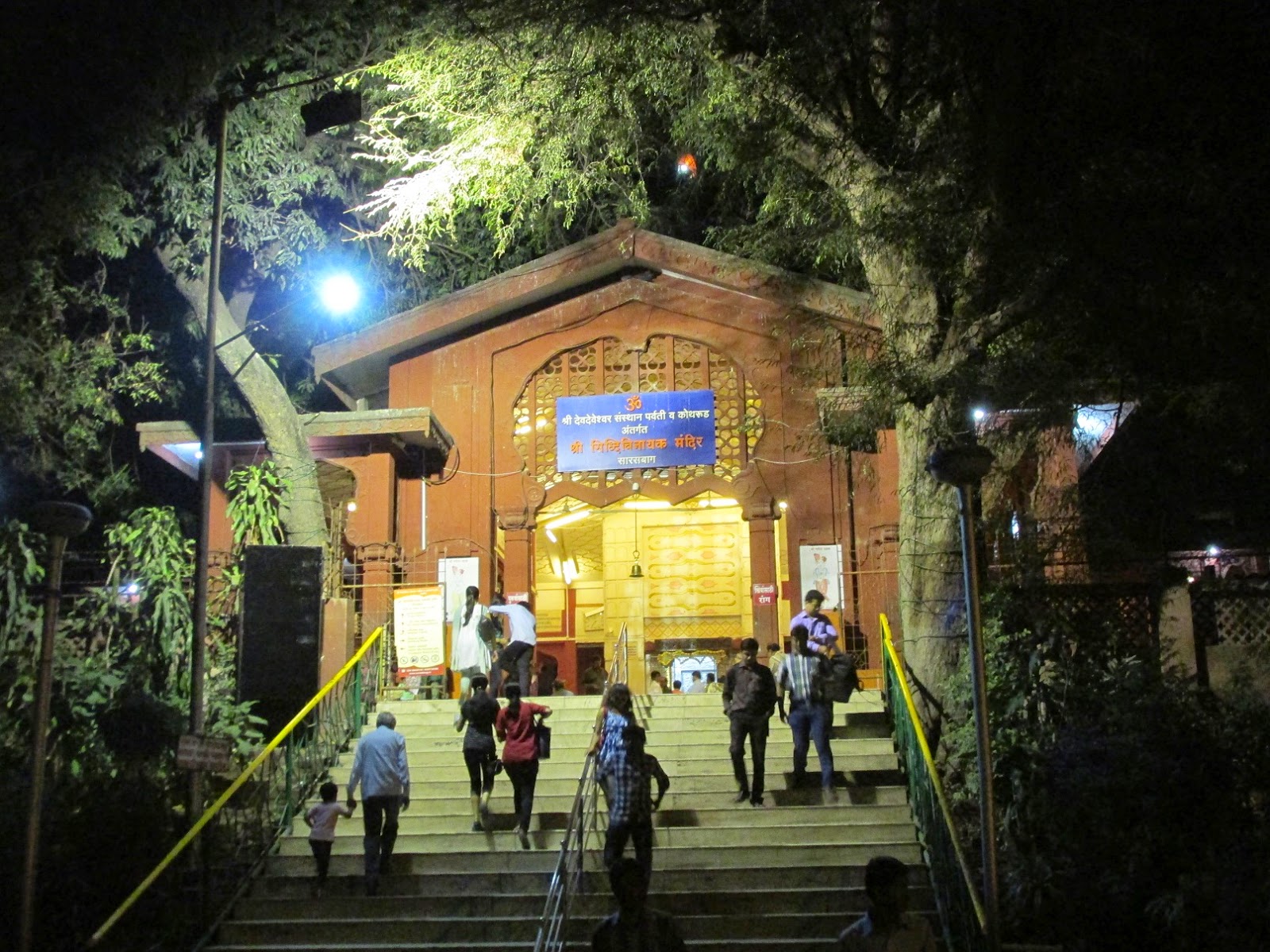
Saras Baug is one of Pune's most accessible green landmarks and is commonly used as an evening relaxation stop. The garden-temple setting makes it suitable for family travelers, short walks, and low-intensity city breaks after busier heritage segments.
Urban Gardens and Viewpoint Breaks
Pune has several garden and hill-edge spaces that can be included based on your accommodation zone. Keep these as flexible slots in your itinerary so you can adjust around weather, traffic, or delayed museum visits.
5. Markets and Shopping Areas
A complete Pune sightseeing day usually ends with local market exploration. Traditional market streets and modern shopping districts offer very different experiences. Old-city zones are better for cultural atmosphere and street movement, while newer areas are better for cafe hopping and casual evening plans.
If you are buying local items, schedule shopping after your main daytime attractions to avoid carrying bags through heritage or temple routes.
- Use central markets for budget purchases and local street culture.
- Use newer city districts for cafes, lifestyle stores, and evening dining.
- Avoid peak-hour road crossings if you are changing shopping zones late evening.
6. Food and Cafe Planning During Pune Sightseeing
Pune has a strong food scene ranging from Maharashtrian staples to street snacks and modern cafe clusters. The best approach is to map meals to route zones rather than traveling cross-city only for one restaurant. This saves time and keeps your sightseeing momentum intact.
You can build one local lunch and one relaxed dinner stop around your heritage loop. For travelers comparing nearby hill food circuits as well, fort routes in Lonavala and Lonavala-Khandala travel plans can be paired with Pune food breaks on extension days.
7. Nearby Hill Stations and Weekend Extensions
Pune is a strong base for short hill and expressway-side getaways. The most common extension remains Lonavala-Khandala, but route quality and crowd levels vary by weekends and holidays. Keep departure early and maintain return buffer times.
Travelers driving the corridor should monitor route advisories on high-traffic days, especially in monsoon and long weekends.
| Extension | Why It Works from Pune | Planning Note |
|---|---|---|
| Lonavala-Khandala | Close access, scenic hill break | Start early on weekends |
| Fort circuits | Trek + heritage combination | Weather and fitness dependent |
| Maharashtra city links | Easy road/rail continuation | Keep one transit buffer |
For broader state planning after Pune, refer to places to visit in Maharashtra.
8. Best Time to Visit Pune
October to March is generally the most comfortable period for city walks, fort visits, and market exploration. Summer months can still be managed with early starts and indoor-afternoon planning. Monsoon brings green scenery and pleasant visuals, but you should account for slower movement, slippery fort trails, and traffic variability.
- Oct-Mar: best for full-day sightseeing with moderate weather.
- Apr-May: hot afternoons, keep heavy walks for morning.
- Jun-Sep: scenic monsoon, but route buffers are essential.
9. How to Reach Pune and Move Around Locally
Pune has strong connectivity by air, rail, and road. In-city travel is easiest by cab and app-based transport for multi-stop itineraries. For fort and hill extensions, private day-cab planning is usually more efficient than fragmented transport hopping.
- By air: Pune airport connectivity to major Indian cities.
- By train: Pune Junction connects with major corridors.
- By road: Mumbai-Pune and regional Maharashtra routes are well established.
Avoid tightly packed hour-by-hour itineraries. A flexible block each day helps absorb delays and still keeps your key attractions covered.
10. One-Day and Two-Day Pune Itinerary
One-Day Pune Plan
- Morning: Shaniwar Wada + Pataleshwar Cave Temple
- Afternoon: Aga Khan Palace or Kelkar Museum
- Evening: Saras Baug + market and dinner block
Two-Day Pune Plan (Recommended)
- Day 1: Heritage circuit (Shaniwar Wada, Aga Khan Palace, museum)
- Day 2: Temple + garden + market route, or nearby hill extension
This structure gives better depth across history, spirituality, and city lifestyle without rush fatigue.
11. Practical Tips for Family and First-Time Travelers
If you are visiting Pune with family, keep attraction sequencing simple: one high-walk heritage stop, one shaded or indoor attraction, and one relaxed evening zone. This avoids exhaustion and keeps children and senior travelers comfortable. Pune's mixed traffic patterns also mean that crossing distant neighborhoods repeatedly can consume large parts of your day, so route clustering is critical.
First-time travelers should keep one backup plan for each time block. For example, if one site is crowded, shift to a nearby museum or garden and return later. This flexibility improves overall trip quality far more than rigid, minute-by-minute schedules.
- Carry water and light sun protection for all fort and old-city walks.
- Keep ticket and timing checks for monuments on the same day.
- Use early mornings for heritage and late evenings for markets.
- Do not combine full hill extension and full city loop in one day.
Another useful planning rule is to keep heritage-intensive sites for cooler hours and market-heavy segments for evening. Pune rewards slow sequencing more than fast checklists. When travelers reduce unnecessary transfers and keep meals aligned with nearby attractions, they usually cover more places with less stress and better on-ground experience.
Final Take
The best places to visit in Pune reflect the city's unique balance of Maratha heritage, spiritual landmarks, museums, gardens, and nearby hill extensions. Plan by route clusters, not random attraction lists, and Pune becomes one of the most satisfying urban heritage trips in Maharashtra.
Location
Frequently Asked Questions
Q1.What are the must-visit places in Pune?
Q2.How many days are enough for Pune sightseeing?
Q3.Is Pune worth visiting for tourists?
Q4.What is Pune famous for?
Q5.Can we visit Shaniwar Wada in one day Pune itinerary?
Q6.What is the best time to visit Pune?
Q7.How do I reach Pune from Mumbai?
Q8.Are there good stay options in Pune?
Recommended For You
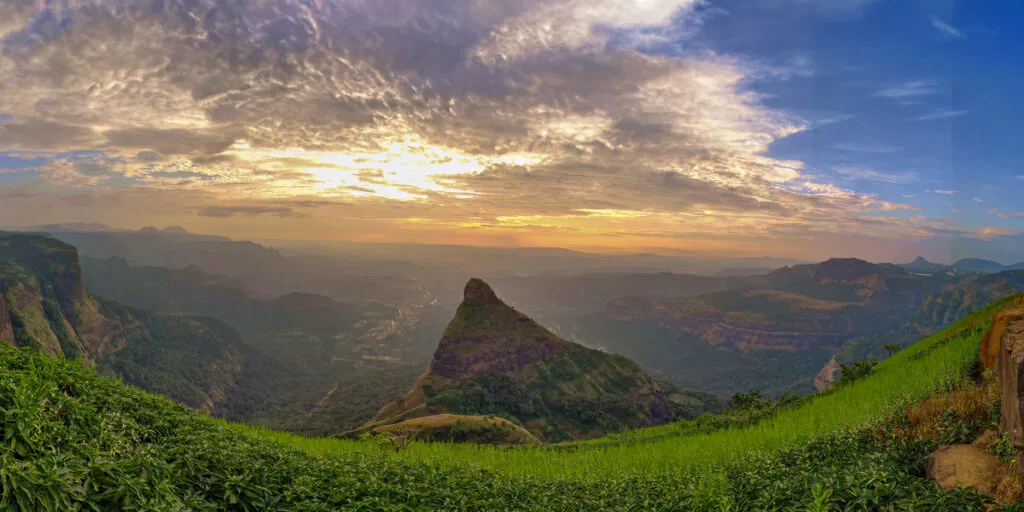
Lonavala: Complete Travel Plan Places And Weather
Complete Lonavala travel guide with top attractions like Bhushi Dam, Karla Caves, Lohagad Fort, 2-3 day itineraries, budget breakdown, transport options & practical tips for monsoon trips.
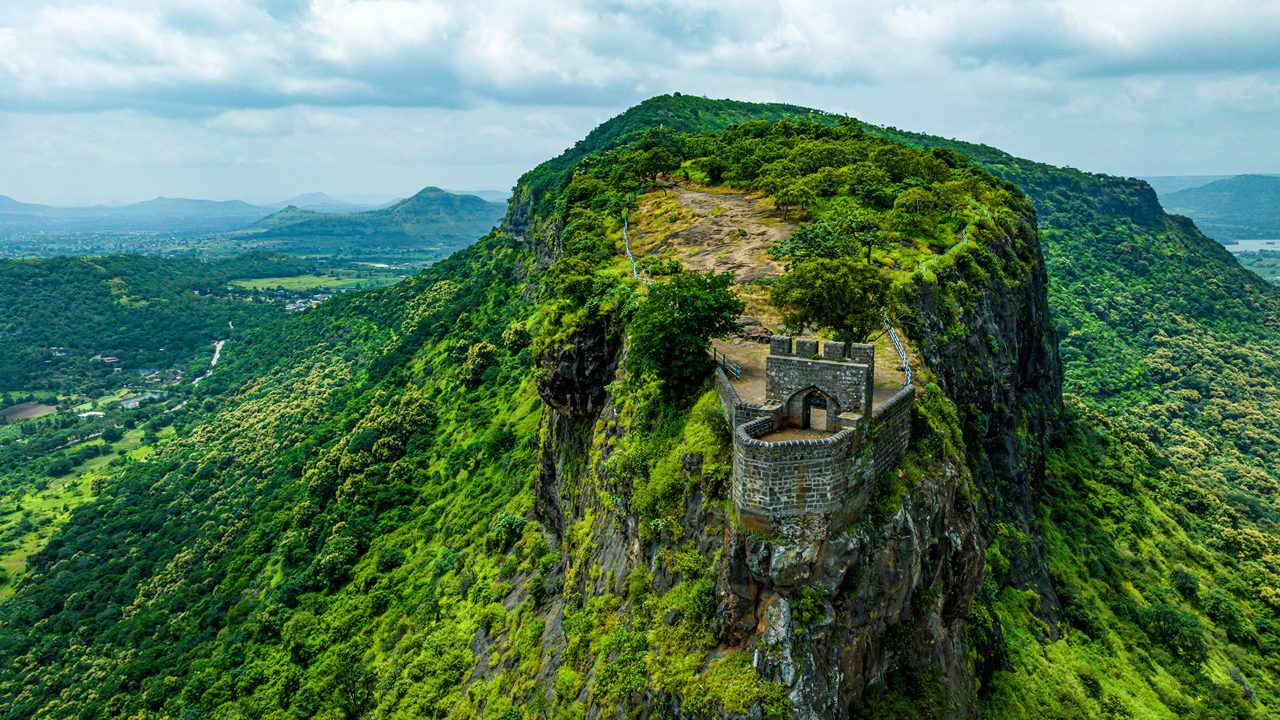
Pune: Complete Travel Plan Places And Weather
Complete Pune travel guide featuring Shaniwar Wada, Aga Khan Palace, cultural attractions, day trips & practical tips.
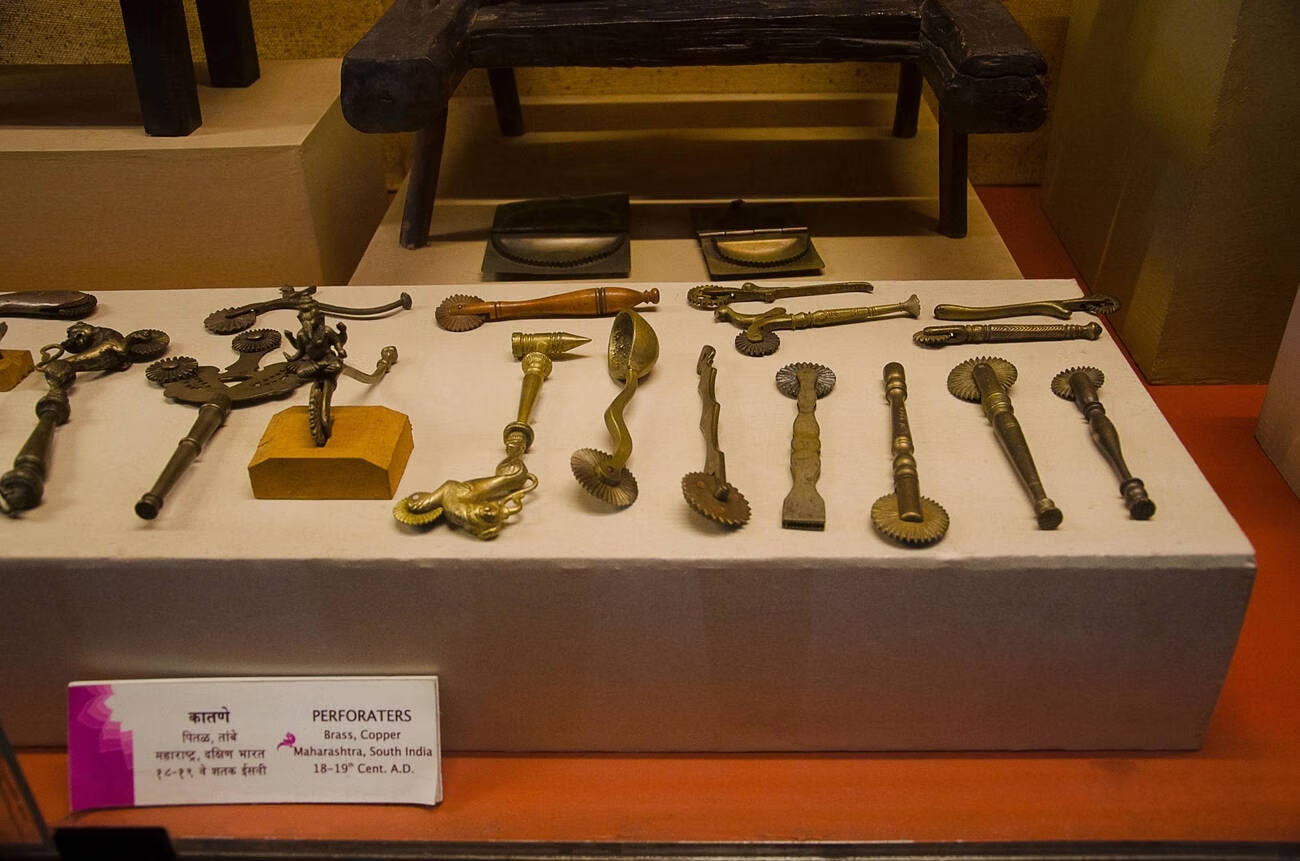
Raja Dinkar Kelkar Museum Pune: Timings, Tickets & Top Collections
Visit Raja Dinkar Kelkar Museum Pune with this complete guide. Know timings, ticket price, collection highlights, Mastani Mahal, how to reach & visiting tips.
Never Miss an Adventure
Get the latest trekking guides, travel tips, and exclusive offers delivered straight to your inbox.
