
Dambulla Cave Temple Sri Lanka: History, Cave Shrines & Visitor Info

Rahul Garg
February 20, 2026
Plan your Dambulla Cave Temple visit with history, cave highlights, art insights, dress-code guidance, route tips, and nearby Sri Lanka attractions.
Dambulla Cave Temple Sri Lanka: Complete Visitor Guide
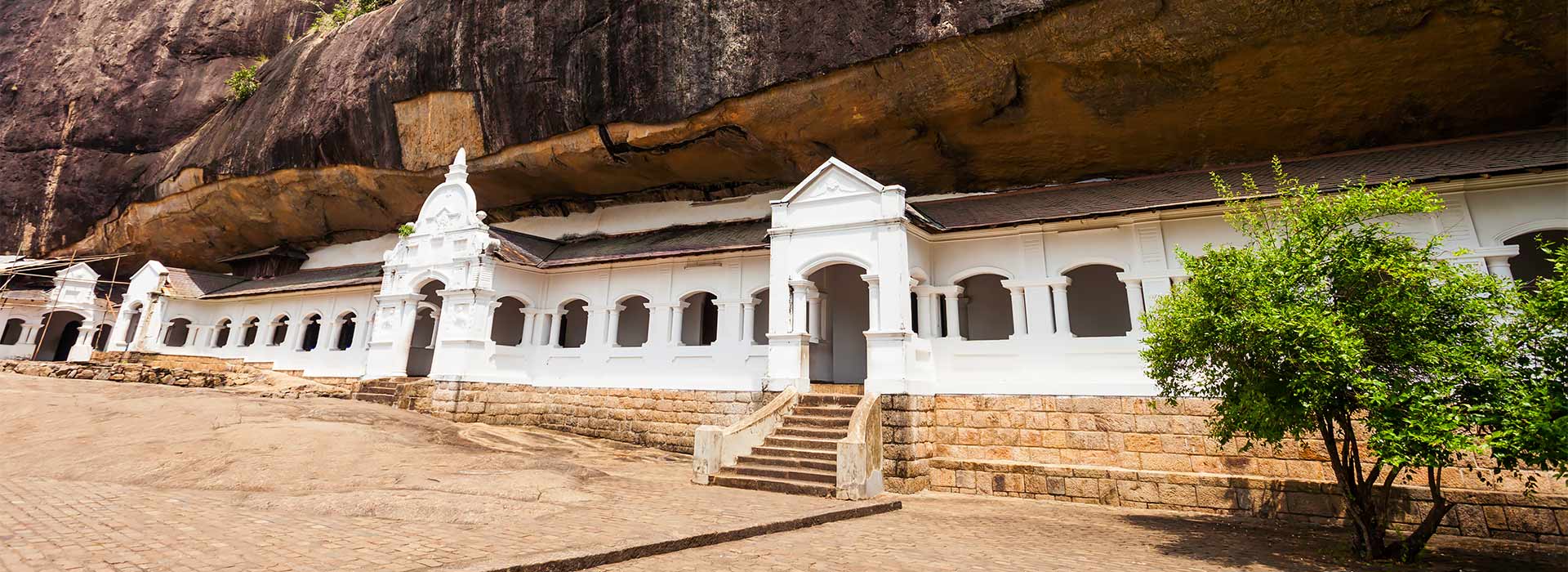
Dambulla Cave Temple is one of Sri Lanka’s most significant Buddhist heritage sites, known for cave shrines, mural traditions, and panoramic hill views. It is a UNESCO-listed landmark and a major stop for cultural travelers exploring Sri Lanka’s historical triangle.
For better route planning, combine this with Sri Dalada Maligawa Sri Lanka and Things to Do in Colombo.
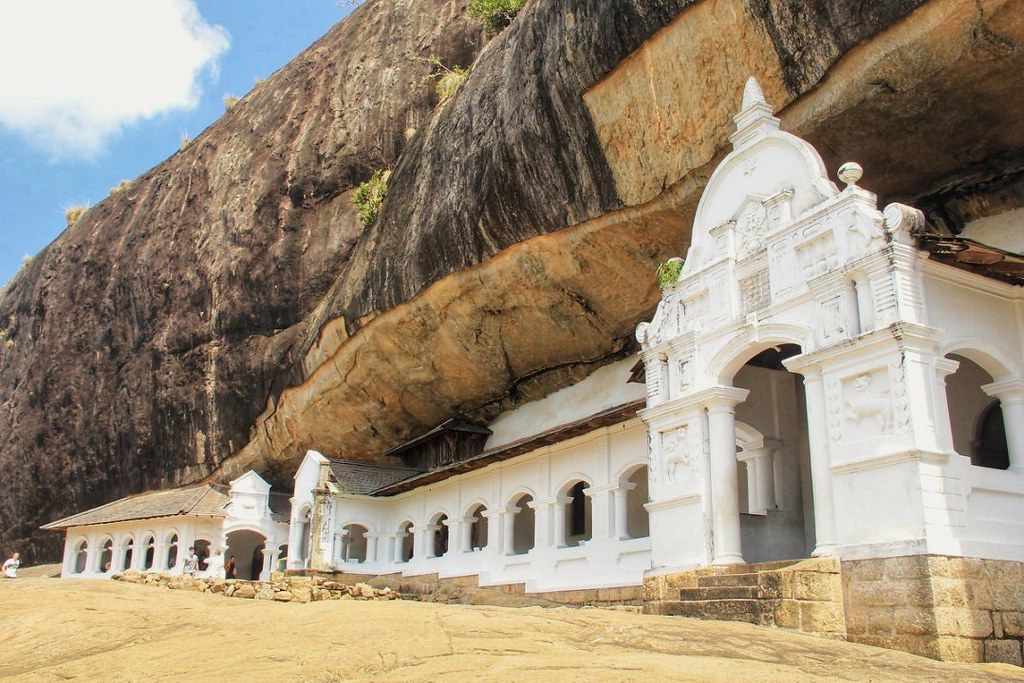
The temple complex sits atop a 160-meter-high rock outcrop rising above the surrounding plains, roughly midway between Kandy and Sigiriya, which makes it a natural stop for anyone tracing Sri Lanka's Cultural Triangle. Historical records suggest the caves have been used as a place of worship for over two thousand years, with royal patronage from Sri Lankan kings adding shrines, statues, and murals over successive centuries. The result is a layered site where different eras of Buddhist art sit side by side within the same cool, dim cave chambers.
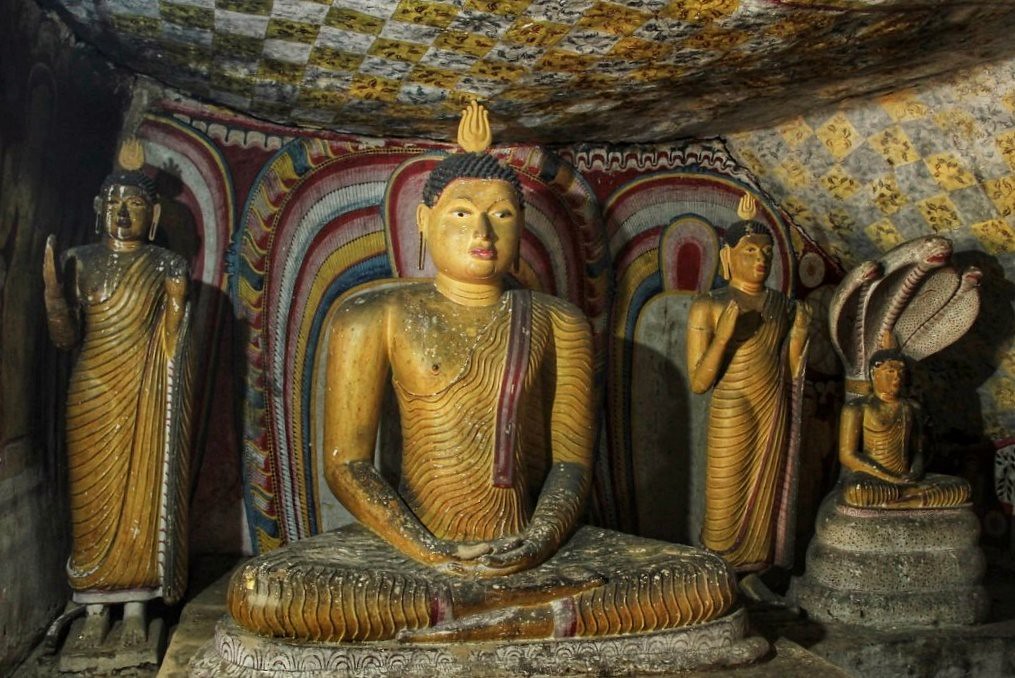
The complex is organized into five main caves, each with a distinct character and dedication. The largest, often called the Cave of the Great King, houses a reclining Buddha statue carved directly from the rock along with numerous standing and seated figures. Ceiling and wall surfaces throughout the caves are covered in painted murals depicting the life of the Buddha, floral and geometric motifs, and scenes from Buddhist cosmology, some of which have been repainted or restored over the centuries while retaining their original iconography.
What Makes Dambulla Special
- Multiple cave chambers with Buddhist art and statues.
- Centuries-old murals and preserved spiritual spaces.
- Strong religious importance for local devotees.
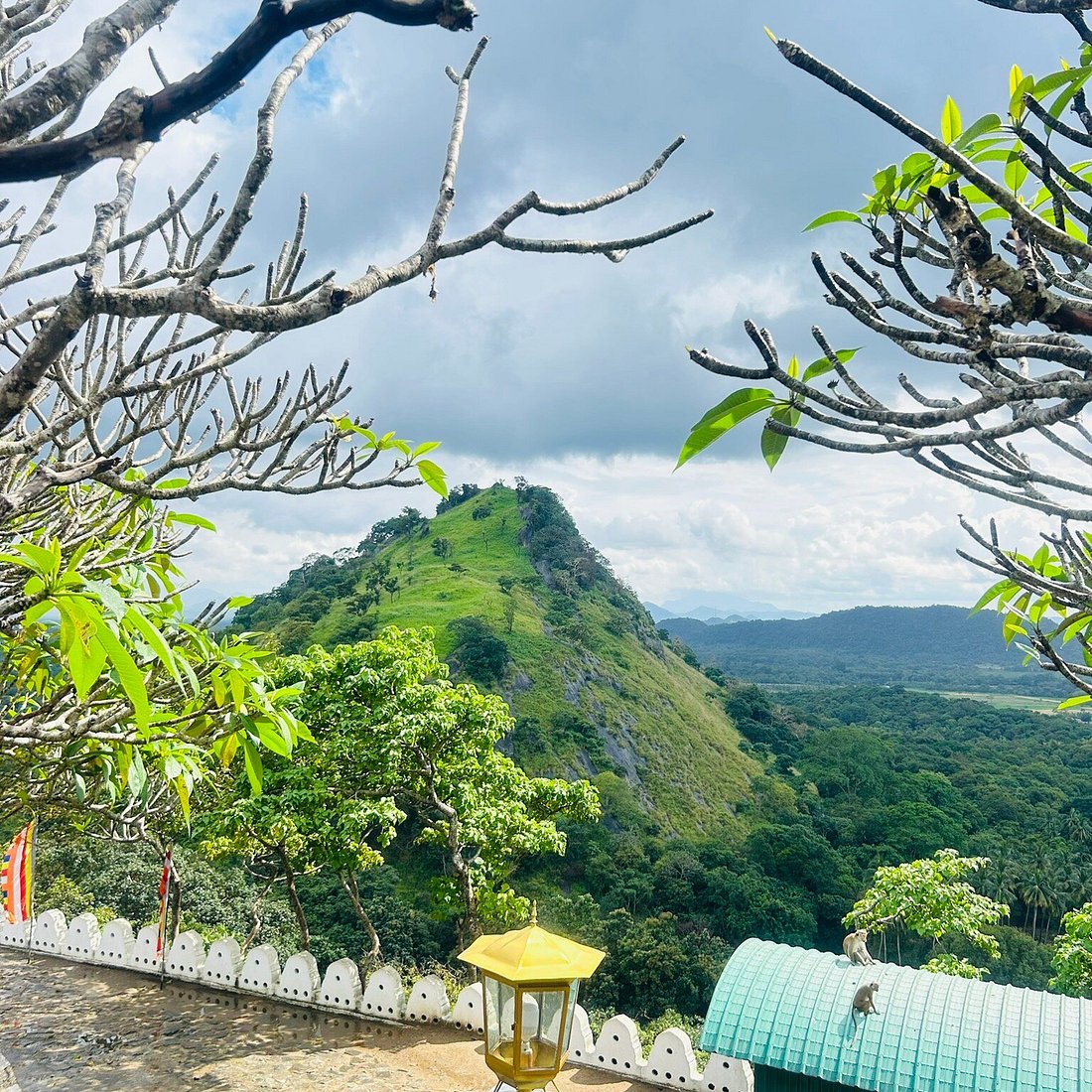
- Scenic elevated location with broad views.
Best Time to Visit
| Time Window | Experience |
|---|---|
| Morning | Cooler weather and easier climb |
| Late afternoon | Good light for exterior views |
| Peak midday | Warmer conditions, plan hydration |
Etiquette and Dress Code
- Wear modest clothing covering shoulders and knees.
- Remove footwear in designated sacred sections.
- Keep voice low in prayer spaces.
- Avoid flash where restricted.
For nearby cultural planning, include Dehiwala Zoo Sri Lanka and Beira Lake Sri Lanka.
How to Plan Your Visit
Getting to the Summit
Reaching the cave entrance involves a climb of a few hundred steps up the rock face, which is manageable for most visitors but can feel warm during midday hours. Along the way, macaque monkeys are commonly seen near the base and lower sections, so it helps to keep food and loose items secured. A large golden Buddha statue marks the base of the site near the museum building, making a useful landmark for orientation before the ascent begins.
Keep 1.5 to 2.5 hours for a comfortable visit with time for cave exploration, heritage observation, and short rest stops. Carry water and plan walking-friendly footwear for ascent sections.
Final Takeaway
Combining with Sigiriya
Since Dambulla sits only about 20 kilometers from Sigiriya Rock Fortress, most itineraries pair the two sites in a single day, visiting the caves in the morning before the day heats up and reserving Sigiriya's open climb for late afternoon light.
Dambulla Cave Temple is a must-visit for travelers interested in Sri Lanka’s spiritual and art history. Plan with respect, proper timing, and cultural awareness for a rewarding experience.
The Five Caves in Detail
Each of the five caves at Dambulla carries its own name and character, and understanding the sequence helps visitors appreciate why the site took shape over so many centuries. The first cave, Devaraja Lena or "Cave of the Divine King," holds the 14-meter reclining Buddha statue carved from a single outcrop of rock, with a wooden support structure added later to protect the feet from erosion. The second and largest cave, Maharaja Lena or "Cave of the Great Kings," is named for the two Sri Lankan monarchs, King Valagamba and King Nissanka Malla, credited with expanding the shrine and commissioning much of its statuary. This cave alone holds over fifty statues of the Buddha in various postures, along with painted ceilings that trace the full span of the Buddha's life story.
The third cave, Maha Alut Vihara or "Great New Monastery," was added later during the Kandyan period and features some of the most vividly preserved murals in the complex, including detailed depictions of the Buddha's enlightenment and scenes of daily monastic life. The fourth and fifth caves are smaller in scale but no less important, housing additional Buddha images and, in the case of the fifth cave, a statue of the Hindu deity Vishnu, reflecting the syncretic religious history of the site. Together, the caves illustrate how Buddhist art and patronage evolved in Sri Lanka from the 1st century BCE through to the 18th century.
Comparing Dambulla with Sigiriya and the Cultural Triangle
Travelers often ask whether Dambulla or Sigiriya deserves priority if time is limited. The two sites reward different interests: Sigiriya is defined by its dramatic climb, water gardens, and the famous rock-top palace ruins, while Dambulla is a slower, contemplative experience centered on cave art and active worship rather than ruins. Because they sit only about 20 kilometers apart, most itineraries treat them as a single-day pairing rather than a choice between the two. Compared with other stops on Sri Lanka's Cultural Triangle, such as the ancient cities of Anuradhapura and Polonnaruwa, Dambulla is more compact and can comfortably be covered in half a day, making it easier to combine with onward travel toward Kandy or Sigiriya on the same trip.
Practical Tips for a Smooth Visit
Entry to the cave complex requires a ticket purchased at the counter near the base, and visitors should budget a little extra time for the queue during the mid-morning rush when tour buses tend to arrive together. Footwear must be removed before entering the caves, so wearing sandals or slip-on shoes rather than lace-up boots makes the process faster and more comfortable on the warm stone floors. Photography is generally permitted in most areas, but flash photography is discouraged near the older murals to help preserve the pigments, and a few inner sections restrict photography entirely, so it is worth checking signage as you move between caves.
Because the ascent involves open, sun-exposed steps for much of the climb, carrying a hat and refillable water bottle makes a noticeable difference, especially if visiting outside the early morning window. Guides are available at the base for those who want a more detailed narrative of the murals and statues; while the site can be visited independently, a guide often adds useful context that is easy to miss when moving quickly through the dim cave interiors.
Seasonal Visiting Notes
Sri Lanka's central Cultural Triangle region, where Dambulla sits, experiences a drier climate than the island's southwest coast, with the most comfortable travel window running from around January to April. The intermonsoon months of March and April can bring short, heavy afternoon showers, which typically clear quickly and rarely disrupt a full day of sightseeing. During the wetter months from October to December, the surrounding countryside turns a deeper green and the site feels noticeably less crowded, though the stone steps can become slippery, so sturdier footwear is recommended. Regardless of season, arriving within the first hour after opening remains the most reliable way to avoid both heat and crowds.
Location
Frequently Asked Questions
Q1.Where is Dambulla Cave Temple located?
Q2.How many main caves can visitors explore at Dambulla?
Q3.What is special about Dambulla Cave Temple?
Q4.What should I wear to Dambulla Cave Temple?
Q5.How much time is needed for a full Dambulla visit?
Q6.Is photography allowed inside Dambulla caves?
Q7.Can Dambulla be combined with Sigiriya in one day?
Q8.Is Dambulla Cave Temple still an active religious site?
Recommended For You
Places to Visit in Sri Lanka: Top Attractions
Discover the best places to visit in Sri Lanka: Cultural Triangle, hill country, beaches, wildlife, heritage towns, plus 7–14 day itinerary tips.
Sri Dalada Maligawa Kandy: Temple of the Tooth Timings & Entry
Visit Sri Dalada Maligawa (Temple of Tooth) in Kandy! Guide to timings, entry fee, dress code, puja & history.
Temple of the Sacred Tooth Relic Kandy: Timings, Dress Code & Entry
Visit Sri Dalada Maligawa, Kandy's sacred temple housing Buddha's tooth. Discover timings, dress code, rituals, history & travel tips.
Never Miss an Adventure
Get the latest trekking guides, travel tips, and exclusive offers delivered straight to your inbox.
