
Temple of the Sacred Tooth Relic Kandy: Timings, Dress Code & Entry

Priya Mehta
November 15, 2025
Visit Sri Dalada Maligawa, Kandy's sacred temple housing Buddha's tooth. Discover timings, dress code, rituals, history & travel tips.
Introduction to Sri Dalada Maligawa
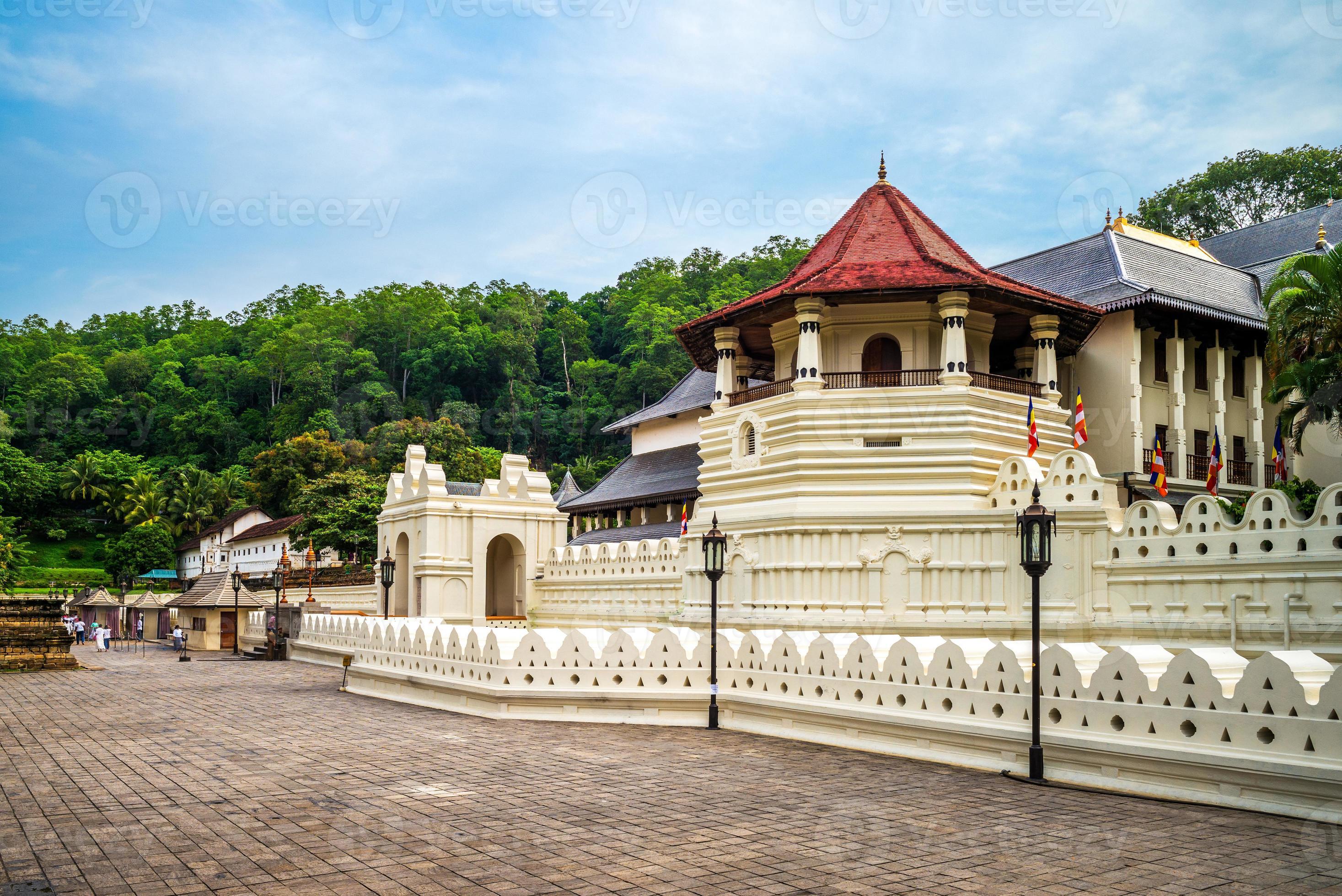
The Temple of the Sacred Tooth Relic, known in Sri Lanka as Sri Dalada Maligawa and internationally as the Temple of the Sacred Tooth Relic, is Sri Lanka's most sacred Buddhist site and one of the country's most important cultural landmarks. Located in Kandy, the cultural capital of Sri Lanka, the temple houses what is believed to be the left canine tooth of Lord Buddha.
This relic, brought to Sri Lanka in the 4th century and enshrined in Kandy in 1592, represents the spiritual heart of Sri Lankan Buddhism. The temple's significance as a UNESCO World Heritage Site and its role as a pilgrimage destination for Buddhists from across the world make it both a spiritual and cultural landmark of immense importance. For travelers exploring Sri Lanka's heritage and spirituality, visiting the Temple of the Sacred Tooth Relic provides a meaningful and educational experience.
This guide covers the temple's history, significance, practical visitor information, and tips for a respectful and meaningful visit.
History and Significance
The Sacred Tooth Relic has a fascinating and dramatic history spanning centuries and multiple countries. According to tradition, after Lord Buddha's cremation, his left canine tooth was retrieved from the funeral pyre. The relic was brought to Sri Lanka through a complex journey involving princesses, strategic marriages, and concealment to protect it from destruction.
The tooth was finally enshrined in Kandy in 1592 by King Vimaladharmasuriya, who built the original temple that was part of the royal palace complex. Over the centuries, the temple has undergone multiple reconstructions due to destruction by foreign invaders and natural disasters. The current structure, completed in the 18th and 19th centuries, represents Kandyan architectural style with its distinctive features.
What makes this temple particularly significant is its political and spiritual symbolism. For Sri Lankan kings, possessing the Sacred Tooth was believed to confer divine right to rule, making the relic a symbol of legitimate authority. The temple's destruction and rebuilding over centuries demonstrated Sri Lanka's struggle to protect this sacred symbol while reinforcing its importance in national identity.
UNESCO Recognition
In 1988, the Temple of the Sacred Tooth Relic was inscribed as a UNESCO World Heritage Site. This recognition acknowledges the temple's outstanding universal value as a cultural property. The UNESCO listing has helped preserve the temple complex and increased international awareness of its significance. The temple continues to be both an active place of worship and a protected heritage site managed by the Sri Dalada Maligawa Division.
Architecture Highlights
The Sri Dalada Maligawa complex represents traditional Kandyan architecture with features designed both for function and spiritual symbolism. The temple's architectural elements have evolved through different construction phases, resulting in a harmonious blend of styles.
Key Architectural Features
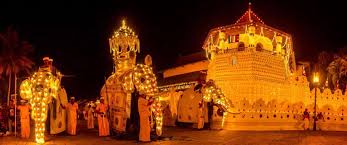
The most distinctive feature of the temple is its golden roof that adorns the relic chamber. This golden canopy, visible from various points in Kandy, catches sunlight and creates a striking visual that symbolizes the precious nature of what lies beneath. The roof is a modern addition but complements the traditional architecture of the main building.
The main shrine structure houses the Sacred Tooth Relic in six relic chambers. This multi-chamber design allows different rituals and ceremonies to be conducted simultaneously without disturbing the primary chamber. The upper floors of the main building provide access to the relic chamber during special ceremonies.
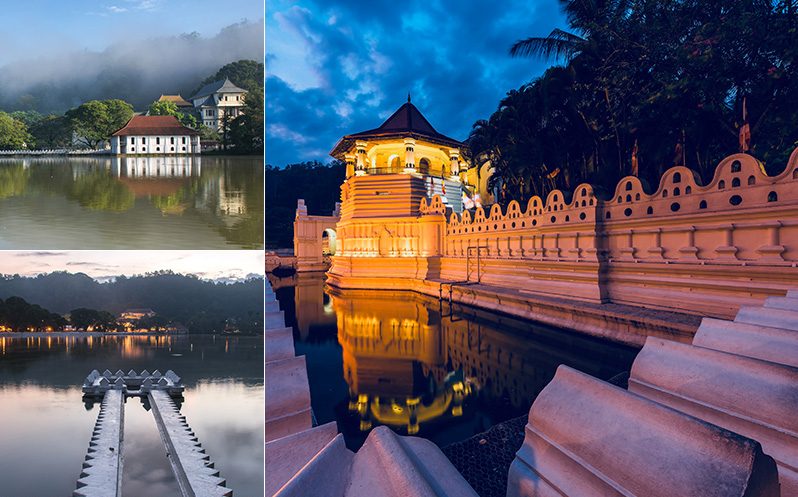
The temple complex includes fortified moats and walls, reflecting its historical role as a defended royal palace complex. The octagonal structure (Pattirippuwa) built in the 19th century adds another distinctive architectural element. The extensive wooden carvings throughout the temple represent traditional Sri Lankan craftsmanship and Buddhist symbolism.
Kandy Lake, adjacent to the temple, provides a scenic backdrop and was historically part of the temple complex's water features. The multiple courtyard spaces within the temple complex allow for large gatherings during festivals and ceremonies.
The Sacred Tooth Relic
The Sacred Tooth Relic itself is the spiritual heart of the temple and the primary reason for pilgrimages to Kandy. According to Buddhist tradition, the relic is the left canine tooth of Lord Buddha, retrieved after his cremation in Kushinagar. What makes this relic particularly sacred is that it is one of the few remains of the Buddha that are believed to be genuine.
The relic is housed in a gold-encased casket within the innermost chamber of the temple. This casket is itself placed inside a series of seven caskets, each gold-encased and elaborately decorated. The multiple layers of protection symbolize the reverence and care accorded to this sacred object.
Visibility and Tradition
Perhaps the most remarkable aspect of the Sacred Tooth Relic is that it has never been publicly displayed or seen in its complete form. The caskets are opened during special ceremonies, and the relic is displayed to devotees, but the actual tooth itself remains hidden. This invisibility tradition adds to the relic's sacred mystery and reinforces faith rather than material evidence.
The relic is believed to have miraculous powers and the ability to protect Sri Lanka from harm. Throughout history, whenever the tooth was in danger or the country faced threats, devotees believed the relic provided divine protection. This faith in the relic's protective role continues to this day.
Daily Rituals and Ceremonies
The Temple of the Sacred Tooth Relic maintains a structured schedule of daily rituals and annual ceremonies that follow traditional Buddhist practices. These rituals create a continuous cycle of devotion and maintain the temple's spiritual atmosphere throughout the day and year.
Three Daily Pujas
The temple conducts three main pujas (worship ceremonies) each day, following a schedule that has been maintained for centuries. The morning puja begins at 5:30 AM, the midday ceremony at 9:30 AM, and the evening puja at 6:30 PM. Each puja lasts approximately 30-45 minutes and involves offerings, chanting, and traditional rituals.
These ceremonies include drumming (known as Hewisi), which creates a rhythmic foundation for the chanting. Traditional offerings of flowers, specifically lotus and jasmine, are made to the relic. Incense burning and lamp lighting are integral parts of the ceremonies. Devotees participate by offering flowers, listening to the chanting, and receiving blessings during these pujas.
Annual Festivals
Two major annual festivals draw the largest crowds to the temple and represent the peak of Sri Lanka's Buddhist calendar. These festivals transform Kandy with elaborate celebrations, processions, and cultural programs.
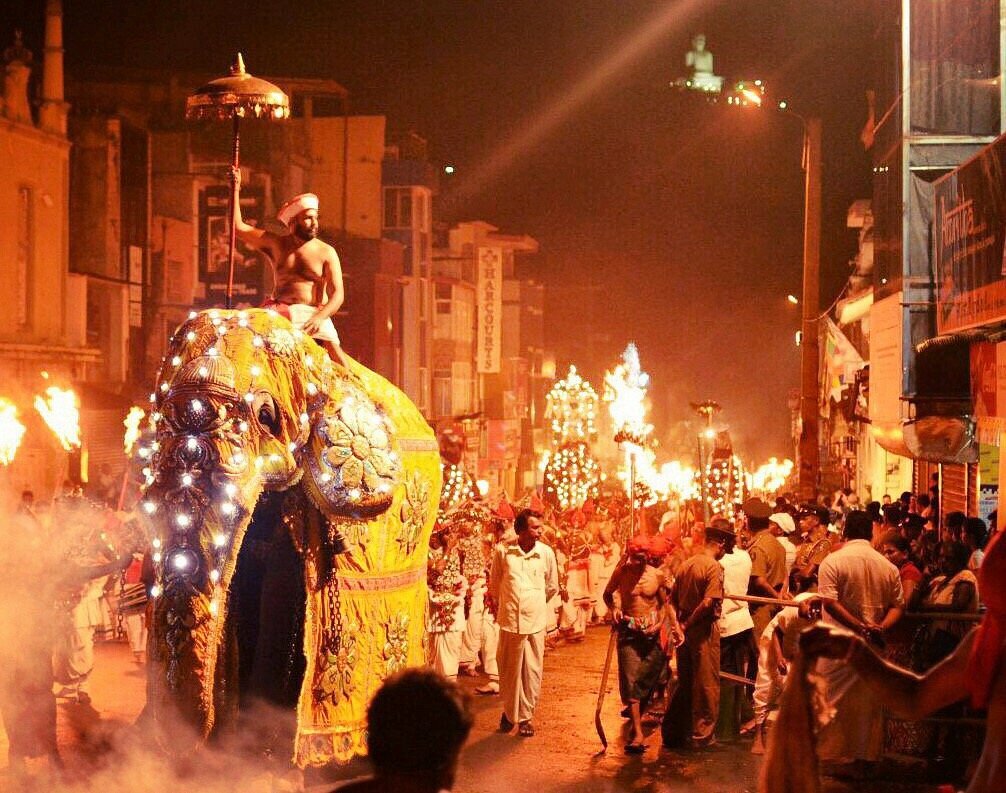
Esala Perahera: Held in July or August (depending on the lunar calendar), this is the temple's grandest festival celebrating the bringing of the Sacred Tooth Relic to Kandy. The festival features a spectacular procession (Mangala Perahera) with decorated elephants, traditional dancers, drummers, and devotees. The pageantry of Esala Perahera continues for 10 days, with night-time processions being particularly beautiful.
Nawam Perahera: This November festival commemorates another tooth relic and involves another grand elephant procession. While smaller than Esala Perahera, Nawam Perahera maintains similar traditional elements and draws significant participation. The festival represents the continuity of tooth relic veneration in Sri Lanka.
Additional Ceremonies: The temple celebrates Vesak (Buddha's birthday) and Duruthu Poya (full moon day in December) with special ceremonies. These festivals, while less elaborate than the peraheras, maintain the temple's regular worship cycle and provide additional spiritual opportunities for devotees.
Best Time to Visit
Planning your visit to the Temple of the Sacred Tooth Relic requires consideration of both crowd levels and weather patterns. The temple's peak festival seasons see significantly increased visitor numbers, while weekdays and off-peak periods offer more peaceful experiences.
Timing Strategies
Early Morning Puja (5:30 AM): This is the least crowded time and offers the most peaceful darshan experience. Early morning visits allow you to observe the puja without the pressure of large crowds. The temple opens at 5:30 AM daily, making early morning visits practical for those willing to wake early.
Evening Puja (6:30 PM): The evening ceremony provides a different but equally meaningful experience. The evening puja often has a contemplative atmosphere as the day winds down. The lighting of lamps and the evening chanting create a peaceful environment for meditation and reflection.
Esala Perahera (July-August): While this is the temple's most spectacular festival, it's also the most crowded. If you want to experience Esala Perahera, plan to visit during the 10-day festival period, but expect large crowds. The night-time processions are particularly beautiful but also very crowded.
Weekdays vs. Weekends: Weekdays are generally less crowded than weekends, making them better for those seeking quieter experiences. However, even weekdays can be busy during festival periods. The temple maintains consistent daily schedules regardless of the day, so darshan opportunities are similar.
December-April: These months offer pleasant weather in Kandy, making outdoor temple exploration comfortable. The cooler temperatures of this period are ideal for combining temple visits with exploring Kandy's other attractions.
How to Reach
Kandy is well-connected to Sri Lanka's transportation network, making the Temple of the Sacred Tooth Relic accessible from various starting points. Whether you're traveling from Colombo, another major city, or international arrival, multiple options are available.
From Colombo
The journey from Colombo to Kandy is approximately 115 kilometers and typically takes 3-4 hours depending on the mode of transport. Multiple options connect these two cities:
| Transport Option | Duration | Approximate Cost | Notes |
|---|---|---|---|
| Express Bus or Intercity Bus | 3-4 hours | Economical | Regular service; comfortable for budget travelers |
| Private Car or Taxi | 2.5-3 hours | Higher cost | Flexible timing; door-to-door service |
| Train | 4-5 hours | Economical | Scenic route; slower than road |
| Domestic Flight | Not available directly | - | Fly to Colombo, then travel by road |
By Train
Kandy has its own railway station, approximately 1 kilometer from the temple. Trains from Colombo's Fort Station run to Kandy regularly. The train journey is scenic, passing through tea plantations and rural Sri Lankan landscapes. The train station in Kandy is walkable from the temple, though local transport or walking are options depending on your luggage.
By Bus
Regular buses connect Colombo to Kandy's main bus stand. The central bus stand in Kandy is a short walk from the temple. Bus service is economical and runs frequently throughout the day. Express buses from Colombo offer faster service and are recommended if time is limited.
Local Transport in Kandy
Once in Kandy, local transport options include auto-rickshaws (three-wheelers), tuk-tuks (three-wheel taxis with meters), and taxis. The temple is in the city center, making it accessible by walking from many hotels in Kandy. Walking from Kandy Lake area provides a pleasant approach to the temple.
Dress Code and Etiquette
The Temple of the Sacred Tooth Relic maintains specific dress code and etiquette requirements that visitors should follow to show respect and gain proper access. These guidelines are strictly enforced, and understanding them beforehand helps avoid inconvenience.
Clothing Requirements
The temple requires visitors to be dressed modestly with knees and shoulders covered. This is particularly important for both men and women. Traditional white clothing is often preferred by devotees, though other modest colors are acceptable. Sleeveless tops, shorts, and short skirts are not permitted inside the temple premises.
For women, sarees or long skirts/trousers with modest tops are appropriate. For men, veshti (traditional cloth) or long trousers with shirts are suitable. Carrying a scarf or shawl is advisable for women to cover the head if desired, though not mandatory.
Temple Behavior
Photography with flash is strictly prohibited inside the temple complex. Regular photography without flash may be permitted in some areas but is generally discouraged during religious ceremonies. Video recording is not allowed within the temple.
Visitors must remove footwear before entering the temple premises. Shoes can be deposited at the designated footwear counter and collected when leaving. This is a standard practice in Sri Lankan Buddhist temples.
Headwear including hats and caps should be removed before entering the relic chamber area. Maintaining silence within the temple complex, especially during pujas, is expected. Turning your back to the Buddha or the relic (a symbol of respect in Buddhist tradition) should be avoided.
Offerings and Worship
Offerings of lotus and jasmine flowers are available at the temple entrance. These traditional flowers can be purchased and offered during puja. The temple provides trays and designated areas for making offerings.
Devotees often light lamps (pahan) and incense as part of worship. These items can be purchased at the temple and are used during personal prayer. Non-Buddhist visitors are welcome to observe and participate in the temple's spiritual atmosphere, but should do so with respect for Buddhist traditions.
Nearby Attractions
Visiting the Temple of the Sacred Tooth Relic provides an excellent opportunity to explore other attractions in and around Kandy. Combining the temple visit with nearby sites creates a comprehensive Kandy experience that covers both spiritual and cultural dimensions.
Kandy Lake: Adjacent to the temple, this artificial lake offers beautiful views and boat rides. The lakeside path is a pleasant walk, especially during cooler hours. Boat rides on the lake provide a different perspective of the temple and city.
Peradeniya Gardens: Located approximately 6 kilometers from Kandy, these botanical gardens are home to over 4,000 plant species including a famous orchid house. The gardens offer a peaceful retreat from temple crowds and are ideal for nature lovers.
Bahiravokanda Vihara: About 6 kilometers from Kandy, this Buddhist temple features a large Buddha statue. The vihara is set on a hill and provides panoramic views of Kandy and surrounding countryside.
Kandy View Point: Located near the city, this viewpoint offers panoramic vistas of Kandy including the temple and lake. It's particularly beautiful at sunset and provides excellent photography opportunities.
Tea Museum: Approximately 4 kilometers from the temple, this museum showcases Sri Lanka's tea heritage. The museum is housed in a historic tea factory and offers insights into the tea industry that has shaped Sri Lanka's economy and culture.
Comparing Buddhist Sacred Sites Across Asia
If Sri Dalada Maligawa sparks an interest in Buddhist pilgrimage sites, Sri Lanka itself has other significant Buddhist and Hindu shrines worth visiting, including Sita Eliya Temple near Nuwara Eliya. Travelers extending their Buddhist heritage trail into Southeast Asia often continue on to Lady Buddha in Da Nang, Vietnam, while those exploring the Himalayan Buddhist world can compare traditions at the temples of Bhutan. Each site reflects a distinct regional expression of Buddhist devotion, from Kandy's relic veneration to Bhutan's dzong monasteries.
Conclusion
The Temple of the Sacred Tooth Relic offers a profound spiritual experience at the heart of Sri Lankan Buddhism and culture. Whether you're a Buddhist devotee seeking blessings, a cultural traveler exploring heritage, or someone interested in understanding Buddhist traditions, Sri Dalada Maligawa delivers meaningful encounters with Sri Lanka's most sacred relic.
The temple's combination of ancient history, architectural beauty, daily rituals, and grand festivals creates an experience that is both educational and spiritually uplifting. Plan your visit with respect for temple customs, consideration of crowds, and awareness of Sri Lankan traditions. Whether you experience Esala Perahera's grand procession or a quiet early morning puja, the temple offers something meaningful for every visitor.
For broader Sri Lanka exploration, you can also read about best places to visit in Sri Lanka to plan your complete trip.
Location
Frequently Asked Questions
Q1.What are the temple opening hours?
Q2.Is there an entry fee for the temple?
Q3.What is the best time to visit the temple?
Q4.Can we see the Sacred Tooth Relic?
Q5.What is the significance of the tooth relic?
Q6.When is Esala Perahera festival?
Q7.What is the dress code for the temple?
Q8.Is photography allowed inside?
Q9.How long does a visit take?
Q10.Are guided tours available?
Recommended For You
Temples in Chittoor: 12 Sacred Sites
Explore 12 famous temples in Chittoor district. From Tirupati to Srikalahasti, discover sacred Hindu temples.
Temples in Bhutan: 15 Sacred Sites
Discover 15 most sacred temples in Bhutan. From Tiger's Nest to Punakha Dzong, explore Buddhist monasteries & spiritual sites.
Temples in Kerala: God's Own Country's Sacred Heritage
Explore sacred temples in Kerala. Discover Sabarimala, Guruvayur, Padmanabhaswamy & more with complete travel guide.
Never Miss an Adventure
Get the latest trekking guides, travel tips, and exclusive offers delivered straight to your inbox.
