
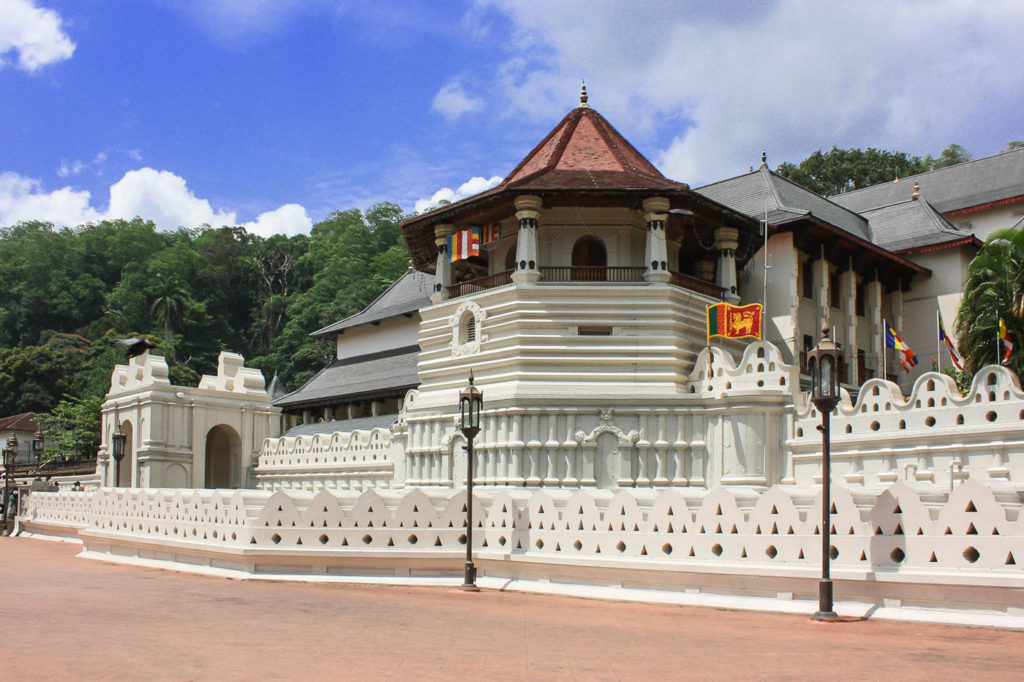
Sri Dalada Maligawa Kandy: Temple of the Tooth Timings & Entry

Neha Kapoor
January 26, 2026
Visit Sri Dalada Maligawa (Temple of Tooth) in Kandy! Guide to timings, entry fee, dress code, puja & history.
Sri Dalada Maligawa Kandy: Practical Visitor Guide
Sri Dalada Maligawa, the Temple of the Sacred Tooth Relic in Kandy, is one of Sri Lanka’s most important Buddhist sites. Travelers come for spiritual significance, Kandyan architecture, and ceremonial atmosphere during daily puja. If you are building a central Sri Lanka circuit, pair this temple visit with Sigiriya Rock Fortress, cave heritage at Dambulla, city breaks near Beira Lake, and family-friendly stops like Dehiwala Zoo.
Why the Temple Matters
The temple enshrines what devotees revere as a relic of the Buddha. In Sri Lankan history, custody of the relic was tied to royal legitimacy, which is why Kandy became both a religious and political center. Today, the temple remains active, so visitors should approach it as a living place of worship rather than only a monument.
The atmosphere changes through the day. Early visits are calmer and better for architecture appreciation. Puja windows bring sound, movement, and ritual energy, which many travelers find more memorable than standard sightseeing.
Timings, Entry, and Typical Visit Duration
Timings and ticket rules can change seasonally, so verify on the same day via official channels or your hotel desk. Most travelers spend 60-120 minutes inside the complex, more if they stay for ceremonies and museum sections.
- Suggested duration: 1 to 2 hours.
- Best first-time slot: Morning entry before peak crowd.
- Puja visits: Busier but richer cultural experience.
- Queue planning: Keep buffer time for security checks.
Dress Code and Etiquette
Dress modestly: shoulders and knees covered. Remove hats in sacred areas and follow shoe-removal requirements where instructed. Keep voice low, avoid blocking worshippers, and do not treat ritual areas like photo sets. If uncertain, observe local behavior and mirror it respectfully.
Photography rules vary by zone. Exterior and courtyard photography is generally easier; inner sacred sections may be restricted. Flash is often discouraged. Always prioritize worshippers’ space over shots.
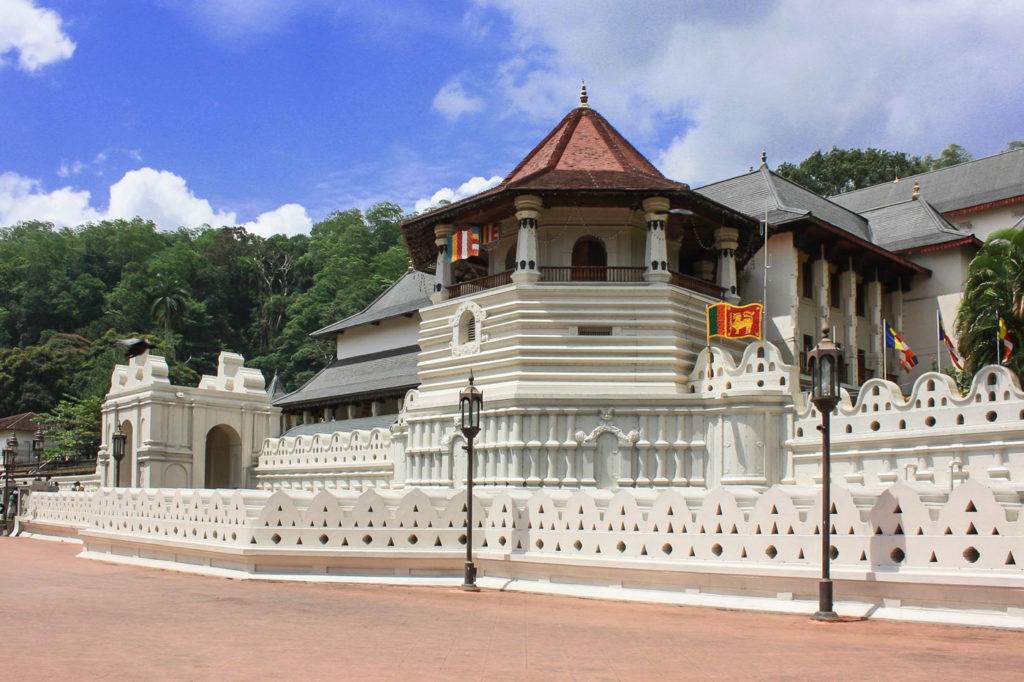
How to Reach the Temple in Kandy
The temple sits near Kandy Lake and is accessible by tuk-tuk, taxi, or walking from central stays. From Colombo, you can arrive by train, bus, or private car. Many travelers include the temple on a day that also covers Kandy viewpoints and botanical areas.
| Route | Mode | Typical Experience |
|---|---|---|
| Colombo to Kandy | Train | Scenic and comfortable if booked early |
| Within Kandy | Tuk-tuk/Taxi | Fastest for temple + nearby stops |
| Central Hotels | Walk | Good for early-morning calm entry |
Best Time to Visit Kandy for This Temple
Kandy is visitable year-round, but rainfall and crowd levels affect the experience. Morning windows usually give better movement and photography conditions. During festival periods, crowds rise sharply, but cultural immersion is exceptional if you are comfortable with density and slower movement.
- Arrive early on weekends and holidays.
- Carry a light shawl or cover-up for dress compliance.
- Keep footwear strategy simple for repeated removal zones.
How to Build a Better Day Plan Around the Temple
A practical day plan is temple first, then lake walk and city meal, then one major secondary attraction. This avoids fatigue and keeps sacred-site etiquette easy to follow. If you are continuing north, cultural links to Sigiriya and Dambulla work well. If heading back west, Colombo attractions can be covered on the return leg.
What First-Time Visitors Often Miss
Many visitors rush in and out for photos and miss ritual timing. If possible, stay through one puja cycle and pay attention to drumming, offerings, and movement patterns. That context changes how you understand the architecture and relic traditions.
Also, avoid overpacking your itinerary. This temple deserves unhurried time, especially if you want both spiritual and historical understanding in one visit.
Final Travel Advice
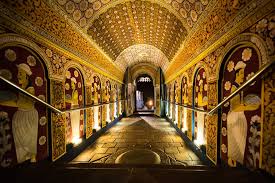
Keep expectations balanced: this is a sacred functioning temple with real devotees, not a staged attraction. Dress correctly, choose timing intentionally, and move respectfully. Done right, Sri Dalada Maligawa becomes one of the most meaningful cultural experiences in Sri Lanka, not just a checklist stop in Kandy.
Temple History in a Traveler-Friendly Timeline
The temple’s modern identity in Kandy is closely linked to Sri Lanka’s royal era, where relic custody carried both spiritual and political meaning. For travelers, this matters because it explains why the site feels ceremonial rather than museum-like. The architecture, guard patterns, and ritual rhythms are all part of a long continuity, not staged tourism behavior.
If you want historical context before entry, spend ten minutes reading about the Kandyan kingdom and relic traditions. Doing this in advance makes your on-site experience clearer, especially during puja when movements may seem complex to first-time visitors.
How to Attend Puja Without Confusion
Puja windows are the most meaningful times to visit, but they are also the busiest. Arrive early, stand where you can observe without blocking local devotees, and avoid abrupt movement when ritual sequences begin. If you are unsure where to stand, ask temple staff politely instead of improvising near restricted sections.
- Keep phones on silent mode before entering inner areas.
- Avoid flash and loud shutter bursts.
- Step aside when offering lines form.
- Do not interrupt family prayer moments for portraits.
Photography and Behavior Rules Visitors Commonly Miss
Many visitors focus on what is prohibited and miss what is simply respectful. Even where photography is allowed, avoid framing worshippers in ways that feel intrusive. Wide architecture shots are usually safer than close devotional moments. Keep camera bags compact to avoid bumping people in narrow corridors.
If you plan to shoot extensively, do one fast visual pass first, then return for selective images. This prevents crowd friction and helps you stay aware of ritual flow.
Combining Sri Dalada Maligawa with Nearby Kandy Stops
A strong Kandy day can be designed around three anchors: temple, lake, and one secondary attraction. Start with the temple in the morning, take a lighter midday break, then continue to viewpoints or gardens. This keeps sacred-site fatigue low and improves attention quality throughout the day.
| Day Segment | Primary Focus | Why It Works |
|---|---|---|
| Morning | Temple entry and puja observation | Lower heat and cleaner crowd flow |
| Midday | Kandy Lake and meal break | Recovery before second segment |
| Afternoon | Secondary attraction | Balanced pace, less rush |
Transport and Buffer Planning
Kandy traffic can be variable, especially around holiday periods and weekends. Add schedule slack before tickets, train departures, or same-day city transfers. If you are coming from Colombo and returning the same day, prefer early train options and keep backup transport in mind.
For families and senior travelers, central stays within short drive or walking radius simplify the visit dramatically. Reduced transit stress usually improves the temple experience itself.
What to Wear Through the Day
Use breathable modest clothing that remains comfortable in humidity. Lightweight fabrics help, but coverage should remain appropriate for sacred areas. Carry a compact scarf or shawl even if your primary outfit is compliant, since it helps with quick adjustments when needed.
Footwear should be easy to remove and wear again quickly. Avoid overly complex laces if you expect multiple entry/exit points during one visit.
Final Planning Notes
Sri Dalada Maligawa rewards visitors who arrive prepared, patient, and observant. The temple is not only historically important but actively lived-in through ritual practice. If you align timing, dress, and behavior with that reality, your visit becomes far more meaningful than a short photo stop.
Carry printed booking details if your mobile network is unstable in transit corridors.
Location
Frequently Asked Questions
Q1.Where is Sri Dalada Maligawa located?
Q2.What are the timings of Temple of Tooth?
Q3.What is the entry fee for Sri Dalada Maligawa?
Q4.Can we see the tooth relic?
Q5.What happens during puja at Temple of Tooth?
Q6.Is photography allowed inside Sri Dalada Maligawa?
Q7.What is the dress code for Temple of Tooth?
Q8.How long to visit Sri Dalada Maligawa?
Recommended For You
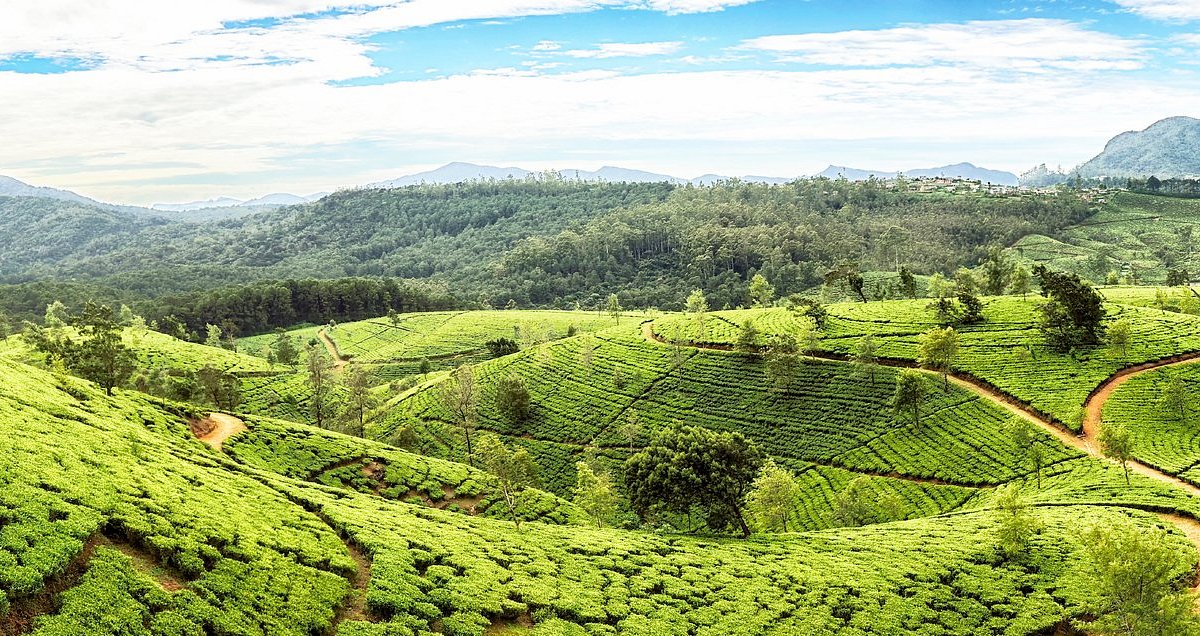
Places to Visit in Sri Lanka: Top Attractions
Discover the best places to visit in Sri Lanka: Cultural Triangle, hill country, beaches, wildlife, heritage towns, plus 7–14 day itinerary tips.
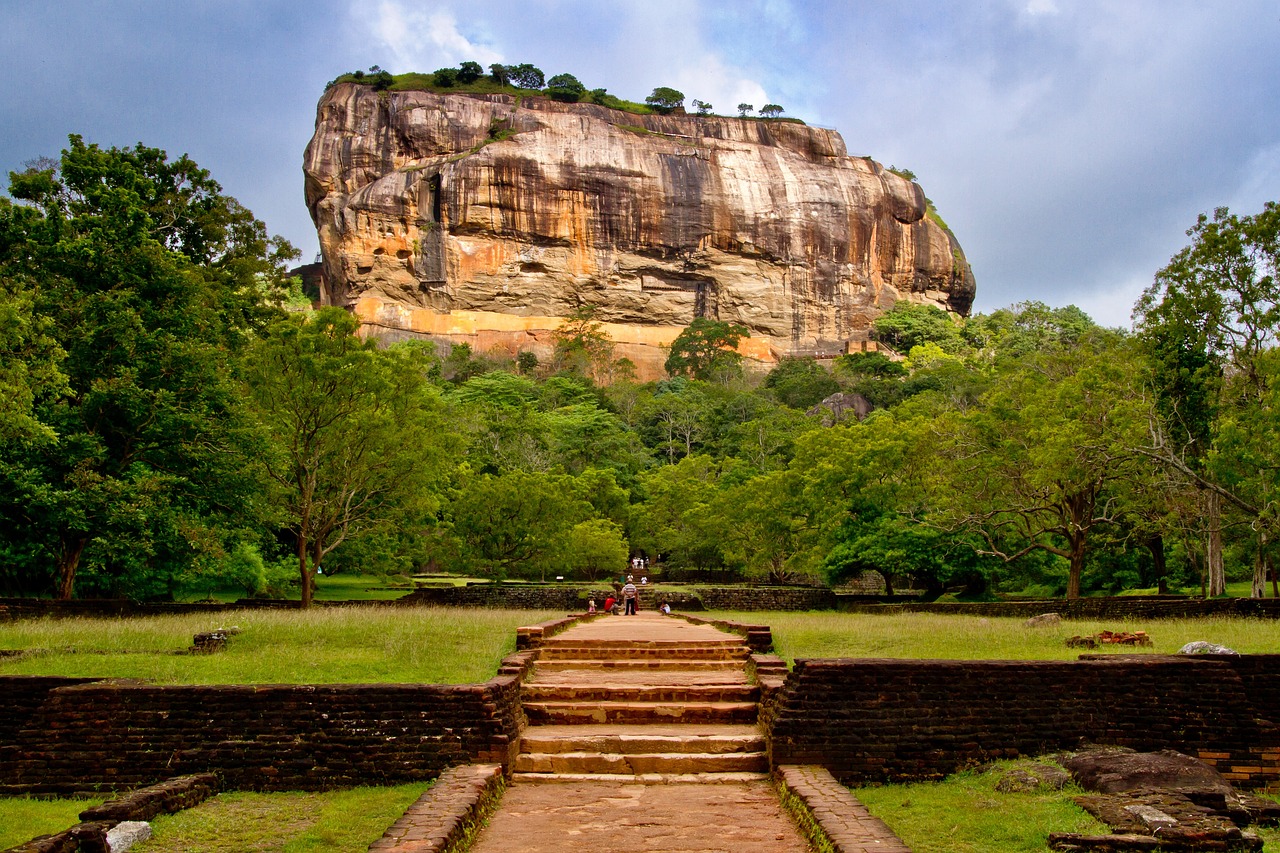
Sigiriya Rock Fortress Sri Lanka: Tickets, Climb Timings & Travel Tips
Complete guide to Sigiriya Rock Fortress Sri Lanka. Details on tickets, timings, climbing tips, history, how to reach, and best time to visit this UNESCO World Heritage Site.
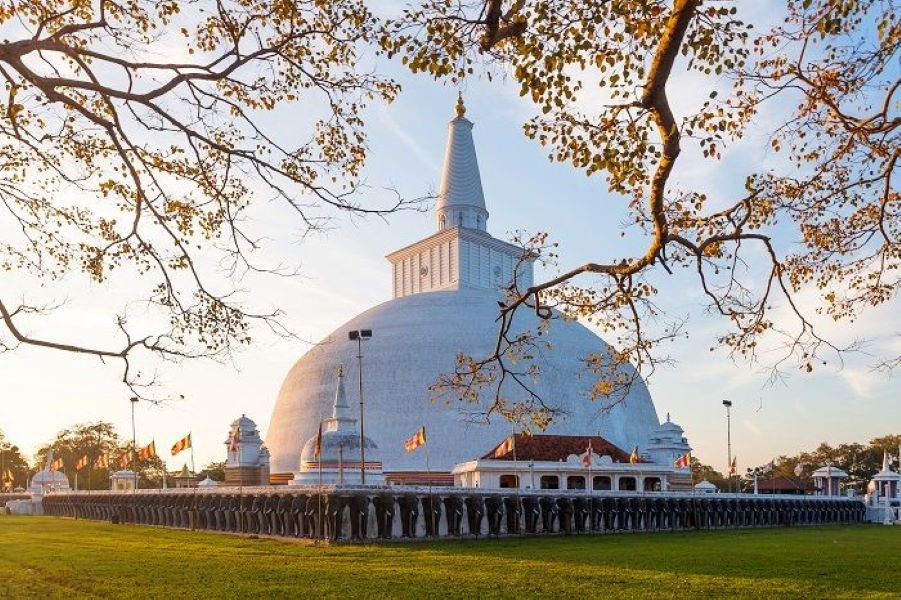
Buddhist Temples in Sri Lanka: Sacred Sites, Routes & Pilgrimage Tips
Explore Buddhist temples in Sri Lanka with sacred-site highlights, pilgrimage routes, etiquette rules, and practical tips for planning a respectful temple circuit.
Never Miss an Adventure
Get the latest trekking guides, travel tips, and exclusive offers delivered straight to your inbox.
