
Waste-to-Art Dinosaur Park Delhi: Entry, Timings & Family Experience

Priya Mehta
January 17, 2026
Delhi's first waste-to-art dinosaur park. Location, entry fee, timing, how to reach & complete guide to this eco-friendly attraction.
Delhi's Innovative Eco-Friendly Attraction
Delhi is set to welcome its first waste-to-art dinosaur park, a groundbreaking initiative that transforms scrap materials into an educational and entertaining destination for families. This innovative park represents a unique convergence of environmental consciousness, artistic creativity, and public education—turning what was once considered waste into a prehistoric wonderland that captivates visitors while delivering a powerful message about sustainability and recycling.
The concept behind this park is brilliantly simple yet profoundly impactful. Using discarded materials, scrap metal, old tires, plastic waste, and other refuse items, artists and craftsmen have created life-sized dinosaur models that serve as both artistic installations and educational tools. This approach not only diverts waste from landfills but also creates a space where children and adults alike can learn about environmental responsibility in an engaging, memorable way.
Located in the heart of India's capital, this dinosaur park joins Delhi's growing list of eco-friendly attractions, complementing existing waste-to-wonder parks and sustainability initiatives. For families seeking educational outings that combine fun with learning, or for anyone interested in innovative approaches to waste management, Delhi's waste-to-art dinosaur park offers a unique experience that's as thought-provoking as it is entertaining. You can also explore other places to visit in Delhi that showcase the city's rich cultural heritage and modern innovations.

What is the Waste-to-Art Dinosaur Park?
The Waste-to-Art Dinosaur Park represents a first-of-its-kind initiative in India, showcasing how creativity can transform environmental challenges into opportunities. The park features dozens of dinosaur models, each meticulously crafted from waste materials that would otherwise contribute to the city's mounting waste problem. Scrap metal from automobiles, discarded industrial parts, old rubber tires, plastic containers, and electronic waste have all found new purpose as the building blocks of these prehistoric creatures.
The park is a collaborative effort between the Municipal Corporation of Delhi and local artists who specialize in upcycling art. These artists have spent months conceptualizing and constructing each dinosaur, carefully selecting waste materials that can be shaped and assembled into recognizable forms. The result is a collection of dinosaur models that are not only anatomically impressive but also serve as testaments to human creativity and environmental stewardship.
What makes this park particularly special is its dual purpose. On one level, it's an entertaining attraction where children can see life-sized representations of their favorite dinosaurs. The T-Rex, Brachiosaurus, Stegosaurus, Triceratops, and other species are all represented in impressive detail. But on another level, it's an outdoor classroom that teaches visitors about waste management, recycling, and environmental responsibility in a way that's engaging rather than preachy.
The educational component is carefully woven into the visitor experience. Information plaques near each dinosaur explain not just the prehistoric creature's characteristics, but also details about the materials used to create the model and the environmental impact of those materials. This approach helps visitors make connections between everyday waste items and their potential for reuse, fostering a mindset that looks at waste not as trash but as raw material for new creations.
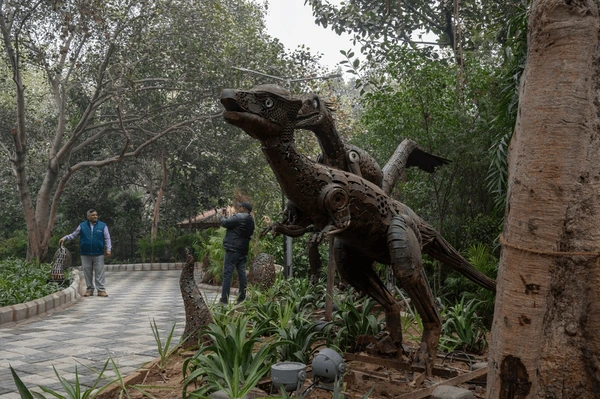
The park's scale is impressive—covering several acres with carefully landscaped pathways that lead visitors through different prehistoric eras. The dinosaurs range from small, chicken-sized species to massive, multi-story tall sauropods that tower over visitors. Each model has been positioned to create dramatic viewing opportunities, with careful attention paid to sightlines and photo angles.
Location and How to Reach
The Waste-to-Art Dinosaur Park is strategically located to be accessible from various parts of Delhi. Situated in [Specific Area/Rohini/Sector], the park is easily reachable by public transport and private vehicles alike. Its location was chosen to minimize travel time for visitors while maximizing accessibility through the city's transportation network.
By Metro: The nearest metro station is [Station Name], approximately [X] kilometers from the park. From the metro station, visitors can either take a short auto-rickshaw ride or walk if weather permits. The metro connection makes the park particularly accessible for those traveling from central Delhi, Noida, or other parts of the National Capital Region.
By Road: For those traveling by private vehicle or taxi, the park is well-connected through major roads. Parking is available on-site, though spaces may fill up quickly on weekends and holidays. The park's location has been chosen to be easily reachable via GPS navigation, making it simple for visitors to find their way even if they're unfamiliar with the area.
By Bus: Several Delhi Transport Corporation (DTC) buses pass near the park entrance. Specific bus routes that serve the area include [Bus Numbers], connecting the park to major transit hubs across the city. This public bus connectivity makes the park an affordable outing option for budget-conscious families.
Best Routes: Visitors coming from South Delhi should take [Road Name], while those from North Delhi will find [Road Name] to be the most direct route. If traveling from East Delhi or Noida, [Road Name] offers the most efficient path. Avoid rush hour traffic when planning your visit, as congestion can significantly increase travel time.
Dinosaur Models and Features
The heart of the Waste-to-Art Dinosaur Park is its impressive collection of dinosaur models, each created entirely from waste materials. The attention to detail in these models is remarkable, with artists carefully selecting and shaping scrap materials to create anatomically accurate representations that spark wonder in visitors of all ages.
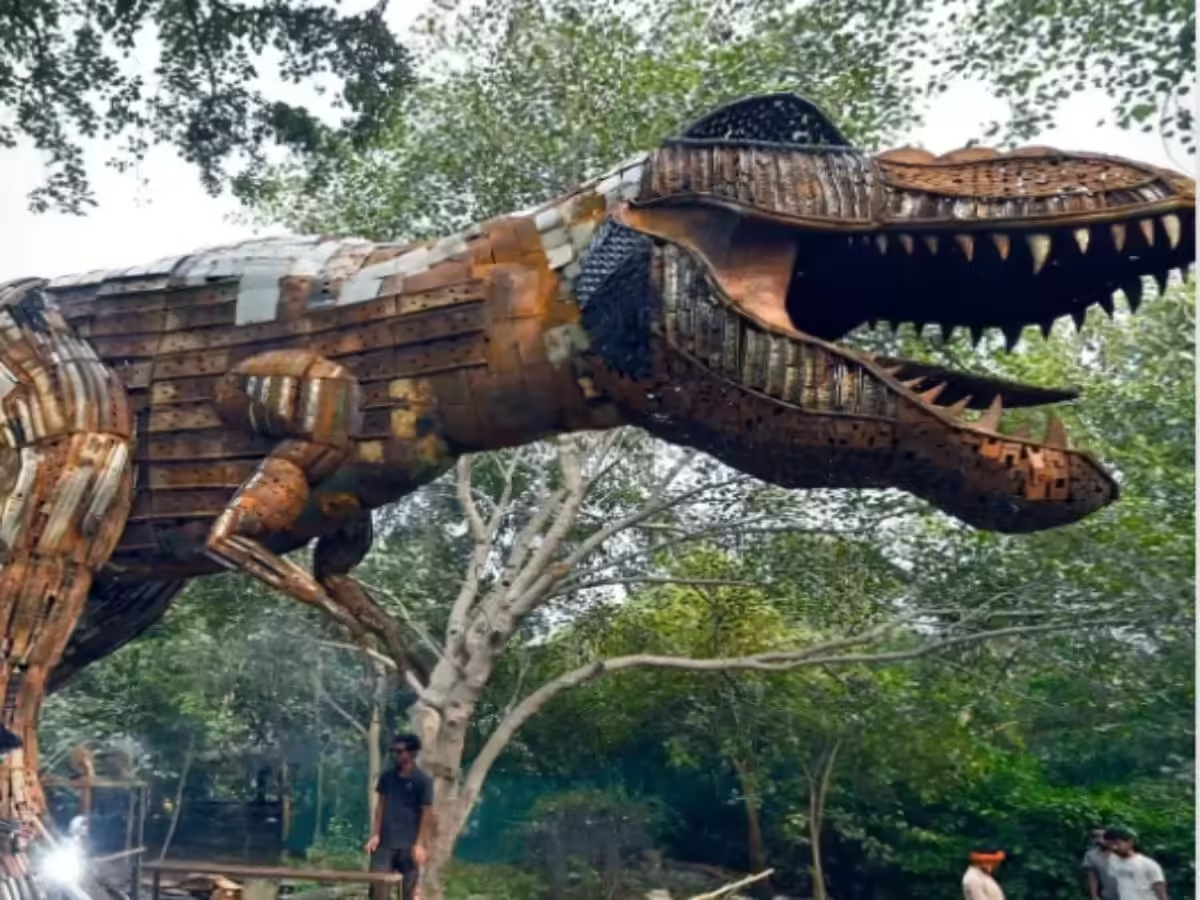
The Tyrannosaurus Rex stands as the park's centerpiece, towering over visitors at nearly 20 feet tall. This fearsome predator has been constructed using scrap metal from discarded automobiles, with car doors forming its massive jaws and recycled iron rods creating its fearsome teeth. The texture of the metal gives the T-Rex an appropriately imposing presence, while simultaneously demonstrating how industrial waste can be repurposed into something magnificent.
The Brachiosaurus, with its long neck reaching toward the sky, has been crafted from large industrial pipes and discarded metal drums. The gentle giant's massive body demonstrates how large-scale waste items can be transformed into awe-inspiring sculptures. Children particularly love standing beneath this towering herbivore, gaining perspective on just how enormous these prehistoric creatures were.
The Stegosaurus features distinctive plates along its back, each created from different types of scrap metal, giving the model a varied texture that catches light interestingly. The tail spikes, made from sharpened metal rods, demonstrate the dinosaur's defensive adaptations while showcasing how even dangerous-looking waste materials can be repurposed safely and artistically.
The Triceratops model impresses with its three-horned face and massive frill. Artists have used various circular waste items—discarded wheels, metal plates, and even parts of old machinery—to create the dinosaur's distinctive head gear. This model is particularly popular among children, who enjoy examining the different materials that have been ingeniously combined.
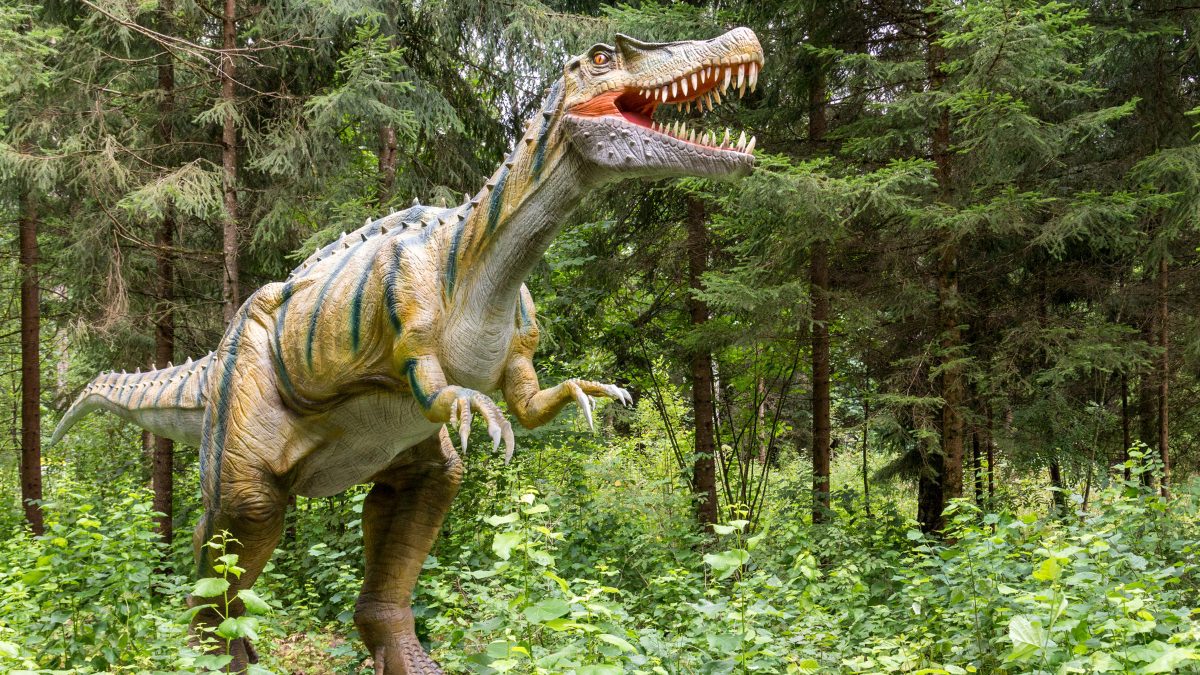
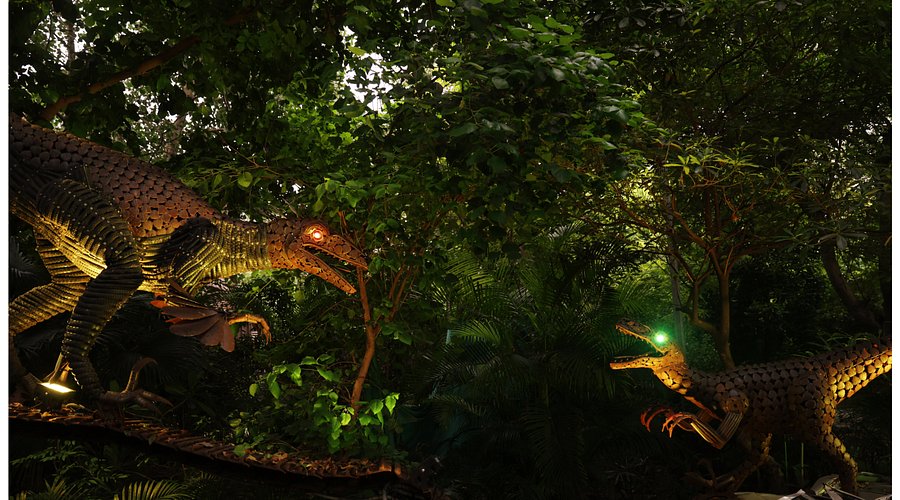
Beyond these famous dinosaurs, the park features numerous other species including Velociraptors, Spinosaurus, Ankylosaurus, and Pterosaurs (flying reptiles). Each model includes information plaques that explain both the prehistoric creature's characteristics and details about the waste materials used in its construction. This educational component helps visitors appreciate the artistry while learning about environmental responsibility.
Interactive elements add to the engagement. Some dinosaurs have movable parts that visitors can operate, while others feature sound effects that bring the prehistoric creatures to life. Photo opportunities have been carefully positioned throughout the park, with platforms and viewing areas that allow visitors to capture memorable images with the dinosaur models.
Environmental Message and Education
Beyond its entertainment value, the Waste-to-Art Dinosaur Park delivers a powerful environmental message that resonates with visitors long after they leave. The park demonstrates, in concrete and visual terms, the principles of recycling, upcycling, and sustainable waste management. By showing visitors what can be created from materials typically discarded without a second thought, the park challenges perceptions about waste and encourages more mindful consumption and disposal habits.
The educational programming at the park is designed to reach visitors of all ages. For school groups, structured tours are available that include interactive lessons about waste segregation, recycling processes, and environmental stewardship. These tours align with school curriculums on environmental science, making the park a valuable educational resource for teachers across Delhi.
Information displays throughout the park explain the environmental impact of different types of waste. Visitors learn, for example, how long various materials take to decompose in landfills, what resources are saved by recycling metal and plastic, and how individual choices about waste disposal accumulate to create significant environmental consequences. This information is presented in accessible, non-judgmental language that empowers visitors rather than making them feel guilty.
The park also hosts regular environmental awareness programs and events. Workshops on upcycling teach visitors how to transform their own waste items into useful objects. Special events focusing on specific environmental themes—plastic pollution, electronic waste, metal recycling—provide deeper dives into particular issues. These programs make the park a dynamic educational resource that offers new experiences with repeat visits.
For children, the environmental message is delivered through age-appropriate activities that make learning fun. Scavenger hunts encourage kids to identify different types of waste materials used in the dinosaur models. Interactive games teach waste sorting and recycling concepts. Story sessions weave environmental lessons into narratives that capture young imaginations and instill values of environmental responsibility from an early age.
Timings and Entry Fee
Planning a visit to the Waste-to-Art Dinosaur Park requires understanding the operational details that ensure a smooth experience. The park has been designed to accommodate visitors throughout the week with extended hours on weekends to accommodate working families.
Opening Hours: The park is open from [10:00 AM] to [7:00 PM] on weekdays (Tuesday through Sunday), with the last entry allowed at [6:00 PM]. On weekends and holidays, extended hours until [8:00 PM] give families more flexibility for their visits. The park remains closed on Mondays for maintenance and upkeep.
Entry Fees: The park has been designed to be accessible to visitors across economic strata. Adult tickets cost [₹50], while children (ages 3-12) and seniors (60+) pay a reduced rate of [₹30]. Children under 3 years enjoy free entry. Group discounts are available for school groups and organized tours, with advance booking required.
Special Offers: The park occasionally offers free entry days or discounted rates during environmental awareness campaigns. Following official social media channels or checking the park's website can provide information about upcoming special offers. Family packages that include multiple entries and combo deals with other Delhi attractions may be available during peak tourist seasons.
Online Booking: While tickets can be purchased at the gate, online booking through the official website or partner platforms is recommended, especially for weekend visits. Online tickets often include small discounts and guaranteed entry, avoiding potential waiting times at ticket counters. Online booking also allows visitors to choose their preferred time slot, helping manage crowds during peak hours.
| Category | Entry Fee | Additional Info |
|---|---|---|
| Adults | ₹50 | Ages 13-59 |
| Children | ₹30 | Ages 3-12, under 3 free |
| Seniors | ₹30 | Age 60+ with ID |
| School Groups | ₹20/student | Min 20 students, advance booking |
Best Time to Visit
Choosing the right time for your visit can significantly enhance your experience at the Waste-to-Art Dinosaur Park. Several factors should be considered when planning your trip, including weather conditions, crowd levels, and the specific experiences you hope to have.
Seasonal Considerations: Delhi's extreme summers (April-June) can make outdoor activities uncomfortable, particularly during midday hours. If visiting during summer, plan your visit for early morning (when the park opens) or late afternoon (after 4 PM). Winter months (November-February) offer pleasant weather for outdoor exploration, though early morning visits in December and January can be chilly. Monsoon season (July-September) brings humidity and occasional rain, but the park can be beautiful in the rain, with fewer crowds and lush green surroundings.
Weekday vs Weekend: Weekdays typically see fewer visitors, making them ideal for those who prefer a more relaxed experience with better photo opportunities and shorter lines for any interactive exhibits. However, some educational programs and special events may only be offered on weekends. Weekend visits offer more energy and atmosphere, but expect larger crowds and potentially longer wait times for popular exhibits.
Time of Day: Morning visits (10 AM - 12 PM) offer cooler temperatures and fewer crowds, making them ideal for families with young children. Afternoon visits (12 PM - 4 PM) can be hot in summer but provide good lighting for photography. Evening visits (4 PM - closing) offer beautiful golden hour lighting for photos and comfortable temperatures, though the park may be more crowded during these hours.
School Holiday Periods: During school holidays (summer break, winter break), the park sees increased family visitors. While these periods offer more programming for children, they also mean larger crowds. If you prefer a quieter experience, avoid visiting during school holidays or come during weekday mornings.
Nearby Attractions
For visitors looking to maximize their day out, the Waste-to-Art Dinosaur Park's location provides convenient access to other attractions in Delhi. Combining visits to multiple sites can create a full day of activities and learning.
The Waste-to-Wonder Park in [Location] serves as a complementary attraction, featuring seven wonders of the world created from waste materials. Visiting both parks provides a comprehensive perspective on waste-to-art initiatives and offers varied examples of creative upcycling. The two parks can easily be combined in a single day, with travel time between them taking approximately [X] minutes. For those interested in exploring more green spaces, water parks in Delhi offer refreshing recreational activities for families.
For families interested in more traditional attractions, [Nearby Museum] offers educational exhibits that complement the dinosaur park's themes. The [Science Museum] in particular can be an excellent follow-up, extending the learning about prehistoric life and environmental science that begins at the dinosaur park. Additionally, history enthusiasts can visit Chandni Chowk to experience Delhi's vibrant old city culture and traditional markets.
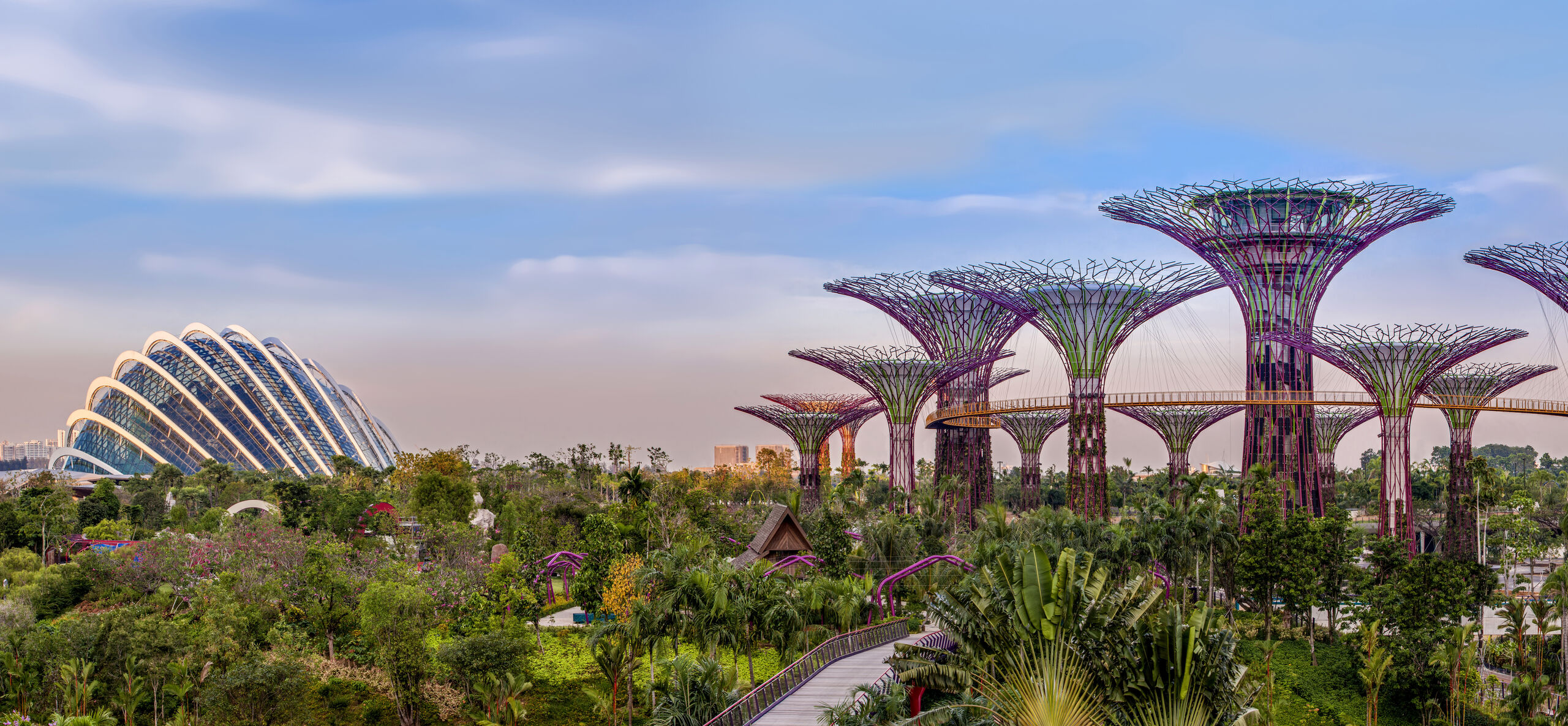
Educational centers such as the [National Science Centre] provide deeper dives into paleontology and environmental science for visitors whose interest has been sparked by the dinosaur park. These centers often have interactive exhibits, fossil collections, and hands-on activities that extend the learning experience. You might also enjoy visiting Gardens by the Bay if you're interested in innovative approaches to combining nature with artistic installations, though it's located in Singapore.
Green spaces like [Garden Name] offer opportunities for picnics and outdoor relaxation, making them ideal for families who want to combine educational activities with more traditional park experiences. Many families find that a morning at the dinosaur park followed by an afternoon picnic in a nearby garden creates the perfect balance of structured activity and free play.
Visitor Tips and Facilities
Making the most of your visit to the Waste-to-Art Dinosaur Park involves some practical preparation and understanding of what to expect. These tips can help ensure a comfortable, enjoyable experience for your entire group.
Duration of Visit: Most visitors spend 2-3 hours exploring the park thoroughly. Families with children who participate in interactive activities may spend 3-4 hours. Plan accordingly when scheduling other activities or transportation.
Age Appropriateness: The park is ideal for children aged 3-12, though older children and adults also appreciate the artistry and environmental message. Very young children (under 3) may not fully grasp the concepts but can still enjoy seeing the dinosaur models. Teenagers may find the experience most engaging when combined with the educational components.
What to Carry: Sun protection (hats, sunscreen) is important for daytime visits. Water bottles are allowed and recommended, though drinking water is available on-site. Cameras are essential—the park offers countless photo opportunities. Comfortable walking shoes are recommended as you'll be on your feet for several hours. For families with small children, a stroller might be helpful, though pathways are generally accessible.
Footwear: Wear comfortable, closed-toe shoes suitable for walking on potentially uneven surfaces. Flip-flops and sandals are not recommended, especially for children who may want to climb on designated structures.
Photography: The park is extremely photogenic, with numerous Instagram-worthy spots. Early morning or late afternoon provide the best lighting for photos. The dinosaur models create dramatic silhouettes against the sky, particularly during sunset. Don't forget to capture details of the waste materials used in construction—these close-ups tell important parts of the park's story.
Safety: While the park is designed to be family-friendly, supervise children at all times, particularly around taller dinosaur models. Some structures may have sharp edges despite safety measures. Follow all posted guidelines and instructions from park staff. Stay on designated pathways and avoid climbing on structures unless explicitly permitted.
Facilities Available: The park includes clean restroom facilities, a first aid station, and drinking water stations. A small café offers snacks and beverages, though options may be limited. Seating areas are scattered throughout the park for rest breaks. A gift shop near the exit offers souvenirs and educational materials.
Food and Water: Outside food is generally permitted, making the park suitable for picnics. However, dispose of waste responsibly in designated bins—a practice that aligns perfectly with the park's environmental message. The on-site café offers basic refreshments but may have long queues during peak times.
Delhi's Waste-to-Art Dinosaur Park represents more than just a new attraction—it's a vision of how cities can transform environmental challenges into opportunities for education, art, and community engagement. Whether you're a parent seeking an educational outing for your children, a teacher planning a field trip, or simply someone who appreciates innovative approaches to sustainability, this park offers an experience that's both enjoyable and meaningful.
Location
Frequently Asked Questions
Q1.Where is the Waste-to-Art Dinosaur Park in Delhi?
Q2.What is special about this dinosaur park?
Q3.When will the park open to the public?
Q4.How many dinosaur models are there?
Q5.What materials are used to make dinosaurs?
Q6.Is the park suitable for children?
Q7.What are the timings of the dinosaur park?
Q8.Is there an entry fee for the park?
Recommended For You

Chandni Chowk Delhi: Street Food Trail, Markets & Metro Access
Explore Chandni Chowk Delhi - Complete street food guide, shopping tips, timings & metro access. Famous for Paranthe Wali Gali, spice market & shopping.
Gardens by the Bay Singapore: Ticket Prices, Light Show & Best Route
Explore Gardens by the Bay in Singapore. Guide to Cloud Forest, Flower Dome, Supertree Grove & Garden Rhapsody light show timings. Plan your visit.

Gurudwara Bangla Sahib Delhi: Timings, Langar & Seva Information
Visit Gurudwara Bangla Sahib Delhi - sacred Sikh shrine dedicated to Guru Har Krishan. Discover lang timings, history, architecture, dress code & spiritual experience.
Never Miss an Adventure
Get the latest trekking guides, travel tips, and exclusive offers delivered straight to your inbox.
