
Best Places to Visit in Delhi: Monuments, Markets & Day Plans

Rohit Verma
January 26, 2026
Explore the best places to visit in Delhi including Red Fort, India Gate, Qutub Minar, Humayun's Tomb, Lotus Temple & Akshardham. Complete travel guide with timings, entry fees, and practical tips.
Places to Visit in Delhi: Complete 2026 Travel Guide for a Smart Itinerary
Delhi offers one of the most diverse urban travel experiences in India, but many visitors struggle because the city is large, layered, and easy to overplan. The best way to explore Delhi is not to chase every landmark in one trip. Instead, build a structured itinerary that balances major monuments, cultural neighborhoods, open spaces, food stops, and realistic transport timing. This guide gives you a practical route to cover top places to visit in Delhi without burnout.
Whether you are a first-time visitor, a returning traveler, or planning for family, Delhi rewards smart sequencing. You can combine heritage, architecture, local experiences, and contemporary city life in one trip if you cluster destinations by zone. For historical depth, use this along with historical places in Delhi. For broader multi-city design, compare with places to visit in Mumbai and places to visit in Kolkata.
Why Delhi Is a Must-Visit Destination
Delhi is one of the few cities where multiple eras coexist in active daily life. Mughal, colonial, and modern urban layers appear within short travel distances. You can start the day at a UNESCO heritage site, continue through green ceremonial avenues, and end with food streets or modern art spaces. This density of contrast is what makes Delhi exceptional.
The city also works for multiple travel styles. History lovers find monument-rich routes, food travelers discover strong street and regional diversity, and family travelers can mix low-intensity parks with high-value heritage stops. The key is to avoid random movement and focus on route logic.
Top Places to Visit in Delhi
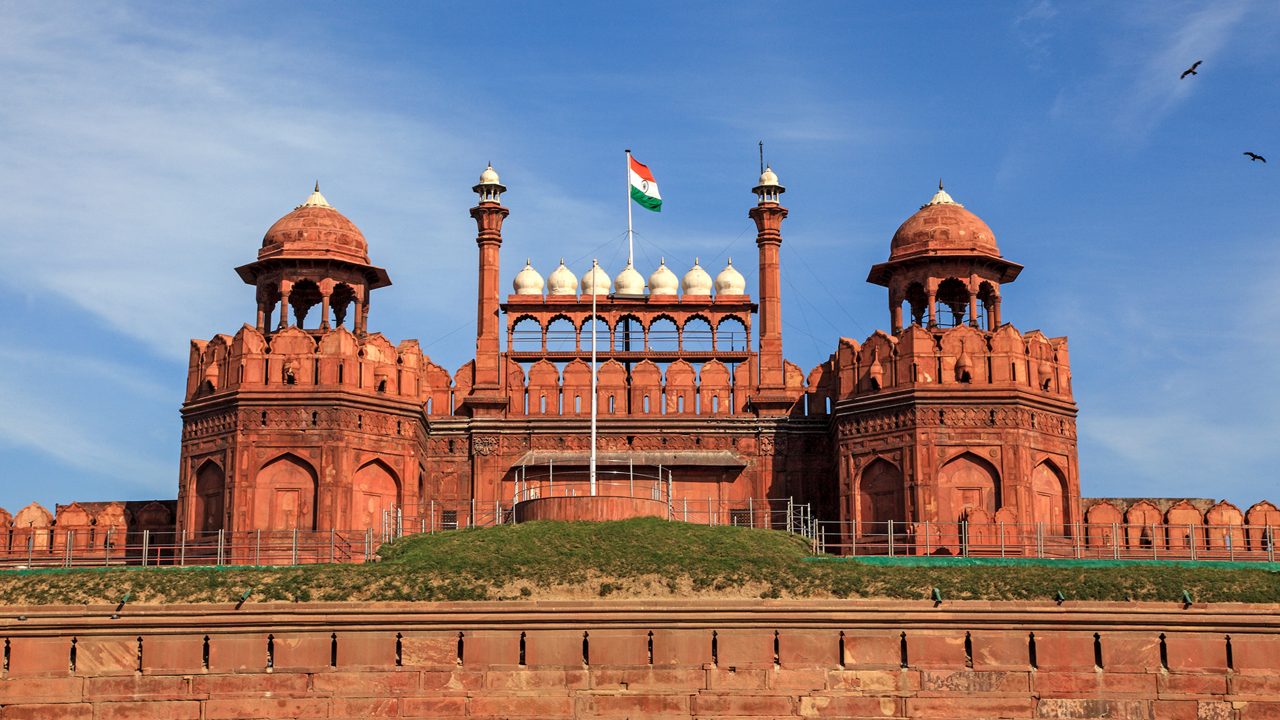
1. Red Fort
Red Fort is one of Delhi’s most important landmarks and a strong starting point for understanding the city’s historical identity. Visit in the morning for better crowd conditions and more comfortable weather. Allocate enough time to appreciate architecture and scale rather than rushing through key sections.
If you want deeper context before visiting, check Red Fort Delhi for focused planning details. This helps you structure your time better at the site.
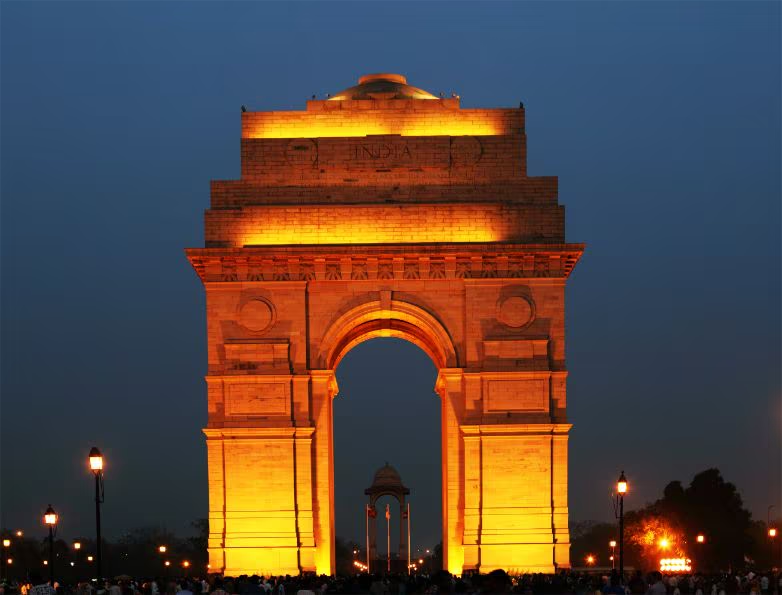
2. India Gate and Central Vista Area
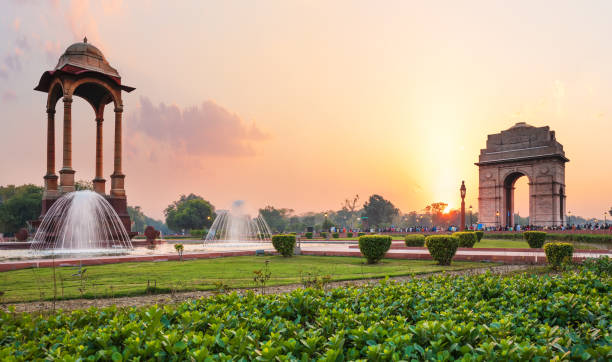
India Gate remains one of Delhi’s most accessible public spaces for evening visits, short walks, and open-air city views. The surrounding zone is useful for low-intensity itinerary segments, especially after monument-heavy mornings. Keep expectations practical: this is about atmosphere, movement, and city energy more than a long site tour.
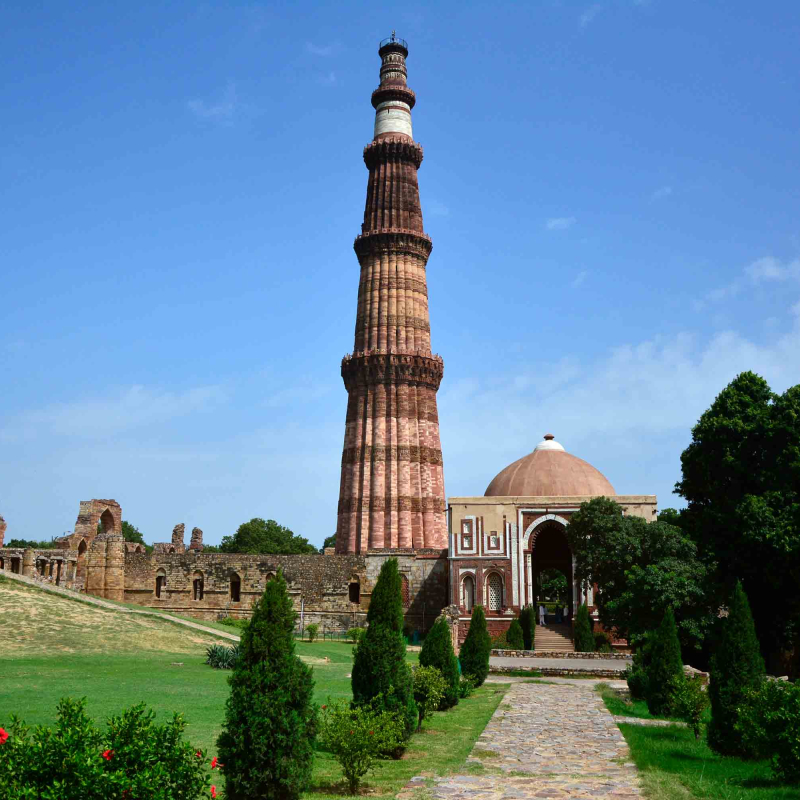
3. Qutub Minar Complex
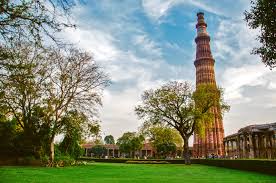
Qutub Minar is essential for architecture enthusiasts and first-time visitors. The complex offers visual depth, historic inscriptions, and a strong sense of medieval scale. Morning and late-afternoon slots are usually best for both weather and photography.
4. Humayun’s Tomb
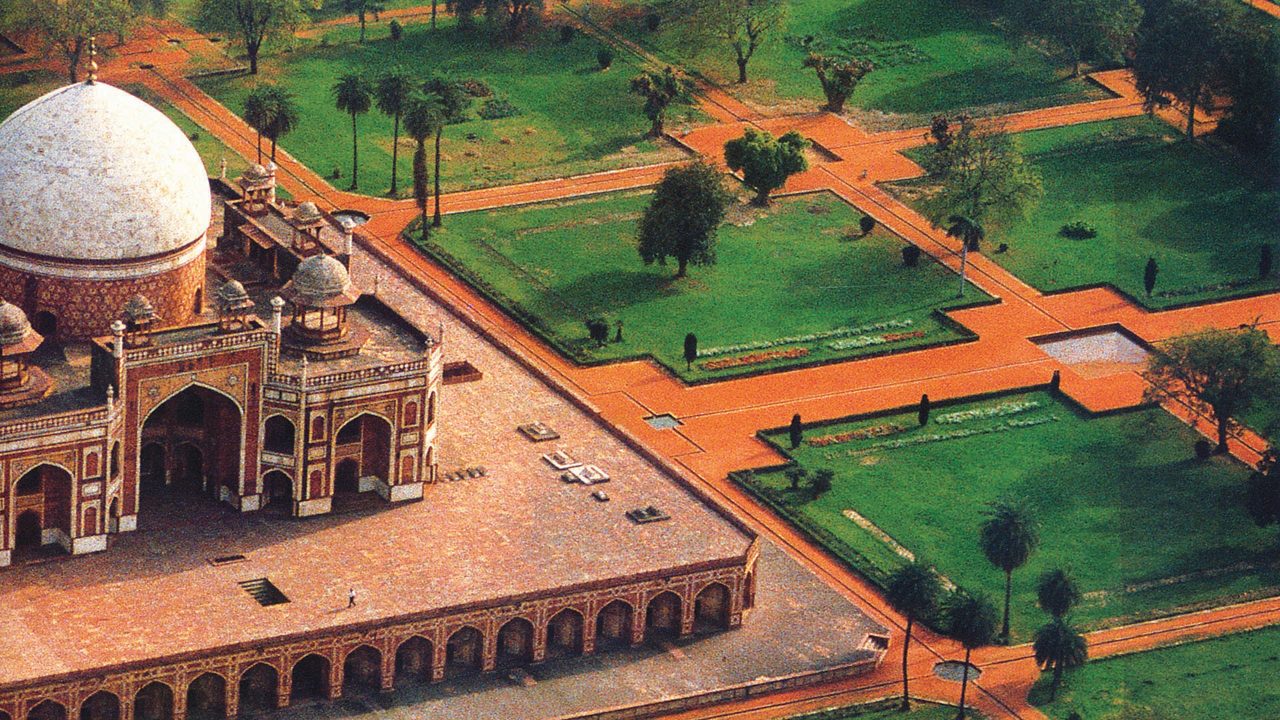
Humayun’s Tomb gives a more symmetrical and garden-oriented heritage experience. Compared with busier monuments, this site often feels calmer and easier to navigate. It is an excellent stop for travelers who want architecture plus open-space comfort in one location.
5. Lotus Temple
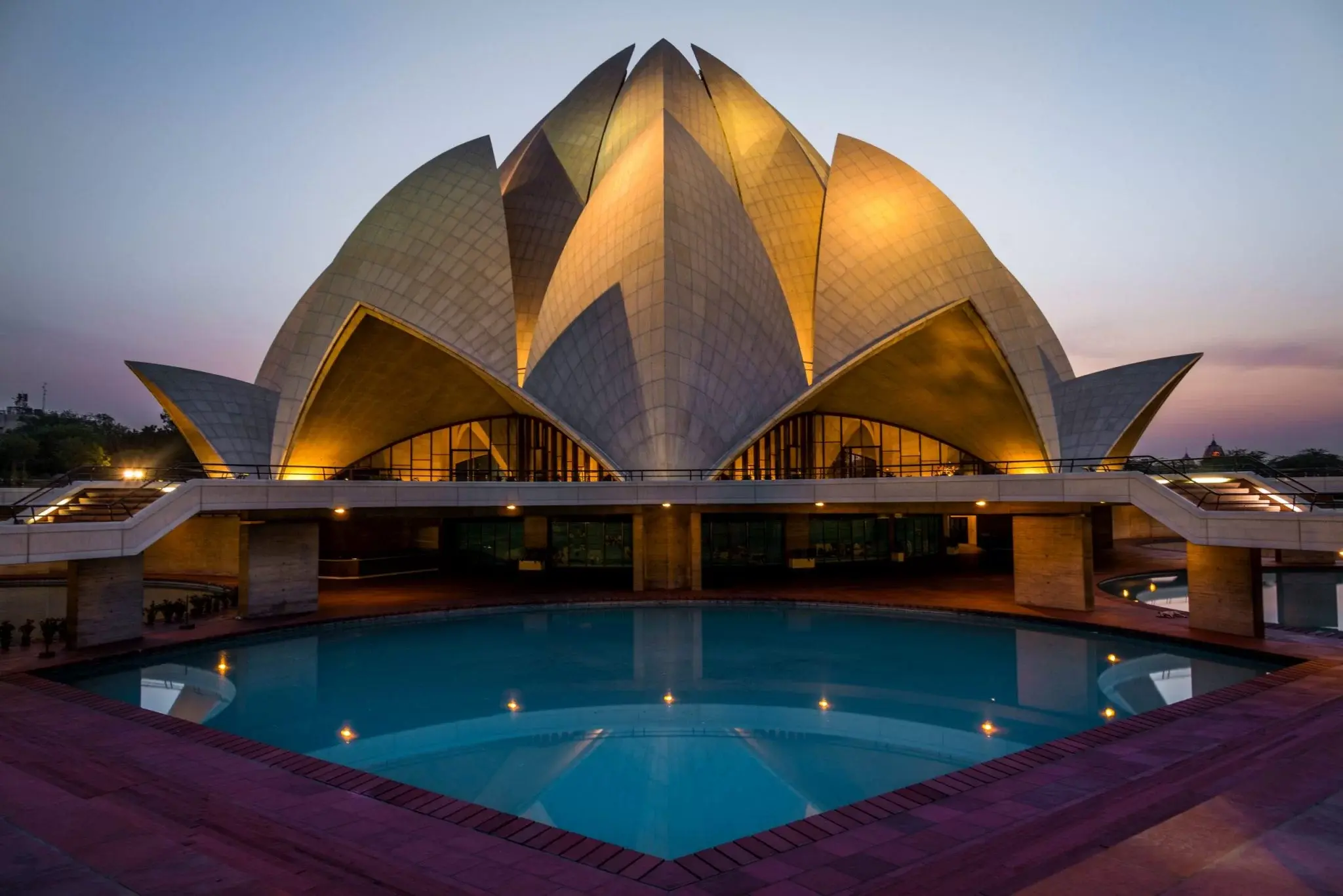
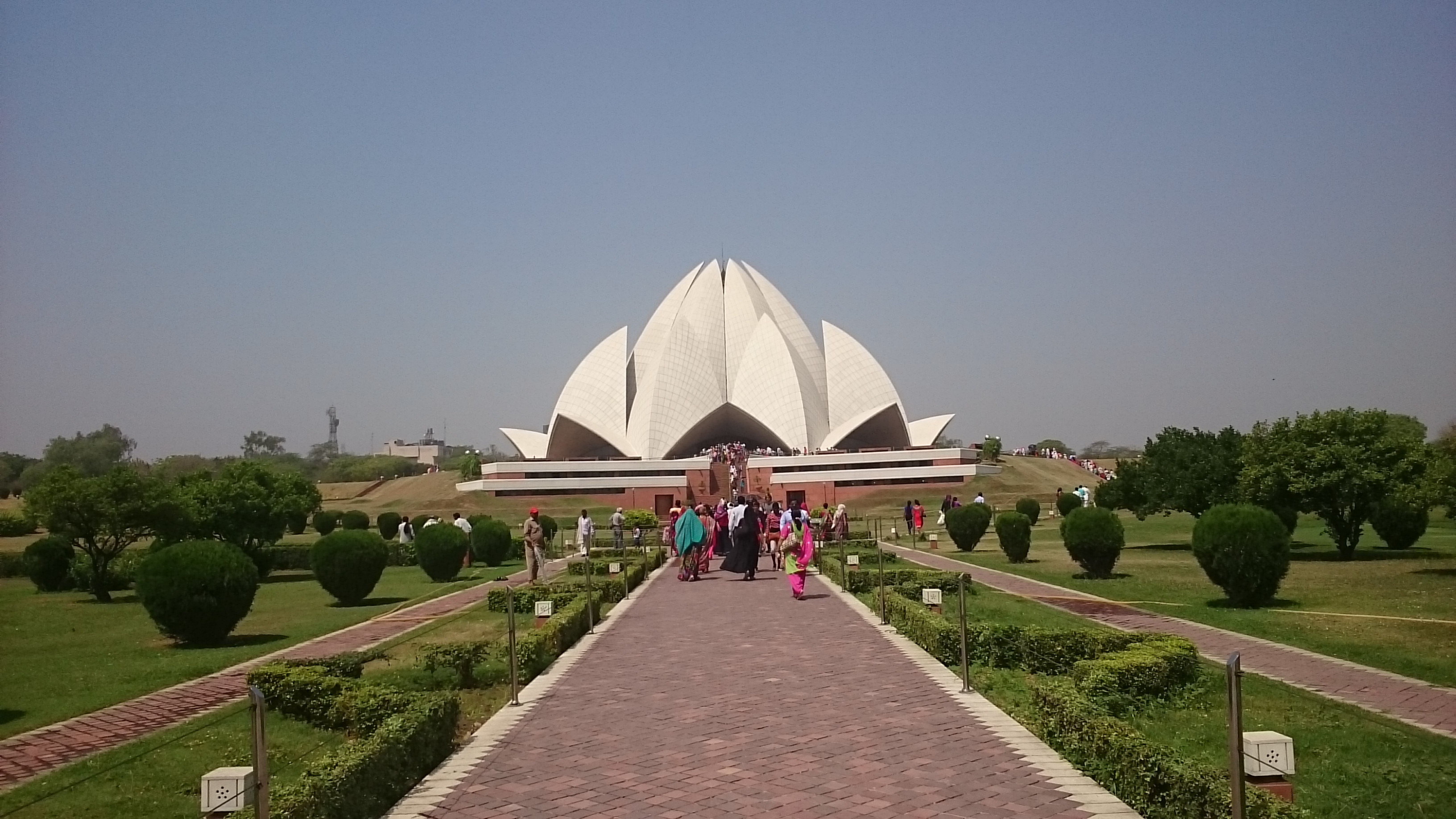
Lotus Temple is known for its distinctive design and quiet environment. It is suitable for travelers looking for reflective space rather than historical narration. Keep your visit respectful and plan around open hours to avoid wasted transit.
6. Jama Masjid
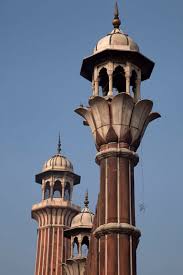
Jama Masjid offers one of the strongest old-city cultural experiences in Delhi. Visit with modest attire, follow on-site etiquette, and keep your movement patient around prayer times. The area around it can be combined with food exploration and heritage walking routes.
How to Plan Delhi by Zones
Zone-based planning is the biggest productivity upgrade for Delhi travel. Instead of crossing the city repeatedly, group attractions by area and complete 2 to 4 close stops per day. This lowers transit fatigue, improves punctuality, and gives more time at each location.
- Old Delhi zone: Red Fort, Jama Masjid, nearby food streets.
- Central zone: India Gate and ceremonial avenues.
- South zone: Qutub Minar, Lotus Temple, garden monuments.
Keep one buffer block each day for traffic and unplanned delays.
Best Time to Visit Delhi
October to March is generally the most comfortable season for sightseeing. Weather supports longer walking sessions and full-day plans. Summer travel is possible but requires early starts, indoor midday breaks, and hydration discipline. Monsoon visits can be rewarding with fewer crowds but need flexible outdoor scheduling.
For daily timing, mornings are best for monuments and afternoons for indoor or food segments. Evenings work well for open public spaces and lighter movement plans.
Suggested 3-Day Delhi Itinerary
Day 1: Old Delhi Heritage + Food
Red Fort, Jama Masjid, and one curated food walk. Keep the day compact and avoid unnecessary long-distance jumps.
Day 2: South Delhi Architecture
Qutub Minar, Humayun’s Tomb, and Lotus Temple with an early start and late-afternoon finish.
Day 3: Central Delhi + Flexible Add-ons
India Gate area plus one optional museum, market, or green-space stop depending on energy and interests.
Traveling with Family or Senior Members
If you are traveling with mixed-age groups, reduce attraction count and increase break quality. Keep one low-intensity slot every afternoon, use reliable transport between zones, and avoid long standing queues in peak heat. Family-friendly Delhi travel is less about covering maximum landmarks and more about maintaining comfort, safety, and consistent energy through the day.
Transport and Budget Tips
Metro plus app-based cabs is usually the best combination for Delhi visitors. Use metro for corridor efficiency and cabs for last-mile convenience. Avoid overdependence on point-to-point cabs for every segment because it increases cost and unpredictability during peak traffic.
Set a daily budget split: transport, meals, and entries. Carry water, comfortable shoes, and weather-appropriate layers. In winter, mornings can be significantly cooler than afternoons.
Quick Pre-Departure Checklist
Before leaving your hotel each morning, confirm opening hours, keep one indoor backup stop for weather uncertainty, and pin return transport points. This two-minute routine prevents most scheduling errors and keeps daily movement smooth across Delhi’s high-traffic corridors.
Local Food Planning for Better Delhi Days
Delhi’s food scene is a major travel highlight, but random food stops can disrupt your route. A smarter approach is to align meals with your zone plan: Old Delhi for classic street experiences, Central Delhi for structured breaks, and South Delhi for café-style pauses. Keep one lighter meal between heavy sightseeing blocks so your energy stays consistent. This small adjustment improves both comfort and productivity across long city days.
Common Mistakes to Avoid
- Trying to cover too many distant attractions in one day.
- Ignoring traffic buffers between zones.
- Skipping hydration and rest in warmer months.
- Planning monuments during their busiest midday windows.
- Not checking opening days/hours before departure.
How Delhi Fits a Multi-City India Trip
Delhi is often a gateway city, but it deserves dedicated time because of its cultural depth and route diversity. If your trip includes Hyderabad, compare movement planning with places to visit in Hyderabad and keep at least three full days in Delhi for a meaningful experience. Rushed stopovers usually capture only surface highlights.
Final Take
The best places to visit in Delhi become truly rewarding when approached with structure, pacing, and zone-wise logic. Focus on landmark quality over quantity, leave room for food and rest, and adapt each day to weather and traffic realities. With a smart plan, Delhi feels less overwhelming and far more memorable overall for most travelers.
Location
Frequently Asked Questions
Q1.What is the best time to visit Delhi?
Q2.How many days are enough for Delhi?
Q3.Which are the must-visit monuments in Delhi?
Q4.Is Delhi safe for tourists?
Q5.What is the best way to explore Delhi?
Q6.How to get around in Delhi?
Q7.What should I buy in Delhi?
Q8.What is Delhi famous for?
Recommended For You
India Gate Delhi: Best Time, Nearby Spots & Night Visit Details
Visit India Gate Delhi with this complete guide covering history, architecture, timings, evening experience, nearby attractions, and practical travel tips.
Qutub Minar Delhi: Complete Guide to UNESCO World Heritage Site
Explore Qutub Minar Delhi - tallest brick minaret & UNESCO site. Discover 800 years of Islamic architecture, the mysterious Iron Pillar & Delhi heritage.
Lotus Temple Delhi: Timings, Entry Rules & Best Visiting Hours
Lotus Temple Delhi complete visitor guide: FREE entry, timings (9 AM-5:30 PM winter, 9 AM-7 PM summer), nearest metro (Kalkaji Mandir), photography rules, dress code, meditation tips & best time to visit. Plan your peaceful retreat.
Never Miss an Adventure
Get the latest trekking guides, travel tips, and exclusive offers delivered straight to your inbox.
