
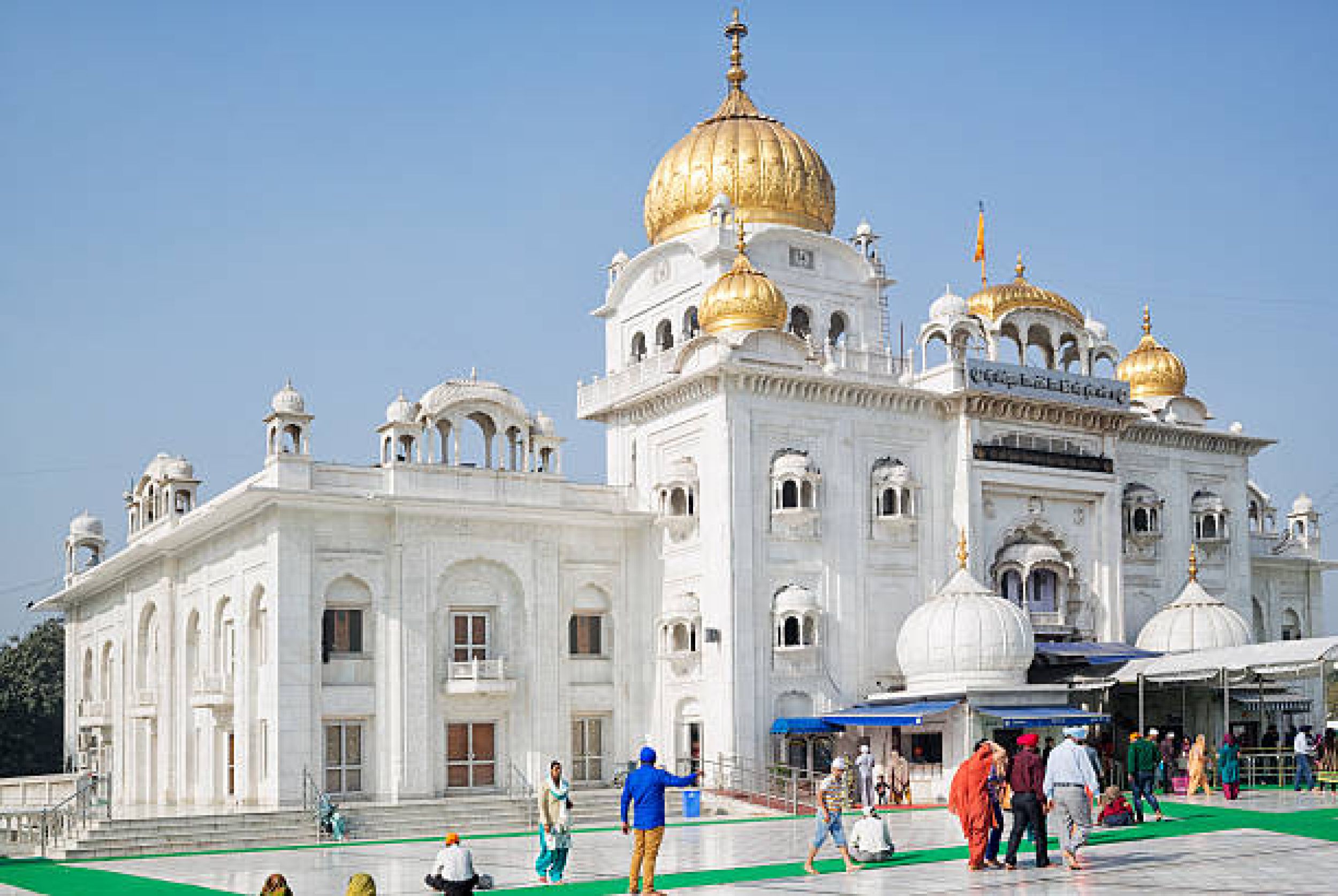
Gurudwara Bangla Sahib Delhi: Timings, Langar & Seva Information

Rohan Malhotra
December 5, 2025
Visit Gurudwara Bangla Sahib Delhi - sacred Sikh shrine dedicated to Guru Har Krishan. Discover lang timings, history, architecture, dress code & spiritual experience.
A Sanctuary of Service & Spirituality in the Heart of Delhi
Near Connaught Place, amidst the bustling chaos of India's capital, lies an oasis of peace that welcomes everyone regardless of faith, caste, or creed. Gurudwara Bangla Sahib, one of Delhi's most prominent Sikh shrines, is not just a place of worship—it's a living testament to the Sikh principles of equality, service, and devotion. What makes Bangla Sahib special is its remarkable story. This wasn't built as a monument to glory, but dedicated to the memory of Guru Har Krishan, the eighth Sikh Guru, who served the sick and dying during a devastating epidemic. Today, that spirit of service lives on through the gurudwara's legendary langar (community kitchen), which feeds 35,000-50,000 people daily—free of charge, no questions asked. For visitors, Bangla Sahib offers a profoundly moving experience. Whether you're spiritual or secular, the sound of Gurbani (Sikh hymns) resonating through the prayer hall, the sight of volunteers preparing food in the open kitchen, and the serenity of the sacred Sarovar (holy pond) create an atmosphere that transcends religious boundaries. This guide covers everything you need to know for a meaningful visit.The History Behind Bangla Sahib
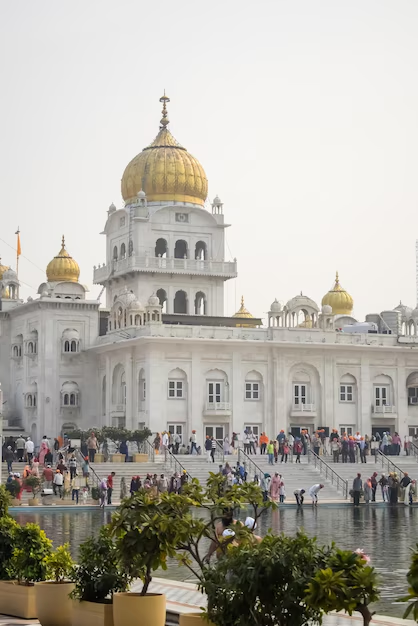 The story of Gurudwara Bangla Sahib begins with tragedy but transforms into hope. In 1664, Guru Har Krishan Sahib, then just eight years old, traveled to Delhi at the summons of Mughal Emperor Aurangzeb. During his stay, a smallpox and cholera epidemic swept through the city.Why This Matters: The gurudwara isn't just a building—it's a monument to selfless service. Everything here, from the langar to the medical facilities, continues Guru Har Krishan's legacy of caring for the sick and needy.
Architecture: A Vision in White & Gold
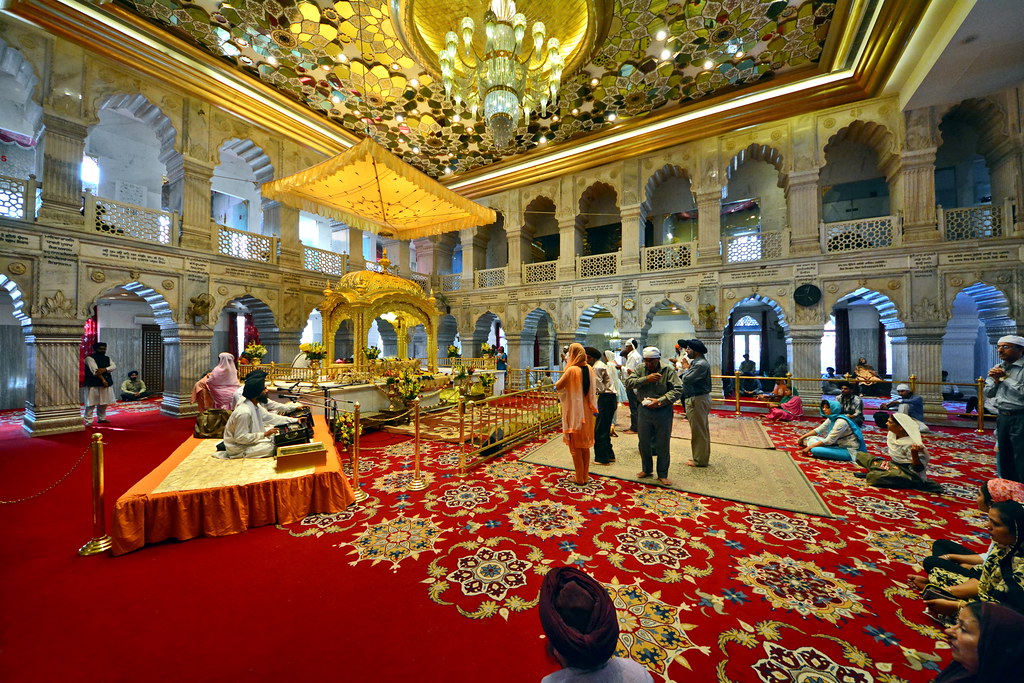 Bangla Sahib's architecture is instantly recognizable: gleaming white marble structures crowned with golden domes, surrounded by a large sacred pool. Designed in the Sikh architectural style, the complex radiates serenity and grandeur.
Key Features:
Bangla Sahib's architecture is instantly recognizable: gleaming white marble structures crowned with golden domes, surrounded by a large sacred pool. Designed in the Sikh architectural style, the complex radiates serenity and grandeur.
Key Features:
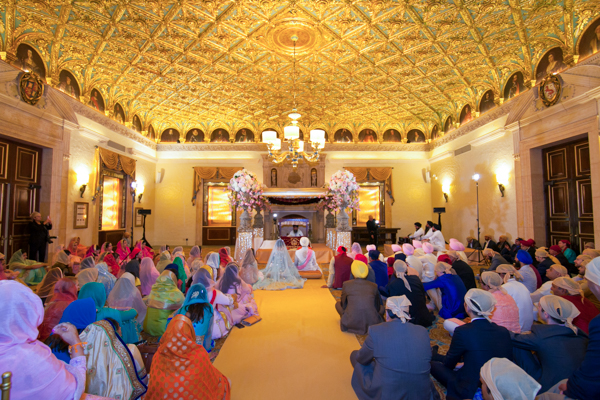
- The Main Prayer Hall: At the heart of the gurudwara, this hall houses the Guru Granth Sahib (the Sikh holy scripture). The floor is covered with carpets, and devotees sit cross-legged to listen to continuous recitations of Gurbani. The atmosphere is peaceful, with the sound of hymns creating a meditative ambiance.
- The Golden Dome: The iconic gold-plated dome rises above the prayer hall, visible from afar. Unlike many religious structures that are closed off, Bangla Sahib's architecture is welcoming—open courtyards, wide staircases, and accessible spaces invite everyone in.
- The Sarovar (Holy Pond): The large rectangular pool in the center of the complex is fed by the same well used during Guru Har Krishan's time. Devotees believe its water has healing properties. The reflection of the golden dome in the still water creates a mesmerizing sight, especially at night.
- The Langar Hall: A massive dining area where volunteers prepare and serve meals to thousands daily. The kitchen is visible, allowing visitors to witness the community service in action.
- The Yatri Niwas: Accommodation for pilgrims who've traveled from afar, available at minimal cost.
The Langar: A Lesson in Equality
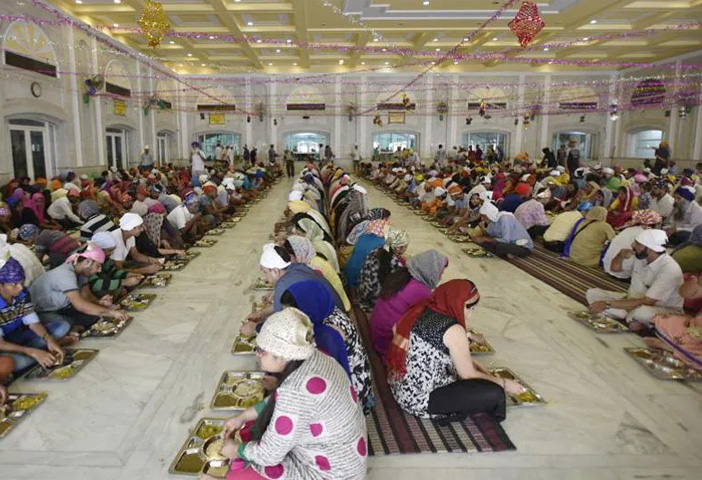 If there's one experience that defines Bangla Sahib, it's the langar. The Sikh tradition of free community meals was revolutionary when established by Guru Nanak 500 years ago—it challenged caste hierarchies by having everyone, regardless of social status, sit together and eat the same food.
What Makes Langar Special:
If there's one experience that defines Bangla Sahib, it's the langar. The Sikh tradition of free community meals was revolutionary when established by Guru Nanak 500 years ago—it challenged caste hierarchies by having everyone, regardless of social status, sit together and eat the same food.
What Makes Langar Special:
- Scale: Bangla Sahib serves 35,000-50,000 meals daily, with numbers reaching 100,000 during festivals and special occasions
- Continuous Service: The kitchen operates 24 hours; food is always available
- Volunteer-Run: Everyone you see—chopping vegetables, cooking, serving, cleaning—is a volunteer (sevadar). Some are regulars, others first-time visitors who decided to help
- Funding: Supported entirely by donations. The gurudwara accepts no government funding; everything operates on community contributions (dasvandh)
Gurudwara Bangla Sahib Timings
| Activity | Timings |
|---|---|
| Gurudwara Open | 24 hours (all days) |
| Morning Prayers (Asa di Var) | 4:00 AM - 8:00 AM |
| Evening Prayers (Rehras) | 7:00 PM - 8:00 PM |
| Night Prayers (Kirtan Sohila) | 9:00 PM - 10:00 PM |
| Langar Served | 24 hours (most active: 9 AM - 11 PM) |
| Sarovar Bath | 24 hours (separate hours for men and women) |
| Shoe Storage | 24 hours (free service) |
- Early Morning (4-6 AM): Experience the Asa di Var morning prayers; serene and less crowded
- Late Evening (9-10 PM): Night prayers are magical; the gurudwara is beautifully lit
- Weekdays: Less crowded than weekends (Saturdays and Sundays see maximum footfall)
How to Reach Gurudwara Bangla Sahib
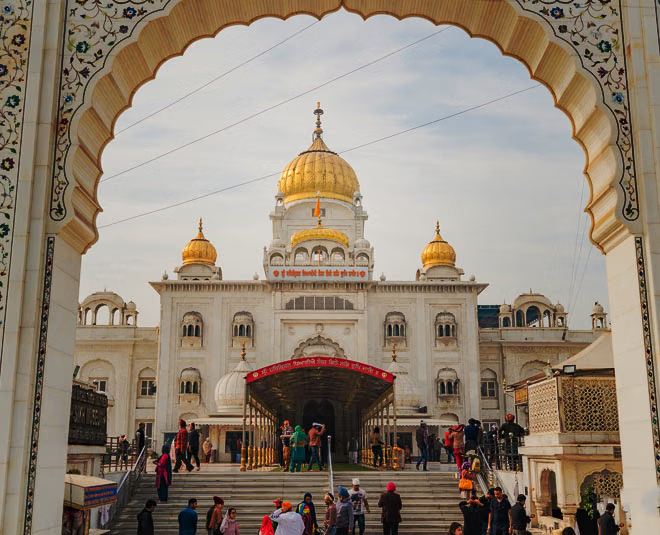 Address: Baba Kharak Singh Marg, Connaught Place, New Delhi - 110001
By Metro:
Address: Baba Kharak Singh Marg, Connaught Place, New Delhi - 110001
By Metro:
- Nearest Station: Rajiv Chowk (Yellow Line) or Patel Chowk (Violet Line)
- Walking Distance: 10-15 minutes from either station
- Exit: Use Gate 5 at Rajiv Chowk and walk towards Baba Kharak Singh Marg
- Several DTC buses pass through Connaught Place
- Get down at Gol Dak Khana or Gurdwara Bangla Sahib bus stop
- Auto-rickshaws available from Connaught Place (₹30-50)
- Uber and Ola drop-off point is at Baba Kharak Singh Marg
- Vehicles cannot enter the gurudwara complex—prepare to walk the final stretch
- Indira Gandhi International Airport is 18 km away (45-60 minutes by taxi)
- New Delhi Railway Station is 2 km away; auto-rickshaws cost ₹50-80
Dress Code & Etiquette: What to Know Before You Go
 Dress Code:
- Head Covering: Mandatory for everyone. Men: handkerchief, bandana, or turban. Women: dupatta or scarf (can be borrowed free at entrance)
- Modest Clothing: Shoulders and knees must be covered. Avoid shorts, sleeveless tops, or revealing clothing
- Footwear: Shoes must be removed before entering. Free shoe storage and washing facilities are available
- No Leather: Avoid leather articles (jackets, belts) inside the main complex
- Cleanliness: Wash your hands and feet before entering (facilities provided)
- Respect: Maintain silence in the prayer hall. Turn off mobile phones or keep on silent mode
- Posture: Sit cross-legged on the floor in the prayer hall. Point your feet away from the Guru Granth Sahib (holy scripture)
- Photography: Allowed in the complex but NOT inside the prayer hall. Always ask permission before photographing people
- Offerings: You can offer prasad (sacred food) or money. Bow your head respectfully when offering
- Langar: Everyone sits on the floor in rows (pangat). Wait for everyone to be served before eating
- Smoking/Alcohol: Strictly prohibited in the entire complex
- Free audio guides available in English, Hindi, and other languages
- Volunteers are happy to explain traditions and answer questions
- Participation in seva (volunteer service) is welcomed and encouraged
The Sarovar: Sacred Waters & Healing Beliefs
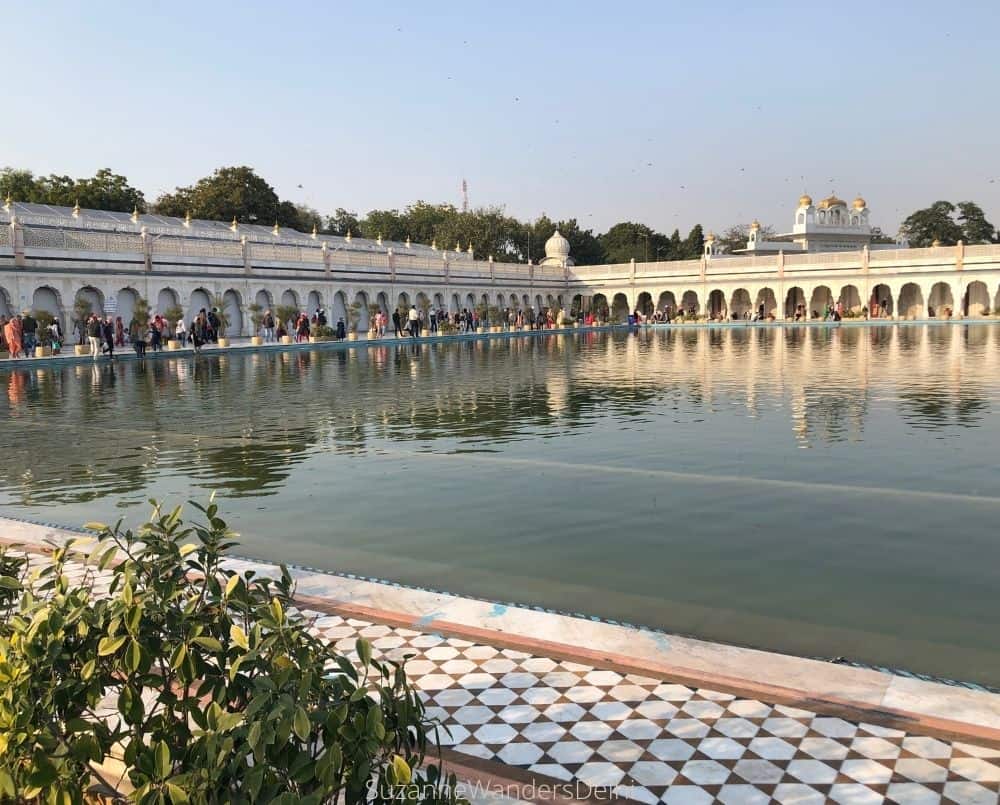 The Sarovar (holy tank) is the spiritual heart of Bangla Sahib. Legend says this water comes from the same well that Guru Har Krishan used to provide water to smallpox victims. Devotees believe the water has healing properties, particularly for skin ailments and diseases.
Significance:
The Sarovar (holy tank) is the spiritual heart of Bangla Sahib. Legend says this water comes from the same well that Guru Har Krishan used to provide water to smallpox victims. Devotees believe the water has healing properties, particularly for skin ailments and diseases.
Significance:
- Historic Connection: The well dates to Guru Har Krishan's time (1664)
- Healing Beliefs: Many take water home for sick family members. Others bathe in the Sarovar seeking physical or spiritual healing
- Feeding Fish: The Sarovar is full of fish. Feeding them is considered meritorious (you can buy fish food at the gurudwara)
- Separate Hours: Men and women have designated hours for bathing (check at information desk)
- Modesty: Bathing is done in full clothing. No swimwear or bare chests
- Cleanliness: Soap and oils are not allowed in the Sarovar
Best Time to Visit Bangla Sahib
| Time | Experience | When to Go |
|---|---|---|
| Early Morning | Asa di Var prayers, peaceful atmosphere, fewer crowds | 4:00 AM - 6:00 AM |
| Late Morning | Lots of activity, langar in full swing, families visiting | 9:00 AM - 11:00 AM |
| Afternoon | Hot and humid in summer; good for winter visits | 12:00 PM - 4:00 PM |
| Evening | Golden hour photography, cooler temperatures, Rehras prayers | 6:00 PM - 8:00 PM |
| Night | Magical lighting, peaceful, Kirtan Sohila (night prayers) | 9:00 PM - 10:00 PM |
- October-March (Winter): Best weather. Cool and pleasant, ideal for visiting
- April-June (Summer): Very hot (35-40°C). Visit early morning or late evening
- July-September (Monsoon): Humid but fewer tourists. The complex is beautiful during rain
- Guru Har Krishan's Birthday: Celebrated in July with special decorations and extended langar service
- Diwali & Bandi Chhor Divas: Beautiful illuminations, special night prayers
- Hola Mohalla: Sikh festival in March with martial arts displays
Nearby Attractions: Plan a Full Day
Gurudwara Bangla Sahib is centrally located, making it easy to combine with other Delhi attractions:- Chandni Chowk: 2 km away. Old Delhi's famous market—explore lanes selling spices, jewelry, textiles, and street food (Paranthe Wali Gali is legendary)
- Connaught Place: Walking distance. Colonial-era circular market with cafes, shops, and the Central Park
- Jantar Mantar: 500 meters. 18th-century astronomical observatory with massive instruments
- Rajpath & India Gate: 3 km. The Republic Day parade route and war memorial—beautiful at sunset
- Agrasen ki Baoli: 1.5 km. Ancient stepwell—hauntingly atmospheric and great for photography
- Morning: Visit Gurudwara Bangla Sahib (4-8 AM) for morning prayers and langar
- Mid-Morning: Explore Jantar Mantar and Agrasen ki Baoli
- Lunch: Connaught Place restaurants
- Afternoon: National Museum or shopping at Sarojini Nagar Market
- Evening: India Gate lawns for picnic or romantic stroll
Conclusion: Experience the Spirit of Seva
Gurudwara Bangla Sahib offers more than sightseeing—it offers perspective. In a city of 20 million, where everyone rushes somewhere, here you'll find thousands who've come only to serve. The langar volunteers who peel potatoes for hours, the man who washes dishes without being asked, the child who guides first-time visitors to the prayer hall—this is seva (selfless service) in action. Whether you're seeking spiritual solace, curious about Sikhism, or simply want to witness extraordinary community service, Bangla Sahib delivers. It's a reminder that compassion has no religious boundaries, and that the act of feeding someone—anyone—without expectation of return, is among the noblest of human endeavors. Visit with an open heart. Stay for langar. Wash a few dishes if inspired. And leave with something more than memories: leave with a lesson in humility that only places like Bangla Sahib can teach. For those interested in exploring more spiritual sites in Delhi, the city has numerous shrines representing all faiths. And if you're visiting during summer, consider our guide on summer getaways near Delhi to escape the heat.Location
Frequently Asked Questions
Q1.What are the timings of Gurudwara Bangla Sahib?
Gurudwara Bangla Sahib is open 24 hours, all days of the week, allowing visitors to seek solace at any time.
Key Timings:
- Gurudwara Complex: Open 24 hours (entry free)
- Morning Prayers (Asa di Var): 4:00 AM - 8:00 AM
- Evening Prayers (Rehras): 7:00 PM - 8:00 PM
- Night Prayers (Kirtan Sohila): 9:00 PM - 10:00 PM
- Langar (Free Meals): Served 24 hours, most active from 9:00 AM to 11:00 PM
- Sarovar (Holy Bath): Available 24 hours; separate hours for men and women
Best Time to Visit: Early morning (4-6 AM) or late evening (9-10 PM) for a peaceful experience. Weekends are crowded—weekdays are less busy.
Q2.What is the history of Gurudwara Bangla Sahib?
Gurudwara Bangla Sahib's history is rooted in service and sacrifice, dedicated to the eighth Sikh Guru, Guru Har Krishan Sahib.
Historical Timeline:
- 1664: Guru Har Krishan, then eight years old, visited Delhi at the summons of Mughal Emperor Aurangzeb
- The Epidemic: A smallpox and cholera epidemic swept through Delhi while the Guru stayed at Raja Jai Singh's bungalow ("bangla")
- Service: While others fled, Guru Har Krishan chose to stay and serve the sick and dying
- Sacrifice: The Guru contracted smallpox and passed away at age seven, but not before guiding Sikhs to the next Guru ("Baba Bakale"—referring to Guru Tegh Bahadur)
- Legacy: The bungalow became a sacred site, evolving over centuries into the current gurudwara
Why This Matters: The gurudwara commemorates Guru Har Krishan's selfless service, especially to the sick and needy. The langar tradition continues this legacy—feeding 35,000-50,000 people daily, just as the Guru served victims of the 1664 epidemic.
Q3.What are the langar timings at Bangla Sahib?
Langar is served 24 hours at Gurudwara Bangla Sahib, ensuring no one leaves hungry, regardless of when they arrive.
Complete Langar Schedule:
- Service Hours: 24 hours (all day, every day)
- Most Active: 9:00 AM to 11:00 PM (larger crowds, more volunteers)
- Quieter Times: 1:00 AM to 5:00 AM (fewer people, still food available)
- Preparation: Kitchen active 24 hours with volunteers chopping, cooking, and serving
What's Served:
- Typically: Dal (lentils), rice, roti (flatbread), sabzi (vegetable), and kheer (dessert)
- Menu varies; everything is vegetarian and prepared under strict hygiene
- All food is prasad (blessed)—accept it with respect
Who Can Eat: Anyone—no discrimination based on religion, caste, gender, or economic status. This equality is the core principle of langar established by Guru Nanak.
Seva (Volunteer Service): Visitors are welcome (and encouraged) to participate in cooking, serving, or cleaning. This is considered a spiritual act, not just help.
Q4.How do I reach Gurudwara Bangla Sahib?
Gurudwara Bangla Sahib is centrally located near Connaught Place.
By Metro: Rajiv Chowk station (Blue/Yellow lines) is 500 meters away—5-minute walk through Baba Kharak Singh Marg.
By Rail: New Delhi Railway Station is 2 km (10-15 min by auto/taxi, ₹50-150).
By Air: Indira Gandhi International Airport is 16 km (30-45 min by taxi/metro, ₹300-800).
By Bus: DTC buses stop at Baba Kharak Singh Marg right outside the gurudwara. Parking is limited but available on first-come basis.
The central location makes it easily accessible from any part of Delhi via metro, taxi, auto-rickshaw, or bus.
Q5.What is the dress code for visiting Bangla Sahib?
Modest dress and head covering are mandatory for all visitors to Gurudwara Bangla Sahib, regardless of gender or religion.
Dress Code Requirements:
- Head Covering: Mandatory for everyone. Men: handkerchief, bandana, or turban. Women: dupatta or scarf. Free head coverings are available at the entrance if you don't have one
- Modest Clothing: Shoulders and knees must be covered. Avoid: shorts, mini-skirts, sleeveless tops, revealing outfits. Recommended: full pants/salwar, shirts/kurtas with sleeves
- No Leather: Avoid leather jackets, belts, or shoes inside the main complex (leather is considered disrespectful in Sikh gurudwaras)
- Footwear: All shoes must be removed before entering. Free shoe storage and foot washing facilities are provided
Additional Guidelines:
- Cleanliness is important—wash hands and feet before entering (facilities provided)
- Avoid transparent or tight-fitting clothing
- Scarves should be large enough to properly cover the head (small decorative scarves are insufficient)
- If your clothing is deemed inappropriate, you'll be politely asked to cover up (gowns available at entrance)
For Women: Salwar kameez, sarees, or long skirts with tops are ideal. Avoid heavy makeup—simplicity is valued.
For Men: Pants/shirts, kurta-pajama, or traditional Indian wear. Avoid shorts and tank tops.
Q6.Is photography allowed inside Gurudwara Bangla Sahib?
Photography is allowed in the gurudwara complex but NOT inside the main prayer hall where the Guru Granth Sahib (holy scripture) is kept.
Photography Rules:
- Allowed: Exterior of the gurudwara, Sarovar (holy pond), langar hall, courtyards, and complex
- NOT Allowed: Inside the main prayer hall where the Guru Granth Sahib is present—this is considered disrespectful
- Respect: Always ask permission before photographing people, especially those engaged in prayer or seva (volunteer service)
- Flash: Avoid using flash inside the complex—it disturbs worshippers and the peaceful atmosphere
- Selfies: Selfies are allowed outdoors but avoid taking them during prayers or in the prayer hall
Videography:
- Allowed in the complex for personal use
- NOT permitted inside the prayer hall
- Commercial photography requires prior permission from gurudwara management
Social Media: It's acceptable to share photos of your visit, but do so respectfully—avoid captions or poses that mock sacred traditions.
Golden Rule: When in doubt, ask a volunteer or gurudwara staff. They're always happy to guide visitors on proper etiquette.
Q7.What is the significance of the holy pond at Bangla Sahib?
The Sarovar (holy pond) at Gurudwara Bangla Sahib is believed to have healing properties and is intrinsically linked to Guru Har Krishan's service during the 1664 epidemic.
Historical Significance:
- The Sarovar is fed by the same well that Guru Har Krishan used to provide water to smallpox and cholera victims
- When the epidemic devastated Delhi, this well was a lifeline—providing clean water when other sources were contaminated
- The Guru's compassion in serving the sick is honored through the Sarovar
Spiritual Beliefs:
- Healing Properties: Devotees believe the water has curative powers, especially for skin diseases and ailments
- Physical Healing: Many bathe in the Sarovar seeking relief from illnesses
- Spiritual Cleansing: The water is considered sacred; even touching it or taking it home is believed to bring blessings
- Feeding Fish: The Sarovar is full of fish—feeding them is considered meritorious (fish food available at the gurudwara)
Etiquette for Bathing:
- Separate Hours: Men and women have designated hours for bathing (check at the information desk)
- Modesty: Bathe in full clothing. No swimwear, no bare chests
- Cleanliness: No soap, oils, or shampoos allowed in the Sarovar (sacred waters must be kept pure)
- Respect: Maintain silence and reverence around the Sarovar
Even if you don't bathe, sitting by the Sarovar and watching the golden dome's reflection is a peaceful, meditative experience.
Q8.Can foreigners visit Gurudwara Bangla Sahib?
Yes, Gurudwara Bangla Sahib warmly welcomes visitors of all nationalities, religions, and backgrounds—no exceptions. Sikh gurudwaras are open to everyone, embodying the principles of equality and inclusivity.
What Foreigners Can Expect:
- Welcoming Atmosphere: Volunteers and staff are used to international visitors and are happy to help
- Language Support: Free audio guides available in multiple languages including English, Hindi, French, German, and Japanese
- No Pressure: You're free to observe, participate in langar, or simply absorb the atmosphere—no obligation to participate in rituals
- Cultural Education: Many volunteers are eager to explain Sikh traditions, the significance of the langar, and the history of the gurudwara
Special Considerations for Foreign Visitors:
- Dress Code: Same rules apply—head covering and modest clothing required (free head coverings available)
- Etiquette: No prior knowledge needed—just follow what others do or ask for guidance
- Photography: Same rules apply—allowed in complex, not in prayer hall
- Seva (Volunteering): Foreign visitors are welcome (and encouraged) to participate in langar preparation or serving
Best Approach: Visit with an open mind and respectful curiosity. Ask questions freely—Sikhs are proud of their traditions and happy to share them. The langar is often the highlight for foreign visitors: seeing the scale of community service and the equality with which everyone is treated is a powerful experience that transcends cultural boundaries.
Tip: If you're uncomfortable, visit early morning or late evening when it's less crowded. You'll have a more personal experience and can interact more easily with volunteers.
Q9.What is the best time to visit Bangla Sahib?
The best time to visit Gurudwara Bangla Sahib depends on your priorities—whether you want a peaceful spiritual experience, vibrant community energy, or comfortable weather.
By Time of Day:
- Early Morning (4-6 AM): BEST for peaceful experience. Witness Asa di Var morning prayers, fewer crowds, serene atmosphere, cool temperatures in summer
- Late Morning (9-11 AM): Lively with families, langar in full swing, good energy but more crowded
- Afternoon (12-4 PM): Hot in summer; manageable in winter. Fewer visitors
- Evening (6-8 PM): Golden hour for photography, cooler, Rehras prayers. Popular time—expect crowds
- Night (9-10 PM): Magical. Beautifully lit, Kirtan Sohila (night prayers), very peaceful. Highly recommended
By Season:
- October-March (Winter): BEST weather. Cool and pleasant (10-25°C). Ideal for exploring. Peak tourist season—expect maximum visitors.
- April-June (Summer): Hot and humid (35-40°C). Visit early morning or late evening to avoid heat. Fewer tourists
- July-September (Monsoon): Humid but beautiful. The gurudwaga complex looks stunning during rain. Fewer tourists
By Day of Week:
- Weekdays: Less crowded, shorter queues for langar
- Weekends (Saturday & Sunday): Maximum footfall. Expect large families and extended wait times
Special Occasions: Guru Har Krishan's birthday (July), Diwali (October/November), and Hola Mohalla (March) feature special decorations and extended services—but are extremely crowded.
Personal Recommendation: Visit on a weekday morning in winter (4-6 AM) for the perfect balance of spiritual energy, manageable crowds, and comfortable weather.
Q10.Is there any entry fee for Gurudwara Bangla Sahib?
No, there is absolutely no entry fee for Gurudwara Bangla Sahib—or any Sikh gurudwara, anywhere in the world. All services are completely free.
What's Free:
- Entry: No charge, no tickets required
- Langar (Meals): Completely free for everyone—no donations expected or required
- Head Coverings: Free scarves/bandanas available at entrance
- Shoe Storage: Free shoe keeping service
- Pra-shad (Sacred Food): Distributed freely to all visitors
- Drinking Water: Free water coolers available throughout complex
- Sarovar Bath: No charge for holy bath
Voluntary Donations:
- Donation boxes are available throughout the complex for those who wish to contribute (dasvandh—10% of income—is a Sikh tradition, but purely voluntary)
- You can donate money, dry rations (rice, dal, flour), or your time (volunteer service called "seva")
- All donations fund the langar, maintenance, and community services
- Donation receipts are available for tax exemption (if required)
Why Free? The Sikh concept of langar (community kitchen) is built on the principle of equality—everyone sits together and eats the same food, regardless of status. Charging for entry or meals would violate this principle.
No Hidden Costs: You can visit, eat, participate, and leave without spending a single rupee. However, most visitors choose to donate or volunteer as a way of giving back and supporting the gurudwara's mission of service.
Recommended For You
Rajpath Delhi to Kartavya Path: History, Route & Key Landmarks
Complete Rajpath Delhi guide covering history, Kartavya Path context, practical visit tips, and nearby landmark combinations.
Sarojini Nagar Market Delhi: Best Lanes, Price Range & Shopping Tips
Sarojini Nagar Market Delhi - Complete shopping guide with timings, nearest metro, bargaining tips & best buys. Export surplus clothes, shoes & accessories.
Places Near Delhi in Summer: Cool Weekend Escapes by Distance
Plan summer getaways near Delhi with destination filters, route models, and heat-control travel tactics for smoother weekend trips.
Never Miss an Adventure
Get the latest trekking guides, travel tips, and exclusive offers delivered straight to your inbox.
