
Heritage
Diu Fort: Timings, Entry, History & Walking Route

Rohan Malhotra
January 11, 2026
18 min read4,152 views
Explore Diu Fort, a 16th-century Portuguese coastal fortress offering stunning Arabian Sea views, rich military history, and perfect sunset photography opportunities on Diu Island.
Diu Fort Overview
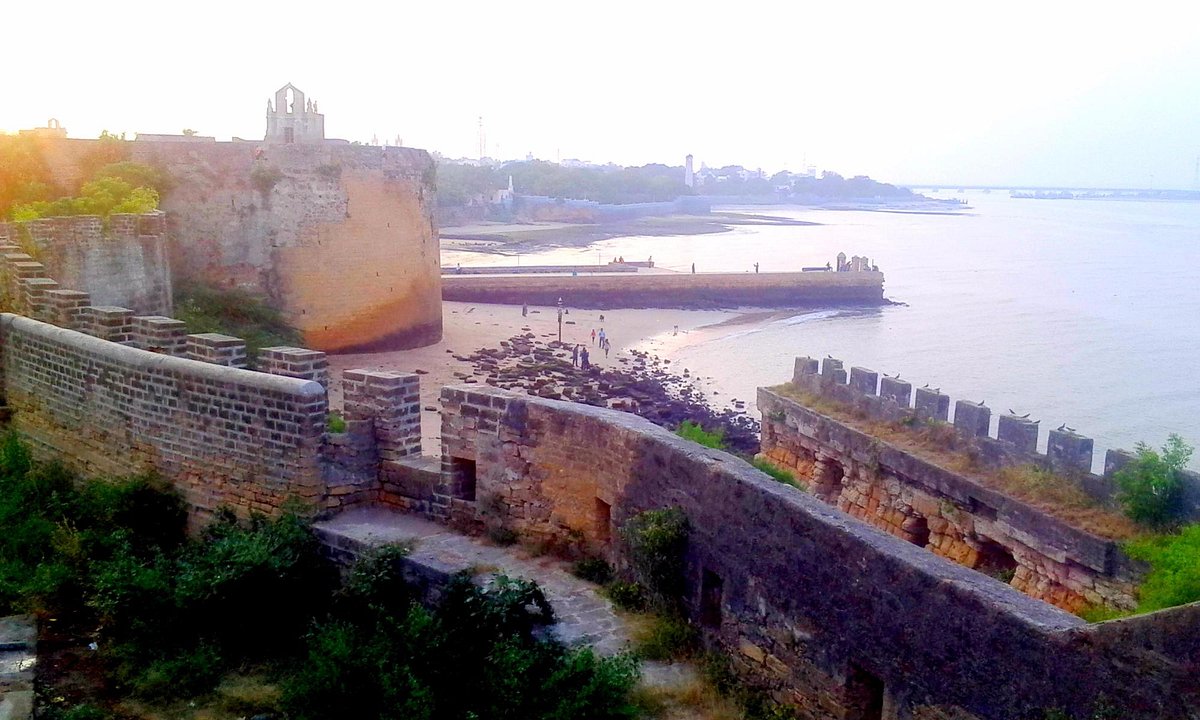
Standing majestically on the coast of Diu island, Diu Fort represents one of India's most impressive Portuguese colonial fortifications. This massive fortress, with its imposing walls and strategic location, offers visitors a fascinating glimpse into the maritime history of the region while providing breathtaking views of the Arabian Sea. Unlike many heritage sites that feel disconnected from their surroundings, Diu Fort remains an integral part of the island's landscape, seamlessly blending historical significance with natural beauty.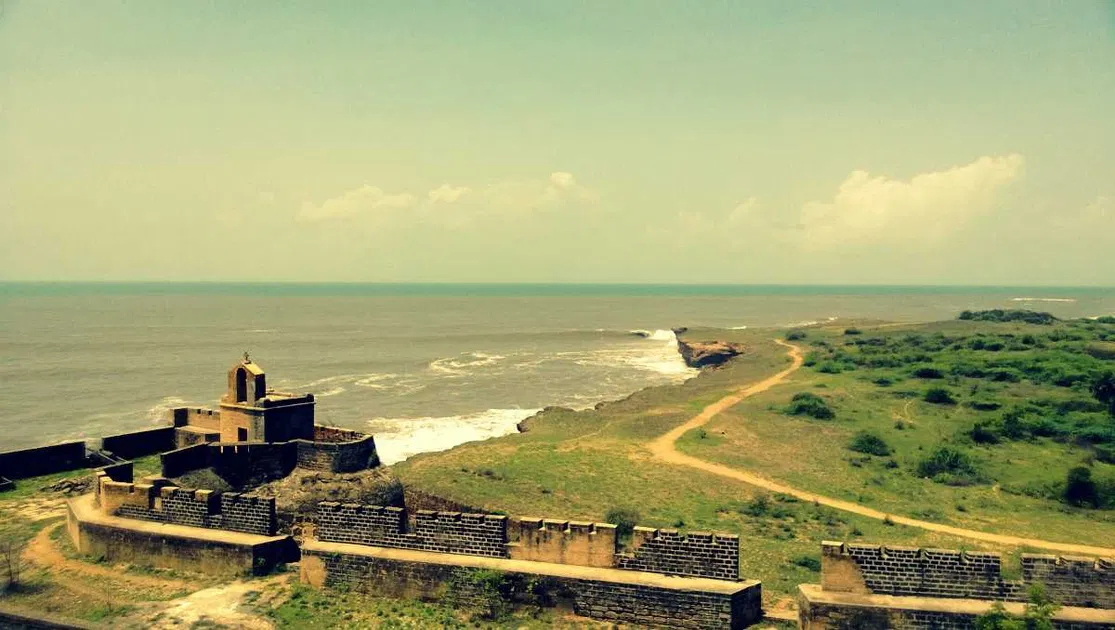 The fort's distinctive architecture, characterized by its double moat and massive stone walls, tells the story of centuries of colonial presence in the region. What makes Diu Fort particularly special is its accessibility to visitors—you can walk along the ramparts, explore the cannons still mounted on the walls, and imagine what life was like when this structure was a crucial military outpost protecting Portuguese interests in Asia.
For travelers exploring Diu, the fort serves as both an educational experience and a scenic viewpoint. The panoramic vistas from the fort walls encompass the surrounding coastline, the sparkling waters of the Arabian Sea, and even glimpses of neighboring Gujarat on the horizon. Whether you're a history enthusiast, a photography buff, or simply someone who appreciates architectural marvels, Diu Fort offers an experience that rewards curiosity and exploration.
The fort's distinctive architecture, characterized by its double moat and massive stone walls, tells the story of centuries of colonial presence in the region. What makes Diu Fort particularly special is its accessibility to visitors—you can walk along the ramparts, explore the cannons still mounted on the walls, and imagine what life was like when this structure was a crucial military outpost protecting Portuguese interests in Asia.
For travelers exploring Diu, the fort serves as both an educational experience and a scenic viewpoint. The panoramic vistas from the fort walls encompass the surrounding coastline, the sparkling waters of the Arabian Sea, and even glimpses of neighboring Gujarat on the horizon. Whether you're a history enthusiast, a photography buff, or simply someone who appreciates architectural marvels, Diu Fort offers an experience that rewards curiosity and exploration.
Historical Significance and Architecture
Portuguese Construction and Strategic Importance
Diu Fort was constructed between 1535 and 1541 during the Portuguese colonial period, following a strategic alliance between the Portuguese and the Sultan of Gujarat. The Portuguese recognized Diu's crucial position in the maritime trade routes and were determined to secure it against competing powers, including the Ottoman Turks and the Mughals. The fort's construction began shortly after the successful defense of Diu against a combined Turkish-Gujarati siege in 1538, a battle that demonstrated the location's military significance. The fort was built under the supervision of Portuguese architects and military engineers who incorporated advanced European fortification techniques adapted to local conditions. The result was a formidable structure that could withstand both naval bombardments and land-based assaults. The strategic location allowed the Portuguese to monitor shipping movements through the Gulf of Cambay and control access to important trade routes connecting India with the Middle East and beyond.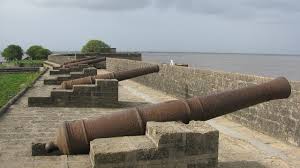
Architectural Features and Design Elements
Diu Fort's architecture exemplifies Portuguese military engineering from the 16th century. The most distinctive feature is its double moat system—a deep trench carved into the rock surrounding the fort, accessible only by a drawbridge in earlier times. This moat added an extra layer of defense, making direct assaults nearly impossible. The walls themselves are massive, measuring up to 30 feet high in some sections, constructed from locally quarried stone and strengthened with carefully placed bastions at strategic corners. The fort's design incorporates several innovative features for its time. The walls are angled to deflect cannon fire, and the placement of bastions allowed for overlapping fields of fire, meaning attackers would face incoming fire from multiple directions simultaneously. The fort housed barracks, armories, a chapel, and even a small lighthouse—all essential components of a self-sufficient military outpost. One of the most interesting architectural aspects is the fort's integration with the natural landscape. Rather than imposing a geometric design on the terrain, the Portuguese builders worked with the coastline's contours, creating an irregular shape that maximized defensive advantages while minimizing construction challenges. The fort's northern wall runs directly along the seafront, with waves crashing against the stone below—a dramatic sight that visitors can experience today.Historical Battles and Changing Fortunes
Throughout its history, Diu Fort witnessed several significant military engagements. The most famous was the Siege of Diu in 1538, when a massive combined fleet of the Ottoman Empire and Gujarat Sultanate attempted to capture the island. Despite being vastly outnumbered, the Portuguese defenders held the fort for several months until reinforcements arrived. This victory established Portuguese dominance in the region for centuries. The fort remained under Portuguese control even after most of India gained independence in 1947. It wasn't until 1961, when Indian forces liberated Goa, Daman, and Diu, that the fort became part of Indian territory. Today, the fort is protected by the Archaeological Survey of India, recognizing its importance as both a historical monument and an example of Indo-Portuguese military architecture.Best Time to Visit and Duration
Seasonal Guide for Diu Fort
Timing your visit to Diu Fort can significantly impact your experience. Diu has a tropical climate with three distinct seasons, each offering different conditions for exploring the fort:| Season | Months | Temperature | Pros | Cons |
|---|---|---|---|---|
| Winter | November - February | 20°C - 28°C | Pleasant weather, clear skies, ideal for walking along ramparts, great photos | Peak tourist season, can be crowded during weekends |
| Summer | March - May | 28°C - 35°C | Fewer tourists, better accommodation rates | Very hot and humid, challenging to explore exposed fort walls |
| Monsoon | June - September | 24°C - 30°C | Lush greenery, dramatic seascape views, fewer visitors | Heavy rain can make pathways slippery, overcast skies limit photography |
Time of Day Recommendations
Early Morning (7 AM to 9 AM): This is the ideal time for photography enthusiasts. The soft morning light illuminates the fort walls beautifully, and you'll likely have the place mostly to yourself. The temperature is pleasant, making it comfortable to walk along the ramparts and explore different sections without fatigue. Morning also offers the calmest sea conditions, perfect for photos of the waves crashing against the fort walls. Late Afternoon (4 PM to 6 PM): The late afternoon provides excellent lighting for photography, with the sun casting long shadows that highlight the fort's architectural details. The temperature begins to cool, making exploration comfortable. This time also allows you to witness the fort's transformation during the golden hour, as the setting sun paints the sky in warm hues against the stone backdrop. Sunset (6 PM to 6:45 PM): The sunset view from Diu Fort is arguably one of its biggest attractions. Watching the sun dip below the Arabian Sea horizon from the fort walls is a mesmerizing experience. The fort faces west, providing unobstructed sunset views that attract both locals and tourists. Plan to arrive at least 30 minutes before sunset to secure a good viewing spot.Recommended Visit Duration
Most visitors spend between 1.5 to 2.5 hours exploring Diu Fort thoroughly. This allows time to walk along the perimeter walls, explore the interior structures, read the information plaques, take photographs, and simply enjoy the views from various vantage points. If you're particularly interested in history or photography, you might want to allocate up to 3 hours.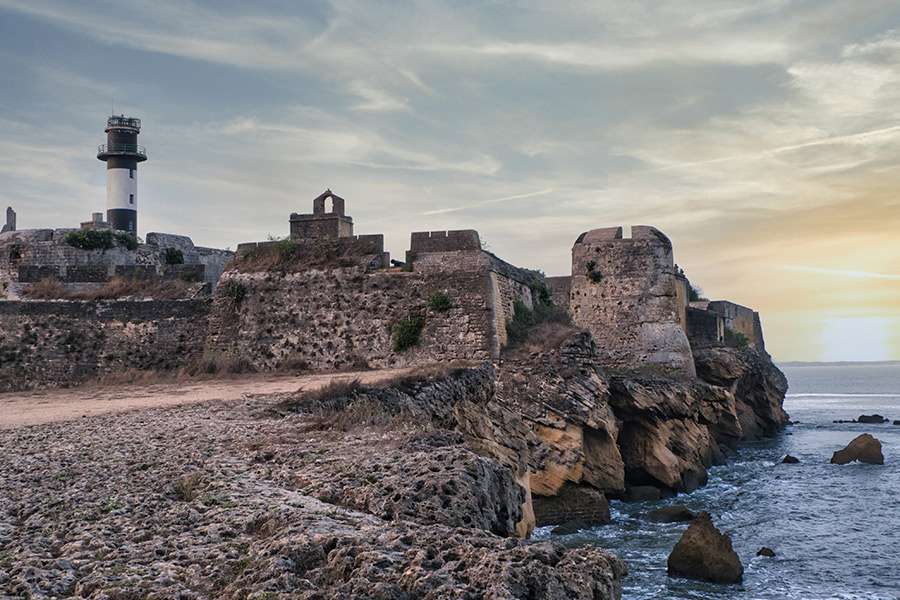
How to Reach and Local Movement
Reaching Diu
Diu is accessible by multiple modes of transport, and reaching the island is part of the adventure. The nearest airport is Diu Airport (DIU), which has regular flights from major cities like Mumbai, Ahmedabad, and Porbandar. From the airport, the fort is just 5 kilometers away—a quick 10-minute auto-rickshaw or taxi ride. If you prefer traveling by train, the nearest major railway station is Veraval, approximately 90 kilometers from Diu. Veraval is well-connected to major cities like Rajkot, Ahmedabad, and Mumbai. From Veraval, you can take a bus, taxi, or hired car to Diu. The journey takes about 2-3 hours and offers scenic views of the Gujarat coastline. For those who enjoy road trips, Diu is connected to the mainland via a bridge from Ghoghla. The drive from Somnath (approximately 90 kilometers) takes about 2 hours and is quite scenic, following the coastline. If you're driving from Ahmedabad (about 370 kilometers), plan for a 7-8 hour journey. Roads are generally in good condition, and the route passes through several small towns, offering opportunities for breaks.Getting to the Fort Within Diu
Once you're on Diu island, reaching the fort is straightforward. The fort is located near the main town area and is easily accessible by auto-rickshaw, taxi, rented two-wheeler, or even on foot if you're staying nearby. Most hotels and guesthouses can arrange transportation to the fort, and auto-rickshaw drivers are familiar with the location. If you're comfortable riding a scooter or motorcycle, renting one is an excellent option for exploring Diu at your own pace. Rental services are available throughout the town, and having your own vehicle gives you the flexibility to visit the fort and other attractions like Diu's beaches on your own schedule. Parking is available near the fort entrance.Local Transport Options
Auto-Rickshaws: The most common and convenient way to get around Diu. Fares are reasonable, but it's wise to negotiate the price before starting your journey or ask for the meter to be used. An auto-rickshaw ride from most hotels to the fort should cost between ₹50-100. Rented Two-Wheelers: Scooters and motorcycles are available for rent at rates ranging from ₹300-500 per day, depending on the vehicle type. You'll need to provide a copy of your driving license and a security deposit. This option offers maximum flexibility for exploring the island. Taxis: Private taxis are available for hire, either for point-to-point travel or full-day charters. Full-day taxi rates typically range from ₹1500-2500, depending on the vehicle type and distance covered. Taxis are air-conditioned and more comfortable, especially during summer months. Bicycles: For those who prefer a more leisurely pace, some shops rent bicycles. Diu's terrain is relatively flat, making cycling feasible for getting around town and reaching the fort.Nearby Places to Combine
St. Paul's Church
Located just 1 kilometer from Diu Fort, St. Paul's Church is a must-visit attraction that can easily be combined with your fort visit. Built in 1601, this church is renowned for its exquisite Baroque architecture and intricate wood carvings. The interior features remarkable patterns of Gothic woodwork and is considered one of the best examples of Portuguese church architecture in India. The church is still functional and holds regular services, but visitors are welcome outside of service times. The peaceful atmosphere offers a contrast to the exposed, windy fort, and the proximity makes it convenient to visit both in the same trip. Plan for about 30-45 minutes to explore the church properly.Nagoa Beach
Nagoa Beach, approximately 7 kilometers from the fort, is Diu's most famous beach and a perfect place to relax after exploring the historical site. The beach is known for its distinctive Hoka palm trees and calm, safe waters. Unlike many other beaches, Nagoa remains relatively clean and less commercialized. The beach offers water sports activities including banana boat rides, jet skiing, and parasailing for those seeking adventure. Several shacks and small restaurants line the beach, serving fresh seafood and cold beverages. It's an ideal spot to unwind, and you can easily spend 2-3 hours here. Many visitors choose to visit the fort in the morning, spend the afternoon at Nagoa Beach, and return to the fort for sunset.Ghoghla Beach
Located on the opposite side of the island from the main town, Ghoghla Beach is approximately 15 kilometers from Diu Fort. This beach is less developed than Nagoa and offers a more secluded experience. The golden sand and gentle waves make it suitable for swimming and relaxing. Ghoghla is particularly known for its beautiful sunrises, so if you're an early riser, consider heading here for dawn and then proceeding to the fort later in the morning. The drive to Ghoghla passes through scenic countryside and offers a different perspective on Diu island.Gangeshwar Temple
Approximately 12 kilometers from the fort, Gangeshwar Temple is a unique Shiva temple located near the sea. The temple's specialty is its five lingams, believed to have been established by the five Pandava brothers from the Mahabharata epic. During high tide, seawater enters the temple and naturally washes over the lingams—a phenomenon that draws both devotees and curious tourists. The temple is built on a rocky outcrop and offers stunning views of the sea. It's particularly atmospheric during high tide and on moonlit nights. The temple area requires some climbing over rocks, so wear appropriate footwear. Plan for about 45 minutes to an hour for this visit.Diu Museum
Housed in the old St. Thomas Church, the Diu Museum is located just 2 kilometers from the fort and contains artifacts from Diu's Portuguese colonial period. The collection includes antique statues, inscriptions, wooden carvings, and other relics that provide context for what you've seen at the fort. The museum is relatively small but well-maintained, and a visit here enhances your understanding of Diu's history. It's particularly worth visiting if you're interested in the Portuguese colonial era or want to see artifacts recovered from shipwrecks in the area. Allow 30-45 minutes for the museum visit.Budget and Family Travel Tips
Practical Budget Planning
Diu Fort is one of the most affordable attractions on the island, making it accessible to all types of travelers. Here's a breakdown of typical costs:| Expense | Cost Range | Notes |
|---|---|---|
| Fort Entry Fee | ₹0 - ₹100 | Entry is often free; small camera fee may apply for DSLRs |
| Parking | ₹20 - ₹50 | For two-wheelers and four-wheelers |
| Auto-rickshaw (round trip) | ₹100 - ₹200 | From most hotels in town |
| Two-wheeler rental (day) | ₹300 - ₹500 | Includes fuel; allows flexible exploration |
| Guide (optional) | ₹200 - ₹400 | Available at entrance; knowledgeable about history |
Family Travel Considerations
Diu Fort is generally family-friendly, but there are some considerations for parents traveling with children. The fort has wide ramparts suitable for walking, but some sections lack railings, so young children need supervision. The walls are quite high in places, and while there are barriers in some areas, children should be kept away from unprotected edges. The fort's open spaces provide plenty of room for children to move around, and many enjoy exploring the nooks and crannies. However, the site involves walking on uneven surfaces and climbing stairs, so it may be challenging for families with very young children or those with mobility issues. Consider carrying a lightweight stroller only if it has sturdy wheels suitable for rough terrain. The lack of shade at the fort means families should plan visits during cooler parts of the day and carry sun protection. There are no food or water vendors inside the fort, so bring snacks and water, especially when traveling with kids. The nearest facilities are located in the main town area, about a kilometer away. For families interested in extended stays, Diu offers several family-friendly accommodations and attractions. Combining the fort visit with beach time creates a balanced itinerary that keeps both adults and children engaged.Accessibility for Senior Travelers
Senior travelers should be aware that exploring the fort involves walking on uneven surfaces and climbing stairs to reach different sections. The main areas are accessible, but reaching the highest viewpoints requires some physical effort. During hot weather, the exposed nature of the fort can be taxing, so plan visits for early morning or late afternoon when temperatures are cooler. The fort grounds include some shaded areas where visitors can rest, and the pace of exploration can be adjusted according to individual comfort levels. There's no time limit for visits, allowing you to take breaks as needed. Portable stools or lightweight folding chairs can be helpful for those who need frequent rest stops.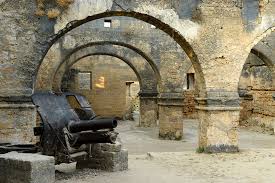
Common Mistakes to Avoid
Timing and Planning Errors
One of the most common mistakes visitors make is underestimating Diu's weather. The fort offers almost no shade, and during summer months, the heat can be intense. Many tourists arrive around midday, only to find themselves exhausted within minutes. Always plan your visit for early morning or late afternoon, and carry adequate sun protection regardless of the season. Another mistake is allocating insufficient time. Some visitors treat the fort as a quick photo stop, spending just 15-20 minutes. However, the fort deserves at least 1.5-2 hours to explore properly. Rushing through means missing interesting sections, historical details, and the opportunity to truly appreciate the architecture and views from different vantage points.Photography and Equipment Mistakes
Photography enthusiasts often make the mistake of not bringing the right equipment. The fort's expansive views call for wide-angle lenses, while the architectural details benefit from zoom capabilities. Many visitors rely solely on smartphone cameras, which, while capable, may not fully capture the scale and beauty of the fort. If you're serious about photography, consider bringing a dedicated camera with appropriate lenses. Another common error is not accounting for lighting conditions. Visiting during harsh midday light results in washed-out photos with strong shadows. The best photographs are captured during golden hour—early morning or late afternoon when the light is soft and warm. Planning your visit around these times dramatically improves photo quality.Itinerary Planning Oversights
Some travelers visit Diu Fort in isolation, missing opportunities to combine it efficiently with nearby attractions. Given the fort's proximity to St. Paul's Church and the short distance to beaches like Nagoa, it makes sense to plan a combined itinerary. This approach maximizes your time and provides a more varied experience of Diu's offerings. Another oversight is not checking weather conditions before visiting, especially during monsoon season. While the fort is open year-round, heavy rain can make pathways slippery and obscure views. Checking the forecast and having a flexible schedule allows you to adjust plans if needed.Preparation and Packing Mistakes
Many visitors underestimate the physical demands of exploring the fort. Even though the fort is not at high altitude, the walking involved, combined with Diu's often humid weather, can be tiring. Wear comfortable walking shoes with good grip—avoid flip-flops or sandals, as the surfaces can be uneven and slippery. Carrying insufficient water is another frequent mistake. The hot, humid climate, even during winter, means you need to stay hydrated. There are no vendors inside the fort, so bring at least 500ml-1 liter of water per person. Similarly, not carrying sun protection (sunscreen, hats, sunglasses) can result in uncomfortable sunburn, given the fort's complete exposure.Photography Tips and Best Viewpoints
Diu Fort offers exceptional photography opportunities, and knowing the best spots and techniques can help you capture stunning images. The fort's combination of historical architecture, seascape views, and changing light conditions creates diverse photographic possibilities. Best Viewpoints: The northern rampart offers the most iconic views, with the sea wall directly facing the Arabian Sea. This is where waves crash dramatically against the fort's foundation, creating spectacular spray during high tide. The corner bastions provide elevated perspectives perfect for panoramic shots encompassing both the fort and the coastline. Interior Courtyards: Don't limit yourself to exterior shots. The fort's interior spaces, with their arched corridors and stone walls, offer excellent opportunities for architectural photography. The interplay of light and shadow through these spaces creates compelling compositions, especially during morning and late afternoon. Canon Details: The historic cannons mounted on the fort walls make for excellent close-up shots. These weathered weapons, some bearing Portuguese inscriptions, are powerful symbols of the fort's military past. Use a telephoto lens or zoom to capture the textures and details while keeping the background context visible. Golden Hour Shooting: Plan to be at the fort during golden hour—the hour after sunrise and the hour before sunset. The soft, warm light enhances the natural colors of the stone and creates atmospheric images. For sunset shots, arrive at least 45 minutes early to capture the fort in different lighting conditions as the sun descends. Silhouette Opportunities: The fort's distinctive profile against the rising or setting sun creates perfect silhouette opportunities. Position yourself so the fort's outline is visible against the bright sky, and expose for the highlights to capture dramatic silhouettes of the ramparts, bastions, and cannons. Wide-Angle Panoramas: A wide-angle lens is invaluable for capturing the fort's expansive views. The elevated position allows for sweeping panoramas of the coastline, the sea, and the surrounding landscape. Consider taking multiple overlapping shots for later stitching into panoramas if you want to capture extremely wide views.Conclusion: Making the Most of Your Diu Fort Visit
Diu Fort stands as one of India's most accessible yet historically significant coastal fortifications. Unlike some heritage sites that feel like museums behind glass, Diu Fort invites visitors to walk its walls, touch its stones, and imagine the centuries of history it has witnessed. The combination of well-preserved military architecture, stunning seascape views, and the constant presence of the sea makes this fort unique among India's historical sites. The fort's manageable size means you can explore it thoroughly without feeling rushed, yet it contains enough detail and variety to reward those who take their time. From the impressive double moat to the weathered cannons, from the panoramic rampart views to the quiet interior spaces, every section of the fort offers something different to discover. Planning your visit thoughtfully—considering the time of day, season, and your own interests—will significantly enhance your experience. Combine the fort visit with nearby attractions like St. Paul's Church and Diu's beautiful beaches for a comprehensive exploration of what this unique island offers. Whether you're drawn by military history, architectural photography, or simply the chance to stand on centuries-old walls overlooking the Arabian Sea, Diu Fort delivers an experience that's both educational and inspiring. As you walk along the ramparts, watching the waves crash against the stone below, take a moment to appreciate the layers of history this fort has seen—the Portuguese soldiers who once manned these walls, the battles it withstood, and the generations who have stood in this very spot before you. Diu Fort isn't just a monument; it's a living connection to India's maritime past and a reminder of the strategic importance this region held in global trade and politics. Explore it thoughtfully, photograph it beautifully, and carry home memories of one of India's most evocative coastal fortifications.Location
Frequently Asked Questions
Q1.What is the best time to visit Diu Fort?
The ideal time to visit Diu Fort is between November and February during winter, when temperatures range from 20°C to 28°C and weather is pleasant. For the best experience, plan your visit during early morning (7-9 AM) or late afternoon (4-6:45 PM) to avoid harsh sunlight and catch spectacular sunset views from the ramparts. Monsoon season (June-September) offers dramatic seascapes but slippery pathways.
Q2.How much time is enough to explore Diu Fort?
Plan to spend 1.5 to 2.5 hours exploring Diu Fort thoroughly. This duration allows you to walk along the perimeter walls, examine the cannons and architectural details, explore interior structures, read information plaques, and enjoy views from different vantage points. Photography enthusiasts may want up to 3 hours to capture various angles during different lighting conditions, especially around sunset.
Q3.Is Diu Fort suitable for family travel?
Yes, Diu Fort is family-friendly but requires supervision for young children. The fort has wide ramparts suitable for walking, but some sections lack railings and have high walls, so children need close supervision. The site involves walking on uneven surfaces and climbing stairs, which may be challenging for families with very young children or mobility issues. Carry water, snacks, and sun protection, and plan visits during cooler parts of the day.
Q4.Can Diu Fort be combined with beaches in one day?
Absolutely! Diu Fort is perfectly positioned for a combined heritage-beach itinerary. Visit the fort in the morning (7-10 AM), spend midday at nearby beaches like Nagoa Beach (7 km away), and return to the fort for sunset (4-6:45 PM). Nagoa Beach offers water sports, beach shacks, and relaxation, making it an ideal complement to the historical fort visit. Auto-rickshaws and rented two-wheelers make transport between attractions easy.
Q5.What is a practical budget for a Diu Fort day visit?
Diu Fort is very affordable—entry is often free (or minimal, up to ₹100 for DSLR cameras). Budget approximately ₹200-400 for round-trip auto-rickshaw transport from most hotels, or ₹300-500 for a full-day two-wheeler rental allowing flexible exploration. Add ₹20-50 for parking if driving. A guide costs ₹200-400 but is optional. Total budget: ₹500-1,000 per person including transport, depending on your chosen mode of exploration and whether you hire a guide.
Q6.What are the best viewpoints for photos at Diu Fort?
The northern rampart offers the most iconic views with waves crashing against the fort's sea wall—perfect for dramatic photography. Corner bastions provide elevated panoramic shots of the coastline and Arabian Sea. For architectural details, photograph the interior courtyards with arched corridors and weathered cannons. Visit during golden hour (early morning or sunset) for soft, warm lighting that enhances the stone textures. Wide-angle lenses work best for expansive sea views.
Q7.What transport option is best for local Diu sightseeing?
Rented two-wheelers (scooters/motorcycles) are the best option for Diu sightseeing, offering maximum flexibility at ₹300-500 per day including fuel. They allow you to explore the fort, beaches like Nagoa and Ghoghla, and other attractions at your own pace. Auto-rickshaws are convenient for point-to-point travel (₹50-100 per trip) but add up for multiple stops. Taxis (₹1500-2500 per day) offer comfort with AC, ideal for summer or family travel. All options are readily available near hotels and town areas.
Q8.What common planning mistakes should visitors avoid?
Avoid visiting during midday (11 AM-3 PM) when heat is intense and there's no shade on the exposed fort walls. Don't rush—allocate at least 1.5-2 hours to explore properly. Carry water (500ml-1 liter), sun protection (SPF 30+ sunscreen, hat, sunglasses), and wear comfortable walking shoes with grip—not flip-flops on uneven surfaces. Photography enthusiasts should visit during golden hour, not harsh midday light. Don't forget to combine the fort with nearby attractions like St. Paul's Church and Nagoa Beach for a complete Diu experience.
Recommended For You
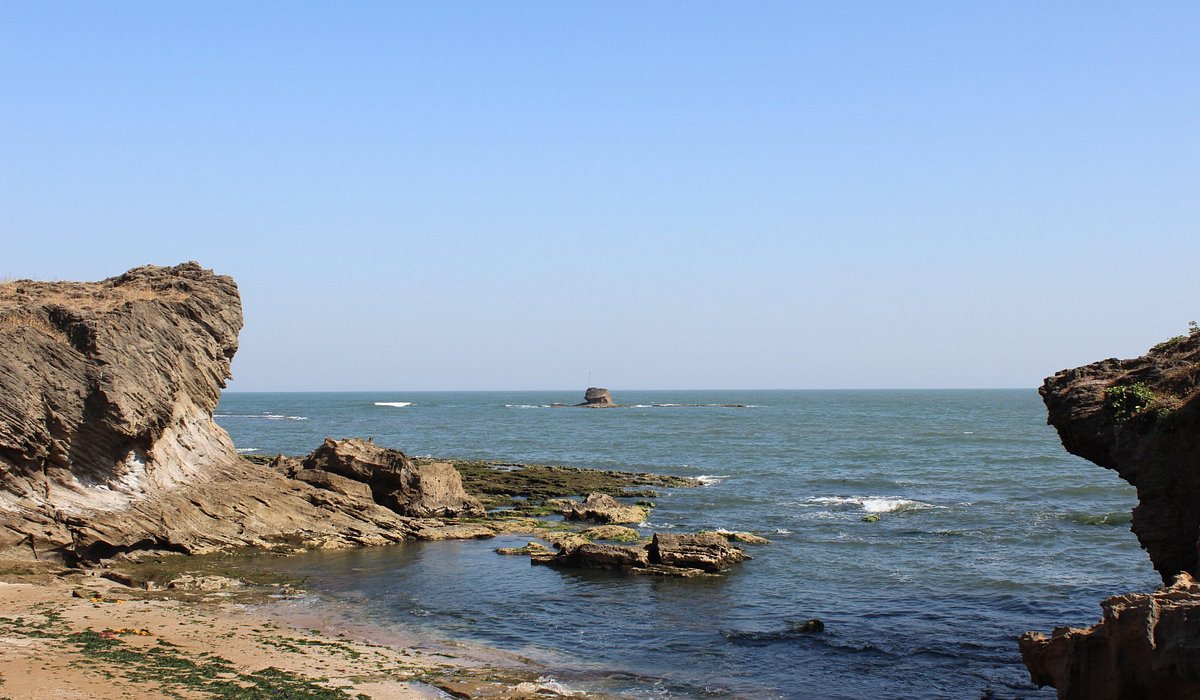
Beaches
Diu: Complete Travel Plan Places And Weather
Plan your Diu trip with practical one-day and two-day itineraries, best season advice, budget ranges, and beach-plus-heritage route strategy.
Feb 20Read More
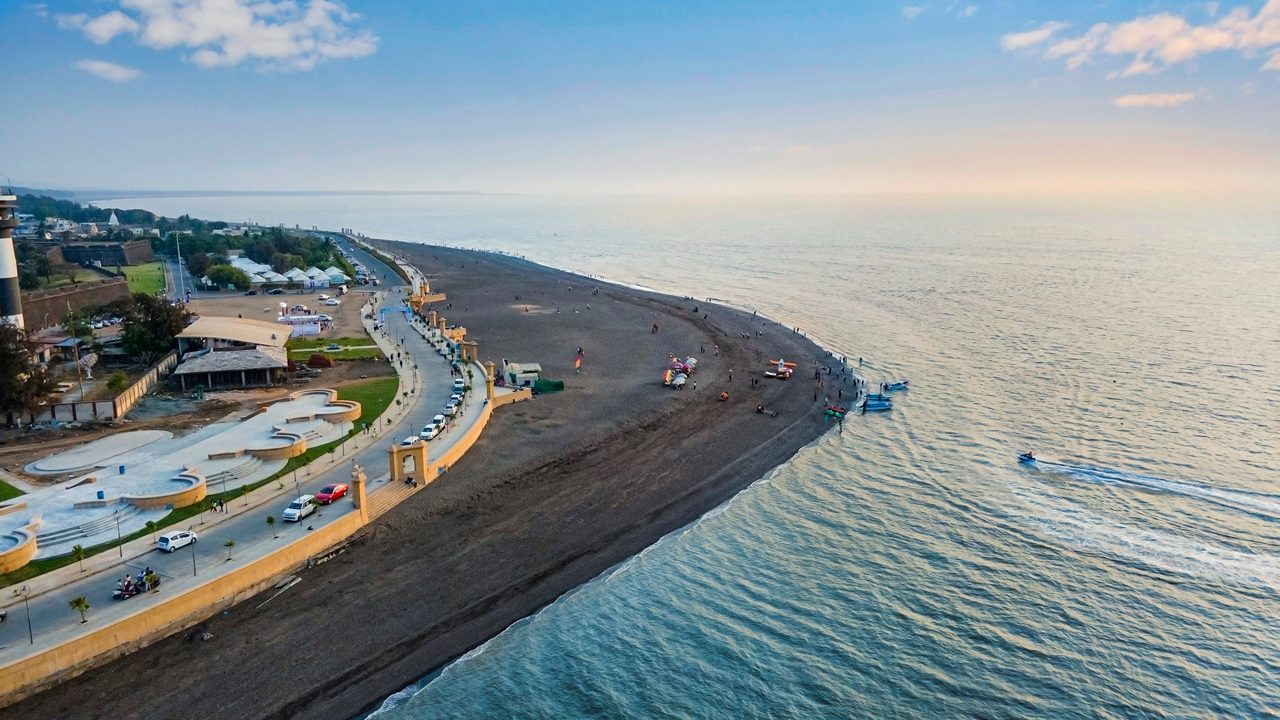
Beaches
Things to Do in Daman Diu: Coastal Activities, Beaches & Family Fun
Explore things to do in Daman Diu with beaches, forts, water sports, heritage circuits, and practical two or three-day itinerary planning tips.
Feb 20Read More
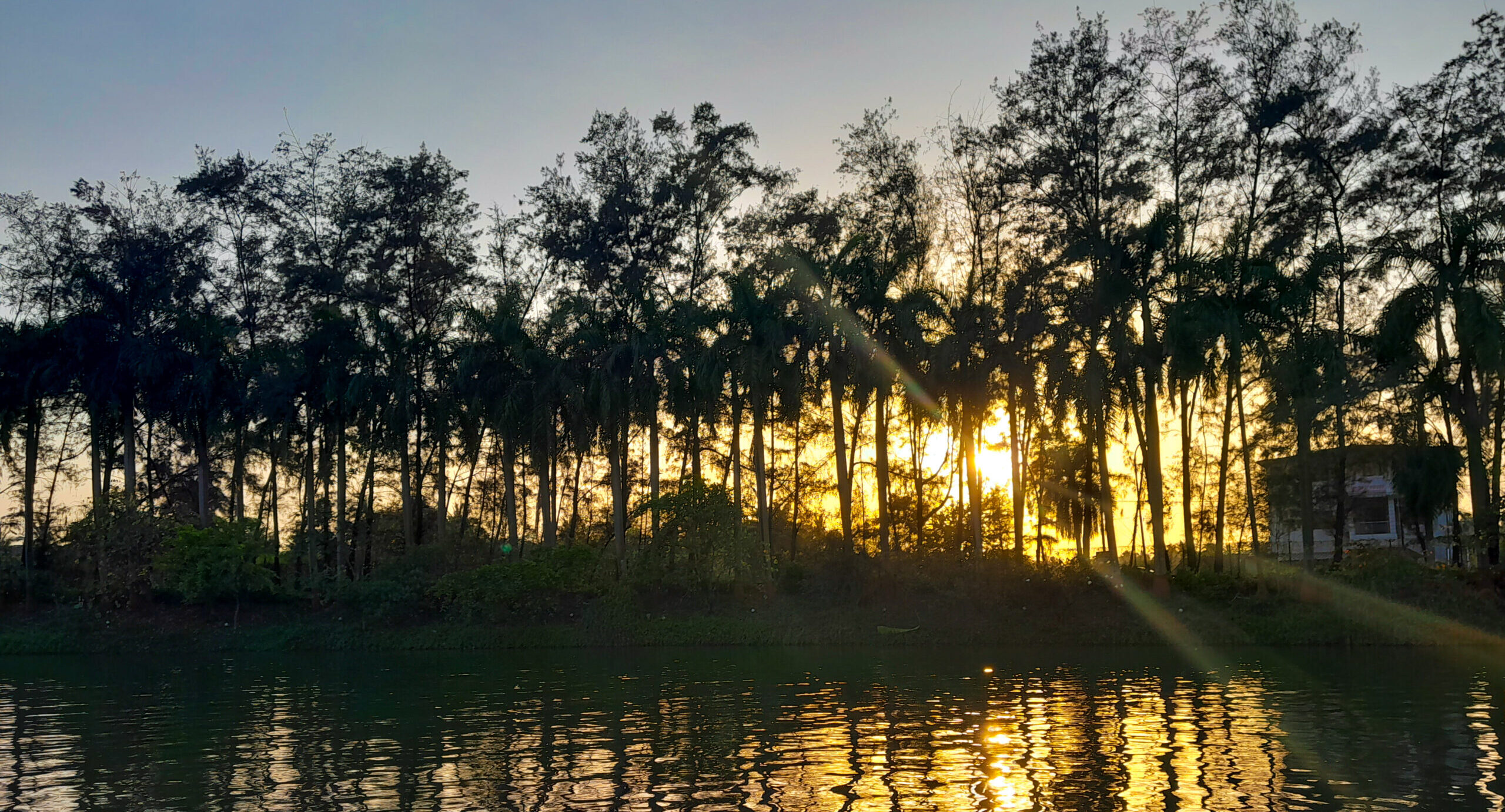
Nightlife
Nightlife in Daman and Diu: Complete Nightlife Guide 2026
Complete nightlife guide to Daman and Diu - beaches, bars, parties, casino, beach dining & practical tips. Compare Daman vs Diu nightlife scenes.
Jan 23Read More
Never Miss an Adventure
Get the latest trekking guides, travel tips, and exclusive offers delivered straight to your inbox.
