
Dominican Monastery Daman: History, Architecture & Visitor Info

Rahul Garg
February 18, 2026
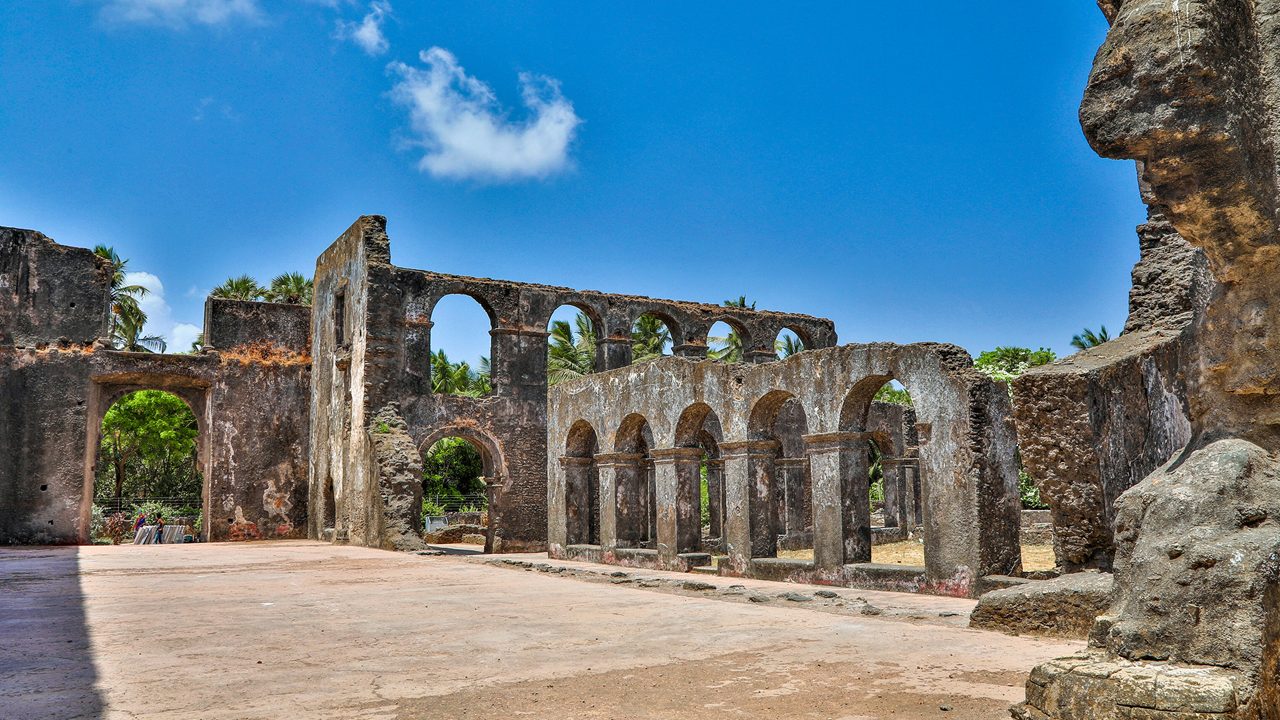
Explore Dominican Monastery in Daman, a 17th-century Portuguese heritage site within Moti Daman Fort. Discover history, architecture, and travel tips for this atmospheric ruins.
Introduction: Portuguese Colonial Heritage in Coastal India
Nestled within the historic confines of Moti Daman Fort, the Dominican Monastery stands as a silent sentinel to Goa and Daman's rich Portuguese colonial past. This 17th-century religious monument, though now in ruins, continues to captivate visitors with its atmospheric remains and stories of a bygone era. The monastery represents one of the most significant heritage sites in Daman, offering travelers a unique glimpse into the architectural and cultural legacy of Portuguese colonial rule in western India.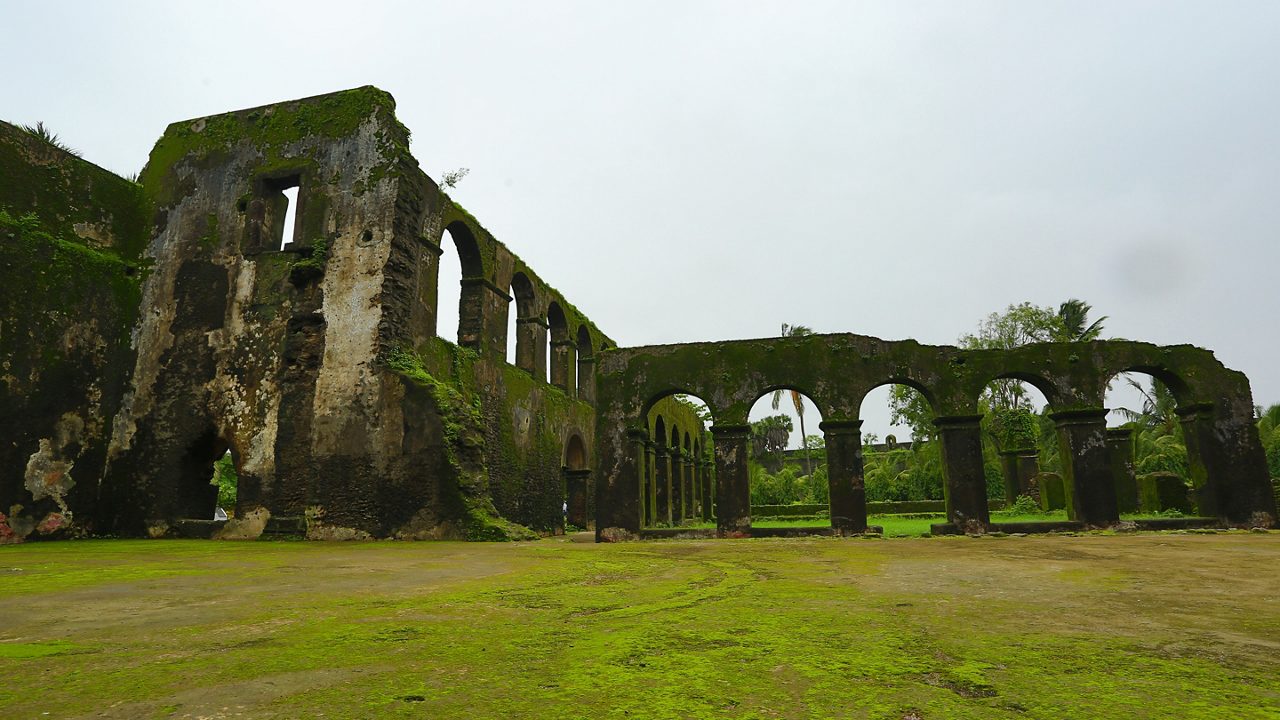 What makes the Dominican Monastery particularly fascinating is its location within the massive Moti Daman Fort complex, a strategic coastal fortification that once guarded the Portuguese stronghold in this region. The monastery's weathered stone walls, Gothic arches, and crumbling pillars create an evocative atmosphere that transports visitors back to the 1600s, when Dominican monks walked these halls and Portuguese colonial administration dominated the region.
Unlike many other historical monuments in India that have been restored or repurposed, the Dominican Monastery has been preserved in its ruined state, allowing visitors to experience the authentic decay of centuries. This atmospheric quality, combined with the site's historical significance and coastal location, makes it a compelling destination for history enthusiasts, architecture lovers, and travelers seeking offbeat heritage experiences in Gujarat's coastal territory.
The monastery's story is intertwined with the broader narrative of Portuguese colonial expansion in India, the spread of Catholicism, and the architectural heritage of European religious orders in Asia. Understanding this monument offers insights into nearly 450 years of Portuguese presence in Daman and the cultural synthesis that occurred during this period.
What makes the Dominican Monastery particularly fascinating is its location within the massive Moti Daman Fort complex, a strategic coastal fortification that once guarded the Portuguese stronghold in this region. The monastery's weathered stone walls, Gothic arches, and crumbling pillars create an evocative atmosphere that transports visitors back to the 1600s, when Dominican monks walked these halls and Portuguese colonial administration dominated the region.
Unlike many other historical monuments in India that have been restored or repurposed, the Dominican Monastery has been preserved in its ruined state, allowing visitors to experience the authentic decay of centuries. This atmospheric quality, combined with the site's historical significance and coastal location, makes it a compelling destination for history enthusiasts, architecture lovers, and travelers seeking offbeat heritage experiences in Gujarat's coastal territory.
The monastery's story is intertwined with the broader narrative of Portuguese colonial expansion in India, the spread of Catholicism, and the architectural heritage of European religious orders in Asia. Understanding this monument offers insights into nearly 450 years of Portuguese presence in Daman and the cultural synthesis that occurred during this period.
History of Dominican Monastery: A Legacy of Faith
The Dominican Monastery in Daman was constructed during the height of Portuguese colonial power in the region, most likely in the early to mid-17th century. The Dominican order, officially known as the Order of Preachers, was one of the most influential Catholic missionary orders active in Portuguese territories worldwide. They established monasteries, churches, and educational institutions across Portuguese India, including in Goa, Daman, and Diu.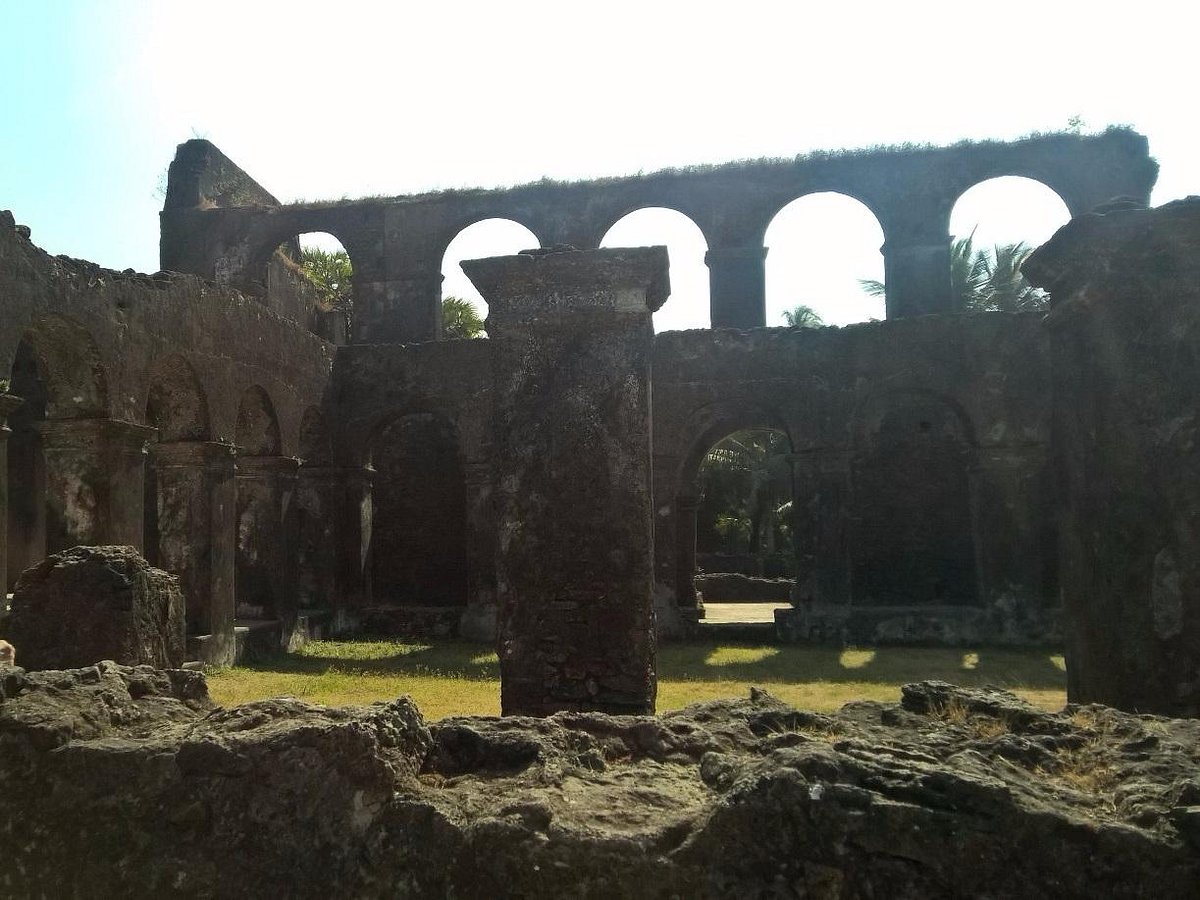 The monastery's construction coincided with the expansion and fortification of Moti Daman Fort, which was built to protect Portuguese maritime interests in the Arabian Sea. The fort, along with its religious structures, served both spiritual and strategic purposes—it was a place of worship for the Portuguese Catholic community and a symbol of Portuguese religious and political authority in the region. The Dominican friars who lived here played various roles: they were missionaries converting the local population, educators teaching European languages and Christian doctrine, and advisors to the Portuguese colonial administration.
The monastery flourished during the Portuguese colonial period, serving as an important center for Catholic religious activities in Daman. The Dominican order was known for its scholarship and preaching, and this monastery would have been a hub of religious learning and pastoral work. The monks would have conducted daily prayers, masses, and religious festivals, while also engaging with the local community—both the Portuguese settlers and the native population they sought to convert.
As with many European colonial settlements in India, the decline of Portuguese power led to the decline of their religious institutions. Following India's independence in 1947 and the eventual integration of Daman into the Indian Union in 1961 (along with Goa and Diu through Operation Vijay), the monastery was abandoned. Without a community to maintain it and with changing political circumstances, the structure gradually fell into disrepair. The once-active monastery became a ruins, its walls weathered by salt air from the Arabian Sea and monsoon rains.
Despite its ruined state, the archaeological and historical significance of the Dominican Monastery remains considerable. It represents a tangible link to the Portuguese colonial period and offers insights into 17th-century religious architecture, missionary activities, and colonial urban planning. The Archaeological Survey of India (ASI) has recognized the importance of this monument, and it is protected as a heritage site within the Moti Daman Fort complex.
The monastery's history is also connected to the broader narrative of Catholicism in western India. The Dominican order was instrumental in establishing the Christian community in Daman, and the monastery would have been central to this religious life for nearly three centuries. Today, while the building stands in ruins, the Christian community in Daman continues to exist, and the monastery remains an important symbol of their historical presence and cultural heritage.
The monastery's construction coincided with the expansion and fortification of Moti Daman Fort, which was built to protect Portuguese maritime interests in the Arabian Sea. The fort, along with its religious structures, served both spiritual and strategic purposes—it was a place of worship for the Portuguese Catholic community and a symbol of Portuguese religious and political authority in the region. The Dominican friars who lived here played various roles: they were missionaries converting the local population, educators teaching European languages and Christian doctrine, and advisors to the Portuguese colonial administration.
The monastery flourished during the Portuguese colonial period, serving as an important center for Catholic religious activities in Daman. The Dominican order was known for its scholarship and preaching, and this monastery would have been a hub of religious learning and pastoral work. The monks would have conducted daily prayers, masses, and religious festivals, while also engaging with the local community—both the Portuguese settlers and the native population they sought to convert.
As with many European colonial settlements in India, the decline of Portuguese power led to the decline of their religious institutions. Following India's independence in 1947 and the eventual integration of Daman into the Indian Union in 1961 (along with Goa and Diu through Operation Vijay), the monastery was abandoned. Without a community to maintain it and with changing political circumstances, the structure gradually fell into disrepair. The once-active monastery became a ruins, its walls weathered by salt air from the Arabian Sea and monsoon rains.
Despite its ruined state, the archaeological and historical significance of the Dominican Monastery remains considerable. It represents a tangible link to the Portuguese colonial period and offers insights into 17th-century religious architecture, missionary activities, and colonial urban planning. The Archaeological Survey of India (ASI) has recognized the importance of this monument, and it is protected as a heritage site within the Moti Daman Fort complex.
The monastery's history is also connected to the broader narrative of Catholicism in western India. The Dominican order was instrumental in establishing the Christian community in Daman, and the monastery would have been central to this religious life for nearly three centuries. Today, while the building stands in ruins, the Christian community in Daman continues to exist, and the monastery remains an important symbol of their historical presence and cultural heritage.
Architecture & Ruins: Gothic Remnants in Stone
The architectural remains of the Dominican Monastery showcase a fascinating blend of Gothic and Portuguese colonial styles, characteristic of religious buildings constructed by European powers in their Asian colonies. Although much of the structure has collapsed over the centuries, enough remains to give visitors a sense of the building's original grandeur and architectural sophistication.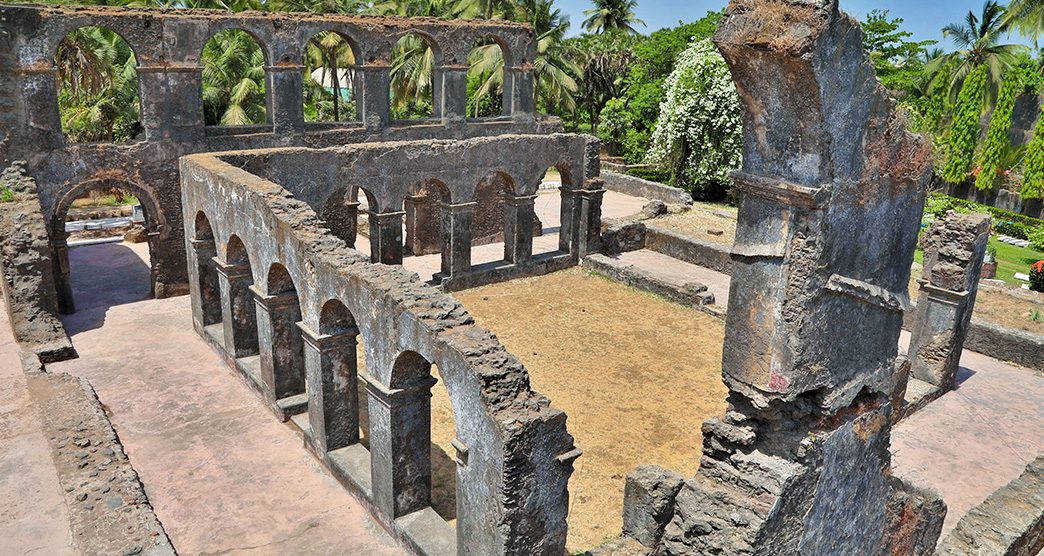 The most striking feature of the ruins is the remaining Gothic archways that once formed the monastery's main entrances and interior passages. These pointed arches, typical of Gothic architecture, would have created a sense of verticality and spiritual elevation, drawing the eye upward toward the heavens—a symbolic representation of the connection between earth and the divine. The quality of stone craftsmanship evident in these arches speaks to the skill of the masons who built this structure, likely using local stone but employing European construction techniques.
The monastery's original layout would have followed the typical plan of Dominican monastic establishments: a church for public worship, a cloistered courtyard for the monks' private use, a refectory (dining hall), chapter house (meeting room), and living quarters (cells) for the monks. From the ruins, visitors can discern parts of the church structure, including what would have been the main altar area and sections of the nave where the congregation would gather.
One of the most atmospheric aspects of the site is the series of stone columns that still stand, creating a rhythmical pattern against the sky. These columns would have supported the roof of the church or cloister walkway. Their simple yet elegant design reflects the austere aesthetic of the Dominican order, who emphasized simplicity and spiritual devotion over ornate decoration. Unlike some other Christian orders that favored elaborate baroque ornamentation, the Dominicans often built in more restrained styles, focusing on the spiritual function of the space rather than excessive decoration.
The walls, though crumbling, still show signs of the original construction techniques. The stone masonry, likely lime mortar-bound, has withstood centuries of tropical weather, monsoon rains, and salt air from the nearby sea. In places, visitors can see traces of plaster that once covered the walls, perhaps decorated with frescoes or religious paintings that have long since faded. The overall effect is one of romantic decay—nature has begun to reclaim the structure, with plants growing from cracks in the masonry and roots working between the stones.
What makes visiting these ruins particularly special is the opportunity to imagine the structure in its prime. Standing in what was once the church's nave, surrounded by broken arches and fallen masonry, visitors can visualize the space filled with ornate altars, religious statues, paintings, and the sounds of Gregorian chants echoing through the halls. The contrast between the monastery's current ruined state and its former glory creates a poignant reminder of the impermanence of human creations and the passage of time.
The architectural elements also offer insights into the construction techniques and materials available in 17th-century Daman. The stone used appears to be locally quarried, but the architectural forms—pointed arches, ribbed vaulting, and columnar designs—are distinctly European. This synthesis represents the architectural cultural exchange that occurred during colonial periods, where European designs were adapted to local conditions and materials, creating unique hybrid styles.
The most striking feature of the ruins is the remaining Gothic archways that once formed the monastery's main entrances and interior passages. These pointed arches, typical of Gothic architecture, would have created a sense of verticality and spiritual elevation, drawing the eye upward toward the heavens—a symbolic representation of the connection between earth and the divine. The quality of stone craftsmanship evident in these arches speaks to the skill of the masons who built this structure, likely using local stone but employing European construction techniques.
The monastery's original layout would have followed the typical plan of Dominican monastic establishments: a church for public worship, a cloistered courtyard for the monks' private use, a refectory (dining hall), chapter house (meeting room), and living quarters (cells) for the monks. From the ruins, visitors can discern parts of the church structure, including what would have been the main altar area and sections of the nave where the congregation would gather.
One of the most atmospheric aspects of the site is the series of stone columns that still stand, creating a rhythmical pattern against the sky. These columns would have supported the roof of the church or cloister walkway. Their simple yet elegant design reflects the austere aesthetic of the Dominican order, who emphasized simplicity and spiritual devotion over ornate decoration. Unlike some other Christian orders that favored elaborate baroque ornamentation, the Dominicans often built in more restrained styles, focusing on the spiritual function of the space rather than excessive decoration.
The walls, though crumbling, still show signs of the original construction techniques. The stone masonry, likely lime mortar-bound, has withstood centuries of tropical weather, monsoon rains, and salt air from the nearby sea. In places, visitors can see traces of plaster that once covered the walls, perhaps decorated with frescoes or religious paintings that have long since faded. The overall effect is one of romantic decay—nature has begun to reclaim the structure, with plants growing from cracks in the masonry and roots working between the stones.
What makes visiting these ruins particularly special is the opportunity to imagine the structure in its prime. Standing in what was once the church's nave, surrounded by broken arches and fallen masonry, visitors can visualize the space filled with ornate altars, religious statues, paintings, and the sounds of Gregorian chants echoing through the halls. The contrast between the monastery's current ruined state and its former glory creates a poignant reminder of the impermanence of human creations and the passage of time.
The architectural elements also offer insights into the construction techniques and materials available in 17th-century Daman. The stone used appears to be locally quarried, but the architectural forms—pointed arches, ribbed vaulting, and columnar designs—are distinctly European. This synthesis represents the architectural cultural exchange that occurred during colonial periods, where European designs were adapted to local conditions and materials, creating unique hybrid styles.
Best Time to Visit Dominican Monastery
Choosing the right time to visit the Dominican Monastery can significantly enhance your experience of this atmospheric heritage site. Daman's coastal location and tropical climate mean weather conditions vary throughout the year, affecting both comfort levels for exploration and the quality of your visit.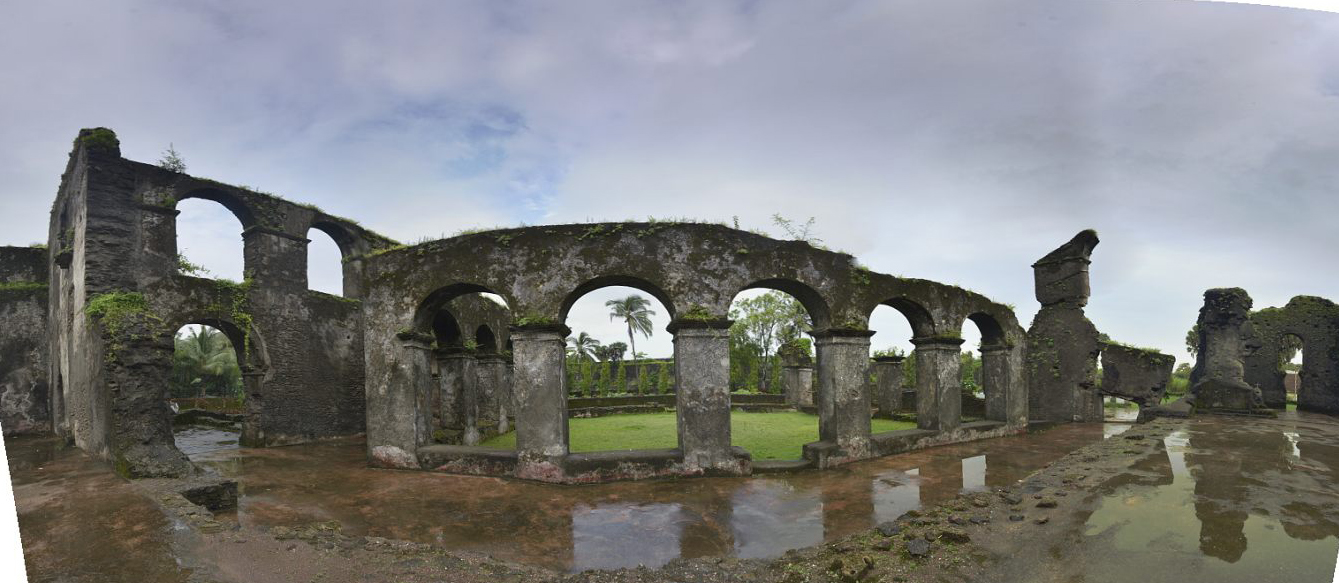
Winter Season (November to February)
The winter months offer the most comfortable conditions for exploring the Dominican Monastery and other outdoor attractions in Daman. Daytime temperatures typically range between 20°C to 30°C, with low humidity and minimal rainfall. The pleasant weather makes it ideal for walking around the ruins, taking photographs, and exploring the broader Moti Daman Fort complex without the discomfort of heat exhaustion. The winter skies are usually clear, providing excellent lighting conditions for photography—particularly the soft golden light of early morning and late afternoon, which beautifully illuminates the stone ruins. This period also coincides with peak tourist season in Daman, so while you'll have excellent weather, you may encounter more visitors at popular sites. However, the Dominican Monastery, being a quieter attraction within the fort complex, rarely gets crowded even during peak season. Winter evenings can get cool (sometimes dropping to 15°C), so if you're planning a late afternoon visit, carry a light jacket.Summer Season (March to May)
Summer in Daman is hot and humid, with temperatures often exceeding 35°C and sometimes reaching 40°C during the hottest part of the day (typically 2 PM to 4 PM). The high humidity levels can make outdoor exploration uncomfortable, and you'll likely find yourself seeking shade frequently. If you visit during summer, plan your monastery visit for early morning (before 10 AM) or late afternoon (after 4 PM) when temperatures are slightly cooler. The midday period should be avoided as the heat can be intense, and there's limited shade at the ruins. Despite the challenging weather, summer visits do have some advantages. There are fewer tourists, so you might have the monastery site almost entirely to yourself, allowing for peaceful contemplation and photography without people in your frames. The strong summer sunlight also creates dramatic contrasts in the ruins, though the harsh midday light isn't ideal for photography. If you're traveling in summer, stay hydrated, wear a hat or carry an umbrella for shade, and use sunscreen liberally.Monsoon Season (June to September)
The monsoon brings dramatic changes to Daman's landscape, and this season offers a unique experience for visitors who don't mind getting wet. The region turns lush green, and the ruins take on a different character when wet—stone surfaces darken, and the overall atmosphere becomes more moody and atmospheric. Rainfall in Daman is heavy during this period, with frequent showers and occasional thunderstorms. The main advantage of visiting during monsoon is the sheer beauty of the region. The combination of gray monsoon skies, green vegetation, and weathered stone creates a romantic, almost mystical atmosphere perfect for photography. The cooler temperatures (rarely exceeding 30°C) make outdoor exploration comfortable when it's not raining. However, you'll need to be prepared for sudden downpours—carry rain gear, waterproof bags for electronics and cameras, and wear shoes with good grip as wet stone can be slippery. Some practical considerations: the fort complex and monastery ruins may have puddles or muddy patches during heavy rain. The lighting conditions can be challenging for photography, but the dramatic cloud formations and rain-soaked stone create stunning images if you're patient. The biggest advantage is that monsoon is off-season, so you'll likely have the entire site to yourself, allowing for a deeply personal experience of the ruins.Time of Day for Visits
Regardless of season, the time of day significantly impacts your experience. Early morning visits (shortly after sunrise, around 6:30 AM to 8:30 AM) offer the best lighting conditions—soft, golden light that brings out the textures and colors of the stone. Morning air is also cooler and clearer, making it comfortable for exploration. The morning light is particularly magical for photography, casting long shadows and creating depth in the ruins. Late afternoon and sunset (4 PM to 6:30 PM) provide equally beautiful lighting, with warm golden hues that make the stone glow. The evening light is softer and more diffuse than morning light, creating a different mood. This time is also excellent for photography, particularly if you want to capture the ruins against the sky. The temperatures are also more comfortable than midday. If you visit during winter, sunset is particularly pleasant as the air cools down quickly. Midday visits (10 AM to 3 PM) are generally less ideal due to harsh lighting and hot temperatures. The strong overhead sunlight creates flat lighting that doesn't flatter the ruins, and in summer, the heat can be oppressive. However, if you're visiting during winter and don't mind the lighting, midday visits allow you to explore at a leisurely pace without time pressure, as there's no sunset deadline to worry about.How to Reach Dominican Monastery, Daman
Reaching the Dominican Monastery in Daman involves getting to Daman first, and then navigating to the Moti Daman Fort area where the monastery is located. Daman is well-connected by various modes of transport, and the journey is part of the experience of visiting this coastal union territory.By Air
The nearest airport to Daman is Chhatrapati Shivaji Maharaj International Airport in Mumbai, approximately 170 kilometers away. Mumbai is a major international and domestic hub, well-connected to cities across India and the world. From Mumbai airport, you can reach Daman by road, a journey that typically takes 3-4 hours depending on traffic conditions. From the airport, you have several options: hire a private taxi directly to Daman (most convenient, costs ₹3,000-5,000), take an Uber or Ola cab to a railway station and continue by train, or use the state transport bus service. Private taxis offer door-to-door service and the flexibility to stop en route for meals or breaks. The route from Mumbai to Daman is scenic, passing through coastal areas, small towns, and lush countryside. Alternatively, you can fly into Surat Airport in Gujarat, which is about 130 kilometers from Daman. Surat has fewer flight connections than Mumbai but may be convenient depending on your originating city. The road journey from Surat to Daman takes approximately 2.5 to 3 hours and passes through different landscapes than the Mumbai route.By Train
The nearest major railway station to Daman is Vapi, located in Gujarat, just 12 kilometers from Daman. Vapi is well-connected to Mumbai, Surat, and other major cities on the Western Railway line. Several trains, including express and passenger services, stop at Vapi daily. From Mumbai, trains to Vapi take approximately 2.5 to 3.5 hours, depending on the train type. From Vapi railway station, you have several options to reach Daman and then the monastery. Auto-rickshaws are readily available and cost approximately ₹100-150 for the trip to Daman. Taxis charge around ₹300-400. State transport buses and private buses also connect Vapi to Daman, operating at regular intervals throughout the day (approximately every 30-60 minutes). The bus journey is economical (₹20-50) but may take longer due to multiple stops. Some trains also stop at the smaller Daman railway station, but connections are more limited compared to Vapi. If your train stops at Daman station, you're closer to your destination, but you'll need to check train schedules as not all trains stop here. From Daman station, auto-rickshaws and taxis can take you to Moti Daman Fort where the monastery is located.By Road
Daman is well-connected by road to major cities in Gujarat and Maharashtra. National Highway 48 (NH48) passes near Daman, making it accessible by car, bus, or taxi. The road network is generally good, and the journey offers scenic views of coastal Gujarat and the Arabian Sea.| From City | Distance | Driving Time | Route Options |
|---|---|---|---|
| Mumbai | 170 km | 3-4 hours | NH48 via Virar, Palghar |
| Surat | 130 km | 2.5-3 hours | NH48 via Navsari |
| Vapi | 12 km | 20-30 minutes | State highway |
| Valsad | 30 km | 45-60 minutes | State highway |
Getting to the Monastery in Daman
Once in Daman town, reaching the Dominican Monastery within Moti Daman Fort is straightforward. The fort is a prominent landmark in Moti Daman (the northern part of Daman, separated from Nani Daman by the Daman Ganga River). Auto-rickshaws are the most common and convenient mode of transport within Daman. An auto-rickshaw from Nani Daman to Moti Daman Fort costs approximately ₹50-80. Taxis are also available but are more expensive (₹150-200 for the same journey). Many visitors prefer to rent a two-wheeler (scooter or motorcycle) for the day, which costs around ₹300-500 and gives you the flexibility to explore at your own pace. If you're staying in Moti Daman area, the monastery might be within walking distance depending on your hotel location. The fort complex is large, so there's some walking involved once you reach the site. Comfortable walking shoes are recommended as you'll be exploring uneven terrain and stone surfaces.Nearby Attractions in Daman
While the Dominican Monastery is a significant attraction in itself, Daman offers several other heritage sites, beaches, and points of interest that can be combined with your monastery visit for a comprehensive experience of this coastal territory. The close proximity of these attractions makes it easy to cover multiple sites in a single day. Moti Daman Fort—The monastery is located within this massive fortification, making it the most obvious nearby attraction to explore. Built by the Portuguese in the 16th century, Moti Daman Fort covers approximately 30,000 square meters and is surrounded by a moat on three sides and the sea on the fourth. The fort's massive stone walls, bastions, and gateways offer insights into Portuguese military architecture. Within the fort complex, besides the Dominican Monastery, you'll find other heritage structures, administrative buildings, and pleasant open spaces perfect for leisurely walks. The fort's northern side offers sea views, making it a great spot to watch the sunset.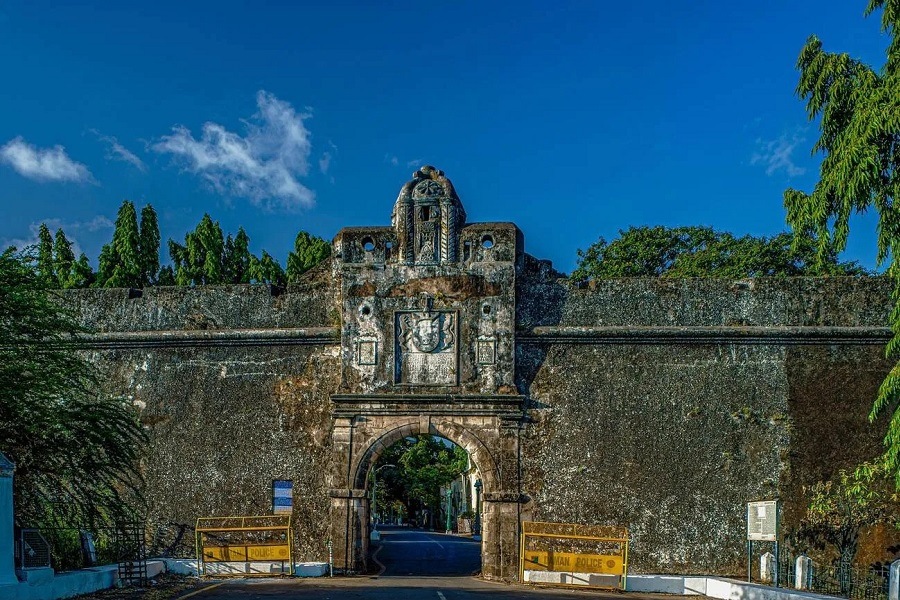 St. Jerome Fort (Nani Daman Fort)—Located on the opposite side of the Daman Ganga River in Nani Daman, this smaller fort dates back to the early 17th century. Unlike Moti Daman Fort, St. Jerome Fort is right on the seafront, offering spectacular views of the Arabian Sea. The fort's most striking feature is a large statue of St. Jerome standing at the entrance. Within the fort walls is a small cemetery with Portuguese tombs, the old Catholic church of Our Lady of the Sea, and the famous Jain temple nearby. The fort is particularly popular in the evening when locals gather to watch the sunset.
Daman Beaches—Daman's coastline offers several beaches that are perfect for relaxation after exploring historical sites. Jampore Beach, located in Moti Daman area, is a long stretch of black sand lined with casuarina trees. It's relatively clean and less crowded than many other beaches in India. Devka Beach in Nani Daman has a promenade with gardens, food stalls, and amusement facilities for children. While these beaches may not match the pristine beauty of Goa's beaches, they offer a pleasant coastal atmosphere, especially in the evenings when locals come for picnics and walks.
Light House—Located near the St. Jerome Fort area, the Daman Lighthouse offers panoramic views of the Arabian Sea and the surrounding coastline. The lighthouse itself is a functioning navigational aid, but the area around it has been developed as a viewpoint. It's particularly beautiful at sunset when the sky and sea are painted in golden and orange hues. The lighthouse area is also a good spot for photography, offering different perspectives of the fort and sea.
Church of Bom Jesus—This beautiful Portuguese-era Catholic church is located in Moti Daman, not far from the Dominican Monastery. Built in the early 17th century, the church is still active and serves the local Catholic community. The architecture features typical Portuguese colonial elements, with a simple but elegant facade and an interior decorated with religious statues and paintings. The church is particularly worth visiting during religious festivals when it's decorated and hosts special services.
Daman Ganga Bridge—Connecting Moti Daman and Nani Daman, this bridge spans the Daman Ganga River and offers pleasant views of the river and the surrounding areas. It's a good spot for photography, especially in the evening when the bridge is illuminated. Walking or driving across the bridge gives you a sense of Daman's geography and how the river divides the territory into two parts.
For travelers interested in exploring more heritage sites in the region, Gujarat's rich collection of historical monuments offers numerous options within driving distance of Daman. The state's Portuguese heritage, particularly in the Diu district, complements what you'll experience in Daman. Additionally, if you're planning a broader exploration of India's coastal heritage, understanding the beaches and forts of Daman and Diu will help you plan a comprehensive itinerary.
St. Jerome Fort (Nani Daman Fort)—Located on the opposite side of the Daman Ganga River in Nani Daman, this smaller fort dates back to the early 17th century. Unlike Moti Daman Fort, St. Jerome Fort is right on the seafront, offering spectacular views of the Arabian Sea. The fort's most striking feature is a large statue of St. Jerome standing at the entrance. Within the fort walls is a small cemetery with Portuguese tombs, the old Catholic church of Our Lady of the Sea, and the famous Jain temple nearby. The fort is particularly popular in the evening when locals gather to watch the sunset.
Daman Beaches—Daman's coastline offers several beaches that are perfect for relaxation after exploring historical sites. Jampore Beach, located in Moti Daman area, is a long stretch of black sand lined with casuarina trees. It's relatively clean and less crowded than many other beaches in India. Devka Beach in Nani Daman has a promenade with gardens, food stalls, and amusement facilities for children. While these beaches may not match the pristine beauty of Goa's beaches, they offer a pleasant coastal atmosphere, especially in the evenings when locals come for picnics and walks.
Light House—Located near the St. Jerome Fort area, the Daman Lighthouse offers panoramic views of the Arabian Sea and the surrounding coastline. The lighthouse itself is a functioning navigational aid, but the area around it has been developed as a viewpoint. It's particularly beautiful at sunset when the sky and sea are painted in golden and orange hues. The lighthouse area is also a good spot for photography, offering different perspectives of the fort and sea.
Church of Bom Jesus—This beautiful Portuguese-era Catholic church is located in Moti Daman, not far from the Dominican Monastery. Built in the early 17th century, the church is still active and serves the local Catholic community. The architecture features typical Portuguese colonial elements, with a simple but elegant facade and an interior decorated with religious statues and paintings. The church is particularly worth visiting during religious festivals when it's decorated and hosts special services.
Daman Ganga Bridge—Connecting Moti Daman and Nani Daman, this bridge spans the Daman Ganga River and offers pleasant views of the river and the surrounding areas. It's a good spot for photography, especially in the evening when the bridge is illuminated. Walking or driving across the bridge gives you a sense of Daman's geography and how the river divides the territory into two parts.
For travelers interested in exploring more heritage sites in the region, Gujarat's rich collection of historical monuments offers numerous options within driving distance of Daman. The state's Portuguese heritage, particularly in the Diu district, complements what you'll experience in Daman. Additionally, if you're planning a broader exploration of India's coastal heritage, understanding the beaches and forts of Daman and Diu will help you plan a comprehensive itinerary.
Travel Tips for Visiting Dominican Monastery
Making the most of your visit to the Dominican Monastery requires some preparation and practical knowledge. These travel tips will help you have a comfortable, safe, and enriching experience exploring this heritage site and the broader Daman area. Wear Appropriate Footwear—The monastery ruins have uneven stone surfaces, loose gravel, and some areas where the ground may be slippery, especially if you're visiting during or after rain. Avoid wearing flip-flops or heels. Comfortable walking shoes with good grip are essential. Sneakers or walking shoes are ideal as they provide support for walking on uneven terrain and protect your feet from potential hazards. If you're planning to explore the broader Moti Daman Fort complex, you'll be doing considerable walking, so comfortable footwear is non-negotiable. Carry Sun Protection—Daman's coastal location means strong sun exposure, especially between 10 AM and 4 PM. Even on cloudy days, UV rays can be strong. Wear a wide-brimmed hat or cap to protect your face and neck. Apply sunscreen with at least SPF 30 on exposed skin, and reapply every two hours or more frequently if you're sweating. Sunglasses with UV protection are essential, as the reflection from stone surfaces and the sea can be glaring. Consider carrying a small umbrella—this serves a dual purpose as sunshade and rain protection during monsoon season. Stay Hydrated—Exploring heritage sites involves more physical activity than you might realize, especially in Daman's humidity. Carry a water bottle and drink regularly, even if you don't feel thirsty. Dehydration can sneak up on you, particularly during summer months. There are limited facilities for purchasing water within the fort complex, so buy water before you arrive. If you're sensitive to heat, consider carrying oral rehydration solution or electrolyte tablets to add to your water, particularly if visiting during hot weather. Timing Your Photography—If photography is a priority for your visit (and it should be—the monastery ruins are photogenic), time your visit for early morning or late afternoon when the light is soft and warm. The harsh midday sun creates high contrast and deep shadows that aren't ideal for capturing the details of the ruins. Early morning light is particularly beautiful, casting long shadows and bringing out textures in the stone. The hour after sunrise and the hour before sunset are known as "golden hour" for a reason—make use of them. Combine with Moti Daman Fort Exploration—Since the monastery is within the Moti Daman Fort complex, plan to explore the entire fort area. Allocate at least 2-3 hours for the fort and monastery combined. The fort walls, bastions, and sea views are worth experiencing. There's no separate entry fee for the monastery within the fort (though this may change, so check current information). Combining both attractions gives you a more comprehensive understanding of Portuguese colonial history and military architecture. Hire a Guide if Available—While not always available, local guides can significantly enhance your understanding of the monastery's history and architecture. A guide can point out details you might miss—architectural elements, historical facts, and stories associated with the site. They can also provide context about Portuguese colonial history in Daman more broadly. Check at the fort entrance for authorized guides. If an official guide isn't available, consider doing some reading before your visit or downloading an audio guide app if available. Respect the Heritage Site—The Dominican Monastery is a protected archaeological site. Help preserve it for future generations by not touching or climbing on fragile structures, not removing any stones or artifacts, and not marking or defacing the walls. Avoid littering—carry your trash with you until you find a proper bin. If you're with children, supervise them to ensure they understand the importance of respecting historical monuments. Remember that this site is not just tourist attraction—it's a piece of cultural heritage that deserves respect and preservation. Check for Restricted Areas—Some parts of the monastery or fort complex may be restricted for safety reasons or because of ongoing conservation work. Respect all signs and barriers. Don't enter areas that are cordoned off or clearly unsafe. The ruins can be unstable in places, and what looks like a safe passage might actually be dangerous. Use common sense and don't take unnecessary risks for the sake of a photograph or exploration. Combine with Nani Daman Attractions—Since the Dominican Monastery is in Moti Daman, consider combining your visit with attractions in Nani Daman (the southern part, across the river). The St. Jerome Fort, lighthouse, and Devka Beach are all in Nani Daman and can be visited in the afternoon or evening after exploring Moti Daman in the morning. This split allows you to experience both parts of Daman and make the most of your day. Plan for Meals and Refreshments—There are limited food options within the Moti Daman Fort complex. Plan to eat before or after your visit. Moti Daman town has several restaurants and cafes where you can get meals. If you're visiting during meal times, factor in a break for lunch. Carry some snacks and water with you, especially if you're the type of traveler who gets hungry when exploring. There are small shops near the fort entrance where you can buy packaged snacks and cold drinks. Consider the Weather—Daman's weather can change quickly, especially during monsoon season. Check the forecast before your visit and plan accordingly. If rain is predicted, carry rain gear and waterproof bags for your electronics and camera. During summer, plan your visit for cooler parts of the day (morning or evening). In winter, mornings and evenings can be cool, so carry a light jacket if you're visiting during these times. Accommodation Options—If you're planning to stay overnight in Daman to explore at a leisurely pace, you'll find various accommodation options. Villas and resorts in Daman range from budget hotels to mid-range options to luxury properties. Many are located near Jampore Beach in Moti Daman, making them convenient for monastery visits. Booking in advance is advisable during peak season (October to March) and weekends, as Daman gets significant tourist traffic from nearby cities like Mumbai and Surat. Combine with Diu Visit—If you have time and interest in Portuguese colonial heritage, consider combining your Daman visit with a trip to Diu. Both territories share Portuguese colonial history, and Diu has an excellent collection of Portuguese monuments, including a massive fort, beautiful churches, and well-preserved heritage architecture. Diu can be reached by road from Daman (approximately 5-6 hours) or by a combination of road and ferry. Experiencing both Daman and Diu gives you a more comprehensive understanding of Portuguese colonial legacy on India's west coast. Be Patient with Facilities—Daman, while a tourist destination, doesn't have the level of tourist infrastructure that more popular destinations like Goa have. Facilities may be basic, and things may move at a slower pace than you're used to. Be patient with service, plan for basic amenities, and adopt a relaxed attitude. Part of Daman's charm is its laid-back, undeveloped character—embrace it rather than expecting the level of facilities you'd find in more commercialized destinations.Conclusion: A Journey Through Time
The Dominican Monastery in Daman may be a ruin, but it stands as a powerful testament to the layers of history that characterize India's coastal regions. These weathered stone arches and crumbling walls tell stories of colonial ambition, religious devotion, architectural achievement, and the inexorable passage of time that reduces even the grandest human constructions to dust. For the thoughtful traveler, visiting this site offers more than just sightseeing—it's an opportunity to contemplate the complexities of India's colonial history, the cultural exchanges that occurred when European powers established themselves on Indian shores, and the ways in which different religious and architectural traditions merged to create unique syncretic forms. The monastery is a physical reminder of the nearly 450 years of Portuguese presence in Daman, a period that shaped the territory's culture, cuisine, language, and built environment in ways that are still visible today. What makes the Dominican Monastery particularly compelling as a heritage destination is its authenticity. Unlike many historical monuments that have been extensively restored or rebuilt, this site has been preserved in its ruined state, allowing visitors to experience the romantic atmosphere of decay that makes archaeological sites so evocative. There's a profound beauty in these ruins—a beauty that comes from the combination of human achievement and the reclaiming power of nature. Whether you're a history enthusiast tracing Portuguese colonial routes, an architecture lover studying Gothic forms in Indian context, a photographer seeking atmospheric subjects, or simply a traveler looking for offbeat heritage experiences, the Dominican Monastery offers something meaningful. It reminds us that civilizations rise and fall, that even the most powerful empires eventually crumble, but that their physical remnants continue to speak across centuries, connecting us to the people who lived, worked, and prayed in these spaces generations ago. As you walk through the monastery ruins, perhaps at golden hour when the setting sun paints the stone in warm hues, take a moment to imagine the sounds that once filled these spaces—the chanting of monks, the ringing of bells, the conversations in Portuguese and local languages. Think about the hands that built these arches, the generations who worshipped here, the historical events that unfolded within these walls. This connection across time is what makes visiting heritage sites like the Dominican Monastery such a profound experience. In our fast-paced modern world, places like the Dominican Monastery offer a rare opportunity to slow down, to contemplate the passage of time, and to appreciate the fragility and resilience of human creations. They remind us that we are merely temporary custodians of the spaces we inhabit, and that what we build today will become the heritage sites or ruins that future generations ponder and explore. So the next time you're planning a coastal getaway or a heritage tour in western India, consider adding the Dominican Monastery in Daman to your itinerary. It may not have the grandeur of more famous monuments, but its intimate scale, atmospheric ruins, and historical significance offer a deeply rewarding experience for those who take the time to seek it out. In the silence of these ruins, you might just find a connection to history that transforms not just how you view the past, but how you understand the present and our place in the long continuum of human civilization.Location
Frequently Asked Questions
Q1.Where is Dominican Monastery located in Daman?
Q2.What is the history of Dominican Monastery?
Q3.What are the visiting hours for Dominican Monastery?
Q4.What can we see at the monastery ruins?
Q5.Is photography allowed at Dominican Monastery?
Q6.How much time should we spend at the monastery?
Q7.Is there an entry fee for Dominican Monastery?
Q8.What is the best time to visit Daman?
Q9.How to reach Dominican Monastery?
Q10.Are guides available at the Dominican Monastery?
Recommended For You

Best Villas in Daman: Luxury Beach Stays
Find the best villas in Daman with a practical guide to location, pricing, amenities, booking checks, and family-friendly stay planning.
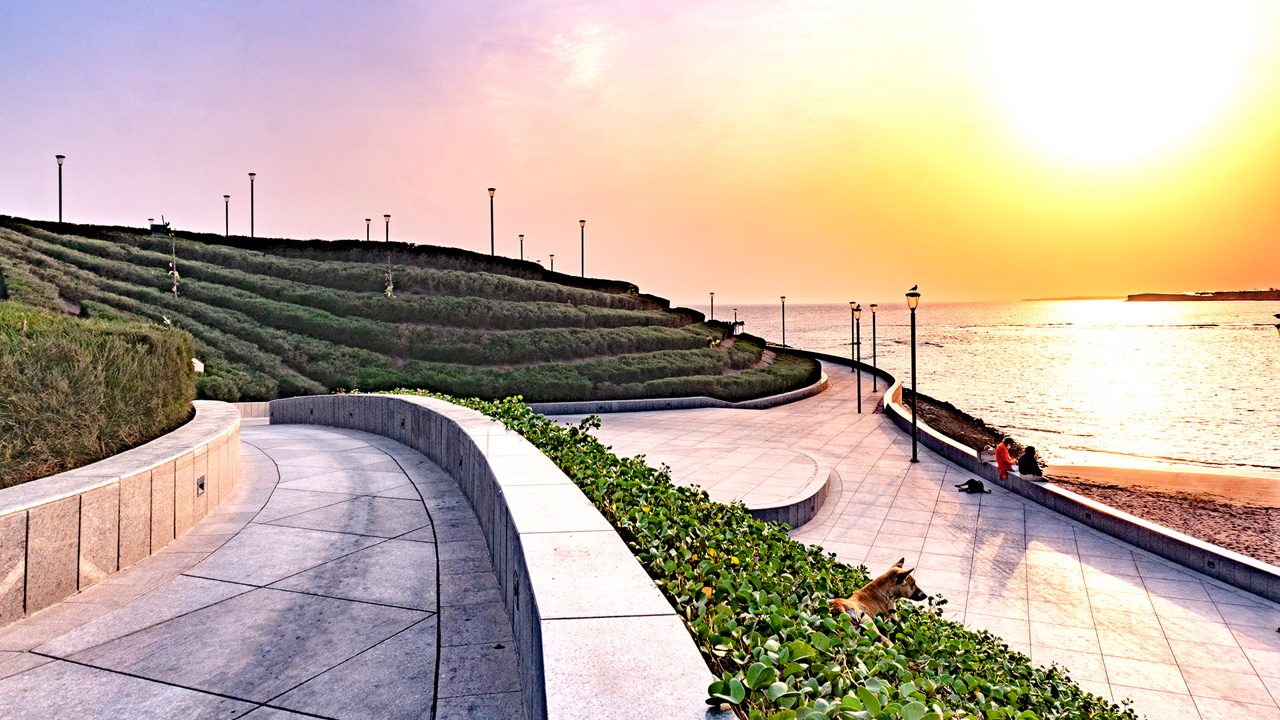
Khukri Memorial Guide: Tribute to INS Khukri
Khukri Memorial guide with INS Khukri history, Captain Mulla tribute, Diu location clarification, visitor tips, and nearby places for a complete heritage visit.
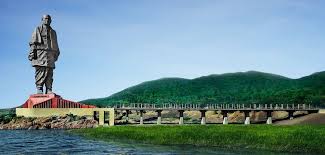
Places to Visit in Gujarat: Rann, Gir & Temples
Explore the best places to visit in Gujarat - from the Statue of Unity (world's tallest) to the white Rann of Kutch, Asiatic lions of Gir, sacred temples of Dwarka & Somnath. Complete travel guide.
Never Miss an Adventure
Get the latest trekking guides, travel tips, and exclusive offers delivered straight to your inbox.
