
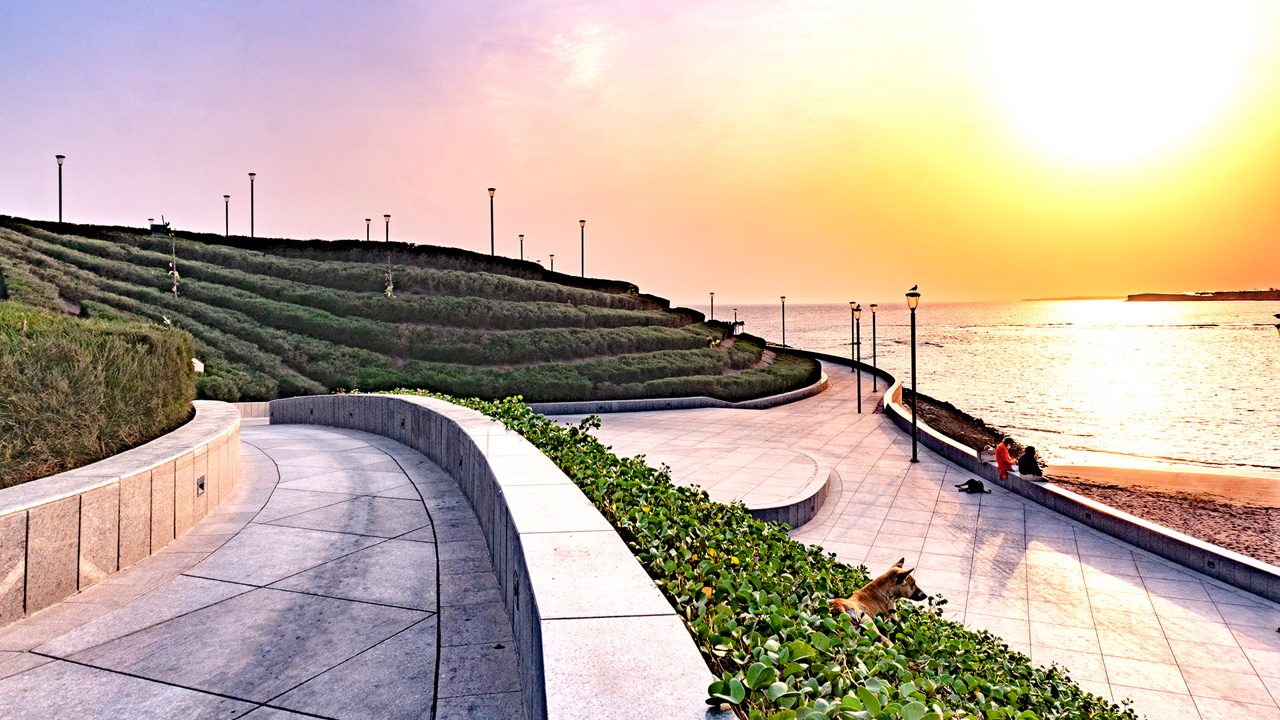
Khukri Memorial Guide: Tribute to INS Khukri

Ananya Sharma
February 18, 2026
Khukri Memorial guide with INS Khukri history, Captain Mulla tribute, Diu location clarification, visitor tips, and nearby places for a complete heritage visit.
Introduction
The Khukri Memorial is one of the most important naval war memorials linked to the 1971 Indo-Pak war at sea. Travelers often search for it as a Daman attraction, but the memorial itself is in Diu, near Chakratirth Beach. It is widely included in Daman-Diu itineraries because many visitors cover both regions in one coastal trip.
The site honors the officers and sailors of INS Khukri, including Captain Mahendra Nath Mulla, and stands as a reminder of sacrifice during a difficult wartime mission. This guide explains the memorial history, what happened to INS Khukri, what you can expect on site, and how to plan your visit with nearby attractions. If you are combining this with regional sightseeing, include Panikota Fort and Dominican Monastery in your route plan.
Where Exactly Is the Khukri Memorial?
The memorial is in Diu, not in Daman town. Because Daman and Diu are often discussed together in travel content, the location gets mixed up frequently.| Common Query | Accurate Clarification |
|---|---|
| Khukri Memorial Daman | Memorial is in Diu, near Chakratirth area |
| Daman and Diu circuit | Both destinations can be combined in one multi-day trip |
| Is it a naval site? | Yes, dedicated to INS Khukri and 1971 naval sacrifice |
The Story of INS Khukri (1971)
INS Khukri was a Blackwood-class anti-submarine frigate of the Indian Navy. During the 1971 war period, naval operations included anti-submarine search and engagement roles in the Arabian Sea sector. Khukri was involved in an operational mission where it encountered a Pakistani submarine threat. Historical accounts recognize that INS Khukri was struck by torpedoes and sank, resulting in heavy loss of life. It remains one of the most solemn chapters in Indian naval memory and is remembered for discipline, duty, and leadership under extreme pressure.Captain Mahendra Nath Mulla's Legacy
 Captain Mahendra Nath Mulla is remembered for extraordinary courage during the final moments of the ship's sinking. Public memory and military narratives describe his composed leadership and refusal to abandon responsibility. His actions have been widely cited as a model of naval honor and command ethics.
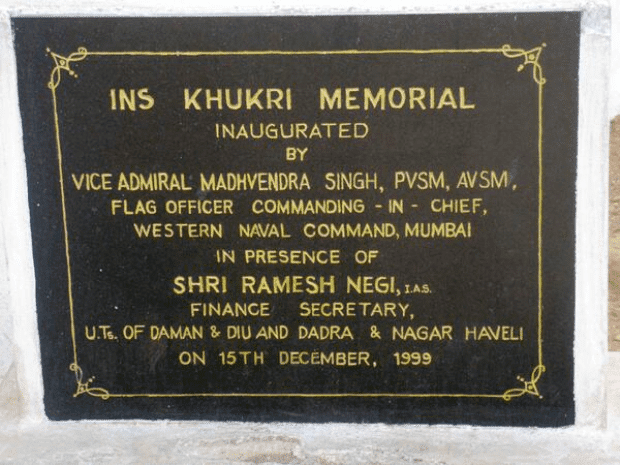
He was posthumously awarded the Maha Vir Chakra. At the memorial, visitors often spend extra time at tribute inscriptions connected to his name, reflecting how central his leadership remains in the collective remembrance of INS Khukri.
Captain Mahendra Nath Mulla is remembered for extraordinary courage during the final moments of the ship's sinking. Public memory and military narratives describe his composed leadership and refusal to abandon responsibility. His actions have been widely cited as a model of naval honor and command ethics.
He was posthumously awarded the Maha Vir Chakra. At the memorial, visitors often spend extra time at tribute inscriptions connected to his name, reflecting how central his leadership remains in the collective remembrance of INS Khukri.
What You See at the Khukri Memorial
The memorial is designed as both a tribute and a viewpoint space facing the sea. The atmosphere is respectful and calm, with visual elements intended to preserve memory rather than create a tourist spectacle. On-Site Highlights:- INS Khukri representation/model display zone
- Commemorative inscriptions honoring crew and officers
- Open sea-facing setting with strong sunset potential
- Memorial pathways and viewing points near the hillock area
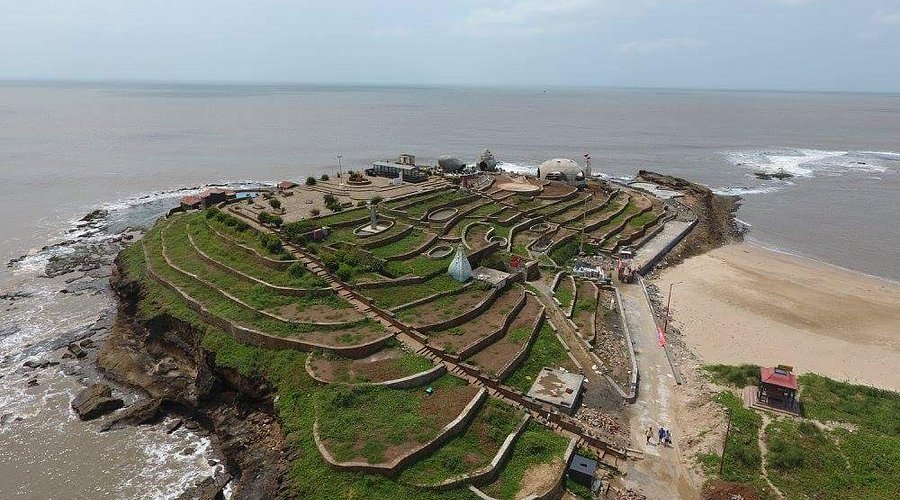 This is not a loud, activity-heavy attraction. It is best approached as a reflection space where you spend focused time learning the history before moving to nearby beaches or fort sites.
Visitor Experience: What to Expect
Most travelers keep 30-60 minutes for a meaningful visit. If you are reading inscriptions in detail and combining it with photography, keep 75 minutes. Best visiting windows:- Morning: calmer environment, lower crowd density
- Late afternoon: softer light and sea-view atmosphere
- Sunset hour: visually strong, but can be busier
Entry Fee and Timings
Fee and operational details can change with local administration updates. Many travelers report either free or nominal-access conditions depending on visit period and site management status. Always reconfirm locally before planning fixed-time entries.Nearby Places You Can Combine
| Attraction | Why It Pairs Well | Suggested Time |
|---|---|---|
| Diu Fort | Major heritage anchor with military and coastal context | 1-2 hours |
| Nagoa Beach | Leisure contrast after memorial visit | 1-2 hours |
| Chakratirth Beach | Close by and easy to combine on same route | 45-60 min |
| Daman-side heritage circuit | Good for multi-day regional itinerary | Half to full day |
How to Reach Khukri Memorial
By Air: Travelers usually connect through larger regional airports and continue by road, depending on current route convenience. By Road: Diu is well connected for road travelers on western coastal circuits. Local taxi/auto options are commonly used for intra-town movement to the memorial. By Rail + Road: Many travelers use nearest practical railhead options and complete the final leg by road transport. Because transport patterns can change, it is better to finalize route planning close to travel date instead of using old static schedules.Best Time to Visit Diu for Memorial + Sightseeing
Cooler months are generally preferred for comfortable outdoor movement and coastline exploration. Peak holiday periods bring higher tourist volume, so early hotel booking is recommended.Respectful Visit Guidelines
- Maintain a respectful tone at memorial sections
- Avoid loud group behavior near tribute inscriptions
- Use photography responsibly without disrupting others
- Do not treat commemorative spaces as casual picnic zones
Common Myths and Clarifications
Myth: Khukri Memorial is in Daman city.
Fact: The memorial is in Diu and often covered in Daman-Diu combined travel plans.Myth: It is only a quick photo stop.
Fact: It is a war remembrance site with historical context and should be visited with adequate time.Myth: No reason to visit unless you are in the Navy.
Fact: It is meaningful for any traveler interested in Indian military history and civic memory.Suggested Half-Day Memorial Circuit
Stop 1: Khukri Memorial (history-focused start) Stop 2: Diu Fort (heritage and coastal defense context) Stop 3: Beach-side sunset pause (Chakratirth or nearby) This sequence works well because it starts with solemn context and ends with lighter scenic time.1971 Naval Context: Why INS Khukri Matters
The 1971 conflict is often remembered through land campaigns, but maritime operations were equally strategic. Anti-submarine warfare missions required sustained tracking discipline under uncertain threat signals. INS Khukri's loss is therefore remembered not only as a tragedy, but as a defining episode in Indian naval operational history. For visitors, this context explains why the memorial is designed with restraint. It is not an entertainment attraction. It is a location where military duty, command responsibility, and wartime sacrifice are documented in public memory.How to Read the Memorial Better
Most travelers spend too little time at commemorative panels. A better approach is to divide your visit into three parts:- Part 1: Observe structure and inscriptions without photography rush
- Part 2: Read the core historical summary and officer references
- Part 3: Move to sea-facing section for reflection and final photos
Daman-Diu Combined Trip Planning
Because Khukri Memorial is in Diu, your base city decision matters. Travelers doing short trips often keep one Diu base and day-plan only selected Daman stops. Multi-day travelers split nights and cover heritage plus beach routes in both regions.| Trip Length | Recommended Base Strategy | Best Use Case |
|---|---|---|
| 1 day | Diu-only focused circuit | Memorial + fort + sunset |
| 2 days | Diu base + selective coastal add-ons | History + beach balance |
| 3+ days | Split Diu and Daman | Full heritage-beach coverage |
Practical Site Conduct and Accessibility Notes
As with many coastal memorial spaces, pathway quality may vary by season and maintenance cycle. If you are traveling with seniors or wheelchair users, verify latest ground conditions with local tourism contacts or accommodation hosts. Visitors should also account for wind exposure and sun intensity at open sea-facing points. Carry water, avoid climbing restricted edges, and keep children within sight lines near viewpoint perimeters.What Makes This Site Distinct from Other War Memorials
Khukri Memorial stands apart because it represents a specific naval loss at sea and is geographically aligned with coastline memory. Unlike city-center monuments, this one uses the sea itself as part of the emotional frame. The environment reinforces the story: open horizon, maritime wind, and quiet visibility rather than ceremonial urban scale. That sensory context is a major reason this memorial stays memorable for history-minded travelers.Educational Value for Younger Travelers
Families visiting with students often find this site useful for introducing naval history beyond textbook summaries. A short pre-read before arrival helps children connect names, timeline, and significance while walking through the memorial. If you are planning an educational stop, keep a small note-based format: event context, command leadership, memorial symbolism, and reflections. This turns a passive visit into a meaningful learning session.When to Spend More Time at the Memorial
If you have military history interest, plan a longer stop and read all inscription sections carefully. Sunset windows are visually appealing, but morning visits are often better for uninterrupted historical reading and quieter reflection.Conclusion
Khukri Memorial is one of the most significant remembrance sites on the western coast and deserves more than a checklist stop. Its value lies in history, sacrifice, and the enduring memory of the INS Khukri crew, especially Captain Mahendra Nath Mulla. If you plan carefully and treat the site with respect, this visit adds real depth to any Daman-Diu journey. It is a place where travel and national memory meet, and that is exactly why it stays with visitors long after the trip ends.Location
Frequently Asked Questions
Q1.Is the Khukri Memorial in Daman or Diu?
Q2.What happened to INS Khukri?
Q3.Who was Captain Mahendra Nath Mulla?
Q4.When was the memorial established?
Q5.What are Khukri Memorial timings and entry fee?
Q6.Can we take photos at Khukri Memorial?
Q7.How far is Diu from Daman for travelers?
Q8.Is Khukri Memorial wheelchair accessible?
Recommended For You
Beaches near Dadra and Nagar Haveli: Weekend Coastal Escapes
Explore beaches near Dadra & Nagar Haveli. Discover Daman's Jampore and Devka beaches, Diu's pristine shores, and Dudhni Lake water sports. Perfect coastal getaways guide with travel tips.
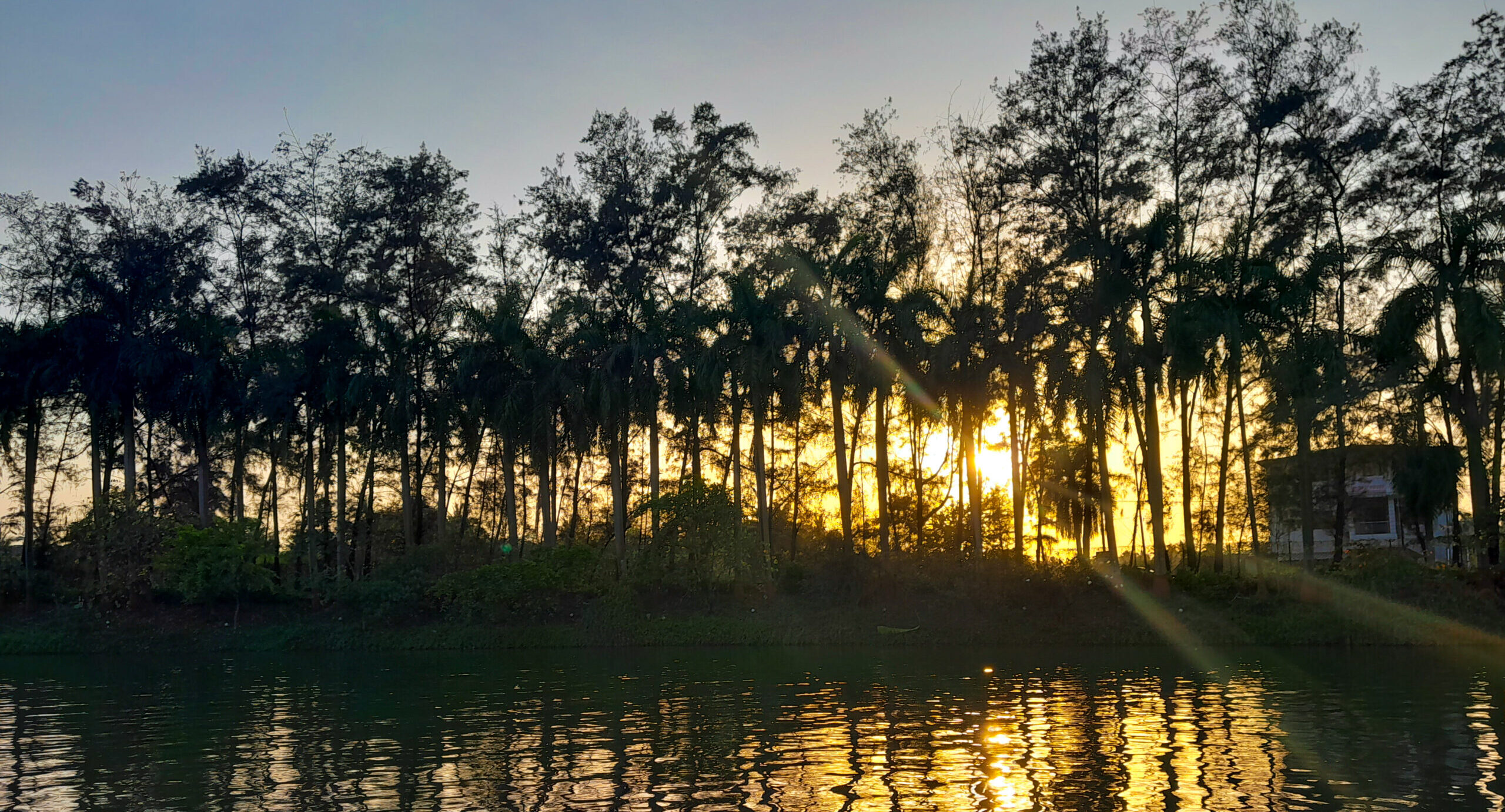
Nightlife in Daman and Diu: Complete Nightlife Guide 2026
Complete nightlife guide to Daman and Diu - beaches, bars, parties, casino, beach dining & practical tips. Compare Daman vs Diu nightlife scenes.
Places to Visit in Gujarat: Rann, Gir & Temples
Explore the best places to visit in Gujarat - from the Statue of Unity (world's tallest) to the white Rann of Kutch, Asiatic lions of Gir, sacred temples of Dwarka & Somnath. Complete travel guide.
Never Miss an Adventure
Get the latest trekking guides, travel tips, and exclusive offers delivered straight to your inbox.
