
Festivals of Kerala: 20 Cultural Celebrations You Should Experience
Rohit Verma
February 20, 2026
Discover festivals of Kerala! Complete guide to Onam, Thrissur Pooram, Theyyam, snake boat races & 20 major Kerala temple and cultural festivals with dates, locations & travel tips.
Festivals of Kerala: A Practical Culture Guide for Travelers
Kerala is often called God’s Own Country for its landscapes, but its strongest identity comes from its living festival calendar. Across districts and communities, festivals shape food, music, public rituals, and local travel patterns. If you want a deeper trip, planning around festivals gives you access to Kerala beyond scenic backwaters and hill stations.
This guide explains the festivals of Kerala in a useful format: what each celebration means, when it usually happens, where to attend, and how to plan respectfully. If you are combining Kerala with other Indian city breaks, compare the pace of cultural events in places to visit in Delhi and places to visit in Mumbai to see why Kerala feels more community-centered and tradition-led.
Why Kerala Festival Travel Is Different
Many destinations host events for visitors. Kerala is different because festivals are first for local communities and spiritual traditions, then for tourism. That is why events feel authentic. Families prepare weeks in advance, temple committees coordinate details, and neighborhoods participate actively rather than passively watching a show.
Kerala’s festival culture is also unusually diverse. You can experience harvest celebrations, temple processions, Christian festivities, martial and ritual arts, and monsoon-linked boat races in one state. This makes Kerala one of India’s strongest culture-led travel destinations for both first-time and repeat visitors.
Top Festivals of Kerala You Should Know
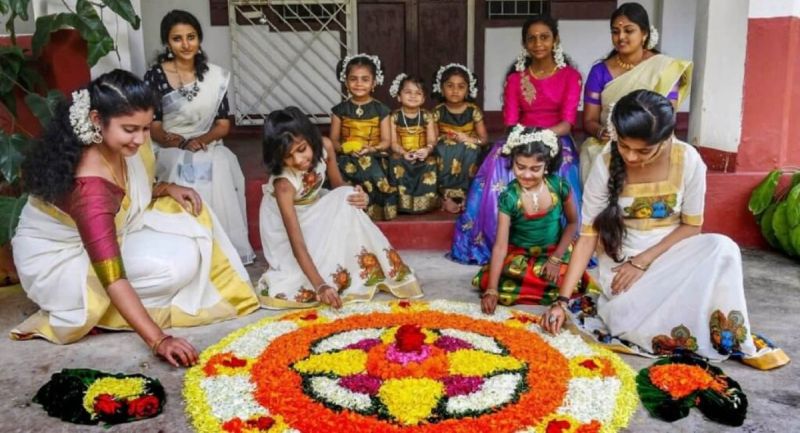
1. Onam (August-September)
Onam is the most widely celebrated festival in Kerala and marks harvest season along with the legendary return of King Mahabali. The state atmosphere changes completely during Onam: floral rangoli (pookalam), festive shopping, cultural performances, and the iconic Onam sadya feast become central to daily life. For travelers, this is the best time to witness broad participation across communities.
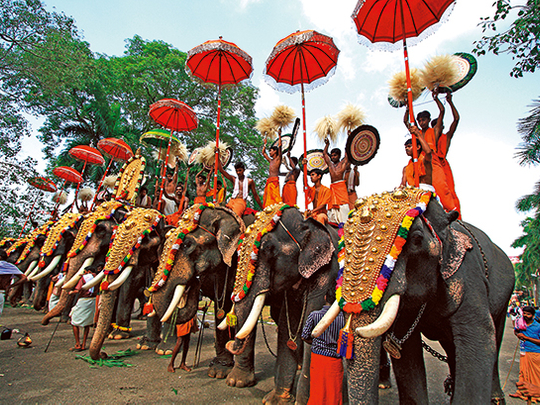
2. Thrissur Pooram (April-May)
Thrissur Pooram is among the grandest temple festivals in India. It is known for decorated elephants, percussion ensembles, umbrella displays, and massive public turnout. This is a high-energy event with large crowds, so logistics matter. Book accommodation early, reach event zones in advance, and choose clear meeting points if traveling in a group.
3. Vishu (April)
Vishu marks the Malayalam New Year and is associated with prosperity and fresh beginnings. The Vishukkani arrangement and ritual first sighting at dawn are central practices in many homes. It is not as large in scale as Onam but is deeply meaningful culturally, making it ideal for travelers who prefer observing intimate household traditions over mega gatherings.
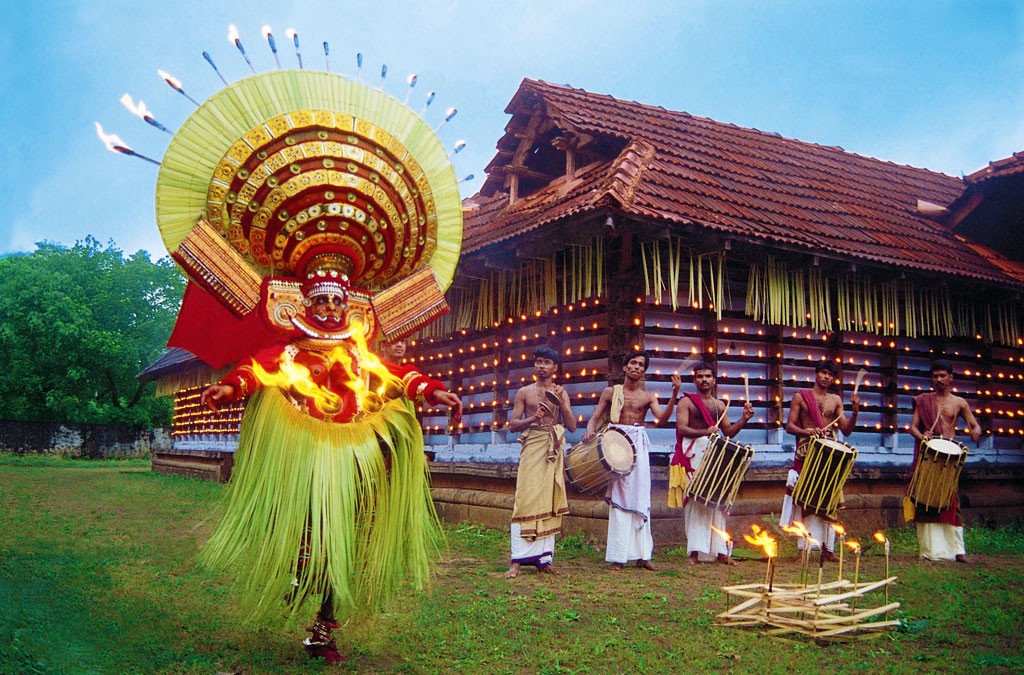
4. Theyyam Season (November-April)
Theyyam in North Kerala is an intense ritual performance tradition where costume, movement, music, and belief merge. For culture travelers, Theyyam is less about entertainment and more about witnessing a living sacred practice. Attend with guidance, keep respectful distance, and avoid interrupting ritual sequences for photography.
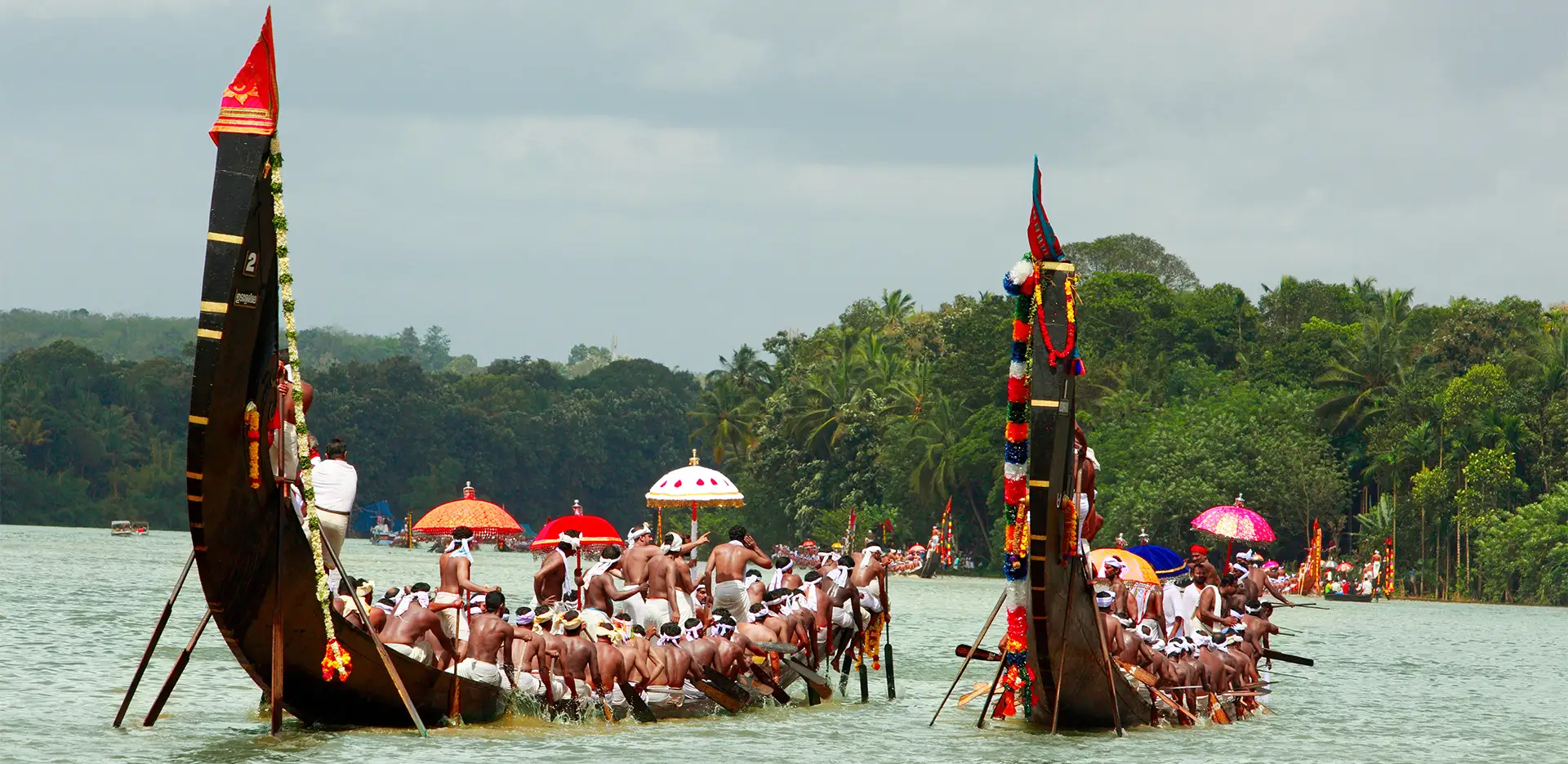
5. Snake Boat Race Season (Monsoon to Onam Window)
Kerala’s famous boat races combine sport, rhythm, and community pride. The visual energy is extraordinary, especially when teams row in synchronized movement to chants and percussion. This is one of Kerala’s most cinematic experiences and a major reason many travelers time their trip for late monsoon and early post-monsoon months.
6. Attukal Pongala
Attukal Pongala is known for one of the world’s largest gatherings of women offering ritual preparation. It is spiritually significant and logistically intense due to scale. If you are attending as an observer, arrive early, follow movement instructions, and remain aware that this is a sacred event first, not a performance.
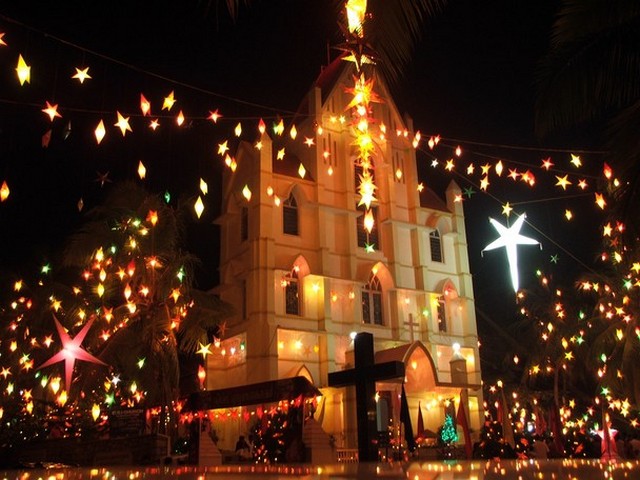
7. Christmas and Year-End Church Celebrations
Kerala’s strong Christian heritage gives December a different cultural flavor through church events, food traditions, and neighborhood celebrations. If you are visiting in year-end season, include this side of Kerala’s cultural calendar. You can also plan specific details through this Christmas in Kerala guide before finalizing your route.
Festival Calendar Planning: How to Pick the Right Season
Do not begin with a city list. Begin with one anchor festival and plan the route around it. This prevents rushed travel and helps you absorb context. A practical approach is one major event plus one district-level event in the same trip. You get scale and authenticity without exhaustion.
For first-timers, Onam plus one local temple festival is a strong combination. For repeat visitors, build around Theyyam or a specific temple pooram and spend more time in one region. If you are doing multi-state travel and want city contrast after Kerala’s ritual-heavy atmosphere, consider adding places to visit in Hyderabad as an urban culture extension.
How to Attend Kerala Festivals Respectfully
Dress and Behavior
Modest clothing works best, especially near temples and ritual zones. Follow footwear rules and marked access boundaries. Do not step into performer or procession paths for photos. Staying slightly away from the center often gives a better and safer viewing experience.
Photography Rules
Kerala festivals are highly photogenic, but the best practice is simple: ask first where possible, avoid flash in ritual settings, and never block devotees. Good festival photography respects movement, rhythm, and consent. Smaller local events may have stricter norms than headline festivals.
Crowd and Sound Awareness
Large temple events can be loud and dense. Families with children or seniors should choose side viewing spots, keep water and basic medical essentials, and decide an exit path in advance. This single step prevents most festival-day stress.
Common Mistakes Travelers Make
- Assuming festival dates are fixed yearly without checking the current calendar.
- Trying to cover too many major events in one short trip.
- Prioritizing video capture over cultural etiquette.
- Booking transport and hotels too late during peak festival windows.
- Ignoring local weather and road diversions around event zones.
Suggested 5-Day Culture-Focused Festival Itinerary
Day 1: Arrival and Orientation
Arrive in your base city, review event timing, and do a short local market walk to understand regional festival preparation.
Day 2: Main Festival Attendance
Attend your anchor event with buffer time for entry and exit. Keep the schedule flexible and avoid back-to-back heavy activities.
Day 3: Local Culture Day
Visit a district-level event, craft zone, or local performance to balance scale with depth.
Day 4: Food and Community Experience
Focus on regional cuisine and neighborhood-level traditions. This is often where travelers understand festival culture most clearly.
Day 5: Reflection and Departure
Use the final day for light sightseeing, shopping, and comfortable departure logistics.
Final Take
Festivals of Kerala are not isolated attractions. They are social and spiritual systems that shape the state’s identity. If you plan by season, stay flexible, and attend with respect, Kerala offers one of the most meaningful cultural travel experiences in India. The reward is not just what you see, but what you understand about people, tradition, and place.
Quick Checklist Before You Confirm Bookings
Confirm exact festival dates from current-year local sources before paying for flights and hotels. Keep at least one buffer day between major events to handle weather delays, transport diversions, or crowd restrictions. Prefer stay locations with easy early-morning departures, because many key rituals start before peak daylight. Carry light cotton layers, hydration, and cash for small local purchases where digital options may be limited.
Most importantly, build your plan around experience quality, not event count. One well-planned major festival plus one neighborhood-scale celebration often gives better cultural understanding than a rushed checklist of five events. Kerala rewards slower, respectful travel, and festival season is where that difference becomes most visible.
Location
Frequently Asked Questions
Q1.What are the major festivals in Kerala?
Q2.When is Onam celebrated in Kerala?
Q3.What is Theyyam and where is it celebrated?
Q4.When is Thrissur Pooram held?
Q5.When is the Snake Boat Race held in Kerala?
Q6.How is Thrissur Pooram different from other festivals?
Q7.What makes Kerala festivals unique?
Q8.What is the best time to visit Kerala for festivals?
Recommended For You
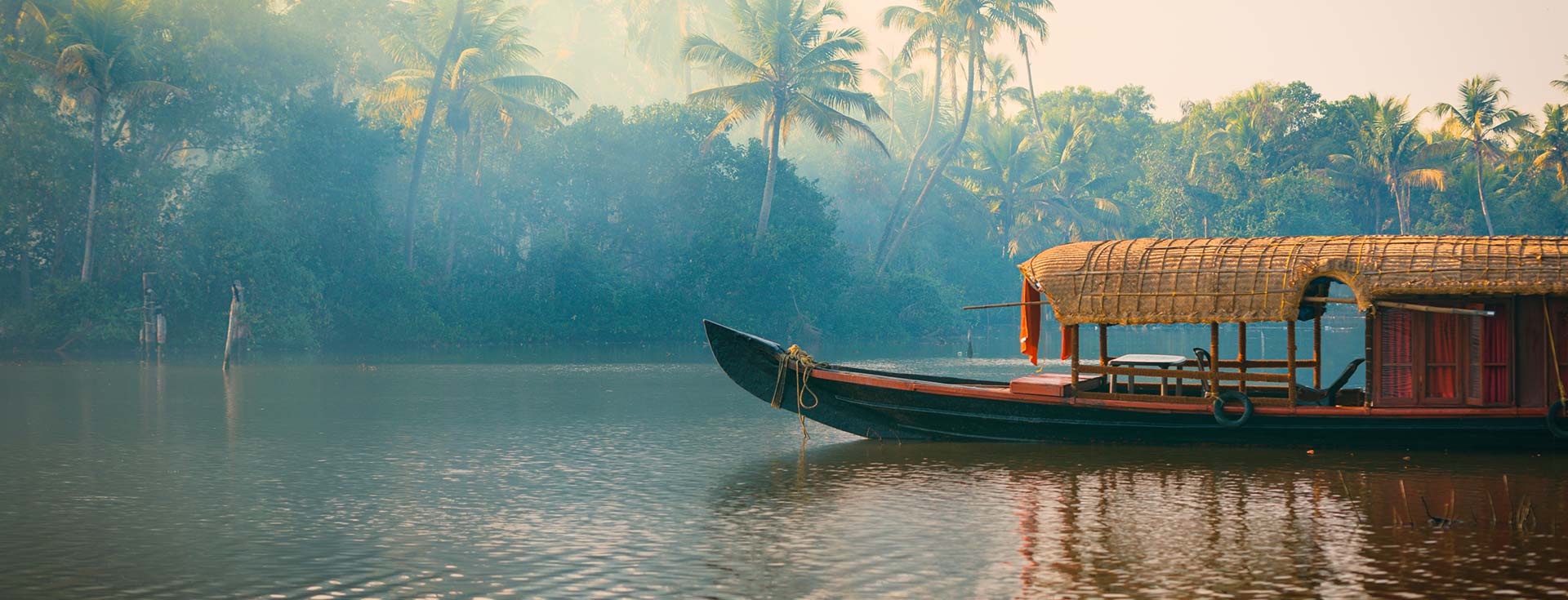
Best Alleppey Houseboats: Types, Prices & Booking Tips
Compare Alleppey houseboats by type, budget, route, and booking quality filters so you can plan a smoother and better-value backwater stay.
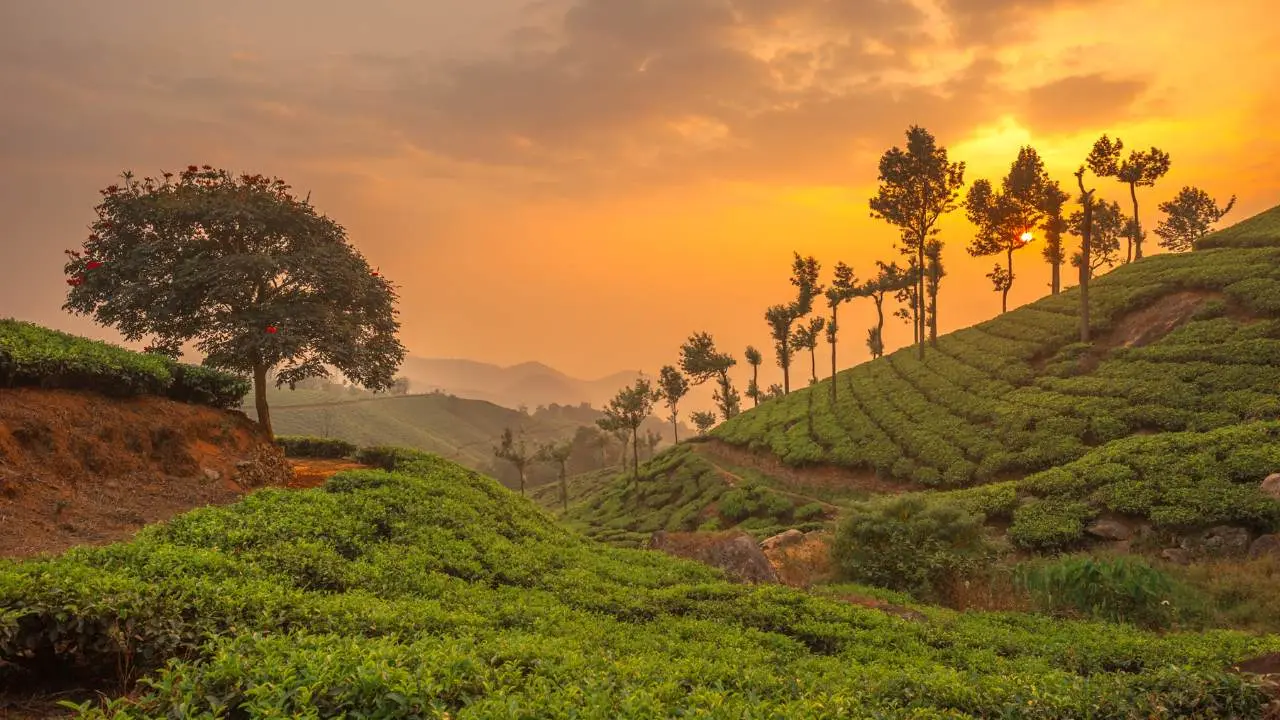
Munnar: Complete Travel Plan Places And Weather
Complete Munnar travel guide. Best time to visit, top attractions, tea garden tours, adventure activities, accommodation, costs, and practical tips for Kerala's famous hill station.
Places to Visit in Kerala in Monsoon: Backwaters, Falls & Green Escapes
Discover the best places to visit in Kerala in monsoon, from Munnar and Wayanad to Alleppey backwaters, with practical safety, route, and weather planning tips.
Never Miss an Adventure
Get the latest trekking guides, travel tips, and exclusive offers delivered straight to your inbox.
