
Festivals in Thailand: Songkran, Loy Krathong & Celebration Dates

Rahul Garg
February 20, 2026
Discover festivals in Thailand including Songkran, Loy Krathong, and Yi Peng with practical timing, planning, and travel tips.
1. Introduction to Festivals in Thailand
Thailand is one of Southeast Asia’s most festival-rich destinations, with celebrations linked to Buddhist full-moon observances, seasonal transitions, local kingdom traditions, and regional cultural identities. For travelers, festivals in Thailand are not just events to watch. They shape city atmosphere, transport patterns, hotel demand, and what you can experience in streets, temples, and community spaces.
The most internationally known festivals are Songkran (Thai New Year water festival), Loy Krathong (floating basket festival), and Yi Peng (lantern tradition in northern Thailand). Beyond these, Thailand has year-round celebrations including Buddhist holy days, Chinese-Thai festivals, and regional temple events.
This guide covers the major Thai festivals, typical timing, best places to attend, what to expect, and practical planning tips to help you travel smoothly during peak celebration periods.
2. Songkran - Thai New Year Festival (April)
What is Songkran?
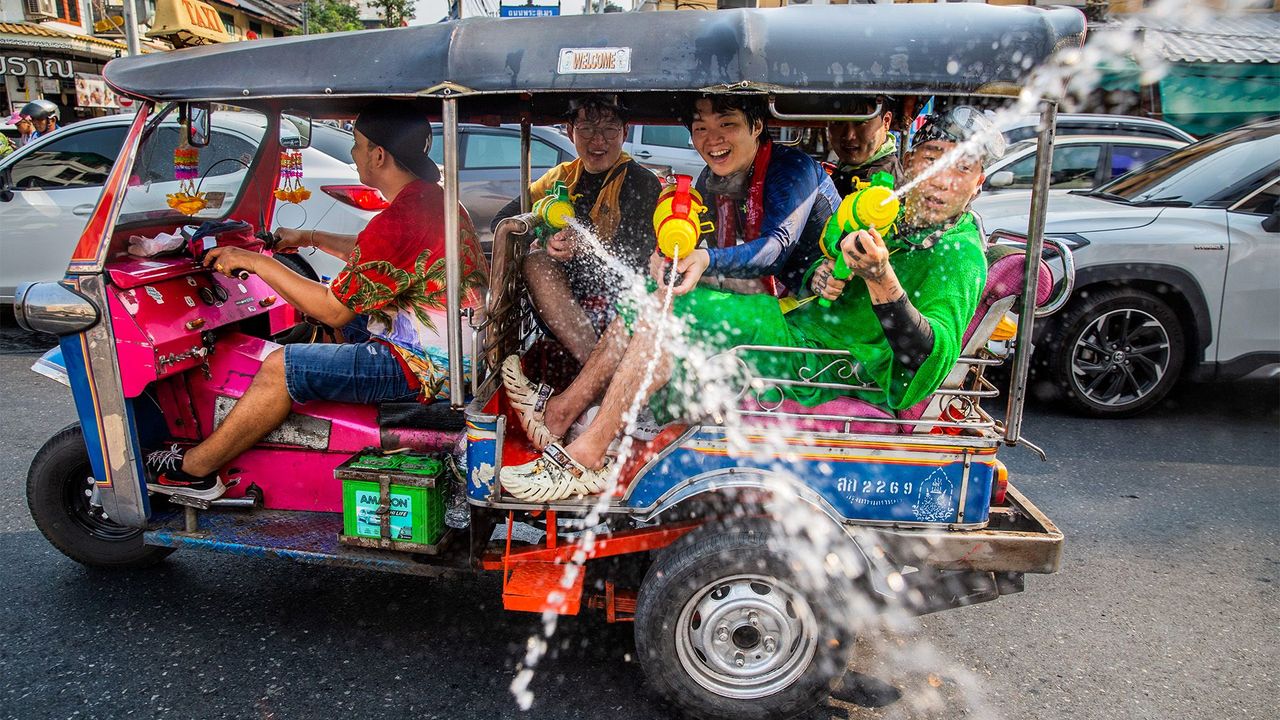
Songkran marks Thailand’s traditional New Year and is usually celebrated from April 13 to 15, though some destinations continue events for longer windows. Historically, Songkran involved merit-making at temples, cleansing rituals, and respectfully pouring water on elders for blessings. Over time, public water celebrations evolved into city-wide water events, especially in major tourism hubs.
Why Water Matters
Water symbolizes purification and a fresh start in the New Year cycle. While street water-play is now globally recognized, the cultural core still includes temple visits, family respect rituals, and religious offerings.
Best Places to Celebrate Songkran
- Bangkok: Strong urban celebration zones with large crowds.
- Chiang Mai: Famous for extended celebration atmosphere and old-city activity.
- Phuket: Beach + city celebration style with lively streets.
Songkran Practical Notes
- Expect to get wet in public celebration areas.
- Use waterproof protection for phone, passport copies, and cash.
- Follow local rules around restricted water-play zones.
- Respect monks, elders, and temple spaces where water-play is not appropriate.
3. Loy Krathong - Festival of Lights (November Full Moon)
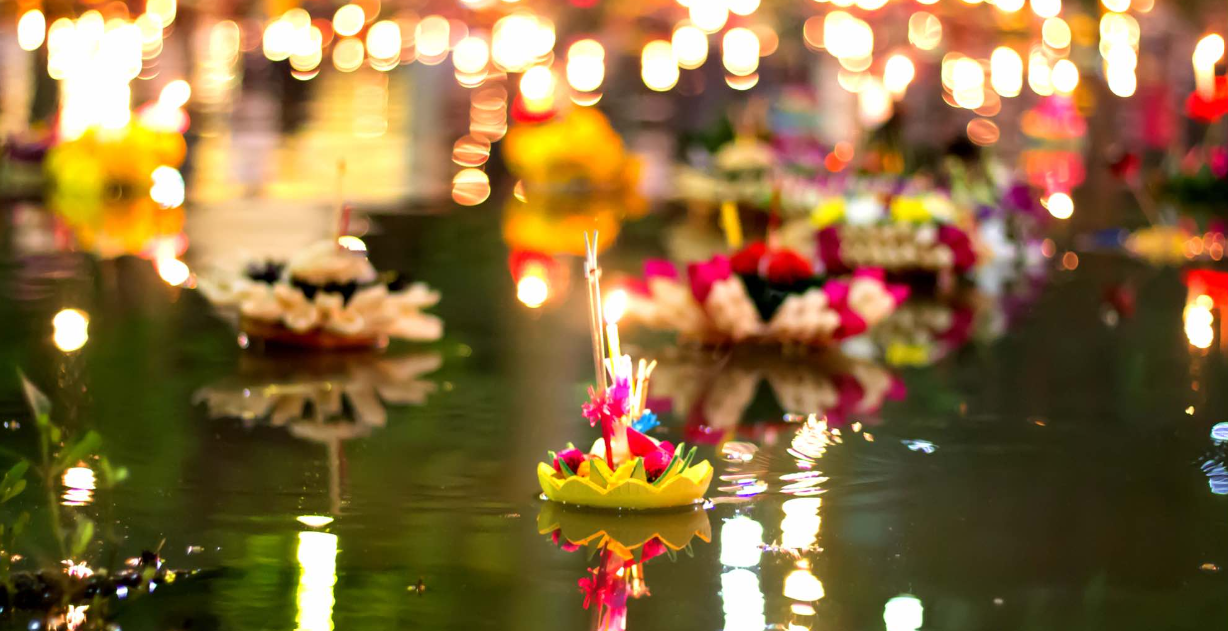
Loy Krathong is one of Thailand’s most visually iconic festivals. People float decorated baskets (krathong) on rivers, lakes, and canals to symbolically release negativity and express gratitude to water. The festival falls on the full moon of the 12th Thai lunar month, usually in November.
Core Elements of Loy Krathong
- Floating krathongs made from natural materials.
- Candle-lighting and wish-making rituals.
- Temple and community cultural programs.
- Evening riverfront gatherings in major cities.
Where to Experience Loy Krathong
- Bangkok: Chao Phraya belt and selected cultural venues.
- Sukhothai: Historic-park setting with strong heritage feel.
- Chiang Mai: Often paired with Yi Peng period experiences.
4. Yi Peng - Lantern Festival (Northern Thailand)
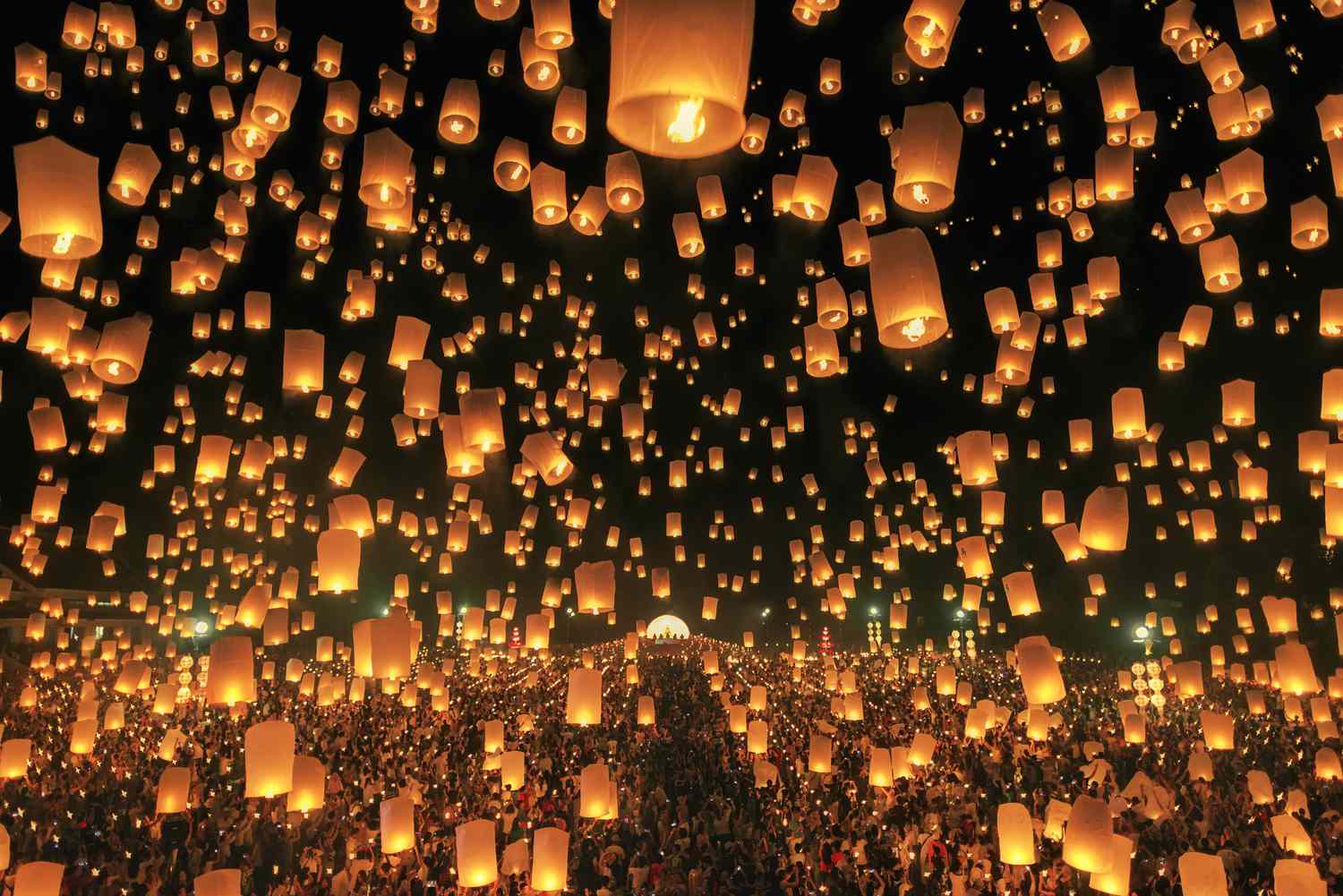
Yi Peng is associated with northern Thai (Lanna) cultural tradition and is most strongly experienced in and around Chiang Mai. It often aligns with the same broad period as Loy Krathong, but the key visual identity is sky lantern release and northern cultural ceremony patterns.
Yi Peng vs Loy Krathong
| Festival | Main Expression | Regional Strength |
|---|---|---|
| Loy Krathong | Floating baskets on water | Nationwide |
| Yi Peng | Lantern tradition in sky + Lanna rituals | Northern Thailand (Chiang Mai focus) |
Many travelers combine both in one trip, but event formats, ticketed zones, and venue rules vary each year, so advance verification is necessary.
For city-specific planning around this theme, refer to Lantern Festival in Thailand.
5. Other Major Festivals in Thailand
Visakha Bucha
A major Buddhist observance linked to Buddha’s birth, enlightenment, and passing. Celebrated with temple visits, candle processions, and devotional practices.
Asalha Puja and Buddhist Lent Cycle
Important religious calendar period with temple-centered observance, especially in local communities beyond major tourist hubs.
Vegetarian Festival (notably Phuket)
A prominent annual event associated with Chinese-Thai communities and known for ritual observances, vegetarian food culture, and processional activity.
Chinese New Year
Celebrated strongly in Thai-Chinese districts, especially Bangkok’s Chinatown zones, with cultural performances and festive market activity.
Regional Temple Fairs
Across Thailand, local temple festivals create highly authentic cultural windows that are often less crowded by international tourism than headline events.
6. Thailand Festival Calendar (Planning Table)
| Month | Festival Focus | Travel Note |
|---|---|---|
| January-February | Chinese New Year windows, regional temple events | High urban event energy |
| April | Songkran | Peak public celebrations and heavy movement |
| May-July | Buddhist holy day cycle | Temple-focused cultural travel |
| October | Vegetarian Festival windows | Strong Phuket and Chinese-Thai participation |
| November | Loy Krathong + Yi Peng period | High demand in Chiang Mai and key river cities |
| December | Year-end celebrations | Tourism peak in many destinations |
7. Best Time to Visit Thailand for Festivals
- April: Best for Songkran and Thai New Year experience.
- November: Best for light-based festivals (Loy Krathong/Yi Peng period).
- May-July: Best for Buddhist temple observances with cultural depth.
Choose month based on festival type you want most: water, lantern, or temple spirituality.
8. Cultural Significance of Thai Festivals
Thai festivals combine religion, family, and social participation. Even highly commercialized zones retain cultural layers such as merit-making, respect rituals, and temple-centered observance. This dual character is important: Thailand offers both visitor-friendly public celebration and deep local tradition at the same time.
Festivals also support local economies through artisans, street food vendors, local transport, event workers, and regional craft markets.
9. How to Plan a Festival Trip to Thailand
- Select one anchor festival first (Songkran or Loy Krathong/Yi Peng period).
- Confirm current-year dates and zone rules before booking.
- Book accommodation early near event centers.
- Keep one flexible day in case event timing shifts.
- Avoid same-day long transfers during major evening events.
If you are combining festivals with city travel, use Thailand cities to visit, shopping in Thailand, and how to go Thailand from India.
10. What to Wear and Pack During Festivals
- Light quick-dry clothing for Songkran days.
- Comfortable footwear with grip for wet streets.
- Waterproof pouches for valuables and documents.
- Modest clothing for temple visits and religious observances.
- Portable hydration and weather protection.
11. Travel Tips for Festival Season
- Reach major event zones early to avoid transport bottlenecks.
- Respect no-splash areas and local restrictions during Songkran.
- Use eco-friendly krathongs where possible during Loy Krathong.
- Check ticketed vs free-entry zones in Chiang Mai festival period.
- Carry emergency contacts and hotel details offline.
12. Common Mistakes to Avoid
- Assuming last year’s dates are valid for current year.
- Booking tight intercity transport on key festival evenings.
- Ignoring temple dress and behavior etiquette.
- Carrying non-waterproof electronics during Songkran.
- Underestimating accommodation demand in November and April peaks.
13. Final Takeaway
Festivals in Thailand are among the best ways to experience local culture beyond beaches and nightlife. Songkran offers high-energy public participation, Loy Krathong and Yi Peng offer symbolic beauty, and Buddhist observances provide spiritual depth. Plan with verified dates, stay flexible, and follow local etiquette. Done right, a festival-based Thailand trip gives both celebration and cultural understanding.
14. Festival Routes by Travel Style
For First-Time Thailand Visitors (5-6 Days)
Choose one anchor festival and one city extension. For example, if you travel in April, base in Bangkok for Songkran and add a short cultural extension to Chiang Mai or Ayutthaya depending on flight and rail preferences. If you travel in November, prioritize Chiang Mai for Yi Peng/Loy Krathong period and keep one day for flexible local programming.
For Culture-First Travelers (7-10 Days)
Split trip into one major city and one secondary cultural town. A practical structure is: city base for festival attendance, then move to a heritage zone for slower temple and neighborhood experiences. This avoids the common mistake of doing daily long transfers during festival peaks.
For Family Travelers
Choose accommodation near controlled event zones rather than highly congested hotspots. Keep daytime rest breaks before evening festival activities, especially for young children and senior members. Families benefit from pre-booked local transport on key nights.
15. Budget and Booking Strategy During Festival Season
| Expense Category | Festival Impact | Planning Advice |
|---|---|---|
| Hotels | Rapid price rise near key venues | Book early with flexible cancellation |
| Intercity transport | Higher demand around holiday clusters | Lock train/flight seats in advance |
| Local transfers | Road closures and heavy traffic | Allow extra buffer time on event days |
| Festival activities | Some zones ticketed, some free | Verify venue format before planning evening |
If your itinerary includes both Songkran and standard sightseeing, keep a separate contingency budget for waterproof gear, quick clothing changes, and transport adjustments. For Loy Krathong/Yi Peng, add budget for venue access, riverfront mobility, and late-return options.
16. Responsible Festival Tourism in Thailand
Respectful participation improves both traveler experience and local acceptance. During Songkran, avoid aggressive behavior in restricted zones and keep water-play away from monks, elders, and non-participating pedestrians. During Loy Krathong and Yi Peng, prefer eco-conscious practices and follow local release guidelines to reduce environmental impact and safety risks.
- Use biodegradable festival materials where possible.
- Do not block temple entrances during rituals.
- Follow local safety instructions for lantern and fire zones.
- Avoid drone usage in crowded religious events unless explicitly allowed.
- Support local vendors and artisans in regulated festival markets.
Thailand's festivals are living traditions. Travel with curiosity and respect, and your trip becomes far more meaningful than just event photography.
17. Final Planning Note
Choose fewer festival nights with better pacing instead of packing multiple long transfers into one trip. This keeps costs controlled and improves your on-ground experience.
Location
Frequently Asked Questions
Q1.What is Songkran festival in Thailand?
Q2.When is Songkran in Thailand?
Q3.Why do people throw water during Songkran?
Q4.Where is the best place to celebrate Songkran in Thailand?
Q5.What is Loy Krathong festival?
Q6.When is Loy Krathong celebrated?
Q7.What is Yi Peng lantern festival?
Q8.What is the best time to visit Thailand for festivals?
Recommended For You
Nightlife in Thailand: Best Cities, Party Streets & Safety Tips
Explore nightlife in Thailand with city-wise guidance for Bangkok, Phuket, Pattaya, islands, plus safety and planning tips.
Best Time to Visit Bangkok: Weather, Festivals & Travel Costs
Find the best time to visit Bangkok by season, weather, festivals, crowds, and budget to plan a smoother Thailand trip.
How to Go Thailand from India: Flights, Visa and Routes
How to go Thailand from India with updated visa rules, direct flight routes, fare tips, airports, and a complete pre-departure checklist for Indian travelers.
Never Miss an Adventure
Get the latest trekking guides, travel tips, and exclusive offers delivered straight to your inbox.
