
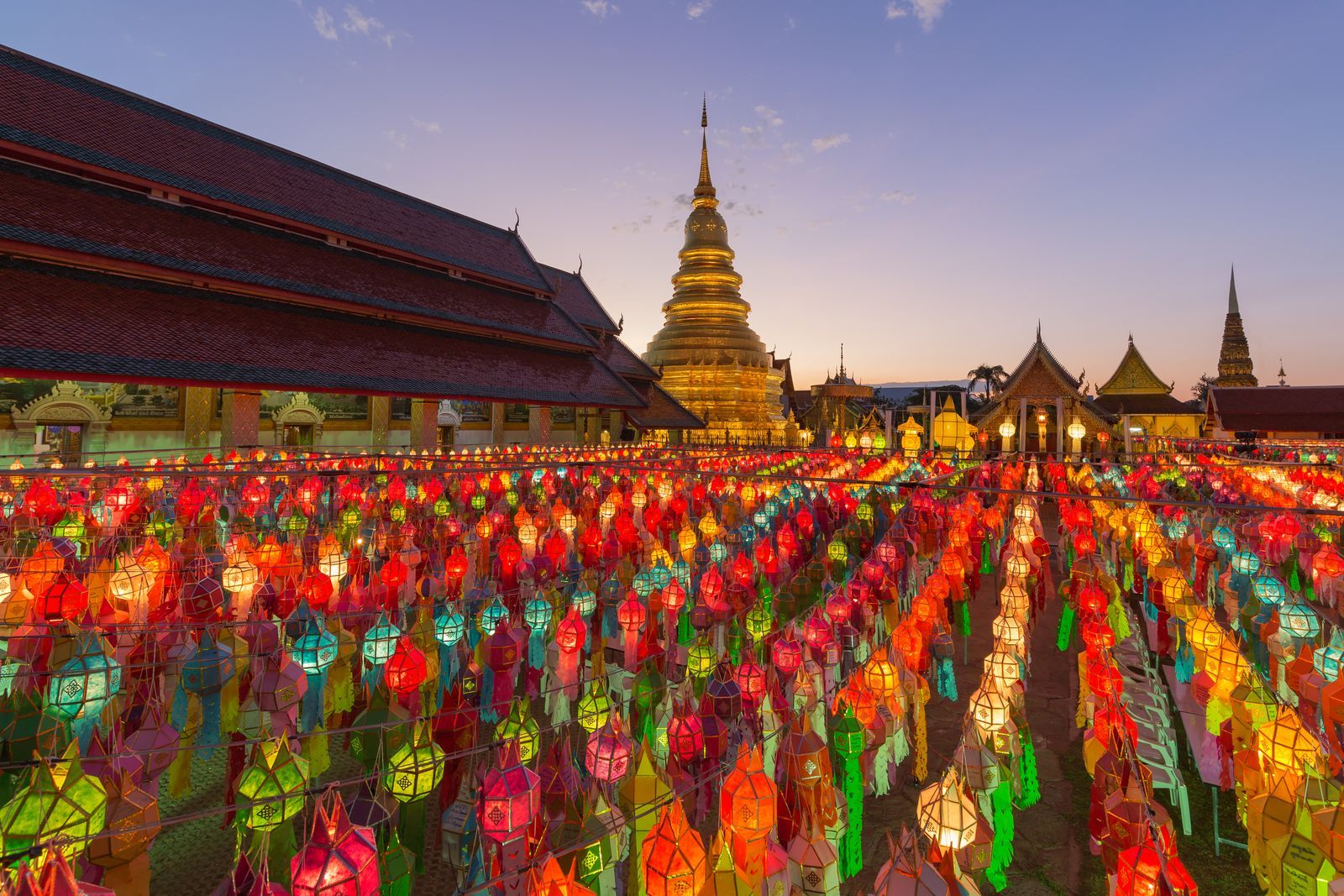
Lantern Festival in Thailand: Yi Peng, Loi Krathong & Best Cities

Ananya Sharma
January 8, 2026
Plan Thailand’s Lantern Festival with Yi Peng and Loi Krathong differences, best places, tickets, timing strategy, etiquette, and photography tips.
Introduction: Thailand’s Festival of Light and Reflection
The Lantern Festival in Thailand is one of Asia’s most emotional and visually unforgettable celebrations. For many travelers, it is the night when thousands of glowing lights rise into the sky while rivers and lakes shimmer with floating offerings. In practical terms, the experience usually combines two connected traditions: Yi Peng in Northern Thailand (especially Chiang Mai) and Loi Krathong, celebrated widely across the country. Together they create a rare blend of spirituality, community celebration, and cinematic beauty.
To enjoy the festival properly, timing and logistics matter as much as photography. Venue format, entry policy, traffic rules, and lantern-release regulations can differ from one location to another. Travelers who plan only around social media visuals often miss the most meaningful parts: temple rituals, local etiquette, and neighborhood events. This guide explains the difference between Yi Peng and Loi Krathong, how to choose the best place to attend, ticket strategy, what to wear, and how to photograph respectfully. If you are building a broader route, pair this with Thailand cities to visit and places to visit in Thailand with family.
What Is Yi Peng Festival?
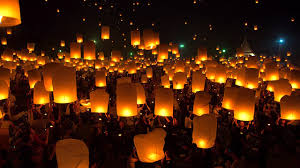
Yi Peng is a traditional northern Thai lantern festival rooted in Lanna culture, with Chiang Mai as its best-known celebration hub. The signature image is the release of khom loi (sky lanterns), often synchronized in large gatherings where participants make wishes or symbolic releases of burdens before sending lanterns into the night sky. The mood is usually calm and ceremonial rather than loud, especially in organized events.
Although popular travel content often describes Yi Peng as one single giant release, the real experience includes multiple formats: temple-centered rituals, neighborhood ceremonies, and ticketed mass-release events. Some zones are free public areas with crowd pressure; others are controlled venues with safety briefings, seating layout, and designated release timing. Understanding this distinction helps you avoid confusion and choose an experience that matches your budget, comfort level, and cultural interest.
Yi Peng also has a spiritual layer tied to merit-making, gratitude, and intention-setting. Even if you are visiting as a tourist, approaching the event with respect rather than performance-first behavior makes your experience richer and often more welcomed by locals and volunteers managing the space.
Yi Peng vs Loi Krathong: What’s the Difference?
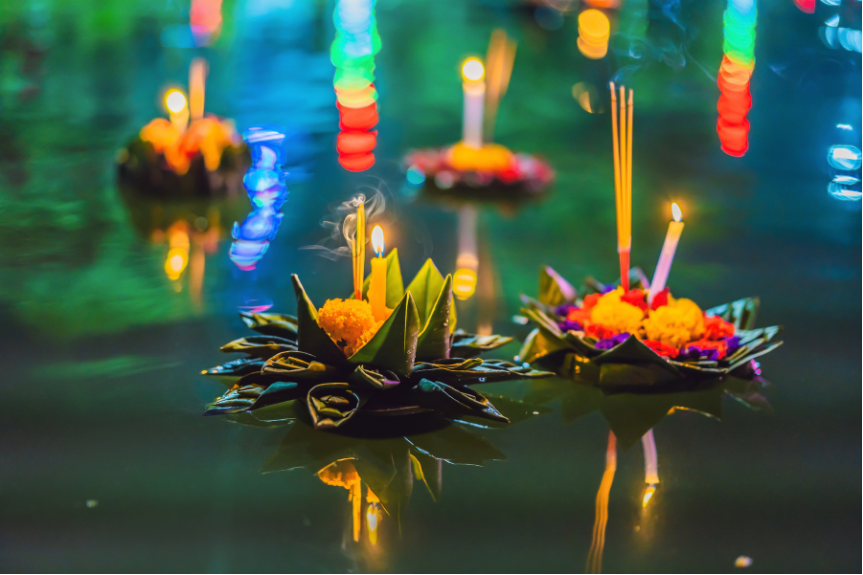
Many travelers use the names interchangeably, but they are related traditions with different expressions. Yi Peng is known for sky lanterns in Northern Thailand, while Loi Krathong centers on floating decorated baskets (krathongs) on water bodies across Thailand. During the same festival period, especially around the full moon of the twelfth lunar month, travelers can often experience both in one trip.
| Festival | Main Expression | Strongest Region | Traveler Experience |
|---|---|---|---|
| Yi Peng | Sky lantern release (khom loi) | Chiang Mai / Northern Thailand | Night-sky ceremony, ticketed and public formats |
| Loi Krathong | Floating baskets on water | Nationwide | River and lake rituals, city-wide festivities |
This difference matters for planning. If your priority is large synchronized lantern release, focus on Chiang Mai event logistics. If your priority is classic water-based ritual with easier access, many Thai cities offer excellent Loi Krathong experiences with lower ticket pressure.
Festival Dates, Timing and Booking Window
The Lantern Festival period follows the lunar calendar, so exact dates shift every year. Most travelers should treat the window as a high-demand period rather than relying on one exact social media date. Accommodation prices rise quickly, flights fill early, and evening transport becomes slow due to road closures and heavy crowds. Booking too late is the biggest reason travelers miss preferred venues.
For most trips, secure flights and stay at least 10 to 14 weeks in advance, then finalize event tickets once official organizers release venue details. Build a one-day schedule buffer on both sides of the main evening so weather changes, delayed transport, or sold-out slots do not collapse your plan. This is especially important if you are combining Chiang Mai with Bangkok or island routes.
- Ideal booking sequence: flights → accommodation → event ticket → local transfers.
- Arrival strategy: reach festival city at least one day early.
- Departure strategy: avoid immediate post-event midnight transfers.
Best Places to Experience the Lantern Festival in Thailand
Chiang Mai remains the most sought-after destination for Yi Peng because of cultural continuity, local ceremony density, and multiple event formats. You can find temple activities, neighborhood observances, and controlled release venues within practical travel distance. It is the best choice if this festival is your core trip purpose.
Bangkok offers excellent Loi Krathong riverfront atmosphere with easier flight access for international travelers. If you cannot secure Chiang Mai logistics, Bangkok still gives a memorable light festival experience with less pressure on lantern-specific ticketing.
Sukhothai and other heritage zones can offer a slower and culturally rich experience with dramatic historical backdrops. These options suit travelers prioritizing symbolism and ambiance over mass social-media style shots.
If you are adding beach extensions after festival nights, plan onward travel carefully and avoid assumptions about transfer speed. Festival traffic can affect airport timing even when distances look short on maps.
Tickets, Entry Types and Budget Planning
Lantern-festival access in Chiang Mai often falls into two broad categories: public city celebrations and private ticketed release events. Public areas may look attractive for spontaneity but can be crowded, with limited visibility and variable release control. Ticketed venues usually include designated release moments, safety instructions, better crowd flow, and sometimes cultural performances or meal inclusions.
| Format | Typical Cost Pattern | Pros | Limitations |
|---|---|---|---|
| Public Areas | Low or no ticket fee | Flexible access, local street atmosphere | High crowd density, limited structure |
| Ticketed Release Event | Higher, varies by organizer | Organized release, better safety and views | Sells out early, stricter timing rules |
Budget-wise, prioritize spending on location and transport reliability before non-essential add-ons. A well-located hotel and pre-booked return transfer often improve the experience more than last-minute premium options. When comparing packages, check clearly for transfer inclusion, lantern count, seating type, and cancellation policy.
Photography Tips Without Disrupting the Ceremony
Lantern festivals are a dream setting for photographers, but the best images come from planning and restraint, not aggressive movement. Arrive early, identify your framing lane, and avoid blocking others once the release starts. Wide shots capture scale, while tighter frames work for hands, lantern texture, and firelight detail. If your phone struggles in low light, lock exposure manually and hold steady for cleaner results.
Respectful behavior is essential: avoid flash during prayer moments, do not step into ceremony zones for selfies, and keep drones away unless explicitly permitted. In many venues, a calm presence and patience produce better photos than constant repositioning. You will also enjoy the moment more when you schedule short no-camera intervals to experience the atmosphere directly.
- Arrive 60-90 minutes early for setup and test shots.
- Carry one compact lens setup or lightweight phone rig.
- Keep a zip pouch for batteries, cards, and cloth.
- Use respectful angles when people are praying or making wishes.
What to Wear, Safety and Etiquette
Festival evenings combine religious symbolism with public celebration, so smart-casual modest clothing is the safest choice. Breathable layers, comfortable closed footwear, and lightweight rain protection work well. In temple-linked settings, avoid beachwear and revealing outfits. If your trip includes coastal legs, keep that wardrobe separate and follow local context.
Basic safety is straightforward: follow organizer instructions, keep distance from active flame, secure loose scarves near lantern ignition zones, and avoid rushing during release countdowns. Families with children should stand slightly off-center in less crowded edges where supervision is easier. Keep emergency contacts and hotel location saved offline because mobile networks can slow down in peak crowd moments.
Travelers sometimes ask about combining unusual beach itineraries during Thailand trips; if your route includes mixed destination types, read local norms and legal guidance carefully in advance. For context-specific planning references, see Thailand nude beaches and align expectations by destination style.
Practical Travel Planning: 3-Day Festival Itinerary
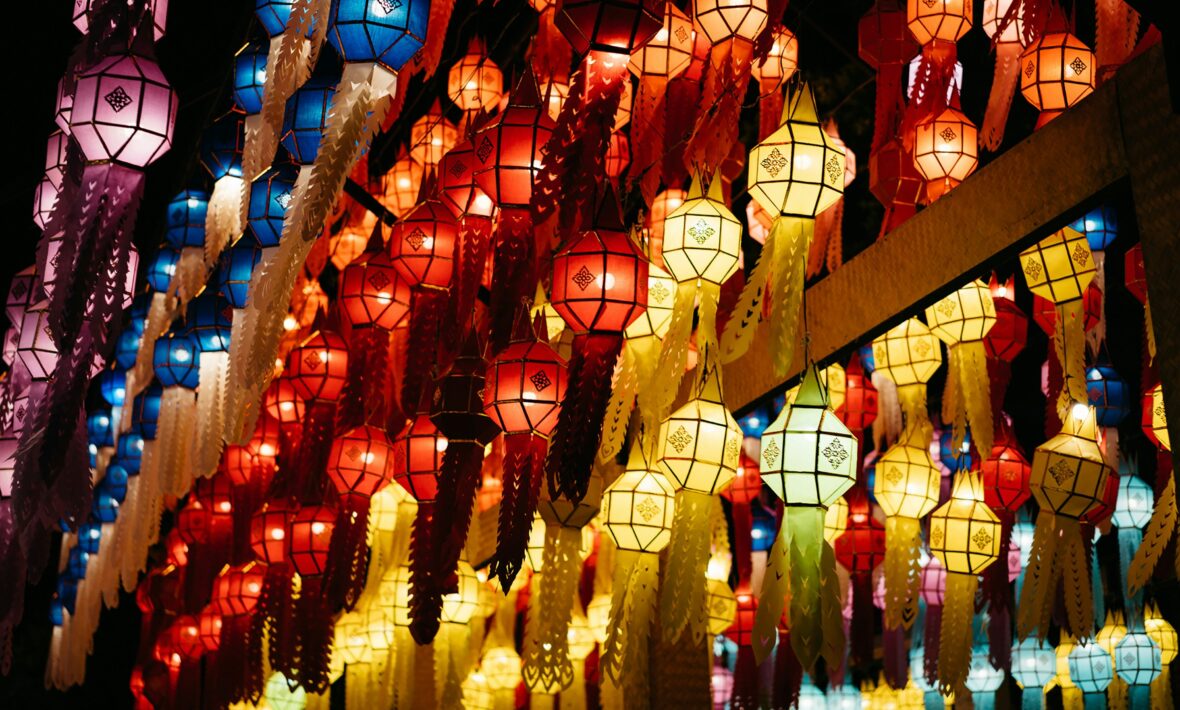
Day 1 (Arrival + Orientation): arrive early, check venue route in daylight, confirm event check-in rules, and keep evening relaxed with a riverside or market walk. Day 2 (Festival Night): light daytime schedule, early dinner, venue transfer with buffer, full participation in release or water ritual, pre-booked return transport. Day 3 (Recovery + City Culture): slower morning, temple or old-town visit, then onward transfer during non-peak hours.
This pacing prevents the common mistake of stacking long transfers and festival nights back-to-back. It also leaves room for weather changes and better rest, which improves your attention and enjoyment during the main ceremony. If this is your first Thailand trip, you can combine the festival with Thailand full moon party guide research to compare very different nightlife and celebration environments before deciding your route style.
Final Takeaway
The Lantern Festival in Thailand is not just a photo event. It is a living tradition where light represents release, gratitude, and renewal. With thoughtful planning—correct dates, right venue type, respectful behavior, and realistic logistics—you can experience both beauty and cultural depth without stress. Whether you choose Chiang Mai for Yi Peng or combine it with Loi Krathong in another city, this festival can become the most meaningful night of your Thailand journey.
Location
Frequently Asked Questions
Q1.When is the Lantern Festival in Thailand?
Q2.Where is the best place to see Yi Peng in Thailand?
Q3.What is the difference between Yi Peng and Loi Krathong?
Q4.How much do Lantern Festival tickets cost in Chiang Mai?
Q5.Can anyone participate in lantern release events?
Q6.Is Thailand’s lantern festival family-friendly?
Q7.When should I book accommodation for Yi Peng in Chiang Mai?
Q8.What should I wear to the lantern festival in Thailand?
Recommended For You

Best Food in Thailand: 20 Must-Try Dishes & Street Eats
Discover the best food in Thailand. From Pad Thai to Tom Yum Goong. A complete guide to Thai street food, curries, and local delicacies for every foodie.

Places to Visit Thailand with Family
Best places to visit Thailand with family. Bangkok, Chiang Mai, Phuket & more. Complete family travel guide with tips and itineraries.
Shopping in Thailand: Bangkok Markets, Night Bazaars & Mall Deals
Discover best shopping in Thailand. From Bangkok malls to floating markets, explore Thai silk, handicrafts & bargaining tips.
Never Miss an Adventure
Get the latest trekking guides, travel tips, and exclusive offers delivered straight to your inbox.
