
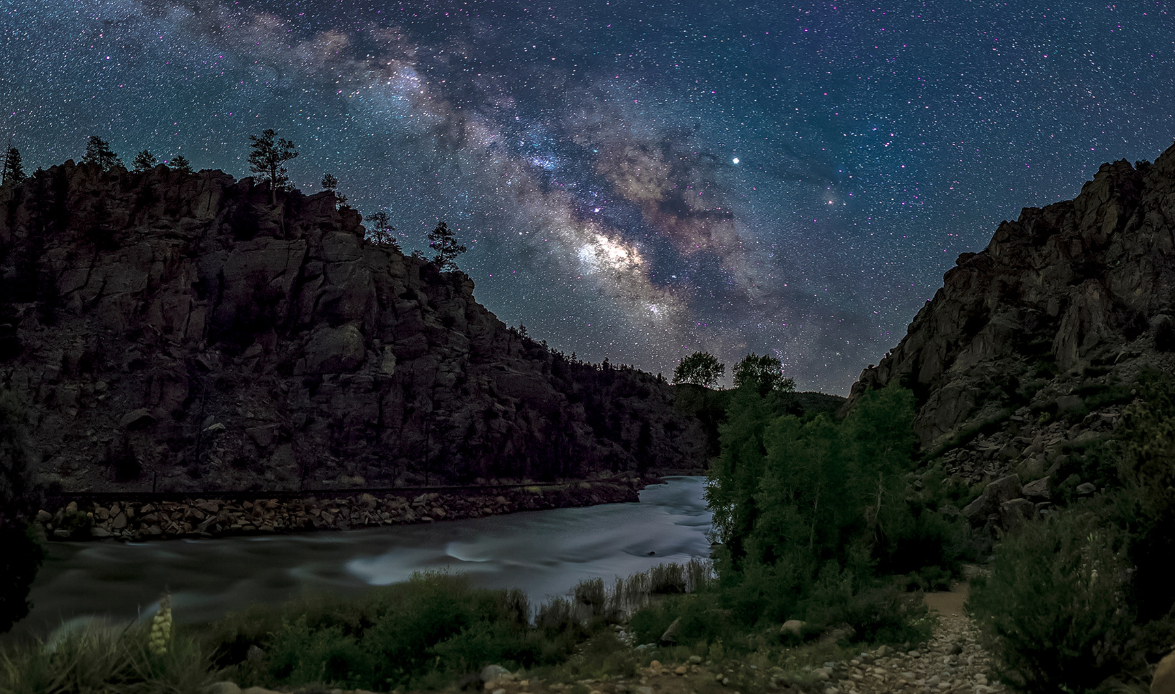
Hanle Dark Sky Reserve: India’s First Dark Sky Park, Stargazing & Stay
Rohit Verma
February 18, 2026
Visit India's first Dark Sky Park in Hanle, Ladakh. Stargazing, astronomy, night sky photography & complete travel guide.
Introduction: Dark Sky Parks Explained
Dark Sky Parks are designated areas where artificial light pollution is minimised so that the night sky can be seen in its natural state. The International Dark-Sky Association (IDA) recognises such sites worldwide for their exceptional starry skies and commitment to preserving them. India's first Dark Sky Reserve is in Hanle, Ladakh—declared in 2023—making it a landmark destination for stargazing and astronomy tourism.
Hanle's high altitude, clear atmosphere, and remote location create near-perfect conditions for viewing the Milky Way, planets, and deep-sky objects. Whether you are an amateur stargazer or a photography enthusiast, Hanle offers an experience that few places in India can match. This guide covers what to expect, when to go, and how to plan your visit. For route planning, see Leh to Hanle bike trip and stargazing in Ladakh.
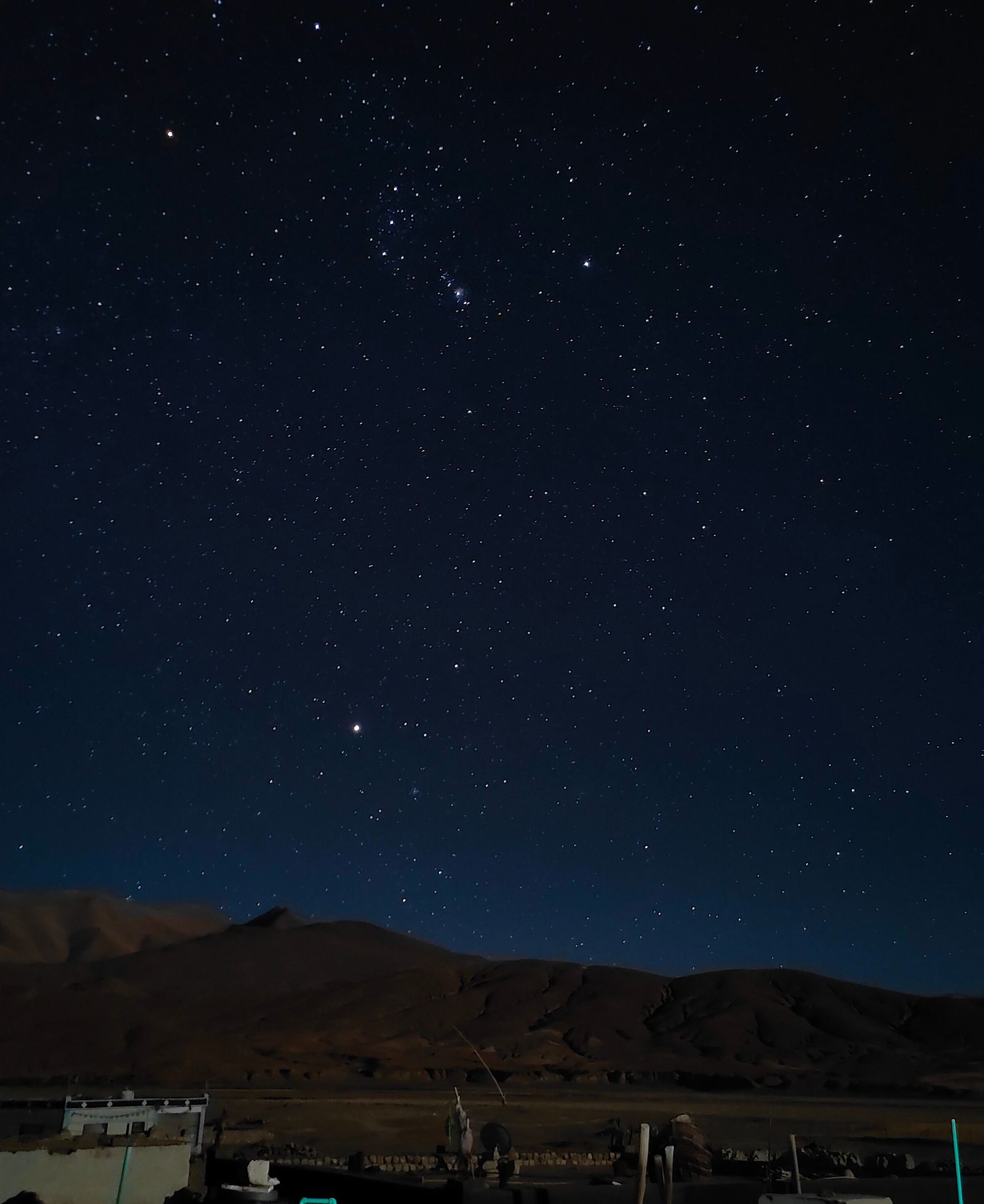
Hanle Dark Sky Reserve
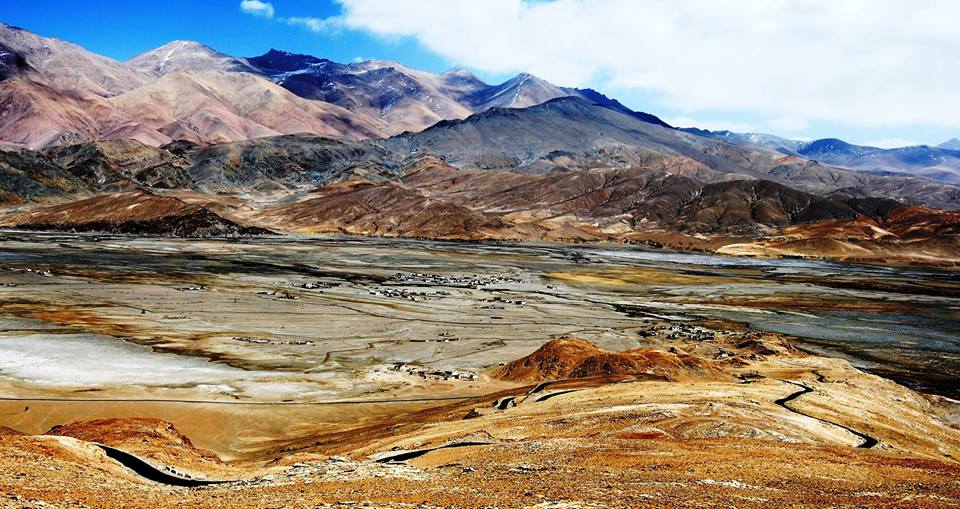
Hanle village lies in the Changthang region of Ladakh at about 4,500 metres altitude, roughly 270 km from Leh. The reserve spans 1,073 sq km and is among the world's highest-altitude dark sky sites. The combination of thin, dry air, minimal humidity, and almost no light pollution results in more than 200 clear nights a year—ideal for astronomy.
Hanle was designated India's first Dark Sky Reserve by the IDA, with measures in place to control light pollution and support both scientific research and responsible tourism. The area's remoteness has helped keep the night sky pristine, and local efforts aim to keep it that way.
Why Hanle?
High altitude means less atmosphere between you and the stars, and the dry climate reduces moisture that can scatter light. With virtually no streetlights or urban glow, you can see thousands of stars with the naked eye—far more than in cities. These factors make Hanle one of the best places in India for stargazing and night-sky photography.
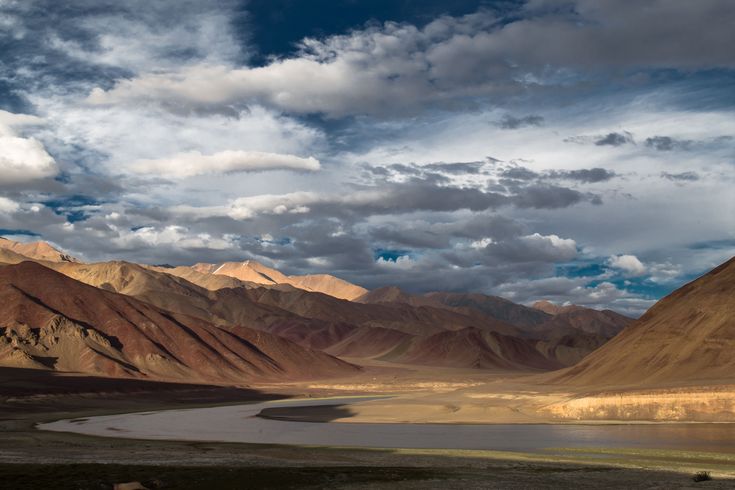
Stargazing Experience at Hanle
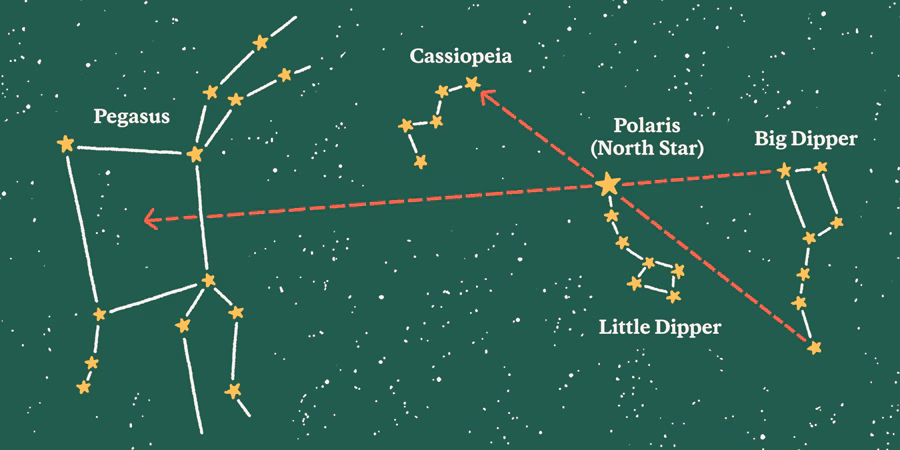
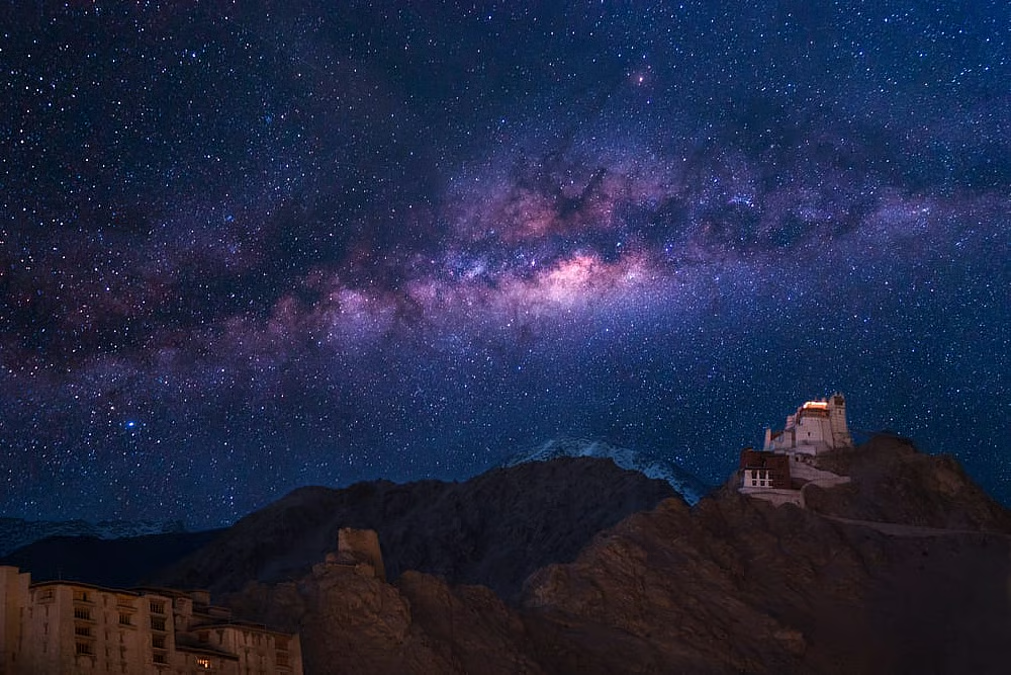
On a clear night at Hanle, the Milky Way is visible to the naked eye as a bright band across the sky. You can also spot the Andromeda galaxy, star clusters, and planets such as Jupiter, Saturn, and Mars. Constellations stand out clearly, and meteor showers are more impressive than in light-polluted areas. In favourable conditions you may even see zodiacal light or airglow.
Without a telescope, you can still see well over 7,000 stars—compared to a few hundred in most cities. With binoculars or a telescope, deep-sky objects like nebulae and distant galaxies become accessible. Many visitors join organised stargazing sessions or hire local guides who know the best spots and can point out celestial objects.
| What you can see | Visibility |
|---|---|
| Milky Way core | Naked eye |
| Andromeda galaxy | Naked eye / binoculars |
| Planets (Jupiter, Saturn, Mars) | Naked eye |
| Star clusters & nebulae | Telescope |
| Meteor showers | Naked eye |
Hanle Observatory
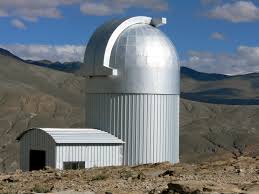
The Indian Astronomical Observatory (IAO) at Hanle was established in 2001 and is operated by the Indian Institute of Astrophysics, Bangalore. At 4,500 m, it is one of the world's highest optical observatories. The facility houses the 2-metre Himalayan Chandra Telescope and other instruments used for research in supernovae, gamma-ray bursts, and galactic studies.
Public access to the observatory is limited and often arranged through organised tours or special permissions. Even if you cannot enter the dome, the presence of a major observatory underscores the quality of Hanle's skies. For detailed stargazing logistics, combine your research with Leh to Changthang bike trip information.
Best Time for Stargazing
Summer (June–September) is the best season: skies are clear, weather is relatively mild for Ladakh, and the core of the Milky Way is well placed for viewing. Autumn (October–November) offers crisp air and long nights. Winter (December–March) has very clear skies but extreme cold; only well-prepared travellers should plan winter visits.
Moon phase matters more than season for deep-sky viewing. Plan around the new moon for the darkest skies; full moon brightens the sky and washes out fainter objects. Check a lunar calendar and, if possible, aim for a stay that includes a few new-moon nights.
| Season | Pros | Cons |
|---|---|---|
| June–Sep | Best weather, Milky Way core | Peak tourist season |
| Oct–Nov | Clear, long nights | Cold, some facilities close |
| Dec–Mar | Darkest skies | Very cold, access difficult |
Night Sky Photography Tips
Use a DSLR or mirrorless camera with a wide-angle lens (14–24 mm), a sturdy tripod, and a remote shutter to avoid shake. Cold drains batteries quickly, so carry spares and keep them warm. A headlamp with red mode helps you see without ruining night vision.
Shoot in manual mode: aperture around f/2.8 or wider, ISO 1600–6400, shutter 15–30 seconds. Focus manually on a bright star. Include a foreground—mountains or the monastery—to add scale and interest. For star trails, use longer exposures or stacked images.
How to Reach Hanle
Hanle is about 270 km from Leh via Upshi and Chumathang. The journey takes roughly 8–10 hours by road; conditions can be mixed. You need an Inner Line Permit and a Hanle-specific permit, both obtainable in Leh. Carry multiple copies for checkposts.
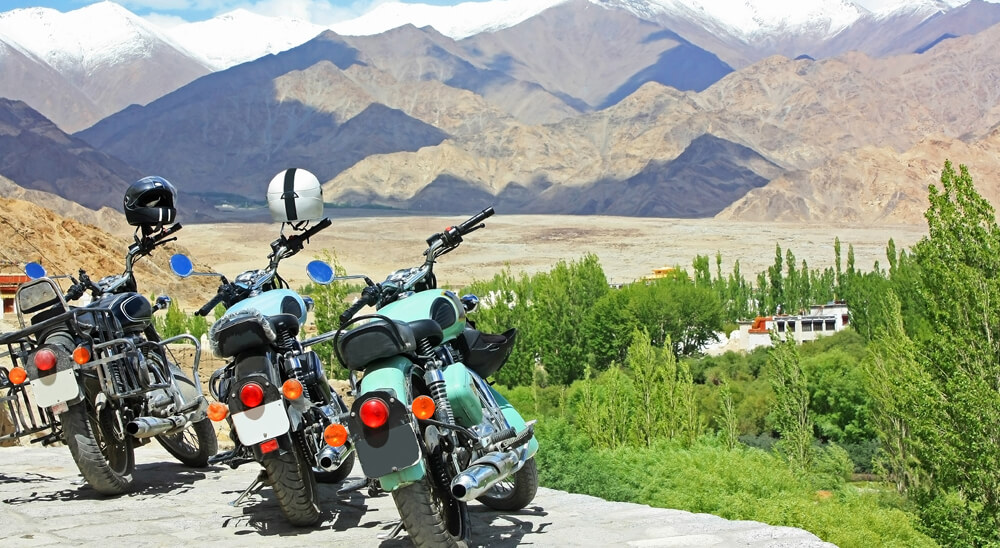
Private taxi from Leh is the most practical option. Shared taxis and organised tours are also available. Self-drive or bike trips are possible for experienced high-altitude drivers. Book accommodation in advance; options are limited to homestays and basic guesthouses. Facilities are minimal: carry cash, warm layers, and any medicines you might need.
Accommodation and Facilities
Hanle has homestays and a few guesthouses such as Hanle Homestay and Padma Guest House. Rooms are basic but adequate for stargazing-focused visits. Book ahead, especially in summer. There are no luxury hotels, limited food options, and no ATMs; internet and electricity can be unreliable. Pack accordingly and keep expectations in line with a remote, high-altitude village.
Conclusion
India's first Dark Sky Park at Hanle offers a rare chance to experience a world-class night sky on Indian soil. With the right timing, permits, and preparation, you can enjoy the Milky Way, planets, and deep-sky objects in one of the finest stargazing environments in the country. Plan for cold, altitude, and minimal infrastructure, and you will be rewarded with unforgettable views of the cosmos.
Location
Frequently Asked Questions
Q1.What is a Dark Sky Park?
Q2.Where is India's first Dark Sky Park?
Q3.When was Hanle declared a Dark Sky Reserve?
Q4.Can we see the Milky Way from Hanle?
Q5.What is the best time for stargazing in Hanle?
Q6.Do we need telescopes at Hanle?
Q7.How to reach Hanle Dark Sky Reserve?
Q8.Is Hanle safe for tourists?
Recommended For You
Stargazing in Ladakh: Astronomy Paradise
Experience world-class stargazing in Ladakh. Guide to best locations, Hanle Observatory, photography tips & when to go for cosmic views.
Leh to Hanle Bike Trip Guide: Route, Distance & Tips
Leh to Hanle bike trip guide with route options, distance, road conditions, permits, fuel strategy, homestays, and practical stargazing planning tips.
Hanle Village Ladakh: Stay Options, Route & Travel Essentials
Explore Hanle Village Ladakh with practical guidance on stargazing, permits, routes, monastery visits, weather, and remote-stay planning.
Never Miss an Adventure
Get the latest trekking guides, travel tips, and exclusive offers delivered straight to your inbox.
