
Stargazing in Ladakh: Astronomy Paradise

Rahul Garg
January 10, 2026
Experience world-class stargazing in Ladakh. Guide to best locations, Hanle Observatory, photography tips & when to go for cosmic views.
Stargazing in Ladakh: Touch the Cosmos
Ladakh offers some of Earth's finest stargazing experiences. This high-altitude trans-Himalayan region combines thin clear air, minimal light pollution, and high elevation to create unparalleled conditions for observing the night sky. At 3,500-4,500 meters above sea level, Ladakh places you literally closer to the stars than most places on Earth. The region's unique geography—surrounded by towering mountain ranges that block urban light pollution—creates natural darkness essential for exceptional stargazing. Whether casual observer wanting to witness Milky Way's grandeur or serious astrophotographer chasing deep-sky objects, Ladakh delivers night sky experiences impossible in light-polluted cities. For comprehensive Ladakh travel planning, explore our best time to visit Ladakh and Hanle Observatory guides for complete astronomical tourism information.
Why Ladakh Offers World-Class Stargazing
Multiple factors combine to make Ladakh one of world's premier stargazing destinations:High Altitude:
At 3,500-5,000 meters elevation, Ladakh's atmosphere is significantly thinner than at sea level. This thin atmosphere means less air turbulence, reduced light scattering, and clearer views of celestial objects. High elevation effectively places you above substantial portion of Earth's atmosphere that distorts astronomical observations.
Minimal Light Pollution:
Ladakh's remote location and sparse population mean minimal artificial light. Mountain ranges surrounding the region block distant urban light pollution from Kashmir Valley, Himachal Pradesh, and Tibetan Plateau. The resulting darkness reveals celestial detail invisible from more populated areas.
Dry Climate:
Ladakh's cold desert climate means minimal atmospheric moisture. Water vapor in atmosphere absorbs and scatters light, reducing astronomical visibility. Ladakh's dry air allows more light from stars and galaxies to reach your eyes or camera sensors unimpeded.
Stable Weather:
Autumn (September-October) and spring (April-May) provide extended periods of stable weather with clear skies. While winter brings extreme cold, it also offers exceptionally clear atmospheric conditions. Summer monsoon affects rest of India but largely spares Ladakh due to rain shadow effect.
| Factor | Ladakh Advantage |
|---|---|
| Altitude | 3,500-5,000m, thin atmosphere |
| Light Pollution | Among world's lowest |
| Atmospheric Moisture | Minimal dry desert air |
| Weather Stability | Clear nights spring/autumn |
Best Stargazing Locations in Ladakh
Hanle:
Home to Indian Astronomical Observatory at 4,500 meters, Hanle offers world's darkest skies among major observatories. The location was specifically chosen for exceptional astronomical conditions. Visitors can witness night sky clarity that rivals any location globally. The observatory's location in Hanle Valley provides natural protection from light pollution and stable atmospheric conditions.
Nubra Valley:
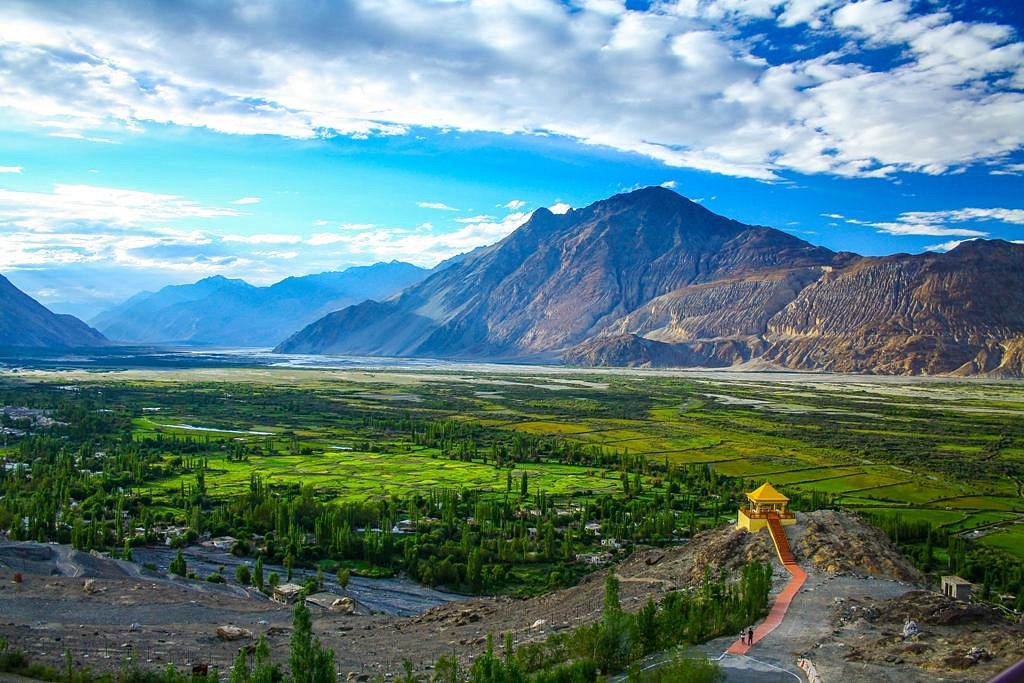
This high-altitude valley offers excellent stargazing conditions, particularly around Diskit and Hunder villages. The valley's elevation (3,000-3,500 meters) and isolation create superb darkness. The unique landscape—sand dunes, Bactrian camels, and monasteries—provides spectacular foregrounds for night sky photography.
Pangong Lake:
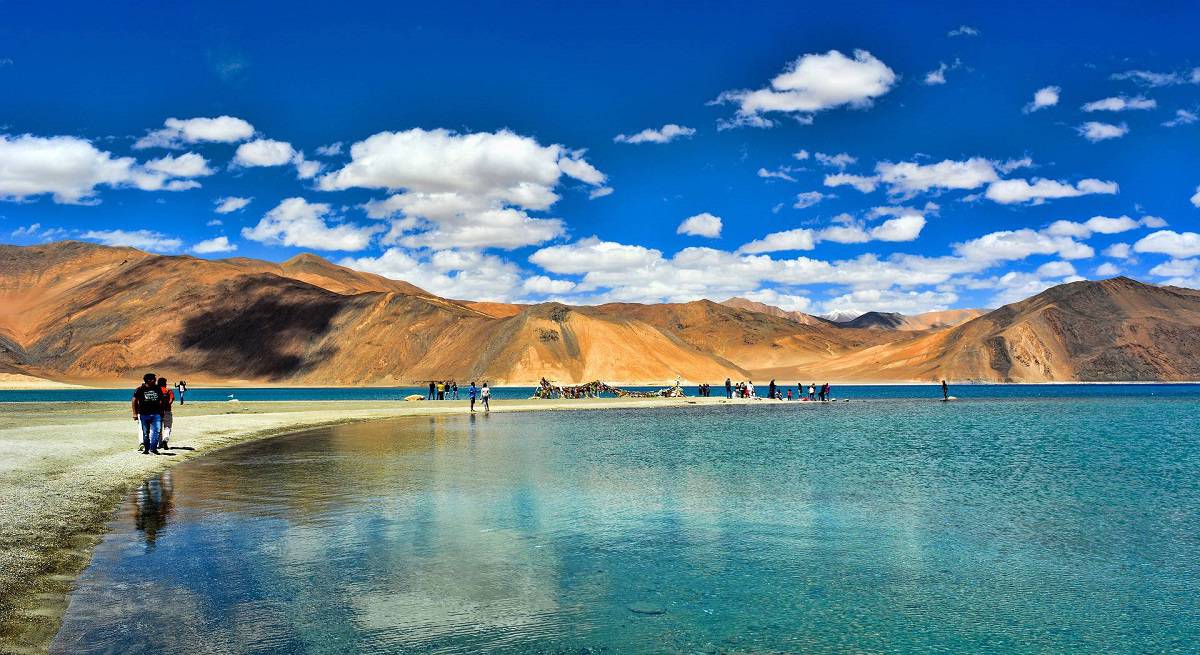
At 4,350 meters, Pangong Lake's high elevation and remote location deliver exceptional stargazing. The lake's still waters create perfect reflections of star-filled skies. Camping overnight by the lake offers opportunities to witness celestial displays from sunset through sunrise.
Tso Moriri Lake:
Less visited than Pangong, Tso Moriri provides equally impressive stargazing with even fewer people. The lake's location at 4,522 meters places observers at exceptional altitude for astronomical viewing. The surrounding mountains block any distant light pollution.
Khardung La Pass:
At 5,359 meters, Khardung La puts you literally among the highest motorable points on Earth. While extreme altitude limits time most can spend here, brief stargazing stops during clear nights reveal incredibly dense star fields.
| Location | Altitude | Special Features |
|---|---|---|
| Hanle | 4,500 meters | Indian Astronomical Observatory, darkest skies |
| Nubra Valley | 3,000-3,500 meters | Sand dunes, monasteries as foregrounds |
| Pangong Lake | 4,350 meters | Water reflections, high elevation |
| Tso Moriri | 4,522 meters | Remote, fewer visitors, pristine darkness |
| Khardung La | 5,359 meters | Among highest accessible points |
Best Time for Stargazing in Ladakh
Spring (April-May):
Spring offers excellent stargazing with pleasant daytime temperatures and clear night skies. Weather remains relatively stable with minimal precipitation. The Milky Way core becomes increasingly visible toward late spring as galaxy center rises earlier each night.
Autumn (September-October):
Arguably the best stargazing season. Monsoon has passed completely, skies are exceptionally clear, and temperatures remain manageable at night. The Milky Way core remains visible during early evening. Atmospheric transparency reaches its annual peak.
Winter (November-March):
Winter provides the clearest skies but extreme cold (-20°C to -30°C) challenges even experienced observers. For serious astrophotographers willing to endure cold, winter delivers unmatched sky clarity and stability. However, most high-altitude locations like Hanle become inaccessible due to snow.
Summer (June-August):
Summer nights remain short in Ladakh, but still offer good stargazing. Monsoon rarely affects Ladakh significantly, though occasional clouds can appear. June provides excellent viewing around summer solstice when nights are shortest but still dark enough for astronomy.
| Season | Sky Quality | Challenges |
|---|---|---|
| Spring (Apr-May) | Excellent | Mild temperatures, accessible locations |
| Autumn (Sep-Oct) | Outstanding | Best overall conditions |
| Winter (Nov-Mar) | Exceptional | Extreme cold, some locations inaccessible |
| Summer (Jun-Aug) | Very Good | Shorter nights, occasional clouds |
What You Can See
Milky Way Galaxy:
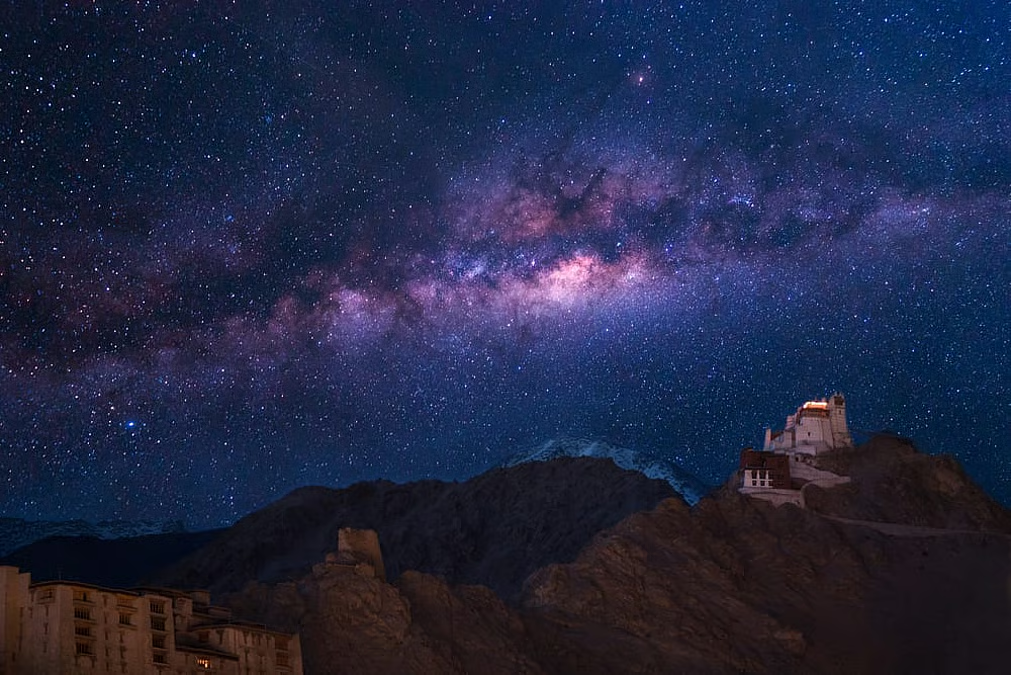
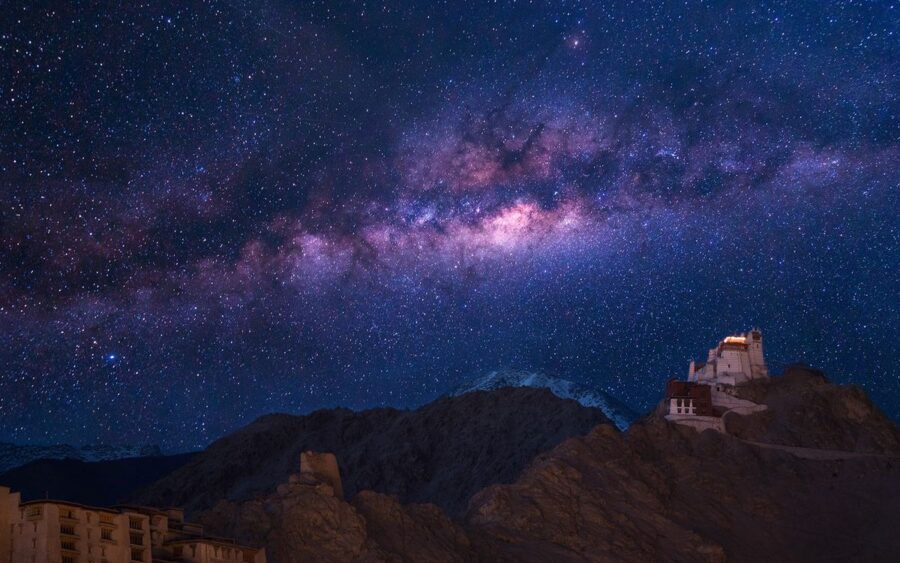
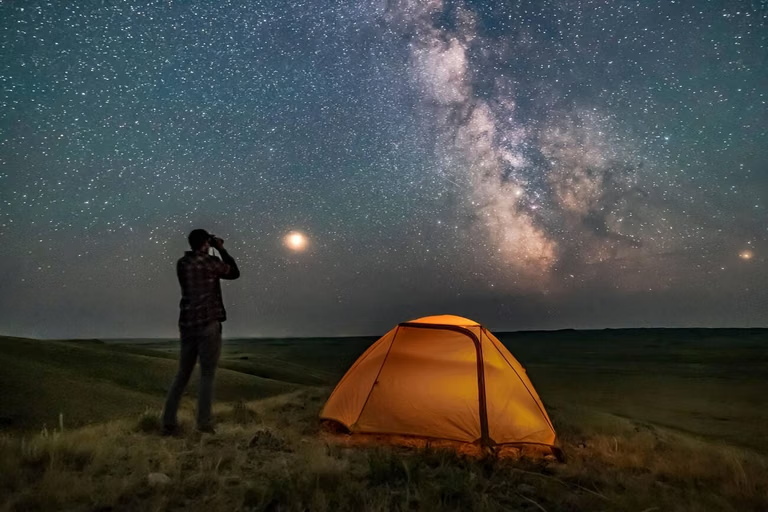
The Milky Way appears as spectacular band of light stretching across the sky. In Ladakh's dark skies, the galaxy reveals structure impossible to see from cities—dark dust lanes, bright star clusters, and the galactic core's brilliant central region. The Milky Way appears bright enough to cast shadows on particularly dark nights.
Planets:
Jupiter, Saturn, Mars, and Venus appear brilliant in Ladakh's thin atmosphere. Planetary detail visible through telescopes exceeds what's possible at lower elevations. Saturn's rings and Jupiter's cloud bands display remarkable clarity.
Star Clusters and Nebulae:
Deep-sky objects like the Orion Nebula, Andromeda Galaxy, Pleiades star cluster, and numerous globular clusters reveal detail invisible from light-polluted locations. Binoculars or small telescopes unlock hundreds of celestial objects.
Meteor Showers:
Major meteor showers like Perseids (August) and Geminids (December) produce impressive displays. Ladakh's dark skies maximize meteor visibility, with dozens of meteors visible per hour during peak shower activity.
Night Sky Photography:
Ladakh provides world-class conditions for astrophotography. High-altitude thin atmosphere, minimal light pollution, and spectacular landscapes create opportunities for stunning night sky images that combine earthly terrain with cosmic wonders.
Essential Stargazing Equipment
For Casual Observers:
- Red Flashlight: Preserves night vision while reading star charts
- Binoculars: 10x50 recommended for excellent wide-field views
- Star Map App: Offline-capable apps like Stellarium or Sky Safari
- Lounge Chair: Comfortable seating for extended viewing sessions
- Warm Clothing: Even summer nights drop below freezing at altitude
For Astrophotographers:
- Camera: Full-frame or APS-C sensor with good high-ISO performance
- Lenses: Wide-angle (14-24mm) for Milky Way, telephoto for deep-sky
- Tripod: Sturdy, essential for long exposures
- Intervalometer: For automated shooting sequences
- Extra Batteries: Cold depletes batteries rapidly
- Headlamp: Red mode to preserve night vision
For Telescope Observation:
- Telescope: Portable travel telescope recommended
- Eyepieces: Multiple focal lengths for different magnifications
- Finderscope: Essential for locating objects
- Star Atlas: Detailed star charts for deep-sky objects
Practical Tips for Stargazing in Ladakh
Acclimatization:
Spend 2-3 days acclimatizing at lower elevation (Leh) before attempting stargazing at very high altitude locations like Hanle or Khardung La. Altitude sickness becomes dangerous at night when cold stresses your body.
Cold Weather Preparation:
Even in summer, temperatures at 4,000+ meters drop well below freezing after dark. Wear layered clothing including down jacket, warm hat, gloves, and insulated boots. Hand and foot warmers prove invaluable during extended viewing sessions.
Planning:
Check moon phases before planning trips. New moon periods provide darkest skies. Full moon illuminates landscape brilliantly but washes out fainter stars. Time visits around new moon for maximum deep-sky object visibility.
Safety:
Never stargaze alone at remote locations. Always travel with at least one companion. Carry emergency supplies including food, water, and first aid. Inform your accommodation where you're going and expected return time.
Photography Etiquette:
Avoid using white light—headlamps, phone screens, or flash photography—when others are observing or photographing. Use only red light, which minimally affects night vision. Respect others' stargazing experience.
Organized Stargazing Tours
Several operators organize specialized astronomy tours to Hanle and other prime locations. These tours provide:- Transportation to remote locations
- Expert astronomy guides
- Telescopes and binoculars
- Accommodation and meals
- Photography guidance
Conclusion: Cosmic Experience in Himalayas
Stargazing in Ladakh offers profoundly moving experience—humbling perspective on our place in universe set against some of Earth's most dramatic landscapes. The combination of pristine darkness, high altitude, and stable atmosphere creates conditions few locations worldwide can match. Whether witnessing Milky Way's majesty from Pangong Lake's shore, photographing star trails over Nubra's monasteries, or observing planets through telescopes at Hanle Observatory, Ladakh delivers astronomical memories lasting lifetime. Prepare properly for altitude and cold, respect the fragile mountain environment, and Ladakh's night skies reward with cosmic spectacle impossible to forget. For serious astronomy enthusiasts or casual admirers of beautiful night skies, Ladakh stands among world's premier stargazing destinations.Location
Frequently Asked Questions
Q1.Where is the best stargazing in Ladakh?
Q2.What is the best time for stargazing in Ladakh?
Q3.Can we visit Hanle Observatory for stargazing?
Q4.What equipment do I need for stargazing in Ladakh?
Q5.Can we see the Milky Way in Ladakh?
Q6.Is stargazing safe in Ladakh?
Q7.How cold does it get during stargazing in Ladakh?
Recommended For You
Ladakh in Winter: Weather, Access, Places & Travel Tips
Ladakh in winter guide with real temperature ranges, transport reality, places to visit, packing checklist, and safety-first itinerary tips.
Pangong Lake Ladakh: Best Time, Permit Rules & Stay Options
Complete Pangong Lake guide: best time to visit, permits, how to reach from Leh, stay options & travel tips.
Nubra Valley Ladakh: Itinerary, Permits, Route & Stay Options
Plan your Nubra Valley Ladakh trip with route strategy, acclimatization tips, season guidance, and practical budget planning.
Never Miss an Adventure
Get the latest trekking guides, travel tips, and exclusive offers delivered straight to your inbox.
