
Food of Meghalaya: Top Dishes, Local Ingredients & Where to Try

Rohit Verma
February 4, 2026
Explore the food of Meghalaya with top traditional dishes, Khasi-Jaintia-Garo cuisine patterns, where to eat, budget tips, and safe tasting guidance.
1. Introduction to the Food of Meghalaya
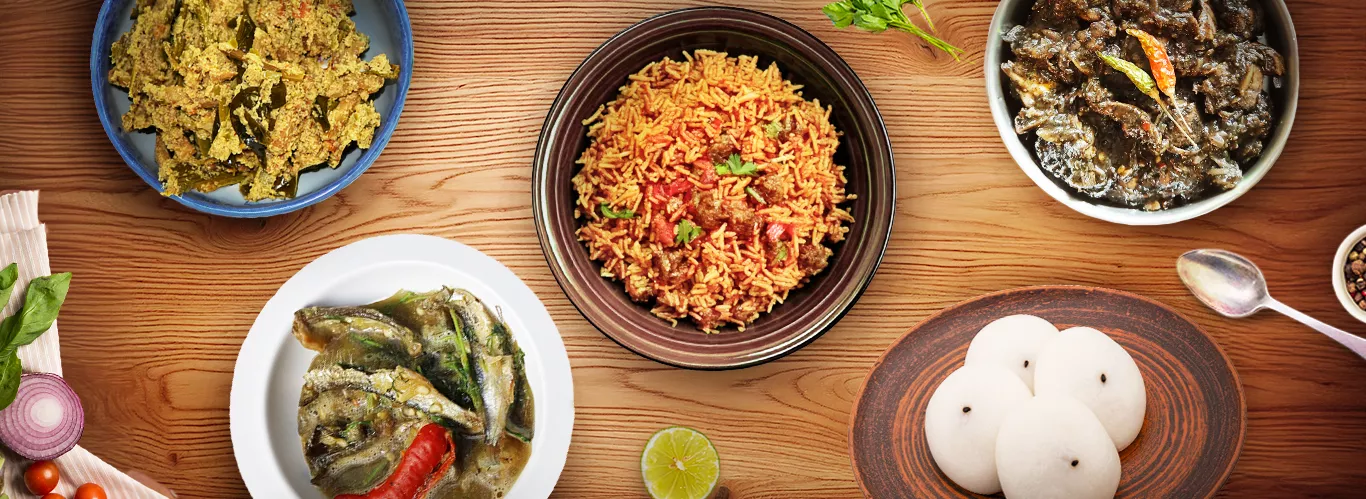
The food of Meghalaya is one of the most distinctive culinary experiences in Northeast India. It is shaped by three major cultural regions: Khasi, Jaintia, and Garo. Unlike heavy cream-based or deep-fried dominant cuisines, many traditional Meghalaya meals focus on clean flavors, smoked meats, fermented ingredients, rice, and fresh local produce. This makes the cuisine deeply rooted in climate, community farming, and local food habits.
For travelers, Meghalaya food is not only about famous dishes like jadoh. It includes pork preparations, fish, bamboo shoot notes, local chutneys, seasonal greens, and street-side tea-snack culture in Shillong and nearby towns. The best way to explore it is through a structured route: one traditional meal, one market-led tasting round, and one modern cafe/restaurant interpretation.
This guide covers must-try dishes, cuisine differences, where to eat, budget planning, food safety tips, and practical advice for first-time food travelers in Meghalaya.
2. What Makes Meghalaya Cuisine Unique
Meghalaya cuisine stands out for its minimal-overprocessing style. Many dishes prioritize ingredient identity over complex gravy layering. Smoked, boiled, stewed, and lightly spiced methods are common in local kitchens, especially in traditional households and community meals.
- Rice-centered meal pattern: staple grain with meat or vegetable accompaniments.
- Pork importance: central in many Khasi and Jaintia dishes.
- Fermented and smoked notes: used for depth and preservation.
- Local herbs and seasonal produce: strong farm-to-table influence.
- Community-style eating: shared meal culture in many settings.
If you are planning a complete trip, pair this with Meghalaya travel guide for day-wise movement and food stop planning.
3. Core Cuisine Profiles: Khasi, Jaintia and Garo
Understanding regional food identity helps you choose better dishes and restaurants.
| Region | Typical Food Character | What Travelers Notice |
|---|---|---|
| Khasi cuisine | Rice + pork-forward dishes, light spice style | Jadoh family dishes and smoked preparations |
| Jaintia cuisine | Earthy flavors, fermented components in some dishes | Distinctive local condiments and stews |
| Garo cuisine | Meat-heavy community food patterns | Rustic cooking style and strong local identity |
These categories overlap in urban eateries, but local-style restaurants still preserve strong regional signatures.
4. Must-Try Dishes in Meghalaya
You do not need a long random food list. A curated dish plan gives better culinary coverage.
Popular Dishes to Start With
- Jadoh: iconic rice-and-meat preparation linked strongly with Khasi food identity.
- Dohneiiong: pork with black sesame character and rich local flavor.
- Dohkhlieh: meat salad-style preparation often served as a side.
- Tungrymbai: fermented soybean-based dish with deep earthy taste.
- Nakham bichi: a local soup style connected with traditional food habits.
- Smoked meat plates: common in local meal combinations.
- Pumaloi: steamed rice style often paired with savory dishes.
- Local chutneys and pickled sides: important flavor bridges in meals.
For many first-time visitors, this lineup offers a balanced intro across texture, aroma, and regional identity.
5. Street Food and Local Snack Culture
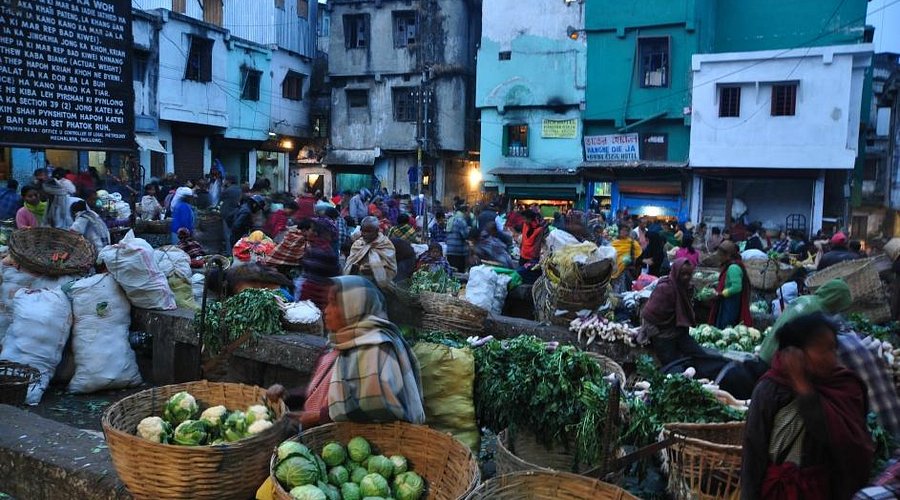
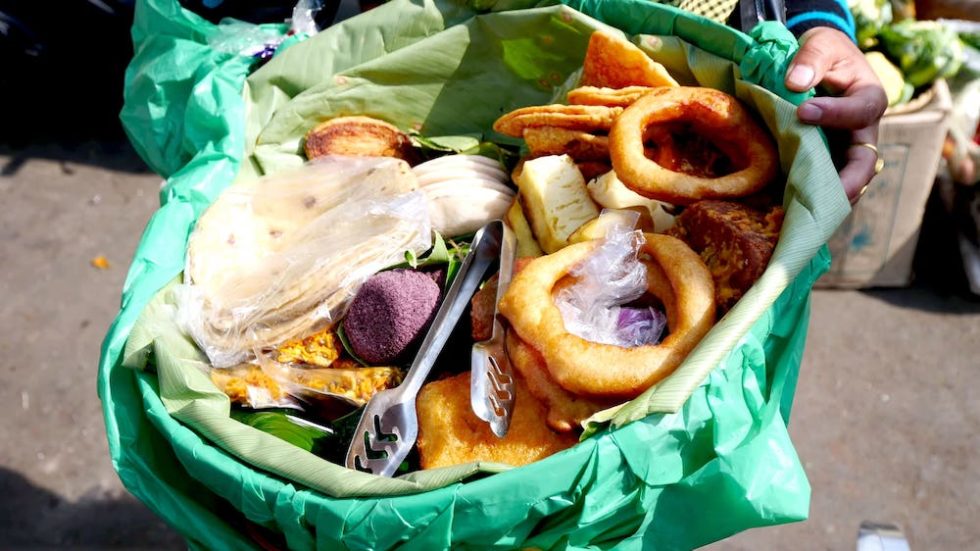
Shillong and nearby towns offer compact street-food and quick-snack circuits. The format is different from mega-city street food scenes, but it is ideal for tasting local tea-time and evening food habits.
- Tea stalls with local fried snacks and bread-based quick bites.
- Market-side counters with meat snacks and simple rice plates.
- Seasonal food items in festival and fair periods.
- Small bakery-cafe hybrids in urban clusters.
For city-level movement, use tourist places in Shillong and Police Bazar Shillong to align food and sightseeing blocks.
6. Best Places to Eat in Shillong and Meghalaya
Meghalaya dining is best explored through three layers: local eateries, market meal spots, and modern cafes/restaurants. Each layer serves a different purpose.
| Dining Type | Best For | Practical Tip |
|---|---|---|
| Traditional local eateries | Authentic taste and community-style dishes | Ask for day specials before ordering fixed menu |
| Market food spots | Quick tasting and budget meals | Go where turnover is high for freshness |
| Urban cafes/restaurants | Comfort seating and mixed dietary groups | Use for evening meals and planned dining breaks |
Useful companion reads: cafes in Shillong and restaurants in Shillong.
7. Vegetarian and Dietary Options
Though Meghalaya is widely associated with meat-led cuisine, vegetarian travelers can still eat well with planning. In Shillong especially, you can find mixed menus, rice meals, vegetables, lentil-style sides, and cafe-friendly options.
- Local rice-based combinations with veg sides.
- Cafe menus with broader vegetarian choices.
- Simple home-style thali formats in some eateries.
- Seasonal greens and local produce-based dishes.
Travelers with strict dietary requirements should communicate clearly and avoid assumptions based on menu names alone.
8. Food Prices and Daily Budget Strategy
Food costs in Meghalaya are generally manageable, but spending can rise quickly if every meal is cafe-based. A mixed strategy works best.
| Meal Style | Typical Cost Pattern | Best Use |
|---|---|---|
| Local meal stop | Budget to moderate | Lunch and authentic dish sampling |
| Cafe or modern restaurant | Moderate to premium | Dinner and comfort seating |
| Street/market snack round | Low to budget | Evening tasting between attractions |
Practical rule: keep one premium meal daily and balance the rest with local food stops. This improves variety and controls cost.
9. Seasonal and Festival-Time Food Experiences
Food culture in Meghalaya becomes more vibrant during festival periods and seasonal tourism peaks. While event names and dates can vary, festival windows often increase local food stalls, specialty dishes, and community cooking visibility.
- Festival periods can bring regional food counters and cultural programs.
- Tourist-season weekends increase demand in major food zones.
- Advance booking helps for sit-down evening meals in Shillong.
To coordinate timing, see festivals of Meghalaya and best time to visit Meghalaya.
10. Food Safety and Hygiene Tips for Travelers
Most travelers have smooth food experiences in Meghalaya, but basic hygiene discipline still matters when sampling multiple spots in one day.
- Choose high-turnover stalls and recently prepared dishes.
- Avoid over-ordering raw accompaniments if you have a sensitive stomach.
- Carry hydration and basic digestion support medicines.
- Use bottled/filtered water where uncertain.
- Pace spicy or fermented tastings across meals, not all at once.
Simple pacing protects your trip quality, especially on intercity or waterfall-heavy days.
11. Sample 2-Day Meghalaya Food Route
If your time is short, this route covers both authenticity and comfort.
| Day | Meal Plan | Focus |
|---|---|---|
| Day 1 (Shillong core) | Local lunch + market snack round + cafe dinner | Intro to Khasi flavors and urban food scene |
| Day 2 (Regional extension) | Traditional meal stop + local tea/snack + curated dinner | Broader dish diversity and controlled pace |
Use this structure to avoid repeating similar dishes and to keep energy stable while sightseeing.
12. Market-to-Meal Strategy for Better Food Discovery
Many travelers in Meghalaya eat only in one zone and miss regional variety. A simple market-to-meal strategy helps. Start from a local market or high-turnover food lane to understand what ingredients are in season. Notice which meats, greens, fermented items, and rice types are most visible. Then use that insight to order better in restaurants later the same day. Instead of choosing from generic menu labels, ask for dishes built around the day's local ingredients. This often gives better flavor and freshness than fixed menu defaults.
In Shillong, this method works well when you split your day into three food blocks: local lunch, snack tasting, and curated dinner. Keep lunch focused on one traditional dish family, such as rice-meat combinations or fermented-soy profile dishes. In evening snacks, test one or two lighter local options with tea. Then reserve dinner for a sit-down setting where you can compare one classic and one modern interpretation. This sequence avoids palate fatigue and helps you understand regional taste progression.
| Food Block | What to Do | Why It Works |
|---|---|---|
| Lunch | Choose one traditional signature plate | Builds core understanding of local flavor base |
| Evening snack | Sample 1-2 high-turnover market items | Adds contrast without overloading digestion |
| Dinner | Order one classic + one contemporary dish | Compares heritage and modern adaptation |
Travelers with limited time should avoid trying too many heavy dishes in one session. Meghalaya food has deep umami and fermented elements in some preparations, so pacing matters. Share plates, hydrate well, and leave room for one regional beverage or dessert-style local finish. A paced approach gives better recall, better comfort, and stronger culinary value from a short trip.
One more practical tip: build your Meghalaya food route around geography, not only dish lists. Shillong is the best base for variety, but day trips to nearby attractions can reduce meal flexibility if you leave too late or return too early. Keep one fixed lunch window and one flexible evening window every day. This protects your chance to try signature dishes without rushing.
Also avoid ordering every heavy dish in one meal. Meghalaya cuisine has several rich, fermented, or smoked profiles that are best experienced gradually. Split tasting across two days, share dishes with your group, and include lighter sides between core plates. A paced structure gives better flavor recall and better travel comfort.
13. Final Takeaway
The food of Meghalaya offers depth that goes far beyond one or two famous dishes. It is a cultural food system shaped by Khasi, Jaintia, and Garo traditions, with strong local identity and practical traveler accessibility, especially in Shillong.
Plan by cuisine layer, not by random social-media lists. One local meal, one market tasting, and one curated dinner per day is enough to experience real variety. With this approach, Meghalaya becomes one of the most rewarding culinary destinations in Northeast India.
Location
Frequently Asked Questions
Q1.What is the most famous food of Meghalaya?
Q2.Is Meghalaya food very spicy?
Q3.Where should I try traditional food in Meghalaya?
Q4.Are vegetarian options available in Meghalaya?
Q5.What are must-try Meghalaya dishes for first-time visitors?
Q6.How expensive is food in Meghalaya for travelers?
Q7.Is street food safe in Shillong?
Q8.Can I plan a 2-day food trip in Meghalaya?
Recommended For You
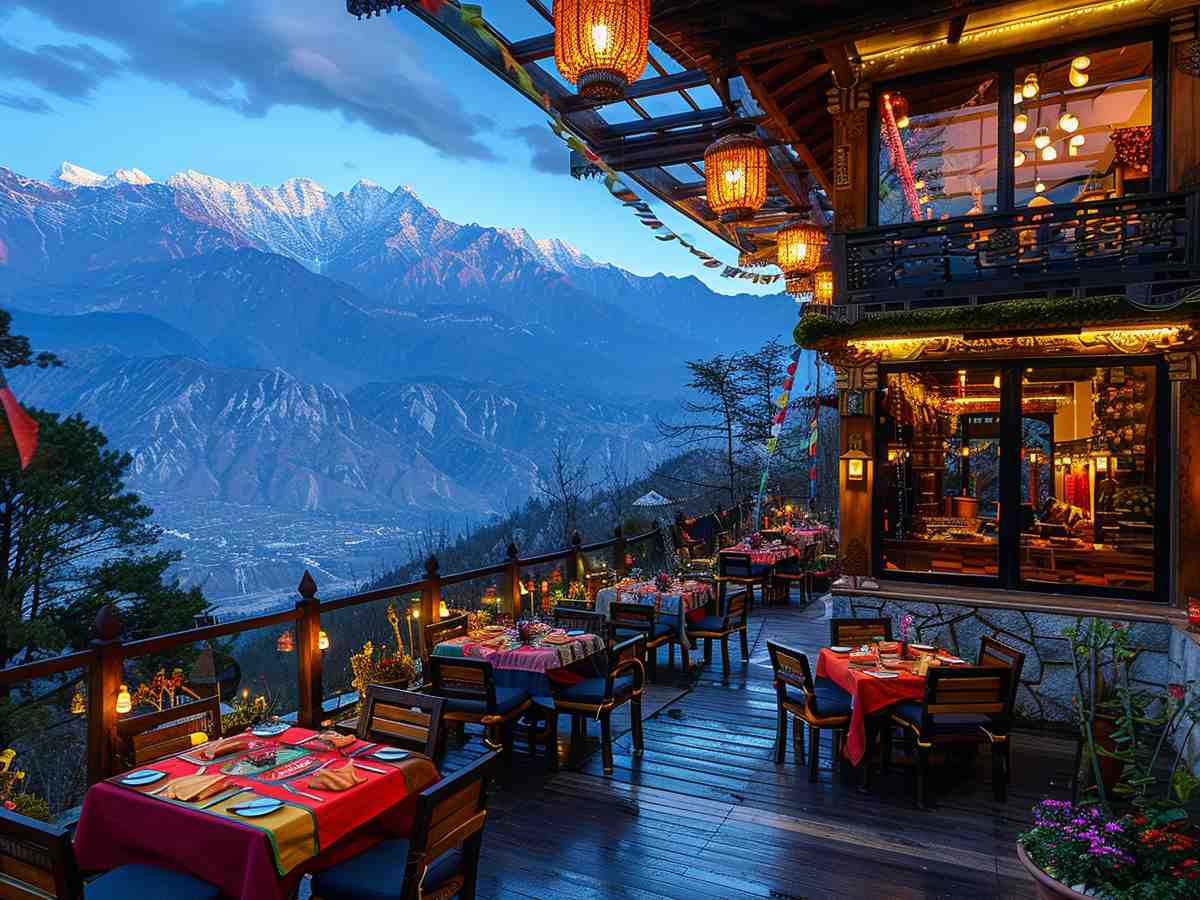
Best Cafes in Shillong: 15 Top Picks
Discover Shillong's best cafes offering Khasi cuisine, aromatic coffee, and stunning mountain views. Explore 15 top picks in Meghalaya's Scotland of the East.
Restaurants in Shillong: Khasi Food, Cafes & Live-Music Places
Find the best restaurants in Shillong for Khasi cuisine, Jadoh, non-veg specialties, cafe culture, and practical local dining tips.
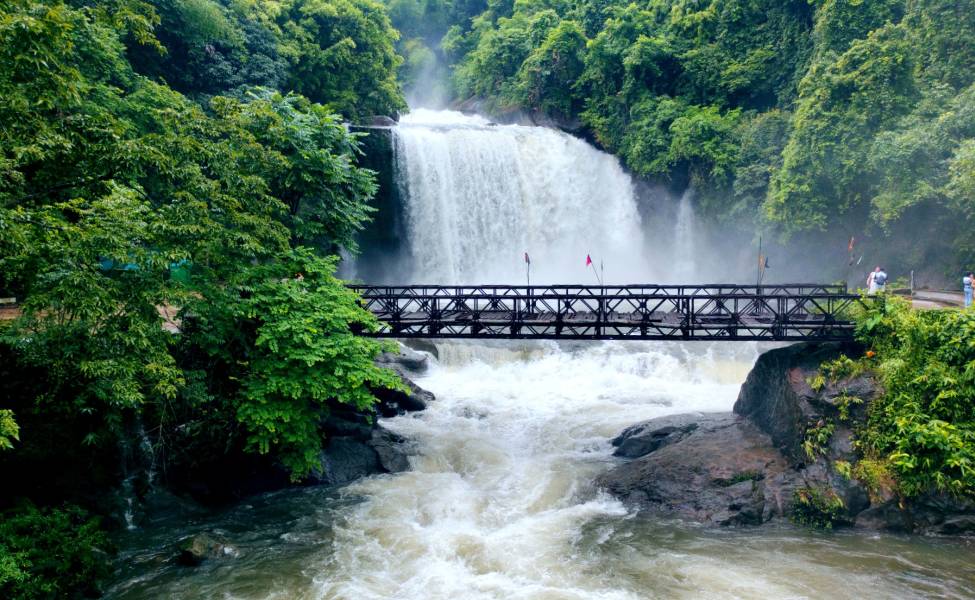
Tourist Places in Shillong: Sightseeing Route, Timings & Best Views
Discover the top tourist places in Shillong with waterfalls, lakes, viewpoints, museums, markets, and practical day-trip planning for Cherrapunji and Dawki.
Never Miss an Adventure
Get the latest trekking guides, travel tips, and exclusive offers delivered straight to your inbox.
