
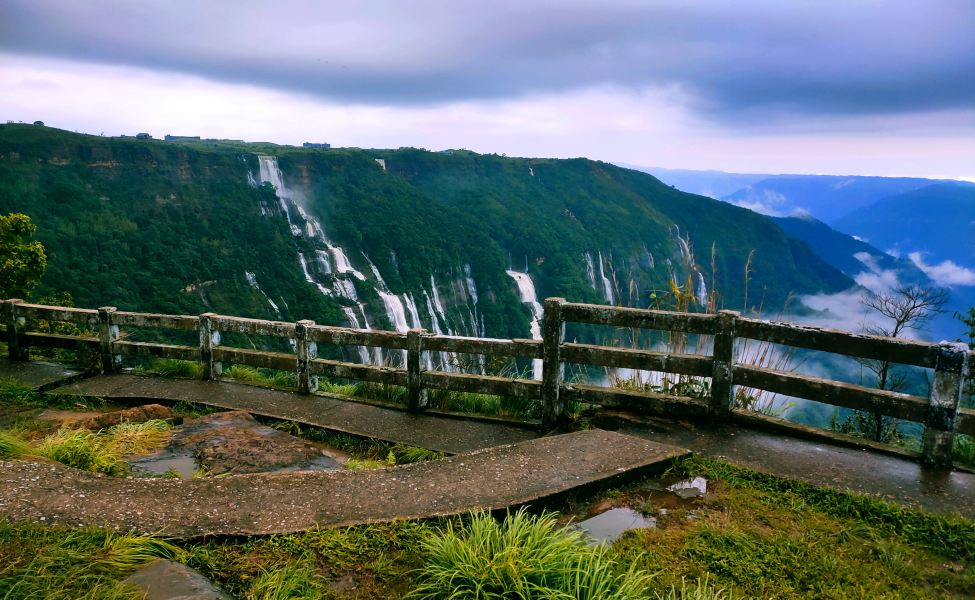
Meghalaya: Complete Travel Plan Places And Weather

Rohan Malhotra
February 20, 2026
Complete Meghalaya travel guide featuring living root bridges, Cherrapunji, Shillong, Dawki, caves, waterfalls & practical tips.
Introduction to Meghalaya
Meghalaya, literally meaning 'Abode of the Clouds,' is one of India's most beautiful and unique states. Located in Northeast India, this small state is famous for its living root bridges, sacred forests, stunning waterfalls, caves, and some of the wettest places on Earth. What makes Meghalaya truly special is its remarkable biodiversity, unique matrilineal culture, and landscapes that seem almost otherworldly.
The state is home to three main indigenous tribes - the Khasis, Garos, and Jaintias - each with their own distinct language, customs, and traditions. Unlike most of India, Meghalaya follows a matrilineal system where descent and inheritance are traced through women. This progressive tradition, combined with the warm hospitality of the people, makes Meghalaya a fascinating destination for cultural exploration.
Meghalaya's geography is diverse, ranging from the Khasi Hills in the east to the Garo Hills in the west. The state receives some of the highest rainfall in the world - Cherrapunji holds the record for the highest annual rainfall, while Mawsynram has the highest average annual rainfall. This abundance of rain has created spectacular waterfalls, lush green landscapes, and unique ecosystems found nowhere else on Earth.
Whether you're trekking through living root bridges, exploring vast cave systems, witnessing spectacular waterfalls, experiencing the unique culture, or simply soaking in the misty mountain atmosphere, Meghalaya offers experiences that are truly unmatched. This guide will help you discover the many wonders of this extraordinary state.
Best Time to Visit Meghalaya
Meghalaya's weather is dominated by the monsoon, and the timing of your visit significantly impacts your experience. The state receives some of the heaviest rainfall in the world, making weather a crucial consideration.
October to April is the best time to visit Meghalaya when the weather is pleasant and suitable for exploration. During this period, rainfall is minimal, skies are generally clear, and temperatures are comfortable (15°C to 25°C in most areas). This is the peak tourist season, so expect more visitors and higher prices on accommodations during December and January.
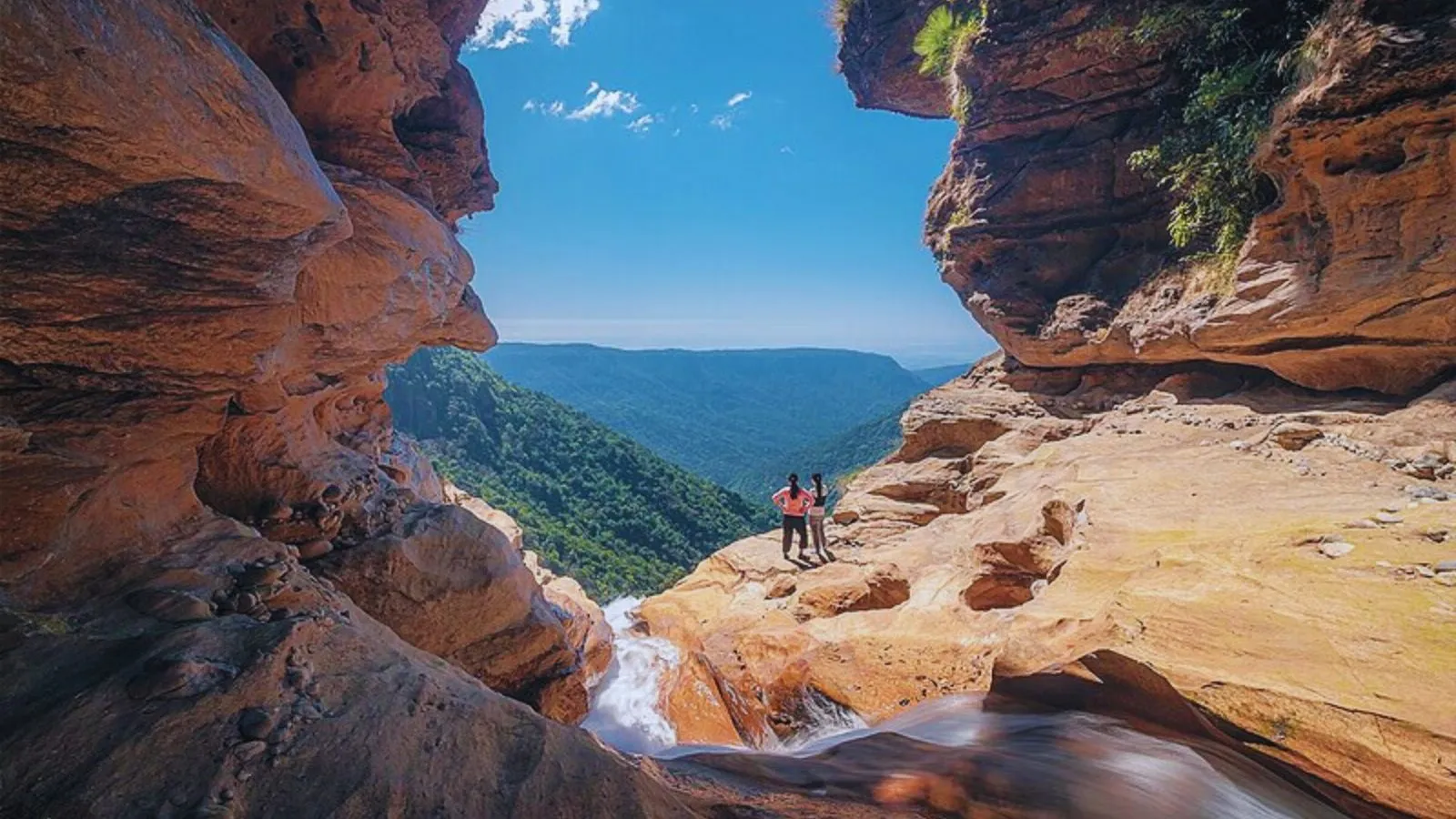
October and November, immediately after the monsoon, are particularly beautiful when the entire state is lush green and waterfalls are at their most spectacular. December to February brings winter - the weather is pleasant during the day but can get quite cold at night, especially in higher altitude areas. Carry light woolens if visiting during these months.
March to May sees temperatures rising (20°C to 30°C) but remains pleasant for most activities. This is an excellent time for trekking and outdoor activities. The landscape starts drying out but remains green. This is a good time to visit if you want to avoid peak season crowds.
June to September brings the monsoon when Meghalaya receives torrential rainfall. Cherrapunji and Mawsynram receive massive amounts of rain during this period. While the landscapes are stunningly green and waterfalls are at their most dramatic, outdoor activities become challenging. Landslides can disrupt roads, and trekking trails become slippery and dangerous. However, for those who don't mind rain and want to experience the monsoon's raw power, this can be a unique time to visit.
Top Destinations in Meghalaya
Shillong
Shillong, the capital of Meghalaya, is a charming hill station at an altitude of 1,496 meters. Often called the 'Scotland of the East' due to its rolling hills and misty landscapes, Shillong was the capital of Assam during British rule. For detailed information about attractions in the capital, check out our guide to places to visit in Shillong. The city offers a unique blend of traditional Khasi culture and modern influences, creating a vibrant atmosphere.
Shillong's attractions include Ward's Lake, a beautiful artificial lake where you can enjoy boating; the Don Bosco Centre for Indigenous Cultures, an excellent museum showcasing Northeast Indian cultures; and the State Museum for insights into Meghalaya's history and heritage. The city also has numerous cafes serving local Khasi food as well as Continental and Chinese cuisine. Shillong serves as the base for exploring the wider Meghalaya region.
Cherrapunji (Sohra)
Located approximately 60 kilometers from Shillong, Cherrapunji (locally known as Sohra) is one of the wettest places on Earth. Despite receiving massive rainfall, Cherrapunji can face water shortages during dry months due to deforestation - a paradox that makes this place unique. For more information about this remarkable region, see our guide to Cherrapunji tourist places. The area is famous for its living root bridges, waterfalls, and limestone caves.
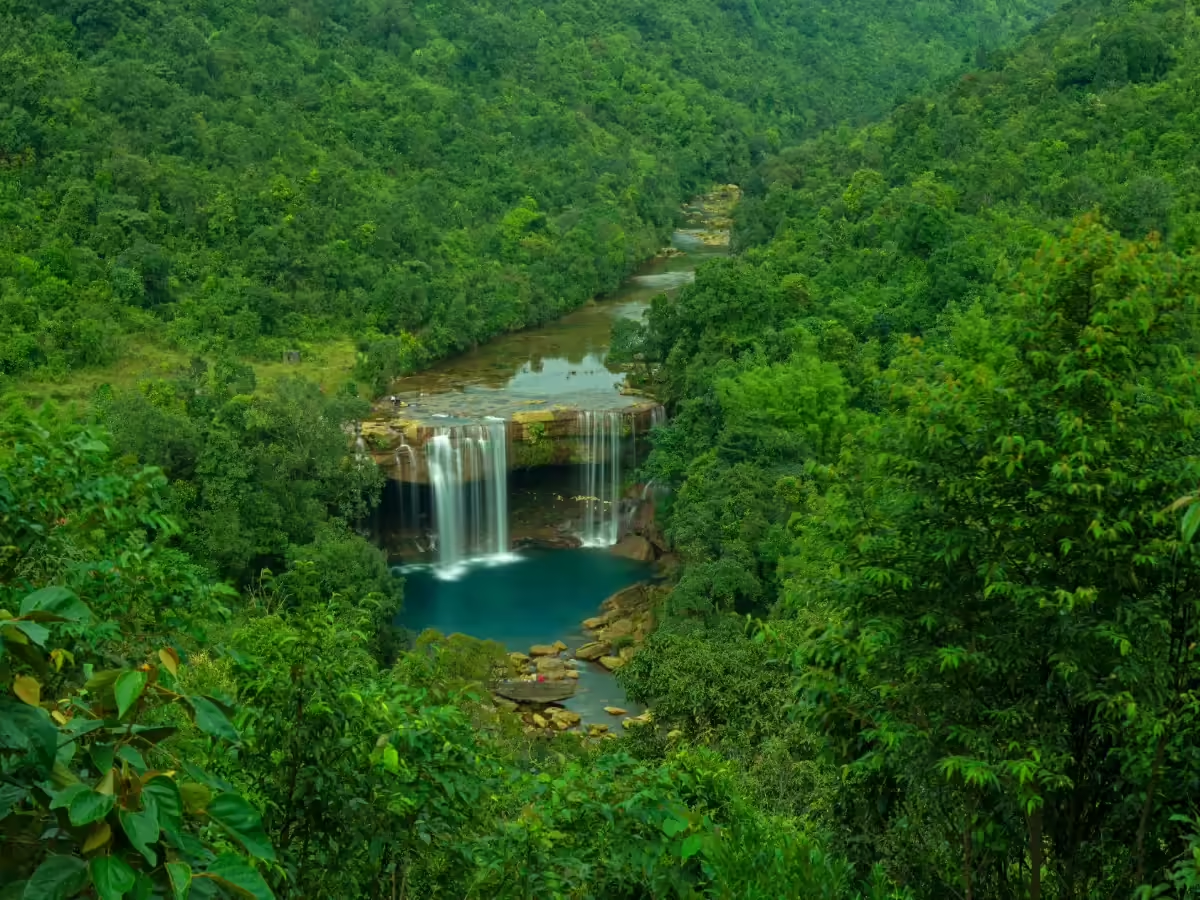
The main attractions include the double-decker living root bridge at Nongriat, the Mawsmai Cave (an impressive limestone cave), and numerous waterfalls including Nohkalikai Falls (the tallest plunge waterfall in India), Seven Sisters Falls, and Dainthlen Falls. Cherrapunji offers spectacular views of the Bangladesh plains and has a unique landscape shaped by intense rainfall.
Mawlynnong
Mawlynnong, located approximately 90 kilometers from Shillong, has earned the title of 'Asia's Cleanest Village' and has also been called the cleanest village in Asia by Discover Magazine. To learn more about this remarkable village, read our detailed guide to Mawlynnong Village. The village is remarkably clean, with bamboo dustbins everywhere and a community that takes immense pride in maintaining cleanliness.
Attractions in Mawlynnong include the Living Root Bridge, the Sky Walk (a bamboo structure offering panoramic views of the Bangladesh plains), and the Church of Epiphany. The village is home to the Khasi people who follow traditional customs and welcome visitors warmly. Mawlynnong offers a glimpse into traditional Khasi village life and is an inspiring example of community-led conservation.
Dawki
Dawki, located approximately 95 kilometers from Shillong near the Bangladesh border, is famous for the Umngot River, which has incredibly clear water. The river is so transparent that boats appear to float on air. The boat ride on the Umngot River is one of Meghalaya's most spectacular experiences.
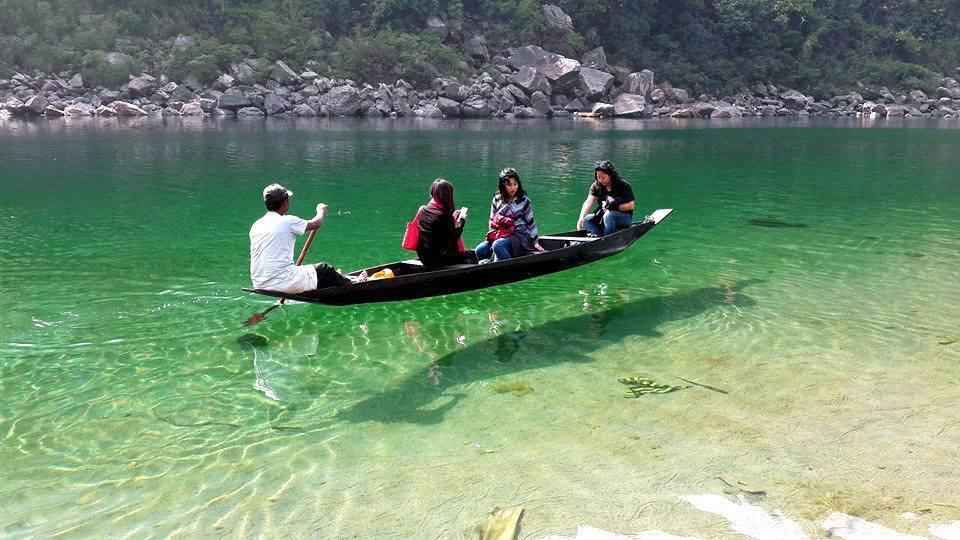
The Dawki-Tamabil border crossing to Bangladesh is also located here. The area is particularly beautiful in winter when the water is at its clearest. The nearby Dawki Bridge, a suspension bridge over the Umngot River, offers spectacular views. Dawki can be visited as a day trip from Shillong or combined with a visit to Mawlynnong.
Living Root Bridges
What Are Living Root Bridges?
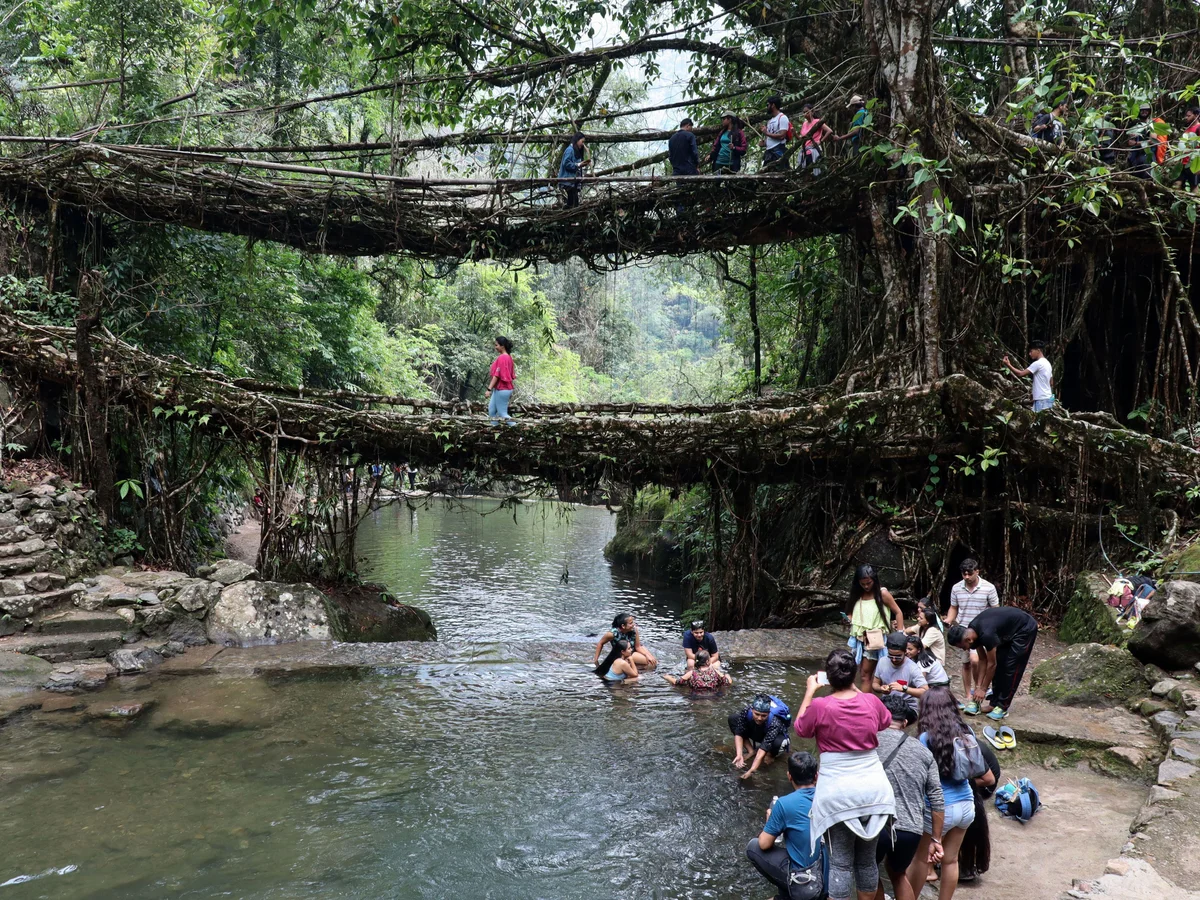
Meghalaya's living root bridges are one of humanity's most fascinating examples of bioengineering. Created by the Khasi people using the aerial roots of the rubber fig tree (Ficus elastica), these bridges are grown rather than built. The roots are guided across rivers using hollow betel nut trunks or bamboo, eventually taking root on the opposite bank and strengthening over time.
These bridges take 15-30 years to become fully functional but can last for centuries, becoming stronger with time. Unlike conventional bridges that deteriorate with age, living root bridges actually strengthen as the roots grow thicker and more intertwined. The most famous is the double-decker root bridge at Nongriat, which has two levels of living roots.
Popular Root Bridges
The Double Decker Root Bridge at Nongriat, near Cherrapunji, is the most famous and impressive. The trek to reach it involves descending approximately 3,000 steps into the valley - a challenging but rewarding experience. The bridge has two levels, one above the other, both entirely made of living roots.
Other notable root bridges include the single-decker root bridge at Mawlynnong, the Umshiang Double Decker Root Bridge, and numerous smaller bridges throughout the Khasi Hills. Each bridge is unique and represents centuries of bioengineering knowledge passed down through generations.
Adventure and Nature
Caving
Meghalaya has some of India's longest and deepest cave systems, making it a paradise for spelunking enthusiasts. The state has over 1,500 known caves, with new ones being discovered regularly. The limestone terrain has created vast underground networks with spectacular formations.
Popular caves include Mawsmai Cave near Cherrapunji (easily accessible with impressive stalactites and stalagmites), Krem Mawmluh (the fourth longest cave in India), and Siju Cave (famous for its stalagmites). Caving requires a local guide and proper equipment. The best time for caving is from November to March when water levels in caves are lower.
Trekking
Meghalaya offers excellent trekking opportunities through its hills, forests, and villages. Popular treks include the trek to the Living Root Bridge (involving descending and ascending approximately 3,000 steps), the David Scott Trail (following the historic horse route from Shillong to Mawlynnong), and various treks through the Khasi Hills.
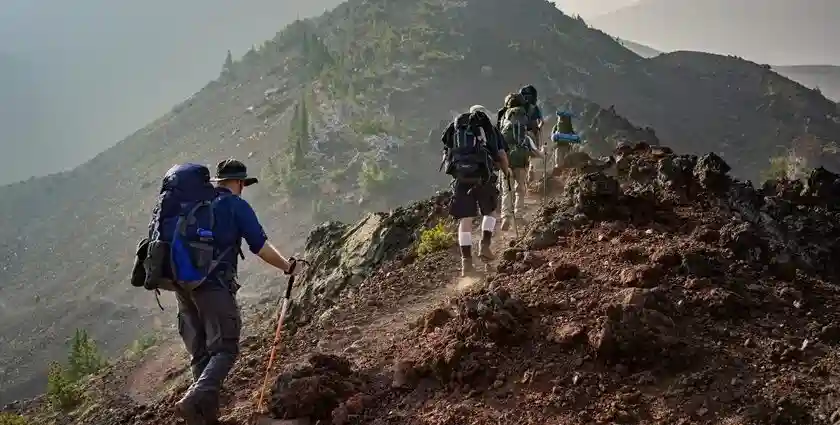
The terrain ranges from gentle hills to challenging slopes, offering options for various fitness levels. The treks pass through sacred forests, villages, and stunning landscapes, offering cultural and natural experiences. The best trekking season is from October to April.
Waterfalls
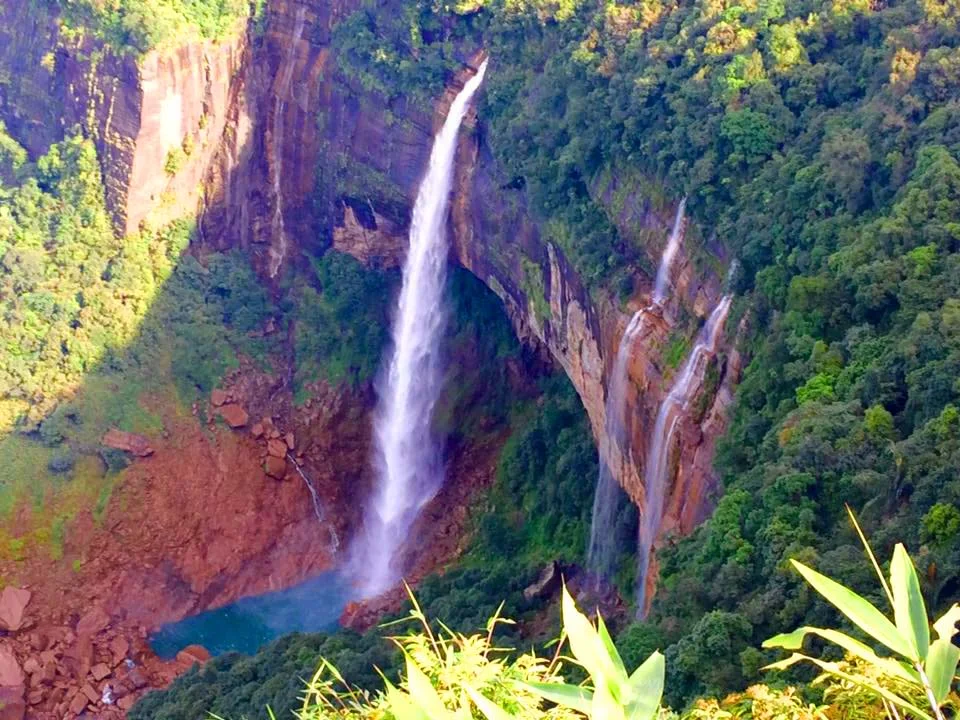
Meghalaya's numerous waterfalls are spectacular, especially during and immediately after the monsoon. Nohkalikai Falls, near Cherrapunji, is the tallest plunge waterfall in India, dropping 340 meters. The falls are particularly impressive during the monsoon when the volume of water is massive.
Other notable waterfalls include Seven Sisters Falls, a cluster of seven waterfalls cascading down the cliff face; Dainthlen Falls; and Bishop Falls. Many waterfalls are easily accessible from the road, while others require short treks. The monsoon season (July-September) is when waterfalls are at their most spectacular.
Where to Stay in Meghalaya
Shillong has the most accommodation options, ranging from budget guesthouses to mid-range hotels. Popular areas include Police Bazaar and Laitumkhrah. Most accommodations are basic but comfortable.
Cherrapunji has several guesthouses and homestays, particularly in the Sohra area. For visiting the Double Decker Root Bridge, some homestays are available in nearby villages, offering a more authentic experience.

Dawki has limited accommodation options, mostly basic guesthouses. Most visitors visit Dawki as a day trip from Shillong. For a more authentic experience, consider staying in village homestays where you can experience traditional Khasi hospitality and culture.
Food in Meghalaya
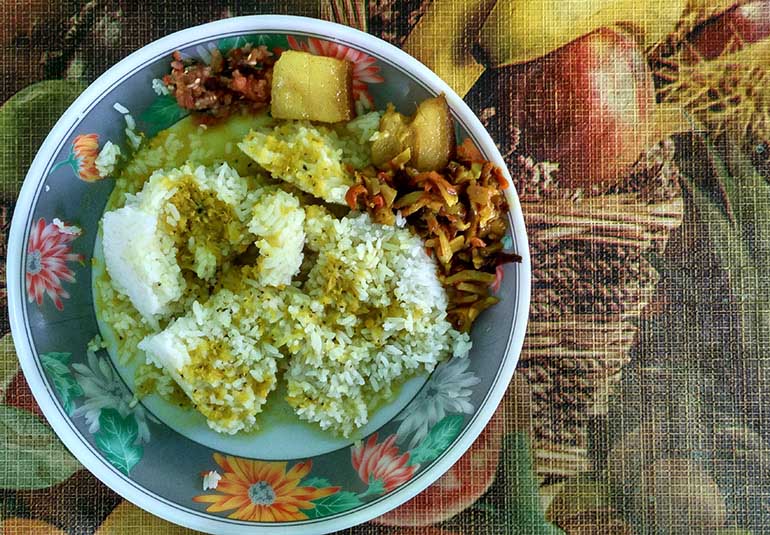
Meghalaya's cuisine reflects its tribal heritage and is distinct from other Indian cuisines. The staple food is rice, often served with non-vegetarian dishes including pork, beef, and fish.
Popular Khasi dishes include Jadoh (rice cooked with meat), Dohneiiong (pork curry with black sesame seeds), Doh Khlieh (a pork delicacy with onions and spices), and Tungtab (fermented fish). For vegetarians, Jadoh Snam (vegetarian rice) and various preparations using local vegetables are available.
Shillong has numerous restaurants serving Khasi, North Indian, Chinese, and Continental cuisine. Try the local momos (steamed dumplings) and various preparations using bamboo shoot, a local specialty. Kyat, a local rice beer, is worth trying for those who consume alcohol.
How to Reach Meghalaya
By Air
Shillong Airport (Umroi Airport) has limited connectivity, with flights from Kolkata. A more practical option is to fly to Guwahati Airport in Assam (approximately 120 kilometers from Shillong), which has excellent connectivity to major Indian cities. From Guwahati, taxis and shared cabs are available to Shillong (approximately 3-4 hours drive).
By Train
The nearest major railway station is Guwahati, well connected to major Indian cities. From Guwahati, you can travel to Shillong by road. There's also a narrow-gauge railway connecting Guwahati to Shillong, but it's not practical for tourists due to limited services and travel time.
By Road
Meghalaya is well connected by road to Guwahati and other Northeast Indian states. National Highway 40 connects Shillong to Guwahati. The journey takes approximately 3-4 hours. Shared taxis and buses are available from Guwahati to Shillong throughout the day.
Travel Tips for Meghalaya
Respect local customs and traditions. Meghalaya has a unique matrilineal culture - take time to understand and appreciate it. Ask permission before photographing people, especially during ceremonies. When visiting villages, dress modestly.
The weather can change rapidly - carry rain gear even in winter as unexpected showers are possible. Wear comfortable walking shoes with good grip, especially if planning to trek or visit caves. The terrain can be slippery and hilly.
Hire local guides for caving and trekking. The caves are complex and potentially dangerous without proper guidance. Guides also add value by explaining the geological and cultural significance of various sites.
Carry sufficient cash as ATMs are limited outside Shillong. Mobile connectivity is available for major networks but can be patchy in remote areas. Download offline maps.
Conclusion
Meghalaya truly deserves its name as the 'Abode of the Clouds.' The state offers a unique blend of natural wonders, cultural richness, and warm hospitality that's hard to find elsewhere. Whether you're walking across centuries-old living root bridges, exploring vast cave systems, witnessing spectacular waterfalls, or simply soaking in the misty mountain atmosphere, Meghalaya delivers experiences that are truly extraordinary.
The living root bridges are testament to human ingenuity and harmony with nature - a sustainable solution that has worked for centuries. The sacred forests represent ancient conservation practices. The matrilineal culture offers insights into alternative social systems. The landscapes, shaped by the heaviest rainfall on Earth, are spectacularly beautiful.
Meghalaya may be off the beaten path for many, but that's precisely its charm. It's a destination that rewards those who make the effort to visit with experiences that can't be found anywhere else. The memories of misty hills, living bridges, warm smiles, and pristine nature will stay with you long after you've returned home.
Location
Frequently Asked Questions
Q1.What is the best time to visit Meghalaya?
Q2.How many days are enough for Meghalaya?
Q3.Are the living root bridges safe to cross?
Q4.Is Meghalaya safe for tourists?
Q5.How do I reach the Double Decker Root Bridge?
Q6.What is Meghalaya famous for?
Q7.Can I see the Bangladesh border from Meghalaya?
Q8.What should I pack for Meghalaya?
Recommended For You
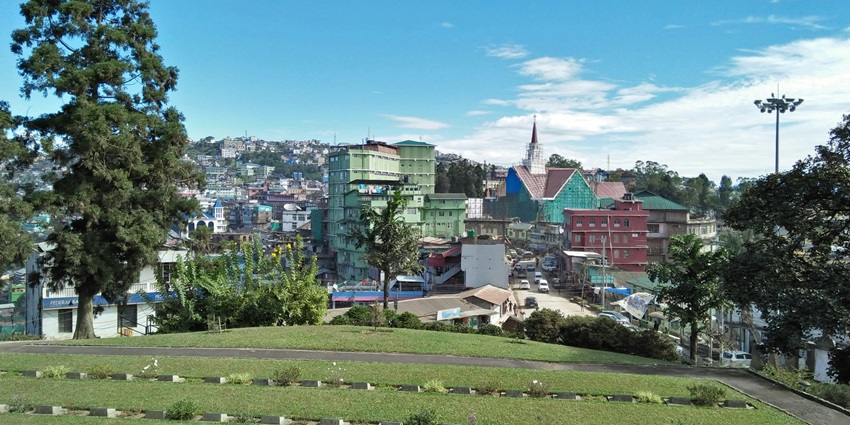
Kohima: Complete Travel Plan Places And Weather
Complete Kohima travel guide with best time to visit, top attractions including War Cemetery and Hornbill Festival, how to reach, accommodation & practical travel tips.
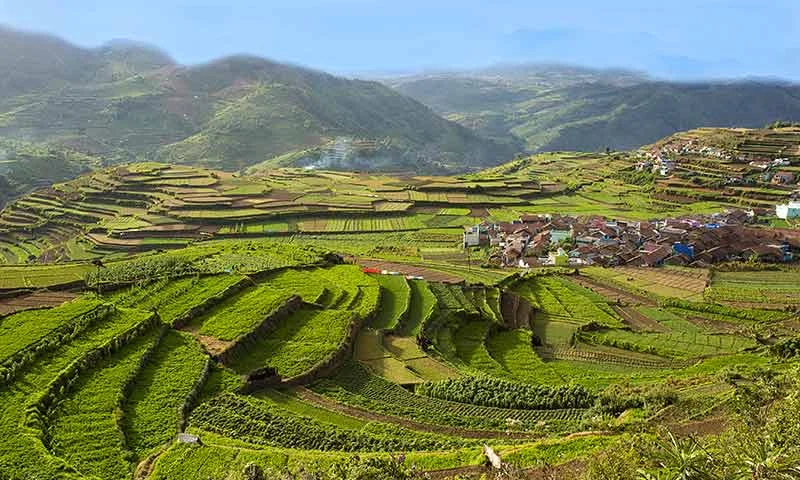
Places to Visit in Assam: Itinerary, Best Time & Top Attractions
Plan your Assam trip with practical route circuits, day-wise itinerary ideas, seasonal timing tips, and budget-friendly travel planning.
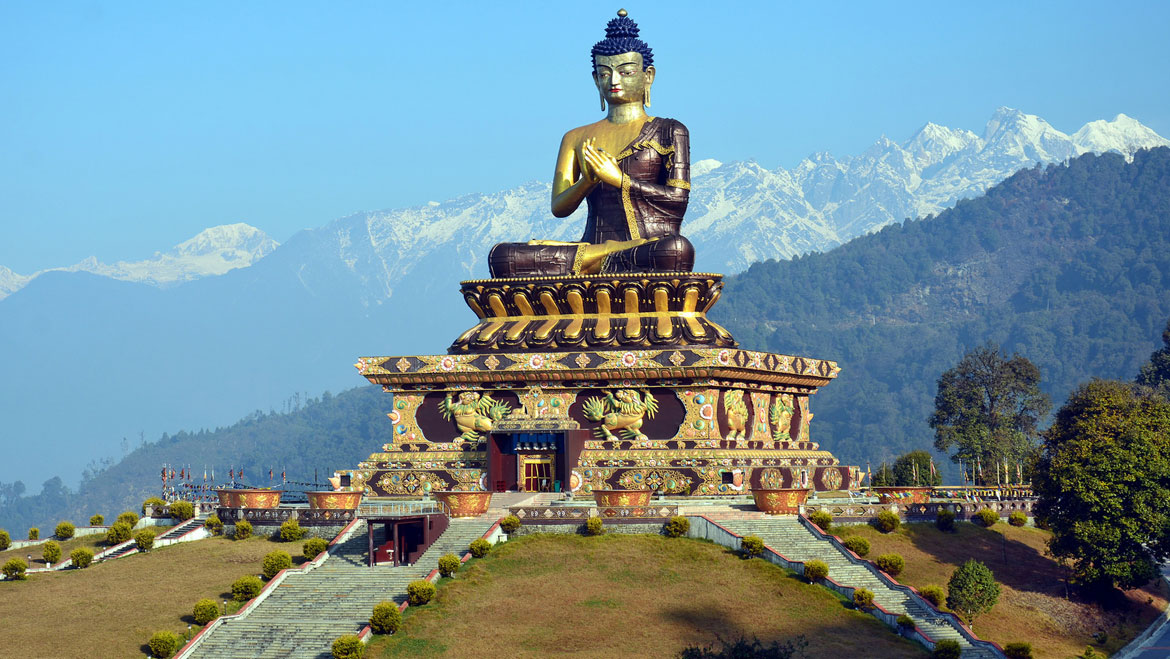
Sikkim: Complete Travel Plan Places And Weather
Complete Sikkim travel guide featuring Gangtok, Tsomgo Lake, Nathula Pass, monasteries, trekking, Kangchenjunga & practical tips.
Never Miss an Adventure
Get the latest trekking guides, travel tips, and exclusive offers delivered straight to your inbox.
