
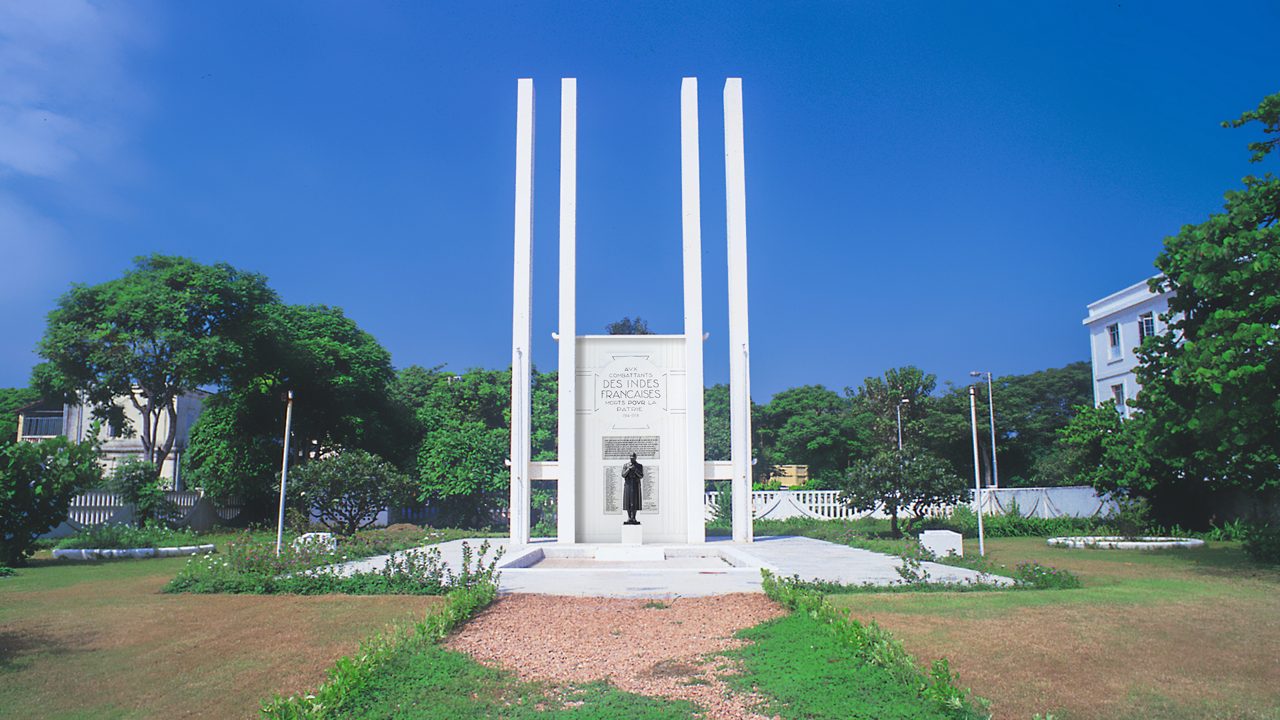
French War Memorial Pondicherry: History, Location & Best Time to Visit

Priya Mehta
February 18, 2026
Complete guide to French War Memorial Pondicherry with history, architecture, visiting tips, and promenade-route planning for heritage travelers.
Introduction
French War Memorial Pondicherry is one of the most significant colonial-era remembrance landmarks on the city’s promenade side. While many visitors pass it as part of a beach-road walk, the memorial carries deeper historical context tied to soldiers from former French India who died in World War I.
This guide covers history, architecture, timing context, best visiting window, and nearby route planning so you can experience it meaningfully. For a full coastal heritage day, combine with Arikamedu and Veerampattinam Beach.
What Is the French War Memorial?
The memorial is a tribute site honoring soldiers associated with the French colonial administration who lost their lives in war periods, especially World War I remembrance context.Why It Matters
It represents Pondicherry’s layered identity: Indian coastal city, French colonial past, and modern heritage-tourism narrative.Historical Significance
Pondicherry’s French legacy includes administrative, architectural, and military-linked memory sites. The French War Memorial stands as one of the clearest symbolic markers of that chapter.World War I Commemoration Context
The memorial serves as a public site of remembrance for soldiers connected to French India service backgrounds.Postcolonial Heritage Reading
For modern travelers, the monument also reflects how former colonial spaces are reinterpreted as civic-memory landmarks.Architecture and Design Features
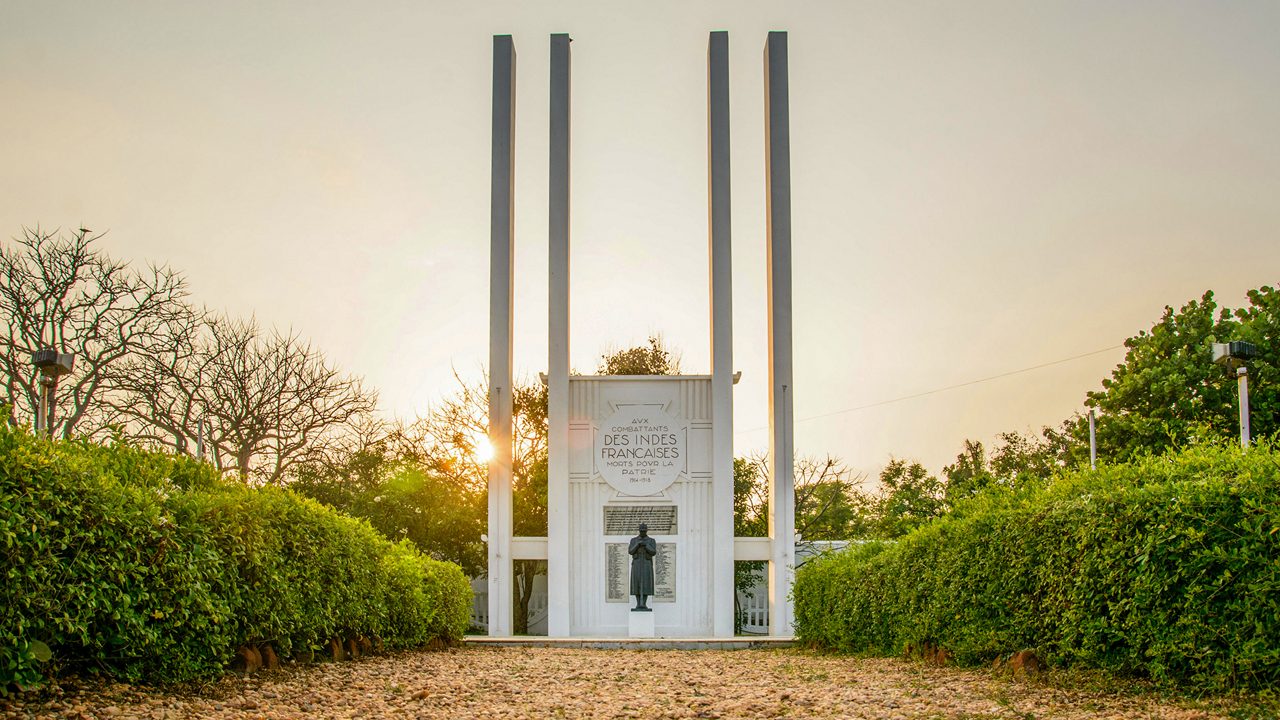 The structure’s white form and symmetry create a solemn visual identity, especially in evening lighting.
| Element | What to Notice |
|---|---|
| Color palette | Minimal and commemorative tone |
| Placement | Prominent promenade-side context |
| Inscription zone | Historical remembrance focus |
| Spatial feel | Open, reflective, civic-memory environment |
Illumination and Evening Experience
The site gains visual strength during evening hours when promenade lighting atmosphere complements the monument. Special commemorative lighting periods can attract additional visitors.Best Time for Visual Experience
Late afternoon to evening is usually preferred for photography and combined promenade walk rhythm.Timings, Entry, and Visit Duration
| Item | Typical Expectation | Tip |
|---|---|---|
| Entry | Public-view memorial zone | Check local access instructions |
| Fee | Commonly free viewing context | Policy may vary by event management |
| Time needed | 20-45 minutes | Longer if combining promenade heritage walk |
How to Reach French War Memorial
The memorial is in the central promenade/White Town movement belt and is easy to reach by walk, auto, or short taxi ride from most Pondicherry core stays.From White Town
Usually a short and pleasant walk with multiple heritage-site add-ons nearby.From Bus Stand / Outer Areas
Use auto or cab for direct approach and then continue on foot for nearby landmarks.Nearby Attractions You Should Combine
- Promenade walk stretches
- Heritage-zone streets in French quarter
- Serenity Beach for coast contrast
- Auroville Beach if extending coastal route
Suggested 3-Hour Heritage Walk Plan
Hour 1: French War Memorial and nearby interpretation. Hour 2: Promenade cultural walk and architecture frames. Hour 3: Café/rest + onward heritage or beach extension. This keeps pace calm and context-rich.Photography Tips
- Capture structure symmetry with centered compositions
- Use evening ambient light for tone-rich frames
- Include human-scale shots for monument proportion
- Respect solemn context while photographing

Cultural Etiquette and Visitor Conduct
Even though it is a public landmark, the site is a remembrance space. Maintain respectful behavior, avoid loud disruptions, and treat inscription zones with dignity.Who Should Prioritize This Site?
| Traveler Type | Why It Fits |
|---|---|
| History travelers | Colonial and war-memory context |
| Architecture enthusiasts | Commemorative monument design study |
| Photographers | Evening and symmetry-based framing value |
| First-time Pondicherry visitors | Easy inclusion in promenade route |
Common Mistakes to Avoid
- Treating it as a quick selfie point only
- Skipping historical context reading
- Visiting in harsh heat hours when experience quality drops
- Ignoring broader promenade cluster planning
Extended Heritage Context
The French War Memorial works best when understood within Pondicherry’s layered narrative: colonial governance, cultural transition, and post-independence memory interpretation. Seen this way, the monument becomes part of a living urban story rather than an isolated structure.Final Practical Tips
- Visit near sunset for best atmosphere
- Pair with one heritage and one beach stop
- Keep a short reading break at the site to absorb context
- Use respectful framing while photographing
Conclusion
French War Memorial Pondicherry is a compact but meaningful heritage stop. When visited with context and calm pace, it adds significant historical depth to any Pondicherry itinerary.Comparing the Memorial to Other Colonial-Era Sites in Pondicherry
Pondicherry retains several markers of its French colonial past beyond the war memorial, including the French Institute, the Romain Rolland Library, and the Notre Dame des Anges church. Compared with these, the French War Memorial has a distinctly different tone: while the institute and church buildings represent ongoing civic and religious functions, the memorial exists purely as a site of remembrance, with a stillness that visitors often note as different from the busier heritage buildings nearby. For travelers building a colonial-heritage walking route through White Town, it helps to sequence stops by mood rather than just geography. Starting the walk with more active heritage buildings and ending at the memorial, closer to sunset, tends to create a more natural emotional arc than visiting the memorial first and moving on to livelier stops immediately afterward.Seasonal Visiting Notes
Pondicherry's coastal climate means the promenade area, including the memorial site, is most comfortable between November and February, when sea breezes keep temperatures manageable even in the late afternoon. From March through June, midday heat can be intense on the open promenade, making early morning or post-5 PM visits far more practical for a comfortable walking pace. The northeast monsoon, typically active from October through December, occasionally brings short, heavy showers to the coast. If you are visiting during this period, keep a flexible time window rather than fixing your memorial visit to a single slot, since a brief downpour can pass quickly and leave the promenade freshly washed and pleasant for an evening walk shortly after.Understanding the Broader French India Military History
The soldiers commemorated at this memorial were part of a wider pattern of colonial military recruitment that drew personnel from French-administered territories across the Indian Ocean world, including Pondicherry, Karaikal, Yanam, Mahe, and Chandernagore. Many were deployed to European battlefields during World War I, far from the coastal towns they called home, which is part of why the memorial carries particular emotional weight for local historians and descendants of those who served. Understanding this context transforms the visit from a passive architectural stop into a more meaningful encounter with a lesser-discussed chapter of colonial military history. Travelers interested in this angle can often find additional context at local heritage centers or through guided heritage walk operators in Pondicherry who specialize in the town's French colonial period, some of whom include the memorial as a scheduled stop precisely because of this historical depth. Local libraries and the Pondicherry Museum also hold archival material on this period, offering a useful next step for visitors who want to go beyond a single monument visit and explore the region's colonial military history in more depth.Location
Frequently Asked Questions
Q1.What is the French War Memorial in Pondicherry?
Q2.Is there an entry fee for French War Memorial?
Q3.What is the best time to visit?
Q4.How much time is needed at the site?
Q5.Where is the memorial located?
Q6.Can I combine this with other Pondicherry attractions?
Q7.Is photography allowed at French War Memorial?
Q8.Why is this memorial historically significant?
Recommended For You
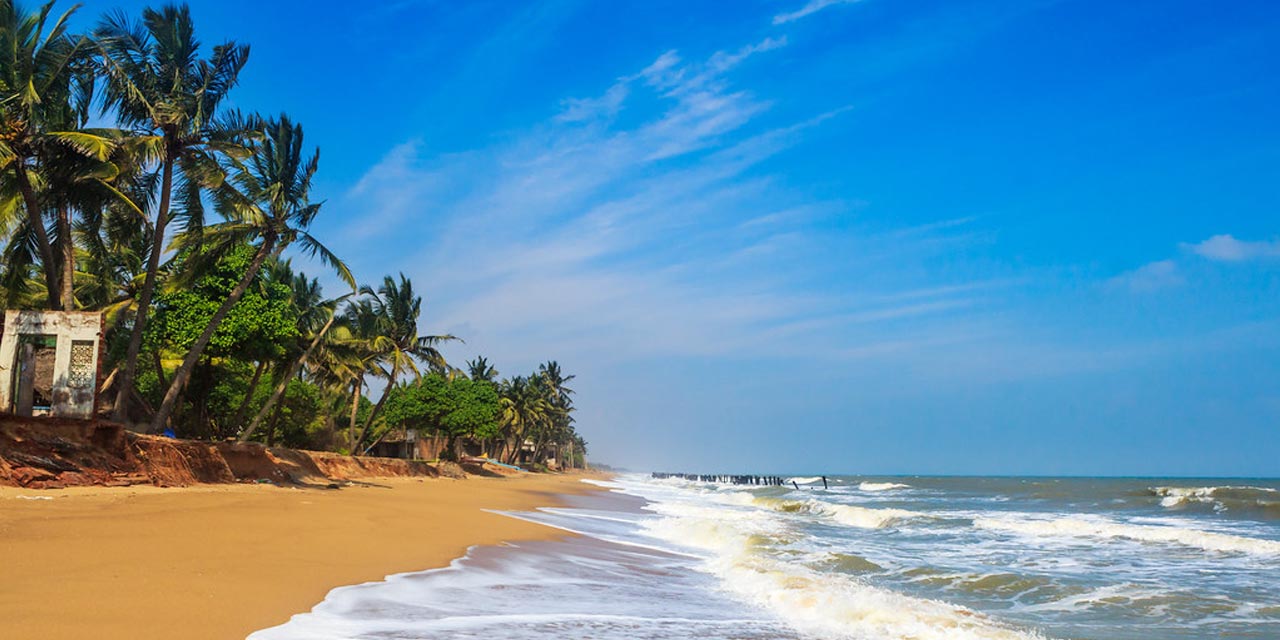
Auroville Beach Puducherry: Golden Sand & Sunrise Paradise
Discover Auroville Beach Puducherry - a pristine coastal paradise featuring golden sands, spectacular sunrise views, excellent surfing conditions, and peaceful atmosphere near the famous Auroville township. Complete travel guide with access, timings, activities, accommodation and tips.
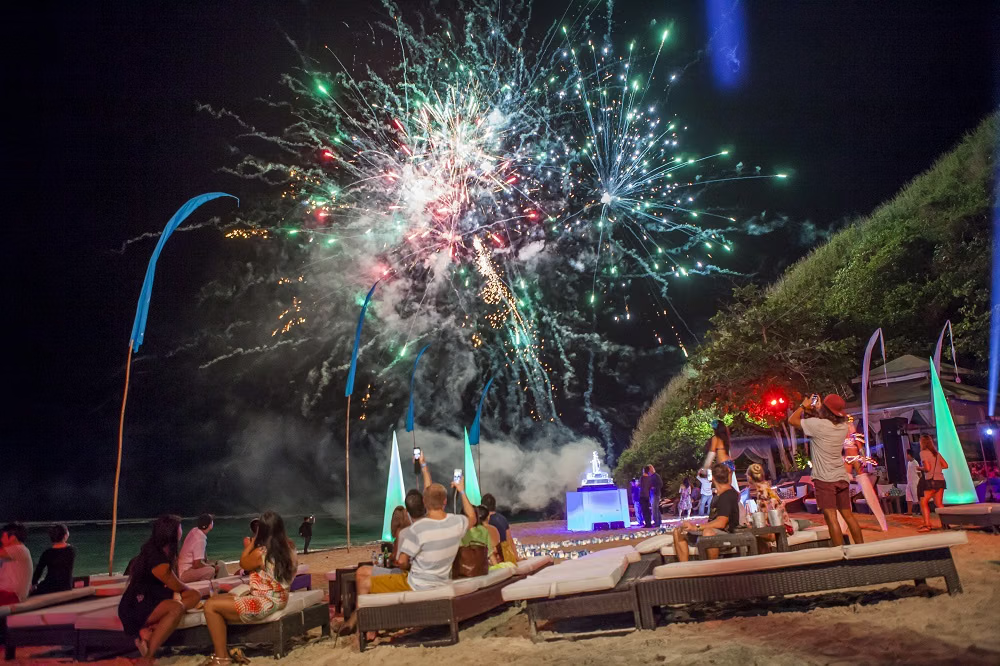
New Year Party Pondicherry: Beach, French Town Events
Plan New Year party Pondicherry with Promenade and French Town events, beach party options, ticket ranges, safety tips, and transport planning for NYE.
20 Best Places to Visit in Ahmedabad: Heritage & Fun
Explore top places to visit in Ahmedabad with heritage landmarks, food streets, shopping hubs, and practical 1-day/2-day itinerary planning.
Never Miss an Adventure
Get the latest trekking guides, travel tips, and exclusive offers delivered straight to your inbox.
