
Spiritual
Ganga Maiya Temple Chhattisgarh: Timings, Route & Darshan Info

Neha Kapoor
February 10, 2026
8 min read4,405 views
Plan your Ganga Maiya Temple Chattisgarh visit with darshan timing guidance, route clarity, festival tips, and practical pilgrimage planning from Balod side.
Ganga Maiya Temple Chattisgarh overview
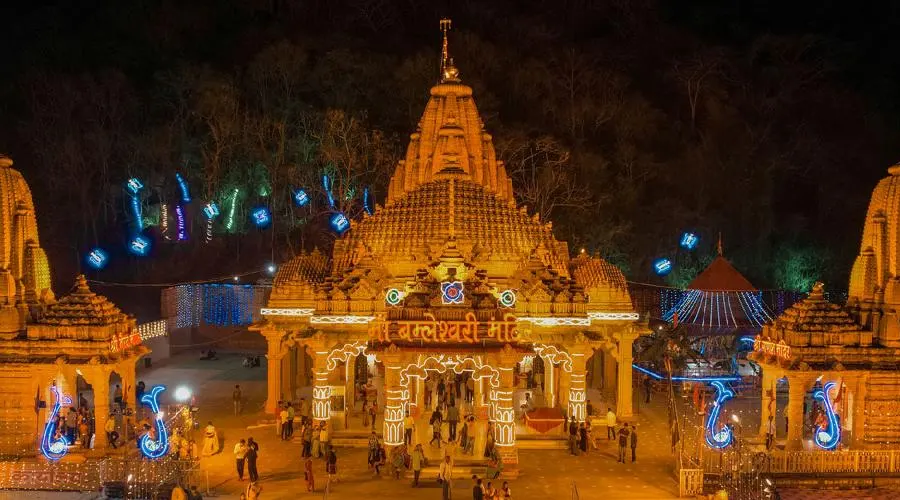
Ganga Maiya Temple Chattisgarh is a respected regional pilgrimage site with strong local devotion, seasonal festival gatherings, and a long-standing oral tradition around the origin of the shrine. Most credible local references place the temple at Jhalmala in Balod district, on the Durg-Balod route side, and many devotees from nearby districts visit throughout the year for darshan and blessings. For first-time travelers, one important point is location clarity. Search results sometimes mix district references, but route planning should be based on Jhalmala-Balod mapping and local district information. This is especially useful if you are coming from Raipur, Durg, or nearby towns and want a clean, no-detour approach. If you are planning a wider devotional circuit, combine this visit with Temples in Chhattisgarh and a city add-on from Raipur tourist places for a balanced spiritual and cultural day.
Darshan timings and temple schedule
Temple timings may vary by season, local arrangements, and festival-day crowd management. Public business listings often show broad open windows, but pilgrims should still verify same-day details before travel, especially for aarti-specific visits. A practical timing strategy usually works like this: 1. Early morning for peaceful darshan and easier movement. 2. Midday only if you can handle warmer conditions. 3. Evening for devotional atmosphere, but with possible queue pressure.| Visit Window | Typical Experience | Recommended For |
|---|---|---|
| Morning | Calmer temple environment | Seniors, families, focused prayer visits |
| Midday | Lower ritual density, warmer weather | Quick darshan with hydration planning |
| Evening | High devotional energy | Aarti-seeking devotees with time buffer |
History and religious significance
The temple is commonly associated with an origin legend in which a sacred idol was discovered in water and then established at the present worship site after divine guidance through dreams and local faith testimony. Over time, what began as a small devotional point evolved into a widely visited shrine through community effort, recurring rituals, and festival support. From a pilgrimage perspective, this matters because Ganga Maiya Temple is not only a structure for ritual worship, but also a social faith center. Local devotees see it as a space of protection, prayer, and gratitude. During Navratri and other auspicious periods, attendance increases and the temple becomes a collective devotional node for families from surrounding regions. Its significance today can be understood through three layers: 1. Faith layer: Devi devotion and personal vow-based visits. 2. Community layer: shared ritual participation and local identity. 3. Regional layer: inclusion in broader Chhattisgarh pilgrimage routes.Temple layout and darshan experience
Ganga Maiya Temple is generally experienced as a devotion-first shrine where pilgrims prioritize darshan, offerings, and prayer time over monument-style touring. The primary sanctum, offering flow area, and worship queue path form the core visitor movement route. The atmosphere is usually intimate and local. On regular days, devotees can spend quiet prayer time with moderate movement. On festival days, the same space becomes more dynamic with devotional songs, expanded queue lines, and stronger community presence. Pilgrims can improve the experience by keeping carry-light discipline, respecting queue order, and avoiding high-friction behavior in sanctum-adjacent spaces.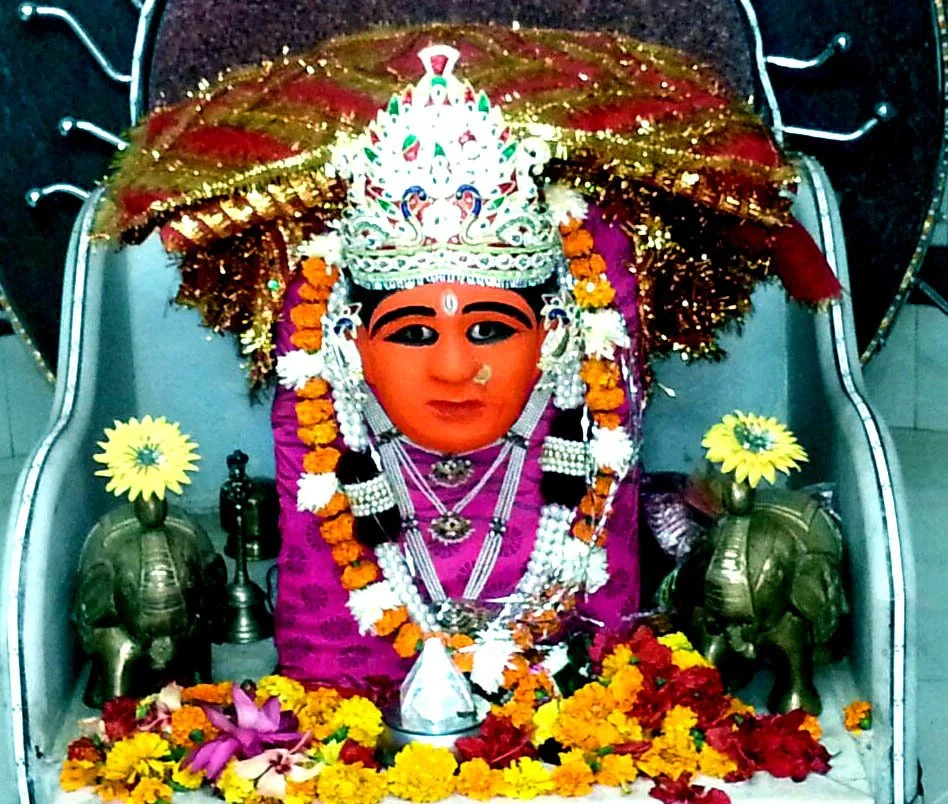
Aarti, pooja details, and festival periods
As with many regional temples, aarti and special pooja arrangements are calendar-sensitive. If your primary goal is to attend a specific ritual window, verify latest timing on the day of travel through local contacts or on-ground updates. Festival patterns usually include: 1. Navratri: major surge in attendance and devotional programming. 2. Auspicious Devi days: increased offerings and prayer turnout. 3. Community prayer events: localized crowd concentration.| Occasion Type | Footfall Pattern | Pilgrim Planning Advice |
|---|---|---|
| Regular weekday | Low to moderate | Best for relaxed and quiet darshan |
| Weekend | Moderate increase | Add 20-40 minutes buffer |
| Festival peak | High and sustained | Arrive early, avoid rigid onward plans |
How to reach Ganga Maiya Temple
The temple is most commonly reached by road via Jhalmala in Balod district. For many visitors, road transport is the most practical option, especially for family and group pilgrimage.By road
Private vehicle and hired cab routes are commonly used from Balod, Durg, and Raipur-side regions. If traveling during festival windows, start earlier to avoid local congestion near temple approach points.By rail plus road
A workable model is to reach a nearby rail node and continue by local road transfer. Confirm final-mile transport availability in advance when arriving outside peak day hours.From Raipur side planning
For Raipur-origin trips, keep extra margin for city exit traffic and return travel. If adding other stops, use corridor clustering rather than scattered routing.
Best time to visit
October to February is generally the most comfortable season for temple travel in this region. Summer visits are still possible with morning-first planning. Monsoon can be scenic but needs weather-aware movement and route checks. Seasonal guidance: 1. Winter: best for family, seniors, and extended prayer stays. 2. Summer: start early, keep hydration strict, avoid late afternoon heat. 3. Monsoon: verify conditions before departure and keep buffers.Nearby attractions for a fuller itinerary
A Ganga Maiya visit can be integrated with nearby spiritual and cultural locations for better day value. Useful combinations include: - Banjari Mata Mandir Raipur for devotional continuation - Purkhauti Muktangan for heritage-cultural perspective - Nandan Van Zoo and Safari for family nature add-on These combinations work best when arranged in one direction of travel, not scattered across disconnected routes.Facilities and practical readiness for devotees
Facilities can vary by crowd level and local arrangements, so a self-prepared approach is useful for smooth pilgrimage. Essential checklist: 1. Carry drinking water and light food support. 2. Keep small cash for offerings and local expenses. 3. Wear modest temple-appropriate clothing. 4. Keep footwear and personal items organized. 5. Maintain respectful queue behavior and quiet decorum. For group visits, assign clear roles: one person for transport timing and one for ritual/logistics handling. This reduces confusion during rush periods and makes return movement easier.Do's and don'ts
Do's: 1. Follow priest and local management guidance. 2. Respect prayer flow and sanctum discipline. 3. Keep temple premises clean and orderly. Don'ts: 1. Avoid intrusive photography during active rituals. 2. Do not block darshan lines for extended photos. 3. Avoid loud conversation near prayer zones.One-day pilgrimage plan
 A practical one-day route plan:
1. Early departure and morning darshan.
2. Midday rest and simple meal block.
3. Optional nearby spiritual or cultural extension.
4. Timely return before late-night fatigue.
A practical one-day route plan:
1. Early departure and morning darshan.
2. Midday rest and simple meal block.
3. Optional nearby spiritual or cultural extension.
4. Timely return before late-night fatigue.
| Time Block | Focus | Benefit |
|---|---|---|
| Morning | Main darshan and offerings | Cool conditions and smoother movement |
| Noon | Recovery and hydration | Avoids avoidable fatigue |
| Afternoon | Optional add-on stop | Improves overall trip value |
| Evening | Planned return | Safer and calmer closure |
Accommodation and stay planning
For devotees coming from farther districts, same-day return may still work, but many families prefer one overnight stay during festival windows to avoid fatigue. Stay options are usually chosen by route convenience rather than luxury, especially for pilgrimage-focused trips where early darshan is the priority. Practical stay strategy: 1. If your main goal is darshan-only, choose the nearest practical town stop and start early next morning. 2. If you are combining multiple attractions, stay in a better-connected city corridor and use a hub-and-spoke route. 3. During Navratri or peak ritual days, finalize stay in advance to avoid last-minute price spikes.| Travel Type | Stay Pattern | Why It Helps |
|---|---|---|
| Day-trip pilgrims | No stay, early departure | Lower cost and quick completion |
| Family pilgrimage | One-night stop nearby | Less fatigue for children and elders |
| Festival visitors | Pre-booked stay in connected city | Route flexibility under crowd pressure |
Common travel mistakes and how to avoid them
Many difficult temple trips are caused not by distance but by planning errors. A few corrections can make the experience significantly smoother. 1. Depending on old timing listings without same-day confirmation. 2. Starting too late and reaching during high-heat or high-queue windows. 3. Carrying excess items into temple flow areas. 4. Skipping hydration planning for elders and kids. 5. Overpacking the day with too many scattered add-on stops. 6. Leaving return transport undecided until evening. Better approach: keep one anchor spiritual goal, one optional add-on, and one fixed return-time rule. This structure reduces stress and supports a calm devotional mindset.Seasonal and festival travel planning model
If you visit during festival season, think in blocks, not hours. Crowd density can make small delays snowball quickly. A simple decision model helps: - High crowd forecast: reach before primary darshan surge, keep only one nearby add-on. - Moderate crowd forecast: darshan + one cultural extension + early return. - Low crowd weekday: deeper prayer time and slower local exploration. For monsoon windows, route checks are essential. For summer, morning-first discipline is essential. For winter, the main challenge is not heat but overconfidence in tight multi-stop scheduling.Conclusion
Ganga Maiya Temple Chattisgarh is best experienced with clear location planning, respectful darshan behavior, and realistic timing. Its devotional importance, local legends, and festival energy make it a meaningful pilgrimage destination in the region. Plan with a morning-first approach, route clarity, and simple discipline, and you will get a smoother and more spiritually grounded visit. Add a small flexibility buffer for local conditions, and the pilgrimage remains comfortable, respectful, and well-paced for all age groups.Location
Frequently Asked Questions
Q1.Where is Ganga Maiya Temple located in Chhattisgarh?
The temple is commonly referenced at Jhalmala in Balod district on the Durg-Balod road corridor, and travelers should verify exact map location before departure.
Q2.What are Ganga Maiya Temple darshan timings?
Darshan windows generally span morning to evening, but exact timings can vary by season and festival schedules, so same-day confirmation is recommended.
Q3.Why is Ganga Maiya Temple famous?
It is famous for its local origin legend, strong regional devotion, and festival-time pilgrimage significance in Chhattisgarh.
Q4.How can I reach Ganga Maiya Temple from Raipur?
Most visitors travel by road via private cab or vehicle and approach through Balod-side connectivity, keeping buffer time for traffic and return planning.
Q5.What is the best time to visit Ganga Maiya Temple?
October to February is generally the most comfortable period, while summer visits are best scheduled in early morning hours.
Q6.Are there major festivals celebrated at the temple?
Navratri and other auspicious Devi-focused occasions typically see increased devotional activity and higher footfall at the shrine.
Q7.Is this temple suitable for family pilgrimage?
Yes, families regularly visit, and the experience is smoother with morning timing, light carry, and clear transport planning.
Q8.Which nearby places can be combined with this temple visit?
Devotees often combine the visit with nearby spiritual or cultural stops such as Banjari Mata Mandir Raipur, Purkhauti Muktangan, and Nandan Van Zoo and Safari.
Recommended For You
Heritage
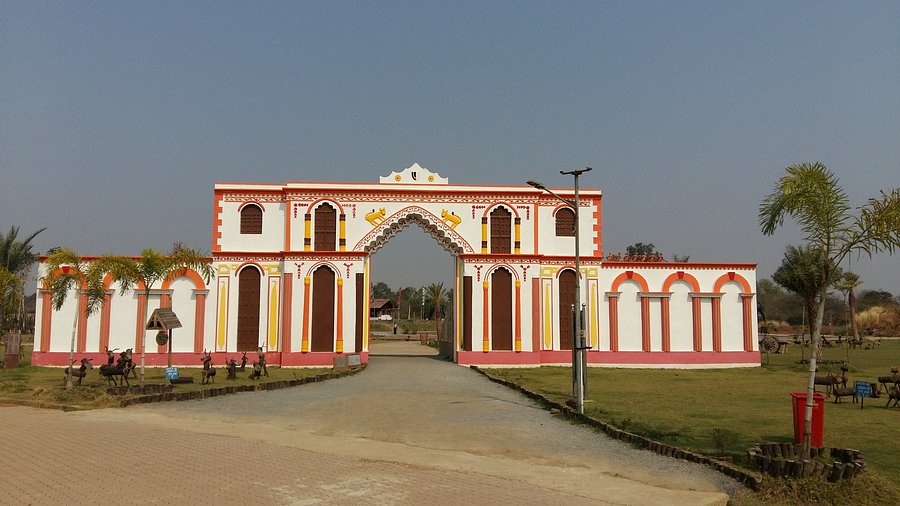
Purkhauti Muktangan Raipur: Tribal Culture Park, Timings & Entry
Explore Purkhauti Muktangan in Raipur with this complete guide covering tribal heritage displays, timings, visit tips, and nearby attractions.
Feb 9Read More
Spiritual
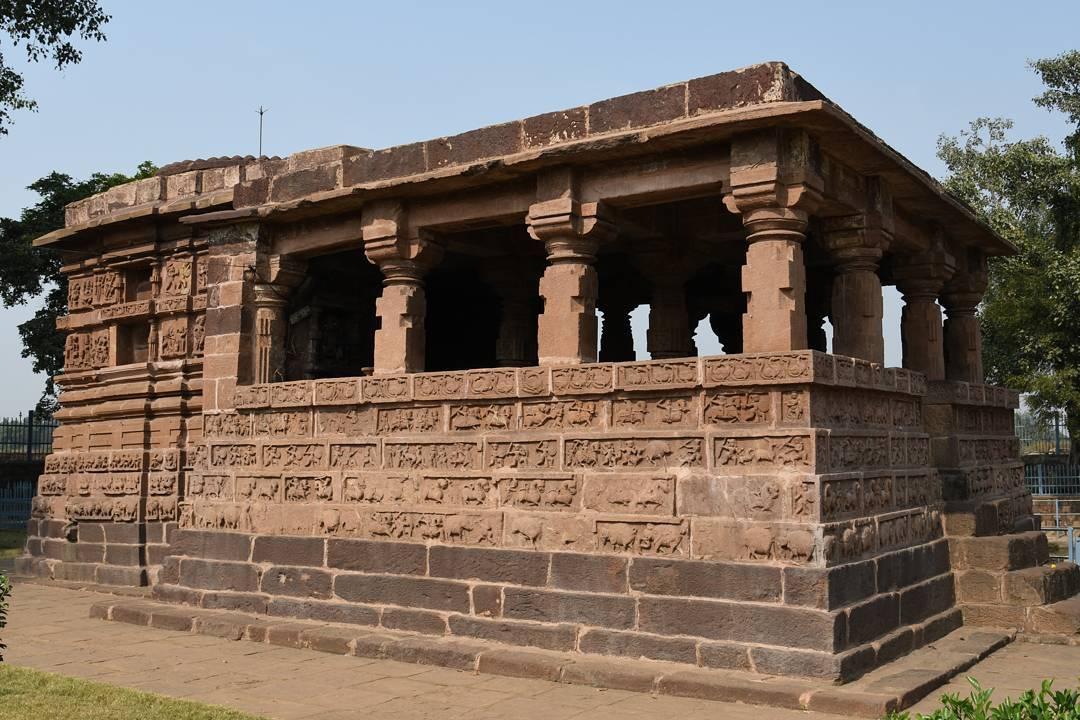
Mahadev Temple Deobaloda: Ancient Shiva Temple
Explore Mahadev Temple Deobaloda, an ancient 12th-century Shiva temple in Chhattisgarh. Discover its history, architecture, timings, and travel guide.
Feb 17Read More
Wildlife
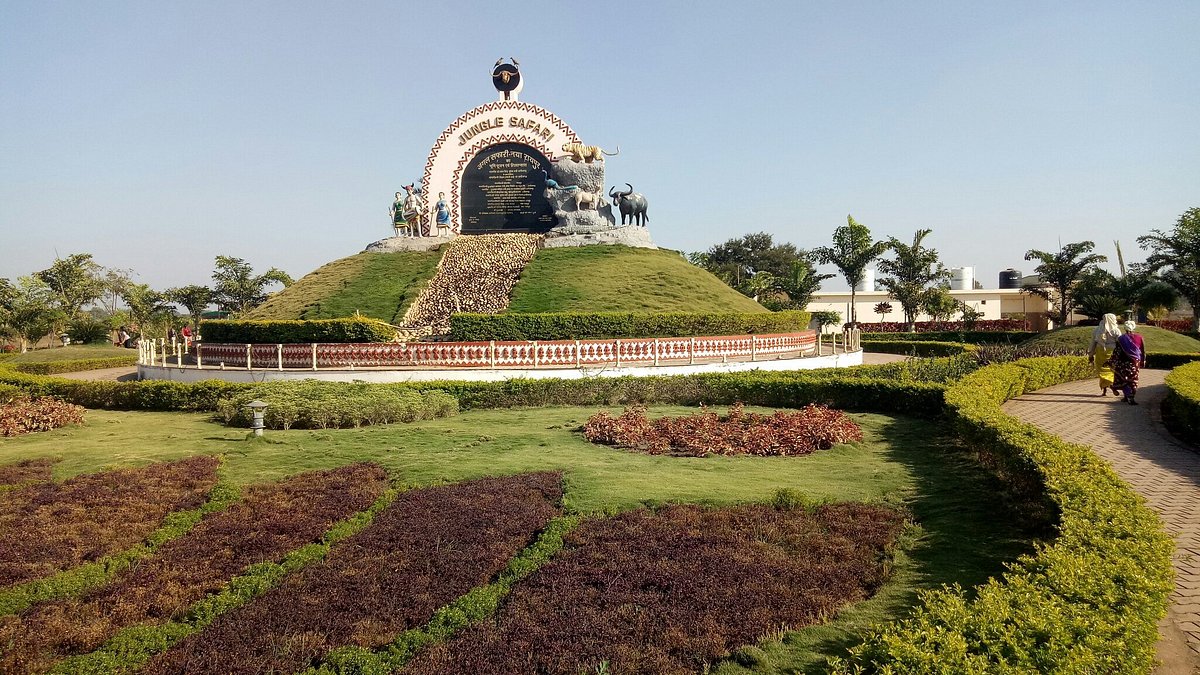
Nandan Van Zoo Raipur: Safari, Entry Fee & Timings
Explore Nandan Van Zoo and Safari in Raipur. Complete guide with entry fee, timings, lion safari prices, animals & best time to visit.
Jan 31Read More
Never Miss an Adventure
Get the latest trekking guides, travel tips, and exclusive offers delivered straight to your inbox.
