
Mahadev Temple Deobaloda: Ancient Shiva Temple

Neha Kapoor
February 17, 2026
Explore Mahadev Temple Deobaloda, an ancient 12th-century Shiva temple in Chhattisgarh. Discover its history, architecture, timings, and travel guide.
Ancient Shiva Temple in Chhattisgarh
Nestled in the heart of Chhattisgarh, the Mahadev Temple in Deobaloda stands as a remarkable testament to ancient Indian architecture and spiritual devotion. This sacred Shiva temple, located in the Durg district, is one of the region's oldest and most archaeologically significant religious sites. For history enthusiasts, architecture lovers, and spiritual seekers alike, this temple offers a fascinating glimpse into the rich cultural heritage of central India.
The temple's serene ambiance and historical significance draw devotees and tourists throughout the year. Its ancient stone structure, weathered by centuries yet standing tall, speaks volumes about the architectural prowess of its builders and the enduring faith of countless generations who have worshipped here. Whether you're planning a pilgrimage or simply wish to explore India's architectural heritage, Mahadev Temple Deobaloda is a destination that should be on your travel radar.
History and Architecture
Historical Background
The Mahadev Temple at Deobaloda dates back to the 12th-13th century, built during the reign of the Kalchuri dynasty, which ruled this region with great patronage for art and architecture. The Kalchuris, known for their devotion to Lord Shiva, constructed numerous temples across their kingdom, with the Deobaloda temple being one of the finest examples of their architectural legacy.
Archaeological evidence suggests that this temple was once part of a larger temple complex that served as an important religious center in the region. Ancient inscriptions found in and around the temple provide valuable insights into its history and the dynastic politics of medieval India. These inscriptions, written in Sanskrit and early regional scripts, have helped historians piece together the timeline of construction and subsequent renovations.
Architectural Style
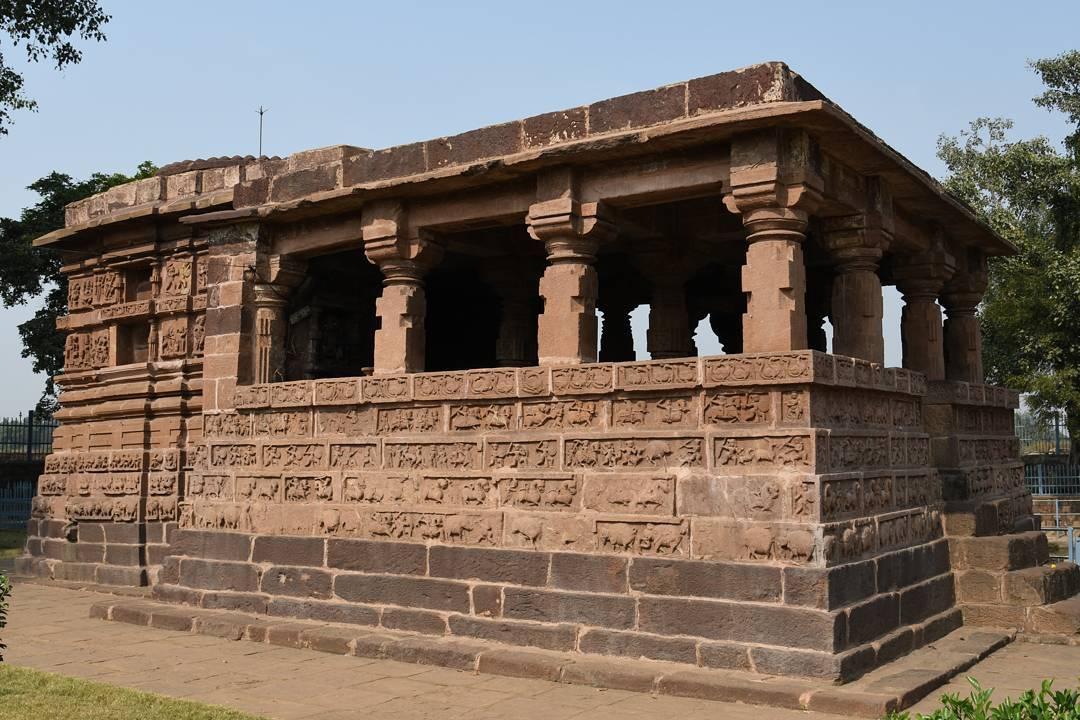
The temple showcases the classic Nagara style of temple architecture, which was predominant in northern and central India during that period. The Nagara style is characterized by its curvilinear tower (shikhara) over the sanctum sanctorum and elaborate stone carvings depicting various deities, celestial beings, and mythological scenes.
The temple's structural design follows the traditional Panchayatana layout, where the main shrine is surrounded by four subsidiary shrines at the corners. This architectural pattern represents the cosmic mandala and symbolizes the five elements of nature. The temple's east-facing orientation is typical of Hindu temples, designed to catch the first rays of the rising sun, which is believed to energize the sacred space.
Construction and Materials
Built using locally sourced sandstone, the temple has withstood the test of time for over eight centuries. The stone blocks were carefully shaped and fitted together without the use of mortar, a technique that contributed to the structure's longevity. The temple's foundation and plinth are massive, designed to support the weight of the towering shikhara and ensure stability during seismic activity.
The intricate carvings on the temple walls depict scenes from Hindu mythology, particularly those related to Lord Shiva. These include images of Nandi (the sacred bull), various manifestations of Shiva, celestial dancers (apsaras), and guardian deities at the entrances. The level of detail in these carvings is remarkable, considering the tools available to the sculptors of that era.
Archaeological Significance
The Archaeological Survey of India (ASI) has recognized the temple's historical importance and has undertaken conservation efforts to preserve this ancient monument. The temple is now a protected monument, ensuring that its architectural integrity is maintained for future generations. ASI's involvement has included structural stabilization, cleaning of ancient carvings, and documentation of the temple's architectural features.
For archaeologists and historians, the temple serves as an important reference point for understanding the evolution of temple architecture in central India. Its construction techniques, stylistic elements, and decorative motifs provide valuable data for comparative studies with other temples of the same period.

Religious Significance
Lord Shiva as the Presiding Deity
The Mahadev Temple is dedicated to Lord Shiva, one of the principal deities of Hinduism, known as the destroyer and transformer in the Holy Trinity. The temple houses a sacred Shiva Linga in the sanctum sanctorum, which is the main object of worship. According to Hindu belief, the Linga represents the formless nature of Shiva and symbolizes creation and energy.
Devotees visit the temple to seek blessings from Lord Shiva for health, prosperity, and spiritual liberation. The temple is particularly revered by locals who believe that the deity here has been granting wishes for centuries. Many families have been visiting this temple for generations, maintaining a living tradition of worship and devotion.
Worship Traditions
The temple follows traditional Hindu rituals and worship practices that have been passed down through generations of priests. The daily puja (worship) begins early in the morning and includes multiple rituals throughout the day. The temple priests, who come from families that have served the temple for centuries, perform these rituals with meticulous care and devotion.
Special pujas are conducted on Mondays, which are considered especially auspicious for Lord Shiva worship. Devotees offer Bilva leaves, milk, water, and other sacred items to the Shiva Linga. The chanting of mantras, particularly the sacred "Om Namah Shivaya" and the Maha Mrityunjaya Mantra, creates a spiritually charged atmosphere that resonates throughout the temple complex.
Festival Celebrations
Maha Shivratri, the great night of Lord Shiva, is the most important festival celebrated at this temple with great pomp and devotion. During this time, the temple witnesses a massive influx of devotees from surrounding villages and cities. Special abhishekam (ceremonial bathing of the Shiva Linga) is performed throughout the night, and devotees observe fasts and maintain night vigils.
Other significant festivals include Shravan month (usually July-August), which is considered highly auspicious for Shiva worship. During this month, every Monday sees special celebrations and processions. The temple also hosts religious discourses, bhajan sessions (devotional singing), and community meals during major festivals.
Local Legends and Beliefs
Like many ancient temples in India, the Mahadev Temple Deobaloda is surrounded by local legends and miracle stories that have been passed down through generations. These stories, while not historically documented, form an integral part of the temple's living tradition and contribute to its spiritual aura.
One popular belief is that the temple's Shiva Linga is swayambhu (self-manifested), meaning it appeared naturally rather than being installed by humans. Such beliefs enhance the temple's sanctity in the eyes of devotees. Another local legend speaks of divine protection granted to the village by Lord Shiva, which is why, despite its age and the region's turbulent history, the temple has remained largely intact.

Temple Features
Sanctum Sanctorum (Garbhagriha)
The inner sanctum, or garbhagriha, is the heart of the temple where the sacred Shiva Linga is enshrined. This small, dimly lit chamber is designed to create an atmosphere conducive to meditation and intimate communion with the divine. The entrance to the sanctum is framed by intricately carved stone pillars and a lintel depicting various divine figures.
The sanctum is built on a raised platform, and devotees must ascend a few steps to enter. This elevation symbolizes spiritual ascent and purification before approaching the deity. The interior of the sanctum is kept simple, allowing the focus to remain entirely on the Shiva Linga.
Mandapa (Prayer Hall)
Leading up to the sanctum is the mandapa, or pillared hall, where devotees gather for prayers and rituals. This spacious hall features beautifully carved pillars that support the roof. Each pillar is adorned with sculptures of celestial beings, mythological creatures, and decorative motifs that showcase the artistic excellence of medieval Indian craftsmen.
The mandapa serves as the venue for special pujas, religious ceremonies, and cultural programs. Its acoustic properties are designed to amplify the chanting of mantras and the ringing of temple bells, creating an immersive spiritual experience for devotees.
Entrance and Gateway
The temple entrance features a beautifully carved gateway that welcomes devotees into the sacred space. The doorframe is decorated with images of Lord Ganesha, Lord Kartikeya, and other deities associated with Shiva worship. The threshold of the entrance is traditionally considered sacred, and devotees often bow down and touch it before entering as a mark of respect.
The gateway also features images of guardian deities (dwarapalas) who are believed to protect the temple from negative influences. These imposing figures, armed with weapons and standing in fierce postures, serve both spiritual and decorative purposes.
Stone Carvings and Sculptures
One of the most remarkable features of the temple is its extensive stone carvings. The exterior walls, pillars, and even the ceiling are adorned with sculptures that tell stories from Hindu mythology. These carvings include depictions of various forms of Shiva, divine couples, celestial musicians, and mythical animals.
Particularly noteworthy are the images of Nandi, Lord Shiva's sacred vehicle, which is typically placed facing the sanctum. The temple also features sculptures of the Sapta Matrikas (seven mother goddesses), which were commonly worshipped during the Kalchuri period. Each sculpture is a masterpiece of medieval Indian art, displaying exceptional craftsmanship and attention to detail.
Temple Complex and Surroundings
The temple complex includes a courtyard that provides space for devotees to circumambulate (pradakshina) the main shrine, an important ritual in Hindu worship. The complex also houses a small water tank, which was historically used for ritual purification before entering the temple. While some structures within the complex are now in ruins, ongoing restoration work aims to preserve whatever remains.
The temple is surrounded by ancient trees, particularly banyan and peepal trees, which are considered sacred in Hinduism. These trees provide shade and contribute to the serene atmosphere of the temple premises. Many devotees tie sacred threads around these trees while making wishes.

Best Time to Visit
Festival Seasons
The most auspicious time to visit Mahadev Temple Deobaloda is during Maha Shivratri, which usually falls in February or March. The festival transforms the temple into a vibrant center of devotion, with special decorations, continuous rituals, and an atmosphere charged with spiritual energy. However, be prepared for large crowds during this time.
The month of Shravan (July-August) is also significant for Shiva worship. During this period, every Monday sees special celebrations, and the temple attracts a steady stream of devotees. If you wish to experience traditional temple festivities and rituals, planning your visit during these religious occasions would be ideal.
Weather Considerations
For a comfortable sightseeing experience, the winter months from November to February are highly recommended. During this period, the weather in Chhattisgarh is pleasant, with moderate temperatures and clear skies, making it perfect for exploring the temple's architectural details and spending extended periods outdoors.
The monsoon season (July to September) brings lush greenery to the region, making the temple surroundings particularly beautiful. The rain-washed stone structure takes on a majestic appearance, and the entire area looks refreshed. However, be prepared for humidity and occasional heavy showers if visiting during this time.
Summer (March to June) can be quite hot in Chhattisgarh, with temperatures often exceeding 40°C. If you plan to visit during summer, early morning visits are advisable to avoid the peak heat hours.
Darshan Timings
The temple is open to devotees from early morning until late evening. Early morning hours (6:00 AM to 8:00 AM) are ideal for those seeking a peaceful darshan without crowds. The morning puja creates a serene atmosphere perfect for meditation and quiet contemplation.
Evening aarti (ritual of light) is another special time to visit. The sight of the temple illuminated by oil lamps, against the backdrop of the evening sky, creates a mesmerizing spiritual experience. The evening aarti typically takes place around 7:00 PM, though exact timings may vary seasonally.

How to Reach
By Road
Mahadev Temple Deobaloda is well-connected by road to major cities in Chhattisgarh. The temple is located in Deobaloda village, approximately 35 kilometers from Raipur, the state capital, and about 15 kilometers from Durg city.
From Raipur: You can reach the temple via National Highway 53. The journey takes approximately one hour by car or taxi. State transport buses and private taxis are readily available from Raipur to Deobaloda.
From Durg: The temple is closer to Durg, about 15 kilometers away, and can be reached in approximately 30 minutes. Local buses, auto-rickshaws, and taxis operate regularly between Durg and Deobaloda.
| From | Distance | Travel Time | Mode of Transport |
|---|---|---|---|
| Raipur | ~35 km | ~1 hour | Taxi, Bus, Private Vehicle |
| Durg | ~15 km | ~30 minutes | Taxi, Auto-rickshaw, Bus |
| Bhilai | ~25 km | ~45 minutes | Taxi, Bus, Private Vehicle |
By Rail
The nearest railway station to Deobaloda is the Durg Railway Station, which is a major junction on the Howrah-Mumbai main line. Durg station is well-connected to major cities across India, including Mumbai, Delhi, Kolkata, Chennai, and Hyderabad.
From Durg Railway Station, you can hire a taxi or take an auto-rickshaw to reach the temple. The journey takes approximately 30 minutes. Alternatively, Bhilai Railway Station is also nearby and serves several express and passenger trains.
By Air
The nearest airport is Swami Vivekananda International Airport in Raipur, which is approximately 45 kilometers from Deobaloda. The airport is well-connected to major Indian cities including Delhi, Mumbai, Hyderabad, Bangalore, and Kolkata.
From the airport, you can hire a prepaid taxi or use ride-sharing services to reach the temple. The journey takes approximately 1.5 hours, depending on traffic conditions. The road connectivity from the airport to Deobaloda is excellent, with well-maintained highways.
Local Transportation
Once you reach Deobaloda, the temple is easily accessible on foot if you're staying nearby. Auto-rickshaws and cycle-rickshaws are available for local transportation within the village. If you're driving, the temple has basic parking facilities, though they can get crowded during festival times.

Nearby Attractions
Durg City
The city of Durg, located just 15 kilometers away, offers various attractions for tourists. The city has several parks, shopping areas, and local markets where you can experience the culture of Chhattisgarh. Durg is also known for its steel industry and modern infrastructure, providing an interesting contrast to the ancient temple you will visit.
While in Durg, you can explore local cuisine, which includes traditional Chhattisgarhi dishes. The city also has several modern temples and cultural centers that showcase the region's contemporary religious practices.
Bhilai
Bhilai, approximately 25 kilometers from Deobaloda, is home to one of India's largest steel plants. The Bhilai Steel Plant is an industrial landmark and offers educational tours. The city also has beautiful parks, temples, and the famous Maitri Bagh zoo and garden, making it a great family destination.
Bhilai's well-planned layout and green spaces provide a different experience from traditional Indian cities. The city's cosmopolitan culture, resulting from people from across India working in the steel plant, adds to its unique character.
Raipur
Raipur, the capital of Chhattisgarh, is about 35 kilometers away and offers numerous attractions for tourists. The city has several museums, including the Purkhouti Muktangan, which showcases the tribal culture and heritage of the state. Raipur also has modern shopping malls, restaurants serving various cuisines, and beautiful parks.
Notable attractions in Raipur include the Mahant Ghasidas Memorial Museum, Naya Raipur (the new planned capital city), and various temples and religious sites. The city's vibrant atmosphere and urban amenities provide a nice contrast to the serene temple environment.
Other Ancient Temples
Chhattisgarh is home to numerous ancient temples, and if you're interested in temple architecture, you can visit several within driving distance of Deobaloda. The Ganga Maiya Temple, another important Shiva temple in the region, is worth visiting. The Maa Bamleshwari Temple in Dongargarh is another significant religious site that attracts thousands of devotees.
The region also has several Jain temples, such as those in Patn, which showcase different architectural styles and religious traditions. Exploring these various temples provides a comprehensive understanding of the religious diversity and architectural heritage of Chhattisgarh.
The temples in Chhattisgarh collectively represent the state's rich spiritual legacy and are a must-visit for anyone interested in India's temple architecture and religious traditions. Each temple has its own unique story, architectural style, and significance, contributing to the rich tapestry of Indian cultural heritage.

Visitor Information
When visiting Mahadev Temple Deobaloda, dress modestly and respectfully, as this is an active place of worship. Remove footwear before entering the temple premises. Photography may be restricted in certain areas, so it's advisable to seek permission before taking pictures, especially during rituals.
The temple is open throughout the week, and there is no entry fee. However, donations for temple maintenance are accepted. The best time to visit for photography is early morning or late afternoon when the light is soft and the crowds are thinner.
Basic facilities like drinking water and shoe storage are available near the temple entrance. However, for food and extensive amenities, you may need to visit nearby Durg or Bhilai. Planning your visit in advance, especially during festivals, will help ensure a smooth and spiritually rewarding experience.
Location
Frequently Asked Questions
Q1.Where is Mahadev Temple Deobaloda located?
Q2.What is the history of this temple?
Q3.What are the temple timings?
Q4.Who built Mahadev Temple Deobaloda?
Q5.What is the architectural style?
Q6.How old is the temple?
Q7.What are the main features of the temple?
Q8.Best time to visit Deobaloda?
Q9.How to reach Deobaloda from Raipur?
Q10.Is photography allowed inside the temple?
Recommended For You
Temples in Patna: Sacred Heritage of Bihar's Capital
Explore sacred temples in Patna. Discover Mahavir Mandir, Patan Devi, Harmandir Sahib & more with timings and travel guide.
Temples in Chhattisgarh: Famous Shrines, Routes & Pilgrimage Tips
Plan your Chhattisgarh temple trip with famous shrine circuits, darshan timing strategy, and practical transport-budget tips.
Temples in Raichur: Karnataka's Hidden Spiritual Heritage
Discover sacred temples in Raichur district. Explore Markandeshwara, Mantralayam Raghavendra Swamy temple & more with complete guide.
Never Miss an Adventure
Get the latest trekking guides, travel tips, and exclusive offers delivered straight to your inbox.
