
Garden of Five Senses Delhi: Timings, Ticket Price & Nearby Cafes

Rohit Verma
December 14, 2025
Plan your visit to Garden of Five Senses Delhi with timings, entry fee, how to reach, best time, attractions, photography spots, and practical travel tips.
Introduction to Garden of Five Senses Delhi
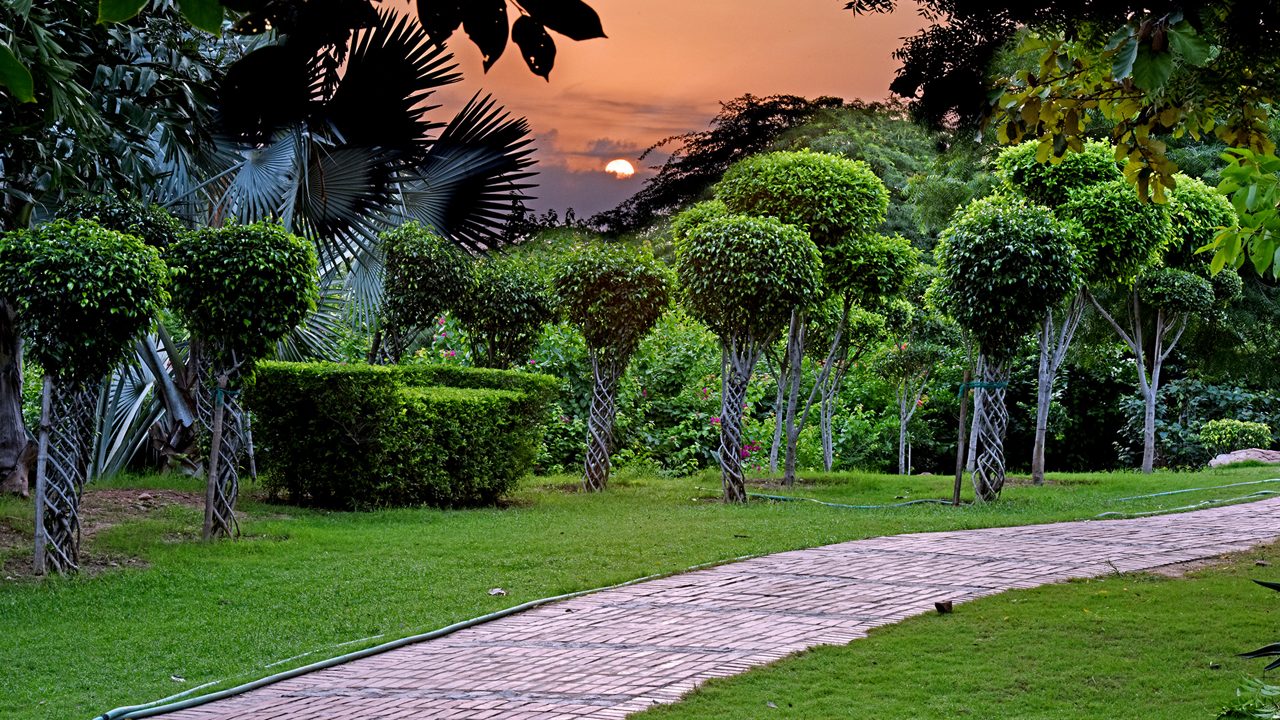
The Garden of Five Senses Delhi is one of the most distinctive urban parks in the capital because it is designed as an experience, not just a green patch. Located in Said-ul-Ajaib near Saket, this 20-acre space combines landscaped lawns, themed gardens, public art, water features, stone paths, and open-air performance zones. Unlike many city parks that work mainly as jogging tracks, this one is planned around sensory interaction through sight, sound, touch, smell, and taste.
That concept makes it popular with very different visitors: couples, photographers, families, solo travelers, school groups, and residents who want a calmer weekend break. You can spend one hour here for a short stroll, but the space works best when treated as a slow half-day visit. If you are planning a South Delhi day, you can pair it with Hauz Khas Village, Mehrauli Archaeological Park, and Qutub Minar for a balanced itinerary of nature, food, and heritage.
Garden of Five Senses Timings
Garden of Five Senses timings are one of the most searched details, and planning your visit around season and daylight makes a clear difference to comfort. The park generally opens in the morning and closes by evening, with extended closing in warmer months when people prefer sunset visits. In winter, many travelers reach by late morning after fog clears, while in summer most people avoid the noon slot and come in the evening.
| Season | Typical Opening | Typical Closing | Best Slot |
|---|---|---|---|
| Winter | 9:00 AM | 6:00 PM | 11:00 AM to 4:30 PM |
| Summer | 9:00 AM | 7:00 PM | 4:30 PM to closing |
Timings can be adjusted on special event days, maintenance periods, or festival schedules, so it is practical to confirm the same-day gate notice before traveling. If your main goal is photography, weekdays between late morning and early afternoon offer cleaner frames with fewer crowds. For relaxed social visits, evenings are livelier and cooler.
Entry Fee and Charges
Garden of Five Senses entry fee is affordable compared to premium city attractions, which is one reason it remains a strong recommendation for budget-friendly outings in Delhi. Ticket counters accept regular visitor entries and separate rates may apply for specific activities, events, or commercial shoots. Standard visitors should still keep small cash and digital payment options ready because queue movement is faster when payment is prepared.
- Indian visitors: Around INR 30 per person.
- Foreign visitors: Around INR 100 per person.
- Children/school groups: Concessional rates may apply with institution details.
- Parking: Separate parking fee for two-wheelers and cars.
- Photography: Personal photography usually allowed; commercial shoots need permission and charges.
If you are planning a pre-wedding, production, or professional content session, check the official permission workflow in advance. The park remains active with public movement, so controlled shoots need timing coordination. For most travelers, normal ticketed entry is enough to enjoy all landscaped zones.
Best Time to Visit Garden of Five Senses
The best time to visit Garden of Five Senses depends on your purpose. For comfortable walking, winter months from November to February are strongest. For flower colors and mild evenings, late February to April works well. Summer is hot in Delhi, but sunset visits are still enjoyable because the stone and garden textures look dramatic in warm light.
Monsoon adds lush greenery and fewer visitors, but humid conditions and slippery paths can reduce comfort. If you are traveling with elderly family members or children, winter afternoons are most practical because the weather is mild and visibility is clear. Couples often prefer weekday evenings for lower crowd pressure, while photographers benefit from weekday daytime access.
| Season | Comfort | Crowd Level | Photography Quality |
|---|---|---|---|
| Winter | High | Medium | High |
| Spring | High | Medium | High |
| Summer | Low at noon, medium evenings | Medium | Medium to high at sunset |
| Monsoon | Medium | Low to medium | Medium with dramatic greens |
How to Reach Garden of Five Senses
How to reach Garden of Five Senses is simple because Saket and Mehrauli zones have strong metro and road connectivity. The nearest practical metro access is Saket on the Yellow Line, followed by a short auto-rickshaw or cab ride. Travelers coming from airport routes can combine Airport Express with metro interchanges, while central Delhi visitors can directly use the Yellow Line corridor.
By Metro
Take the Yellow Line to Saket Metro Station. From there, autos and app cabs are easily available to the garden gate in normal traffic conditions. This is the most predictable route for first-time visitors because metro travel avoids peak road congestion.
By Road
Private car, taxi, and app cab access is smooth via South Delhi arterial roads, though rush-hour travel time can increase sharply. Keep a 20 to 30 minute buffer if arriving for a timed event or sunset slot.
By Bus
DTC and cluster bus options connect Saket, Malviya Nagar, and Mehrauli circuits. Bus travel is budget-friendly but slower for visitors unfamiliar with local stops.
If you are building a full day around South Delhi attractions, combine this visit with Deer Park Delhi in daytime and Hauz Khas dining in the evening.
Garden Zones and Features
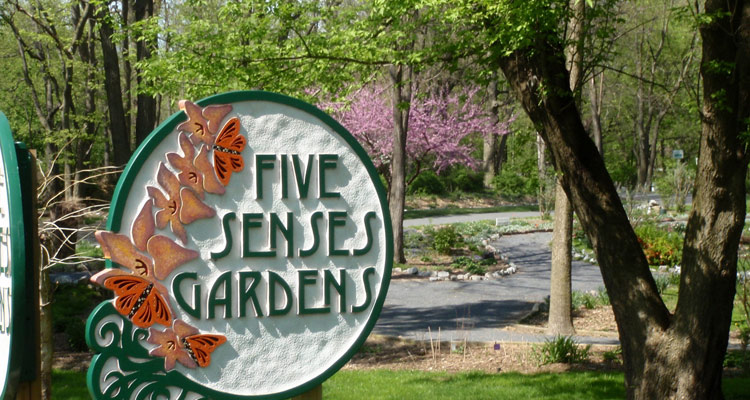
The park is divided into landscaped segments rather than one open lawn, and this zoning is what makes it memorable. Pathways move through flower beds, rock-cut formations, shaded walkways, and elevated viewpoints. The design encourages slower movement, where each section has its own mood and texture. Some zones feel social and open, while others feel private and reflective.
Major areas include the Khas Bagh-inspired layout, herb and aromatic sections, sculpture placements, amphitheater spaces, and trail-like passages between stone surfaces. Seating pockets are spread across the park, so visitors can pause often without crowding one central zone. This makes the garden suitable for people who prefer low-intensity walks instead of long nonstop circuits.
Because elevation changes are mild but frequent, comfortable shoes are important. The park’s visual identity also changes across seasons; in winter and spring the floral palette is richer, while monsoon months highlight deep green textures and wet stone surfaces.
Unique Attractions Inside Garden of Five Senses
What sets this attraction apart from other parks in Delhi is the combination of curated art and sensory planning. Instead of a single iconic monument, the value comes from layered micro-experiences. Visitors notice fragrant planting in one corner, a sculpture axis in another, and then a quiet shaded bench facing open lawns. This rhythm prevents the visit from feeling repetitive.
- Sculpture trail: Outdoor installations that break visual monotony and create strong photo anchors.
- Themed plantations: Seasonal flowers, aromatic shrubs, and mixed textures for a sensory walk.
- Stone and water interplay: Hardscape sections balanced with planted zones and water features.
- Open performance areas: Spaces used for cultural events, food festivals, and curated gatherings.
Unlike monument-heavy sites where interpretation depends on historical context, this park is intuitive. Even visitors with no prior reading can enjoy it immediately, which makes it family-friendly and accessible for short city breaks.
Musical Fountains and Evening Atmosphere
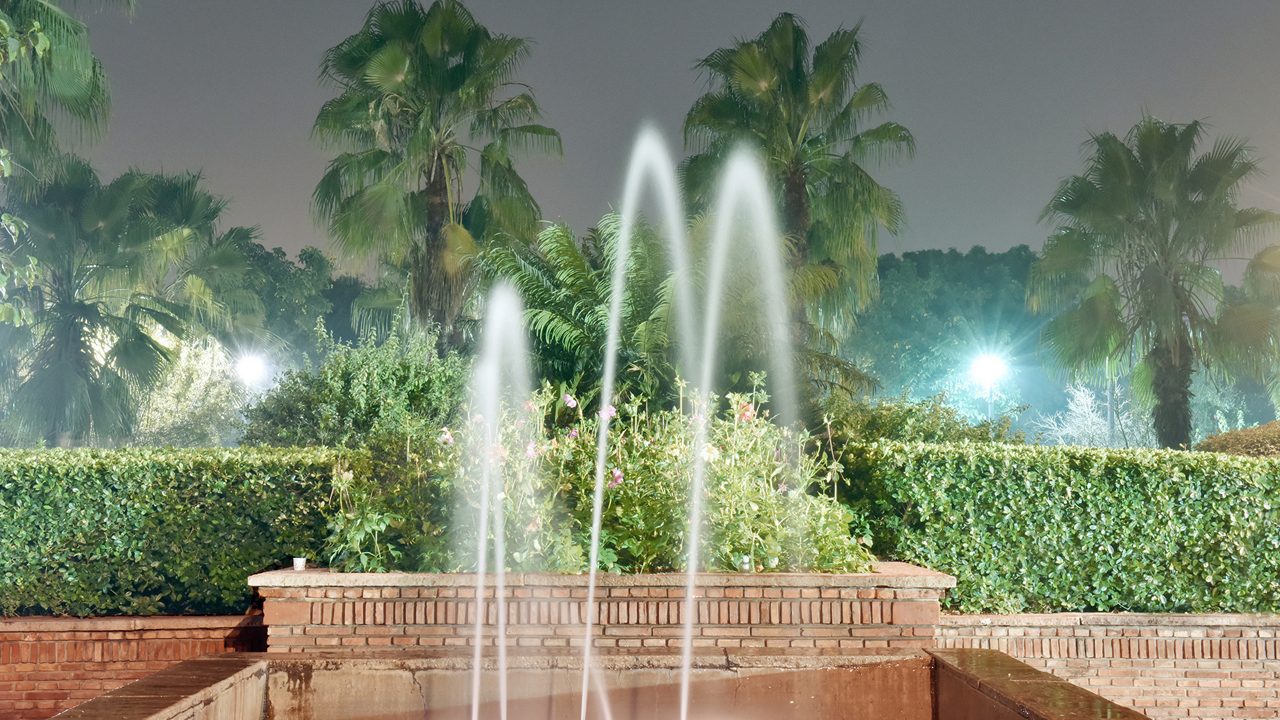
Many travelers search for the Garden of Five Senses musical fountain because evening water-and-light elements are a popular part of the experience. Event programming can vary by season, operations, and special occasions, so treat fountain viewing as a possible highlight rather than a guaranteed fixed show every day.
Even when no formal show is running, the evening atmosphere remains one of the strongest reasons to visit. Lighting across pathways, softer temperatures, and active social spaces make post-sunset hours feel completely different from daytime. Couples, friend groups, and content creators usually choose this window.
If you are planning specifically for fountain or performance-oriented evenings, reach early to settle in, explore the park before dark, and then hold a central position near event-friendly zones. Carry drinking water and keep exits in mind, especially on festival weekends.
Sculptures, Art, and Cultural Character
The public art dimension gives the garden an identity closer to an open-air cultural space than a simple municipal park. Sculptures are positioned to interact with walking lines and natural backgrounds, which creates multiple framing possibilities for photography. The best approach is to walk slowly and observe how each installation is placed relative to trees, pathways, and sky openings.
This artistic layering also makes the garden useful for students of landscape design and urban planning. You can study how circulation, pause points, and visual focal points are distributed. Compared with classic heritage spaces like Mehrauli Archaeological Park, this site reflects contemporary place-making rather than dynastic architecture.
If your Delhi trip includes both old and new city character, pair this park with a historical anchor like Qutub Minar or a green heritage site like Lodhi Garden Delhi for contrast.
Events, Weddings, and Social Gatherings
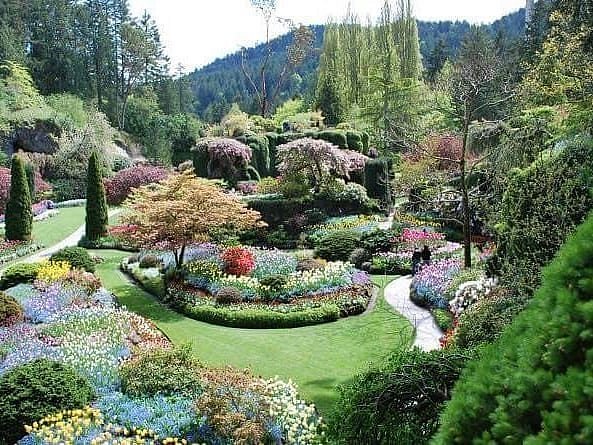
The Garden of Five Senses is also known as an event-friendly venue, including curated festivals, food gatherings, and private celebrations in approved sections. Its landscaped backdrop and open layout make it attractive for intimate ceremonies, brand activities, and cultural programs. Availability and permissions depend on date, scale, and management approvals.
If you are evaluating it as a wedding or event venue, check three points early: booking lead time, logistical support, and weather contingency. Outdoor events in Delhi require strong backup planning for heat or rain. For social travelers, the event calendar can be a bonus because a regular park visit can turn into a richer cultural evening when a festival is running.
On event-heavy days, regular visitors should expect higher footfall and limited quiet corners. For a peaceful exploration-focused trip, choose a non-event weekday.
Photography Opportunities and Practical Tips
Garden of Five Senses photography spots are distributed across entry corridors, sculpture areas, flower-lined paths, and elevated stone sections. The best photos come from depth and layering rather than tight close-ups. Use pathway curves, tree canopies, and foreground textures to add dimension.
- Golden hour: Best for warm tones and soft contrast on stone and foliage.
- Midday weekdays: Better for cleaner frames with fewer people.
- Portrait shoots: Use sculpture zones and textured walls for visual depth.
- Mobile photography: Works very well due to structured compositions and open sky.
Practical tips for all visitors:
- Wear comfortable footwear because the route includes varied surfaces.
- Carry water, especially in warm months.
- Keep the park clean and avoid stepping into restricted beds.
- Plan 2 to 3 hours to explore without rushing.
- Use metro plus last-mile auto for easier access during peak traffic.
Nearby Attractions and Final Take
The location advantage is strong. You can combine the garden with Hauz Khas Village for cafes and nightlife, Qutub Minar for architectural depth, and Deer Park Delhi for another relaxed green stop. This flexibility makes the Garden of Five Senses Delhi a practical inclusion for both first-time visitors and residents planning a weekend reset.
In summary, this is one of the best parks in South Delhi for people who want a mix of design, art, greenery, and social atmosphere in a single outing. If you time your visit well and keep expectations realistic about seasonal programming, the experience is consistently rewarding.
Location
Frequently Asked Questions
Q1.What are the timings of Garden of Five Senses Delhi?
Q2.What is the entry fee for Garden of Five Senses?
Q3.Which metro station is nearest to Garden of Five Senses?
Q4.How much time is needed to explore Garden of Five Senses?
Q5.Is photography allowed inside Garden of Five Senses?
Q6.What is the best time to visit Garden of Five Senses Delhi?
Q7.Is Garden of Five Senses good for couples and families?
Q8.Can Garden of Five Senses be used for events or weddings?
Recommended For You
India Gate Delhi: Best Time, Nearby Spots & Night Visit Details
Visit India Gate Delhi with this complete guide covering history, architecture, timings, evening experience, nearby attractions, and practical travel tips.
Mehrauli Archaeological Park: Heritage Walk Route & Monument Highlights
Plan your Mehrauli Archaeological Park heritage walk with route sequencing, best timing windows, and practical Delhi itinerary combinations.
Qutub Minar Delhi: Complete Guide to UNESCO World Heritage Site
Explore Qutub Minar Delhi - tallest brick minaret & UNESCO site. Discover 800 years of Islamic architecture, the mysterious Iron Pillar & Delhi heritage.
Never Miss an Adventure
Get the latest trekking guides, travel tips, and exclusive offers delivered straight to your inbox.
