
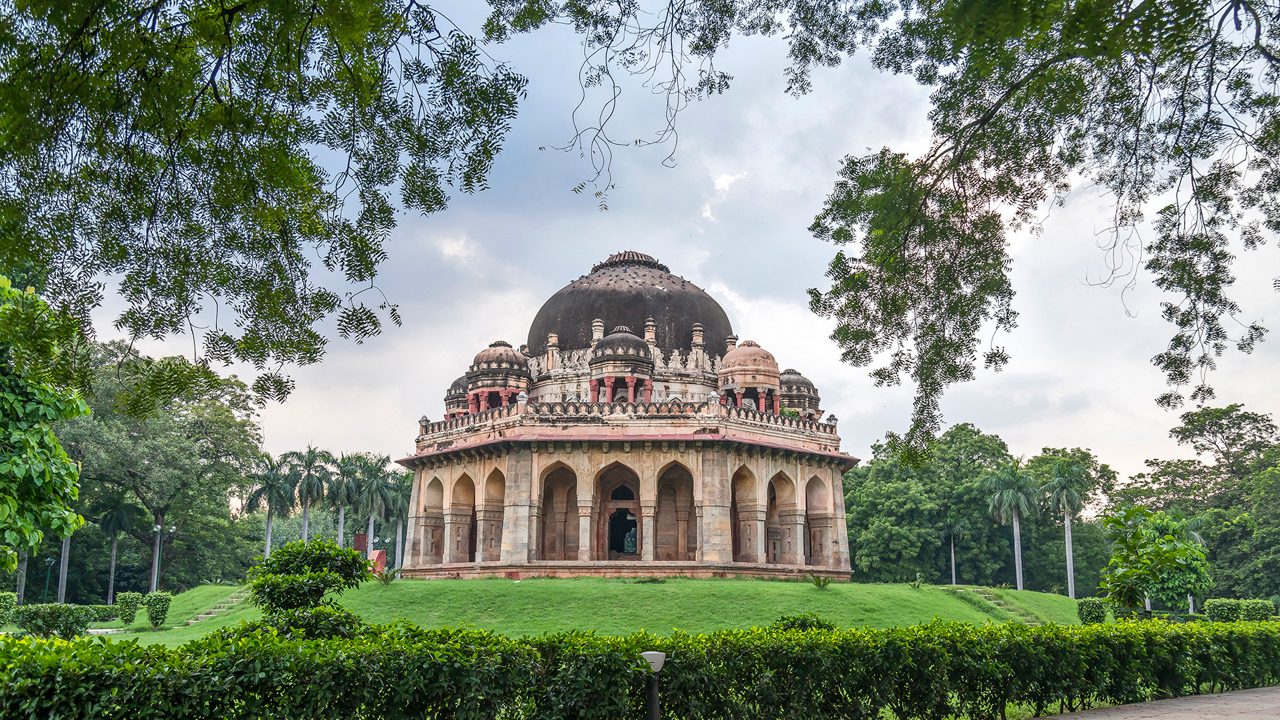
Lodhi Garden Delhi: Complete Guide, Timings & History

Neha Kapoor
January 30, 2026
Explore Lodhi Garden Delhi with timings, entry info, history, architecture highlights, nearest metro tips, and practical advice for walks, picnics, and photography.
Introduction: Delhi's Historic Green Refuge
Lodhi Garden Delhi is one of the few places in the capital where medieval monuments, old trees, wide lawns, fitness culture, and quiet heritage walks all exist in the same space. Spread across central Delhi, this garden is not just a neighborhood park; it is a living open-air archive of Sayyid and Lodi period architecture wrapped inside a carefully maintained urban landscape. Visitors come here for different reasons: morning walks, birdwatching, photography, picnics, jogging, architecture study, and simple mental reset from traffic-heavy city life.
If you are planning a first visit, treat Lodhi Garden as a half-day experience rather than a quick stop. The monuments deserve time, and the garden pathways reveal their best character when explored slowly. You can combine this guide with picnic places in Delhi, historical places in Delhi, and best parks and gardens guide for a broader North India green-space itinerary.
History of Lodhi Garden
The history of Lodhi Garden begins long before it became a public park. The area originally contained tomb complexes from the 15th and early 16th centuries, linked to the Sayyid and Lodi dynasties that ruled parts of North India before the Mughal era. Over time, these structures remained important historical markers even as the surrounding city evolved through later empires and colonial administration.
In the British period, the site was landscaped and developed as a public garden space. It was initially known by another name and later emerged as Lodhi Garden, reflecting the dynasty-era monuments located inside it. The transformation from isolated medieval structures to a curated public garden is one reason the place feels distinctive: unlike many fenced monuments, here architecture and daily life flow together.
Today, Lodhi Garden represents a layered timeline. You can see pre-Mughal domed structures, colonial-era landscaping logic, and modern urban usage patterns in a single walk. This blend is why historians, architecture students, city planners, and casual visitors all find value in the same site.
Architectural Highlights Inside Lodhi Garden
Lodhi Garden is often described as a garden first and monument cluster second, but for many visitors the reverse is true. The stone structures are the visual anchors of the landscape, and each has distinct design features worth observing closely.
Mohammed Shah's Tomb
Often considered one of the earliest key structures in the garden zone, this octagonal tomb is known for balanced proportions, chhatri-like elements, and a dome profile that reflects late-Sayyid architectural style. The detailing is not as heavily ornamented as later Mughal buildings, but its restraint gives it elegance.
Bara Gumbad Complex
Bara Gumbad is among the most photographed sections of Lodhi Garden. The massive dome, nearby mosque structure, and associated architectural alignment make this area a major visual stop. Look for arched openings, stone massing, and geometry that creates strong symmetry for photography.
Sheesh Gumbad
Sheesh Gumbad stands out because of its form and remnants of decorative treatment. Even where original surface elements have faded, the structure still communicates the stylistic transition between Sultanate-era methods and later imperial preferences.
Sikandar Lodi's Tomb
This is another landmark structure and a critical part of the historical narrative. The enclosed setting and classic garden-tomb relationship provide excellent context for understanding later monument planning traditions in North India.
Athpula Bridge
Athpula, the multi-arched bridge inside the garden, adds another layer to the experience. It shows how water management, movement, and architecture were integrated in earlier planning ideas that still influence park design conversations today.

Best Time to Visit Lodhi Garden Delhi
Season and time of day significantly shape the Lodhi Garden experience.
| Time Window | What to Expect | Best For |
|---|---|---|
| Early Morning (6:00 AM-8:30 AM) | Cooler weather, fitness crowd, soft light | Jogging, yoga, birdwatching |
| Late Morning to Afternoon | Brighter light, fewer walkers in some zones | Architecture study, slower monument walks |
| Late Afternoon (4:00 PM-6:00 PM) | Golden light, balanced crowd movement | Photography, relaxed strolls |
| Evening | Social park atmosphere, cooler temperatures | Casual walks and group visits |
Winter and shoulder seasons are generally most comfortable for long visits. Peak summer afternoons can feel harsh, so choose mornings or late evenings in hot months. During monsoon, greenery becomes dramatic, but paths may be damp and you should carry footwear with good grip.
Things to Do in Lodhi Garden
The garden works well because it supports multiple visit styles. You can be highly active, deeply historical, or completely relaxed and still leave satisfied.
Morning Walks and Jogging
Lodhi Garden is one of Delhi's most popular morning fitness spaces. The walking and jogging circuits are used by all age groups, and the combination of shade and open lawns makes exercise easier than in traffic-exposed roads. If fitness is your priority, arrive early and keep 60 to 90 minutes.
Yoga and Quiet Reflection
Several corners of the garden offer relatively calm zones for breathing exercises, light stretching, or meditation. The monument backdrop and mature tree cover create a naturally grounding environment.
Heritage and Architecture Walks
If your main interest is history, walk monument to monument and spend time on details: arches, dome transitions, surface textures, and alignment with pathways. Guided heritage walks are sometimes available through independent groups and can help decode architectural context quickly.
Photography
Lodhi Garden is ideal for mobile and DSLR photographers. You can capture silhouettes at dawn, stone texture in side-light, lawn depth with monuments in background, and bird activity near quieter edges. Always be respectful of other visitors and avoid obstructing pathways for long shoots.
Birdwatching and Nature Observation
Because of old tree cover and water-adjacent pockets, the garden attracts common urban bird species and seasonal movement. Early hours are best for this activity. Carrying a compact binocular can improve the experience for nature-focused visitors.
Picnic-Style Visits
Families and small groups often use the lawns for short, low-waste picnics. Keep food simple, avoid litter, and follow local usage norms to preserve the site's cleanliness and comfort for all.

Lodhi Garden Timings and Entry Fee
Lodhi Garden is widely known as a free-entry public space, which is one reason it remains accessible to very diverse visitor groups. Reported opening and closing windows can vary by season and operational advisories, but it is commonly treated as an early-morning to evening destination.
- Entry fee: No standard general entry ticket for regular visitors.
- Best practical visiting window: Early morning or late afternoon.
- Photography: Casual photography is commonly practiced.
- Open days: Generally visited across the week; check advisories on special days.
Because operational details can change, verify timing signage at the gate or recent listing updates before planning a very specific schedule.
How to Reach Lodhi Garden Delhi
Reaching Lodhi Garden is straightforward by metro, cab, or bus, and this convenience makes it easy to combine with other central Delhi locations.
By Metro
Jor Bagh and Khan Market are commonly used metro access points depending on your route and preferred gate approach. From these stations, short auto/cab hops or manageable walks can bring you to entry areas.
By Cab or Auto
Ride-hailing and regular cabs are practical if you are combining Lodhi Garden with India Gate, museums, or market visits in one day. Traffic can be heavy during peak office hours, so buffer extra travel time.
By Bus
Several central Delhi bus corridors serve nearby zones. Bus access can be budget-friendly, though slightly slower for first-time visitors unfamiliar with routes.
Parking
Parking options are available around approach roads, but capacity and ease vary by day and time. Weekend and evening slots can be busier, so metro remains the most predictable option for many travelers.
| Route Choice | Best For | Planning Note |
|---|---|---|
| Metro + short walk/auto | Solo visitors and couples | Most reliable for time control |
| Cab | Families and multi-stop plans | Good comfort, traffic-dependent |
| Self-drive | Flexible timing | Check parking availability in advance |
Nearby Attractions You Can Combine
Lodhi Garden's location in central Delhi gives it high itinerary value. You can pair it with monuments, museums, and market stops without long intercity transfers.
- India Gate: Good for evening walks and city skyline views. See India Gate guide.
- Khan Market: Popular for cafes, bookstores, and shopping. See Khan Market Delhi.
- Jantar Mantar: Strong add-on for history-oriented travelers. See Jantar Mantar Delhi.
- Humayun's Tomb zone: Useful if you are building a full heritage circuit.
This combination strategy works especially well for weekend plans where you want both open green time and cultural depth.
Visitor Tips for a Better Experience
- Start early if you want quiet paths and softer light.
- Carry water and avoid heavy picnic setups.
- Wear comfortable walking shoes with grip.
- Respect monument structures and do not climb restricted sections.
- Use dustbins and keep the lawns clean.
- If visiting with children, choose lawn-side resting points near major pathways.
- For photography, weekday mornings usually offer cleaner frames with lower crowd interference.
These simple habits help preserve the atmosphere that makes Lodhi Garden valuable to both residents and visitors.
Final Take
Lodhi Garden Delhi is one of the city's most complete public spaces: a historical site, fitness zone, picnic lawn, and nature pocket all in one. Its strength is not any single monument or pathway, but the way history and everyday urban life coexist here. If you plan your timing well and combine it with nearby central Delhi attractions, Lodhi Garden can become one of the most rewarding and low-stress stops in your Delhi itinerary.

Location
Frequently Asked Questions
Q1.What are Lodhi Garden timings?
Q2.Is there an entry fee for Lodhi Garden?
Q3.What is the best time to visit Lodhi Garden?
Q4.Who built the monuments in Lodhi Garden?
Q5.Is Lodhi Garden good for morning walks and jogging?
Q6.Which metro station is nearest to Lodhi Garden?
Q7.Can we picnic in Lodhi Garden?
Q8.What nearby attractions can be combined with Lodhi Garden?
Recommended For You
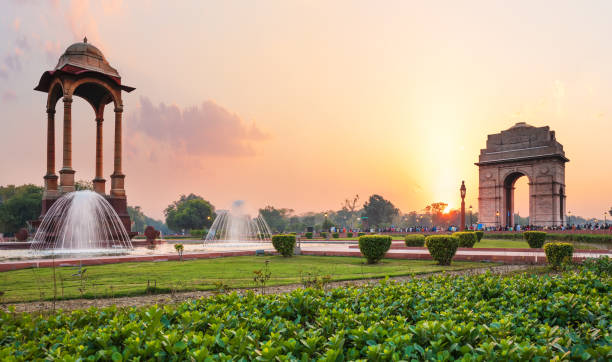
India Gate Delhi: Best Time, Nearby Spots & Night Visit Details
Visit India Gate Delhi with this complete guide covering history, architecture, timings, evening experience, nearby attractions, and practical travel tips.
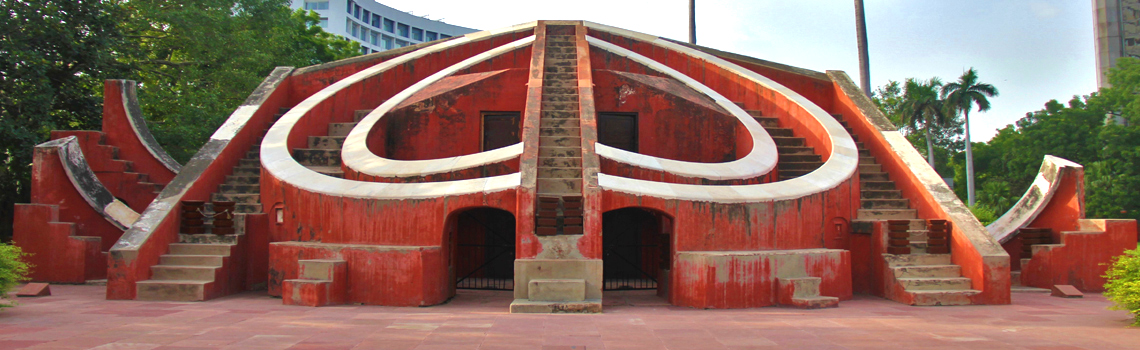
Jantar Mantar Delhi: Timings, Entry Fee & Must-See Instruments
Explore Jantar Mantar Delhi - UNESCO astronomical observatory with timings, entry fee, instruments & visitor guide. Built by Maharaja Jai Singh II in 1724.

Khan Market Delhi: Best Restaurants, Cafes & Shopping Picks
Explore Khan Market Delhi with practical tips on restaurants, cafes, bookstores, shopping, timings, metro access, parking, and nearby attractions.
Never Miss an Adventure
Get the latest trekking guides, travel tips, and exclusive offers delivered straight to your inbox.
