
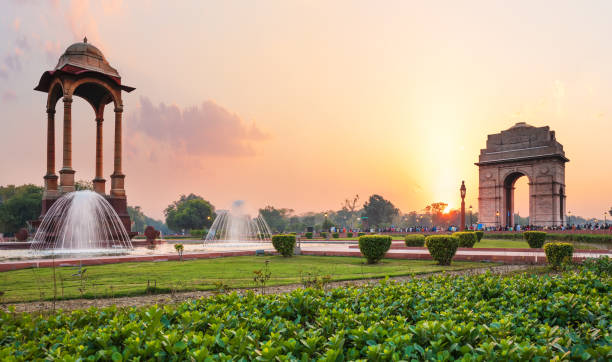
India Gate Delhi: Best Time, Nearby Spots & Night Visit Details

Ananya Sharma
November 30, 2025
Visit India Gate Delhi with this complete guide covering history, architecture, timings, evening experience, nearby attractions, and practical travel tips.
Introduction to India Gate Delhi
India Gate Delhi is one of the most recognized public landmarks in India and a central stop in most city itineraries. Located in the heart of New Delhi, this arch-shaped war memorial stands at the end of the ceremonial avenue now called Kartavya Path. For many visitors, it is a place of national memory, evening walks, family outings, and photography. For history-focused travelers, it is also an important memorial that connects colonial military history, post-independence remembrance, and contemporary civic space.
If you are planning a first-time Delhi trip, India Gate is easy to combine with other central attractions in one route. You can pair it with Rajpath Delhi, build a full-day circuit using Delhi travel guide, and add heritage context from historical places Delhi. This guide covers history, architecture, timings, light-up experience, nearby activities, and practical tips so your visit is smooth and meaningful.
India Gate History and Significance
India Gate was designed as a war memorial to honor soldiers of the British Indian Army who died in World War I and related campaigns. Names of thousands of soldiers were inscribed on the memorial, making it both an architectural landmark and a place of remembrance. Over time, especially after independence, India Gate became part of India's national public memory and one of the most visited monuments in Delhi.
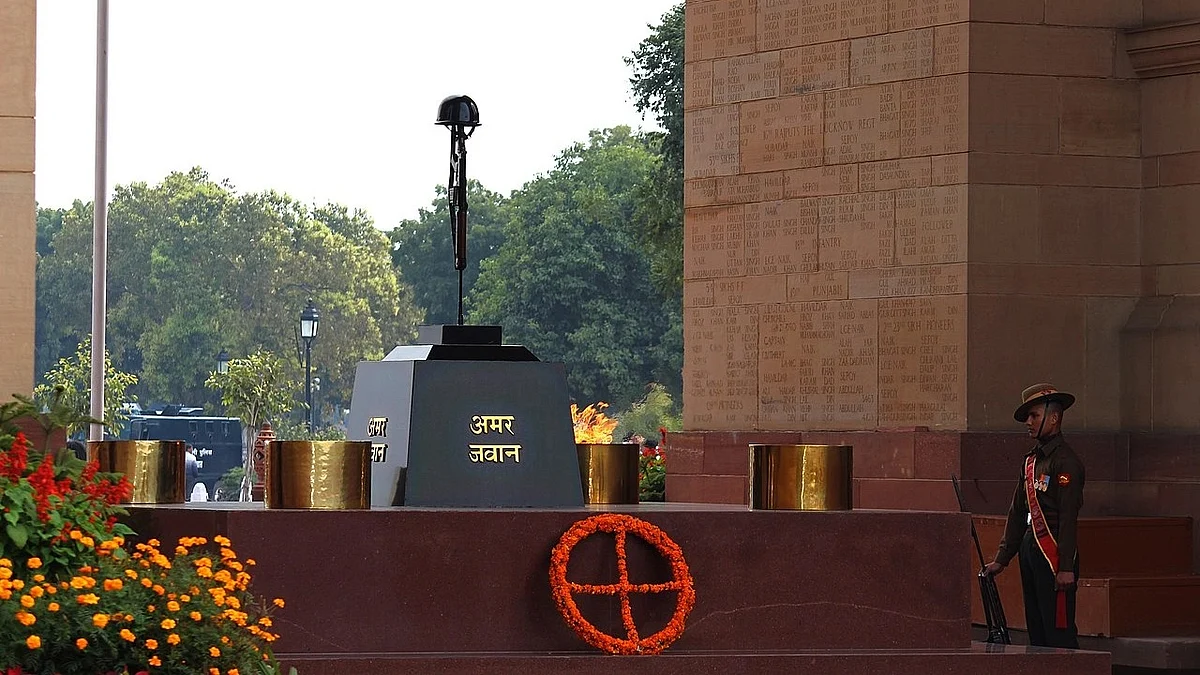
The site gained additional emotional significance through the Amar Jawan Jyoti memorial tradition, which commemorated unknown soldiers. In recent years, national remembrance functions have evolved with the National War Memorial nearby, but India Gate remains symbolically central for citizens and visitors alike. The monument is therefore best seen not only as a tourist stop, but as a civic space where history, memory, and public life meet.
Architecture and Design Highlights
India Gate is a triumphal arch-style monument built in sandstone and planned within the larger Lutyens-era layout of New Delhi. Its visual impact comes from scale, symmetry, and the way it anchors long sightlines across the ceremonial axis. Even if you are not an architecture specialist, the monument's proportions and surrounding open lawns make the space easy to appreciate.
The broad roads, green stretches, and formal planning around India Gate are part of why this zone remains one of Delhi's most photographed public spaces. By day, details in the stonework are clearer. By evening, lighting and city movement create a very different atmosphere.
| Feature | Why It Matters | Visitor Value |
|---|---|---|
| Triumphal arch form | Classic memorial architecture | Strong visual identity and photos |
| Sandstone construction | Durable and monumental finish | Distinct heritage character |
| Ceremonial location | Linked to Kartavya Path axis | Easy to combine with nearby sites |
| Open lawns | Public leisure and gathering zone | Family-friendly visit experience |
Amar Jawan Jyoti and National Remembrance
For decades, Amar Jawan Jyoti was one of the most emotionally recognized remembrance symbols at India Gate. The memorial represented gratitude toward soldiers and was a key point during national observances. Today, remembrance practices are connected with the nearby National War Memorial framework, but visitors still associate India Gate strongly with sacrifice and national honor.
When visiting, maintain respectful behavior around memorial zones, avoid loud disturbance, and follow security instructions. This makes a difference because the space is not only recreational; it continues to carry deep national meaning.
Amar Jawan Jyoti and Historical Significance
India Gate is closely associated with national remembrance. While visiting, take a few minutes to understand the memorial context and inscription history. A short historical read before arrival makes the site visit more meaningful than a photo-only stop.
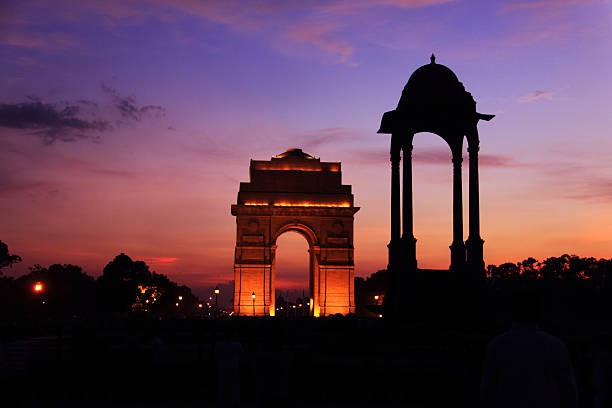
India Gate Light-Up and Evening Experience
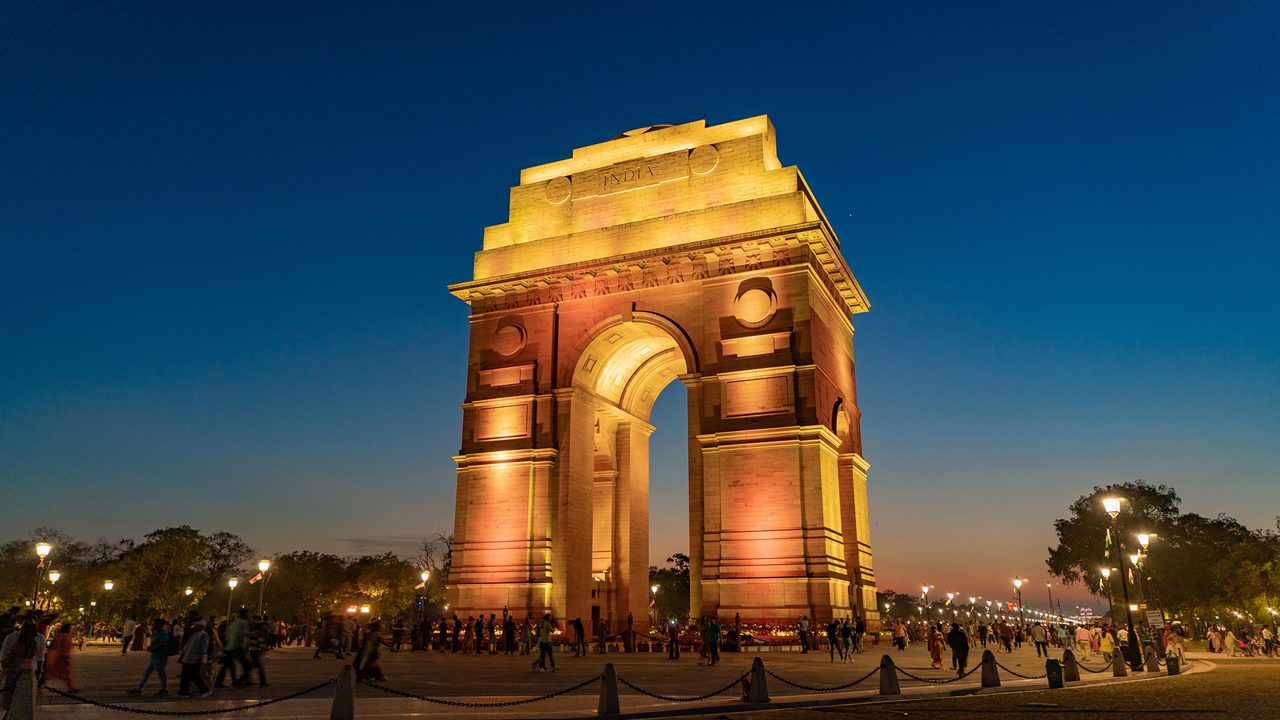
Many travelers prefer visiting India Gate in the evening. After sunset, monument illumination and the surrounding city lights make the area visually appealing. Families, students, and tourists gather around the lawns and pathways, creating a lively but usually manageable public atmosphere.
If you want better photos, arrive just before sunset so you can capture both daylight and illuminated scenes. Keep in mind that weekends and holidays are usually busier. On peak days, traffic and parking pressure increase around the central zone, so public transport is often easier than driving directly.

Night Illumination Timing
India Gate looks distinctly different after illumination, so evening visits are highly recommended. If possible, arrive before dusk to experience the transition from daylight to lit facade. This timing also helps combine sightseeing with nearby dinner plans in central Delhi.
India Gate Timings, Entry, and Practical Visitor Info
India Gate is an open public monument zone and is generally accessible throughout the day as a public space. There is typically no entry fee to view the monument precinct from public areas. However, traffic diversions, security advisories, or event-based restrictions can affect access routes and time spent on site.
Because this is an active civic and ceremonial area, practical planning matters more than fixed ticket-style timing.
| Visitor Item | Typical Status | Planning Note |
|---|---|---|
| Entry fee | No standard public entry fee | Carry small cash for local purchases only |
| Access timing | Generally open public zone | Check advisories on event days |
| Best visit slot | Early morning or evening | Avoid midday summer heat |
| Visit duration | 45 to 90 minutes | Keep extra time for nearby spots |
Best Time to Visit India Gate
October to March
This is the most comfortable period for walking and evening visits. Weather is generally better for families and longer outdoor stays.
April to June
Summer afternoons can be very hot. If visiting in this period, prefer early morning or post-sunset hours and carry hydration essentials.
Monsoon Weeks
Rain can improve visual ambience but may create short movement interruptions. Keep flexible timing and protect electronics.
Things to Do Near India Gate
India Gate works well as part of a central Delhi cluster, not as a stand-alone stop. You can combine it with nearby ceremonial and heritage points to build a complete half-day or full-day plan.
Walk Along Kartavya Path
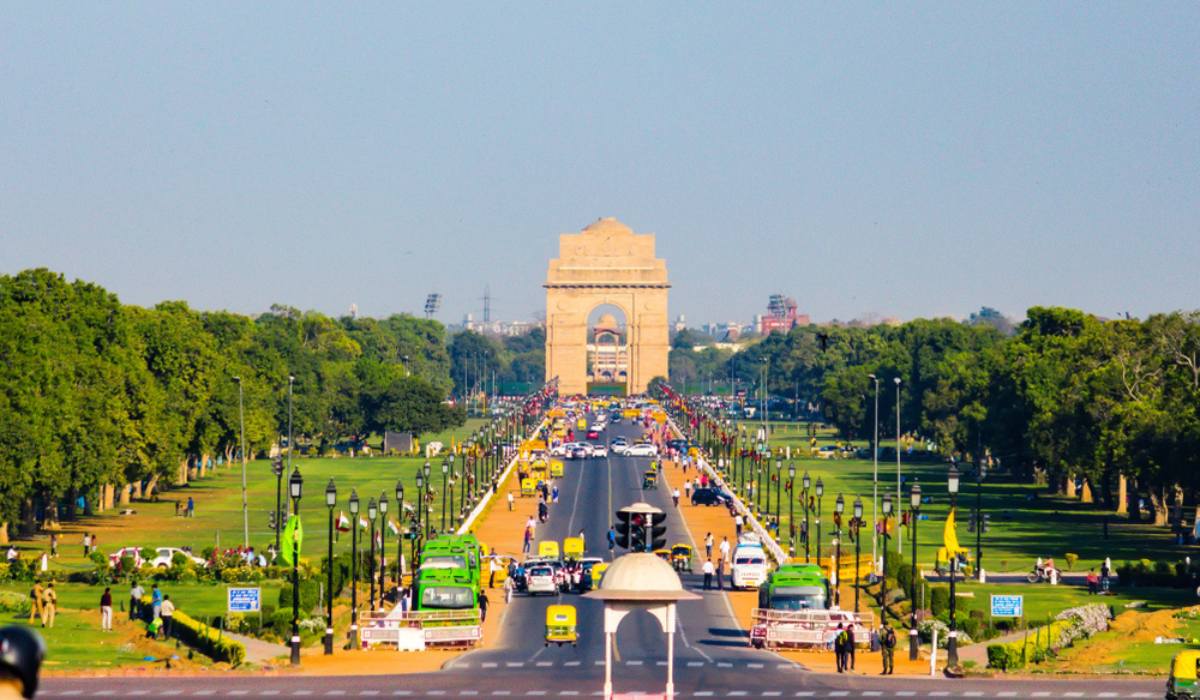
The approach roads and promenade alignment provide strong city views and are ideal for relaxed walking photography.
Add Heritage or Landmark Stops
Depending on your schedule, combine India Gate with nearby institutions and larger Delhi heritage routes. If you are extending the day, Red Fort Delhi and Qutub Minar can be added in separate slots with travel buffer.
Family-Friendly Lawn Time
Evening lawn-side time is popular for families and groups. Keep expectations practical; this is a public urban space, so crowds vary by day and occasion.

Kartavya Path View and Walk Experience
The Kartavya Path stretch adds scale to the India Gate visit and is best enjoyed during cooler evening hours. The open axis, lighting, and broad pedestrian areas make it suitable for a slow walk. Plan this as part of a central Delhi heritage circuit.
Street Food and Local Snacking Around India Gate
The India Gate zone is known for casual evening snacking culture. You will often find local vendors and quick bites in surrounding areas, especially during high-footfall hours. If food hygiene is a concern, choose freshly prepared items and avoid anything that has been exposed for long periods in open air.
For a fuller food-focused plan, combine your India Gate visit with dedicated Delhi market and food streets later in the day rather than relying only on monument-side options.
Photography Tips for India Gate Visit
For cleaner frames, early mornings are usually better than peak evenings. For dramatic atmosphere, sunset-to-night transition is ideal. Use wide framing for the full arch and tighter shots for stone details and memorial elements. If you are photographing people, ask politely before close portraits.
Weekends can be crowded, so compose with angles that reduce clutter. A short walk away from the densest viewpoint often gives better results than standing at the busiest central line.

Best Monument Angles for Photography
For cleaner frames, visit during early morning or just before sunset when light is softer and crowd density is lower. Wide-angle shots from the approach road and side lawns give balanced composition. Keep enough time for both daylight and evening captures.
Travel Tips and Common Mistakes to Avoid
Transport Planning
Use metro or app cabs with drop-off buffers, especially during weekends and event periods. Parking near high-demand hours can consume time.
Heat and Hydration
Do not underestimate Delhi heat in summer. Carry water, sunscreen, and light breathable clothing if visiting during daytime.
Overpacked Itinerary
Many travelers try to combine too many attractions without accounting for travel time. Keep realistic blocks and include one flexible slot.
Ignoring Security/Advisory Context
As a central ceremonial area, access patterns may change on special days. Keep alternate route options in your plan.
Final Takeaway
India Gate Delhi is both a landmark and a living civic space. A good visit balances historical respect, practical timing, and nearby route planning. If you choose the right time window and combine it smartly with central Delhi attractions, India Gate becomes more than a quick photo stop; it becomes a meaningful part of understanding the capital's public and historical landscape.
Location
Frequently Asked Questions
Q1.What are India Gate timings?
Q2.What is India Gate and its significance?
Q3.Is there an entry fee for India Gate?
Q4.When was India Gate built?
Q5.What is the best time to visit India Gate?
Q6.How to reach India Gate Delhi?
Q7.What is Amar Jawan Jyoti at India Gate?
Q8.Is photography allowed at India Gate?
Recommended For You
Best Places to Visit in Delhi: Monuments, Markets & Day Plans
Explore the best places to visit in Delhi including Red Fort, India Gate, Qutub Minar, Humayun's Tomb, Lotus Temple & Akshardham. Complete travel guide with timings, entry fees, and practical tips.
Delhi: Complete Travel Plan Places And Weather
Complete Delhi travel guide featuring Red Fort, Qutub Minar, India Gate, Old Delhi markets, best time to visit & practical tips.
Qutub Minar Delhi: Complete Guide to UNESCO World Heritage Site
Explore Qutub Minar Delhi - tallest brick minaret & UNESCO site. Discover 800 years of Islamic architecture, the mysterious Iron Pillar & Delhi heritage.
Never Miss an Adventure
Get the latest trekking guides, travel tips, and exclusive offers delivered straight to your inbox.
