
Goa Rang Reng Waterfall Bali: Hidden Spot, Route & Safety Tips
Rohit Verma
February 20, 2026
Plan Goa Rang Reng Waterfall in Bali with route details, entry fee expectations, timing, safety tips, and nearby attraction pairings from Ubud.
1. Introduction
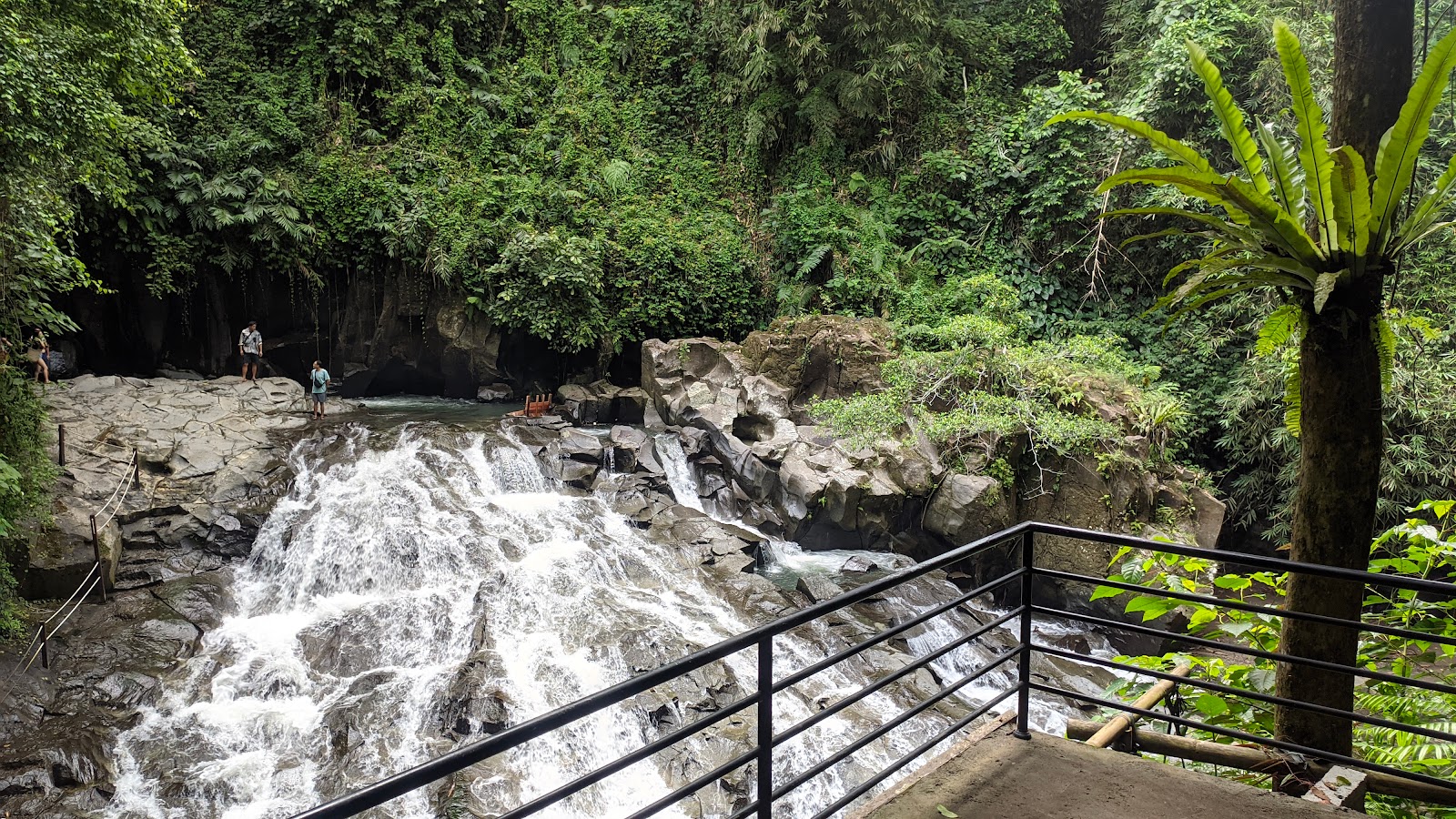
Goa Rang Reng Waterfall Bali is one of the most interesting waterfall stops in Gianyar because it feels different from the classic vertical waterfall look. Instead of a deep single drop, water flows across a wide sloping rock face, creating a natural water-slide style landscape. That shape, plus a nearby cave area and temple path, makes this spot attractive for travelers who want something calmer than crowded headline waterfalls.
If you are planning a waterfall-focused route from Ubud, this guide helps you with practical decisions: how to reach the spot, when to visit, what to expect on the path, safety for wet rocks, photography timing, and how to pair nearby attractions in one smooth day. For wider route planning across the island, you can also use this Bali travel guide and align dates with this best time to visit Bali article.
2. About Goa Rang Reng Waterfall
Goa Rang Reng is located in Bakbakan village, Gianyar Regency, and is usually visited as a half-day or full-day waterfall circuit from Ubud. The name is linked with the cave area around the site, and many local visitors view parts of the location as spiritually meaningful. You may see offerings and temple-side pathways, so respectful behavior is important even while exploring or taking photos.
What makes this place stand out is terrain variety in a compact area. You get stepped and sloping rock surfaces, sections of gentle flowing water, small pools for cooling off, and viewpoint angles that are easier to frame than at many steep-drop waterfalls. This is one reason Goa Rang Reng appears on many Bali waterfall tours alongside nearby stops.
| Feature | What It Means for Visitors | Planning Tip |
|---|---|---|
| Sloping rock waterfall | Different experience vs vertical falls | Wear grip footwear for wet surfaces |
| Cave and temple area nearby | Cultural context, not only scenic value | Dress and behave respectfully |
| Short approach from parking | Good for tight itineraries | Arrive early to avoid crowd spikes |
| Popular on multi-stop tours | Can get busy mid-day | Keep morning slot for better flow |
3. Best Time to Visit
The most reliable period for easier access is usually the drier months in Bali, when trails and rocks are less slippery and water clarity is often better. During wetter periods, flow can be dramatic, but traction drops and some sections become riskier. If your main goal is comfortable movement plus cleaner photos, dry weather windows are generally easier.
Time of day matters even more than season for this location. Early morning visits usually bring fewer people, softer light, and a calmer atmosphere for cave and waterfall frames. Mid-day can become busy, especially if tour vehicles arrive in clusters. Late afternoon can still work, but leave enough daylight for the climb back and road return.
General planning window:
- Best crowd condition: weekday mornings.
- Best photography comfort: morning light before harsh overhead sun.
- Wet weather caution: expect slick rocks and slower movement.
- Buffer time: keep at least 90 to 150 minutes for a no-rush visit.
4. How to Reach Goa Rang Reng Waterfall
Most travelers reach Goa Rang Reng from Ubud or Denpasar by scooter, private car, or as part of a waterfall day tour. From central Ubud, drive times are often around 30 to 45 minutes depending on traffic and exact pickup point. From Denpasar and South Bali areas, routes are longer and can easily stretch toward 70 to 100 minutes in heavier traffic windows.
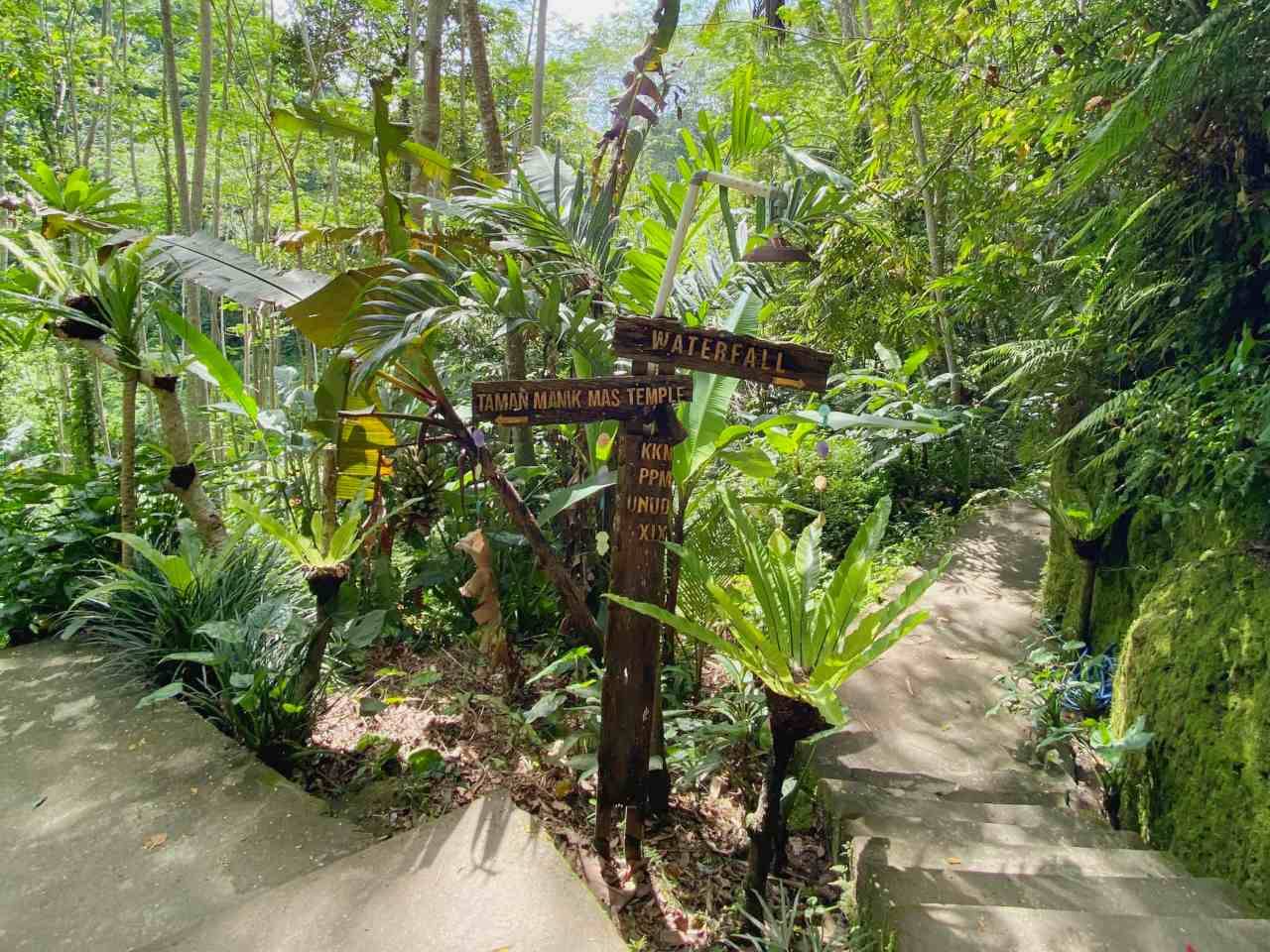
Road access is straightforward for most drivers, but final local roads can feel narrow in sections. Parking is typically available near the entry area, with a short walk and steps leading down toward the waterfall zone. Some listings show different ticket or guide details, so carry cash and confirm current fee and local guide expectations at arrival.
Transport Options
- Scooter: flexible and budget-friendly, best for confident riders.
- Private driver: easiest for family groups or multi-stop day routes.
- Tour package: convenient if you want fixed waterfall combinations.
Distance Planning
If you base in Ubud, Goa Rang Reng is easy to combine with nearby waterfalls. If you base in Seminyak, Canggu, or Kuta, start early and reduce stop count. Long return traffic can drain energy and reduce on-site time quality.
5. Entrance Fee, Timings, and On-Site Facilities
Goa Rang Reng fee information can vary by source and season because local management patterns and guide support may change. Most travelers report a low entry cost compared with bigger commercial attractions, often in a budget-friendly range. In some cases you may also see parking and optional guide costs. Treat all online fee numbers as references and verify on arrival.
Opening hours shown online are commonly daytime windows. Even where maps list broad timing, practical visits should stay in daylight for safer descent and return. The trail and rocks are not ideal in low light, and weather can shift quickly. Start earlier and avoid last-minute entry close to evening.
What You Usually Find
- Parking area for scooters and cars.
- Basic toilets/changing points (quality may vary).
- Small stalls in nearby zones for drinks/snacks.
- Photo points and stepped paths near the falls.
Because amenities can be basic, carry your own water, towel, and a dry shirt. This simple prep prevents post-visit discomfort, especially when moving to next stops.
6. The Waterfall Experience: What to Expect
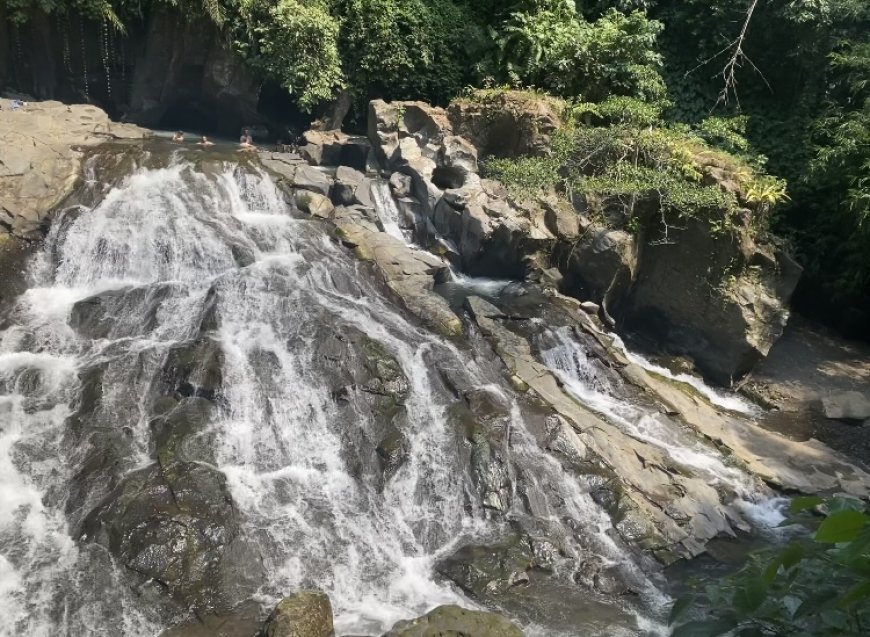
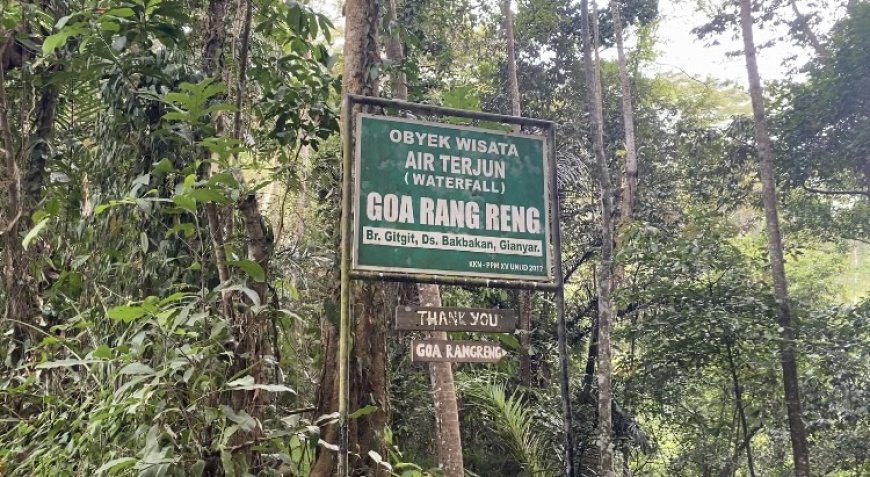
From the parking side, the route descends through steps and greenery before opening into the waterfall section. The first impression is usually the rock texture: broad, angled, and layered, with water sliding over it instead of dropping in a narrow column. This makes the space feel interactive and photogenic, but also calls for caution because algae and smooth stone can reduce grip.
At the main area, visitors often split into three activity types: relaxing in shallow water, exploring nearby cave-side viewpoints, and taking photos on stable lower rocks. You may also encounter locals doing spiritual activities in nearby spots. Keep voice levels moderate and do not step into clearly marked ritual areas.
Difficulty Level
Overall effort is easy to moderate for most active travelers, but footing risk can rise quickly after rain. The return climb can feel hotter than expected in late morning. If traveling with kids or older family members, move slowly and avoid slippery side paths.
How Long to Spend
- Quick visit: 45 to 60 minutes.
- Comfort visit with photos: 90 to 120 minutes.
- With cave exploration and slow breaks: up to 150 minutes.
For best quality, do not rush this stop between too many distant attractions.
7. Photography Tips for Goa Rang Reng
This location works well for creators because you can capture wide and medium frames without needing extreme trekking. Morning light often gives better texture on the rock flow and fewer blown highlights than harsh noon sun. If you shoot with phone camera only, enable HDR carefully and keep lens cloth ready because mist and splashes can blur images fast.
Strong compositions usually come from slightly angled side frames rather than a flat front shot. Include leading lines from the rock channels and keep one person in frame for scale. If you use tripod or gimbal, place legs only on dry stable points and avoid blocking passage on narrow steps.
Shot List
- Wide frame from lower platform showing full slope.
- Mid shot with water texture and cave-side rock detail.
- Portrait angle with safe foreground distance from slick edges.
- Context frame including jungle trail for story sequence.
8. Nearby Attractions and Route Pairing
Goa Rang Reng is best used as part of a Gianyar waterfall circuit. Nearby popular stops include Kanto Lampo and Tibumana, which many travelers combine on one day when starting early. You can compare route style with Kanto Lampo Waterfall Bali and plan a quieter follow-up nature stop at Tibumana Waterfall Bali.
If you want a deeper waterfall itinerary on separate days, add north-side options such as Sekumpul Waterfall Bali or photogenic canyon-style routes like Tukad Cepung Waterfall Bali. This staggered approach keeps travel fatigue lower and improves on-site experience quality.
Sample Half-Day from Ubud
- Start early and arrive Goa Rang Reng before crowd peak.
- Move to Kanto Lampo for iconic stepped-fall photos.
- Finish with Tibumana for calmer forest atmosphere.
Keep extra time for lunch and traffic. Over-stacking too many photo stops usually reduces quality and increases stress.
9. Safety Checklist and Common Mistakes
Most Goa Rang Reng issues are preventable with basic preparation. Visitors often underestimate slippery rock conditions, arrive with poor footwear, or try risky angles for social content. Good planning keeps the visit fun and avoids injury.
- Wear anti-slip sandals or trail shoes, not flat flip-flops.
- Carry waterproof pouch for phone and keys.
- Use small backpack only; avoid heavy load on wet steps.
- Hydrate before return climb, especially in humid weather.
- Respect local ritual spaces and posted signs.
- Avoid late entry that forces a rushed return in low light.
When in doubt, choose slower movement over perfect photo. Stable footing is always the top priority at waterfall terrain sites.
10. Final Verdict
Goa Rang Reng Waterfall Bali is worth visiting if you want a less mainstream waterfall experience with unique rock-flow character, cultural context, and easy pairing with other Gianyar stops. It is not a high-drop dramatic cliff waterfall, but that is exactly why many travelers enjoy it. The site feels interactive, accessible, and different from the usual Bali waterfall checklist.
Visit early, wear proper footwear, keep realistic timing, and combine it with one or two nearby stops instead of forcing a packed day. With that approach, Goa Rang Reng can become one of the most satisfying hidden-gem style nature visits in your Bali itinerary.
Location
Frequently Asked Questions
Q1.Where is Goa Rang Reng Waterfall located in Bali?
Q2.How far is Goa Rang Reng Waterfall from Ubud?
Q3.What is the best time to visit Goa Rang Reng Waterfall?
Q4.Is Goa Rang Reng suitable for swimming?
Q5.What is the entrance fee for Goa Rang Reng Waterfall?
Q6.How much time should I keep for a visit?
Q7.Is Goa Rang Reng Waterfall accessible in rainy season?
Q8.Can I combine Goa Rang Reng with other waterfalls in one day?
Recommended For You
Best Time to Visit Bali: Season Guide and Travel Tips
Plan the best time to visit Bali with weather-wise strategy, route planning, and practical tips for smoother island travel.
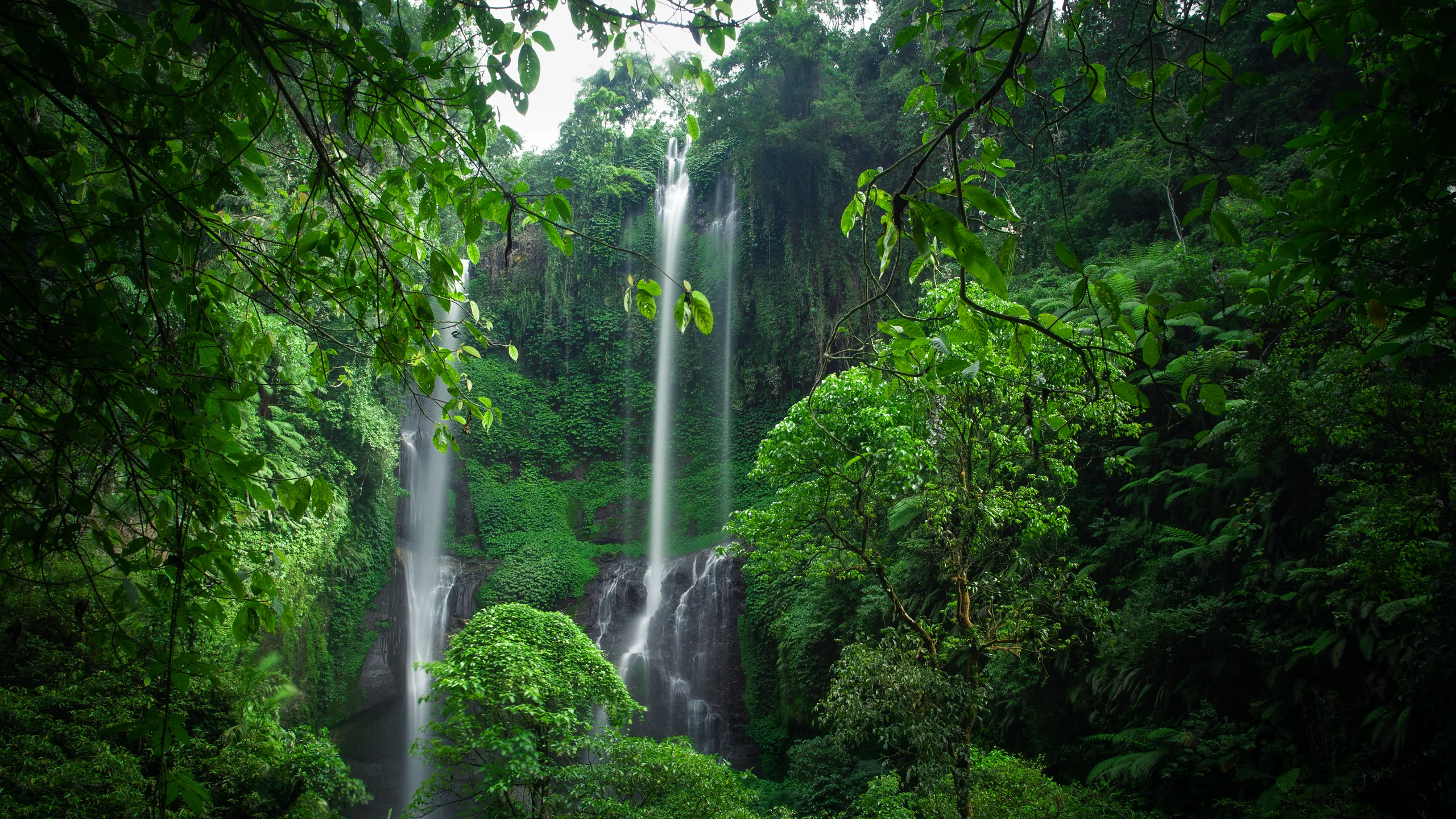
Sekumpul Waterfall Bali: Trek Guide & Tips
Explore Sekumpul Waterfall Bali with trek difficulty, route planning, best timing, and practical waterfall-trip tips.
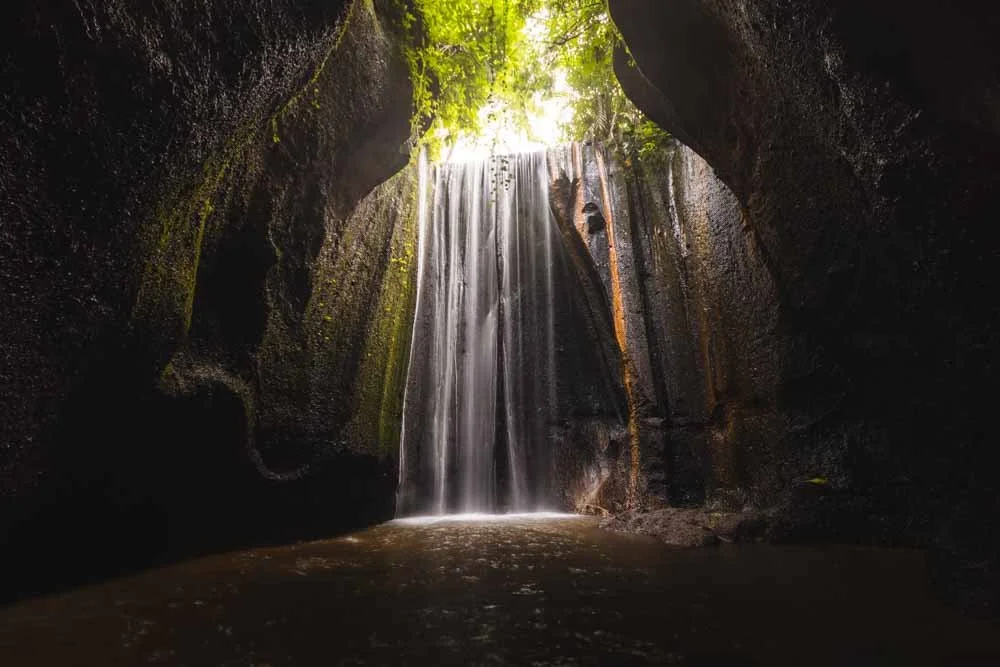
Tukad Cepung Waterfall Bali: Cave Access, Timings & Photo Tips
Visit Tukad Cepung Waterfall Bali with practical tips on timings, sunbeam photography, entry planning, trek safety, and nearby waterfall combinations.
Never Miss an Adventure
Get the latest trekking guides, travel tips, and exclusive offers delivered straight to your inbox.
