
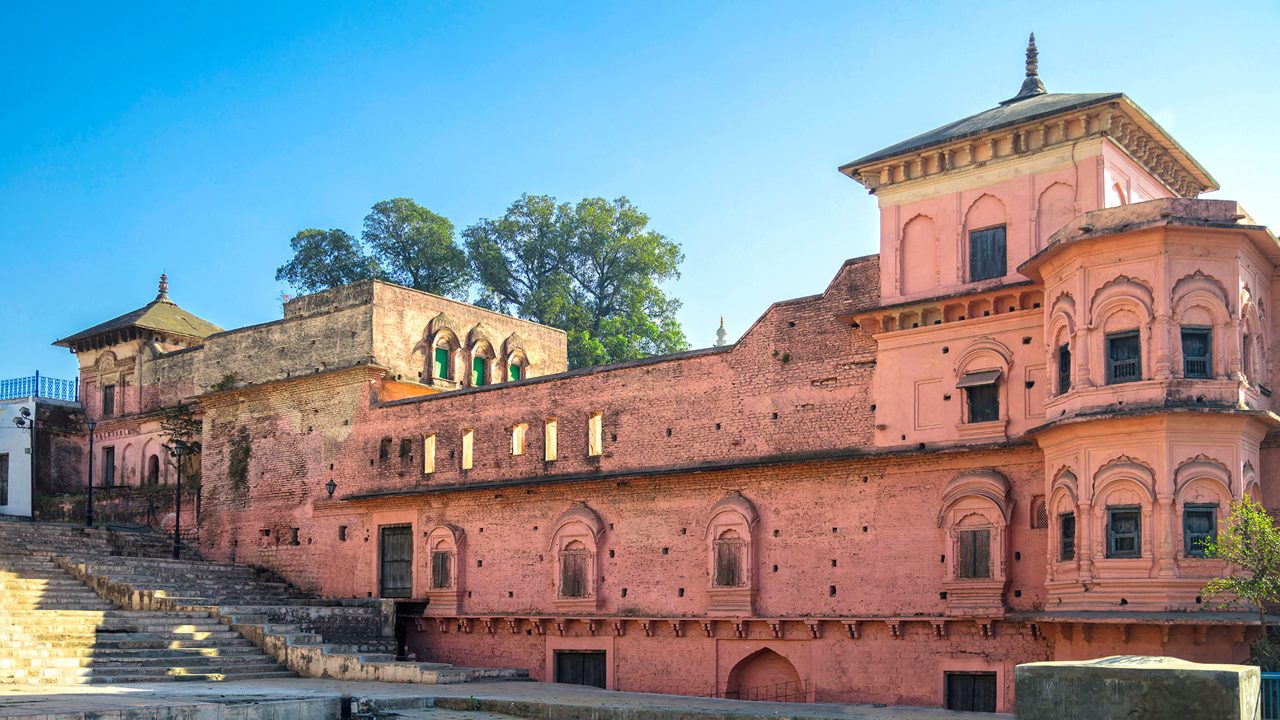
Gohar Mahal Bhopal Guide: History, Timings, Visit
Rohit Verma
February 18, 2026
Explore Gohar Mahal Bhopal with Begum-era history, architecture highlights, and practical timing and route-planning guidance.
Gohar Mahal Bhopal: History, Architecture, and Route Planning Guide
Gohar Mahal in Bhopal is one of the city’s most important palace-era heritage sites, known for its architectural character and association with early female-led governance in the region. It is especially valuable for travelers who want historical depth, not just monument checklists. The mahal’s location near major lakefront and old-city landmarks makes it easy to include in a compact cultural circuit.
For a balanced itinerary, pair Gohar Mahal with Shaukat Mahal Bhopal, religious-architectural context through Taj-ul-Masajid Bhopal, and open-space pacing at Upper Lake Bhopal. This combination gives architectural variety and manageable transfers.
Historical Background and Cultural Significance
Gohar Mahal is linked to Bhopal’s Begum-era legacy and reflects a period when women’s leadership shaped regional administration and culture. This political-historical context is a major reason the site matters. Visitors who understand this background usually appreciate the palace beyond surface aesthetics.
Think of Gohar Mahal as both architecture and memory: a built reminder of social history, governance transitions, and urban identity in Bhopal.
Architectural Highlights to Observe
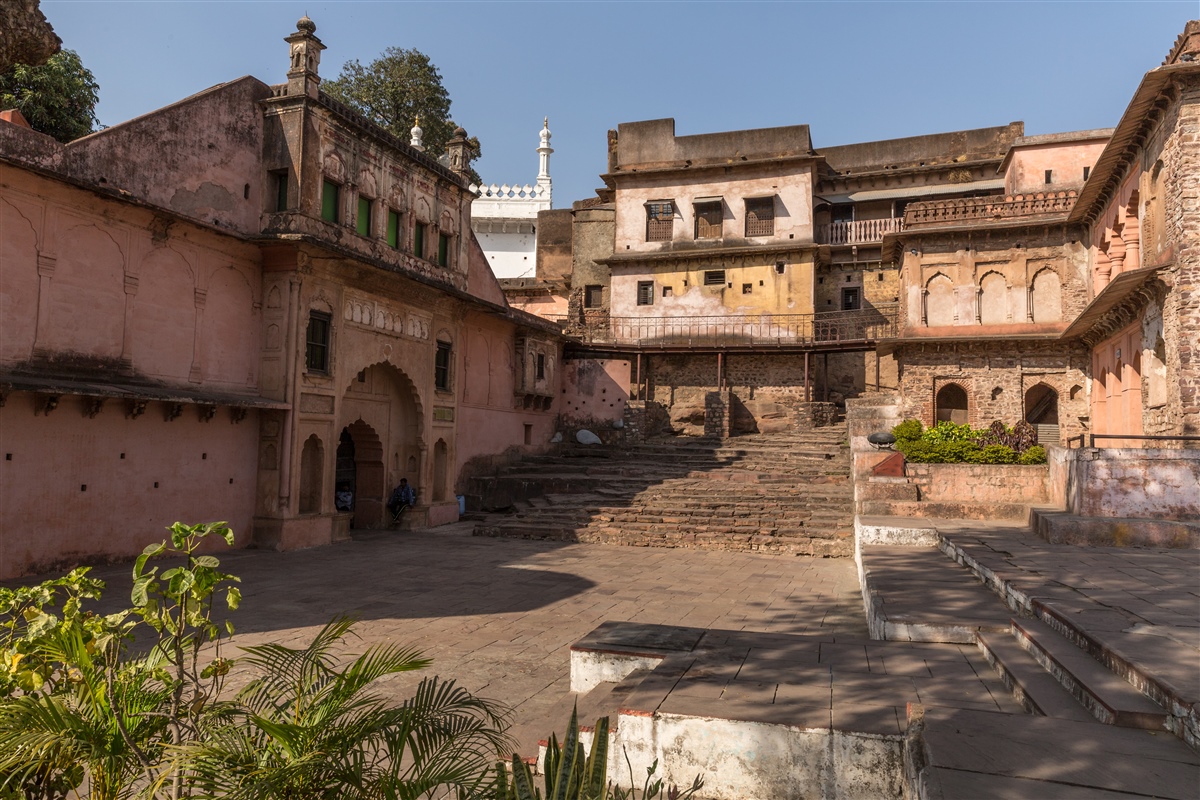
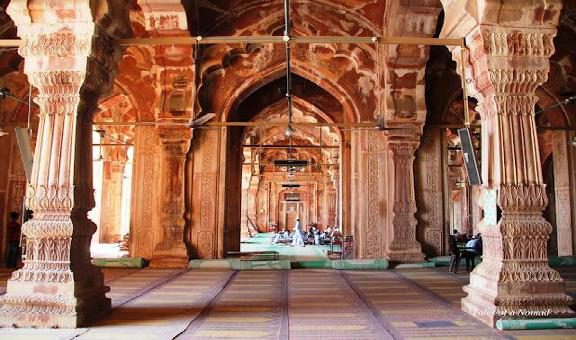
The mahal blends Indo-Islamic elements with local design influences. Arches, open courtyards, and ornamental details define the visual experience. The most effective way to explore is to observe the site in layers: facade composition, passage rhythm, and interior courtyard geometry.
| Architectural Layer | What to Notice | Practical Tip |
|---|---|---|
| Facade Profile | Symmetry and edge detailing | Capture wide-angle shots early |
| Courtyard System | Flow of open and covered space | Walk full perimeter before close-ups |
| Decorative Features | Motifs and material weathering | Use soft daylight for detail clarity |
This method makes even a short visit more insightful.
Best Time to Visit Gohar Mahal
Morning and late afternoon windows are generally best for comfort and photography. Midday heat in warmer months can reduce walk quality, especially if your itinerary includes nearby open-air attractions. In cooler seasons, you can comfortably combine multiple heritage stops in one day.
- Morning: cleaner light, lower crowd pressure.
- Late afternoon: good textures and softer shadows.
- Peak holiday days: expect slower movement and plan buffers.
- Summer midday: keep hydration and shade breaks ready.
Weather-aware timing is the simplest way to improve your experience.
Timings, Entry, and Visit Duration
Local timings and event schedules may vary, so verify current details before departure. Most travelers need 60-90 minutes for a meaningful walkthrough with photos and interpretation pauses. If the site hosts programs, allocate additional buffer for entry flow and crowd movement.
Do not compress this stop into 15-20 minutes. The palace reveals its value when explored slowly and contextually.
How to Reach and Build an Efficient Circuit
Gohar Mahal is accessible from central Bhopal routes and works best inside an old-city heritage loop rather than as an isolated long transfer. Keep your day clustered: one palace stop, one major monument, and one cultural or lakeside pause. Overloading with distant zones reduces quality and increases fatigue.
If you are planning a museum extension, Birla Museum Bhopal and Bharat Bhavan Bhopal are useful complements on a separate half-day block.
Light, Sound, and Evening Experience Planning
When special evening programs are available, treat them as a separate schedule block instead of adding them impulsively after a packed day. Evening heritage experiences are better when you arrive with enough buffer and clear transport planning for return.
Confirm show status locally before making fixed plans. This avoids last-minute disappointment and route inefficiency.
Photography and On-Site Etiquette
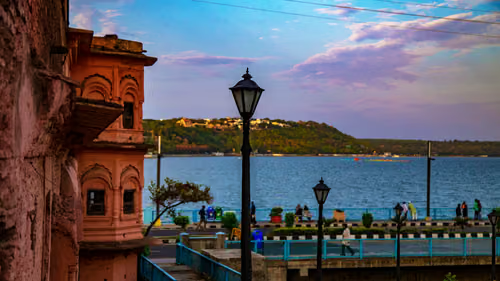
Use respectful photography practices and avoid obstructing movement paths. The best images come from controlled pacing: one facade frame, one courtyard depth frame, and one detail composition from arches or textures. Avoid repetitive angles and risky positioning near fragile sections.
Maintain clean-site behavior and follow all visitor instructions. Heritage conservation depends on visitor discipline as much as official restoration work.
Interpreting Gohar Mahal in Bhopal’s Urban Story
Gohar Mahal should be interpreted not only as a palace but as a node in Bhopal’s evolving urban fabric. Its relationship with nearby monuments, lake systems, and old-city movement reflects how political and cultural centers developed over time. Visitors who read the mahal in relation to its surroundings often understand Bhopal better than those who treat it as an isolated photo stop.
This urban-context perspective is especially useful for travelers interested in city history, architecture students, and photographers building thematic heritage narratives across multiple locations.
Ideal Visit Flow for Better Experience Quality
A practical flow is entry overview, facade study, courtyard walkthrough, and detail-focused pause. Keep this sequence stable even in busy hours. Random movement often causes missed sections and repetitive photography. If crowd density increases, switch to shorter loops and revisit quieter sections later in the same visit window.
With controlled pacing and sequence discipline, most visitors can complete a meaningful palace experience without rushing and without overextending the day schedule.
Final Route Advice
If you have limited time in Bhopal, choose Gohar Mahal plus one nearby heritage landmark and one light city stop. This compact structure preserves interpretation quality and avoids traffic-heavy fatigue. Fewer stops with deeper observation always outperform rushed route stacking.
Preservation and Visitor Responsibility
Palace heritage survives through combined restoration and responsible visitor behavior. Avoid touching fragile decorative surfaces, do not climb restricted edges, and keep waste management strict. Respecting these basics protects both the monument and the quality of future visits.
When possible, spend a final few minutes observing restoration patterns and weathering marks. This helps you understand how conservation work and natural aging coexist in real heritage environments.
Quick Checklist for Palace Walks
Use comfortable footwear, stay hydrated, and keep your route clustered with nearby attractions. This checklist helps preserve energy and improves architecture-focused observation quality.
Final Note
Arrive slightly early to enjoy quieter courtyards and cleaner architectural views.
Conclusion
Gohar Mahal Bhopal is a high-value cultural landmark when visited with historical awareness, practical timing, and smart route planning. Pair it with nearby heritage sites, keep your pace deliberate, and focus on architectural interpretation. With this approach, the mahal becomes one of the most rewarding stops in a Bhopal heritage itinerary.
Historical Background of Begum Rule in Bhopal
Gohar Mahal takes its name from Qudsia Begum, also known as Gohar Begum, who commissioned the palace in the early 19th century and became the first of four successive female rulers of Bhopal state. This lineage of Begums, spanning much of the 19th and early 20th centuries, is historically significant because female rule of this length and continuity was rare among princely states in colonial-era India. Understanding this context adds considerable depth to a palace visit, since the architecture reflects patronage decisions made specifically under this unusual line of succession.
The palace's blend of Hindu and Mughal architectural elements is often read by historians as a deliberate reflection of Bhopal's syncretic administrative culture during Begum rule, which balanced diverse religious and cultural communities within the state. Visitors interested in this history benefit from spending time at the informational panels near the entrance courtyard before proceeding to the architectural sections, since this context reframes decorative details that might otherwise seem purely ornamental.
Seasonal Visiting Notes for Bhopal Heritage Sites
Bhopal's climate follows a fairly typical central Indian pattern, with October to March offering the most comfortable temperatures for palace walks and outdoor courtyard exploration. Summer months from April to June bring intense heat that can make extended walking uncomfortable by late morning, so an early start becomes especially important during this stretch. The monsoon season from July to September cools temperatures considerably and adds visual appeal to the palace's courtyards and lake-facing views, though sudden showers can interrupt outdoor sections of a visit.
Since Gohar Mahal sits close to the Upper Lake, weather conditions here can shift a little differently than in central Bhopal, with occasional lake breezes moderating peak afternoon heat. Travelers combining a palace visit with lakeside photography should factor this microclimate into their timing, favoring early morning or early evening slots when both light quality and comfort are at their best.
Location
Frequently Asked Questions
Q1.Where is Gohar Mahal located in Bhopal?
Q2.What are Gohar Mahal timings?
Q3.Is there an entry fee at Gohar Mahal?
Q4.What is Gohar Mahal famous for?
Q5.How much time is enough for Gohar Mahal?
Q6.Can I combine Gohar Mahal with other attractions?
Q7.Is photography allowed at Gohar Mahal?
Q8.When is the best time to visit Gohar Mahal?
Recommended For You
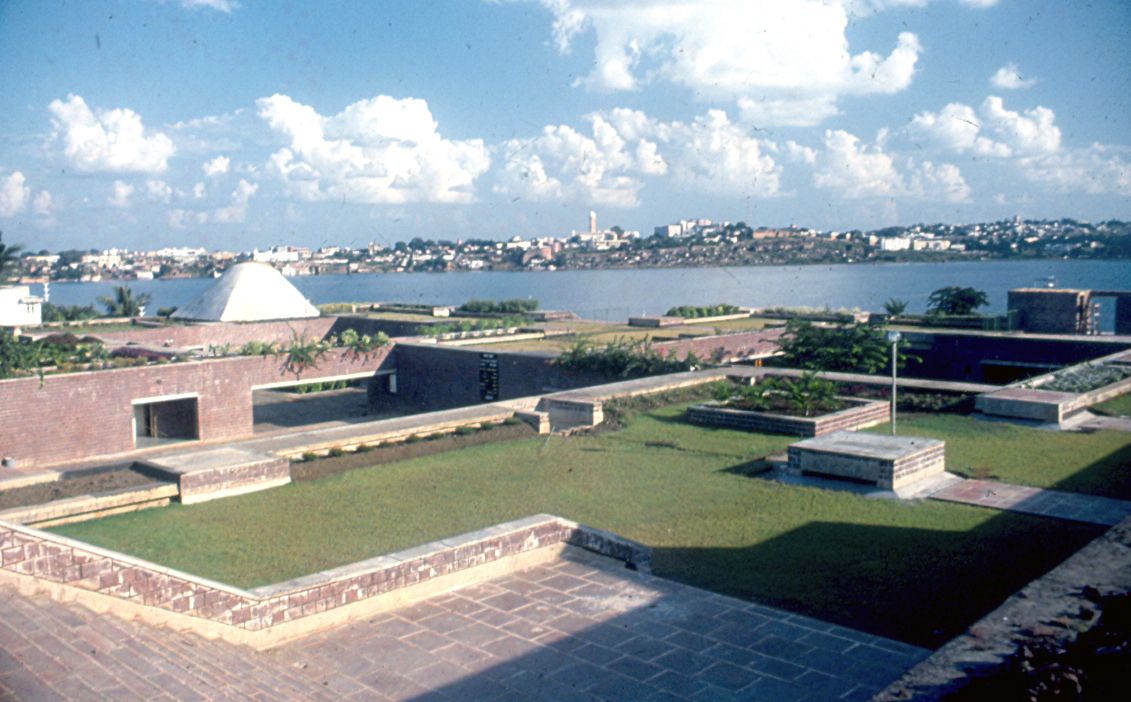
Bharat Bhavan Bhopal: Galleries, Shows & Visitor Timings
Plan a Bharat Bhavan Bhopal visit with cultural context, event-aware timing, and practical city-route tips for a richer experience.

Places to Visit in Bhopal at Night: Lakefront, Markets & Evening Spots
Discover best places to visit in Bhopal at night. Explore lakes, viewpoints, markets & evening attractions with timings, safety tips & travel guide.
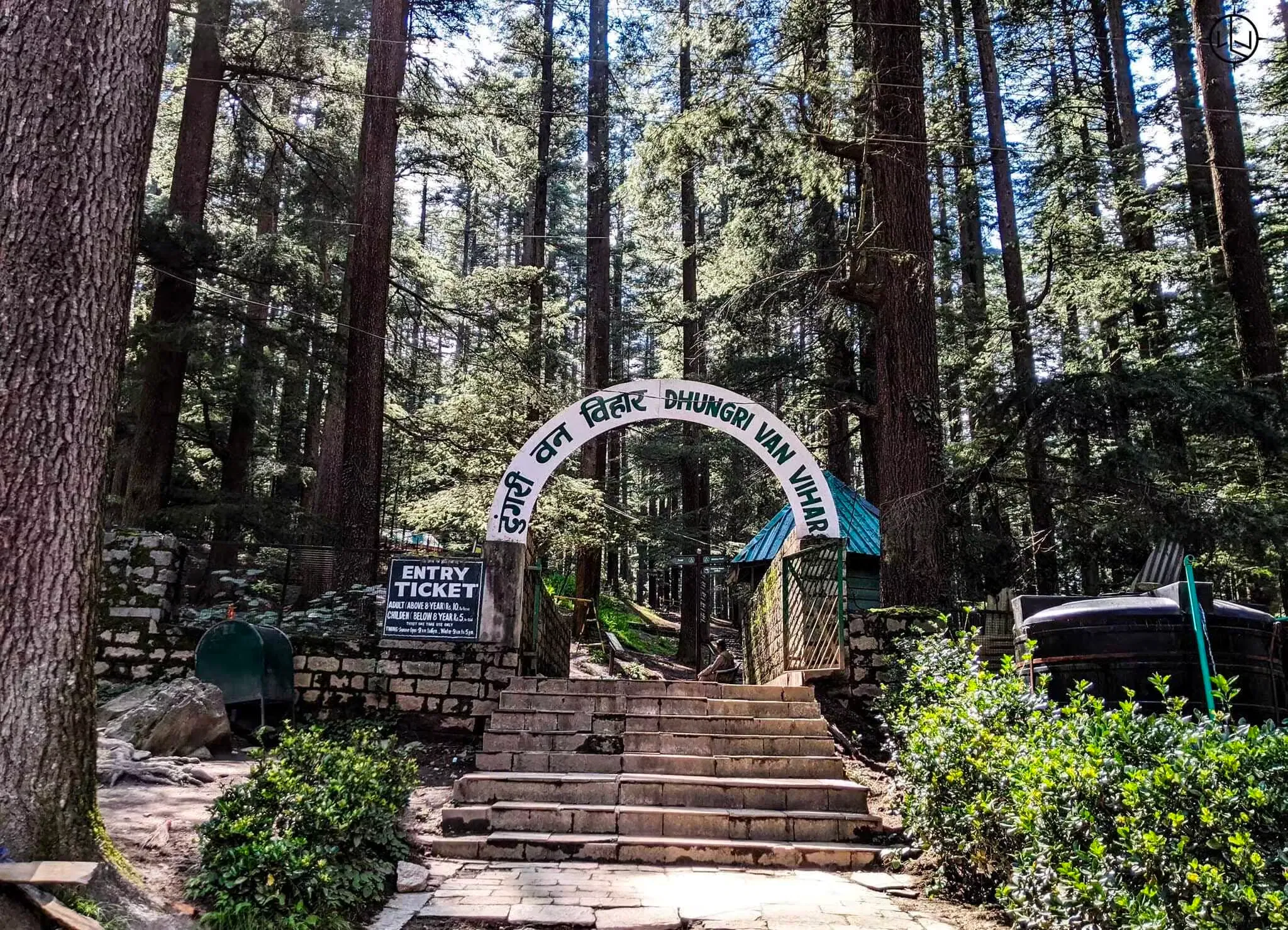
Van Vihar National Park Bhopal: Timings, Ticket Price & Lakefront Route
Plan Van Vihar National Park Bhopal with updated timing logic, ticket guidance, wildlife highlights, and practical route combinations across the city.
Never Miss an Adventure
Get the latest trekking guides, travel tips, and exclusive offers delivered straight to your inbox.
