
Shaukat Mahal Bhopal: A Blend of Eastern & Western Architecture

Neha Kapoor
February 15, 2026
Complete guide to Shaukat Mahal Bhopal - 19th-century royal palace with unique Indo-Islamic & European Gothic architecture, timings, history, and nearby attractions.
Shaukat Mahal Bhopal: Complete Heritage and Architecture Guide
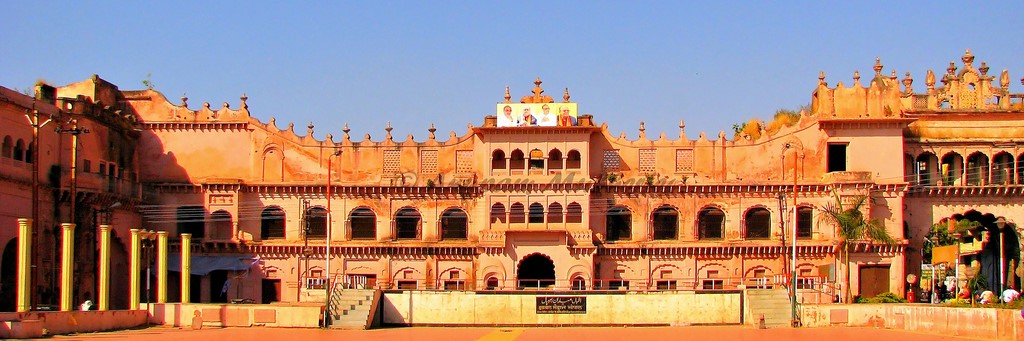
Shaukat Mahal is one of Bhopal’s most distinctive historical buildings, known for its unusual blend of Indo-Islamic and European-inspired architectural elements. Located in the old city zone near Sadar Manzil and key civic spaces, it reflects a period of aesthetic experimentation in princely architecture. For travelers exploring Bhopal beyond lakes and broad boulevards, this site adds valuable design and historical context.
Unlike grand forts or large palace complexes, Shaukat Mahal is appreciated through form, detail, and urban placement. It pairs well with gohar mahal bhopal and taj ul masajid bhopal in a compact old-city heritage circuit.
Historical Context
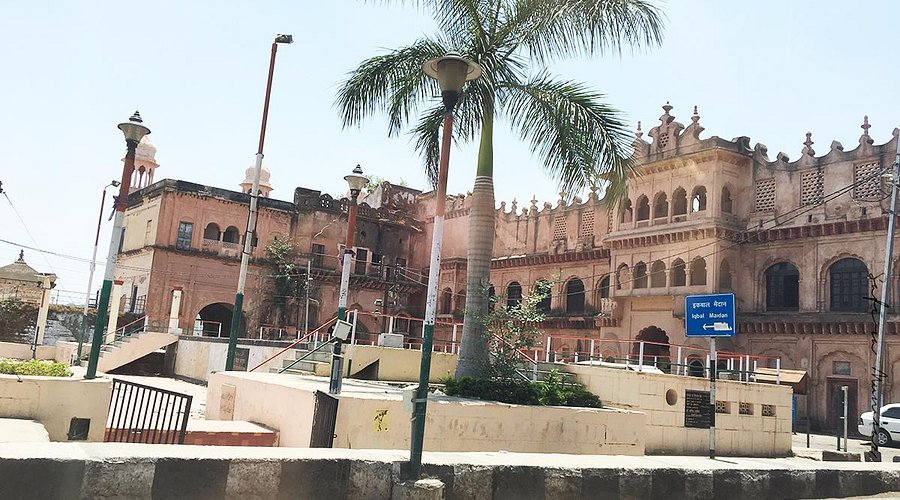
Shaukat Mahal developed during a period when Bhopal’s ruling culture engaged with multiple design influences, including local and European currents. This produced a visual style not commonly seen in other central Indian urban heritage structures. The building’s presence in the civic core also links it to administrative and ceremonial life in historical Bhopal.
For visitors, the key value is this hybrid identity. It reveals how princely-era architecture could absorb and reinterpret external motifs while retaining local context.
Architecture Highlights
- Distinct facade treatment with unusual geometric rhythm.
- Stylistic mix beyond standard Mughal-Rajput templates.
- Urban-context relationship with nearby heritage buildings.
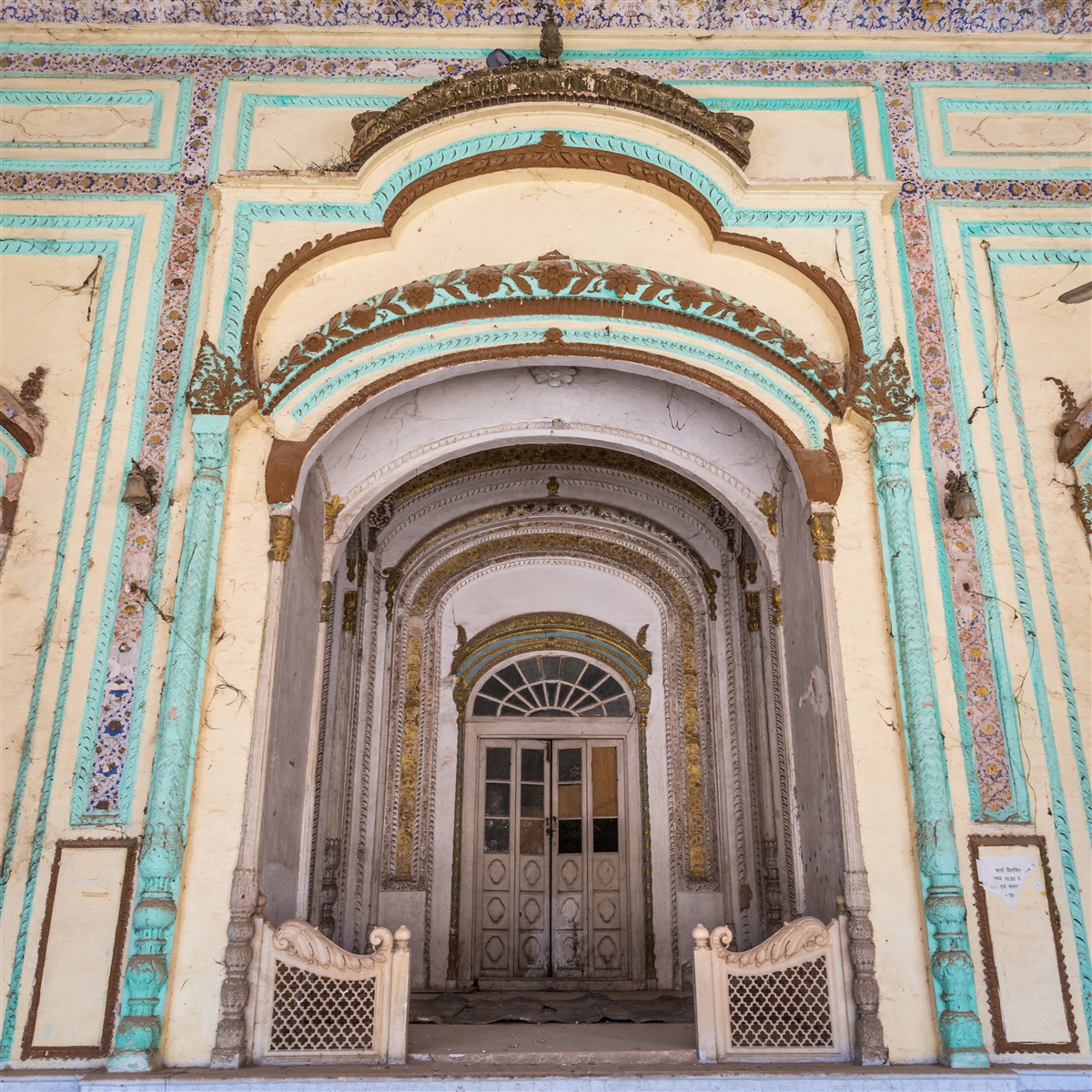
- Decorative and structural features worth close visual reading.
- Photographic value in morning and late-afternoon light.
The site is best explored slowly from multiple angles to understand compositional balance and surrounding city fabric.
What to See Around Shaukat Mahal
Shaukat Mahal is part of a broader heritage cluster. Walking nearby lanes and plazas helps you see how civic architecture, market activity, and religious landmarks coexist in old Bhopal. This contextual walk is essential; viewing only one facade gives an incomplete impression.
For structured city planning, connect this stop with upper lake bhopal and bharat bhavan bhopal in separate time blocks.
Best Time to Visit
October to March is generally the most comfortable season for heritage walks in Bhopal. Early mornings and late afternoons are ideal for clearer observation and better light. Summer visits are possible but should avoid peak afternoon heat, especially when walking old-city lanes.
Weekday mornings are usually calmer for photography and detailed architectural study.
How to Reach Shaukat Mahal
The mahal is accessible by auto, cab, and local city routes from major Bhopal neighborhoods and transport hubs. Since it is in an active old-city zone, allow extra time for traffic and pedestrian movement. Parking and approach conditions can vary by time of day.
If you are extending the heritage route, add sanchi stupa bhopal as a separate segment on another half-day for historical contrast.
Suggested Half-Day Old Bhopal Route
| Time Block | Suggested Activity |
|---|---|
| 08:30-09:00 AM | Arrival and Shaukat Mahal exterior study |
| 09:00-09:45 AM | Nearby Sadar Manzil context walk |
| 09:45-10:30 AM | Transit to adjacent heritage/religious site |
| 10:30 AM onward | Continue to lake or museum segment |
This plan keeps movement compact and avoids unnecessary city crossovers.
Photography and Conduct Tips
- Shoot both wide urban-context and close-detail frames.
- Respect local traffic and pedestrian flow while photographing.
- Avoid climbing fragile edges for angles.
- Ask permission where private property edges are involved.
- Keep the area clean and avoid obstructive setups.
Good field etiquette helps preserve site dignity and local cooperation.
Common Mistakes to Avoid
- Treating Shaukat Mahal as a stand-alone five-minute stop.
- Ignoring the surrounding heritage cluster and urban context.
- Visiting at high-heat hours and rushing through details.
- Relying only on surface-level style labels without observation.
- Skipping related sites like birla museum bhopal.
Why Shaukat Mahal Is Worth Visiting
Shaukat Mahal offers architectural uniqueness rarely found in central India’s urban heritage. Its hybrid style, historical setting, and walkable context make it an excellent addition to Bhopal itineraries. For travelers who enjoy design analysis and city history, it provides strong value with modest time investment.
Visit with attention to detail and surroundings, and the site becomes far more meaningful than a simple photo checkpoint.
Before leaving, take one final long shot including adjacent urban fabric. That wider frame captures the building’s true heritage context.
Architecture Reading Tips for Shaukat Mahal
Shaukat Mahal is ideal for travelers who enjoy stylistic analysis. Start with facade geometry, then move to decorative elements and structural rhythm. Compare these observations with nearby buildings to understand why Shaukat feels visually distinct in Bhopal’s old city context. This comparative approach helps avoid generic labels and produces more accurate interpretation.
Because the site sits in an active urban environment, the best understanding comes from observing movement around it: traffic flow, market rhythm, and civic edges. Heritage here is inseparable from everyday city life.
How to Improve Your Bhopal Heritage Circuit
Keep your old-city segment compact and walkable, then shift to lake or museum areas later. Avoid scattering stops across distant zones in peak heat. A focused route with 2–3 core sites usually gives better experience than a long rushed checklist.
If you are documenting architecture, capture one morning and one evening frame from similar angles. Light shifts reveal surface depth and proportion differently, especially on ornate facades.
Final Reflection
Shaukat Mahal may not be the largest monument in Bhopal, but it is one of the most conceptually interesting. It represents stylistic experimentation and urban heritage continuity in a way few city buildings do.
Before leaving, step back and view the structure with its surrounding streetscape. That wider perspective is key to understanding its true heritage value.
History and the Origins of Its Unusual Style
Shaukat Mahal was constructed during the era of Bhopal's Begums, a period when the princely state's rulers actively invited architectural influences from Europe alongside established Indo-Islamic traditions. Historical accounts suggest the building's design drew on French and Gothic architectural references, blended with local craftsmanship and materials. This unusual pairing is why the facade reads differently from the typical Mughal or Rajput-influenced palaces seen elsewhere in central India, with pointed arches and ornamental brackets sitting alongside more regionally familiar decorative patterns.
Over time, the building has seen phases of neglect and partial restoration, a common challenge for heritage structures that fall outside the most heavily promoted monument circuits. Despite this, enough of the original detailing survives to make close observation worthwhile for visitors interested in colonial-era architectural exchange in princely India.
What to Look for on a Visit
Because Shaukat Mahal is best appreciated from the outside and through careful observation rather than an extensive interior tour, a slow, deliberate approach pays off. Look specifically for the asymmetric window arrangements, the decorative cornices along the roofline, and the contrast between the smooth plastered sections and more ornate carved detailing around door and window frames. Comparing the building's facade rhythm to neighboring structures in the old city helps visitors understand just how different its design vocabulary is from standard regional palace architecture.
Early morning visits generally offer better light for photographing the facade details without harsh shadow contrast, and the surrounding market area is also quieter at that time, making it easier to view the building without heavy foot and vehicle traffic in your frame.
Location
Frequently Asked Questions
Q1.What is Shaukat Mahal famous for?
Q2.Who built Shaukat Mahal in Bhopal?
Q3.What are the timings of Shaukat Mahal?
Q4.Is there an entry fee for Shaukat Mahal?
Q5.Where is Shaukat Mahal located in Bhopal?
Q6.What is the architectural style of Shaukat Mahal?
Q7.What are the nearby attractions to Shaukat Mahal?
Q8.How much time is needed to visit Shaukat Mahal?
Recommended For You
Bharat Bhavan Bhopal: Galleries, Shows & Visitor Timings
Plan a Bharat Bhavan Bhopal visit with cultural context, event-aware timing, and practical city-route tips for a richer experience.
Birla Museum Bhopal: History, Timing and Guide Tips
Plan Birla Museum Bhopal with section-wise exhibit strategy, timing guidance, and practical Bhopal route tips for a deeper visit.
Sanchi Stupa near Bhopal: UNESCO Site, Timings & History
Explore Sanchi Stupa near Bhopal with UNESCO history, architecture, torana carvings, timings guidance, route planning, and practical tips for a meaningful visit.
Never Miss an Adventure
Get the latest trekking guides, travel tips, and exclusive offers delivered straight to your inbox.
