
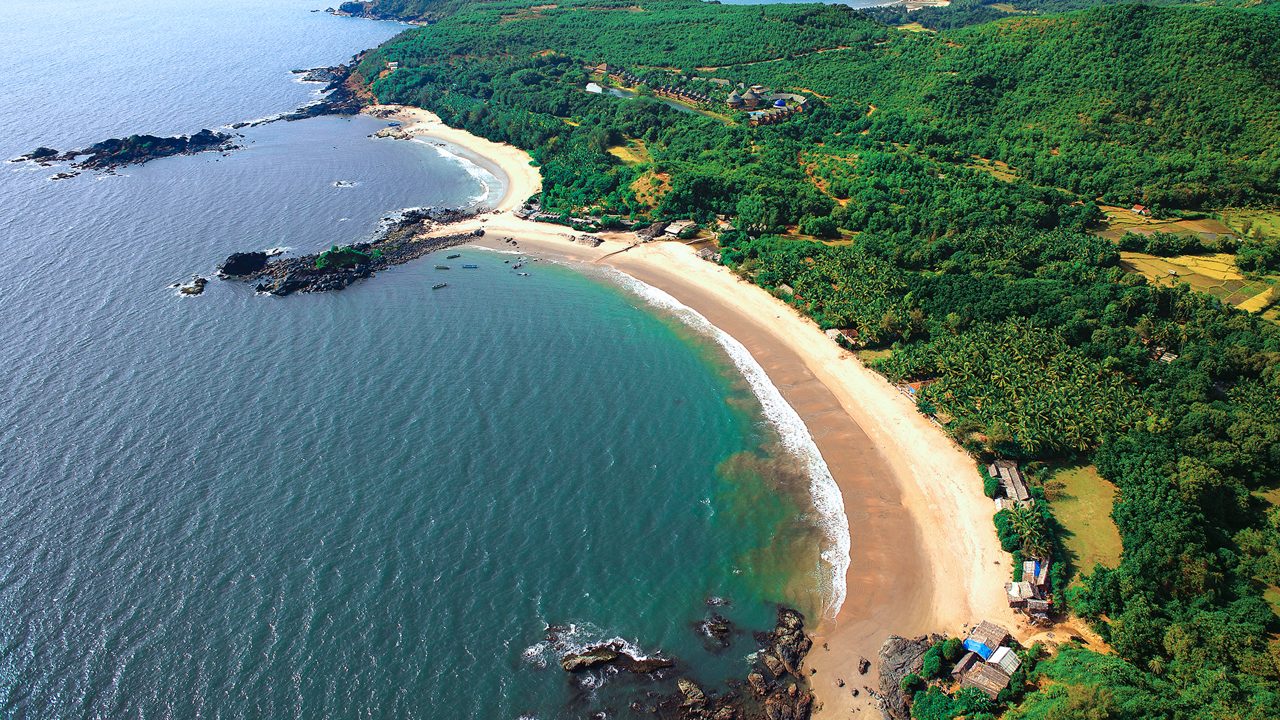
15 Best Places to Visit in Gokarna: Beaches & Temples
Rohit Verma
December 1, 2025
Discover Gokarna's top attractions from Om Beach's iconic shoreline to the sacred Mahabaleshwar Temple. Complete travel guide covering beaches, trekking, temples, best time to visit, and practical tips for this Karnataka coastal paradise.
Introduction: Gokarna - Where Spirituality Meets the Sea
Nestled along Karnataka's pristine coastline in the Uttara Kannada district, Gokarna stands as a unique blend of sacred pilgrimage town and laid-back beach paradise. Unlike its more commercialized cousin Goa, Gokarna retains an authentic charm that draws both devout Hindu pilgrims and backpackers seeking tranquility. The name Gokarna translates to "cow's ear," derived from the ear-shaped confluence of two rivers where Lord Shiva is believed to have emerged from the ear of a cow.
This temple town, mentioned in ancient Hindu texts like the Ramayana and Mahabharata, holds immense religious significance as home to one of India's most sacred Shiva temples. Yet, just beyond the temple streets lies a coastline of breathtaking beaches that rival any in India. From the iconic Om-shaped shoreline to secluded coves accessible only by trekking trails, Gokarna beaches offer something for every type of traveler.
What makes Gokarna truly special is its dual personality. By day, pilgrims circumambulate the ancient Mahabaleshwar Temple, while just a few kilometers away, international travelers practice yoga on sandy shores and watch spectacular sunsets. This harmony between the spiritual and the bohemian creates an atmosphere that's uniquely Gokarna - less crowded than Goa, more authentic than most tourist destinations, and perfectly balanced between devotion and relaxation.
Om Beach & Kudle Beach - The Dynamic Duo
Om Beach - Karnataka's Iconic Shoreline
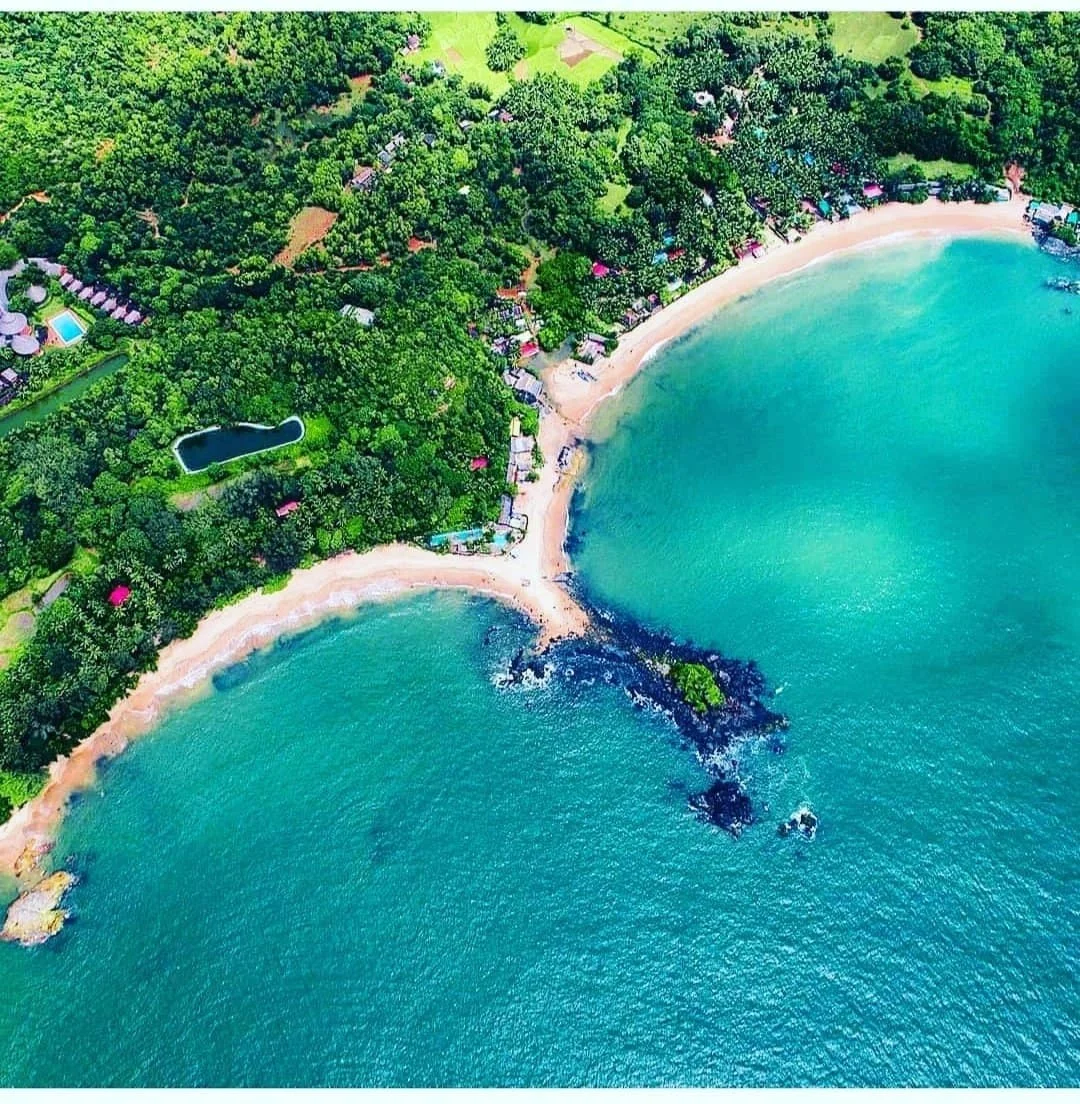
Om Beach is undoubtedly Gokarna's most famous attraction, and for good reason. The beach derives its name from its distinctive shape - two semi-crescent coves that together form the sacred Hindu symbol 'Om' when viewed from above. This geographical marvel has made Om Beach one of Karnataka's most photographed coastal stretches, attracting everyone from spiritual seekers to Instagram enthusiasts.
The beach stretches for about 1.5 kilometers and is divided into two sections - the larger main beach and the smaller, more secluded Half Moon Beach at one end. The golden sands are lined with rocky outcrops that create natural pools during low tide, perfect for wading and photography. The water here is relatively calm, making it safe for swimming, though it's always wise to check with lifeguards about current conditions.
Om Beach buzzes with activity throughout the day. Morning sees yoga practitioners saluting the sun, while afternoons bring out water sports enthusiasts. You can try banana boat rides, jet skiing, and even surfing during certain seasons. The beach is dotted with shacks and cafes serving everything from fresh seafood to continental cuisine, with the famous Namaste Cafe being a landmark that's hosted travelers for decades.
Sunset at Om Beach is nothing short of magical. As the sun dips below the Arabian Sea horizon, the sky transforms into shades of orange, pink, and purple. Beach shacks light up with bonfires, and travelers gather with drinks and guitars. It's the perfect time to reflect on the day's adventures or plan tomorrow's trek to Paradise Beach.
Kudle Beach - Sunset Paradise
Just a 15-minute walk from Om Beach lies Kudle Beach, the most popular and accessible of all Gokarna beaches. Kudle is a long, sweeping stretch of golden sand framed by rocky hills on both sides, creating a secluded cove that feels like a hidden paradise. The beach faces west, making it arguably the best spot in Gokarna for sunset watching.
Kudle Beach has evolved from a backpacker secret to a well-developed tourist destination while maintaining its laid-back charm. The beachfront is lined with numerous beach huts, guesthouses, and cafes offering accommodation and dining options for every budget. From rustic huts with shared bathrooms to comfortable cottages with sea views, Kudle has something for everyone.
What makes Kudle special is its relaxed atmosphere. Unlike Om Beach, which can get busy with day-trippers and water sports, Kudle maintains a more chilled vibe. Early mornings here are perfect for meditation or a peaceful swim in the calm waters. The beach is particularly popular among solo travelers and couples seeking a romantic getaway. The rocks at either end of the beach offer excellent vantage points for photography and quiet contemplation.
The dining scene at Kudle Beach is diverse and excellent. You'll find everything from traditional South Indian thalis to Israeli hummus, from fresh seafood platters to wood-fired pizzas. Many cafes have floor seating with cushions, creating a communal atmosphere where travelers from around the world share stories and travel tips. Beachside bonfires are common in the evenings, with music ranging from reggae to Bollywood.
Half Moon Beach & Paradise Beach - The Hidden Treasures
Half Moon Beach - Intimate Seclusion
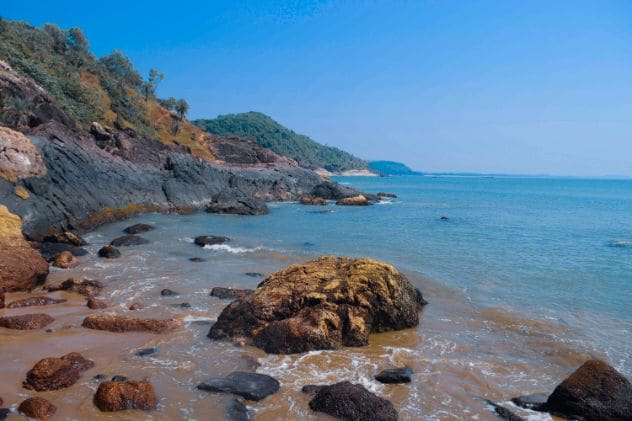
Tucked away between Om Beach and Paradise Beach lies Half Moon Beach, named for its crescent moon shape. This small, intimate cove is accessible only by foot or by boat, which means it never gets crowded - a blessing for those seeking solitude and connection with nature. The beach is just 200 meters long but packs in more beauty per square meter than much larger shores.
The journey to Half Moon Beach is part of its appeal. You can either take a 20-minute trek from Om Beach, winding through rocky terrain and forests, or hire a boat from Om Beach during high tide. The trek route offers stunning coastal views and takes you through some of Gokarna's most pristine landscapes. Wear proper shoes as the rocky sections can be challenging, especially after rain.
Half Moon Beach has limited facilities - a couple of basic shacks serve simple food and drinks during peak season. This lack of commercialization is precisely what attracts travelers looking to escape. The beach is perfect for reading, meditation, or simply doing nothing while listening to the waves. During high tide, the sandy area shrinks significantly, so plan your visit according to tide tables.
Photography enthusiasts will love Half Moon Beach. The rocky formations, turquoise waters, and surrounding hills create frame-worthy compositions at every turn. Early morning light here is particularly magical, and you might have the entire beach to yourself if you arrive early enough.
Paradise Beach - The Ultimate Escape
True to its name, Paradise Beach is the most secluded and pristine of all Gokarna beaches. This slice of heaven is accessible only by a 30-minute trek from Half Moon Beach or by boat from Om Beach. The effort required to reach it keeps crowds away, making Paradise Beach the perfect destination for those willing to venture off the beaten path.
The trek to Paradise Beach is an adventure in itself. The rocky trail winds through dense vegetation, climbs over hills offering spectacular ocean views, and descends to this hidden cove. It's moderately challenging, requiring reasonable fitness and proper footwear. The trail can be slippery during monsoon season, so visit between October and March for the best conditions.
Paradise Beach is everything the name promises - pristine white sand, crystal clear water, and surrounded by rocky hills covered in lush greenery. There are absolutely no facilities here - no shacks, no restaurants, no accommodations. This means you need to carry your own water, food, and supplies. The beach is popular for camping, with small groups setting up tents for overnight stays under the stars.
The water at Paradise Beach is some of the clearest you'll find on India's west coast. Snorkeling can reveal colorful fish and coral formations near the rocky areas. The beach faces west, creating spectacular sunset views that you'll likely have all to yourself. If you're seeking absolute peace and a connection with untouched nature, Paradise Beach delivers in abundance.
Mahabaleshwar Temple - Sacred Shiva Abode
History and Religious Significance
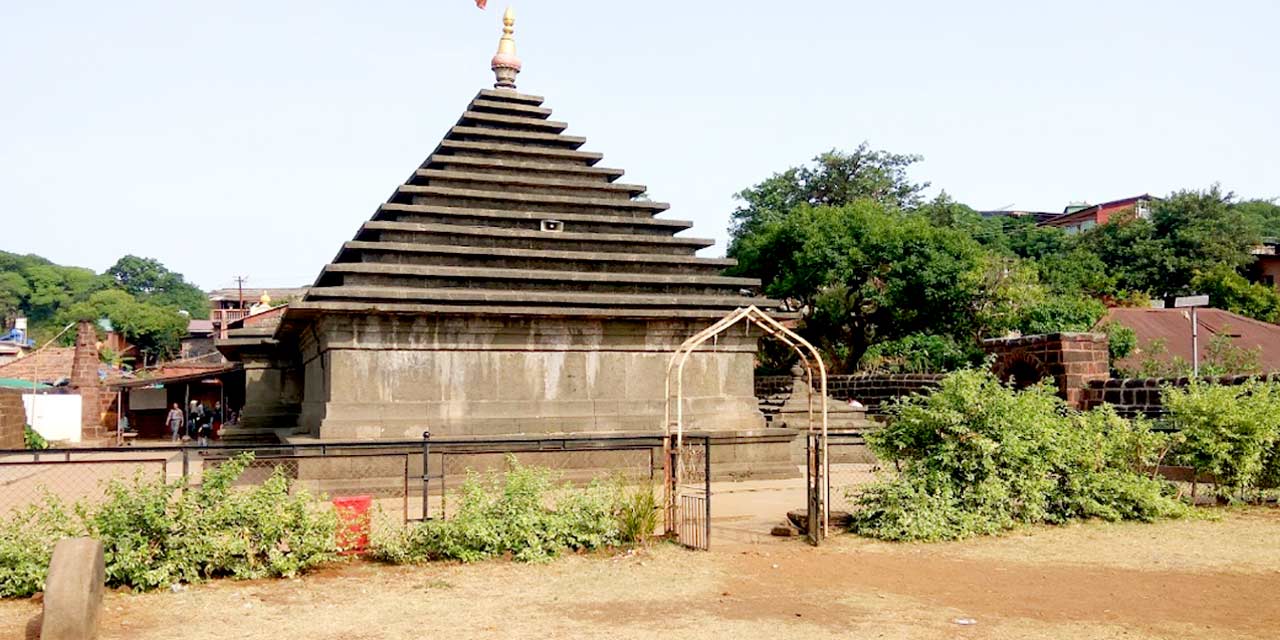
The Mahabaleshwar Temple is the heart of Gokarna and the reason this town holds such importance in Hindu mythology. Dedicated to Lord Shiva, this ancient temple houses one of India's most sacred Shiva Lingas - the Atmalinga. According to legend, the demon king Ravana performed intense penance at Mount Kailash to please Lord Shiva. Pleased with his devotion, Shiva gifted him the Atmalinga with strict instructions that it must never be placed on the ground.
However, the gods, fearing Ravana's growing power, sought to prevent the Atmalinga from reaching Lanka. Lord Vishnu intervened and created an illusion that made Ravana need to answer nature's call. He handed the Atmalinga to a young Brahmin boy (actually Lord Ganesha in disguise) who immediately placed it on the ground. Try as he might, Ravana could not lift the Atmalinga, and it remained rooted in Gokarna, giving the town its sacred status.
The temple's history dates back over 1,500 years, though the current structure was built primarily by the Kadamba dynasty and later renovated by the Vijayanagara Empire. The architecture follows the classic Dravidian style with a granite shikhara (tower) rising above the sanctum. The temple complex includes several smaller shrines dedicated to various deities.
Temple Experience and Rituals
Visiting the Mahabaleshwar Temple is a deeply spiritual experience. The atmosphere inside the temple is charged with devotion as priests chant ancient mantras and the air fills with the fragrance of camphor and incense. The sanctum sanctorum houses the Atmalinga, which can be viewed through a small opening in the granite structure.
The temple is particularly crowded during Mahashivratri, when thousands of devotees throng to seek Lord Shiva's blessings. The temple follows strict dress codes - men must remove their shirts and wear traditional dhotis, while women should wear sarees or salwar kameez. Photography is strictly prohibited inside the temple.
The temple complex includes the famous Koti Teertha, a large temple tank believed to have been created by the gods. Devotees take ritual baths in this sacred tank before entering the main temple. The tank is surrounded by small shrines and is particularly beautiful when lit up during festivals.
Visiting Information
The temple is open from 6:00 AM to 12:30 PM and from 5:00 PM to 8:00 PM. The best time to visit is early morning when the temple is less crowded and the atmosphere is particularly serene. The temple is located in the center of Gokarna town, easily accessible by auto-rickshaw or on foot from most accommodations.
Mirjan Fort - Coastal Heritage
Historical Background
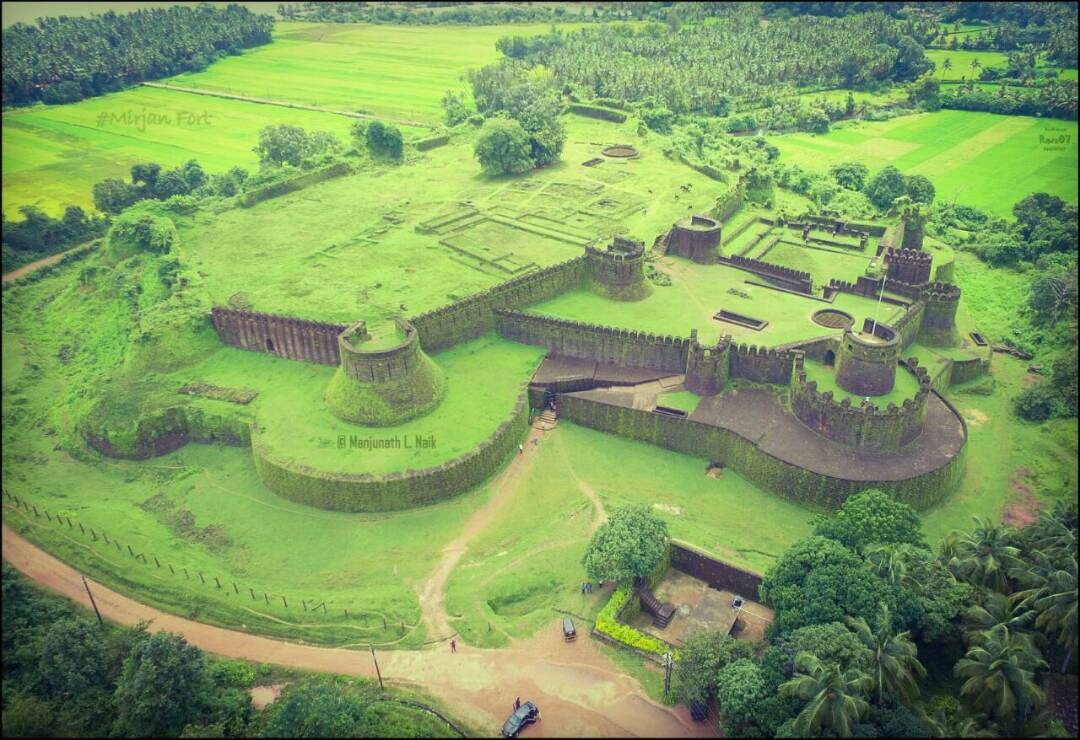
Located approximately 12 kilometers from Gokarna town, Mirjan Fort is a stunning example of coastal India's architectural heritage. Built in the 16th century, this fort has changed hands between various dynasties including the Vijayanagara Empire, the Bijapur Sultanate, and the Portuguese. Each ruler left their mark on the fort's architecture and design.
The fort gained prominence under Queen Chennabhairadevi of the Gerusoppa dynasty, who ruled from this stronghold for 54 years. Known as the "Pepper Queen," she controlled the thriving pepper trade in the region, making Mirjan Fort a crucial commercial center. The fort's strategic location overlooking the Arabian Sea made it an important maritime outpost for controlling trade routes.
Architecture and Features
Mirjan Fort spreads over approximately 10 acres and is built in the shape of a double moat, a unique architectural feature that provided additional security. The fort walls, though weathered by time and monsoon rains, still stand tall in many places, showcasing the skilled craftsmanship of that era. The fort includes several wells, secret passages, and watchtowers that speak to its military significance.
The architecture blends Indian and Islamic styles, reflecting the diverse influences that ruled this region. The fort includes a palace complex, audience halls, and residential quarters for the royal family. Though much of the structure is in ruins, archaeological efforts have preserved key sections and created informative displays about the fort's history.
Visiting Experience
Mirjan Fort is an excellent spot for history enthusiasts and photographers. The fort's location offers elevated views of the surrounding countryside and the Arabian Sea in the distance. Early morning visits are recommended to avoid the heat and capture beautiful light on the ancient stone walls.
The Archaeological Survey of India maintains the fort, and there's a nominal entry fee. Combine your visit to Mirjan Fort with a trip to nearby beaches for a full day of sightseeing. The fort is particularly beautiful during the monsoon when the surrounding countryside turns lush green and the ancient stones glisten with rain.
Yana Rocks - Nature's limestone Wonder
Geological Marvel
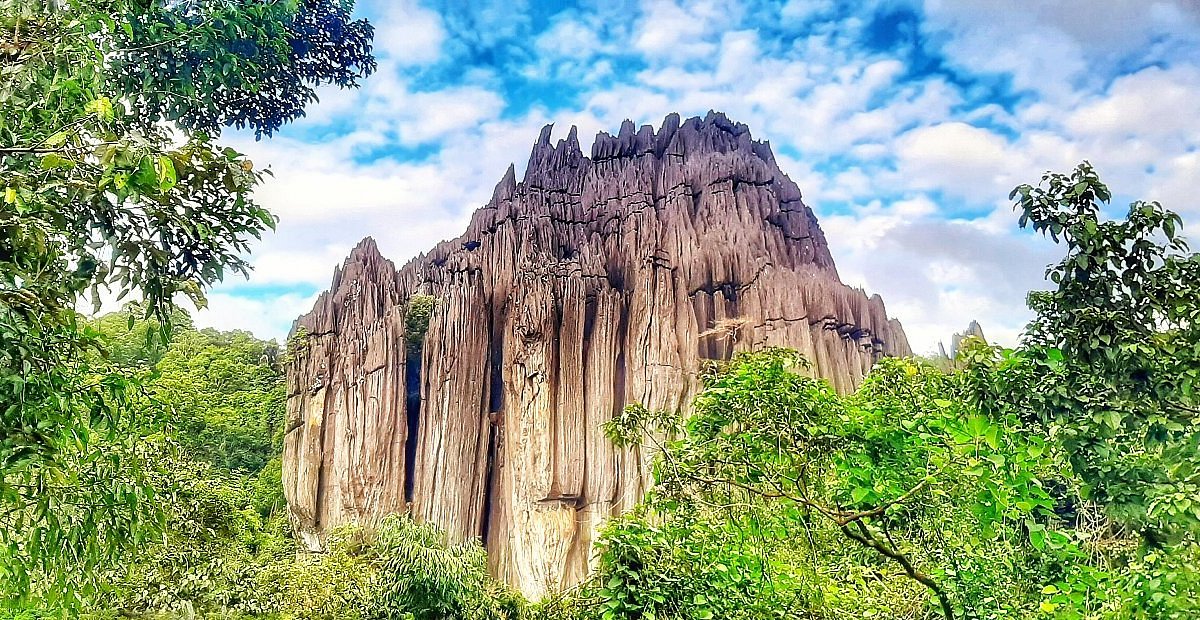
Located about 55 kilometers from Gokarna, Yana Rocks is one of Karnataka's most unique natural attractions. These massive limestone formations rise dramatically from the surrounding forests, creating a landscape that seems almost otherworldly. The area comprises two main rock formations - Bhairaveshwara Shikhara, which stands 120 meters tall, and Mohini Shikhara, which reaches 90 meters into the sky.
Yana's rocks are estimated to be millions of years old and hold immense significance in Hindu mythology. According to legend, the demon Bhasmasura performed penance here and obtained a boon from Lord Shiva that allowed him to turn anyone to ash by touching their head. The rocks are believed to be the result of a battle between Bhasmasura and Lord Vishnu, who appeared in the form of Mohini to save the world from the demon's tyranny.
Trekking and Exploration
Reaching Yana requires a short but scenic trek through the lush forests of the Western Ghats. The trail is well-marked and moderately easy, suitable for most fitness levels. As you walk, you're surrounded by dense vegetation, including bamboo groves and a variety of medicinal plants that have been used by local communities for centuries.
The area around the rocks includes several caves and a small temple dedicated to Lord Shiva. A natural spring flows from the rocks, creating a small stream that adds to the mystical atmosphere. The cave temple houses a Shiva Linga and is a popular pilgrimage site, especially during Mahashivratri.
Best Time to Visit
The best time to visit Yana is between October and March when the weather is pleasant and the trails are dry. The monsoon season transforms the area into a green paradise, but the trails can be slippery and challenging. If you visit during monsoon, wear proper hiking shoes and be prepared for leeches.
Yana makes for an excellent day trip from Gokarna. You can hire a taxi or take a bus to the nearest town and then trek to the rocks. The journey itself is scenic, taking you through the beautiful countryside of Uttara Kannada district. Combine your visit to Yana with a stop at nearby Gokarna temples or the stunning Vibhuti Falls for a complete nature and heritage experience.
Gokarna Beach Trek - The Coastal Adventure
Trek Route Overview
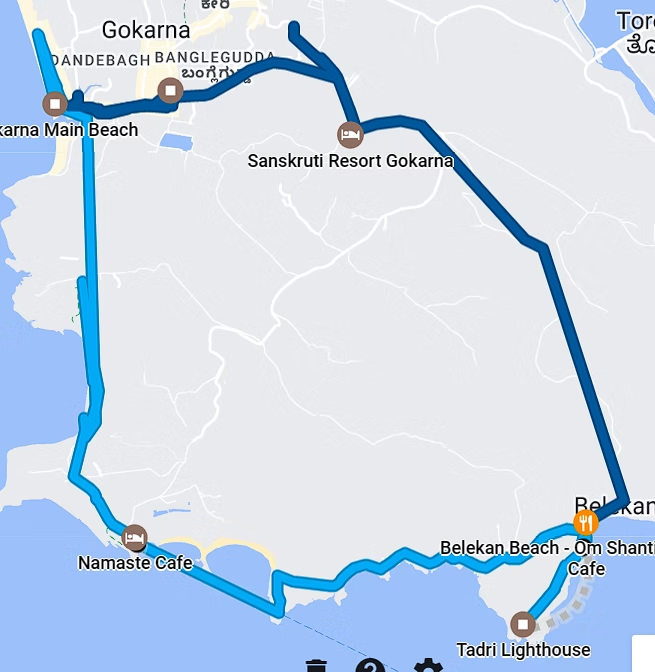
The Gokarna beach trek is one of Karnataka's most popular coastal adventures, taking you along a scenic trail that connects four beautiful beaches. The approximately 8-10 kilometer trek typically starts from Kudle Beach and continues to Om Beach, then Half Moon Beach, and finally Paradise Beach. Most trekkers complete this in 4-5 hours at a leisurely pace, though it can take longer if you stop frequently for photos and breaks.
The trek route is a mix of sandy beaches and rocky coastal trails. The initial stretch from Kudle to Om Beach is easy, walking along the sandy shoreline and over rocky outcrops. The trail then becomes more challenging between Om Beach and Half Moon Beach, requiring you to climb over rocks and navigate narrow paths. The final stretch to Paradise Beach is the most challenging, with steep ascents and descents through forested areas.
Trekking Experience
The Gokarna beach trek offers some of the most spectacular coastal views in India. As you walk along the cliff edges and rocky shores, you're treated to panoramic vistas of the Arabian Sea, with waves crashing against the rocks below. The trail takes you through diverse landscapes - sandy beaches, rocky terrain, forests, and hills - making every section unique and interesting.
Wildlife enthusiasts will appreciate the variety of bird species that inhabit the coastal forests. Keep an eye out for sea eagles, kingfishers, and if you're lucky, dolphins playing in the waters below. The monsoon season transforms the landscape into a lush green paradise, with waterfalls cascading down the hillsides along the trail.
Trekking Tips
The best time to undertake the Gokarna beach trek is between October and March when the weather is pleasant and the trails are dry. Start early in the morning to avoid the midday heat and have enough time to complete the trek before sunset. Wear proper hiking shoes with good grip as the rocky sections can be slippery.
Carry at least 2 liters of water per person, as there are no facilities along most of the trail. Sun protection is crucial - wear a hat, sunglasses, and apply sunscreen liberally. Pack some snacks or a light lunch to enjoy on one of the beaches. Don't forget your camera to capture the stunning views!
The trek can be done in either direction, but most prefer starting from Kudle Beach as the trail is more challenging towards Paradise Beach, making it easier to return by boat if you're too tired to trek back. Boat rides are available from Paradise Beach back to Om Beach or Kudle Beach during high tide.
Best Time to Visit Gokarna
Winter (October to February) - Peak Season
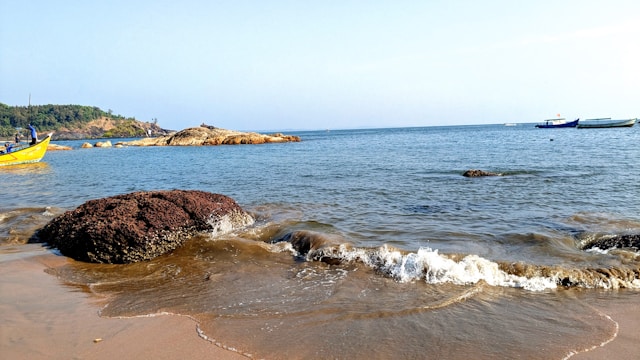
Winter is undoubtedly the best time to visit Gokarna, with pleasant temperatures ranging from 20°C to 32°C. The sea is calm, making it perfect for swimming and water sports. The weather is ideal for trekking and exploring the outdoors without the oppressive heat of summer or the rain of monsoon.
December and January are the peak tourist months, so expect crowds at popular beaches and higher prices for accommodation. Book your stay well in advance if you're visiting during this period. The beaches are lively with beach shacks, water sports operators, and a festive atmosphere.
Summer (March to May) - Off-Season
Summer in Gokarna can be hot and humid, with temperatures reaching up to 38°C. The upside is significantly fewer tourists and lower accommodation prices. Early mornings and evenings are pleasant enough for beach activities, while midday can be uncomfortably hot.
This is a good time to visit if you're on a budget and don't mind the heat. The sea is generally calm, and you can still enjoy swimming, especially in the early morning and late afternoon. Carry plenty of water and seek shade during the hottest part of the day.
Monsoon (June to September) - Lush Green
The monsoon season transforms Gokarna into a green paradise, with the surrounding hills and forests turning vibrant shades of green. However, heavy rainfall can make beach activities challenging and sometimes dangerous. Swimming is not advised during monsoon due to rough seas and strong currents.
This is a quiet period in Gokarna, with many beach shacks and hotels closing for the season. If you enjoy rain, solitude, and lush landscapes, monsoon can be a magical time to visit. Just be prepared for limited facilities and the possibility of being confined indoors during heavy rainfall.
How to Reach Gokarna
By Train
Gokarna Road Railway Station (GOK) is the nearest railhead, located about 9 kilometers from the town center. The station is connected to major cities like Bangalore, Mumbai, and Mangalore. From the station, auto-rickshaws and taxis are available to take you to Gokarna town or directly to the beaches.
The Konkan Railway route offers scenic coastal views if you're traveling from Mumbai or Goa. Several express and passenger trains stop at Gokarna Road, making it accessible from various parts of Karnataka and neighboring states.
By Road
Gokarna is well-connected by road to major cities in Karnataka and neighboring states. The drive from Bangalore is approximately 500 kilometers and takes 10-12 hours, depending on traffic and road conditions. The route passes through beautiful countryside and is a scenic journey in itself.
State-run KSRTC buses operate regular services to Gokarna from Bangalore, Mangalore, and other major cities. Private luxury buses are also available and offer a more comfortable overnight journey option. If you're driving, the roads are generally good, but be prepared for winding sections as you approach the coastal area.
By Air
The nearest airports to Gokarna are Goa's Dabolim Airport (approximately 150 kilometers away) and Mangalore Airport (about 230 kilometers). Both airports are well-connected to major Indian cities with regular flights. From the airport, you can hire a taxi or take a bus to reach Gokarna.
Goa Airport is generally more convenient as it has more flight options and is closer to Gokarna. The journey from Goa Airport to Gokarna takes about 3-4 hours by road, passing through beautiful coastal scenery.
Where to Stay in Gokarna
Beach Huts and Guesthouses
For the authentic Gokarna experience, stay in one of the many beach huts lining Kudle Beach and Om Beach. These basic accommodations offer direct beach access and the opportunity to fall asleep to the sound of waves. Prices range from ₹500 to ₹2000 per night, depending on the season and amenities.
Popular options include Namaste Cafe, located right on Om Beach, and the various guesthouses along Kudle Beach. Many of these places have in-house restaurants serving fresh seafood and international cuisine. Book during peak season as these places fill up quickly.
Mid-Range Hotels
If you prefer more comfort while still staying close to the beaches, several mid-range hotels offer air-conditioned rooms, attached bathrooms, and sometimes even pools. These typically cost between ₹2500 to ₹5000 per night and are located both on the beaches and in Gokarna town.
Options include Kudle Beach Resort, Pai Resorts, and several family-run hotels that offer personalized service. Many of these hotels can arrange airport transfers, beach treks, and other activities for guests.
Luxury Resorts
For those seeking luxury, Gokarna has several high-end resorts offering world-class amenities, spa services, and stunning locations. The Taj Gateway Hotel and SwaSwara Resort (CGH Earth) are popular choices, offering a blend of luxury and local culture. These resorts typically cost between ₹8000 to ₹15000 per night.
SwaSwara is particularly special, focusing on wellness through yoga, Ayurveda, and art. Located on Om Beach, it offers a peaceful retreat with luxurious cottages, an excellent restaurant, and comprehensive wellness programs. It's the perfect place to disconnect and recharge.
Gokarna Travel Tips
- Carry Cash: While ATMs are available in Gokarna town, there are none on the beaches. Carry sufficient cash for your stay, especially if you're staying in beach huts.
- Respect Local Culture: Gokarna is a temple town. Dress modestly when in town and temple areas, even if you're wearing beachwear on the shores.
- Sun Protection: The tropical sun can be harsh. Use sunscreen, wear a hat, and carry sunglasses, especially between 11 AM and 3 PM.
- Stay Hydrated: Carry water bottles, especially during beach treks. Dehydration is a real risk in the coastal heat.
- Check Sea Conditions: Always consult lifeguards or locals about sea conditions before swimming. Some beaches have strong currents during certain tides.
- Book in Advance: During peak season (December-January), accommodations fill up quickly. Book at least a few weeks in advance for better options and prices.
- Keep Beaches Clean: Gokarna's beauty depends on responsible tourism. Don't litter and use designated dustbins.
- Bargain Respectfully: Bargaining is expected at beach shacks and with auto-rickshaw drivers, but do it respectfully and with a smile.
- Try Local Food: Don't miss the opportunity to try authentic coastal Karnataka cuisine at local restaurants. Fish curry, ghee roast, and neer dosa are must-try dishes.
- Mosquito Protection: Coastal areas can have mosquitoes, especially in the evenings. Carry mosquito repellent or choose accommodations with mosquito nets.
Conclusion - Why Gokarna Deserves Your Visit
Gokarna offers a rare combination of spiritual significance and natural beauty that few destinations in India can match. Whether you're a devotee seeking blessings at the ancient Mahabaleshwar Temple, a backpacker looking for the perfect beach sunset, or an adventure enthusiast eager to explore coastal trails, Gokarna delivers an experience that's both authentic and unforgettable.
What sets Gokarna apart is its ability to offer something for everyone without losing its character. Unlike more commercialized destinations, Gokarna retains a sense of place and tradition. You can spend your morning in spiritual contemplation at a temple, your afternoon lounging on pristine beaches, and your evening sharing stories with travelers from around the world at a beachside bonfire.
As Karnataka's hidden gem continues to gain popularity, now is the perfect time to visit before it becomes too discovered. Whether you choose to spend your days exploring the Gokarna beaches, trekking to Paradise Beach, or simply soaking in the spiritual atmosphere of this sacred town, Gokarna promises an experience that will stay with you long after you've returned home.
So pack your bags, leave your worries behind, and head to Gokarna - where the divine meets the divine, and every sunset brings a promise of another beautiful day in paradise. For more travel inspiration, see our guide on our complete Gokarna travel guide. For more travel inspiration, see our guide on other places to visit in Karnataka. For more travel inspiration, see our guide on Goa travel guide.
Location
Frequently Asked Questions
Q1.How many days are enough for Gokarna?
Q2.What is the best time to visit Gokarna?
Q3.How do I reach Gokarna from Bangalore?
Q4.Which is the best beach in Gokarna?
Q5.Is the Gokarna beach trek difficult?
Q6.Can we swim at Om Beach?
Q7.What is special about Mahabaleshwar Temple?
Q8.Is Gokarna safe for solo travelers?
Q9.Are there good cafes in Gokarna?
Q10.Is Gokarna better than Goa?
Recommended For You
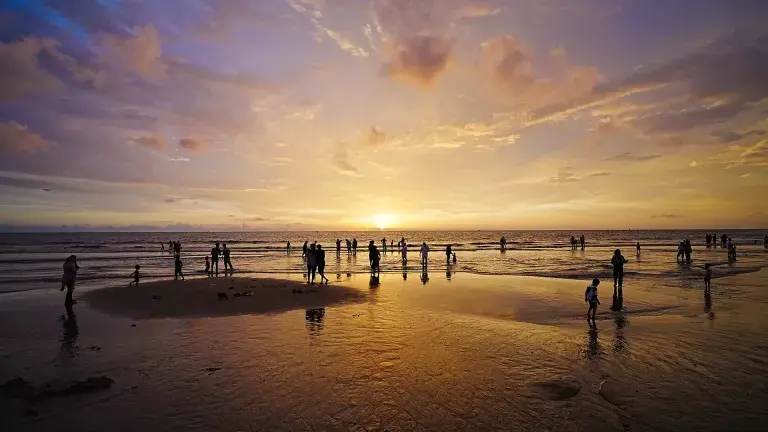
Beaches in Kozhikode: Sunset Views, Heritage & Local Food
Explore the best beaches in Kozhikode (Calicut), from the historic Kappad Beach where Vasco da Gama landed to the vibrant Kozhikode Beach with its famous piers. Discover sunset spots, local food, and practical travel tips.
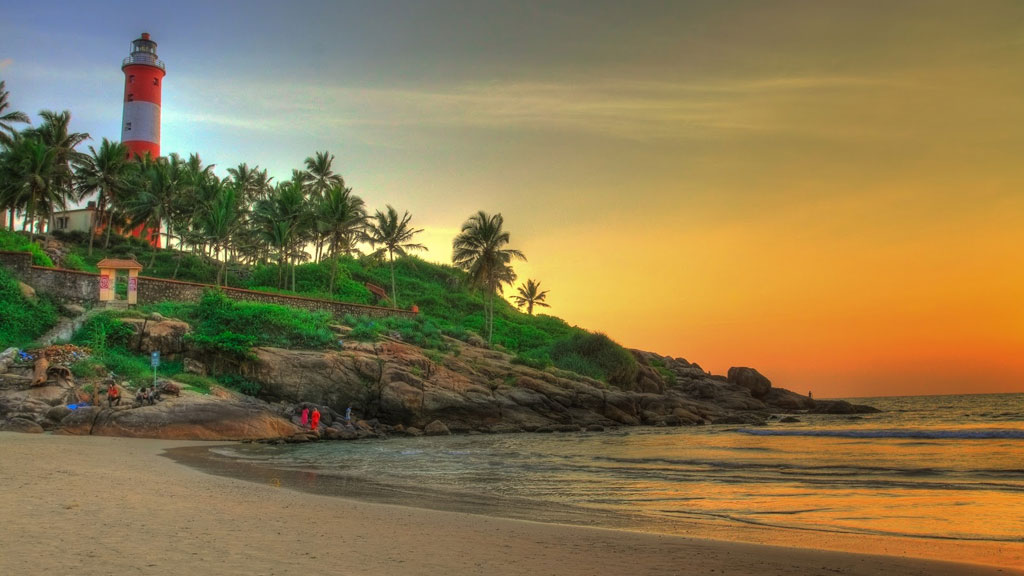
Kovalam: Complete Travel Plan Beaches And Weather
Complete Kovalam travel guide covering 3 beaches (Lighthouse, Hawa, Samudra), best resorts, things to do, water sports, Ayurveda, backwaters day trips, dining, and practical tips. Discover Kerala's premier beach destination.
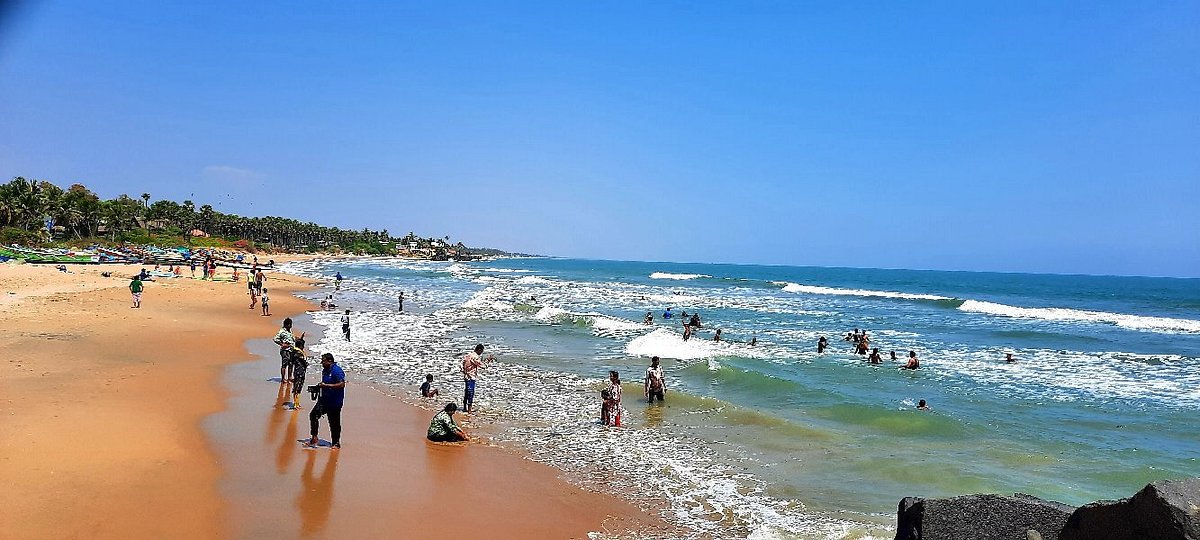
Serenity Beach Puducherry: Sun, Surf & Sand
Serenity Beach Puducherry guide with surfing tips, sunrise spots, nearby attractions, stay options, and practical travel advice for a smooth beach day.
Never Miss an Adventure
Get the latest trekking guides, travel tips, and exclusive offers delivered straight to your inbox.
