
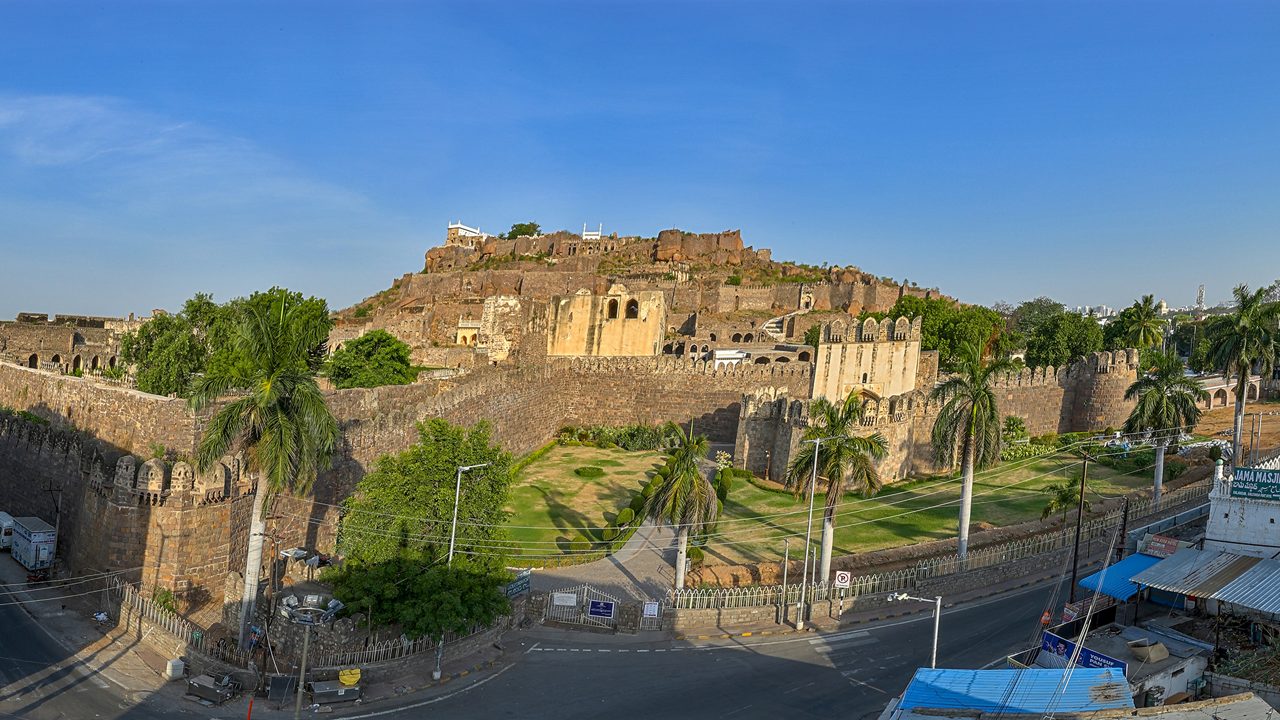
Golconda Fort Hyderabad Guide: Timings, History & Entry Fee

Priya Mehta
February 18, 2026
Explore Golconda Fort Hyderabad: Qutb Shahi masterpiece with famous acoustics, diamond trade history & stunning architecture. Complete guide with timings, fees & tips.
Golconda Fort Hyderabad Guide
Golconda Fort Hyderabad is one of the most important heritage sites in Telangana and a core stop for travelers who want history, architecture, and city views in one visit. The fort is widely known for acoustic engineering, layered defensive planning, and links to the Deccan sultanate era. If you are planning places to visit in Hyderabad, Golconda should be treated as a half-day anchor rather than a short add-on.
Most first-time visitors focus only on the entrance and a few viewpoints. A better approach is to read the monument in sequence: lower defenses, access corridors, inner fort structures, and the high command zones. This gives a clearer understanding of why Golconda mattered politically and militarily.
Why Golconda Fort Was Strategically Powerful
The fort was not built as a single flat complex. It evolved in layers, with each section designed for surveillance, delay, and protection. The hilltop placement gave visual control over surrounding movement, while gateways and internal turns were arranged to slow attackers. This is why Golconda remained difficult to capture for long periods and became a symbol of fortified governance in the region.
Travelers can still see this strategic logic in surviving walls, elevated positions, and zone transitions. Even in partial ruin, the planning intelligence is readable if you move slowly and observe each defensive layer in order.
Architecture Highlights You Should Not Miss
Golconda's architecture blends military design with courtly functionality. You will notice bastions, thick walls, drainage and water systems, and sections used for governance and storage. The monument is less about decorative density and more about structural intent, though many carved details and gateways still carry aesthetic value.
The material palette and construction style also reveal adaptation to local terrain and climate. Instead of seeing the fort as one monument, think of it as a historical urban system spread across elevation levels.
The Famous Acoustic Demonstration
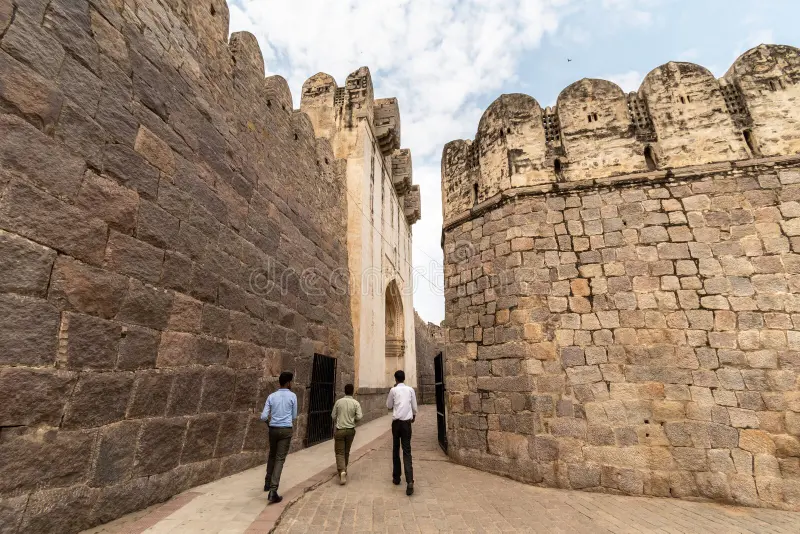
Golconda's acoustic feature is one of its most discussed attractions. The clap point near the entrance and sound transmission toward higher sections demonstrate planning that supported communication and alert systems. This is not a gimmick added later; it reflects practical fort-era intelligence.
To enjoy this experience properly, avoid peak crowd moments where overlapping noise reduces clarity. Early slots usually provide cleaner demonstrations and better concentration for understanding how the system likely functioned in active use periods.
Best Time to Visit Golconda Fort
October to February is usually most comfortable for climbing and prolonged exploration. Summer visits are possible but physically demanding after late morning. If you visit in hot months, start early and carry hydration, cap, and light sun protection.
Weekday mornings are best for low congestion and photography. Late afternoon can also be good, especially if you plan to stay for changing light over city views. Keep one buffer hour for unplanned delays and rest stops.
Timings, Entry, and Practical Duration
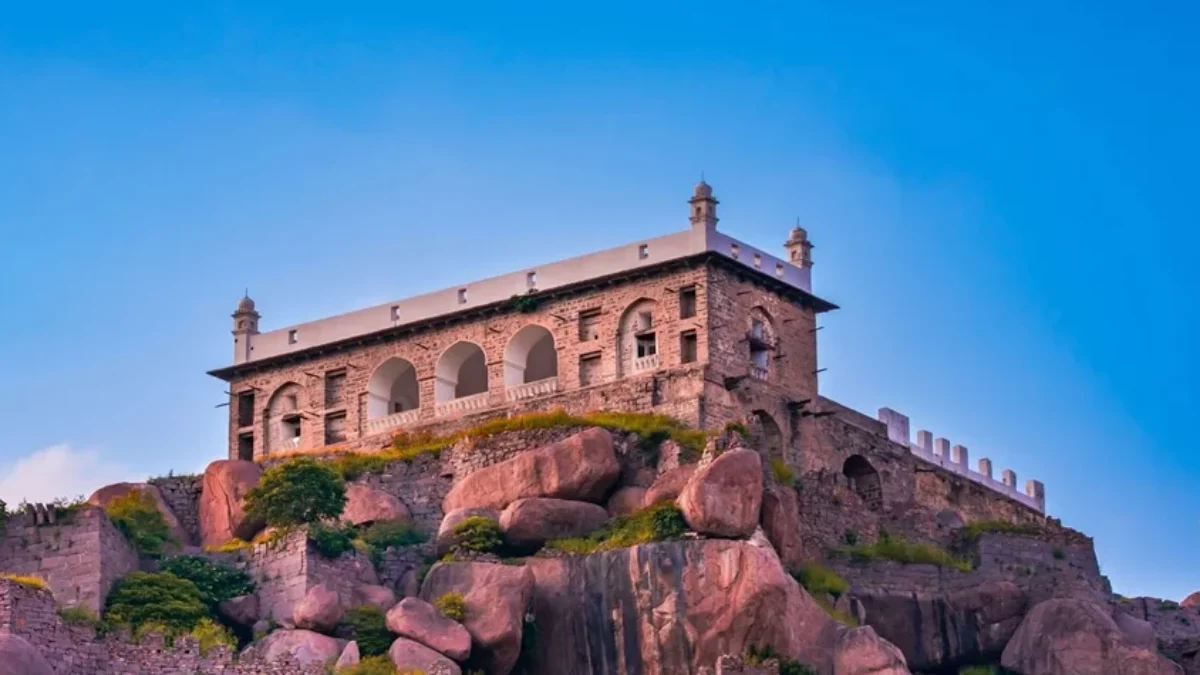
Entry timings and fee categories can change, so confirm current details at official counters or trusted local channels before finalizing your schedule. A realistic duration is 2.5 to 4 hours depending on your pace and climbing comfort.
If you include photography breaks and interpretive reading, keep the longer range. Families with children and elders should build extra rest windows because slope and stair sections can be tiring in warm conditions.
How to Reach Golconda Fort
Golconda is accessible by taxi, app-based cabs, and city road networks from central Hyderabad. Travel time varies by traffic, so avoid tight inter-stop scheduling. A practical plan is to place Golconda in the first half of the day and then move to lower-intensity stops.
You can pair this route with Hussain Sagar Lake and thematic city exploration using hidden gems of Hyderabad after lunch.
Suggested One-Day Golconda-Centered Itinerary
| Time Block | Recommended Plan |
|---|---|
| Morning | Golconda main exploration and acoustic point |
| Midday | Meal break and transfer |
| Afternoon | City heritage or lake segment |
| Evening | Optional fort-area revisit or local market walk |
This model balances physical effort and learning quality. Avoid stacking too many monument climbs in one day.
Photography Tips
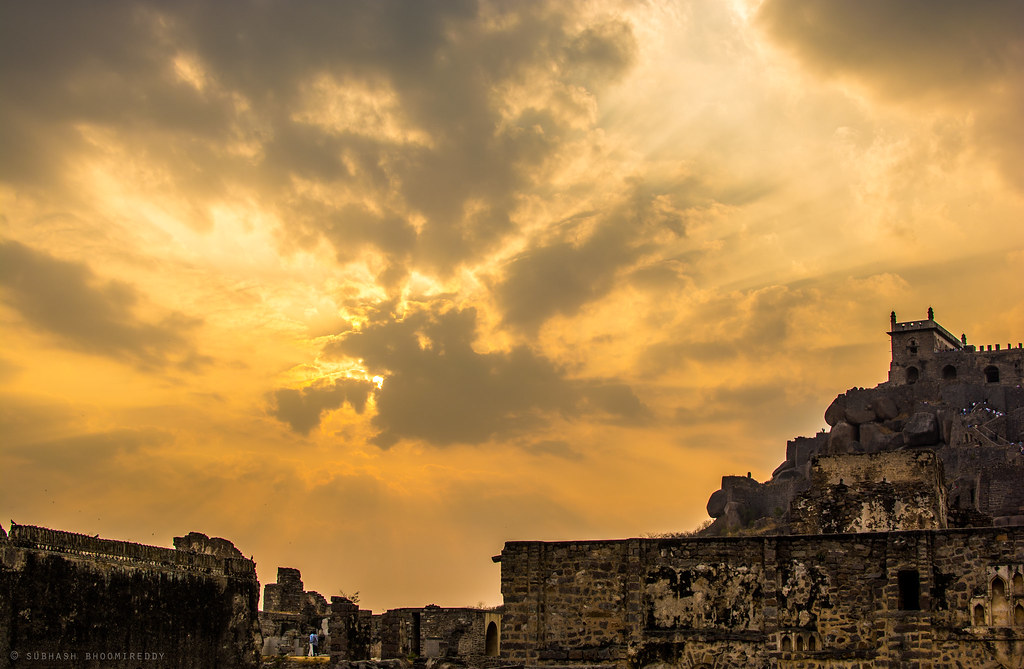
Capture wide exteriors first, then move to medium frames of bastions and gateways, then details like stone textures and circulation paths. In strong daylight, expose carefully to retain highlight detail on pale surfaces. Late light often gives better tonal depth for walls and skyline compositions.
Use stable footing and avoid risky edge framing. Many strong photos can be taken from safer mid-level positions with clean line-of-sight and less crowd obstruction.
Common Mistakes to Avoid
- Treating Golconda as a quick stop and missing upper sections
- Visiting without water and heat planning
- Ignoring acoustic and defensive context
- Scheduling too many same-day long transfers
- Depending on outdated timing information
Most issues are avoidable with one simple rule: keep Golconda as a primary stop, not an afterthought.
Who Will Enjoy This Site Most
Golconda is ideal for architecture learners, history-focused travelers, photographers, and families who can manage moderate walking. It is also useful for repeat Hyderabad visitors who want deeper understanding beyond city-center attractions.
If you want a broader context, compare it with historical places in Hyderabad and build a two-day heritage plan instead of a rushed one-day checklist.
Final Take
Golconda Fort remains one of Hyderabad's highest-value heritage experiences because it combines engineering, history, and urban landscape perspective in one destination. It rewards structured exploration and thoughtful pacing.
Plan your visit with realistic timing, include hydration and rest strategy, and observe the monument as a system rather than isolated ruins. That approach gives the best outcome for both first-time and repeat travelers.
Extended Planning Notes
A common reason travelers under-enjoy this destination is over-compressed scheduling. Heritage exploration improves when you keep transit buffers, climate buffers, and one optional stop instead of forcing fixed minute-level plans. This destination works best when viewed as a contextual experience rather than a checklist item. Use realistic movement assumptions, especially if your group includes elders or children. A slower pace increases observation quality, reduces fatigue, and gives better decision-making for the second half of the day.
For stronger route continuity, pair this guide with hussain sagar lake hyderabad and qutub minar. These internal references help you connect architecture, local culture, and practical movement planning without repeating the same attraction type all day. In multi-stop routes, alternate high-effort and low-effort segments. This keeps energy stable and avoids the common pattern of early enthusiasm followed by rushed final stops.
Advanced Observation Checklist
- Start with macro layout before focusing on details
- Identify what is original, restored, or weathered
- Map movement paths and visitor pressure points
- Use two viewing passes: orientation pass and detail pass
- Take notes on interpretation, not just photos
This method is especially useful for travelers who want meaningful recall after the trip. Without structured observation, even major monuments can blur together. A short note-taking discipline can dramatically improve retention and storytelling quality.
Photo and Timing Strategy
For most locations, first light and late light are best for texture and depth. Midday can still work for documentation shots, but nuanced details are easier to capture in softer directional light. Keep one wide contextual frame, one medium narrative frame, and one close detail frame for each section. This simple three-frame model gives a complete visual record without overshooting.
If crowds are high, wait for flow gaps instead of forcing frames. Patience usually produces cleaner compositions and safer movement. Also avoid physically risky positions for dramatic angles. Strong storytelling images come more from composition discipline than from dangerous viewpoints.
Final Field Guidance
Before ending the visit, verify that you covered primary sections, essential context points, and one reflective pause to synthesize what you observed. If you still have time, use hidden gems of hyderabad to decide your next stop based on effort level rather than popularity alone. This approach improves total trip quality and prevents late-day burnout.
The most successful heritage days are not the busiest ones. They are the ones where you understand the place, remember key details, and finish with enough energy for the next day. Plan accordingly, and this destination will deliver much stronger value.
Location
Frequently Asked Questions
Q1.What are Golconda Fort timings?
Q2.What is the entry fee for Golconda Fort?
Q3.What makes Golconda Fort acoustics special?
Q4.How do I reach Golconda Fort from Hyderabad city?
Q5.What's the best time to visit Golconda Fort?
Q6.How much time is needed to explore Golconda Fort?
Q7.Is Golconda Fort wheelchair accessible?
Q8.What's the story behind Golconda diamonds?
Q9.What are the timings of the Golconda Fort light and sound show?
Q10.Is photography allowed at Golconda Fort?
Recommended For You
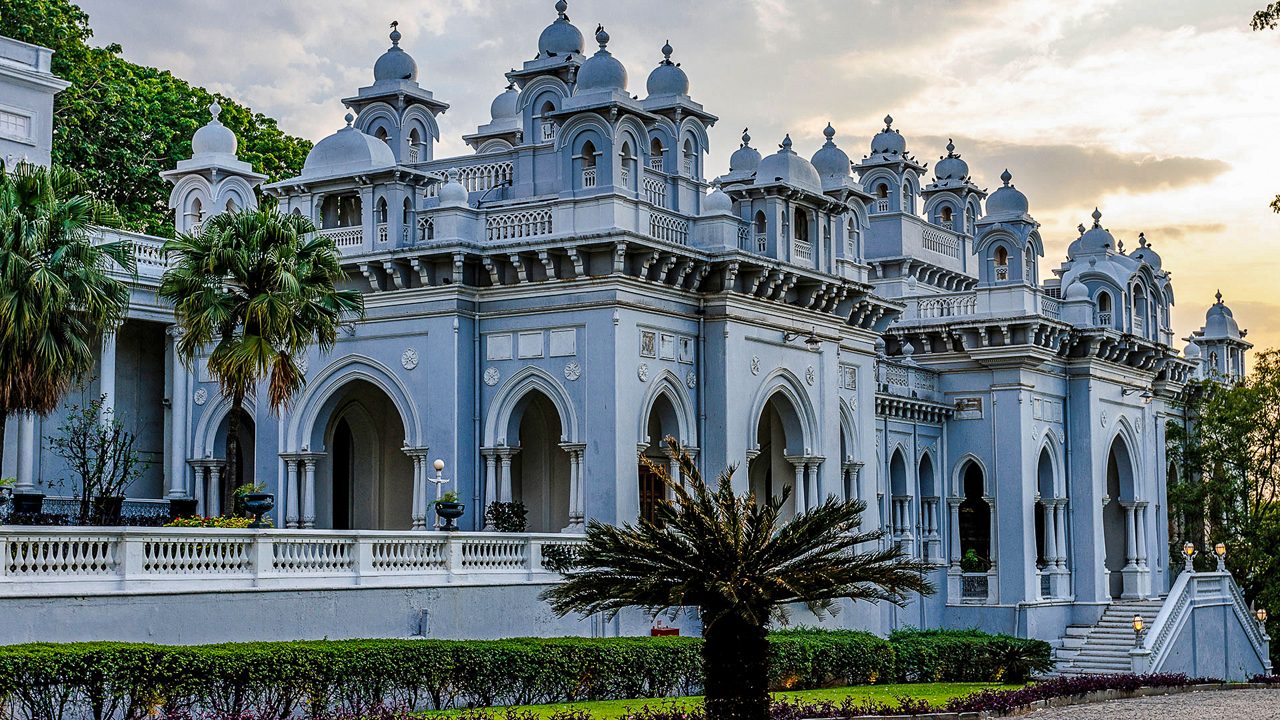
Historical Places in Hyderabad: Top 20 Heritage Sites
Discover best historical places in Hyderabad! Find Charminar, Golconda Fort, Qutub Shahi tombs, and complete heritage guide.
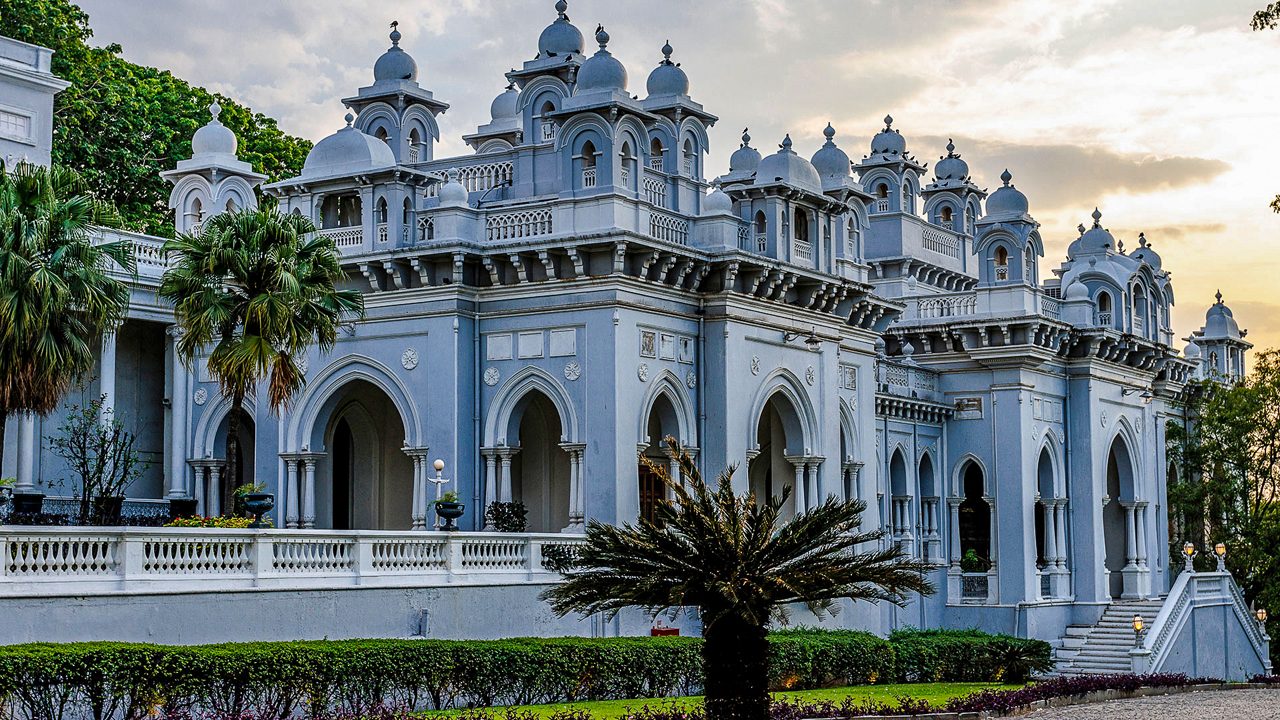
Best Places to Visit in Hyderabad: Heritage Sites, Food & City Icons
Discover the best places to visit in Hyderabad including Charminar, Golconda Fort, Ramoji Film City, Salar Jung Museum, and practical itinerary tips.
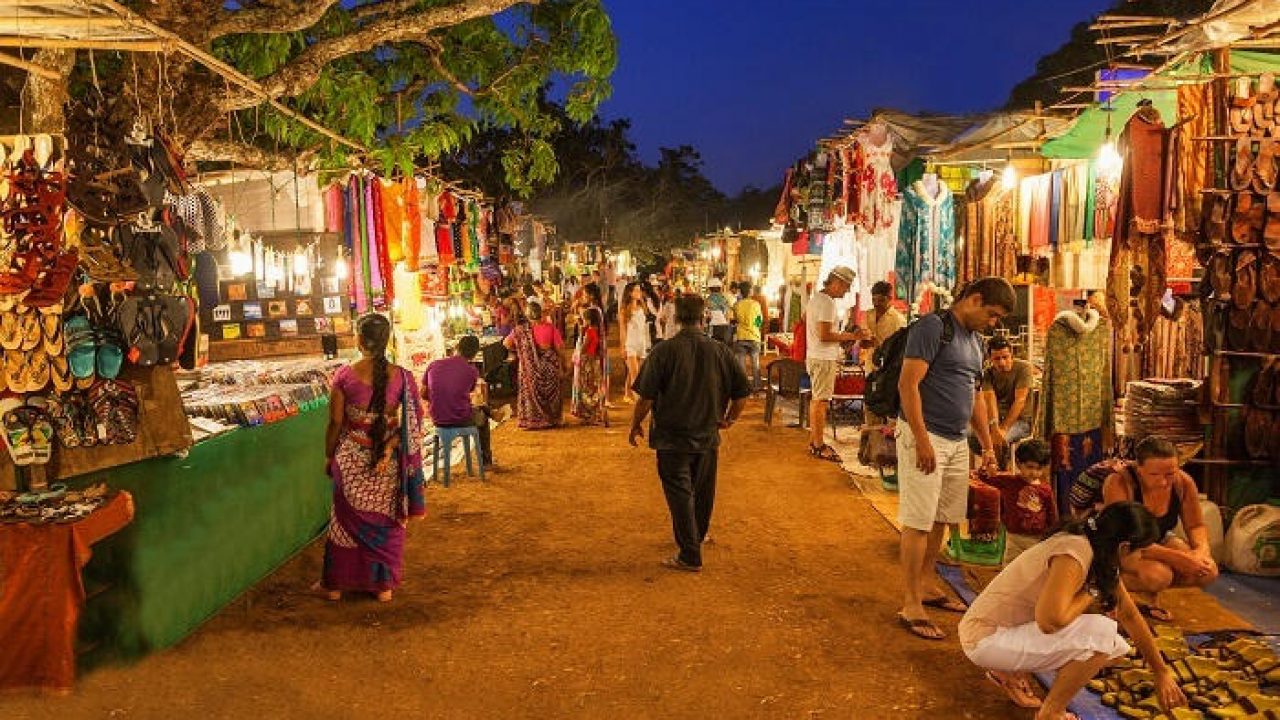
Shopping in Hyderabad: Laad Bazaar, Pearls, Textiles & Local Markets
Discover shopping in Hyderabad with our guide to Laad Bazaar, pearls, lac bangles, textiles, Pochampally ikat, and traditional markets.
Never Miss an Adventure
Get the latest trekking guides, travel tips, and exclusive offers delivered straight to your inbox.
