
Greece vs Egypt: History, Pyramids & Which to Visit

Neha Kapoor
February 20, 2026
Greece vs Egypt: Compare destinations, history, pyramids, ancient monuments, beaches, cost, safety & decide which country is better for your next vacation.
Introduction: Greece vs Egypt – The Ultimate Travel Dilemma
Two of the world's most ancient civilizations, both boasting over 3,000 years of recorded history, both home to iconic monuments that have captivated travelers for millennia. Choosing between Greece and Egypt for your next vacation isn't just about picking a destination—it's about choosing between two fundamentally different travel experiences that shaped human civilization. Greece, the birthplace of democracy, philosophy, and Western civilization, offers sun-drenched islands, ancient ruins perched above turquoise seas, and a Mediterranean lifestyle that celebrates life's simple pleasures. Egypt, land of pharaohs and pyramids, the cradle of one of humanity's greatest civilizations, offers monumental architecture that defies explanation, desert adventures, and the eternal Nile River. This comprehensive comparison will help you decide which destination aligns better with your travel dreams, budget, and interests. We'll dive deep into historical significance, ancient monuments, beaches, cultural experiences, costs, safety, and much more—everything you need to make an informed choice between these two legendary destinations. For travelers interested in exploring other ancient wonders, you might also want to read about historical monuments in Assam or iconic landmarks like the Eiffel Tower.
Quick Comparison: Greece vs Egypt at a Glance
Before diving into the details, here's a quick side-by-side comparison to help you understand the fundamental differences between these two incredible destinations:| Aspect | Greece | Egypt |
|---|---|---|
| History | Ancient Greece, 3,000+ years, birthplace of Western civilization | Ancient Egypt, 5,000+ years, one of world's oldest civilizations |
| Famous For | Philosophy, democracy, mythology, islands | Pyramids, pharaohs, hieroglyphics, Nile |
| Best For | Island hopping, beaches, culture, romance | Monuments, desert adventures, diving, budget travel |
| Daily Budget | €80-150/day (mid-range) | $50-100/day (mid-range) |
| Safety | Very safe, one of Europe's safest countries | Generally safe in tourist areas, some regional advisories |
| Best Time to Visit | April-June, September-October | October-April |
| UNESCO Sites | 18 World Heritage Sites | 7 World Heritage Sites |
| Language | Greek (English widely spoken in tourist areas) | Arabic (English widely spoken in tourist areas) |
| Currency | Euro (€) | Egyptian Pound (EGP) |
| Visa for Indians | Schengen visa required | E-visa available, visa on arrival for Indians |
Historical Significance: Two Civilizations That Changed the World
Greece: The Cradle of Western Civilization
Ancient Greece gave birth to concepts that form the foundation of modern Western society. Democracy was born here in Athens around 508 BCE. Philosophy flourished through thinkers like Socrates, Plato, and Aristotle. The Iliad and Odyssey, epic poems attributed to Homer, became cornerstones of Western literature. Greek history spans several major periods: the Archaic period (800-480 BCE), Classical period (480-323 BCE)—considered the golden age, Hellenistic period (323-31 BCE) following Alexander the Great's conquests, Roman period, Byzantine era, and Ottoman rule before independence in 1821. What makes Greece historically unique is the tangible connection to intellectual achievements. Walking through the Agora in Athens, you're standing where Socrates once taught. Visiting Delphi, you're at the center of the ancient Greek world where the Oracle pronounced prophecies that shaped kingdoms. This is history not just of monuments, but of ideas that continue to influence modern governance, science, art, and philosophy.Egypt: The Gift of the Nile
Ancient Egypt represents one of humanity's first great civilizations, emerging around 3100 BCE when Upper and Lower Egypt were unified under the first pharaoh, Narmer. For over three millennia, Egypt developed sophisticated systems of writing (hieroglyphics), mathematics, astronomy, medicine, and monumental architecture that continues to awe the world today. Egyptian history is divided into major periods: the Old Kingdom (age of pyramid building), Middle Kingdom (period of literature and cultural expansion), New Kingdom (Egypt's imperial age with pharaohs like Ramses II and Tutankhamun), followed by Persian, Greek, Roman, Byzantine, Arab, Ottoman, and British influences until modern independence. The historical significance of Egypt lies in its continuity and monumentality. The Great Pyramid of Giza, built over 4,500 years ago, remained the tallest human-made structure for over 3,800 years. Egyptian religious concepts about the afterlife, mummification, and divine kingship influenced countless later civilizations. Unlike Greece's emphasis on philosophical inquiry, ancient Egypt focused on cosmic order, divine kingship, and preparation for the afterlife.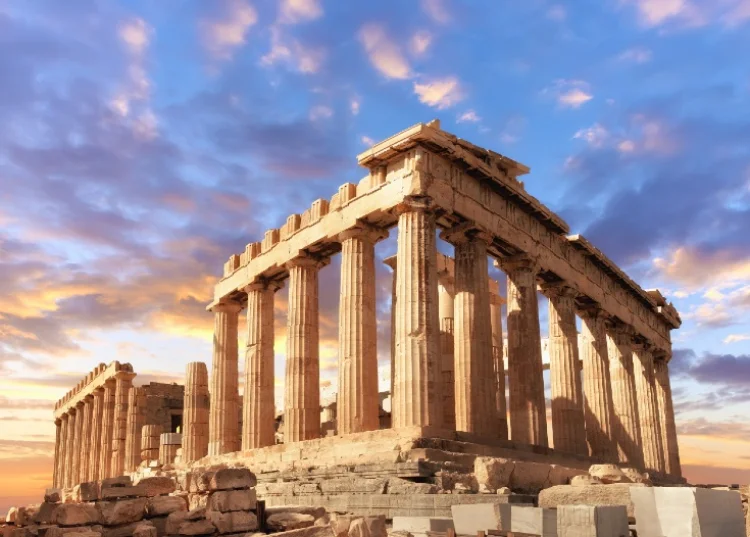
Ancient Monuments: Architectural Marvels Compared
Greece: Ancient Wonders of the Mediterranean
Greece's ancient monuments are characterized by their harmony, proportion, and integration with the natural landscape. Unlike Egypt's colossal structures focused on death and divinity, Greek architecture celebrated human achievement and civic pride. The Acropolis & Parthenon (Athens): The crown jewel of Greek architecture, the Parthenon temple dedicated to Athena was built between 447-432 BCE during the golden age of Pericles. Despite centuries of damage, it remains an enduring symbol of Western civilization's artistic and intellectual achievements. The entire Acropolis complex includes the Propylaea (monumental gateway), Temple of Athena Nike, and the Erechtheion with its famous Caryatid statues. Delphi: Considered the center (omphalos) of the ancient Greek world, Delphi was home to the Oracle of Apollo, whose prophecies influenced major decisions throughout the Greek world for over 1,000 years. The site includes the Temple of Apollo, an ancient theater, a stadium, and treasuries built by various Greek city-states. Knossos Palace (Crete): Europe's oldest city, center of the Minoan civilization (3000-1100 BCE). The palace complex with its 1,300 rooms is associated with the legend of the Minotaur and the labyrinth. It features sophisticated architecture, drainage systems, and vibrant frescoes that showcase a civilization predating Classical Greece by over a millennium. Mycenae: The fortified city of Agamemnon, leader of the Greeks in the Trojan War. The Lion Gate entrance and massive Cyclopean walls (so-called because only mythical Cyclopes were thought capable of moving such stones) date to 1350 BCE and represent the height of Mycenaean civilization. Olympia: Birthplace of the Olympic Games in 776 BCE, held every four years in honor of Zeus. The site includes the Temple of Zeus (once housing one of the Seven Wonders of the Ancient World—the chryselephantine statue of Zeus by Phidias), the original Olympic stadium, and numerous temples and treasuries. Epidaurus Theater: Built in the 4th century BCE, this theater is renowned for its perfect acoustics—someone speaking normally on stage can be heard clearly by all 14,000 spectators. It's still used today for performances, testament to the sophistication of ancient Greek engineering.Egypt: Monuments of Eternity
Egypt's ancient monuments are characterized by their colossal scale, geometric precision, and focus on the afterlife. These structures were built to last for eternity, many successfully achieving that goal. The Pyramids of Giza: The Great Pyramid of Khufu (Cheops), built around 2560 BCE, is the only surviving wonder of the Seven Wonders of the Ancient World. Standing 146 meters tall, it contains an estimated 2.3 million stone blocks averaging 2.5 tons each. The nearby Pyramid of Khafre (Chephren) appears larger due to its higher elevation but is slightly smaller. The Pyramid of Menkaure (Mycerinus), though the smallest of the three main pyramids, is still an impressive 65 meters tall. The complex includes the Great Sphinx, a limestone statue with the body of a lion and head of a pharaoh, carved around 2500 BCE and measuring 73 meters long and 20 meters high. Luxor Temple & Karnak Temple Complex: Located in modern-day Luxor (ancient Thebes), Karnak is the largest religious building ever made, covering over 200 acres. The Temple of Amun-Re alone could fit ten European cathedrals. The Great Hypostyle Hall features 134 massive columns, the largest 21 meters high with a 3-meter diameter. Luxor Temple, connected to Karnak by the Avenue of Sphinxes, was dedicated to the rejuvenation of kingship and is remarkably well-preserved. Valley of the Kings: Burial ground for pharaohs and nobles from the 16th to 11th century BCE. The valley contains 63 known tombs, including the famous Tomb of Tutankhamun (KV62), discovered virtually intact in 1922 by Howard Carter. The tombs are decorated with elaborate paintings and hieroglyphics depicting the journey to the afterlife. Abu Simbel: Two massive rock-cut temples commissioned by Ramses II in the 13th century BCE. The Great Temple features four 20-meter-tall statues of Ramses II at the entrance. In a remarkable feat of modern archaeology, the entire complex was dismantled and relocated 60 meters higher in 1968 to save it from rising Nile waters caused by the Aswan High Dam.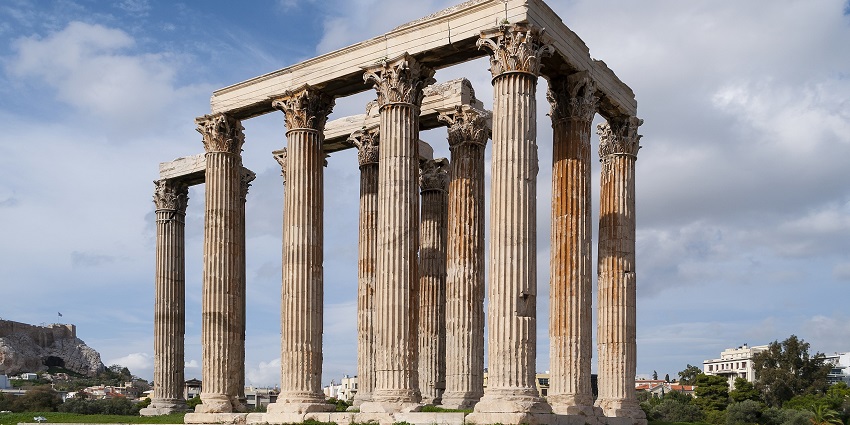
Beaches and Islands: Mediterranean Paradise vs Red Sea Resorts
Greece: Island Hopping Paradise
Greece is home to over 6,000 islands and islets, of which 227 are inhabited. Each island offers a unique character, from the cosmopolitan glamour of Mykonos to the dramatic volcanic landscapes of Santorini, the medieval charm of Rhodes to the untouched beauty of lesser-known islands. Santorini: Perhaps Greece's most iconic island, famous for its caldera views, whitewashed buildings with blue domes, and dramatic sunsets. The beaches are unique: Red Beach with its red volcanic cliffs, Black Beach with black volcanic sand, and White Beach accessible only by boat. The villages of Oia and Fira offer stunning views of the caldera, luxury hotels, and romantic dining. Mykonos: Known as the "Ibiza of Greece," Mykonos offers beautiful beaches like Paradise and Super Paradise, vibrant nightlife, cosmopolitan atmosphere, and the iconic windmills of Mykonos Town (Chora). The nearby archaeological site of Delos, birthplace of Apollo and Artemis in Greek mythology, is a UNESCO World Heritage site. Crete: Greece's largest island offers incredible diversity. Balos Lagoon features turquoise waters and pink sand. Elafonisi Beach is known for its pink-tinged sand from crushed seashells. Vai Beach boasts Europe's largest natural palm forest. Beyond beaches, Crete offers the Minoan palace of Knossos, the dramatic Samaria Gorge hike, and charming Venetian old towns like Chania and Rethymno. Naxos: Less touristy than Mykonos or Santorini, Naxos offers some of Greece's best beaches—Plaka Beach stretches for kilometers, Agios Prokopios offers crystal-clear shallow waters, and the secluded Alyko Beach features cedar trees growing right to the water's edge. The island also boasts the massive Portara (gate to an unfinished Temple of Apollo) and traditional mountain villages. Zakynthos (Zante): Famous for Shipwreck Beach (Navagio Beach), one of the most photographed beaches in the world with a shipwrecked smuggler's boat on white sand beneath towering limestone cliffs. The island also offers the Blue Caves, accessible only by boat, and Loggerhead sea turtle nesting at Laganas Beach. Corfu: Influenced by Venetian, French, and British rule, Corfu offers beautiful beaches like Paleokastritsa with its scenic bays, Canal d'Amour with its rock formations, and Glyfada Beach. Corfu Town is a UNESCO World Heritage site with elegant French-style boulevards and Venetian architecture.Egypt: Red Sea Diving Paradise
While Egypt doesn't offer the island diversity of Greece, its Red Sea coast is world-renowned for some of the best diving and snorkeling on the planet, with coral reefs teeming with marine life. Sharm El Sheikh: Located at the southern tip of the Sinai Peninsula, Sharm El Sheikh is Egypt's premier resort destination. Naama Bay offers restaurants, bars, and shopping, while Shark Bay and Paradise Beach offer relaxation. But the real attraction is underwater—Ras Mohammed National Park offers world-class diving with walls of coral, turtles, dolphins, and countless fish species. The Straits of Tiran offer four coral reefs named after British cartographers (Jackson, Woodhouse, Thomas, Gordon). Hurghada: Once a small fishing village, now Egypt's longest-established resort town. Giftun Islands offer pristine beaches and excellent snorkeling. The area is also a gateway to diving sites in the Red Sea. Diving enthusiasts might also be interested in exploring other island destinations like Havelock Island in the Andamans or Jolly Buoy Island. Unlike Sharm El Sheikh, Hurghada is on the Egyptian mainland, making it more accessible. Dahab: Originally a backpacker and hippie destination, Dahab retains a laid-back, bohemian atmosphere despite growing popularity. The Blue Hole is a world-famous diving site—a submarine sinkhole 130 meters deep, though divers must be cautious as it's one of the most dangerous dive sites in the world due to the "arch" that connects it to open water at 56 meters. The Lighthouse Reef offers easier diving and snorkeling. Marsa Alam: Further south than Hurghada, Marsa Alam offers less crowded diving experiences. Abu Dabbab Beach is famous for sea turtles and dugongs (sea cows). Sataya Reef (Dolphin House) offers opportunities to swim with spinner dolphins. The area is also a gateway to the Wadi el-Gemal National Park. Alexandria: Egypt's second-largest city, located on the Mediterranean rather than the Red Sea, offers beaches like Montaza, Maamoura, and Agami. While the underwater life doesn't compare to the Red Sea, Alexandria offers a unique blend of Egyptian and Mediterranean culture, along with historical sites like the Bibliotheca Alexandrina and the Citadel of Qaitbay.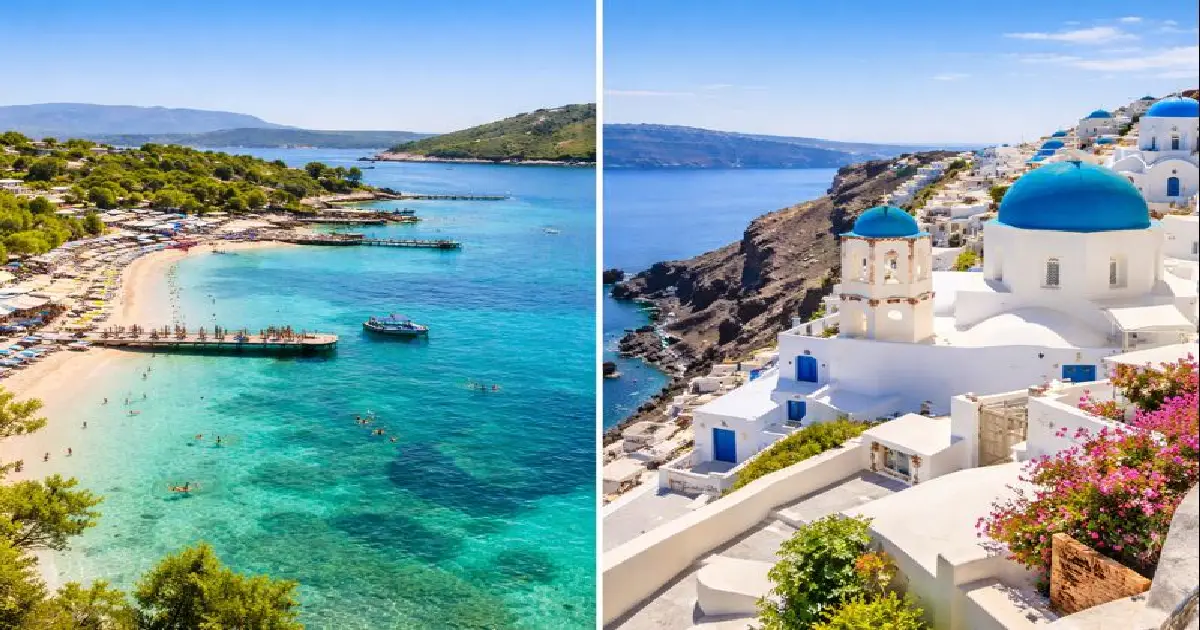
Cultural Experiences: Immersion in Two Ancient Worlds
Greece: Mediterranean Lifestyle and Traditions
Greek culture emphasizes hospitality (philoxenia), family, and enjoying life. The concept of "siga-siga" (slowly, slowly) permeates daily life—meals are meant to be savored, not rushed. Greek Orthodox Easter: The most important religious celebration in Greece, often more significant than Christmas. The entire week leading up to Easter is filled with church services, processions, and traditions. On Easter Sunday, families gather for a feast of roasted lamb (often whole lambs roasted on spits), red-dyed eggs (symbolizing the blood of Christ), and tsoureki (sweet Easter bread). The midnight Saturday service and fireworks are particularly spectacular. Traditional Music and Dance: Greek music features the bouzouki (a string instrument), and regional music varies across the country. Traditional dances like the syrtaki (made famous by the movie "Zorba the Greek"), hasapiko, and kalamatianos are often performed at festivals and celebrations. In island tavernas, you might encounter musicians playing and encouraging diners to join in. Island Life: Life on Greek islands moves at its own pace. Evenings are spent in plateia (squares) at cafes, catching up with neighbors. The afternoon siesta is still observed in many smaller islands and villages. Summer nights are magical with outdoor cinemas, moonlit dinners by the sea, and the sound of cicadas. Greek Cuisine: Recognized as one of the healthiest in the world, Greek cuisine is based on the Mediterranean diet—olive oil, vegetables, fish, grains, and moderate wine. Dishes to try include moussaka (layered eggplant and meat with béchamel), souvlaki (grilled meat skewers), Greek salad (horiatiki with feta, olives, cucumber, tomato, and olive oil), and spanakopita (spinach pie). Each region has its specialties—Crete is known for dakos (rusk with tomato and cheese), while the islands specialize in seafood.Egypt: Crossroads of Civilizations
Egyptian culture is a fascinating blend of ancient Egyptian heritage, Islamic and Arab influences, Coptic Christian traditions, and modern Mediterranean sensibilities. Nile Cruises: A traditional way to experience Egypt, traveling between Luxor and Aswan by felucca (traditional sailboat) or cruise ship allows you to witness rural Egyptian life along the riverbanks—farmers in traditional galabeya robes, water buffalo, children playing, and traditional mud-brick villages. Most cruises stop at temples like Edfu and Kom Ombo along the way. The felucca experience, in particular, offers peaceful sailing with no engine noise, just the sound of wind and water. Bazaars and Souqs: Cairo's Khan el-Khalili bazaar, dating back to the 14th century, offers a chaotic, colorful shopping experience. You can find spices, perfumes, gold, copperware, textiles, and souvenirs. The negotiation process is an art form—expect to pay about 50-60% of the initial asking price after bargaining. Coffee houses (ahwa) are an integral part of the experience, where men (traditionally) gather to smoke shisha, play backgammon, and drink tea or coffee. Islamic Architecture: Egypt has some of the finest Islamic architecture in the world. Cairo's Mosque of Muhammad Ali (in the Citadel) dominates the skyline with its Ottoman-style domes and minarets. The Al-Azhar Mosque (970 CE) is one of the oldest universities in the world. The Madrassa of Sultan Hassan is considered one of the masterpieces of Mamluk architecture. The Coptic Christian quarter (Old Cairo) offers the Hanging Church, Ben Ezra Synagogue, and Coptic Museum. Egyptian Cuisine: Egyptian food is hearty, flavorful, and affordable. Koshary, considered the national dish, is a mix of rice, pasta, lentils, chickpeas, fried onions, and tomato sauce—carb-heavy but delicious. Ful medames (fava beans stewed with herbs) is a breakfast staple, often eaten with baladi bread. Falafel (called ta'ameya in Egypt) is made from fava beans rather than chickpeas. Kushari, hawawshi (bread stuffed with spiced meat), and mahshi (vegetables stuffed with rice) are must-tries. Umm Ali, a bread pudding dessert, is the perfect end to a meal. Bedouin Culture: In Sinai and the Western Desert, Bedouin tribes maintain traditional lifestyles. Bedouin experiences might include dinner in the desert under the stars, tea in a traditional tent, camel treks, or learning about survival in the desert. The Bedouin are known for their hospitality and deep knowledge of the desert.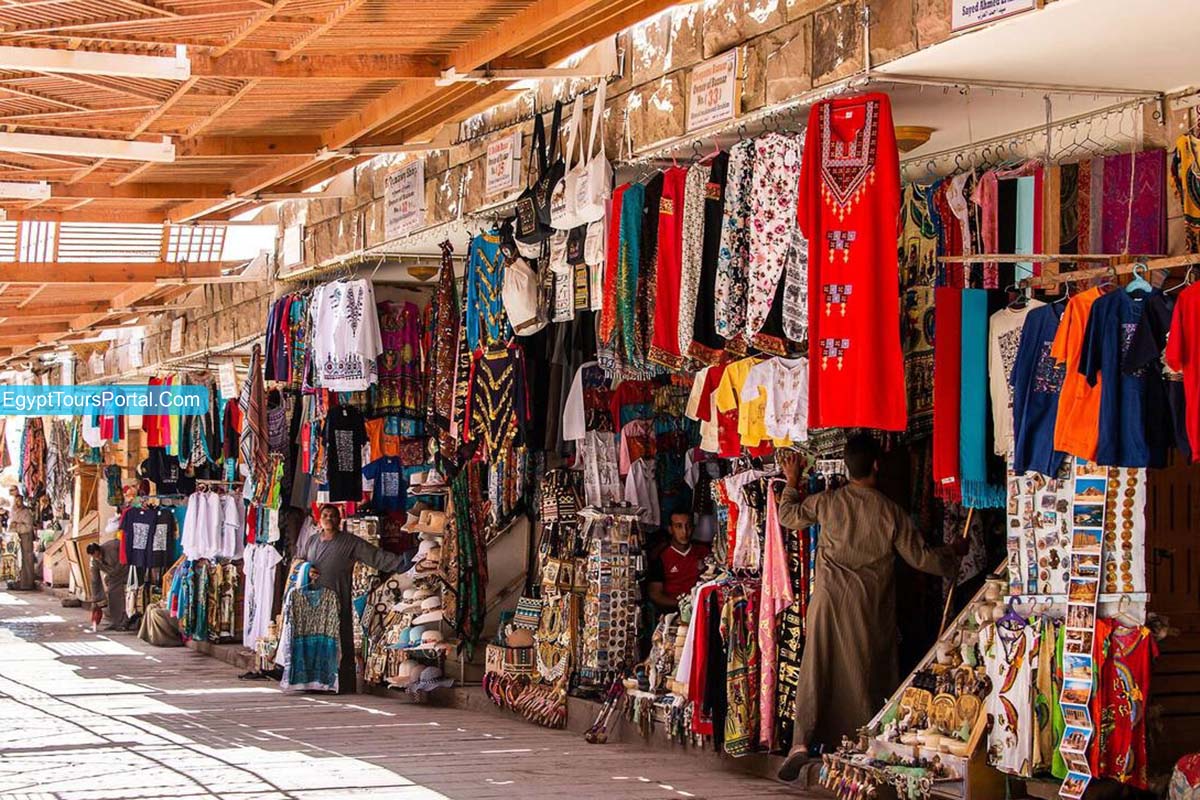
Cost Comparison: Budget Breakdown
When planning a trip to Greece or Egypt, understanding the costs is crucial for budgeting. Generally, Egypt is more budget-friendly than Greece, though prices in both countries vary by season and location.Greece Budget Breakdown
| Expense | Budget (€) | Mid-Range (€) | Luxury (€) |
|---|---|---|---|
| Accommodation (per night) | €30-60 (hostel/budget hotel) | €80-180 (3-4 star hotel) | €200-500+ (luxury resort) |
| Food (per day) | €15-25 (street food, groceries) | €30-50 (tavernas, casual dining) | €80-150+ (fine dining) |
| Transport | €2-3 (Athens metro) | €20-50 (ferry to islands) | €150+ (domestic flights, private transfers) |
| Attractions | €10-20 (most sites) | €20-30 (major sites) | €50+ (guided tours, special access) |
| Daily Total | €50-80 | €100-200 | €300-600+ |
Egypt Budget Breakdown
| Expense | Budget ($) | Mid-Range ($) | Luxury ($) |
|---|---|---|---|
| Accommodation (per night) | $15-30 (hostel/budget hotel) | $40-80 (3-4 star hotel) | $150-400+ (luxury resort) |
| Food (per day) | $5-10 (street food, local eateries) | $15-30 (restaurants) | $50-100+ (fine dining) |
| Transport | $0.30 (Cairo metro) | $10-30 (trains, domestic flights) | $100+ (private tours, domestic flights) |
| Attractions | $5-10 (most sites) | $10-30 (major sites) | $100+ (private guides, special access) |
| Daily Total | $25-40 | $50-100 | $200-500+ |
Best Time to Visit: Weather and Crowds
Understanding the climate and peak travel seasons will help you plan when to visit each destination.Greece: Mediterranean Climate
Spring (April-June): Perhaps the best time to visit. Temperatures are pleasant (15-25°C), wildflowers blanket the countryside, and crowds are thinner than in peak summer. The sea might still be cool for swimming in April, but by June it's perfect. This is ideal for sightseeing, hiking, and island hopping. Summer (July-August): Peak season with hot weather (25-35°C), perfect beach weather, but also the most crowded and expensive. Meltemi winds (strong northern winds) in July and August can disrupt ferry schedules. Accommodation prices can be 30-50% higher than shoulder season. Book well in advance. Autumn (September-October): Similar to spring—warm weather (20-28°C), sea temperatures at their warmest (swimming is excellent), fewer crowds than summer, and lower prices. Wine harvest festivals in September add cultural interest. October particularly lovely—warm but not hot. Winter (November-March): Low season with cooler weather (10-15°C), some rain, and many island hotels and restaurants close. However, Athens and mainland sites remain open, and you'll have major attractions largely to yourself. This is the best time for budget travelers and those interested in cultural sightseeing rather than beach time. Some islands (like Crete) remain accessible and have year-round tourism.Egypt: Desert Climate
Winter (October-April): The peak tourist season. Days are warm (20-25°C), nights can be cool (5-10°C). December to February are the busiest and most expensive months. This is comfortable weather for sightseeing, though popular sites will be crowded. Spring (March-May) and Autumn (September-October): Shoulder seasons with warm to hot weather (25-35°C). Spring can be pleasant, but by May it's getting hot. These months offer fewer crowds than winter peak season and good value for money. Summer (June-September): Extremely hot (35-45°C), especially in Upper Egypt (Luxor and Aswan where temperatures can reach 50°C). This is the low season for tourism to the monuments, though Red Sea resorts remain busy as diving is comfortable. If you must visit in summer, focus on coastal areas and plan sightseeing for early morning. Some monuments offer special night openings in summer. Ramadan: The dates change each year (moving earlier by about 11 days annually). During Ramadan, business hours may be shorter, some restaurants close during the day, and alcohol is harder to find outside hotels. However, it can be a fascinating cultural experience—the festive atmosphere at night (iftar, breaking the fast) is special. Plan accordingly.Food and Cuisine: Mediterranean vs Middle Eastern
Greek Cuisine: Mediterranean Diet at Its Best
Greek cuisine is characterized by fresh ingredients, olive oil (used generously), and simple preparations that highlight natural flavors. It's considered one of the healthiest diets in the world. Must-Try Dishes:- Moussaka: Layered dish of eggplant, minced meat (typically lamb), and tomatoes topped with béchamel sauce. Greece's answer to Italian lasagna.
- Souvlaki: Grilled meat skewers (pork is traditional, but chicken, lamb, or beef are also available). Often served in pita bread with tzatziki, tomatoes, and onions.
- Greek Salad (Horiatiki): Tomato, cucumber, red onion, Kalamata olives, and a slab of feta cheese (not crumbled), dressed with olive oil and oregano. No lettuce—that's not traditional.
- Tzatziki: Yogurt, cucumber, garlic, olive oil, and dill dip. Perfect with bread, grilled meats, or as a sauce.
- Dolmades: Grape leaves stuffed with rice, herbs, and sometimes meat.
- Pastitsio: Baked pasta dish with minced meat and béchamel topping—Greek macaroni and cheese.
- Baklava: Layers of phyllo pastry filled with chopped nuts and sweetened with honey or syrup.
- Greek Yogurt with Honey: Thick, creamy yogurt topped with honey and often walnuts—simple but delicious dessert or breakfast.
Egyptian Cuisine: Flavors of the Middle East
Egyptian food is hearty, filling, and affordable, with influences from Ottoman, Turkish, and other Middle Eastern cuisines, but with distinctive Egyptian character. Must-Try Dishes:- Koshary (Kushari): The national dish—a mix of rice, pasta, lentils, chickpeas, fried onions, and spiced tomato sauce. Carb-heavy but delicious and incredibly cheap ($1-2).
- Ful Medames: Fava beans stewed with oil, garlic, lemon, and spices. A breakfast staple, often eaten with bread and hard-boiled eggs.
- Ta'ameya (Egyptian Falafel): Unlike Middle Eastern falafel made from chickpeas, Egyptian ta'ameya is made from fava beans mixed with herbs, then deep-fried. Green on the inside, crispy outside.
- Hawawshi: Baladi bread stuffed with spiced minced meat, then baked. Egypt's answer to meat pies.
- Mahshi: Vegetables (zucchini, eggplant, peppers, cabbage leaves, or grape leaves) stuffed with rice and sometimes meat, cooked in tomato sauce.
- Molokhia: A green soup made from jute leaves, often served with chicken or rabbit. The texture is mucilaginous (like okra), which some love and others find challenging.
- Fatta: A traditional dish of rice, bread, and meat, often served at celebrations.
- Umm Ali: Bread pudding dessert made with puff pastry, milk, sugar, and nuts—Egypt's answer to bread pudding.
- Kunafa: Sweet pastry made with thin noodle-like dough, soaked in sugar syrup and layered with cheese or cream.
Safety Considerations: Travel with Confidence
Greece Safety
Greece is generally very safe for tourists. It consistently ranks as one of the safest countries in Europe. Crime: Violent crime against tourists is rare. Petty crime (pickpocketing, bag snatching) can occur in crowded areas like Athens Metro, Plaka, or Monastiraki, especially during peak tourist season. Use hotel safes for valuables, don't display expensive jewelry or electronics, and be aware of your surroundings. Political Stability: Greece is politically stable and a member of the European Union. Protests and strikes can occur, particularly in Athens, but they are generally peaceful and usually announced in advance. Avoid large protests if they occur. Transportation Safety: Roads are generally good but can be winding and narrow in mountainous areas. Driving in Athens can be chaotic—consider using public transport or taxis. Ferries are generally safe, though sea conditions can be rough in the Meltemi winds (July-August). Natural Disasters: Greece experiences earthquakes, but most are minor and cause little damage. Forest fires can occur in hot, dry summers (July-August), especially in the Peloponnese and islands. Follow local advice during fire risk periods. Women Travelers: Greece is safe for solo female travelers. Women should expect normal precautions that would apply anywhere—avoid isolated areas at night, be cautious with drinks in bars, etc. Harassment is not common but can occur.Egypt Safety
Egypt's safety situation is more complex. While millions of tourists visit Egypt annually without incident, there are some considerations. Current Situation: Most tourist areas (Cairo, Giza, Luxor, Aswan, Red Sea resorts) are generally safe and have heavy security presence. The Egyptian government takes tourism security seriously, and tourist sites often require passing through metal detectors. Regional Advisories: Check your government's travel advisories. Some areas near borders (Libya, Gaza, Sudan) have travel advisories due to terrorism risk or military operations. The Sinai Peninsula (except Sharm El Sheikh) has had security incidents. Most tourist sites in mainland Egypt and the Red Sea resorts are considered safe. Crime: Violent crime against tourists is rare. Petty crime can occur, particularly in crowded areas like Khan el-Khalili bazaar. The bigger issue is scams—overcharging, unofficial guides, or people trying to sell you things at inflated prices. Agree on prices before accepting services. Harassment: Female travelers may experience unwanted attention, comments, or harassment, particularly in less touristy areas. Dressing modestly (covering shoulders, knees, and cleavage) can help reduce unwanted attention. Ignore catcalls and don't engage. Health: Drink only bottled water. Avoid ice in drinks outside established restaurants. Be cautious with street food if you have a sensitive stomach—make sure it's freshly cooked and served hot. Consider travel insurance that covers medical evacuation. Transportation: Road conditions vary. Driving in Cairo is chaotic and not recommended for first-time visitors. Use seat belts, avoid road travel at night outside cities due to poor lighting and wandering animals. Trains between Cairo, Luxor, and Aswan are generally safe and comfortable.Which Country for Different Travelers?
Choose Greece If You Want:
- Island Hopping and Beaches: Greece offers over 200 inhabited islands, each with unique character, beautiful beaches, and island life. Similar to exploring islands in Malaysia or islands around Singapore, each Greek island offers unique experiences.
- Mediterranean Lifestyle: Long meals, outdoor cafes, evening strolls, and a relaxed pace of life that celebrates simple pleasures.
- Honeymoon Romance: Santorini's sunset views, boutique hotels with caldera views, and romantic restaurants make Greece a top honeymoon destination.
- Ancient Philosophy and Mythology: Walk in the footsteps of Socrates, visit temples to gods and goddesses, and connect with the intellectual foundations of Western civilization.
- Party and Nightlife: Mykonos offers world-class clubs and beach parties, while Athens and other islands have vibrant nightlife scenes.
- Family-Friendly Resorts: Many Greek islands offer family-friendly accommodations, calm beaches, and activities for children.
- Hiking and Outdoor Activities: The Vikos Gorge, Mount Olympus, Samaria Gorge in Crete, and countless other trails offer incredible hiking.
- Sailing and Yachting: Greece is one of the world's premier sailing destinations, with countless bays, islands, and marinas.
Choose Egypt If You Want:
- Ancient Monuments and Pyramids: See the only surviving wonder of the ancient world, tombs of pharaohs, and temples that have stood for millennia.
- Desert Adventures: Sahara desert camping, 4WD adventures, oases, and the stark beauty of Egypt's deserts.
- Diving and Snorkeling: The Red Sea offers some of the world's best diving with coral reefs, shipwrecks, and incredible marine life.
- Budget-Friendly Travel: Egypt offers incredible value—eat well, stay in comfortable accommodations, and see world-class monuments for a fraction of European prices.
- Exotic Culture Shock: Egypt offers a fascinating blend of ancient Egyptian, Islamic, Coptic Christian, and modern Mediterranean influences.
- Photography Opportunities: The contrast of blue sky against desert monuments, golden light on ancient temples, Nile River scenes, and vibrant markets offer endless photographic possibilities.
- Nile River Cruises: A unique way to see Egypt, traveling between Luxor and Aswan, stopping at temples along the way, watching life along the riverbanks.
- Ancient History Buffs: Egypt's history spans over 5,000 years of continuous civilization—no other country offers such a deep look into ancient human achievement.
Final Verdict: Greece vs Egypt – Which is Better?
The question "which is better" depends entirely on what you're seeking from your travels. Both Greece and Egypt offer world-class experiences, but they're fundamentally different destinations. For History: Egypt edges out Greece for sheer antiquity—the Egyptian civilization is 2,000 years older than Classical Greece. However, Greece's historical significance lies in ideas rather than monuments—democracy, philosophy, and artistic achievement that shaped Western civilization. If you're interested in monumental architecture and the mystery of ancient civilizations, Egypt wins. If you're interested in the foundations of Western thought and culture, Greece is unparalleled. For Beaches: Greece wins hands down. While Egypt's Red Sea resorts offer excellent diving and some nice beaches, they can't compete with the variety and beauty of Greek islands—from the caldera views of Santorini to the pink sands of Elafonisi in Crete, the party beaches of Mykonos to the secluded coves of smaller islands. If your primary goal is beach relaxation, island hopping, and coastal beauty, choose Greece. For Budget: Egypt is significantly more affordable than Greece. You can travel very comfortably in Egypt for $50-80/day, while a comparable experience in Greece would cost €100-150/day. Accommodations, food, transportation, and attractions are all cheaper in Egypt. For budget-conscious travelers or those wanting more luxury for less money, Egypt is the clear winner. For Safety: Greece is safer, with very low crime rates and political stability. While Egypt's tourist areas are generally safe, there are regional security concerns and a higher risk of petty crime and scams. For nervous travelers, solo female travelers, or families, Greece offers more peace of mind. For Culture: Both offer unique cultural experiences. Greece offers a relaxed Mediterranean lifestyle, delicious healthy cuisine, and island traditions. Egypt offers the fascinating blend of ancient Egyptian heritage, Islamic culture, Coptic Christian traditions, and modern Arab sensibilities. Neither is objectively "better"—they're just different. For Different Types of Trips:- Honeymoon: Greece (especially Santorini)
- Family Vacation: Greece (safer, more family-friendly resorts)
- Backpacking: Egypt (cheaper, more adventure)
- Luxury Trip: Greece (better luxury infrastructure, especially in islands)
- Adventure: Egypt (desert, diving, unique experiences)
- First International Trip: Greece (easier logistics, safer)
Can You Combine Greece and Egypt in One Trip?
Yes! Many travelers combine both countries in one trip. Direct flights operate between Athens and Cairo (approximately 2 hours), making it easy to visit both. A common itinerary is 7-10 days in Greece (Athens plus a few islands) followed by 7-10 days in Egypt (Cairo, Luxor, Aswan, and perhaps a Red Sea resort). Combining both countries gives you the best of both worlds—Greek island life and Egyptian monuments. Just be aware that you'll need visas for both countries (Schengen visa for Greece, Egyptian visa available on arrival or via e-visa). Whether you choose Greece, Egypt, or both, you're guaranteed an unforgettable journey through two of the world's most fascinating ancient civilizations. Both countries offer warm hospitality, incredible food, and experiences that will stay with you long after you've returned home. The real question isn't which country is better—it's which country calls to you more strongly. Answer that, and you'll have the trip of a lifetime.Frequently Asked Questions
Q1.Which is better Greece or Egypt?
Q2.Is Egypt cheaper than Greece?
Q3.Is Greece safer than Egypt?
Q4.Which has better history - Greece or Egypt?
Q5.Greece vs Egypt for beaches?
Q6.Greece or Egypt for honeymoon?
Q7.Best time to visit Greece vs Egypt?
Q8.Can I combine Greece and Egypt in one trip?
Recommended For You

Best Places to Visit in Dubai: Attractions, Timings & Day Plans
Discover the best places to visit in Dubai. From Burj Khalifa and Dubai Mall to Palm Jumeirah and desert safari - complete Dubai travel guide with tickets, timings & tips.

Disneyland Paris: Complete Guide for Magical Experience
Discover the magic of Disneyland Paris with our complete guide! Learn about tickets, best rides, hotels, ideal visiting times, and insider tips for Europe's most enchanting theme park.

Eiffel Tower Paris Closed: Updates & Reopening
Planning to visit the Eiffel Tower in Paris? Stay updated on unexpected closures, strikes, and maintenance schedules. Learn how to check real-time status, understand refund policies, and discover amazing alternative Paris attractions when the Iron Lady is closed.
Never Miss an Adventure
Get the latest trekking guides, travel tips, and exclusive offers delivered straight to your inbox.
