
Islands in Malaysia: Langkawi, Penang & Top Island Experiences

Rohit Verma
November 23, 2025
Explore the best islands in Malaysia! Discover Langkawi's beaches, Penang's culture, Perhentian's diving, Tioman's marine life, Redang's resorts, and Sipadan's world-class reefs with this complete island hopping guide.
Introduction to Malaysian Islands
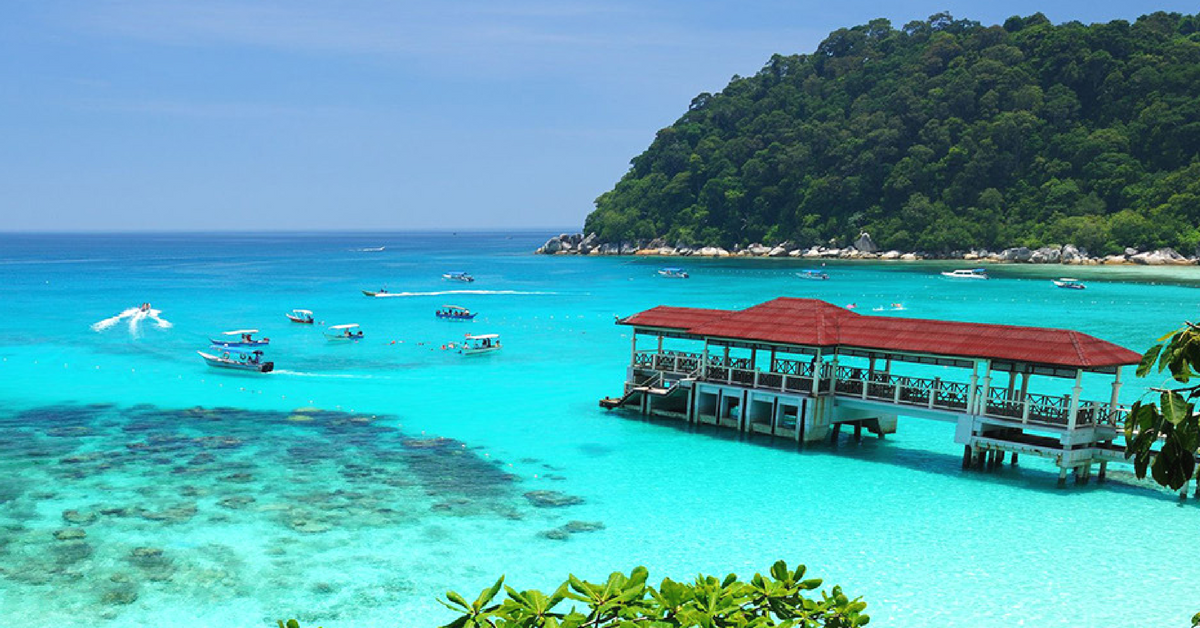
Malaysia boasts 878 islands scattered across the South China Sea and the Strait of Malacca, offering some of Southeast Asia's most stunning tropical paradises. From world-class diving destinations to family-friendly beach resorts, these islands cater to every type of traveler. The diversity is remarkable—you can find duty-free luxury in Langkawi, cultural heritage in Penang, backpacker havens in the Perhentians, and pristine marine ecosystems in Sipadan.
What makes Malaysian islands special is their accessibility combined with natural beauty. Many islands feature modern infrastructure while maintaining authentic charm. The East Coast islands offer some of the world's best coral reefs and diving spots, while West Coast islands provide convenient luxury with cultural attractions. Whether you seek adventure, relaxation, or cultural immersion, Malaysia's islands deliver unforgettable experiences.
This comprehensive guide covers the top seven Malaysian islands, helping you choose the perfect destination based on your interests, budget, and travel style. We'll explore everything from how to reach each island to the best activities, beaches, and practical travel tips.
Langkawi Island
Overview
Langkawi, officially known as Langkawi the Jewel of Kedah, comprises 99 islands in the Andaman Sea. This duty-free island archipelago sits near Thailand's border and has become one of Malaysia's most popular tourist destinations. The main island, Pulau Langkawi, offers developed infrastructure while maintaining natural beauty, making it perfect for families, couples, and adventure seekers alike.
The island's duty-free status means shopping for chocolate, alcohol, and electronics is significantly cheaper than mainland Malaysia. Beyond shopping, Langkawi captivates visitors with its cable car offering panoramic views, pristine beaches, mangrove forests, and relaxed island atmosphere. The government has carefully balanced tourism development with environmental conservation, resulting in a destination that feels both comfortable and unspoiled.
Top Beaches in Langkawi
Pantai Cenang: The most popular and developed beach on Langkawi, Pantai Cenang stretches for two kilometers along the island's western coast. This vibrant beach buzzes with energy—water sports operators offer jet skiing, parasailing, and banana boat rides, while beach bars and restaurants line the shore. The sunset views here are legendary, with crowds gathering nightly to watch the sky transform. Accommodation ranges from budget guesthouses to luxury resorts, making it suitable for all travelers. The shallow waters and gentle waves make it safe for swimming, though weekends can get crowded with locals.
Tanjung Rhu: For tranquility seekers, Tanjung Rhu offers a completely different experience. This pristine beach on Langkawi's northern coast features crystal-clear waters, limestone formations, and mangrove forests. Unlike the developed Pantai Cenang, Tanjung Rhu remains peaceful with minimal commercialization. The beach accesses some of Langkawi's most exclusive resorts, but day visitors can still enjoy the area. Take a mangrove tour from here to discover hidden lagoons, eagle watching spots, and fascinating limestone caves. Low tide reveals sandbars extending far into the sea, creating unique walking opportunities.
Datai Bay: Nestled between lush rainforest hills, Datai Bay boasts what many consider Langkawi's most beautiful beach setting. The bay houses luxury resorts but remains accessible to day visitors who arrive by boat or trek through the jungle. The coral-rich waters offer excellent snorkeling, and the surrounding rainforest is home to diverse wildlife including dusky leaf monkeys and hornbills. This is the perfect choice for nature lovers willing to venture beyond the main tourist areas.
Must-Do Activities in Langkawi
Langkawi Cable Car & Sky Bridge: This 2.2-kilometer cable car ride ranks as Langkawi's most popular attraction for good reason. The ascent to Mount Mat Cincang (708 meters) offers increasingly spectacular views of the islands, Andaman Sea, and even Thailand on clear days. At the top, the Sky Bridge—a 125-meter curved pedestrian bridge—suspends visitors above the treetops for thrilling vistas. The best time to visit is early morning or late afternoon to avoid crowds and catch optimal lighting. Consider purchasing the Express Pass to skip queues, which can exceed one hour during peak season.
Kilim Geoforest Park Mangrove Tour: This UNESCO-listed geopark showcases Langkawi's incredible geological diversity. Boat tours navigate through mangrove forests, limestone formations, and sea stacks sculpted by millions of years of natural processes. Highlights include watching Brahminy kites and sea eagles being fed, exploring bat caves, and visiting a floating fish farm. The tours typically last 2-3 hours and depart from various jetties around the island. Choose a small-group tour for a more intimate experience, and opt for sunset tours when the limestone formations glow golden in the evening light.
Underwater World Langkawi: Malaysia's largest aquarium features over 6,000 marine and freshwater species across a massive 60,000-square-foot facility. The highlight is the underwater tunnel—15 meters long—where sharks, rays, and giant groupers swim overhead. It's particularly popular with families and offers educational value about marine ecosystems. The aquarium also features a penguin house, tropical rainforest section, and touch pools. Combine this with other attractions in the Oriental Village area for a full day of family-friendly activities.
How to Reach Langkawi
By Air: Langkawi International Airport (LGK) receives direct flights from Kuala Lumpur (50 daily flights, 1 hour 15 minutes), Singapore (1 hour 40 minutes), and seasonal connections from other regional cities. The airport sits 15 minutes from the main beach areas, and taxis or Grab cars are readily available. Flying offers the most convenient access, especially if you're arriving from outside Malaysia.
By Ferry: Regular ferries connect Langkawi to Kuala Kedah (1 hour 45 minutes), Kuala Perlis (1 hour 15 minutes), and Penang (2 hours 45 minutes). Ferry travel is cheaper than flying but takes significantly longer. The ferry terminal in Langkawi is at Kuah Jetty, from where you can catch taxis to beach areas. Note that ferry schedules can be affected by weather conditions, especially during monsoon season. Check our guide to beaches in Malaysia for more travel information.
Best Time to Visit: November to April offers the driest weather and calmest seas, ideal for beach activities and island hopping. January and February are particularly popular months. May through October sees more rainfall, but showers are usually short and the island remains fully operational year-round.
Penang Island
Overview
Penang Island, often called the Pearl of the Orient, offers Malaysia's most fascinating blend of beaches, culture, and cuisine. The capital, George Town, holds UNESCO World Heritage status for its well-preserved colonial architecture and unique cultural heritage. Unlike typical island destinations, Penang combines the appeal of tropical beaches with one of Southeast Asia's most charismatic cities. Food lovers particularly flock here—Penang is widely considered Malaysia's culinary capital.
The island's history as a British trading port created a multicultural society where Malay, Chinese, Indian, and European influences blend seamlessly. This diversity manifests in everything from architecture to religious sites to, most notably, food. Beyond George Town's cultural attractions, the island's northern coast offers beach resorts at Batu Ferringhi, while the interior reveals traditional villages, spice gardens, and fruit orchards. Penang provides a more comprehensive travel experience than typical beach destinations.
George Town Highlights
Street Art: George Town's street art scene has become legendary since Lithuanian artist Ernest Zacharevic created his first mural here in 2012. Today, over 30 artworks—both murals and steel rod sculptures—dot the UNESCO core area. The most famous include "Boy on Chair," "Kids on Bicycle," and interactive pieces that let visitors become part of the art. Pick up a street art map from the tourist center and explore on foot or bicycle. The art is scattered among heritage shophouses, making the hunt itself an enjoyable way to discover George Town's architecture. Armenian Street and Lebuh Muntri are particularly rich in artworks.

Heritage Buildings: George Town boasts one of Southeast Asia's largest collections of pre-war buildings. The Cheong Fatt Tze Mansion (Blue Mansion) exemplifies 19th-century Chinese courtyard architecture and offers guided tours. The Pinang Peranakan Mansion showcases the unique Peranakan culture that emerged from Chinese-Malay intermarriage. Clan jetties along the waterfront are entire villages built on stilts, occupied by Chinese clans for generations. Khoo Kongsi, with its elaborate clan house, represents Chinese craftsmanship at its finest. Many of these buildings require small entrance fees but offer immense cultural value.
Religious Sites: Penang's religious diversity manifests in spectacular sites like Kek Lok Si Temple, Southeast Asia's largest Buddhist temple complex. Built on a hillside, the temple features a seven-story pagoda, giant statue of the Goddess of Mercy, and thousands of Buddha images. The Kapitan Keling Mosque represents Islamic architecture, while St. George's Church is Southeast Asia's oldest Anglican church. The Goddess of Mercy Temple on Pitt Street is one of the oldest Chinese temples in Penang. These sites reflect the island's multicultural harmony and are generally free to visit.
Penang Beaches
Batu Ferringhi: This 2-kilometer beach on Penang's north coast serves as the island's main tourist beach area. While the sand and water don't match Thailand's best beaches, Batu Ferringhi offers convenient beach access with developed infrastructure. Water sports operators provide jet skis, parasailing, and banana boats. The real highlight is the night market that runs daily from evening till late, selling everything from souvenirs to clothing to street food. Luxury resorts line the beach, while budget options exist just inland. The beach is suitable for swimming, though water quality varies seasonally.
Tanjung Bungah: Located between George Town and Batu Ferringhi, Tanjung Bungah offers a more local and quieter beach experience. The beach is smaller and less developed, appealing to those who want to escape Batu Ferringhi's crowds. Several floating seafood restaurants sit just offshore, accessible by short boat rides—these offer unique dining experiences with sunset views. The area also features a popular water sports center and several mid-range hotels. It's an excellent base if you want to be close to both beaches and George Town.
Penang Food Scene
Penang's food reputation is well-earned—the island offers some of Southeast Asia's best street food and hawker cuisine. Must-try dishes include Penang assam laksa (spicy fish-based noodle soup, often voted Malaysia's best dish), char kway teow (stir-fried rice noodles with cockles, egg, and Chinese sausage), nasi kandar (rice with various curries, originally from Penang's Indian-Muslim community), and rojak (fruit and vegetable salad with tamarind sauce).
Best eating areas include Gurney Drive Hawker Centre (tourist-oriented but convenient), Chulia Street (backpacker area with excellent street food), New Lane Hawker Centre (evening only, very authentic), and various coffee shops throughout George Town. Don't miss Penang's unique style of coffee—white coffee roasted with margarine. Food is incredibly affordable, with most hawker dishes costing RM 5-10.
How to Reach Penang
By Air: Penang International Airport (PEN) receives direct flights from Kuala Lumpur (50 minutes), Singapore (1 hour 20 minutes), Bangkok, and several other regional cities. The airport is 20 minutes from George Town by taxi or Grab. Flying is the most convenient option for international visitors.
By Ferry: Ferries connect Penang to Langkawi (2 hours 45 minutes) and Butterworth on the mainland (20 minutes). The ferry terminal is in George Town, making it convenient for city exploration. The Langkawi ferry runs twice daily but can be canceled in rough weather.
By Road: The Penang Bridge (13.5 km) connects the island to mainland Malaysia. Driving from Kuala Lumpur takes approximately 4-5 hours via the North-South Expressway. There's a toll charge for using the bridge. This option gives you flexibility to explore by car.
Perhentian Islands
Overview
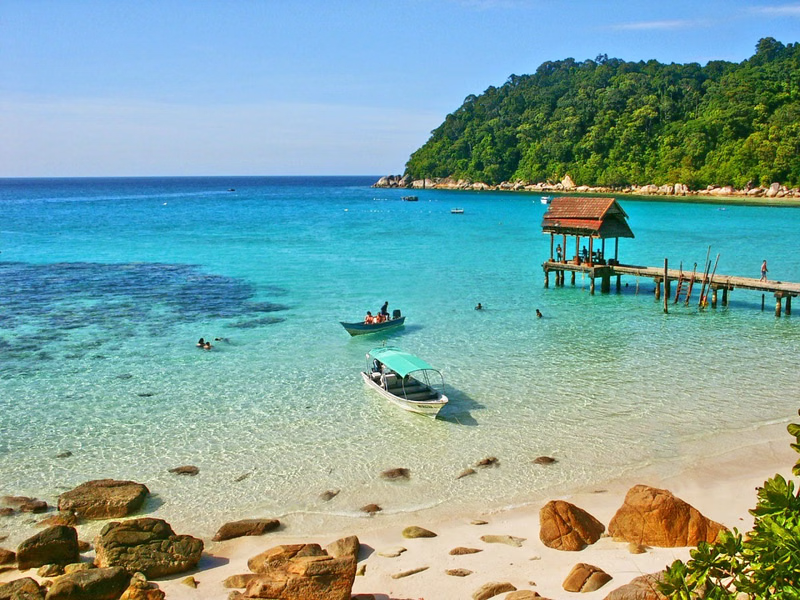
The Perhentian Islands comprise two main islands—Perhentian Besar (Big Island) and Perhentian Kecil (Small Island)—located off Malaysia's East Coast. These car-free islands offer a tropical paradise atmosphere with some of Malaysia's best snorkeling and diving. The name "Perhentian" means "stopping point" in Malay, referring to the islands' historical role as a trading stopover.
What makes the Perhentians special is their undeveloped, back-to-nature character. There are no roads, only jungle paths connecting beaches. Electricity runs on generators and is available only certain hours. This simplicity is part of the charm—you come here for nature, not luxury. The islands are surrounded by coral reefs teeming with marine life, including sea turtles, reef sharks, and colorful fish. This is a destination for travelers who want to disconnect from modern life and reconnect with nature.
Perhentian Besar vs. Perhentian Kecil
Perhentian Besar (Big Island): Despite the name, Besar is actually quieter and more spread out than Kecil. It features several mid-range to upscale resorts, making it better for families and couples who want comfort. The main beaches include Coral Bay (excellent snorkeling, relaxed atmosphere), Teluk Pauh (quiet, good resorts), and Pasir Kerangi (secluded, beautiful). Beaches here are generally cleaner and less crowded. Accommodation tends toward proper resorts rather than backpacker huts. Diving schools operate on the island, but the nightlife scene is much quieter than Kecil's.
Perhentian Kecil (Small Island): This is the backpacker party center of the Perhentians. Long Beach, the main strip, features budget accommodation, beach bars, restaurants, and a social atmosphere. It's where backpackers congregate, making it easy to meet people. Coral Bay on Kecil's east coast is quieter with better snorkeling but less social energy. Other beaches like Mira and D'Lagoon offer seclusion but require boats or jungle treks to reach. Kecil is where you come if you want affordable accommodation, social vibes, and easy access to diving schools.
Top Activities in Perhentian Islands
Scuba Diving: The Perhentians offer over 20 dive sites suitable for all levels, from beginner-friendly reefs to challenging drift dives. The islands are known for reliable sea turtle sightings—green and hawksbill turtles are common encounters. Popular dive sites include Sugar Wreck (a sunken shipwreck teeming with fish), Temple of the Sea (advanced site with swim-throughs), and Shark Point (where you can see blacktip reef sharks). Several PADI dive schools operate on both islands, offering discover scuba experiences for beginners (RM 150-200) and full open water certification courses (RM 1,000-1,200). Fun dives cost RM 100-150 per dive, often with discounts for multi-dive packages. Visibility typically ranges from 10-20 meters, best from March to October.
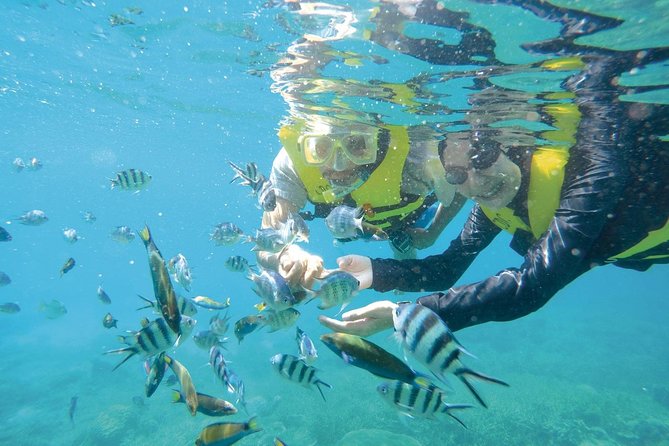
Snorkeling: Even non-divers can experience the Perhentians' incredible marine life through snorkeling. Tour boats visit multiple sites daily, with shark sightings almost guaranteed. Turtle Beach is famous for encounters with sea turtles, which come close to shore to feed on seagrass. Shark Point lives up to its name with small reef sharks patrolling the shallows. Coral gardens around both islands feature hard and soft corals, clownfish, parrotfish, and countless other reef inhabitants. Snorkeling tours typically visit 3-4 sites and cost RM 50-80, including mask, snorkel, and fins. The water is warm year-round (28-30°C), making for comfortable extended sessions. Note that jellyfish can be present—ask your guide about conditions and consider wearing a stinger suit.
Island Hopping: Most visitors take at least one boat tour around both islands. These tours stop at various beaches, snorkeling spots, and viewpoints. Highlights include visiting the secluded beaches of Perhentian Besar's east coast, seeing the bats at Teluk Dalam (a lagoon filled with fruit bats at sunset), and jumping from the boat at popular spots. Some tours include kayaking, allowing you to explore hidden coves and sea caves. Tours are flexible—you can often customize the itinerary based on your interests. Full-day tours include lunch on a beach, while half-day tours focus on snorkeling. Boat charters are available if you prefer privacy.
How to Reach Perhentian Islands
Step 1 - Reach Kuala Besut: The jumping-off point for the Perhentians is Kuala Besut jetty in Terengganu state. From Kuala Lumpur, direct buses take 7-8 hours (overnight buses are popular). From Penang, buses take approximately 5-6 hours via the East Coast Expressway. From Kota Bharu, it's a 1-hour taxi or local bus ride. Most people arrive by bus—tickets can be booked online or through travel agents in KL or Penang. Consider arriving in Kuala Besut the night before your ferry to catch the first morning boat.
Step 2 - Ferry to Islands: Speedboats operate from Kuala Besut jetty to both Perhentian islands, taking approximately 30 minutes. Boats run when full rather than on fixed schedules, typically from 8:00 AM to 5:00 PM. The fare is RM 25-30 one-way for tourists (locals pay less). Boats drop at various beaches—you need to specify your accommodation when buying tickets. During monsoon season (November-February), ferry service can be disrupted by rough seas. Many resorts close during this period, so check availability before traveling.
Best Time to Visit: March to October offers the best weather and sea conditions. July and August are peak months with calm seas and great visibility. Avoid November to February when the monsoon season brings rough seas, rain, and many resort closures.
Tioman Island
Overview
Tioman Island sits in the South China Sea off Malaysia's East Coast, approximately 32 kilometers from the mainland. This volcanic island achieved fame when Time Magazine named it one of the world's most beautiful islands in the 1970s. While development has increased since then, Tioman retains much of its natural charm with rainforest-covered mountains, pristine beaches, and excellent snorkeling and diving.
The island's dramatic landscape features two prominent peaks—Gunung Kajang (1,038 meters) and Dragon Horns—which create stunning backdrops to the beaches below. Unlike the Perhentians, Tioman has roads and villages, giving it a slightly more developed feel. The island was once famous for being the fictional Bali Hai in the 1958 movie "South Pacific," and old-timers still reference this connection. Tioman offers a good balance between accessibility and natural beauty, making it suitable for various traveler types.
Best Beaches in Tioman
Salang Beach: Located on Tioman's west coast, Salang Beach serves as the main tourist area and most developed beach. The beach features a long stretch of sand lined with resorts, restaurants, and dive centers. The shallow reef just offshore offers excellent snorkeling—you can swim from the beach and see coral, clownfish, and sometimes turtles. The vibe here is social and energetic, making it popular with backpackers and independent travelers. Several walking tracks lead from Salang to other beaches and viewpoints. This is where most ferries drop off, making it a convenient base.
Juara Beach: On Tioman's east coast, Juara Beach offers a completely different experience. This wide, pristine beach faces the open South China Sea and is much less developed than Salang. It's one of the most important turtle nesting sites in Malaysia, with conservation projects protecting the nesting grounds. The village behind the beach maintains a traditional Malay character. Access requires either an adventurous 4WD drive over the mountains or a boat ride around the island. If you seek isolation and are interested in turtle conservation, Juara is worth the journey. Note that the east coast can have rougher seas and stronger currents.
Air Batang Beach (ABC): Located just north of Salang, Air Batang offers a middle ground—more relaxed than Salang but with better facilities than remote beaches. The beach features several mid-range chalet resorts and a handful of restaurants. Snorkeling directly offshore is decent, and it's easy to walk to Salang for more options. This area appeals to couples and families who want convenience without Salang's party atmosphere.
Activities and Marine Life
Diving and Snorkeling: Tioman's Marine Park status protects its coral reefs, which feature diverse hard and soft corals, sea turtles, reef sharks, barracuda, and countless reef fish. Popular dive sites include Tiger Reef (advanced drift dive with pelagic fish), Chebeh Island (coral gardens and possibilities of seeing whale sharks), and the Japanese shipwreck (from WWII). Several PADI dive schools operate primarily from Salang and ABC. Discover scuba experiences cost RM 150-200, while fun dives run RM 100-150 per dive. Snorkeling tours visit multiple sites for RM 60-80. The best diving is from March to October when visibility can reach 20 meters.
Hiking: Tioman's jungle interior offers excellent hiking opportunities. The most popular trail crosses the island from Tekek to Juara, taking approximately 3-4 hours through rainforest and over the central mountains. This trail can be done independently or with a guide who can point out wildlife and plants. Other hikes include climbing to Gunung Kajang summit (2-3 days with guide), waterfalls near Kampung Juara, and shorter nature walks around various villages. Proper hiking shoes are recommended—trails can be muddy and slippery. The jungle is home to mouse deer, macaques, monitor lizards, and diverse birdlife including hornbills.
Waterfall Visits: Tioman has several waterfalls worth visiting, particularly Asah Waterfall on the west coast. The falls require either a boat ride followed by a jungle trek or a challenging overland hike. The reward is a beautiful waterfall cascading into a swimming hole—perfect for cooling off after hiking. Other waterfalls include Mukut Falls near the village of the same name, accessible by boat. Waterfall visits are often combined with island hopping tours.
How to Reach Tioman
By Ferry: Most visitors reach Tioman by ferry from Mersing jetty in Johor. The journey takes 1.5-2 hours depending on which beach your ferry serves. Bluewater Ferry operates several daily departures, but schedules change based on tides and weather. Book online in advance during peak season. Ferry tickets cost approximately RM 35-50 one way plus a RM 5 Marine Park conservation fee. Ferries can be canceled in rough seas, particularly during the December-February monsoon season. From Singapore, buses connect to Mersing (approximately 3-4 hours), making it possible to reach Tioman in a day.
By Flight: Tioman has a small airport with flights from Subang (near Kuala Lumpur) and Singapore. Berjaya Air operates these flights using propeller planes. The flight takes approximately 45 minutes from KL and 1 hour 15 minutes from Singapore. Flying is much faster than ferry but significantly more expensive and subject to weather cancellations. The airport is at Tekek, from where you need ground transport to other beaches. Flight schedules change seasonally—check current availability before planning.
Best Time to Visit: March to October offers calm seas, good visibility, and reliable ferry service. The period from April to June is particularly good. Avoid November to January when the northeast monsoon brings rough seas and many businesses close. February can be transitional—check conditions before traveling.
Redang Island
Overview
Redang Island, located in Terengganu state approximately 45 kilometers from the mainland, is one of Malaysia's most beautiful islands. Together with eight smaller islands, Redang forms a Marine Park protected area, ensuring its coral reefs and marine life remain pristine. The island is famous for crystal-clear waters, white sand beaches, and some of the best snorkeling in Peninsular Malaysia.
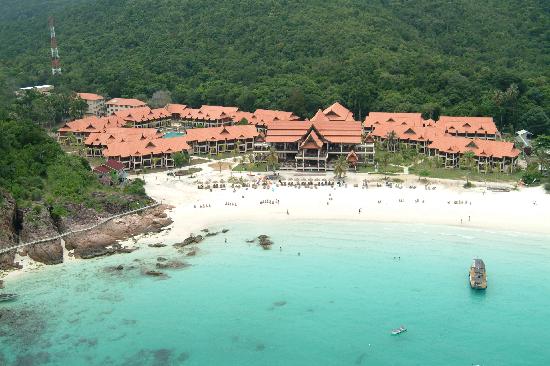
Unlike the more developed Perhentians, Redang has maintained a quieter, more upscale character. The island features several large resort properties rather than the backpacker accommodation common on other East Coast islands. Most visitors book all-inclusive packages combining accommodation, meals, and snorkeling trips. This approach keeps day-trippers to a minimum and preserves the island's peaceful atmosphere. If your idea of island paradise involves beautiful resorts, excellent snorkeling, and minimal development, Redang is an excellent choice.
Highlights and Beaches
Pasir Panjang (Long Beach): This sweeping 800-meter beach on Redang's east coast is the main area and features most of the island's large resorts. The beach lives up to its name with a long stretch of powder-white sand and calm turquoise water. Most resorts are located directly on the beach, with some offering seafront chalets. The offshore coral is accessible directly from the beach—simply swim out 20-50 meters to find yourself surrounded by coral and fish. The beach is protected and typically has calm conditions, making it excellent for swimming and snorkeling. Despite the resorts, the beach rarely feels crowded thanks to its length.
Teluk Dalam: This secluded bay on Redang's east coast features one of the island's most exclusive resorts. The beach is smaller but equally beautiful, with calm, shallow water perfect for swimming and snorkeling. The surrounding rainforest creates a lush backdrop, and the bay's protected location means calm conditions year-round. This is where you come if you want to escape completely—there's nothing here except the resort and nature.
Marine Park Center: Located at Teluk Kalong Kechil, the Marine Park Center serves as the conservation headquarters and includes a small marine education center. The center features a baby shark nursery, turtle conservation program, and snorkeling trails where you can learn about coral reefs. Feeding fish here is prohibited—the park emphasizes conservation rather than interaction. However, the fish life around the jetty is abundant, and blacktip reef sharks are commonly seen in the shallows. Most island hopping tours stop here for snorkeling and to visit the education center. There's a small entrance fee (RM 5) which goes toward conservation efforts.
Activities in Redang
Snorkeling: Redang offers some of the easiest and most rewarding snorkeling in Malaysia. Because most resorts include snorkeling tours in their packages, you'll have multiple opportunities to explore different sites. Popular snorkeling spots include Marine Park (shallow, calm, great for beginners), Turtle Bay (good chance of seeing turtles), and various coral gardens around the outer islands. The water is exceptionally clear—visibility often exceeds 15 meters. Coral health is generally good, though some areas show bleaching damage. Expect to see abundant reef fish including parrotfish, angelfish, butterflyfish, and surgeonfish. Blacktip reef sharks are commonly seen, and lucky snorkelers might spot green turtles.
Island Hopping: Most Redang visits include boat tours around the main island and the smaller surrounding islands. These tours stop at multiple snorkeling spots, beaches, and viewpoints. Popular stops include Paku Besar (small island with great snorkeling), Kerengga Besar (turtle sightings), and various secluded beaches only accessible by boat. Some tours include beach BBQ lunches where the boat crew prepares fresh fish on a deserted beach. Island hopping is typically included in resort packages, but independent travelers can arrange tours through resorts.
Jungle Trekking: While most visitors focus on the water, Redang's jungle interior offers exploration opportunities. Several trails lead from the main beach area to viewpoints, waterfalls, and through pristine rainforest. One popular trail leads to Bukit Redang summit for panoramic island views. Trekking is best done early morning or late afternoon to avoid the heat. The jungle is home to monitor lizards, macaques, and diverse birdlife. Guided treks provide information about the island's flora and fauna.
Relaxation: Honestly, many visitors to Redang simply relax at their resorts. Most packages include all meals, so there's no need to leave the property. The beaches are perfect for reading, napping in hammocks, and swimming. Evenings at Redang resorts are quiet—don't expect nightlife beyond occasional cultural performances or stargazing. If you're seeking excitement and social scenes, the Perhentians might be better. If you want beautiful resorts, relaxation, and excellent snorkeling, Redang is perfect.
How to Reach Redang
By Ferry: Redang is accessed via ferry from two jetties: Merang (closest, 45 minutes) and Shahbandar (near Kuala Terengganu, 1 hour 30 minutes). Merang jetty is the preferred option, with more frequent departures and shorter journey time. Ferries run approximately 2-3 times daily depending on demand and weather. The fare is RM 40-50 one way plus a RM 5 Marine Park fee. Ferry schedules change seasonally, and service is limited during monsoon season (November-February). Most people reach the jetties by bus from Kuala Lumpur (approximately 6-7 hours) or flight to Kuala Terengganu Airport.
By Flight: Berjaya Air operates seasonal flights from Subang (KL) and Singapore to Redang Airport. The flight takes approximately 1 hour from KL. Flight schedules are limited and don't operate year-round—check current availability. The airport is at the Berjaya Redang Resort, on the opposite side of the island from most other resorts, requiring ground transport across the island.
Best Time to Visit: March to October offers the best weather and sea conditions. April to June is ideal with calm seas and excellent visibility. The water is warmest (30°C) from April to May. Avoid November to January during the northeast monsoon when most resorts close and ferries stop running.
Sipadan Island
Overview
Sipadan Island, located in Sabah state on Malaysian Borneo, stands as one of the world's premier diving destinations. This oceanic island was formed by living coral growing on top of an extinct volcanic cone, creating a unique ecosystem. The legendary ocean explorer Jacques Cousteau famously said, "I have seen other places like Sipadan, 45 years ago, but now no more. Now we have found an untouched piece of art."
What makes Sipadan special is its biodiversity and underwater topography. The island features a 600-meter vertical drop-off just 10-20 meters from shore, creating a wall diving experience that's hard to match. The surrounding waters host hundreds of green and hawksbill turtles, massive schools of barracuda and jacks, reef sharks, manta rays (seasonal), and countless other species. In 2004, the government closed all resorts on Sipadan to protect the ecosystem, and now only 120 divers are allowed per day. This limited access preserves the island's pristine condition but means permits must be booked months in advance.
Diving Highlights
Barracuda Point: This is Sipadan's most famous dive site and for good reason. Here, thousands of barracuda form a tornado-like vortex that divers can enter and be surrounded by walls of fish. The site features a steep wall dropping to 600 meters, with strong currents that attract pelagic species. Along with barracuda, you'll likely see reef sharks, tuna, and schools of jacks. The dive usually begins with a drift along the wall before reaching the barracuda vortex. Due to currents, this is an advanced site suitable for experienced divers. The best conditions occur from April to November when currents are predictable.
Drop Off: Just steps from the beach, this site begins with a shallow coral plateau before dropping vertically into the abyss. The wall features coral gardens, crevices, and overhangs teeming with life. Green turtles are everywhere—Sipadan has one of the world's largest green turtle populations, and you'll see dozens on a single dive. White tip reef sharks patrol the wall, and massive bumphead parrotfish crunch coral. The drop is so close to shore that you can snorkel to the start, but it quickly reaches recreational diving limits. This is often divers' first Sipadan dive, serving as an introduction to the island's incredible biodiversity.
Turtle Cavern: This advanced cave dive requires proper certification and experience. The cavern features turtle skeletons—ancient turtles that became lost in the cave and couldn't find their way out. While somewhat macabre, the site is fascinating and serves as a reminder of nature's realities. Beyond the turtle remains, the cavern features beautiful formations and several chambers. Only attempt this dive with an experienced guide who knows the cave system. It's not for everyone, but qualified cave divers consider it a highlight.
South Point: During August, South Point becomes one of the best places in the world to see schooling hammerhead sharks. These magnificent creatures rise from the depths in the early morning, creating unforgettable encounters for lucky divers. The site also features schools of barracuda, jacks, and occasional manta rays. Currents can be strong, making this an advanced dive. Even without hammerheads, the wall and marine life make this an excellent dive. The best chance for hammerheads is August-September at dawn.
Marine Life
Sipadan's biodiversity is extraordinary. The island is famous for its turtle population—green and hawksbill turtles are seen on every dive, often in large groups. Unlike many places where turtles are shy, Sipadan's turtles seem unbothered by divers, allowing close encounters. Bumphead parrotfish, growing to 1.5 meters, are commonly seen grazing on coral. Massive schools of barracuda (thousands strong) and jackfish form swirling tornado-like formations.
Reef sharks are abundant, particularly white tips and gray reef sharks. Lucky divers might see thresher sharks or hammerheads (seasonal). Manta rays visit occasionally, mostly from December to February. The coral walls feature diverse hard and soft corals, giant clams, colorful nudibranchs, and countless reef fish including angelfish, butterflyfish, groupers, and triggerfish. The combination of wall diving, pelagic species, and macro life makes Sipadan special—few places offer such diversity in one location.
How to Reach Sipadan
Step 1 - Reach Semporna: Semporna, a coastal town in Sabah, serves as the gateway to Sipadan. Most people fly to Tawau Airport (TWU) from Kuala Lumpur (2 hours 50 minutes) or Kota Kinabalu (50 minutes), then take a taxi or minivan to Semporna (approximately 1 hour). Direct buses also connect Semporna to Kota Kinabalu (approximately 8-9 hours) and other Sabah towns. Semporna itself is not particularly attractive, but it's where you organize diving and accommodation for the Sipadan area.
Step 2 - Stay Nearby and Dive: Since all resorts closed on Sipadan in 2004, divers stay on nearby islands (Mabul, Kapalai) or in Semporna itself. From these bases, boat trips take 45-60 minutes to reach Sipadan. Most dive operators include three boat dives per day in their packages. Due to the 120-diver daily limit, advance booking is essential—especially during peak season (April-October). Most divers spend 3-4 days in the area to get multiple Sipadan dives, though some never get a permit due to high demand.
Permits: Sipadan diving permits are issued by Sabah Parks and limited to 120 divers per day. Permits must be booked through licensed dive operators, often months in advance. The permit cost is approximately RM 50-100 per day depending on the number of dives. Priority often goes to those staying longer or booking complete diving packages. Many divers stay in the area for a week to increase their chances of getting multiple Sipadan days. Even with advance planning, permits aren't guaranteed—have backup diving plans in the area.
Best Time to Visit: April to November offers the best diving conditions with calm seas and excellent visibility. April to June is particularly good for hammerhead sightings. December to March sees rougher seas and reduced visibility, though diving is still possible. Water temperature is warm year-round (29-30°C), making 3mm wetsuits or even rash guards sufficient.
Best Time to Visit Malaysian Islands
West Coast Islands (Langkawi, Penang)
November to April (Dry Season) - BEST: This period offers the most reliable weather for West Coast islands. Skies are generally clear, rainfall is minimal, and seas are calm. January and February are particularly popular with excellent beach weather. Water visibility is best for snorkeling and diving. This is peak season, so expect higher prices and more crowds. Book accommodations early, especially for December-January holidays and Chinese New Year.
May to October (Wet Season): The Southwest Monsoon brings more frequent rain and rougher seas, particularly in September-October. However, rain usually comes in short bursts rather than all-day downpours. Many travelers visit during this period and still enjoy their trips—you just need to be flexible with activities. Prices are lower, crowds thinner, and the islands remain fully operational. Water sports can be affected by waves and reduced visibility. November can see transitional weather as monsoons shift.
East Coast Islands (Perhentian, Tioman, Redang)
March to October (Dry Season) - BEST: This is the open season for East Coast islands. Seas are calm, skies are mostly clear, and conditions are ideal for water activities. July and August are peak months with flat seas and excellent visibility (20-30 meters). Turtle nesting occurs on several islands from April to September. This is the only time many resorts and dive operators operate. Book well in advance for July-August when school holidays bring Malaysian families to the islands.
November to February (Monsoon Season - CLOSED): The Northeast Monsoon brings rough seas, heavy rain, and dangerous conditions. Most resorts and dive centers close completely during this period. Ferries stop running or become unreliable. Some islands become inaccessible. While a few accommodations remain open, this is not a good time to visit East Coast islands. If you must travel during this time, consider West Coast islands like Langkawi instead, which remain open year-round.
East Malaysia (Sipadan)
Sipadan can be dived year-round, but conditions vary. April to November offers the calmest seas and best visibility. April-June is excellent for hammerhead shark sightings at South Point. December-March sees rougher conditions and reduced visibility, though diving continues. Water temperature is consistent year-round at 29-30°C. The biggest factor is permit availability, not season—book as far in advance as possible regardless of when you visit.
Island Hopping Tips and Travel Planning
Popular Island Combinations
Langkawi + Penang (1 week): This West Coast combination works perfectly for first-time visitors or those seeking convenience. Spend 3-4 days in Langkawi enjoying beaches, the cable car, and duty-free shopping, then move to Penang for 3-4 days exploring George Town's heritage and food scene. Direct ferries connect the islands (2 hours 45 minutes), or you can fly via Kuala Lumpur. This combination offers both beach relaxation and cultural exploration with good infrastructure.
Perhentian + Redang (5-7 days): Both islands share similar access points (Kuala Besut/Merang area), making combination visits efficient. Spend 3-4 days on the Perhentians for the social atmosphere and diving, then move to Redang for 2-3 days of upscale resort relaxation. You'll experience both backpacker and resort island vibes. Note that this combination is only possible March-October when both islands are open. Ground transport between Kuala Besut and Merang takes approximately 1-1.5 hours by taxi or local bus.
East Coast Grand Tour (2 weeks): For dedicated island lovers, combine Perhentian (4 days), Redang (3 days), and Tioman (4 days) with transit days in between. Add Kuala Lumpur or Penang at either end. This requires good timing (March-October) and considerable travel time between islands, but offers the most comprehensive Malaysian islands experience. You'll experience diverse island characters from backpacker paradise to upscale resorts.
Borneo Diving Special (1-2 weeks): Combine Sipadan (3-4 days if permits allow) with other excellent Borneo dive sites like Mabul (macro diving), Kapalai (house reef), and Lankayan (more turtles). Fly into Tawau and out of Kota Kinabalu (or vice versa) to avoid backtracking. Add a few days in Sepilok for orangutans and proboscis monkeys, or climb Mount Kinabalu if time permits. This is a specialty itinerary for diving enthusiasts rather than general travelers.
Budget Planning
| Island | Budget Daily | Mid-Range Daily | Luxury Daily |
|---|---|---|---|
| Langkawi | RM 150-250 | RM 400-800 | RM 1,000+ |
| Penang | RM 120-200 | RM 350-600 | RM 800+ |
| Perhentian | RM 100-180 | RM 300-500 | RM 600+ |
| Tioman | RM 120-200 | RM 350-550 | RM 700+ |
| Redang | RM 150-250 | RM 400-700 | RM 800+ |
| Sipadan area | RM 180-300 | RM 500-800 | RM 1,000+ |
Budget estimates include accommodation, meals, and basic activities. Diving costs extra (RM 100-150 per dive). Ferry and flight costs to reach islands are not included. Budget travelers stay in dorms or basic rooms, eat local food, and limit paid activities. Mid-range travelers stay in comfortable accommodations with occasional restaurant meals. Luxury travelers enjoy resorts and all amenities. Note that East Coast islands are generally cheaper than West Coast islands.
Essential Travel Tips
Book Diving in Advance: Popular dive sites, especially Sipadan with its 120-diver daily limit, require booking months in advance. Even on other islands, PADI courses can fill up during peak season. Reserve your diving or snorkeling tours before arriving, particularly if visiting July-August or around Malaysian holidays.
Respect Marine Life: Malaysia's coral reefs are precious but threatened. Practice responsible snorkeling and diving: don't touch coral or marine life, maintain good buoyancy control to avoid accidental contact, and don't feed fish (except at designated Marine Park feeding programs). Use reef-safe sunscreen to protect coral from chemicals. Choose dive operators who prioritize marine conservation and follow environmental guidelines.
Carry Cash: ATMs are limited on most islands—some islands have none at all. Small resorts and restaurants may not accept credit cards. Bring sufficient cash for your entire stay, including some smaller notes. Exchange money in Kuala Lumpur or at airports before traveling to islands. Carry a money belt or secure pouch for water activities.
Pack Appropriately: Bring reef-safe sunscreen, a hat, and lightweight clothing for sun protection. Water shoes protect against coral cuts and hot sand. A dry bag keeps electronics safe during boat trips. Most islands are casual—no need for fancy clothing. A light rain jacket is useful for West Coast islands during the wet season. Bring basic medications as islands have limited pharmacies.
Learn Basic Safety: If you're new to snorkeling or diving, take time to learn basic skills and safety procedures. Know your limits—don't attempt advanced dives without proper certification. Always snorkel and dive with a buddy. Be aware of currents, especially around East Coast islands during tidal changes. If you're not a strong swimmer, consider wearing a flotation device while snorkeling.
Travel Insurance: Consider purchasing travel insurance that covers diving and water sports. Medical evacuation from remote islands can be extremely expensive. Some dive operators require proof of insurance, especially for technical diving. Check that your policy covers the activities you plan to do.
Check Weather Forecasts: Tropical weather can change quickly. Monitor forecasts, especially during monsoon seasons. Boat operators may cancel trips in rough conditions—accept these decisions as safety precautions. Have backup activities planned for rainy days. Download offline weather apps as internet may be limited on islands.
Support Local Communities: Choose locally-owned resorts and restaurants when possible. Buy souvenirs directly from artisans rather than tourist shops. Hire local guides for trekking and cultural activities. Responsible tourism supports island communities and ensures they benefit from tourism, creating incentives to protect the natural environments that visitors come to enjoy.
Malaysia's islands offer incredible diversity, from duty-free luxury in Langkawi to world-class diving in Sipadan, cultural heritage in Penang to backpacker paradise in the Perhentians. By understanding each island's character, planning according to seasons, and following responsible travel practices, you'll create memories that last a lifetime. Whether you seek adventure, relaxation, or cultural experiences, Malaysia has an island that's perfect for you. For more travel inspiration, see our guide on Singapore's island getaways. For more travel inspiration, see our guide on Thailand's Poda Island. For a deeper dive into Malaysia's most famous island, our Langkawi covers beaches, cable cars, and duty-free shopping in detail.
Location
Frequently Asked Questions
Q1.Which are the best islands to visit in Malaysia?
Q2.What is the most beautiful island in Malaysia?
Q3.When is the best time to visit Malaysian islands?
Q4.Which is better for a vacation: Langkawi or Penang?
Q5.How do I reach Langkawi from Kuala Lumpur?
Q6.Which Malaysian island has the best diving?
Q7.Should I choose Perhentian Besar or Perhentian Kecil?
Q8.Which Malaysian island has the best beaches?
Recommended For You
Beaches in Malaysia: Island Picks, Activities & Travel Planning
Discover Malaysia's stunning beaches from Langkawi's luxury shores to Perhentian's pristine coral reefs. Complete guide with best time to visit, activities, and travel tips.
Cuisine of Malaysia: Traditional Dishes, Regional Food & What to Try
Explore cuisine of Malaysia with Malay, Chinese, Indian, and Peranakan influences, plus regional specialties, street food culture, and practical dining tips.
Places to Visit in Malaysia: Cities, Islands & Nature Escapes
Discover the best places to visit in Malaysia with a complete guide covering Kuala Lumpur, Langkawi, Penang, Borneo, highlands, itinerary planning, and travel tips.
Never Miss an Adventure
Get the latest trekking guides, travel tips, and exclusive offers delivered straight to your inbox.
