
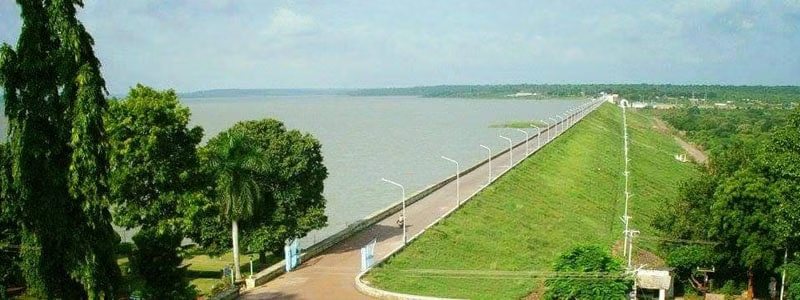
Tandula Dam Chhattisgarh: Best Viewpoints, Route & Picnic Info
Rohit Verma
January 25, 2026
Visit Tandula Dam in Balod, Chhattisgarh. Guide to boating, picnic, timing, how to reach & best time to visit this scenic dam.
Tandula Dam Chhattisgarh: Complete Scenic Travel Guide
Tandula Dam is a peaceful reservoir destination in Chhattisgarh that offers wide water views, open skies, and relaxed local-travel atmosphere. It is ideal for travelers looking for low-crowd scenic stops rather than heavy commercial tourism. The site works best for sunset visits, short nature breaks, and road-trip pauses in regional circuits.
For a broader state route, combine Tandula with raipur tourist places and chitrakote waterfalls, then plan nature segments with realistic drive buffers.
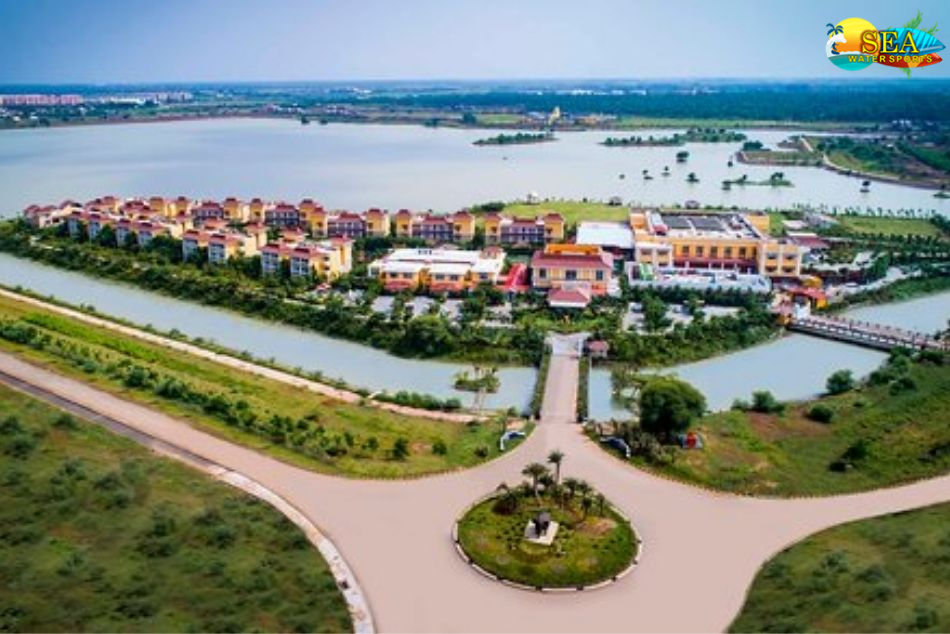
Why Visit Tandula Dam
The destination is valued for calm visuals rather than intensive activity. Reservoir edges, changing light, and open landscape make it suitable for families, photographers, and travelers who want a quiet stop between longer journeys. Unlike crowded city attractions, time here is best spent simply observing landscape transitions.
Best Time to Visit
Post-monsoon and winter months generally provide comfortable weather and fuller reservoir visuals. Summer visits should focus on late afternoon windows. During monsoon, the surroundings are lush but movement can be slower depending local conditions.
How to Reach and Plan
Tandula is primarily a road-access destination. Private vehicles or cabs are usually most practical. Keep return-light planning in mind, especially if roads are less familiar. A good approach is to arrive before sunset, stay through golden hour, and depart before late-night fatigue on regional routes.
If your route includes wildlife themes, add barnawapara wildlife sanctuary on another day for better pace and energy management.

Suggested Visit Structure
- Arrive 60-90 minutes before sunset
- Walk one full edge segment for orientation
- Pause at stable viewpoint for wide frames
- Capture sunset and post-sunset color shifts
- Leave with safe daylight buffer where possible
Common Mistakes to Avoid
- Arriving too late and missing best light.
- Expecting large tourist infrastructure on-site.
- Skipping route planning for return travel.
- Littering in reservoir surroundings.
- Overpacking same day with distant major stops.
Tandula Dam is a simple destination with high visual payoff when visited at the right time and with calm pacing.
Detailed Planning Notes
Travel quality at heritage sites improves when you define a clear objective before arrival. Choose one focus: architecture study, historical interpretation, photography, or slow cultural immersion. Without this focus, visitors often move fast, collect random photos, and leave with shallow understanding. With a focus, you naturally allocate time to the right sections and ask better questions on-site. This is especially important for destinations that seem visually simple but carry layered meaning through layout, material, and context. A focused approach also improves family and group coordination because everyone understands the purpose of each stop rather than drifting into rushed movement.
Another practical strategy is to divide each visit into two passes. First pass: orientation and full-route understanding. Second pass: detail observation and documentation. Many travelers do only one pass and miss key transitions between spaces. The second pass helps you notice design logic, inscriptions, framing, and path sequencing that are invisible during first exposure. Even if your schedule is tight, a short second loop can dramatically improve retention. This method works across gardens, museums, temples, forts, and urban monuments. It also helps avoid the common mistake of spending too much time at the entrance while missing deeper zones that hold the most valuable interpretive content.
Field Workflow for Better Outcomes
For independent travelers, create a quick field workflow: arrival note, context read, structured walk, and reflection note. On arrival, note weather, crowd level, and movement constraints. During context read, identify core historical timeline in 3-5 points. Then begin the structured walk with intentional pacing. At the end, write one short reflection with three insights: one visual, one historical, one practical. This workflow takes little effort but raises trip quality significantly. It also helps content creators and researchers avoid generic summaries after returning home. When notes are written on-site, details remain accurate and sharper.
Photography should support interpretation, not replace it. Begin with one wide contextual shot, then move to medium structural frames, then close details. If you start with close shots only, later narrative becomes weak because scale and context are missing. Always include at least one frame showing how the site sits within landscape or city fabric. This creates stronger documentation and better memory structure. Respect local rules and avoid behavior that obstructs movement or disturbs worship and educational spaces. Responsible photography preserves both visitor experience and heritage dignity.
Timing, Energy, and Sequencing
Good itineraries are built around energy management, not only distance. Place physically demanding or cognitively heavy stops in morning windows. Keep lighter, atmospheric, or market-based segments for later hours. Avoid stacking three high-attention sites consecutively without recovery time. Fatigue reduces learning and enjoyment, especially in hot or high-altitude conditions. Build micro-breaks for hydration and review. A ten-minute pause after a major section often improves understanding more than adding another rushed attraction. This pacing principle is one of the most reliable ways to upgrade trip quality across destinations.
When combining multiple stops in one day, route geometry matters. Circular or directional flow beats zig-zag movement through traffic-heavy zones. Use one anchor site, one secondary contextual stop, and one optional buffer stop. This structure keeps day plans flexible when weather, queues, or transport delays occur. If delays happen, drop the optional segment rather than rushing core experiences. Travelers who protect core-site quality consistently report higher satisfaction than those chasing maximum count. Heritage travel is about depth and memory quality, not numerical completion.
Etiquette and Preservation Mindset
Every heritage site has a preservation threshold. Small behaviors repeated by many visitors create long-term impact. Avoid touching carved or painted surfaces, stay on designated pathways, and reduce noise in sensitive zones. In religious and memorial spaces, prioritize decorum over performance. In museum settings, read labels fully and avoid flash where restricted. In landscape sites, carry waste out if disposal systems are limited. These practices are not formalities; they are direct conservation actions. Travelers who understand this contribute to site survival and community trust.
Cultural respect also includes language behavior and framing choices in public sharing. Avoid sensational captions or reductive narratives that flatten local history. If a site has contested or complex memory, acknowledge that nuance instead of forcing simplified storytelling. Responsible interpretation is part of ethical travel. It improves the quality of public information and supports better understanding among future visitors.
Final Quality Check Before You Leave
Before exiting any major site, run a quick quality check: Did you understand why the site exists? Did you identify at least three distinguishing features? Did you note practical lessons for future visitors? If the answer is yes, your visit was meaningful. If not, take one last short round and focus on missing elements. This final check turns passive tourism into active learning and gives long-term value to travel time and budget.
Use this same framework across destinations, and your heritage travel outcomes improve consistently. You return not only with photos but with structured understanding, practical insight, and stronger cultural respect. That is the difference between a rushed stop and a memorable, high-quality visit.
Extended Local Travel Tips
If you are visiting by self-drive, fuel and daylight planning are key. Keep route checks updated and avoid unfamiliar rural roads too late at night. For families, carry basic snacks and water because on-site facilities may vary by season and timing. Photography enthusiasts should remain after sunset for brief color transitions but leave with safe visibility margins.
Tandula works best as a calm half-day segment, not a rushed checklist point. Plan fewer stops, spend more time at the reservoir edge, and let the landscape set the pace. This simple shift improves both safety and satisfaction.
Travelers building a broader Chhattisgarh loop often extend this with wildlife-rich stops covered in our historical places in India overview for added heritage context beyond the reservoir circuit.
Location
Frequently Asked Questions
Q1.Where is Tandula Dam located?
Q2.What are the timings of Tandula Dam?
Q3.What is the best time to visit Tandula Dam?
Q4.Is boating available at Tandula Dam?
Q5.Can we have picnic at Tandula Dam?
Q6.What are the activities at Tandula Dam?
Q7.How to reach Tandula Dam from Raipur?
Q8.Is there accommodation near Tandula Dam?
Q9.What is the entry fee for Tandula Dam?
Q10.How much time should I spend at Tandula Dam?
Recommended For You
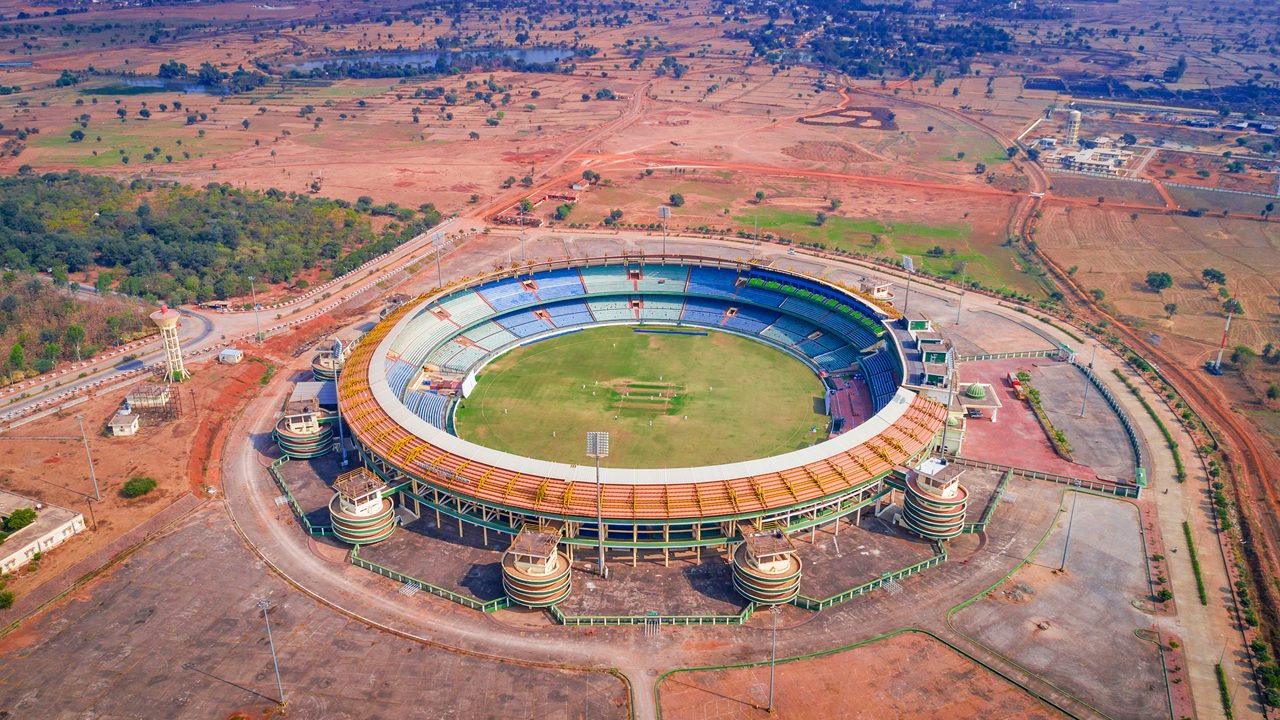
15 Best Raipur Tourist Places: City Attractions & Day Routes
Explore top 15 Raipur tourist places - temples, lakes, museums & parks. Complete Chhattisgarh capital travel guide with 1-day itinerary, timings, entry fees & tips.
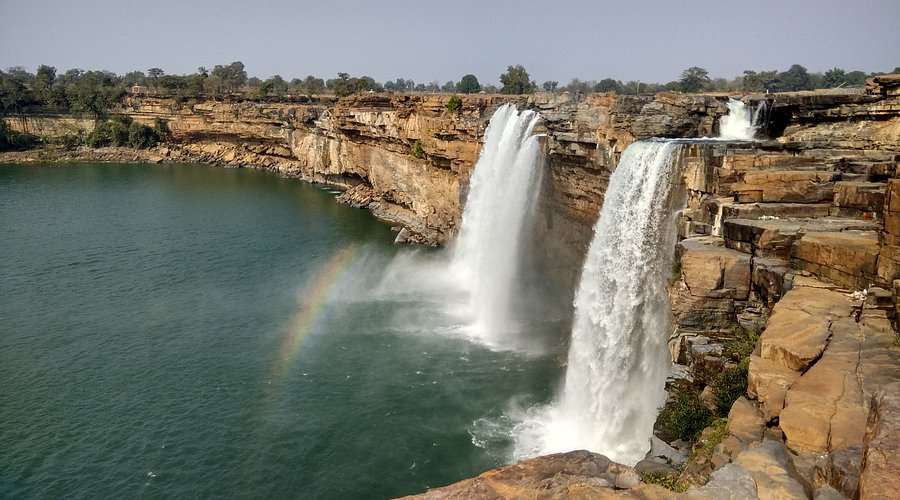
Chitrakote Waterfalls: Best Time, Route & Travel Tips
Plan your Chitrakote Waterfalls trip with season-based timing, route guidance, safety checklist, and practical nearby attraction combinations.
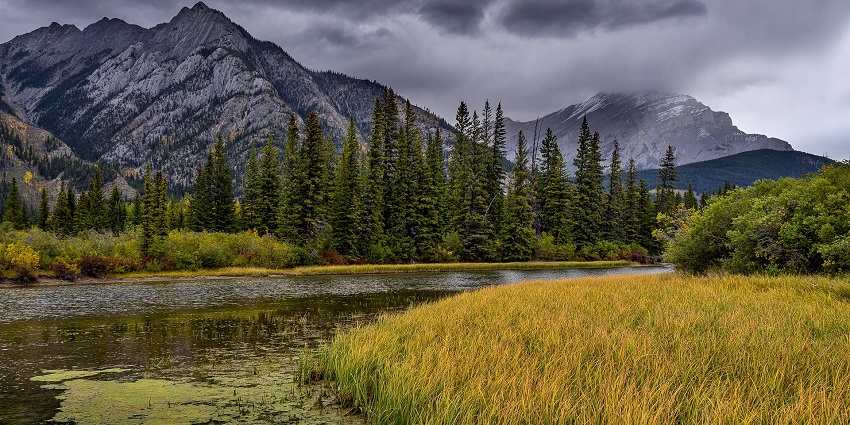
Barnawapara Wildlife Sanctuary: Safari Guide, Route & Tips
Plan Barnawapara Wildlife Sanctuary with safari timing guidance, Raipur route options, season-wise travel tips, and practical do's and don'ts.
Never Miss an Adventure
Get the latest trekking guides, travel tips, and exclusive offers delivered straight to your inbox.
