

Highest Altitude Restaurant in the World: Dining Above the Clouds

Ananya Sharma
January 3, 2026
Dine at the highest altitude restaurant in the world at 3,842 meters in the Himalayas. Experience extreme cooking challenges, spectacular mountain views, and unforgettable high-altitude gastronomy.
Introduction: Dining at the Roof of the World
Imagine savoring a gourmet meal while gazing at snow-capped peaks that pierce the endless sky, surrounded by an otherworldly landscape where the air is thin and the views are limitless. Welcome to the highest altitude restaurant in the world, an extraordinary dining destination that pushes the boundaries of culinary adventure. Perched at breathtaking elevations, this remarkable establishment offers more than just food – it delivers an experience that literally rises above the ordinary.
Located at 3,842 meters (12,603 feet) above sea level in the Himalayas, this restaurant represents the pinnacle of high-altitude dining. The journey here is an adventure in itself, winding through some of the most spectacular mountain scenery on Earth. As you ascend, each curve in the road reveals new vistas of towering peaks, deep valleys, and pristine glaciers that have shaped this landscape over millions of years.
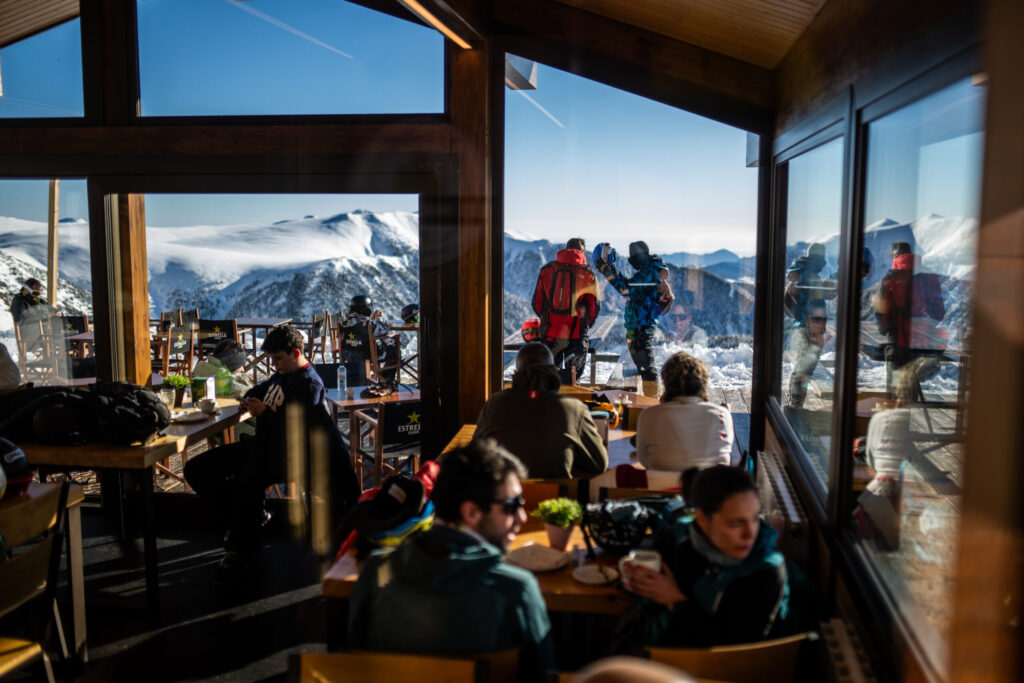
What makes dining at such extreme altitudes truly special is the unique combination of physical challenge and sensory reward. The thin air adds an element of adventure to every visit, while the panoramic views create a dining atmosphere that simply cannot be replicated anywhere else on the planet. Here, amidst the grandeur of the world's highest mountain range, a simple meal becomes an unforgettable memory.
The restaurant's location isn't just about elevation – it's about perspective. From this vantage point, you can witness the changing moods of the mountains, from golden sunrises that paint the peaks in amber and rose to dramatic sunsets that transform the snow-capped summits into shades of purple and crimson. Each meal offers a different show, courtesy of nature's most spectacular theater.
The Current Record Holder: Where Exactly Is It?
The official record for the highest altitude restaurant in the world is held by an extraordinary establishment in the Himalayan region. While several high-altitude dining venues claim this title, the most widely recognized record holder sits at a staggering elevation that places it firmly in the realm of extreme dining destinations.
This remarkable restaurant is strategically positioned along one of the most spectacular mountain routes in the world, making it accessible to adventurous travelers journeying through the high Himalayas. The exact location has been carefully chosen not just for its elevation record, but for its accessibility during the summer months when snow-free roads make the journey possible for most vehicles.
The journey to reach this restaurant is an integral part of the experience. Most travelers approach it via mountain roads that offer increasingly spectacular views as you climb higher and higher. The ascent typically takes several hours, winding through alpine meadows, past glacial streams, and through terrain that seems to belong to another world entirely.
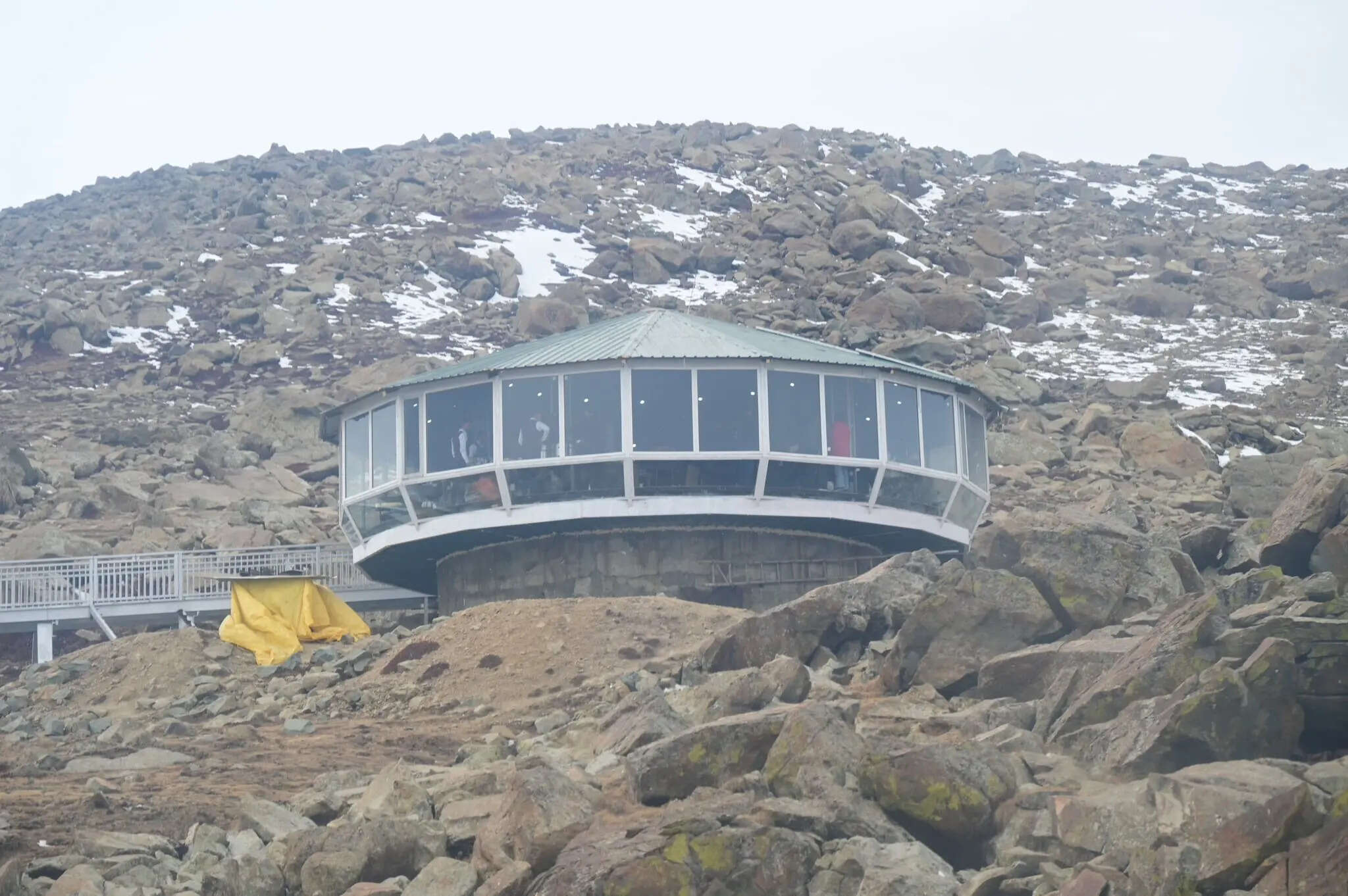
What's particularly remarkable about this establishment is that it's not merely a temporary seasonal shack, but a permanent structure designed to offer comfortable dining year-round. The building itself is an engineering marvel, constructed to withstand extreme weather conditions including heavy snowfall, strong winds, and temperature fluctuations that can drop well below freezing even in summer.
The restaurant's position offers views of several of the world's highest peaks, making it not just a dining destination but a spectacular viewpoint for mountain enthusiasts and photographers. On clear days, the visibility extends for miles, revealing a seemingly endless succession of snow-capped summits stretching to the horizon.
The Challenges of High-Altitude Dining
Operating a restaurant at such extreme elevations presents challenges that most diners never consider. The physics and physiology of high altitude affect everything from cooking techniques to how food tastes, creating a unique set of obstacles that the restaurant team must overcome daily to deliver quality meals.
Cooking at altitude is fundamentally different from cooking at sea level. The lower atmospheric pressure means water boils at a significantly lower temperature – at 3,842 meters, water boils at approximately 87°C (188°F) rather than the standard 100°C (212°F). This affects cooking times and methods, requiring adjustments to recipes and techniques that chefs have spent years perfecting.
Baking becomes particularly challenging at high altitude. The lower air pressure causes gases to expand more quickly, which can make baked goods rise too rapidly and then collapse. The restaurant's kitchen team has developed specialized techniques and modified recipes to compensate for these conditions, ensuring that everything from breads to desserts turns out perfectly despite the challenging environment.
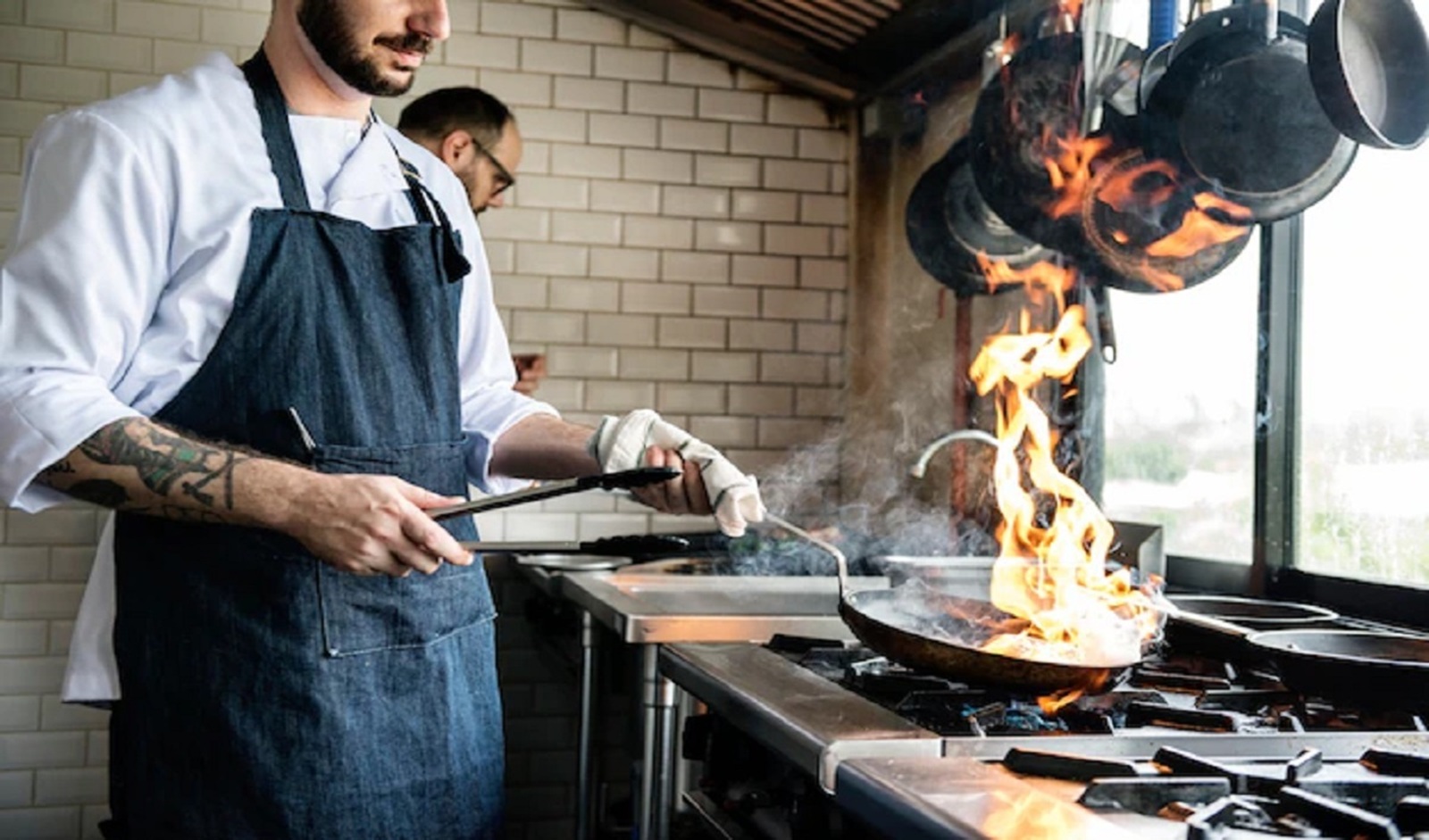
The thin air also affects human physiology, impacting both the restaurant staff and the diners. At these elevations, the reduced oxygen availability can affect appetite and taste perception. Many people report that food tastes blander at high altitude, which means the kitchen must often use more robust seasoning and flavors to create satisfying dishes.
Logistics present another significant challenge. Every ingredient must be transported up the mountain roads, often over considerable distances. This requires careful planning and efficient supply chains to ensure fresh ingredients are always available. The restaurant typically sources what it can from local communities in the mountains, supplementing with supplies brought up from lower elevations on regular schedules.
The Menu: Food That Fuels High-Altitude Adventures
The menu at the world's highest restaurant has been carefully crafted to account for both the challenges of high-altitude cooking and the needs of diners who have often undertaken strenuous journeys to reach this remote location. The offerings strike a balance between comfort food and local specialties, designed to satisfy hearty appetites while accommodating the unique conditions.
Hot beverages are among the most popular items on the menu. There's something particularly satisfying about sipping a steaming cup of tea, coffee, or hot chocolate while surrounded by snow-capped peaks. The restaurant typically offers a variety of teas, including local blends that are believed to help with altitude adjustment. Coffee lovers will appreciate that the high-altitude environment actually enhances the coffee experience, as the lower pressure affects how flavors are perceived.
Hearty soups are menu staples, perfect for warming up after exposure to the cold mountain air. Popular options often include traditional mountain-style soups featuring local ingredients, hearty vegetable broths, and protein-rich options that provide sustenance. These are particularly popular among travelers who have been trekking or engaging in outdoor activities before their meal.
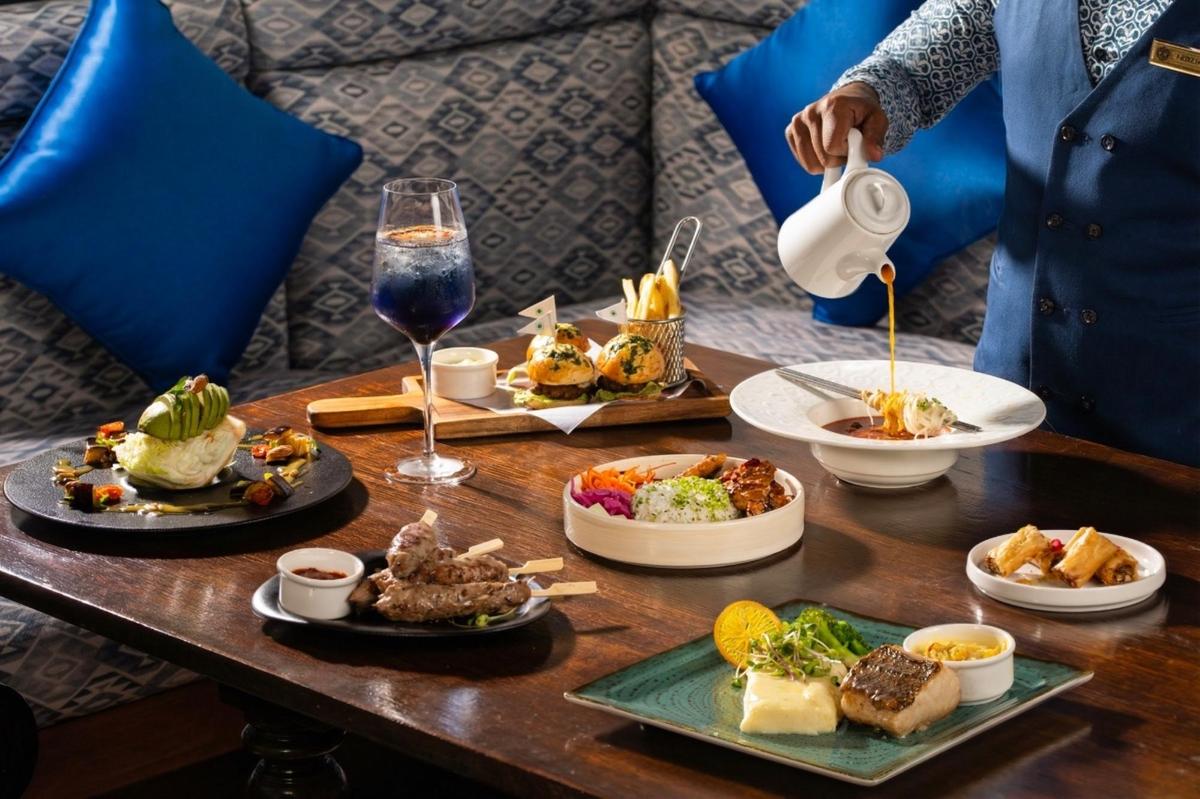
The kitchen excels at preparing carbohydrate-rich dishes that provide energy for the high-altitude environment. Popular options include various rice preparations, noodle dishes, breads, and potatoes – all foods that help travelers maintain their energy levels in the thin mountain air. These are often prepared with local spices and ingredients that add distinctive regional flavors.
For those seeking something more substantial, the restaurant typically offers protein-rich main courses including both vegetarian and non-vegetarian options. The preparation techniques have been adapted for high-altitude cooking, ensuring that everything is cooked thoroughly despite the lower boiling point of water. Local specialties often feature prominently, giving visitors a taste of the regional cuisine.
Desserts are not to be missed, despite the challenges of high-altitude baking. The restaurant's pastry chefs have mastered techniques for creating sweets that range from traditional local desserts to international favorites. There's something particularly indulgent about enjoying a rich dessert while surrounded by some of the most spectacular scenery on Earth.
Seasonal Variations: When to Visit
The experience of dining at the world's highest restaurant varies dramatically depending on the season, with each time of year offering a distinct atmosphere and different challenges. Understanding these seasonal variations can help you plan your visit to make the most of this extraordinary dining destination.
The summer season, typically from May to October, represents the peak period for visiting. During these months, the roads leading to the restaurant are generally clear of snow, making access relatively straightforward. The daytime temperatures, while still cool compared to lower elevations, are pleasant enough to enjoy the outdoor seating areas and fully appreciate the panoramic views.
Summer visitors are treated to a landscape that's alive with color. Alpine meadows burst into bloom with wildflowers, creating a stunning contrast against the rocky terrain and snow-capped peaks. The clear mountain air offers exceptional visibility, making it the ideal time for photography and for appreciating the full extent of the mountain vistas that stretch to the horizon.
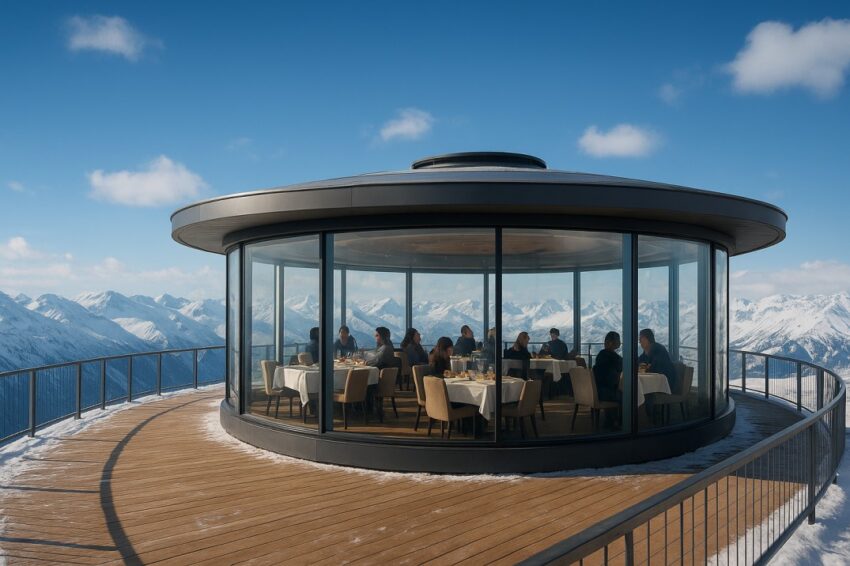
However, summer is also the busiest season, and the restaurant can see significant crowds, particularly during the peak tourist months of July and August. If you're visiting during this period, it's advisable to plan your meal for either early or late in the day to avoid the rush and to potentially catch the spectacular sunrise or sunset lighting on the mountains.
The winter season, from November to April, presents a completely different experience. Heavy snowfall often makes access challenging, and the restaurant may have limited operating hours or temporary closures during the height of winter. For those who do manage to visit during these months, the reward is a winter wonderland landscape that's equally breathtaking in a different way.
Winter visitors find themselves surrounded by pristine snowfields and peaks that seem even more dramatic against the deep blue winter sky. The cold temperatures make the warmth of the restaurant's interior even more welcoming, and there's something magical about watching snowflakes fall outside while enjoying a hot meal. However, winter visits require careful planning, appropriate cold-weather gear, and flexibility in travel plans.
The shoulder seasons of late spring (April-May) and early autumn (October-November) can offer the best of both worlds – fewer crowds than summer, relatively stable weather, and the added bonus of seasonal transitions that paint the landscape in shifting colors. These periods require careful timing to avoid the unpredictability of weather changes, but for many travelers, they represent the ideal time to visit.
Preparing for High Altitude: Health and Safety
Dining at extreme elevations requires careful preparation and attention to your body's needs. The reduced oxygen availability at 3,842 meters can affect visitors in various ways, and taking proper precautions will ensure that your high-altitude dining experience remains enjoyable and safe.
Acclimatization is the most critical factor in preparing for your visit. The body needs time to adjust to the lower oxygen levels, and the speed of your ascent plays a crucial role in how well you'll adapt. Ideally, you should spend at least one night at an intermediate elevation before proceeding to the restaurant's altitude, giving your body time to begin the adjustment process gradually.
Common symptoms of altitude sickness include headaches, nausea, dizziness, shortness of breath, and difficulty sleeping. Most cases are mild and resolve on their own as the body adjusts, but more severe cases require immediate descent to lower elevations. Being aware of these symptoms and monitoring how you're feeling is essential for a safe visit.
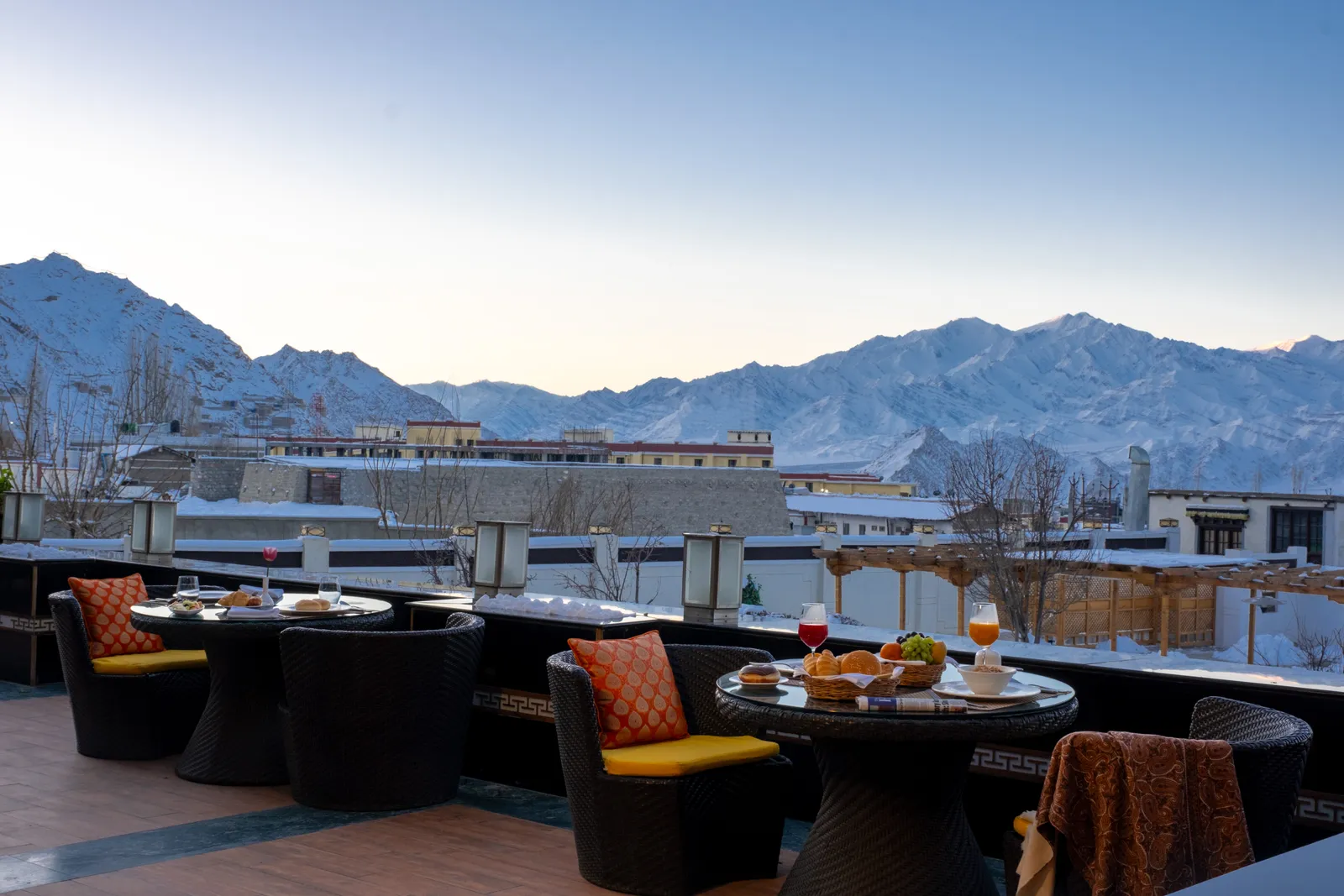
Hydration becomes particularly important at high altitude. The dry mountain air and increased respiratory rate can lead to dehydration more quickly than you might expect. Drinking plenty of water before, during, and after your visit is crucial. Many experienced high-altitude travelers recommend increasing your fluid intake significantly compared to what you would normally drink at sea level.
The restaurant staff is typically experienced in dealing with altitude-related issues and can provide assistance if you're not feeling well. It's always better to communicate any discomfort early rather than pushing through symptoms that could indicate developing altitude sickness. The restaurant's location may have basic medical supplies, but for serious symptoms, descent to lower elevations is the only effective treatment.
Dietary considerations also play a role in altitude adaptation. Heavy, fatty meals can be more difficult to digest at high altitude, so opting for lighter, carbohydrate-rich foods is often advisable. Alcohol consumption should be moderated, as its effects are amplified at altitude and can worsen dehydration. The restaurant's menu typically offers options that take these factors into account.
Getting There: The Journey to the Top
Reaching the world's highest restaurant is an adventure that requires careful planning and preparation. The journey itself is an integral part of the experience, offering increasingly spectacular views as you ascend through different ecological zones into the high-altitude environment.
Most visitors approach the restaurant by road vehicle, typically starting their journey from a major town or city in the region. The drive itself takes several hours, covering mountain roads that offer increasingly dramatic views as you climb higher. The roads are generally well-maintained, though they can be narrow and winding in sections, requiring careful driving and attention to safety.
The route passes through several distinct ecological zones, each with its own character and beauty. Starting in the lower valleys where agriculture flourishes, you'll gradually ascend through alpine forests, emerge above the tree line into the high-altitude desert terrain, and finally reach the barren but spectacular landscape of the highest elevations. This ecological progression is fascinating to witness and offers excellent photographic opportunities.
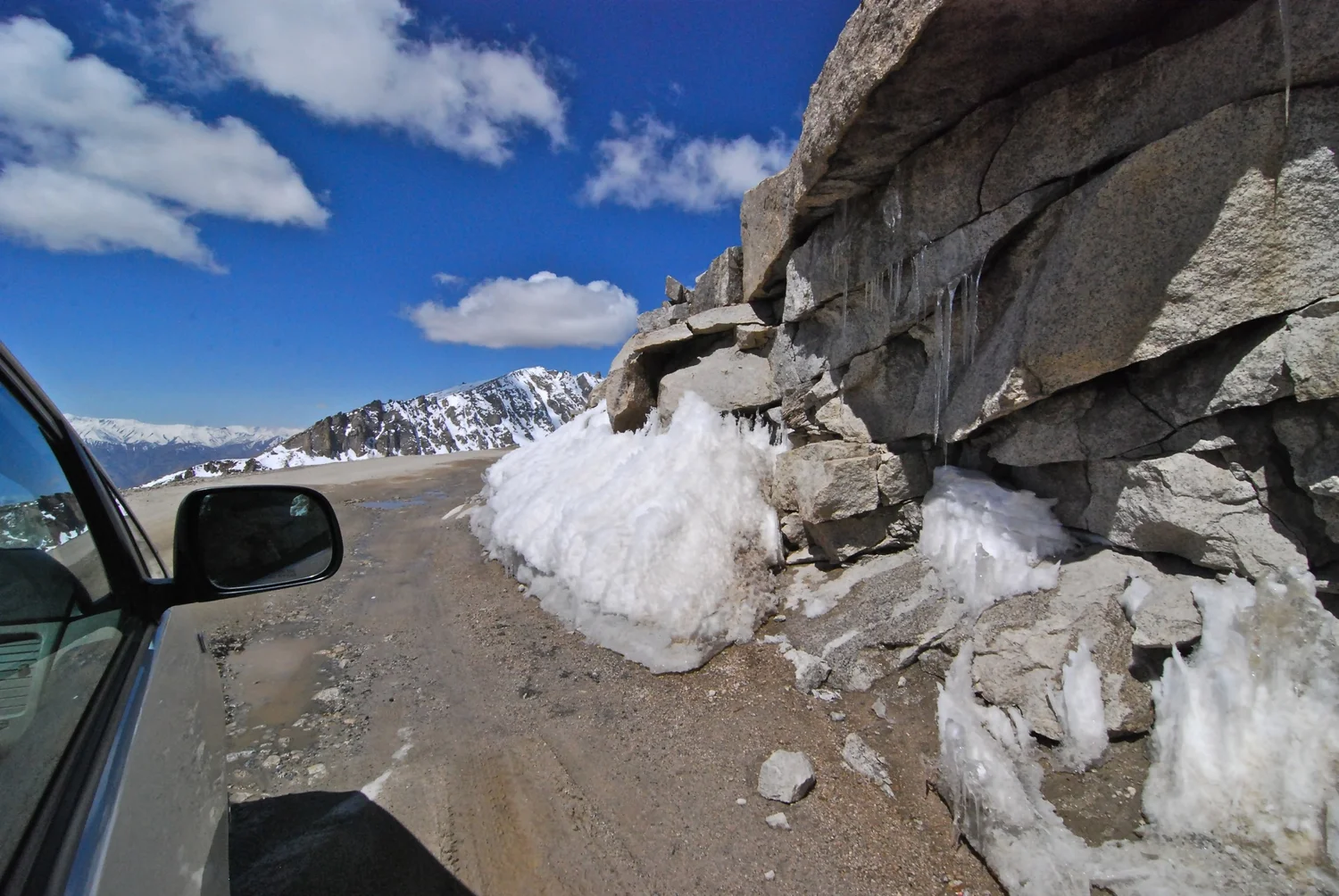
Weather conditions play a significant role in planning your journey. Mountain weather can change rapidly, with clear skies giving way to fog, rain, or snow with little warning. Checking weather forecasts and road conditions before setting out is essential. It's also wise to start your journey early in the day to allow plenty of time for the drive and to account for potential delays.
For those seeking an even more adventurous approach, some operators offer trekking options that combine hiking or camping with a visit to the restaurant. These multi-day adventures allow you to truly experience the high-altitude environment and acclimatize more gradually, but they require physical fitness and proper equipment. Trekking also gives you a deeper appreciation of the scale and grandeur of the mountain landscape.
Transportation options vary depending on the season and your starting point. During the peak season, organized tours and shared transportation are available from major tourist hubs. Some visitors prefer to hire private vehicles for more flexibility in timing and stops along the way. Whatever option you choose, ensure that your vehicle is in good condition and that the driver is experienced with mountain driving.
What Makes the Experience Unforgettable
Beyond the novelty of dining at record-breaking elevation, the world's highest restaurant offers a collection of experiences that combine to create something truly memorable. It's the convergence of extraordinary factors – the physical challenge, the natural beauty, the sense of achievement, and the simple pleasure of good food in remarkable surroundings – that makes this destination special.
The sense of accomplishment that comes with reaching the restaurant cannot be overstated. Whether you've driven for hours, trekked for days, or simply made the journey from lower elevations, there's a genuine sense of achievement in having made it to such an extreme location. This feeling of having gone to extraordinary lengths for a meal adds a layer of satisfaction that's rare in everyday dining experiences.
The views are, of course, a major part of the appeal. From the restaurant's position, you're surrounded by some of the most dramatic mountain scenery on Earth. The changing light throughout the day transforms the landscape, with the peaks taking on different moods and colors. For photography enthusiasts, the opportunities are endless, and no two visits ever feel exactly the same.
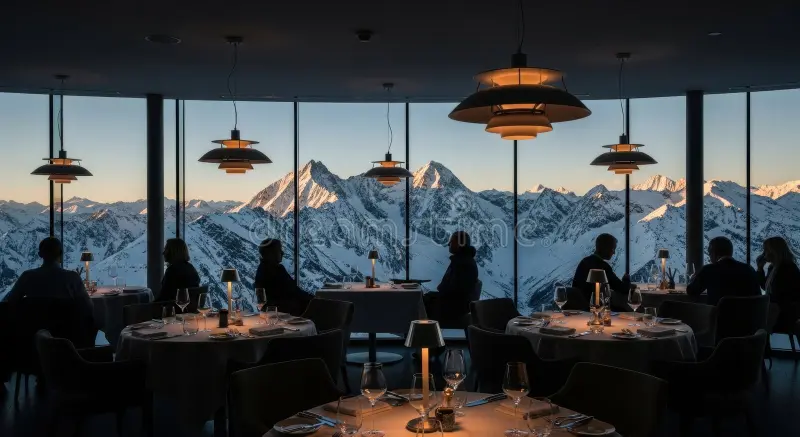
The social atmosphere at the restaurant adds to its charm. This is a place that draws adventurous travelers from around the world, each with their own stories of mountain exploration and adventure. Conversations with fellow diners often reveal fascinating tales of travels in remote corners of the world. There's a camaraderie that develops among people who have all made the effort to reach such an extraordinary destination.
The simplicity of the experience is paradoxically part of its appeal. In an age of increasingly elaborate and over-designed restaurants, there's something refreshing about a place where the focus is on the basics – good food, warm hospitality, and spectacular surroundings. The restaurant doesn't need to rely on fancy decor or complex concepts; the natural environment provides more than enough ambiance on its own.
For many visitors, the perspective gained from dining at such altitude lingers long after the meal is finished. Looking out across vast mountain ranges from the world's highest restaurant has a way of putting everyday concerns into perspective, creating a moment of clarity and appreciation that's rare in our busy lives. It's this combination of physical, sensory, and emotional elements that makes the experience truly unforgettable.
Practical Information for Visitors
Best Time to Visit
The optimal visiting period is from May to October when roads are generally clear and weather conditions are relatively stable. July and August offer the warmest temperatures but also see the highest crowds. June and September often provide a good balance of reasonable weather and fewer visitors. Winter visits are possible but require additional preparation and flexibility due to potential road closures.
What to Bring
Even during summer months, temperatures at this elevation can be quite cool, particularly in the morning and evening. Layered clothing is essential – a warm jacket, sweater, and long pants are recommended regardless of the season. Good walking shoes will help you navigate uneven surfaces, and sunglasses provide protection from the intense UV radiation at high altitude.
Don't forget sunscreen – UV exposure increases significantly with elevation, and sunburn can occur surprisingly quickly even on overcast days. A hat or cap provides additional protection. Carrying a water bottle and staying hydrated is crucial, and having some snacks for energy is always a good idea.
Facilities Available
The restaurant typically offers basic facilities adapted to the high-altitude environment. These include indoor seating with heating, restrooms, and a kitchen equipped for high-altitude cooking. Some locations may have outdoor seating areas for good weather days. However, visitors should not expect luxury facilities – this is, after all, a remote mountain location where simplicity is part of the charm.
Payment and Reservations
Given the remote location, cash payment is generally the most reliable option, though some locations may accept cards. It's always wise to carry sufficient cash for your meal plus extra for emergencies. Reservations are typically not required but can be advisable during peak season or for large groups. Calling ahead to confirm opening status is always recommended, especially during shoulder seasons.
Duration of Visit
Plan to spend 1-2 hours at the restaurant – enough time to enjoy a meal, take photos, and absorb the scenery without feeling rushed. However, many visitors choose to linger longer, particularly if the weather is good and the views are spectacular. There's no need to hurry, and the relaxed pace is part of the mountain dining experience.
Tips for the Best Experience
To make the most of your visit to the world's highest restaurant, consider these recommendations from experienced high-altitude travelers:
Time Your Arrival
Arrive for lunch rather than dinner if possible. The daytime hours typically offer the best visibility and most dramatic lighting on the peaks. Morning visits can be spectacular for sunrise views, but this requires a very early start from lower elevations. Avoid arriving too late in the day when you might risk descending in darkness or deteriorating weather conditions.
Pace Your Eating
The high altitude can affect appetite and digestion. Order gradually rather than loading up on multiple courses at once. Start with something light and see how your appetite responds. The restaurant staff can provide guidance on portion sizes and recommendations based on how you're feeling. Remember that it's perfectly acceptable to order conservatively and add more if you're still hungry.
Stay Hydrated
This cannot be overstated – drink plenty of water before, during, and after your meal. The dry air and altitude can lead to dehydration more quickly than you expect. Limit alcohol consumption, as its effects are amplified at altitude and can worsen both dehydration and altitude symptoms. Hot beverages like tea are excellent choices as they provide both hydration and warmth.
Take Photos Early
Mountain weather can change rapidly, and visibility can deteriorate unexpectedly. Take photos when you first arrive if the views are good, rather than waiting until after your meal. You never know when fog or clouds might roll in and obscure the spectacular scenery. The restaurant staff can often provide guidance on typical weather patterns for the time of day and year.
Respect the Environment
High-altitude ecosystems are fragile and slow to recover from damage. Dispose of waste properly, stay on designated paths, and avoid disturbing wildlife or vegetation. The restaurant typically has waste management systems in place, but doing your part to minimize your environmental impact helps preserve this extraordinary location for future visitors.
Nearby Attractions and Extended Experiences
The journey to the world's highest restaurant can be combined with other remarkable experiences in the high Himalayas. Consider extending your visit to explore more of this extraordinary region:
High-Altitude Passes
Many mountain passes in the region offer even more spectacular views and are accessible as day trips from the restaurant area. These passes often have their own small tea houses or viewing platforms where you can stop for photos and brief rests. Research the passes along your route and plan time for scenic stops.
Monasteries and Temples
The high Himalayas are dotted with ancient Buddhist monasteries and Hindu temples that offer insights into the spiritual traditions that have thrived in these mountains for centuries. Many of these sacred sites are located at high altitudes themselves and provide a fascinating cultural complement to your dining adventure.
High-Altitude Lakes
Sacred lakes and glacial tarns dot the high-altitude landscape, their crystalline waters reflecting the surrounding peaks. Many of these lakes are considered sacred in local traditions and are surrounded by prayer flags and small shrines. Visiting these serene waters adds another dimension to your high-altitude experience.
Mountain Communities
Small villages and settlements in the high mountains offer a glimpse into traditional mountain life. These communities have adapted over generations to the challenges of high-altitude living, and their hospitality, architecture, and daily routines provide fascinating insights into human resilience in extreme environments.
Conclusion: A Meal Above All Others
Dining at the world's highest altitude restaurant is more than just a meal – it's an adventure that combines culinary satisfaction with the thrill of extreme environments and the awe-inspiring beauty of the world's highest mountains. From the moment you begin your ascent until you finally descend back to lower elevations, every aspect of the experience reminds you that you're participating in something extraordinary.
The combination of natural splendor, physical challenge, and human achievement represented by this restaurant creates a powerful memory that lingers long after the taste of the food has faded. It's a testament to human ingenuity that we can create comfortable dining experiences in Earth's most challenging environments, and a reminder of the incredible diversity of experiences our planet has to offer those willing to venture beyond the ordinary.
Whether you're a dedicated food tourist seeking unique dining experiences, an adventure traveler drawn to extreme environments, or simply someone who appreciates the extraordinary beauty of our planet's highest places, a meal at the world's highest restaurant delivers on every level. It's a reminder that sometimes the most memorable experiences are those that require us to climb a little higher, venture a little further, and push beyond our comfort zones.
As you sit surrounded by peaks that have inspired awe for millennia, enjoying a warm meal in an environment where humans were never meant to live, you become part of a long tradition of adventurers drawn to the heights. This is more than dining – it's participation in the timeless human romance with mountains, and a chance to see our world from a perspective that few ever experience.
For those planning explorations of other remarkable culinary destinations in extreme environments, our guide on high-altitude dining experiences offers additional recommendations for combining adventure with gastronomy. But for now, the world's highest restaurant stands as a unique destination that literally rises above all others – a place where food, adventure, and natural beauty converge to create something truly transcendent.
Location
Frequently Asked Questions
Q1.Where is the highest altitude restaurant in the world located?
Q2.What are the challenges of cooking at such high altitude?
Q3.When is the best time to visit the highest altitude restaurant?
Q4.Do I need to worry about altitude sickness when visiting?
Q5.What kind of food is served at the highest altitude restaurant?
Q6.How long does it take to reach the highest altitude restaurant?
Q7.Is the highest altitude restaurant open year-round?
Q8.What should I wear when visiting the highest altitude restaurant?
Q9.How much does it cost to dine at the highest altitude restaurant?
Q10.Can children and elderly people visit the highest altitude restaurant?
Recommended For You

Restaurants Leh Ladakh: Best 15 Places to Eat
Discover best restaurants in Leh Ladakh - Complete food guide with menu prices, veg options, cafes & local dishes. Updated.

Acute Mountain Sickness in Ladakh: Prevention
Complete guide to Acute Mountain Sickness in Ladakh. Learn symptoms, prevention, medicines, acclimatization tips & safety measures for high-altitude travel.

Photography Spots Ladakh: Best Views, Light, and Plan
Capture top photography spots in Ladakh with light-aware planning, route strategy, and safety-first movement tips.
Never Miss an Adventure
Get the latest trekking guides, travel tips, and exclusive offers delivered straight to your inbox.
