
Photography Spots Ladakh: Best Views, Light, and Plan

Ananya Sharma
February 18, 2026
Capture top photography spots in Ladakh with light-aware planning, route strategy, and safety-first movement tips.
Best Photography Spots in Ladakh: Light, Locations, and a Practical Plan
Ladakh is one of the rare places where dramatic landscapes, cultural architecture, and clear high-altitude air come together in a single route. For photographers, that sounds perfect, but execution is harder than it looks. Distances are long, altitude affects energy, weather changes quickly, and the best light windows are short. The photographers who return with strong work usually follow a disciplined plan: they choose fewer locations per day, scout compositions before golden hour, and keep enough buffer for missed weather windows. If you treat Ladakh like a checklist of famous names, you will spend more time in transit than behind the viewfinder.
This guide focuses on practical field strategy for landscape, monastery, lake, and night-sky photography. It is written for travelers who want high-quality output without unsafe rushing. If you are planning a combined visual trip, pair this with stargazing in Ladakh, context from Thiksey Monastery guide, and route ideas from Tso Kar Lake. These references help you build a sequence that fits both light and acclimatization.
Plan by Shot Type, Not by Random Stop
A useful Ladakh framework is to split your shoot targets into four categories: grand landscapes, cultural architecture, lake reflections, and environmental human context. Each category needs different timing and lens behavior. Landscapes perform best in low-angle light. Monasteries work when shadows define structure but do not hide detail. Lake frames need wind awareness as much as sunlight. Human context frames need respectful distance and patience. When you know what you are trying to shoot each morning, decisions become easier and your travel day stays focused.
| Shot Category | Best Window | Field Priority |
|---|---|---|
| Wide landscapes | Sunrise and late evening | Foreground depth and layered ridges |
| Monasteries | Early light and side light | Geometry, leading lines, and scale |
| Lakes | Calm wind periods | Reflections and color transitions |
| Night sky | Moon phase dependent | Stable tripod and warm clothing |
Pangong and High-Altitude Lake Photography
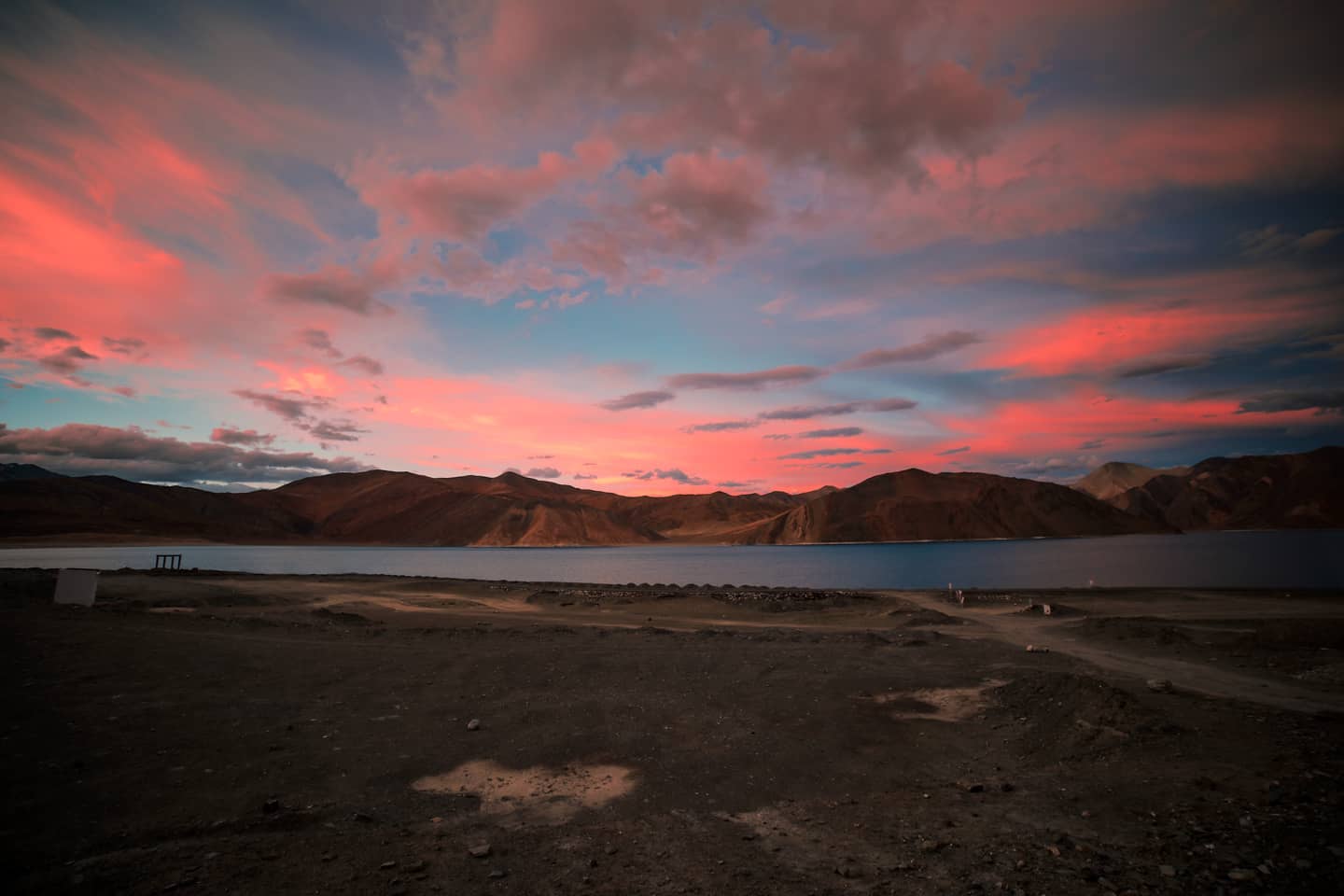
Pangong and similar high-altitude lakes are famous for changing color tones through the day. Many visitors capture only midday blue and miss the richer sunrise and sunset transitions. Arrive early, scout shoreline angles, and look for foreground elements such as stones, shore texture, or road curves that prevent flat compositions. A polarizer can help control glare, but use it carefully with wide lenses because uneven sky darkening can appear. Keep batteries warm in cold wind and rotate them often. Do not spend too long exposed to harsh conditions only for one frame; altitude fatigue builds quietly and affects judgment.
When lake wind rises, reflections disappear quickly. At that point, change strategy to texture and wave patterns rather than waiting for a mirror surface that may not return. Small adaptations like this keep your output consistent.
Monastery Photography: Strong Composition with Respect
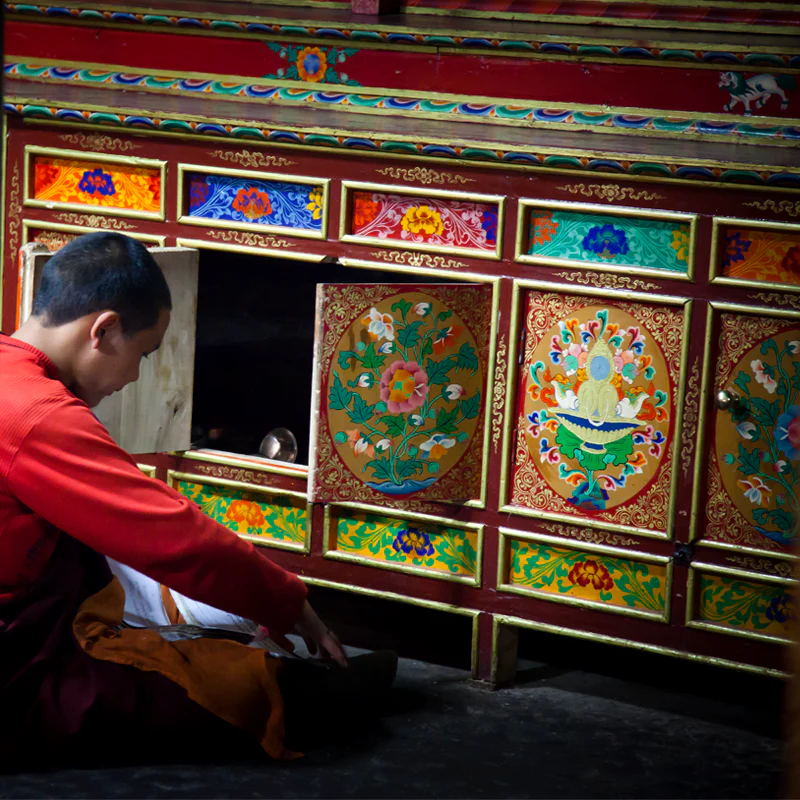
Ladakh monasteries give visual depth that pure landscapes cannot. Their hillside placement, white facades, and prayer-flag movement create layered frames. The best approach is to shoot both distant establishing frames and tighter detail studies. Wide frames show structure against mountain terrain. Mid focal lengths isolate windows, stair lines, and roof textures. If people are present, include them only when they add scale and story. Always ask before close portraits and follow no-photo rules in prayer halls. Respectful behavior matters more than any shot.
For location variety, work one monastery at sunrise and a different one near late afternoon when light direction changes. Repeating the same spot at different hours can produce entirely different images without extra travel time.
Nubra Valley, Passes, and Road Compositions
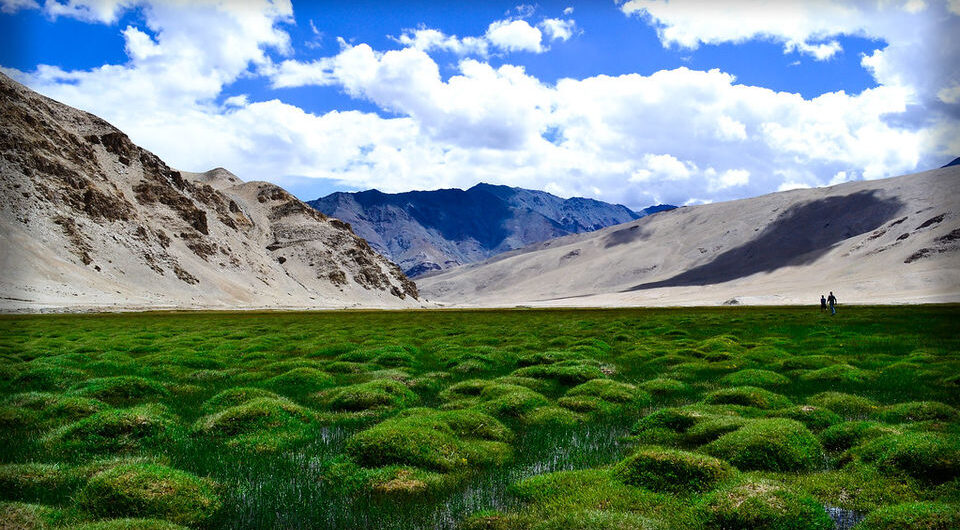
Nubra offers a different visual language: dunes, valley agriculture, monastery viewpoints, and dramatic road transitions from high passes. It is ideal for photographers who want contrast within one route. Use early light for dune texture and late light for long shadow lines. At high passes, prioritize safety before roadside composition. Park only in safe pull-outs, wear visible layers, and avoid stepping into traffic curves for framing. Road photography in Ladakh is strongest when you build depth with bends, ridgelines, and small vehicle scale rather than centering everything flat.
If weather closes in, switch from distant scenes to local stories: prayer wheels, stone walls, parked bikes, travel rituals, and mountain-town details. This flexibility keeps the shoot productive even when long-visibility landscapes fade.
Night Sky and Blue Hour Opportunities
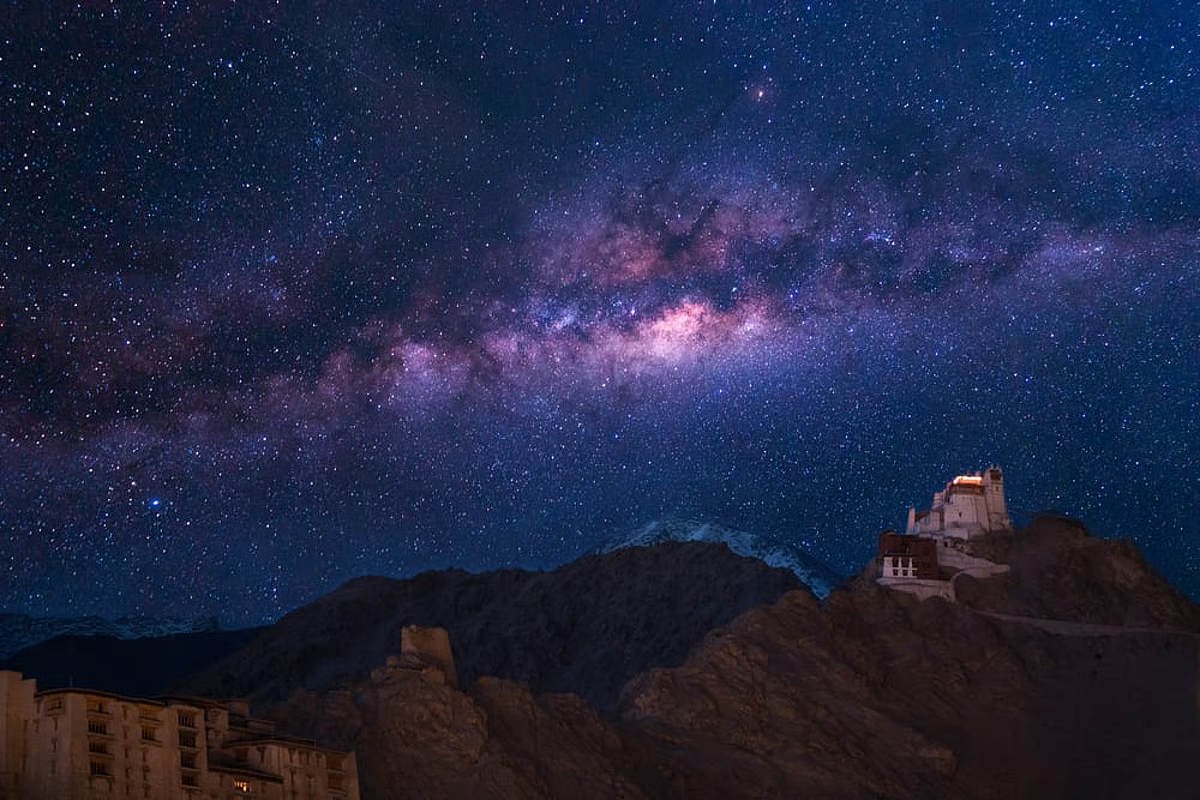
Ladakh is a major destination for night-sky enthusiasts because of thin air, high altitude, and lower light pollution outside town clusters. But night sessions require preparation. Scout your foreground in daylight, mark safe walking lines, and confirm return paths. Use sturdy tripod placement on stable ground, carry red-light mode headlamp, and keep sessions realistic for your body. If you are acclimatizing, shorten the first night shoot and extend only when you feel stable. Clear skies can tempt overwork, but fatigue ruins next-day sunrise windows.
After the stars, stay for blue hour if cloud cover allows. This transition period can produce excellent mountain silhouettes and subtle gradients that complement your night set.
Gear and Field Workflow That Actually Helps
Ladakh rewards simple, reliable gear choices more than heavy kits. A wide lens, a standard zoom, and one lightweight tripod handle most situations. Carry spare batteries, lens cloths for dust, and weather-proof packing. Keep a daily routine: charge all batteries, clear cards, label top locations, and check weather before sleep. In the morning, leave early enough to set up before light begins. Arriving at golden hour is often too late for serious composition work.
Editing discipline also matters. Tag images by location and light condition each evening while memory is fresh. This reduces post-trip confusion and helps you identify what to repeat the next day.
Suggested 5-Day Photography Flow
Day 1 acclimatization with short city-edge sunset. Day 2 monastery and local valley frames. Day 3 high-altitude lake sunrise and evening return textures. Day 4 Nubra dunes plus pass compositions. Day 5 reserve day for weather recovery or missed target light. This flow avoids overscheduling and gives you one tactical buffer, which is essential in Ladakh.
Photography spots in Ladakh can produce extraordinary results when planned with patience. Focus on light windows, safe movement, and respectful local behavior. Keep your route realistic, your objectives clear, and your energy managed. That combination will produce a stronger portfolio than rushing through every famous stop in one aggressive itinerary.
Location
Frequently Asked Questions
Q1.Do I need pro gear for Ladakh photography?
Q2.Best time of day for Ladakh shots?
Q3.Can I photograph monasteries freely?
Q4.How many stops per day are ideal?
Q5.Should I keep a buffer day?
Q6.What is the biggest challenge?
Q7.Is drone use allowed?
Q8.Can I combine night sky and day photos?
Recommended For You
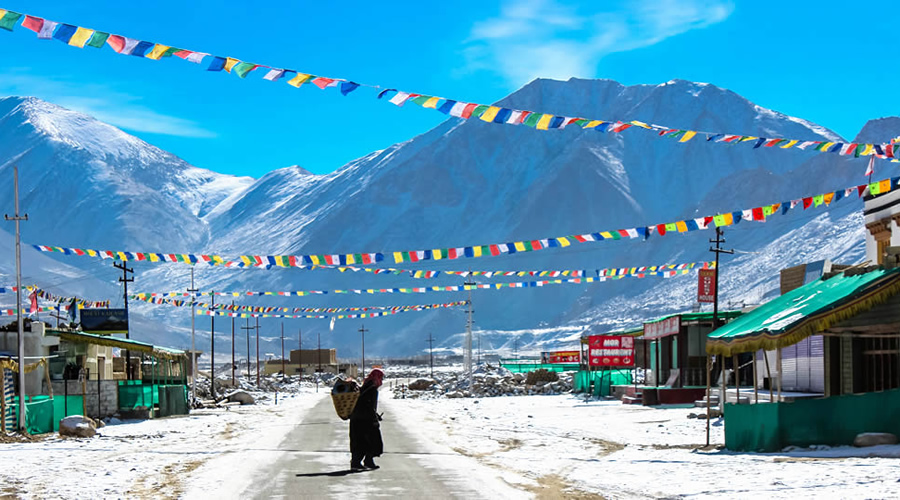
Ladakh in December: Weather, Road Status & Winter Experiences
Visit Ladakh in December. Weather, temperature, frozen lakes, snowfall, road conditions, accessible places & complete winter travel guide.
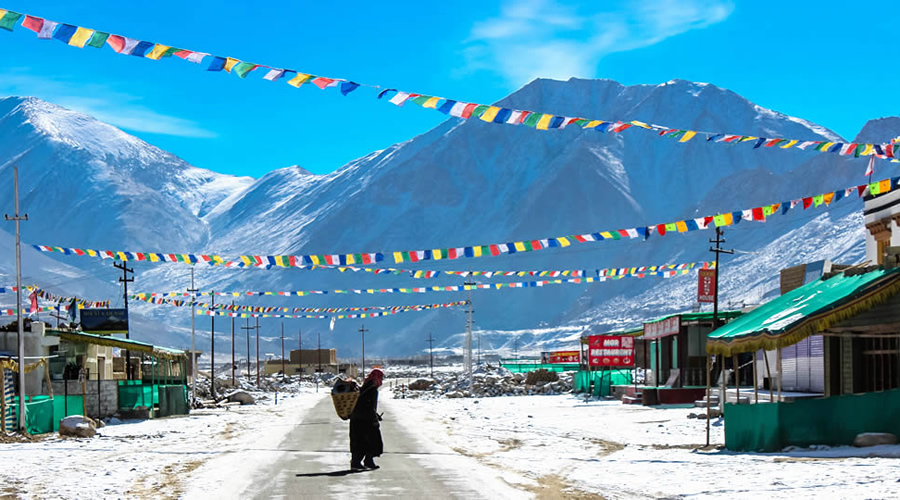
Snowfall in Ladakh: Best Months, Temperature & Travel Prep
Complete guide to snowfall in Ladakh. Learn when it snows, winter temperatures, best places to see snow, activities like Chadar Trek, and winter travel tips.
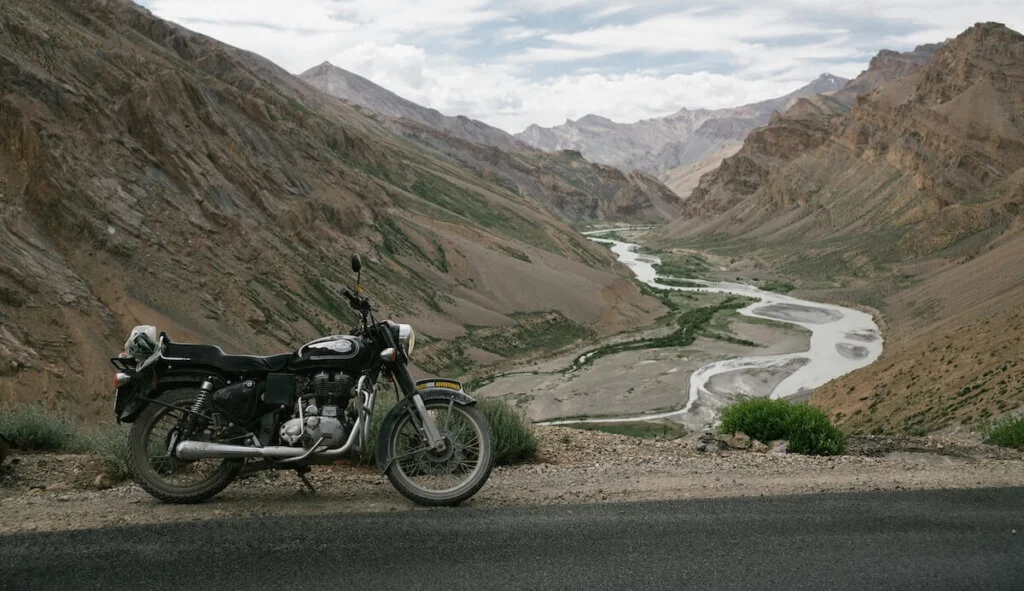
Leh Ladakh Bike Trip: Complete Route And Itinerary Plan
Plan Leh Ladakh bike trip with route choices, itinerary, cost, permits, acclimatization tips, and practical riding prep for a safer high-altitude ride.
Never Miss an Adventure
Get the latest trekking guides, travel tips, and exclusive offers delivered straight to your inbox.
