
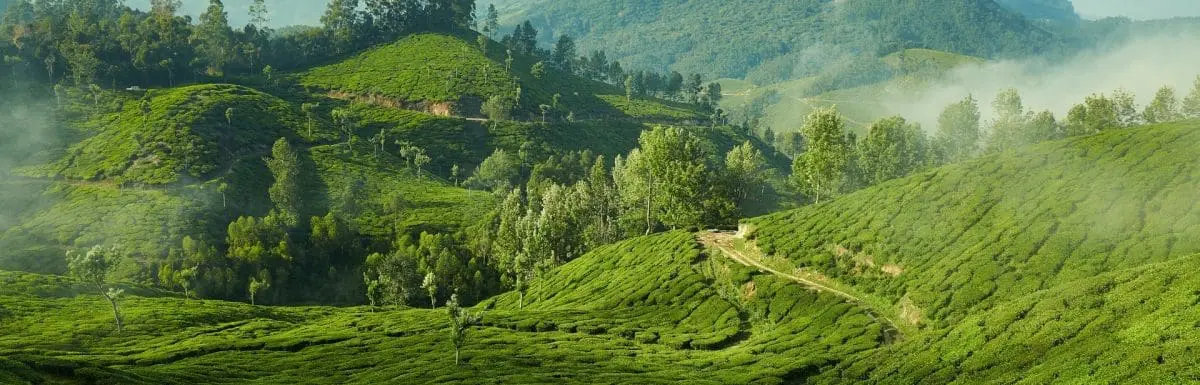
Top 10 Hill Stations in Kerala: Misty Escapes

Rahul Garg
February 18, 2026
Explore the best hill stations in Kerala. Munnar, Wayanad, Vagamon & more. Perfect for honeymooners and nature lovers. Plan your misty mountain getaway.
Introduction to Western Ghats in Kerala
Escape the sweltering heat and humidity of the plains to the cool, misty embrace of the Western Ghats. Kerala's hill stations are among the most beautiful in South India, offering a perfect blend of rolling tea gardens, spice plantations, winding roads, and breathtaking viewpoints.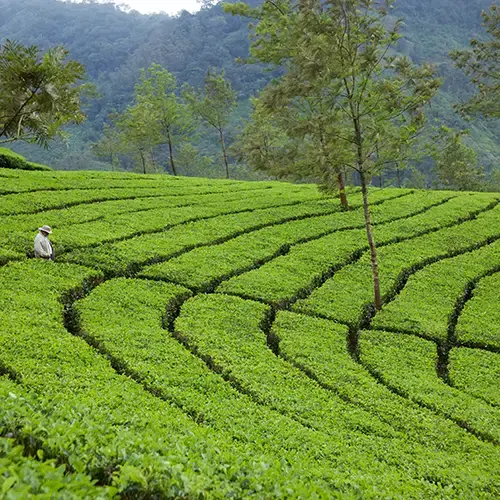 What sets Kerala's hill stations apart is their incredible diversity. From the world-famous tea plantations of Munnar to the wildlife-rich forests of Thekkady, from the romantic meadows of Vagamon to the misty peaks of Ponmudi—there's a hill station for every kind of traveler. Whether you're planning a honeymoon, a family vacation, an adventure trek, or simply seeking solitude amidst nature, Kerala's mountains have something special to offer.
Located at elevations ranging from 700 to 2,695 meters above sea level, these hill stations enjoy pleasant weather throughout the year. The Western Ghats, a UNESCO World Heritage Site, is home to some of the most biodiverse regions on the planet, making these destinations not just scenic but ecologically significant.
What sets Kerala's hill stations apart is their incredible diversity. From the world-famous tea plantations of Munnar to the wildlife-rich forests of Thekkady, from the romantic meadows of Vagamon to the misty peaks of Ponmudi—there's a hill station for every kind of traveler. Whether you're planning a honeymoon, a family vacation, an adventure trek, or simply seeking solitude amidst nature, Kerala's mountains have something special to offer.
Located at elevations ranging from 700 to 2,695 meters above sea level, these hill stations enjoy pleasant weather throughout the year. The Western Ghats, a UNESCO World Heritage Site, is home to some of the most biodiverse regions on the planet, making these destinations not just scenic but ecologically significant.
Munnar: The Tea Garden Capital
Munnar is undoubtedly Kerala's most famous hill station, and for good reason. At 1,600 meters above sea level, this erstwhile summer resort of the British Raj is surrounded by 80,000 miles of rolling tea plantations that carpet the hills in every shade of green. The beauty of Munnar lies in its dramatic landscapes—mist-clad mountains, cascading waterfalls, and endless rows of tea bushes that seem to extend to the horizon. The air here is redolent with the scent of eucalyptus and fresh tea leaves. It's no wonder that Munnar tops the list of Kerala's most visited destinations.
**Key Attractions in Munnar:**
Eravikulam National Park: Home to the endangered Nilgiri Tahr, this park offers spectacular views of the Western Ghats. The park is most famous for Neelakurinji flowers that bloom once every 12 years, carpeting the hills in a stunning purple hue.
Mattupetty Dam: A beautiful dam surrounded by tea gardens and forests. Boating on the serene Mattupetty Lake is a popular activity, and the nearby dairy farm is worth visiting.
Top Station: At 1,700 meters, this offers panoramic views of the Western Ghats and the neighboring state of Tamil Nadu. The drive to Top Station is an experience in itself, winding through some of Munnar's most stunning tea estates.
Tea Museum: Learn about the history of tea plantations in Munnar and witness the tea-making process from plucking to packaging. You can even buy fresh tea directly from the source.
Munnar is ideal for families, honeymooners, and anyone seeking a romantic getaway. The best time to visit is from September to March when the weather is pleasantly cool.
The beauty of Munnar lies in its dramatic landscapes—mist-clad mountains, cascading waterfalls, and endless rows of tea bushes that seem to extend to the horizon. The air here is redolent with the scent of eucalyptus and fresh tea leaves. It's no wonder that Munnar tops the list of Kerala's most visited destinations.
**Key Attractions in Munnar:**
Eravikulam National Park: Home to the endangered Nilgiri Tahr, this park offers spectacular views of the Western Ghats. The park is most famous for Neelakurinji flowers that bloom once every 12 years, carpeting the hills in a stunning purple hue.
Mattupetty Dam: A beautiful dam surrounded by tea gardens and forests. Boating on the serene Mattupetty Lake is a popular activity, and the nearby dairy farm is worth visiting.
Top Station: At 1,700 meters, this offers panoramic views of the Western Ghats and the neighboring state of Tamil Nadu. The drive to Top Station is an experience in itself, winding through some of Munnar's most stunning tea estates.
Tea Museum: Learn about the history of tea plantations in Munnar and witness the tea-making process from plucking to packaging. You can even buy fresh tea directly from the source.
Munnar is ideal for families, honeymooners, and anyone seeking a romantic getaway. The best time to visit is from September to March when the weather is pleasantly cool.
Wayanad: Nature's Abode
Wayanad is different from Munnar—it's wilder, more rugged, and incredibly green. Located in the Western Ghats of North Kerala, Wayanad is a land of mist-clad mountains, spice plantations, dense forests, and ancient history. What makes Wayanad special is its incredible biodiversity. It's one of the least exploited hill stations in Kerala, which means it's relatively less crowded and more pristine. The region is dotted with waterfalls, caves, and wildlife sanctuaries, making it a paradise for nature lovers and adventure seekers. **Key Attractions in Wayanad:** Edakkal Caves: These ancient caves feature fascinating rock carvings dating back to the Neolithic era. The trek to the caves offers stunning views of the surrounding landscape, making it worth the effort. Banasura Sagar Dam: The largest earth dam in India and the second largest in Asia, surrounded by hills and islands. A boat ride here is a serene experience, especially during sunset. Chembra Peak: At 2,100 meters, this is the highest peak in Wayanad. The trek to the top is moderately challenging but rewarding, with a heart-shaped lake near the summit that's a photographer's delight. Wayanad Wildlife Sanctuary: Part of the Nilgiri Biosphere Reserve, this sanctuary is home to elephants, tigers, leopards, and various species of deer. A jeep safari here is an unforgettable experience. Soochipara Waterfalls: A three-tiered waterfall surrounded by dense forest. The pool at the base is perfect for a refreshing dip, and the surrounding area offers excellent trekking opportunities. Wayanad is best for adventure seekers, nature photographers, and those looking to explore offbeat destinations. The best time to visit is from October to May.Vagamon: The Pine Forest Paradise
Vagamon is Kerala's best-kept secret—a serene hill station that remains relatively untouched by mass tourism. Located at 1,100 meters above sea level in the Idukki district, Vagamon offers rolling meadows, pine forests, and a tranquil atmosphere that's hard to find elsewhere. What strikes you most about Vagamon is its stillness. The mist rolls in over the hills, the wind whispers through the pine trees, and time seems to slow down. It's the kind of place where you can truly disconnect from the world and reconnect with nature.
**Key Attractions in Vagamon:**
Pine Forest: A majestic forest of tall pine trees that create an otherworldly atmosphere. Walking through these trees, with sunlight filtering through the needles, feels like being in a European forest.
Vagamon Meadows: Expansive green rolling hills that seem to stretch endlessly. These meadows are perfect for picnics, photography, or simply lying back and watching the clouds drift by.
Kurisumala: A popular pilgrimage center for Christians, the trek to Kurisumala (meaning 'Mountain of the Cross') offers beautiful views and a chance to experience the spiritual side of Vagamon.
Maramala Waterfalls: A stunning waterfall that cascades down a 60-meter cliff. The trek to reach the falls is an adventure in itself, passing through spice gardens and forests.
Vagamon is ideal for peace seekers, honeymooners looking for solitude, and anyone wanting to experience Kerala's hill stations without the crowds. The weather here is pleasant year-round.
What strikes you most about Vagamon is its stillness. The mist rolls in over the hills, the wind whispers through the pine trees, and time seems to slow down. It's the kind of place where you can truly disconnect from the world and reconnect with nature.
**Key Attractions in Vagamon:**
Pine Forest: A majestic forest of tall pine trees that create an otherworldly atmosphere. Walking through these trees, with sunlight filtering through the needles, feels like being in a European forest.
Vagamon Meadows: Expansive green rolling hills that seem to stretch endlessly. These meadows are perfect for picnics, photography, or simply lying back and watching the clouds drift by.
Kurisumala: A popular pilgrimage center for Christians, the trek to Kurisumala (meaning 'Mountain of the Cross') offers beautiful views and a chance to experience the spiritual side of Vagamon.
Maramala Waterfalls: A stunning waterfall that cascades down a 60-meter cliff. The trek to reach the falls is an adventure in itself, passing through spice gardens and forests.
Vagamon is ideal for peace seekers, honeymooners looking for solitude, and anyone wanting to experience Kerala's hill stations without the crowds. The weather here is pleasant year-round.
Thekkady: Wildlife & Spices
Thekkady, located in the Idukki district, is famous for the Periyar National Park—one of India's most celebrated tiger reserves. But Thekkady is more than just wildlife; it's also the spice capital of Kerala, with vast plantations of cardamom, pepper, cinnamon, and cloves. What makes Thekkady unique is this combination of wildlife and spice tourism. You can go on a morning jungle safari, spend the afternoon exploring spice gardens, and end the day watching elephants play by the lakeside. It's an experience that engages all your senses. **Key Attractions in Thekkady:** Periyar National Park: Spread across 925 square kilometers, this park is home to elephants, tigers, bison, sambar deer, and countless bird species. The boat safari on Periyar Lake is the best way to spot wildlife, especially during early morning hours. Periyar Lake: This artificial lake within the national park is where animals come to drink. Watching a herd of elephants playing in the water or a bison emerging from the forest is a magical experience. Spice Plantations: Take a guided tour of spice gardens to see how pepper, cardamom, cinnamon, cloves, and vanilla are grown. Most tours end with a spice shopping opportunity and a traditional Kerala lunch. Elephant Junction: For those wanting to interact with elephants responsibly, this place offers elephant rides, feeding, and bathing experiences. Always ensure the facility treats animals ethically before visiting. Kadathanadan Kalari Centre: Watch Kerala's traditional martial art, Kalaripayattu, performed by skilled artists. The evening shows are spectacular and offer insight into Kerala's cultural heritage. Thekkady is perfect for wildlife enthusiasts, families with children, and anyone interested in spice tourism. The best time to visit is from September to March.Ponmudi: The Golden Peak
Ponmudi, meaning 'Golden Crown,' is a charming hill station located just 60 kilometers from Trivandrum (Thiruvananthapuram). At 1,100 meters above sea level, it's one of the highest points in the Western Ghats and offers a perfect escape from the coastal heat of Kerala's capital.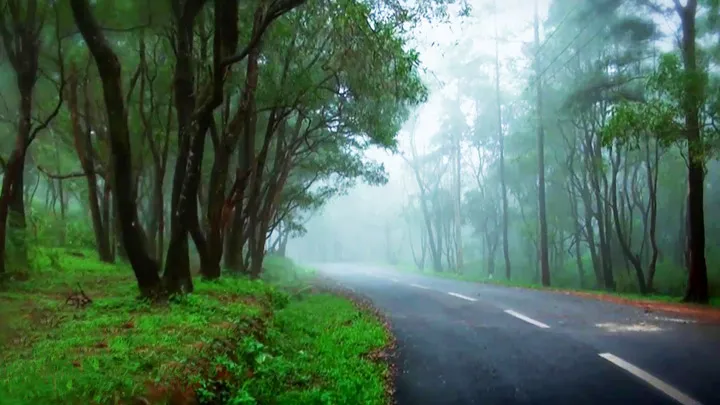 The journey to Ponmudi is part of the experience—the road winds through 22 hairpin bends, each revealing more stunning vistas than the last. As you ascend, the temperature drops, the air becomes crisper, and the scenery transforms from coastal to mountainous.
**Key Attractions in Ponmudi:**
Golden Valley: A pristine spot with a crystal-clear stream flowing through it. Perfect for picnics and splashing around in the cool mountain water, surrounded by lush forests.
Peppara Wildlife Sanctuary: Though not as famous as Periyar, this sanctuary is rich in wildlife, including elephants, sambhar, leopards, and various bird species. It's less crowded, offering a more intimate wildlife experience.
Tea Gardens: While not as extensive as Munnar's, Ponmudi's tea estates are beautiful and less crowded. Walking through these manicured gardens with the Western Ghats as a backdrop is peaceful.
Elephant Point: A viewpoint offering panoramic vistas of the surrounding hills and valleys. On a clear day, you can see all the way to the Arabian Sea.
Agasthyakoodam: One of the highest peaks in the Western Ghats, this is a trekker's paradise. The trek requires special permission from the forest department but offers incredible biodiversity and spectacular views.
Ponmudi is ideal for bikers, day trippers from Trivandrum, and anyone seeking a quick mountain getaway. The monsoon months (June to August) are particularly beautiful here.
The journey to Ponmudi is part of the experience—the road winds through 22 hairpin bends, each revealing more stunning vistas than the last. As you ascend, the temperature drops, the air becomes crisper, and the scenery transforms from coastal to mountainous.
**Key Attractions in Ponmudi:**
Golden Valley: A pristine spot with a crystal-clear stream flowing through it. Perfect for picnics and splashing around in the cool mountain water, surrounded by lush forests.
Peppara Wildlife Sanctuary: Though not as famous as Periyar, this sanctuary is rich in wildlife, including elephants, sambhar, leopards, and various bird species. It's less crowded, offering a more intimate wildlife experience.
Tea Gardens: While not as extensive as Munnar's, Ponmudi's tea estates are beautiful and less crowded. Walking through these manicured gardens with the Western Ghats as a backdrop is peaceful.
Elephant Point: A viewpoint offering panoramic vistas of the surrounding hills and valleys. On a clear day, you can see all the way to the Arabian Sea.
Agasthyakoodam: One of the highest peaks in the Western Ghats, this is a trekker's paradise. The trek requires special permission from the forest department but offers incredible biodiversity and spectacular views.
Ponmudi is ideal for bikers, day trippers from Trivandrum, and anyone seeking a quick mountain getaway. The monsoon months (June to August) are particularly beautiful here.
Lakkidi: The Gateway to Wayanad
Lakkidi, at an elevation of 700 meters above sea level, is one of the highest locations in Wayanad and receives the second-highest rainfall in India. This misty hill station is nestled among lush forests and winding mountain roads, making it one of Kerala's most scenic destinations. What makes Lakkidi special is its incredible natural beauty. The journey to Lakkidi involves navigating some of the most beautiful hairpin bends in Kerala, each turn revealing a new vista of mist-covered valleys and dense forests. **Key Attractions in Lakkidi:** Lakkidi Viewpoint: Offers panoramic views of the surrounding Western Ghats. On a clear day, you can see for miles, with layers of mountains fading into the distance. Pookot Lake: A natural freshwater lake surrounded by forests. Boating here is serene, and the surrounding area offers a children's park, an aquarium, and a spice shop. Chain Tree: A fascinating natural wonder—a large Ficus tree that has grown around a massive chain. Local legends say it's haunted, adding an element of mystery to the visit. Soochipara and Meenmutty Waterfalls: Both are accessible from Lakkidi and offer spectacular views, especially during the monsoon when they're in full flow. Lakkidi is perfect for nature lovers, road trippers, and photographers. The monsoon season transforms this region into a magical green paradise.Idukki: The Land of Dams
Idukki, located in the heart of Kerala, is a hill district known for its massive dams, spice plantations, and wildlife sanctuaries. At an average elevation of 1,200 meters, it's one of the most biodiverse regions in the Western Ghats. **Key Attractions in Idukki:** Idukki Arch Dam: The world's second and Asia's first arch dam, spanning the Periyar River between two massive granite hills. The view from the dam is spectacular, especially during sunset. Hill View Park: Offers panoramic views of the Idukki Dam and the surrounding landscape. There's also a children's park and a herbal garden here. Idukki Wildlife Sanctuary: Home to elephants, bison, sambar deer, and numerous bird species. The sanctuary is part of the larger Periyar Tiger Reserve. Kulamavu: Another dam in the Idukki project, offering beautiful views and boating opportunities. Idukki is ideal for engineers, nature enthusiasts, and those interested in Kerala's hydroelectric projects.Peermade: The Spice Garden
Peermade, located between Thekkady and Kuttikkanam, is a tranquil hill station known for its spice plantations, waterfalls, and pleasant climate. At 915 meters above sea level, it's cooler than the plains but not as cold as Munnar. **Key Attractions in Peermade:** Spice Plantations: Extensive gardens of cardamom, tea, coffee, and pepper. Guided tours explain the cultivation process. Thrissanku Hills: A viewpoint offering panoramic views of the surrounding plantations and hills. Peeru Hills: Named after Sufi saint Peer Mohammed, these hills offer excellent trekking and picnic spots. Parunthumpara: A viewpoint offering stunning views of the Western Ghats. Peermade is perfect for those wanting to experience plantation life without the crowds of Munnar.Vythiri: Nature's Paradise in Wayanad
Vythiri, located in Wayanad district, is a small hill station known for its luxury resorts, coffee plantations, and misty mornings. It's the perfect place for a romantic getaway. **Key Attractions in Vythiri:** Lakkidi Viewpoint: Just 5 kilometers from Vythiri, this offers spectacular views of the winding mountain roads. Pookot Lake: A freshwater lake perfect for boating and relaxation. Chain Tree: An interesting natural wonder with local legends attached. Soochipara Waterfalls: Nearby and easily accessible from Vythiri. Vythiri is ideal for honeymooners and those seeking luxury in nature's lap.Best Time to Visit Kerala Hill Stations
Kerala's hill stations can be visited year-round, but the experience varies significantly with the seasons:| Season | Months | Temperature | Pros | Cons |
|---|---|---|---|---|
| Winter | Sept - Mar | 10°C - 25°C | Ideal weather, perfect for sightseeing | Peak tourist season, higher prices |
| Summer | Apr - May | 15°C - 28°C | Less crowded, good for escaping heat | Can get warm during midday |
| Monsoon | Jun - Aug | 12°C - 22°C | Lush greenery, waterfalls at peak flow | Heavy rainfall, landslides possible |
Conclusion
Kerala's hill stations offer a diverse range of experiences—from the world-famous tea gardens of Munnar to the wildlife-rich forests of Thekkady, from the romantic meadows of Vagamon to the misty peaks of Ponmudi. Each destination has its own unique charm and appeal. Whether you're seeking adventure, romance, solitude, or simply a break from the heat, Kerala's mountains have the perfect escape waiting for you. Pack your bags, head to the hills, and experience the magic of God's Own Country from above the clouds.Location
Frequently Asked Questions
Q1.Which is the most beautiful hill station in Kerala?
Q2.Which hill station is best for a honeymoon in Kerala?
Q3.Are there hill stations near Trivandrum?
Q4.What is the best time to visit Kerala hill stations?
Q5.Can we see snow in Kerala hill stations?
Q6.Which hill station has the best tea plantations?
Q7.Which is the least crowded hill station in Kerala?
Q8.How many days are enough for Kerala hill station trip?
Recommended For You
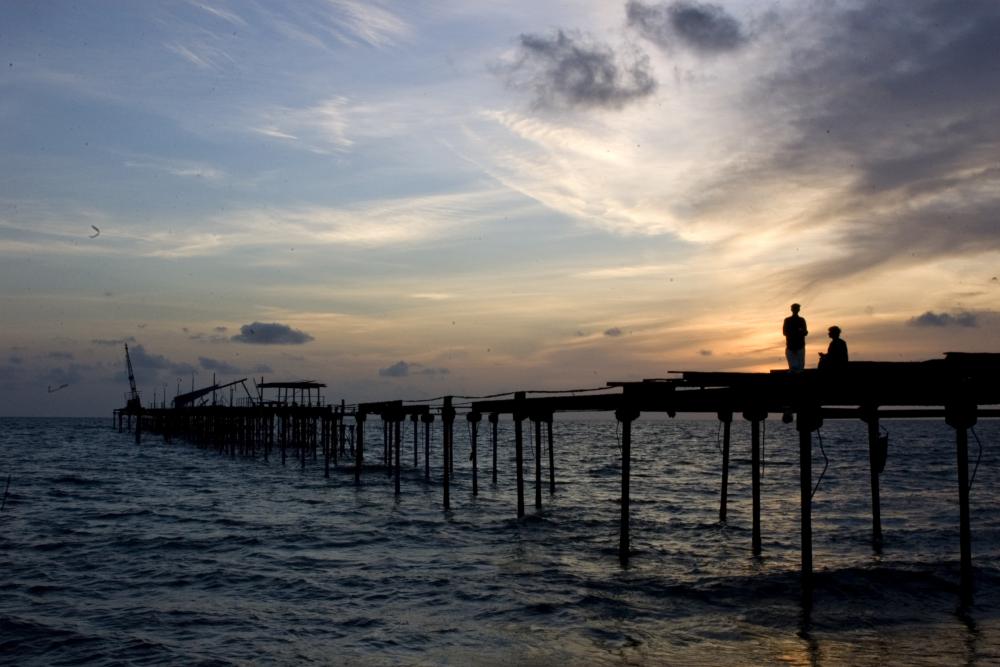
Beaches Alleppey: Complete Guide to Alappuzha's Coastal Paradise
Discover the best beaches in Alleppey (Alappuzha), from the historic Alappuzha Beach to pristine Marari Beach. Enjoy the unique combination of Kerala's backwaters and Arabian Sea coastline with houseboat experiences, fresh seafood, water sports, and stunning sunsets in this comprehensive coastal paradise guide.
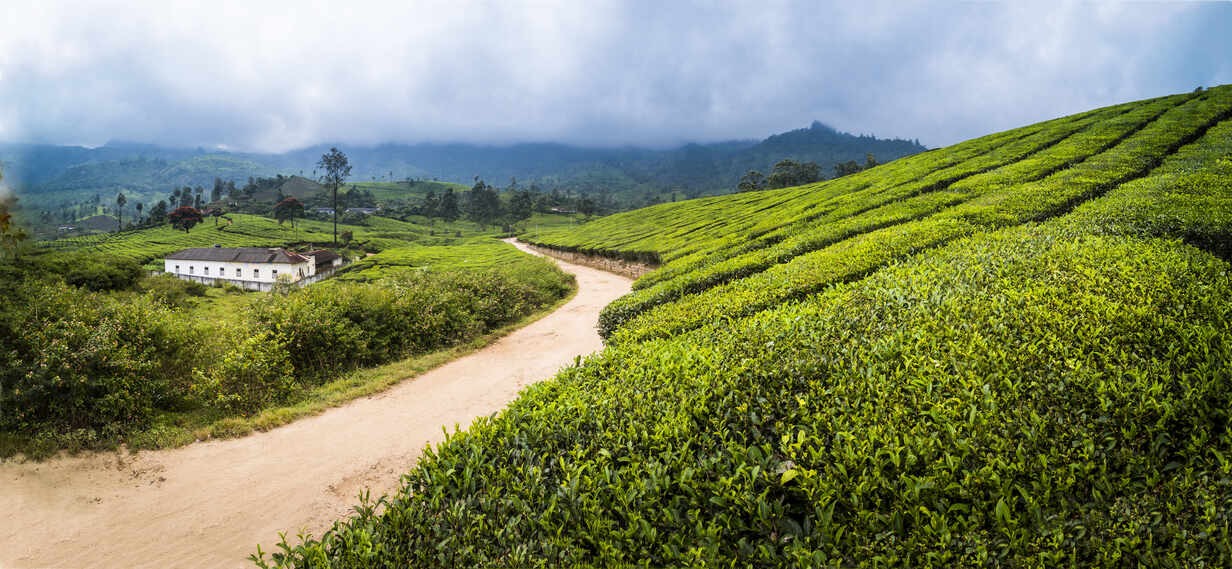
Tea Plantations in Kerala: Munnar Estate Visits, Timings & Photo Spots
Explore Kerala's tea plantations in Munnar. Guide to tea gardens, plantation tours, Tata Tea Museum & best places to experience Kerala's tea estates with tasting sessions.
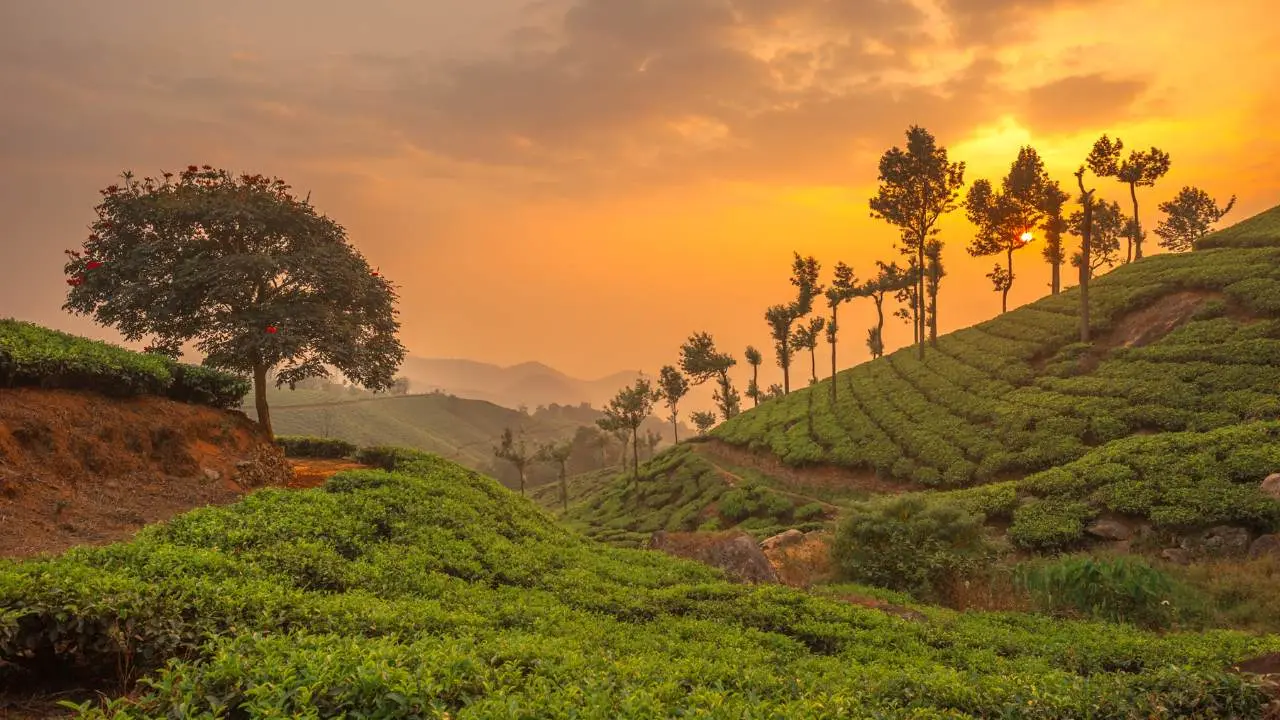
Munnar: Complete Travel Plan Places And Weather
Complete Munnar travel guide. Best time to visit, top attractions, tea garden tours, adventure activities, accommodation, costs, and practical tips for Kerala's famous hill station.
Never Miss an Adventure
Get the latest trekking guides, travel tips, and exclusive offers delivered straight to your inbox.
