
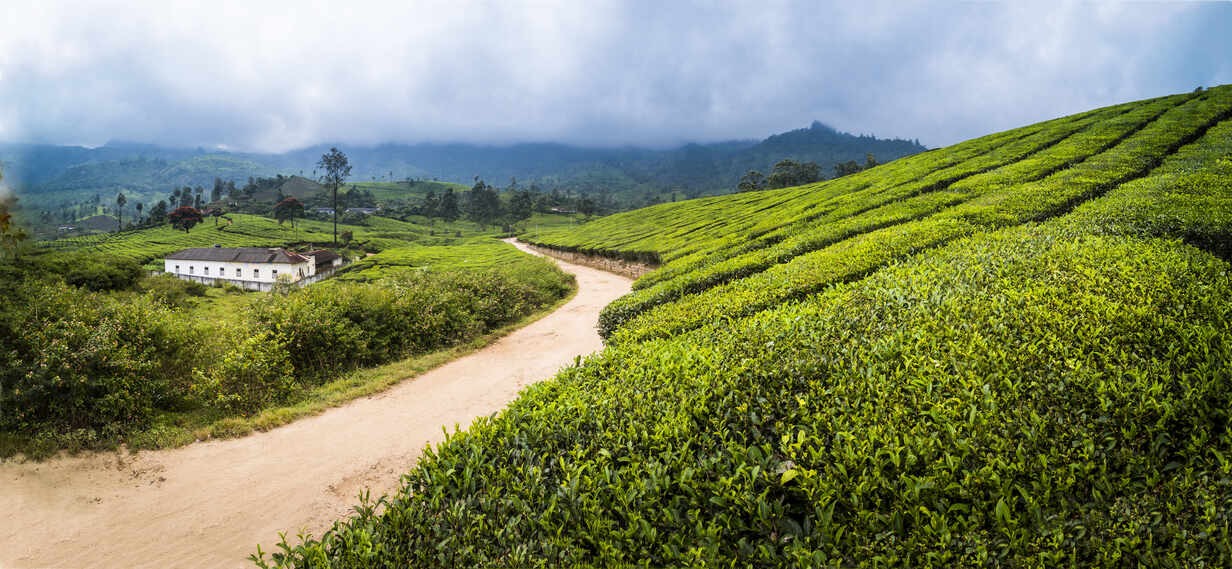
Tea Plantations in Kerala: Munnar Estate Visits, Timings & Photo Spots
Rohit Verma
February 18, 2026
Explore Kerala's tea plantations in Munnar. Guide to tea gardens, plantation tours, Tata Tea Museum & best places to experience Kerala's tea estates with tasting sessions.
Introduction: Kerala's Tea Country
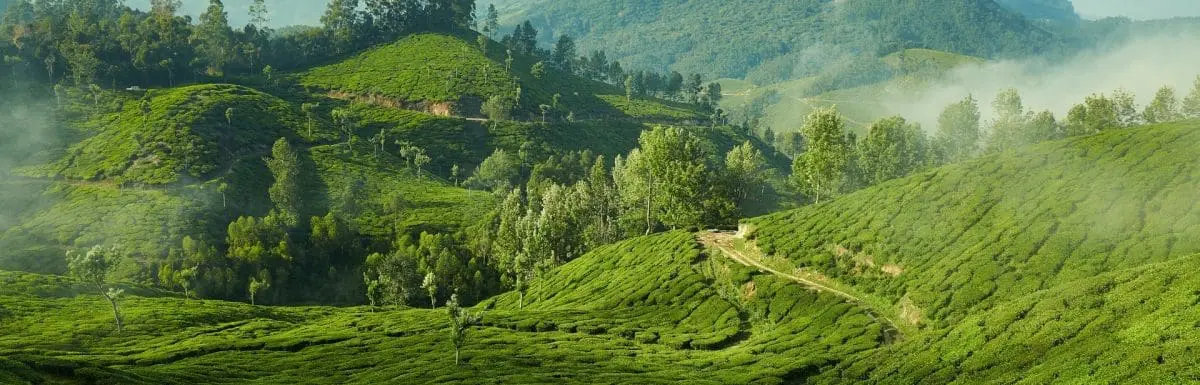
Nestled in the majestic Western Ghats of Kerala, Munnar's rolling tea plantations create a mesmerizing landscape of endless green carpets that stretch as far as the eye can see. These verdant slopes, often shrouded in mist, tell the story of a colonial legacy that transformed this region into one of India's premier tea-growing destinations. The tea plantations of Kerala, particularly in and around Munnar, offer visitors a unique opportunity to witness the journey of tea from leaf to cup while surrounded by some of nature's most breathtaking scenery.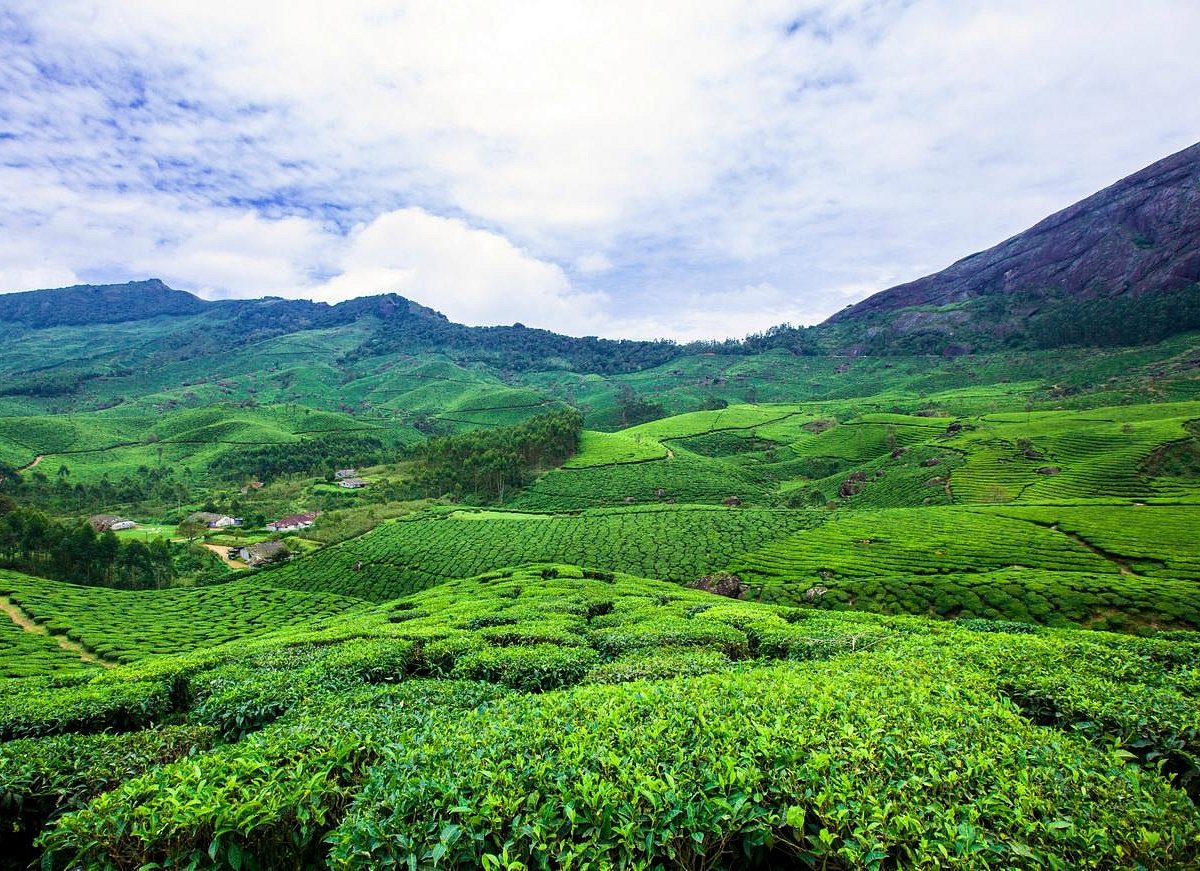 The history of tea in Kerala dates back to the late 19th century when British planters recognized the potential of these hills at altitudes ranging from 4,000 to 7,000 feet above sea level. Today, Munnar and its surrounding areas are home to some of the highest tea estates in the world, producing distinctive teas that are celebrated globally for their flavor and quality. Whether you're a tea connoisseur, a nature lover, or simply seeking tranquility away from the hustle of city life, Kerala's tea plantations offer an experience that is both refreshing and enlightening.
The region's unique climate—with cool temperatures, abundant rainfall, and misty mornings—creates the perfect conditions for cultivating exceptional tea. As you wander through these estates, you'll not only witness the meticulous process of tea cultivation but also understand why this region has become synonymous with some of India's finest teas. For those planning a complete Munnar experience, exploring these plantations is an essential part of understanding the region's heritage and natural beauty.
The history of tea in Kerala dates back to the late 19th century when British planters recognized the potential of these hills at altitudes ranging from 4,000 to 7,000 feet above sea level. Today, Munnar and its surrounding areas are home to some of the highest tea estates in the world, producing distinctive teas that are celebrated globally for their flavor and quality. Whether you're a tea connoisseur, a nature lover, or simply seeking tranquility away from the hustle of city life, Kerala's tea plantations offer an experience that is both refreshing and enlightening.
The region's unique climate—with cool temperatures, abundant rainfall, and misty mornings—creates the perfect conditions for cultivating exceptional tea. As you wander through these estates, you'll not only witness the meticulous process of tea cultivation but also understand why this region has become synonymous with some of India's finest teas. For those planning a complete Munnar experience, exploring these plantations is an essential part of understanding the region's heritage and natural beauty.
Top Tea Plantations in Munnar
Kannan Devan Plantations
The Kannan Devan Hills Plantations, now owned by Tata Tea, represent the largest and most extensive tea-growing operations in Munnar. Spread across thousands of acres, these plantations have been the backbone of Munnar's economy and identity for over a century. What makes these estates particularly special is their accessibility—visitors can drive through miles of tea-covered hills, stopping at viewpoints that offer panoramic vistas of neatly pruned tea bushes creating geometric patterns against the mountain slopes.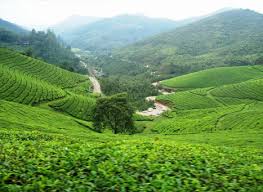 The plantations are divided into multiple sections, each with its own character and microclimate. As you explore, you'll notice the color variations in the tea bushes—ranging from deep emerald to lighter shades of green—indicating different stages of growth and processing. The estate also offers guided tours where you can learn about sustainable farming practices and the company's initiatives in supporting local communities.
Lockhart Tea Estate
Lockhart Tea Estate, located approximately 15 kilometers from Munnar town, offers one of the most complete tea plantation experiences in the region. What sets Lockhart apart is its commitment to tourism and education—the estate features a working tea factory that welcomes visitors, offering a rare glimpse into the tea processing operations. The factory tour demonstrates each step of tea production, from withering and rolling to fermentation and drying. The estate also houses a small but informative museum that showcases the history of tea cultivation in the region, complete with antique machinery and photographs from the colonial era. After the factory tour, visitors can participate in tea tasting sessions, sampling different varieties of tea produced on the estate. The Lockhart Estate Bungalow, a colonial-era structure, offers heritage accommodation for those wishing to immerse themselves completely in the plantation lifestyle.Kolukkumalai Tea Estate
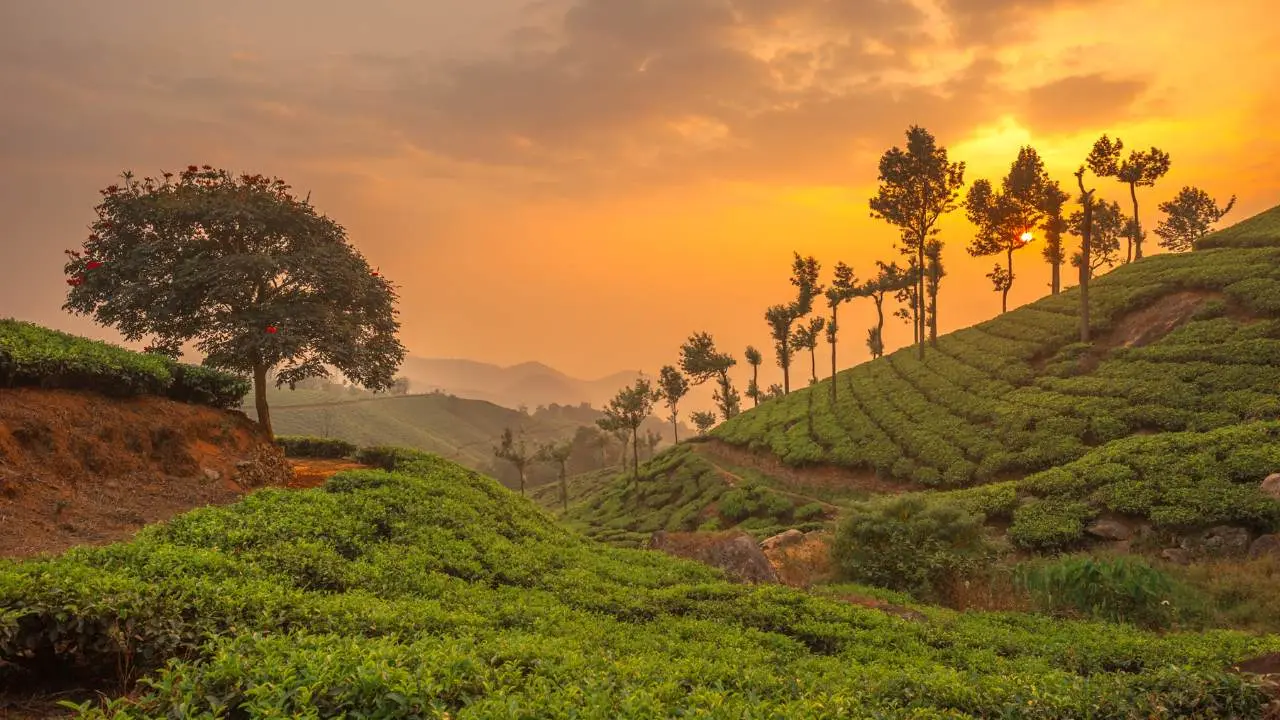
Perched at an altitude of 7,900 feet, Kolukkumalai claims the title of the world's highest tea plantation. Reaching this estate is an adventure in itself—accessible only by a challenging jeep ride or a trek through rugged terrain. The journey, however, is rewarded with spectacular views and an opportunity to see tea cultivation at its most extreme conditions.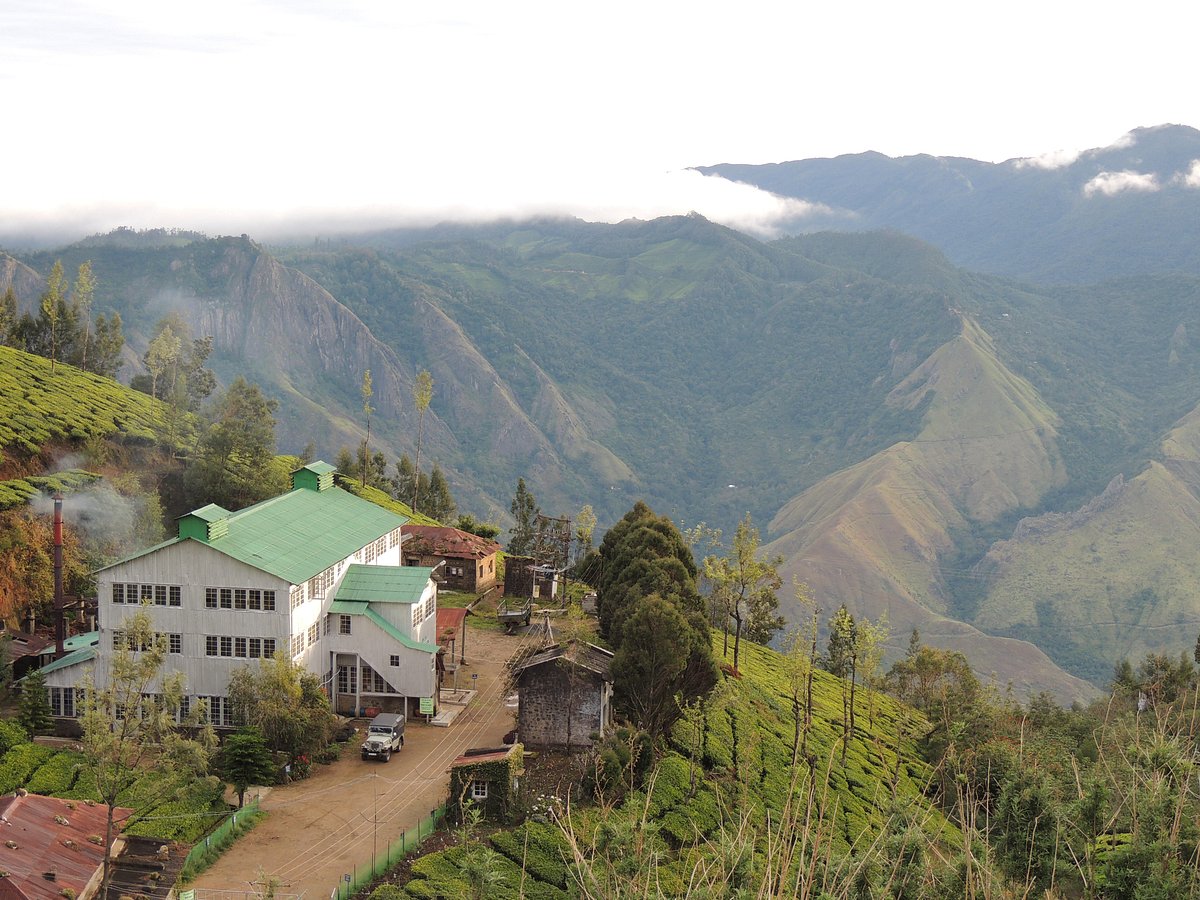 What makes Kolukkumalai truly special is its traditional approach to tea cultivation. The estate still uses orthodox manufacturing methods, preserving techniques that have been passed down through generations. The tea produced here is organic and highly sought after for its distinctive flavor profile. The sunrise views from Kolukkumalai are legendary, with the first light of day painting the tea-covered hills in golden hues while mist rises from the valleys below.
Sevenmallay Tea Estate
Sevenmallay Tea Estate is renowned for its picturesque location and well-developed tourism infrastructure. The estate offers some of the best photography opportunities in Munnar, with carefully maintained tea gardens creating perfect frames against the backdrop of the Western Ghats. Unlike some of the more remote estates, Sevenmallay is easily accessible and has developed facilities for visitors, including a shop selling fresh tea and tea-based products. The estate's elevation and positioning make it particularly prone to misty conditions, creating an ethereal atmosphere that has made it a favorite among photographers and nature enthusiasts. The management here is particularly welcoming to visitors, and guided walks through the plantation can be arranged with prior notice.Tea Museum & Factory Tours
Tata Tea Museum
The Tata Tea Museum in Munnar is an absolute must-visit for anyone interested in understanding the journey of tea from leaf to cup. Located at the Nallathanni Estate, approximately 8 kilometers from Munnar town, the museum offers a comprehensive look at the history and science of tea cultivation in Kerala. The museum is housed in a restored colonial building that once served as the tea processing factory, adding historical authenticity to the experience.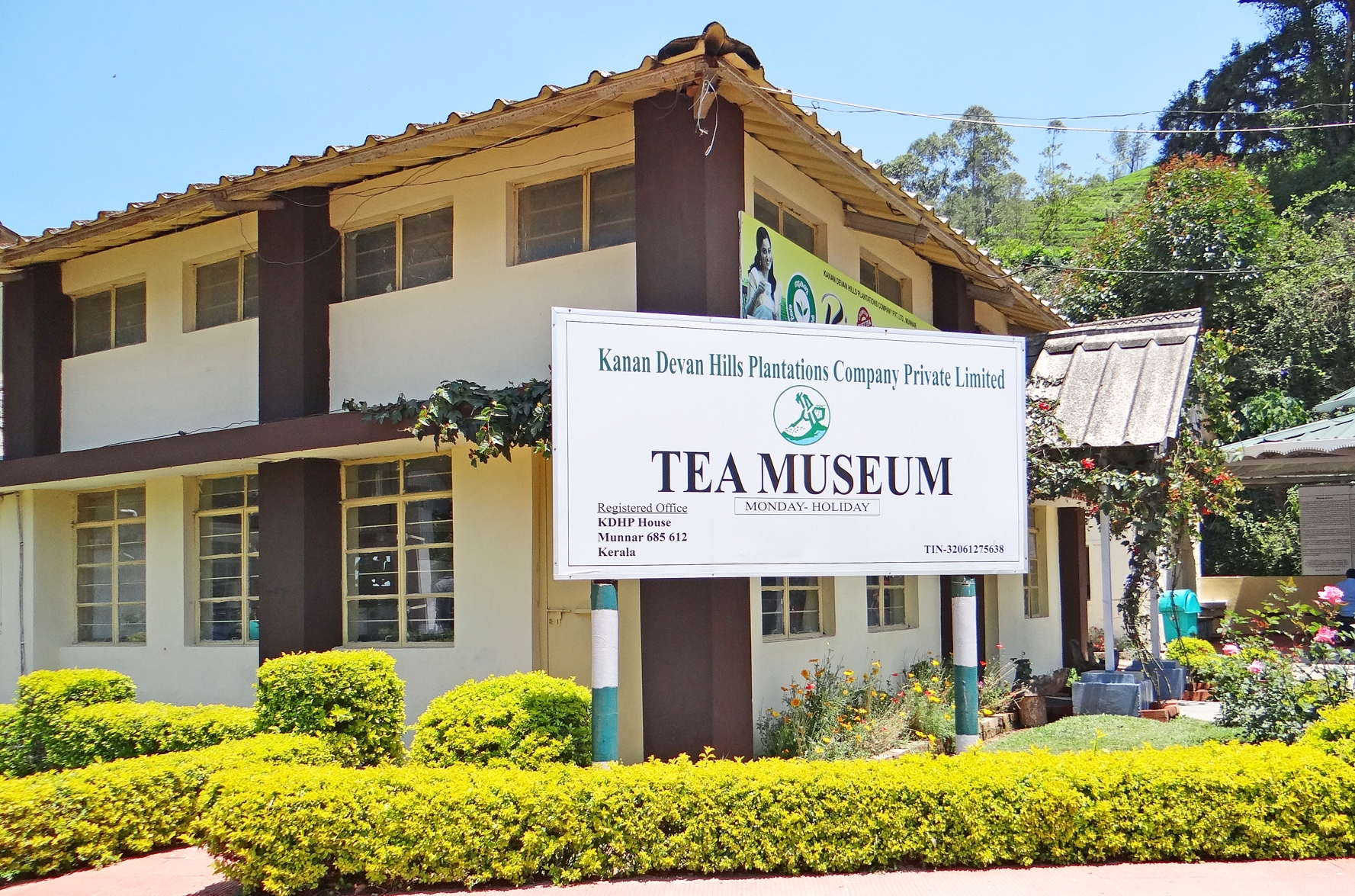 The museum's exhibits trace the evolution of tea cultivation in Munnar from the late 19th century to the present day. Photographs from the colonial era depict the challenging conditions under which early planters established these estates, while antique machinery demonstrates how tea processing has evolved over the decades. Of particular interest are the displays showing the different types of tea—black, green, white, and oolong—and how processing variations create these distinct varieties.
The museum tour typically includes a visit to the working factory adjacent to the museum, where visitors can witness the actual tea processing operations. The factory tour demonstrates each step: withering (where moisture is removed from fresh leaves), rolling (which breaks cell walls to release essential oils), fermentation (where oxidation develops flavor), and drying (which stops fermentation and preserves the tea). The entire process is a fascinating demonstration of how agricultural science combines with traditional knowledge to create the perfect cup of tea.
The museum's exhibits trace the evolution of tea cultivation in Munnar from the late 19th century to the present day. Photographs from the colonial era depict the challenging conditions under which early planters established these estates, while antique machinery demonstrates how tea processing has evolved over the decades. Of particular interest are the displays showing the different types of tea—black, green, white, and oolong—and how processing variations create these distinct varieties.
The museum tour typically includes a visit to the working factory adjacent to the museum, where visitors can witness the actual tea processing operations. The factory tour demonstrates each step: withering (where moisture is removed from fresh leaves), rolling (which breaks cell walls to release essential oils), fermentation (where oxidation develops flavor), and drying (which stops fermentation and preserves the tea). The entire process is a fascinating demonstration of how agricultural science combines with traditional knowledge to create the perfect cup of tea.
Museum Information
| Detail | Information |
|---|---|
| Location | Nallathanni Estate, 8 km from Munnar town |
| Entry Fee | ₹100-150 for adults, ₹50-75 for children |
| Timings | 9:00 AM to 4:00 PM (closed on Mondays) |
| Duration | 1-1.5 hours for complete tour |
| Facilities | Tea tasting, tea shop, parking |
Other Factory Tours
Beyond the Tata Tea Museum, several other estates offer factory tours, each with its own unique perspective. The Lockhart Estate factory tour is particularly recommended for its detailed explanation of orthodox tea production—a traditional method that preserves more of the leaf's character compared to the more common CTC (Crush, Tear, Curl) process. These tours typically require prior arrangement and are best scheduled through your hotel or a local tour operator.Tea Plantation Walks
Guided Estate Walks
Walking through a tea plantation is an immersive experience that engages all your senses. The fresh mountain air, the scent of tea leaves, the visual spectacle of endless green slopes, and the opportunity to witness tea pluckers at work combine to create memories that last a lifetime. Guided walks are the best way to experience plantations, as they provide access to areas that might otherwise be restricted and offer insights from knowledgeable local guides.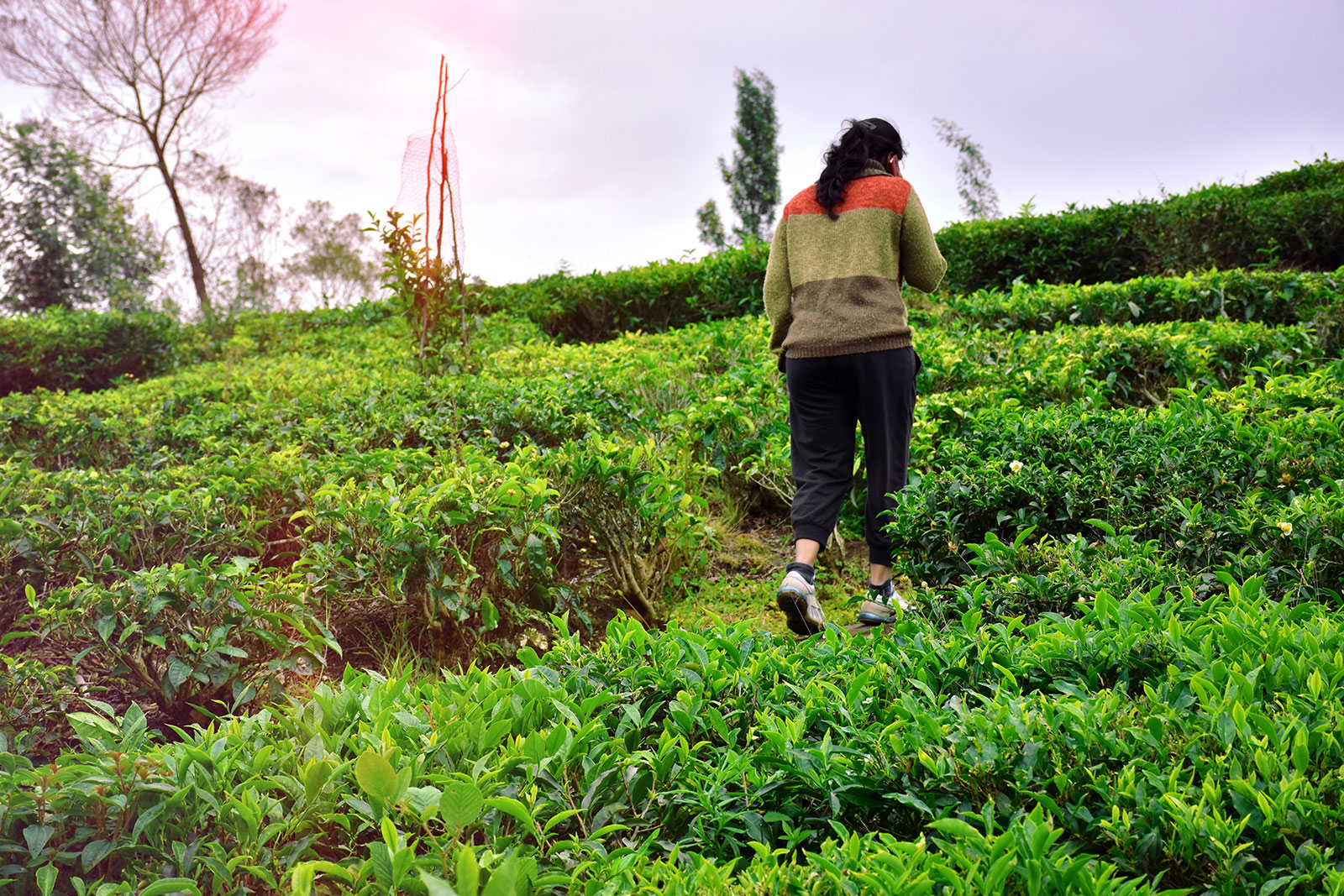 A typical guided plantation walk lasts between 1 to 3 hours, depending on the route and your interest level. Costs range from ₹500 to ₹1,000 per person, and most tours include tea tasting as part of the experience. During these walks, guides explain the intricacies of tea cultivation—from pruning schedules and pest management to the art of plucking the perfect "two leaves and a bud" that produces the finest tea.
One of the highlights of a guided walk is the opportunity to interact with tea pluckers, whose skill and speed in harvesting tea leaves is remarkable to watch. Most pluckers are women from local communities, and they can harvest between 15 to 25 kilograms of tea leaves per day. Understanding their role in the tea production process adds a human dimension to your plantation visit and appreciation for the labor that goes into every cup of tea.
A typical guided plantation walk lasts between 1 to 3 hours, depending on the route and your interest level. Costs range from ₹500 to ₹1,000 per person, and most tours include tea tasting as part of the experience. During these walks, guides explain the intricacies of tea cultivation—from pruning schedules and pest management to the art of plucking the perfect "two leaves and a bud" that produces the finest tea.
One of the highlights of a guided walk is the opportunity to interact with tea pluckers, whose skill and speed in harvesting tea leaves is remarkable to watch. Most pluckers are women from local communities, and they can harvest between 15 to 25 kilograms of tea leaves per day. Understanding their role in the tea production process adds a human dimension to your plantation visit and appreciation for the labor that goes into every cup of tea.
Best Walking Routes
Several routes are particularly popular for plantation walks. The Kolukkumalai trek, though challenging, offers the most spectacular views and takes you through some of the highest tea gardens in the world. For a more leisurely experience, the estates around Top Station provide excellent walking opportunities with panoramic views of the Western Ghats. The Devikulam area, with its slightly lower elevation, offers easier walking terrain and beautiful estate roads lined with shade trees.Self-Guided Exploration
For independent travelers, self-guided walks are possible on the estate roads that crisscross the plantations. These roads, originally built for transporting tea, provide excellent walking surfaces and access to viewpoints throughout the estates. However, it's important to remember that tea plantations are working agricultural operations, and visitors should respect the property and the workers. When exploring on your own, stick to estate roads and marked paths, avoid damaging tea bushes, and ask permission before photographing workers. The best times for self-guided walks are early morning (7-9 AM) when the light is soft and mist still clings to the hills, or late afternoon (3-5 PM) when the setting sun creates dramatic lighting conditions.Best Time to Visit
Understanding the seasonal patterns of Munnar is crucial for planning the perfect plantation visit. The region experiences distinct seasons, each offering a different perspective on the tea-growing landscape.| Season | Months | Conditions | Pros | Cons |
|---|---|---|---|---|
| Post-Monsoon | Aug - Nov | Lush green, pleasant 15-22°C | Peak tea growth, vibrant landscapes | Occasional showers in August |
| Winter | Dec - Feb | Cool, dry 10-20°C, misty mornings | Clear skies, ideal for photography | Less vibrant green, chilly mornings |
| Summer | Mar - May | Pleasant 20-25°C, blooming season | Good weather, fewer crowds | Drier, less green vegetation |
| Monsoon | Jun - Jul | Heavy rain 22-28°C | Tea plucking at peak, dramatic landscapes | Disrupted views, challenging travel |
Peak Season Recommendations
The period from October to December is generally considered the best time to visit Munnar's tea plantations. The monsoon has just ended, ensuring that the tea gardens are at their lushest green, while the weather has cleared enough to allow for uninterrupted views of the valleys and hills. October is particularly special as the hills are covered in a vibrant green that seems almost luminous in the sunlight. November and December offer clearer weather with comfortable daytime temperatures perfect for walking through estates. The misty mornings during these months create magical atmospheres as the sun gradually burns off the fog to reveal the tea-covered slopes. This is also the time when Kerala's landscapes are at their most photogenic, making it ideal for photography enthusiasts.Monsoon Experience
While the monsoon season (June to July) presents logistical challenges, it offers a unique and dramatic perspective on the plantations. This is when tea growth is at its peak, and you can witness intensive plucking operations as estates work to harvest the rapidly growing leaves. The rain transforms the landscape into a vivid emerald green, and waterfalls cascade down the hillsides throughout the region. If you visit during monsoon, be prepared for disrupted travel plans and limited visibility. However, if you're someone who finds beauty in moody, dramatic landscapes and doesn't mind getting wet, the monsoon can be an incredibly rewarding time to visit. The sound of rain on tea leaves, the sight of mist rolling down the hills, and the vibrant greens create an atmospheric experience unlike any other season.Seasons to Avoid
The period from February to April is generally considered the least favorable time for plantation visits. The dry winter has left the hills looking somewhat brown and dry, and the tea bushes are in a dormant phase with less new growth. However, this is also the blooming season for many trees in the region, and if you're interested in seeing the Neelakurinji flowers (which bloom once every 12 years), timing your visit during this phenomenon is worth sacrificing some greenery.Tea Tasting Experiences
Tata Tea Museum Tasting
The tea tasting session at the Tata Tea Museum is often the highlight of visitors' plantation experiences. Unlike casual tea drinking, a proper tea tasting is a sensory exercise that teaches you to appreciate the subtle complexities of fine tea. The museum typically offers 5-6 different varieties for tasting, representing the spectrum of teas produced in the region. The session begins with a brief introduction to the art of tea tasting—how to observe the color of the liquor, how to appreciate the aroma, and how to slurp the tea to aerate it across the palate. You'll learn to distinguish between the briskness of a black tea, the vegetal notes of a green tea, and the delicate sweetness of a white tea. The guided tasting helps you develop vocabulary for describing tea characteristics—terms like astringency, body, and finish become meaningful as you compare different varieties.
Estate Tasting Sessions
Beyond the museum, several estates offer more intimate tasting experiences. The Lockhart Estate, for example, conducts tastings that include their premium orthodox teas, which are not widely available commercially. These sessions often include first-flush teas—the first harvest of the season, which produces the most delicate and prized teas. Some plantations also offer blending experiences where you can create your own custom tea blend under the guidance of an expert. These hands-on sessions provide insight into how tea masters combine different varieties to create balanced flavors. Whether you prefer a strong morning tea or a delicate afternoon brew, the blender can help you understand the components that create your perfect cup.Tea Varieties Explained
During your plantation visit, you'll encounter several types of tea, each with its own characteristics:- Black Tea: The most common variety, fully oxidized for robust flavor. The Munnar region produces particularly fine black teas known for their brisk character and bright color.
- Green Tea: Unoxidized tea that retains more of the leaf's natural compounds. Known for potential health benefits and a more vegetal flavor profile.
- White Tea: The most delicate variety, made from the youngest leaves and buds. Minimal processing preserves subtle flavors and results in a very light liquor.
- Orthodox Tea: Traditional processing method that preserves more of the leaf's character. More expensive but prized for connoisseurs.
- CTC Tea: Crush, Tear, Curl method that produces smaller granules. Stronger and more commonly used for masala chai.
Purchasing Tea
Buying tea directly from plantations offers several advantages. First, you're guaranteed freshness—tea purchased from estates is typically much fresher than what's available in stores. Second, you have access to varieties that may not be available commercially. And third, you can often purchase at better prices than retail. Most estates have shops that sell their teas, and the prices are generally reasonable compared to specialty tea stores in cities. The Tata Tea Museum shop is particularly well-stocked with a range of varieties and gift packaging options. When purchasing, consider buying vacuum-sealed packages if you're traveling for an extended period, as these preserve freshness better.Plantation Stays
Luxury Plantation Resorts
For those seeking to immerse themselves completely in the tea plantation experience, staying at a plantation property offers unparalleled access to the rhythms of estate life. Luxury options in Munnar combine the heritage of colonial-era bungalows with modern amenities and spectacular views.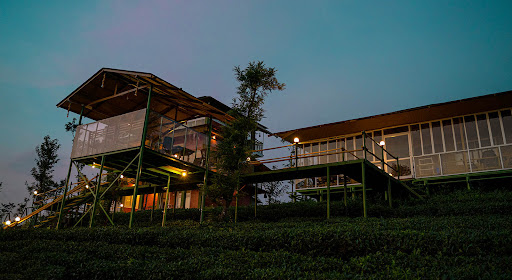 The Windermere Estate is a heritage property that was originally a planter's bungalow. Set within a working tea plantation, it offers elegant rooms with views that stretch across the valley. The property's restaurant serves Kerala cuisine prepared with local ingredients, and the staff can arrange guided walks through the surrounding estates.
Tall Trees is another boutique property known for its personalized service and stunning location. The cottages are scattered across a hillside, each with private views of the plantations. What makes Tall Trees special is its commitment to preserving the natural environment—large trees have been retained throughout the property, creating a sense of being in a forested garden.
The Tea County resort, operated by KTDC (Kerala Tourism Development Corporation), offers government-owned hospitality at competitive rates. While not as luxurious as private properties, it provides comfortable accommodation with spectacular views and the assurance of official tourism standards.
The Windermere Estate is a heritage property that was originally a planter's bungalow. Set within a working tea plantation, it offers elegant rooms with views that stretch across the valley. The property's restaurant serves Kerala cuisine prepared with local ingredients, and the staff can arrange guided walks through the surrounding estates.
Tall Trees is another boutique property known for its personalized service and stunning location. The cottages are scattered across a hillside, each with private views of the plantations. What makes Tall Trees special is its commitment to preserving the natural environment—large trees have been retained throughout the property, creating a sense of being in a forested garden.
The Tea County resort, operated by KTDC (Kerala Tourism Development Corporation), offers government-owned hospitality at competitive rates. While not as luxurious as private properties, it provides comfortable accommodation with spectacular views and the assurance of official tourism standards.
Mid-Range and Homestay Options
For travelers seeking more authentic experiences, plantation homestays and mid-range estates offer opportunities to live closer to local communities. These properties, often run by families with generations of connection to the plantations, provide insights into the local way of life that larger resorts cannot match. Estate bungalows that have been converted into guesthouses offer a taste of planter life without the luxury price tag. These typically feature comfortable rooms, home-cooked meals, and hosts who can share stories of plantation history and arrange personalized experiences like visiting workers' housing or accompanying naturalists on birdwatching walks.What to Expect from a Plantation Stay
A typical plantation stay begins with waking up to views of mist-shrouded tea gardens. Morning walks through the estates are a highlight, as the early light creates perfect photography conditions and the air is fresh and cool. Many properties offer guided plantation walks where you can learn about the daily operations of tea cultivation. The food at plantation stays deserves special mention—most serve Kerala cuisine prepared with locally sourced ingredients. Breakfast might include appam (fermented rice pancakes) with stew, while dinner could feature karimeen pollichathu (pearl spot fish wrapped in banana leaf) or other regional specialties.Booking Considerations
Plantation stays are particularly popular from October to March, and advance booking is essential during this period. When booking, clarify what's included—some properties include all meals, while others offer room-only rates. Also, inquire about the activities they can arrange—estate walks, factory tours, and visits to nearby attractions can often be organized through the property. For the best selection of accommodation options in Kerala, including plantation stays, consider booking well in advance, especially if you're visiting during peak season. The most desirable properties with the best views tend to get reserved months ahead.Conclusion
The tea plantations of Kerala represent a perfect convergence of natural beauty, agricultural heritage, and colonial history. Whether you're wandering through the endless green carpets of Kannan Devan, learning about tea processing at the Tata Tea Museum, or sipping freshly brewed tea while watching mist roll across the valleys, the experience is both educational and enchanting. What makes these plantations truly special is the way they connect visitors to the land and its history. Every cup of tea tells a story of the soil, the climate, and the hands that carefully nurtured it from bush to brew. As you leave Munnar, carrying packets of fresh tea and memories of misty mornings, you take with you not just a beverage but an appreciation for the craft and science that goes into creating the world's most popular drink. For those exploring Kerala's hill stations, the tea plantations around Munnar offer an essential experience that combines natural beauty with cultural insight. Whether you're a serious tea enthusiast or simply someone who appreciates beautiful landscapes and authentic experiences, Kerala's tea country will leave an indelible impression on your heart and your palate.Location
Frequently Asked Questions
Q1.Where are tea plantations located in Kerala?
Q2.How to reach Munnar tea gardens from Kochi?
Q3.What is the best time to visit tea plantations in Munnar?
Q4.Can we walk through tea plantations in Munnar?
Q5.What to see at Tata Tea Museum in Munnar?
Q6.Is tea tasting available at plantations in Munnar?
Q7.What is the entry fee for tea plantations and museums?
Q8.Are guided tours available at tea gardens?
Q9.Which are the best tea plantations for photography?
Q10.Are plantation stays available in Munnar?
Recommended For You
Top 10 Hill Stations in Kerala: Misty Escapes
Explore the best hill stations in Kerala. Munnar, Wayanad, Vagamon & more. Perfect for honeymooners and nature lovers. Plan your misty mountain getaway.
Munnar: Complete Travel Plan Places And Weather
Complete Munnar travel guide. Best time to visit, top attractions, tea garden tours, adventure activities, accommodation, costs, and practical tips for Kerala's famous hill station.

Offbeat Places in Kerala: Hidden Gems for Unique Travel Experiences
Discover Kerala's hidden gems beyond tourist trails. Explore Vagamon, Silent Valley, Gavi, Munroe Island & more with this comprehensive guide to offbeat places in Kerala.
Never Miss an Adventure
Get the latest trekking guides, travel tips, and exclusive offers delivered straight to your inbox.
