
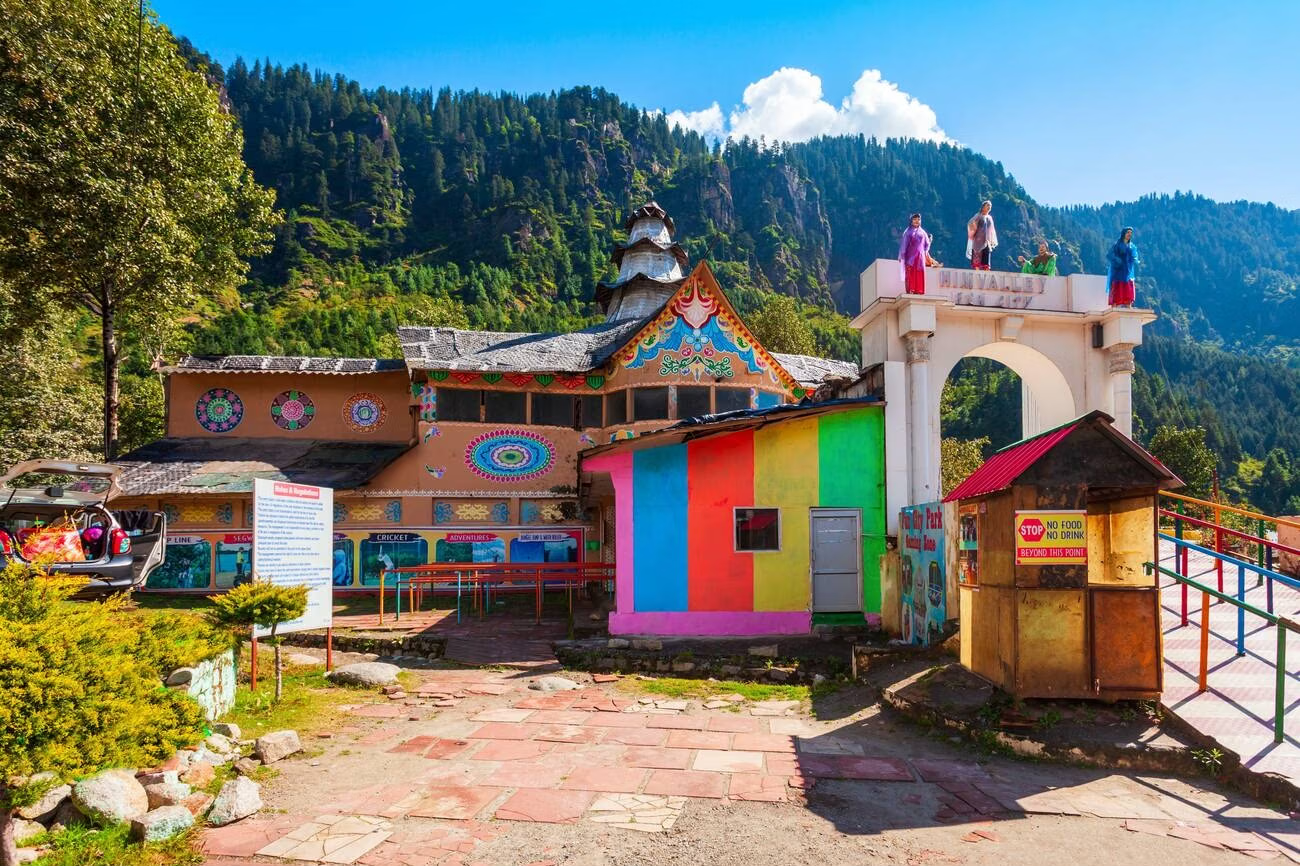
Himvalley Amusement and Cultural Park Manali: Rides, Tickets & Timings

Rohit Verma
February 20, 2026
Plan a smoother visit to Himvalley Amusement and Cultural Park Manali with timing tips, family-focused guidance, and itinerary pairing advice.
Introduction: Family Entertainment in Manali Region
Himvalley Amusement and Cultural Park Manali is designed for travelers who want a lighter activity day between high-altitude drives, treks, and temple visits. It typically works well for families, mixed-age groups, and visitors looking for a structured entertainment block without extreme physical demand. When planned correctly, it can add variety and recovery value to broader Manali itineraries.
For complete route design, pair this with places to visit in Manali, activity contrast through Solang Valley Manali, and practical pacing from travel tips for Manali.
What the Park Experience Includes
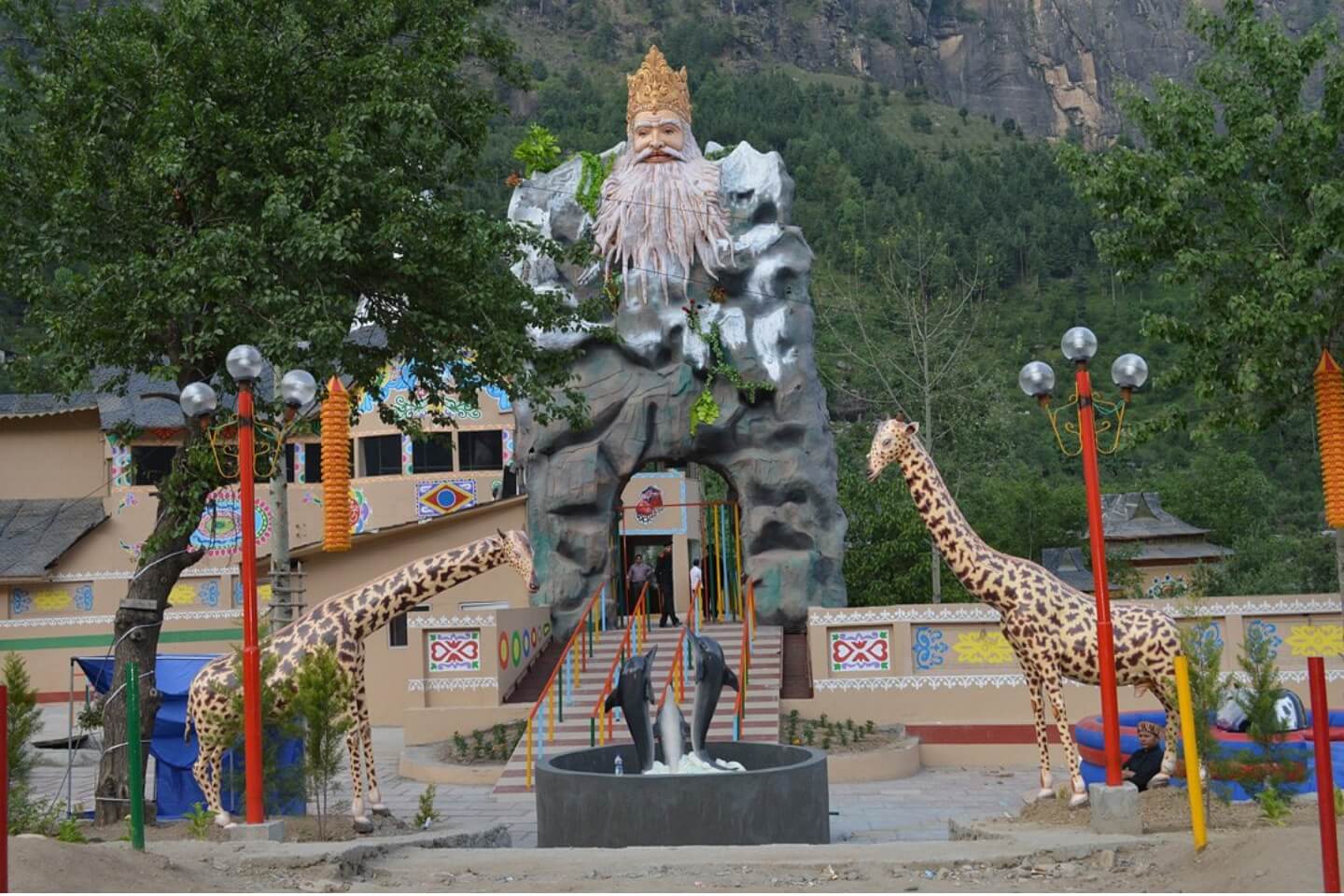
The park experience usually combines amusement-style zones, open spaces, and culture-themed segments. It is best treated as a half-day or relaxed full-day block rather than a tightly scheduled checklist. Families with children benefit from this format because activity intensity can be adjusted in real time.
If weather changes suddenly, the flexibility of the park model makes it easier to adapt compared with remote mountain excursions.
Best Time and Ideal Visit Duration
Morning to early afternoon sessions are generally smoother for entry, movement, and family pacing. In peak season, arriving early helps avoid queue build-up and parking pressure. Most groups spend 3-5 hours depending on participation level, age mix, and nearby meal plans.
Keep one buffer block after your visit if you plan additional evening activities in central Manali.

Who Should Include This in Their Itinerary
- Families with kids: controlled, varied activity environment.
- Multi-generation groups: easier pacing than steep outdoor circuits.
- Couples on flexible trips: good for low-intensity day planning.
- Road-trippers: useful break between long transfer days.
Adventure-first travelers can still use it as a recovery day between physically demanding segments.
Planning Tips and Logistics
| Planning Item | Suggested Approach | Why It Helps |
|---|---|---|
| Arrival timing | Early slot | Better crowd control |
| Activity pacing | Alternate play and rest | Sustains family energy |
| Route pairing | One nearby attraction only | Avoids overloading the day |
Detailed Execution Strategy for Himvalley park visits within Manali itineraries
To maximize value in Himvalley park visits within Manali itineraries, define one anchor objective per half-day and keep every supporting activity geographically close to that anchor. This reduces transfer fatigue and helps preserve time for deeper exploration. Build decision thresholds in advance: if queue or delay exceeds your threshold, move to a predefined backup stop and protect your next priority block. This method prevents cascading schedule failures and improves overall satisfaction. Travelers who use structured switch-rules typically experience smoother days and less stress under changing conditions.
Energy management is equally important. Alternate intensive activity windows with recovery windows, and plan hydration breaks before you need them. Use one signature meal and one quick meal strategy so food logistics do not consume prime sightseeing hours. If your trip involves cultural or spiritual spaces, include quiet transition time before entry and maintain respectful conduct throughout. High-quality travel is not about quantity; it is about stable pace, practical buffers, and meaningful engagement at each stop.
For safety and reliability, keep route details offline, confirm return transport early, and carry a compact essentials kit with power backup, weather layer, and basic medical support. Responsible travel behavior should remain non-negotiable: follow local norms, avoid risky photo positions, and minimize disruption in community spaces. This operational approach creates resilient itineraries that stay effective even when weather, traffic, or crowd patterns shift unexpectedly.
Detailed Execution Strategy for Family day-planning around Himvalley Manali
To maximize value in Family day-planning around Himvalley Manali, define one anchor objective per half-day and keep every supporting activity geographically close to that anchor. This reduces transfer fatigue and helps preserve time for deeper exploration. Build decision thresholds in advance: if queue or delay exceeds your threshold, move to a predefined backup stop and protect your next priority block. This method prevents cascading schedule failures and improves overall satisfaction. Travelers who use structured switch-rules typically experience smoother days and less stress under changing conditions.
Energy management is equally important. Alternate intensive activity windows with recovery windows, and plan hydration breaks before you need them. Use one signature meal and one quick meal strategy so food logistics do not consume prime sightseeing hours. If your trip involves cultural or spiritual spaces, include quiet transition time before entry and maintain respectful conduct throughout. High-quality travel is not about quantity; it is about stable pace, practical buffers, and meaningful engagement at each stop.
For safety and reliability, keep route details offline, confirm return transport early, and carry a compact essentials kit with power backup, weather layer, and basic medical support. Responsible travel behavior should remain non-negotiable: follow local norms, avoid risky photo positions, and minimize disruption in community spaces. This operational approach creates resilient itineraries that stay effective even when weather, traffic, or crowd patterns shift unexpectedly.
Conclusion
Himvalley Amusement and Cultural Park Manali can add meaningful variety to mountain itineraries, especially for families and slower-paced travel groups.
Use it as a planned recovery-entertainment block and keep surrounding travel simple for best results.
Extended Practical Framework
A reliable itinerary is built on operational realism. For each day, define a primary block that must happen and a secondary block that can be dropped without harming overall trip quality. This prevents overplanning and allows smoother adaptation when weather, traffic, or crowd conditions change unexpectedly. Keep one nearby backup stop ready at all times. If delays cross your set threshold, switch immediately to the backup and protect your next anchor objective. This approach keeps momentum and avoids decision fatigue during the day.
Use route clustering to reduce unnecessary movement. Staying in one zone per time block usually improves both comfort and depth of experience. For families or mixed-age groups, include short recovery windows between activity segments and assign clear regroup points before splitting temporarily. Good coordination prevents confusion and helps everyone maintain energy. Travelers often underestimate this part, but group rhythm is one of the largest determinants of day quality.
Budget control should prioritize certainty. Spend on transfer reliability, confirmed access where needed, and one dependable meal window. Save on low-impact extras that do not affect execution quality. Keep all confirmations offline, share key details with one travel partner, and carry a compact essentials kit: hydration, weather layer, medical basics, and power backup. These small systems create resilience and improve outcomes across multi-day travel plans.
On-Ground Decision Rules
Decision rules make travel more stable. Define what you will do if a queue is long, if a road closure appears, or if weather disrupts your original plan. Avoid waiting indefinitely for uncertain improvements; switch quickly to alternatives in the same area and continue. This preserves value from the day and avoids late-evening compression. Another useful rule is alternating effort: one intensive segment followed by one light segment. This prevents burnout and keeps attention high for important moments.
Photography-focused travelers should schedule two deliberate photo windows instead of shooting continuously. Targeting quality light and clear viewpoints usually produces better results than constant capture. Also maintain respectful behavior in community, religious, and heritage spaces. Ask before photographing people, follow posted guidance, and avoid disruptive positioning. Responsible travel is practical and improves both safety and local interaction quality.
Final Optimization Checklist
- Before start: verify timing, route, weather, and transport contacts.
- During day: monitor delays and activate backup stops early.
- Energy: protect hydration and meal timing for stable pace.
- Safety: avoid risky shortcuts and unstable edge viewpoints.
- Respect: follow local norms and keep noise low in sensitive areas.
- End of day: review what worked and adjust next-day plan accordingly.
Applied consistently, this framework improves comfort, protects schedule quality, and helps travelers get more value from every hour on the ground.
Performance Notes for Better Outcomes
When you review your itinerary each evening, score it on three criteria: transition efficiency, anchor experience depth, and energy stability. If transitions felt rushed, reduce stop count the next day. If anchor experience depth was low, allocate a longer single block. If energy dropped early, rebalance meal timing and add short hydration pauses between moves. This simple review loop creates immediate improvement over multi-day trips without needing major replanning.
Travelers who apply daily iteration usually gain higher-value experiences because plans become more realistic with each day. Keep one non-negotiable principle: never sacrifice safety for schedule recovery. It is better to end with one high-quality stop than three rushed and stressful stops. This mindset protects both enjoyment and reliability.
Execution reminder: protect one final flexibility block at day-end for transport variance, weather recovery, or a repeat visit to your best stop. This keeps itineraries realistic and reduces pressure-driven errors. A controlled ending usually improves safety and makes next-day planning faster because unresolved tasks are handled before night.
Quick Endnote
Keep your final hour flexible, confirm return movement early, and prioritize one quality experience over rushed multitasking. This single habit improves comfort and trip reliability.
Practical final note: keep communication clear with your group, confirm end-of-day transport early, and preserve a small flexibility margin for unexpected delays. This routine consistently improves travel comfort and execution quality.
Final tip: keep exits unhurried to avoid congestion and improve end-of-day comfort for all travelers.
Location
Frequently Asked Questions
Q1.Is Himvalley park suitable for children?
Q2.How much time should I keep for visit?
Q3.When should I visit the park?
Q4.Can I combine this with other Manali attractions?
Q5.Is this good for senior travelers?
Q6.Is advance planning needed?
Q7.Does it work as a recovery day activity?
Q8.Should I include meals in park timing?
Recommended For You
Best Cafes in Manali: 15 Places with Great Food
Discover best cafes in Manali - Complete guide to Old Manali cafes, rooftop views, live music & menu prices. Updated.
Old Manali: Cafes, Homestays and Hidden Gems
Discover Old Manali with a practical guide to cafes, stays, Manu Temple, shopping lanes, hidden spots, and relaxed riverside travel planning.
Waterfalls in Manali: 8 Best Falls & Trek Planning
Explore waterfalls in Manali with Jogini, Jana, Nehru Kund and Rahalla. Includes trek difficulty, best season, route planning, and practical travel tips.
Never Miss an Adventure
Get the latest trekking guides, travel tips, and exclusive offers delivered straight to your inbox.
