
Solang Valley Manali: Activities, Ropeway & Winter Sports
Rohit Verma
February 12, 2026
Explore Solang Valley Manali! Guide to adventure activities, best time, how to reach, skiing, paragliding & travel tips.
Introduction: Adventure Capital of Himachal
Nestled between the snow-capped peaks of the Himalayas, Solang Valley stands as Manali's premier adventure destination. Located just 14 kilometers from the main town, this picturesque valley transforms itself with the seasons – offering lush green meadows and paragliding opportunities in summer, and pristine white slopes perfect for skiing in winter. Whether you're an adrenaline junkie seeking thrills or a nature lover wanting to soak in Himalayan beauty, Solang Valley delivers experiences that leave visitors spellbound and yearning for more.
Solang Valley, named after the Solang Nallah (river) that flows through it, sits at an altitude of 2,560 meters above sea level. The valley is surrounded by towering peaks on all sides, creating a natural amphitheater that's both breathtaking and conducive to adventure sports. What makes Solang special is its accessibility – unlike remote adventure destinations that require days of trekking to reach, Solang is easily accessible by road, making it perfect for families, casual tourists, and serious adventure enthusiasts alike.
About Solang Valley
Solang Valley is more than just an adventure sports destination – it's a microcosm of Himalayan beauty and a testament to how sustainable tourism can coexist with nature conservation. The valley's unique geography, with its gentle slopes and reliable snowfall in winter, makes it ideal for adventure activities that would be impossible in most other parts of India.
Location and Geography
The valley is located on the western side of the Rohtang Pass and serves as a base camp for trekkers heading toward more challenging Himalayan expeditions. The Solang Nallah, originating from the glaciers above, flows through the valley, adding to its scenic charm. In summer, the river is a gentle stream perfect for picnic spots. In winter, parts of it freeze, creating ice formations that add to the valley's magical appearance.
The surrounding peaks offer stunning views of some famous Himalayan landmarks. On clear days, you can see the Hanuman Tibba, Friendship Peak, and the Seven Sisters peak. The valley itself is relatively flat, making it perfect for setting up adventure sports infrastructure while maintaining its natural beauty.
Seasonal Transformation
What's remarkable about Solang Valley is its dramatic transformation through seasons. In summer (April to June), the valley is carpeted with green grass and wildflowers. The temperature is pleasant, ranging from 10°C to 25°C, making it perfect for outdoor activities. This is when paragliding, zorbing, and camping are at their peak.
As winter approaches (December to February), the valley receives heavy snowfall, transforming it into a winter wonderland. The green meadows disappear under a blanket of white snow, and the valley becomes a skiing destination. The temperature drops to sub-zero levels, but the winter sports enthusiasts don't mind – the excellent powder snow quality makes Solang one of the best skiing destinations in India.
Development and Tourism
Over the past two decades, Solang Valley has seen significant infrastructure development aimed at improving the tourist experience while preserving the environment. The Himachal Pradesh Tourism Department has invested in ski lifts, equipment rental shops, trained instructors, and safety measures. Private operators offer adventure packages, and there are numerous small eateries serving local Himachali cuisine and hot beverages to warm visitors in winter.
Adventure Activities in Solang Valley
Solang Valley's true appeal lies in the variety of adventure activities it offers. From gentle experiences suitable for children to extreme sports for adrenaline junkies, there's something for everyone.
Paragliding
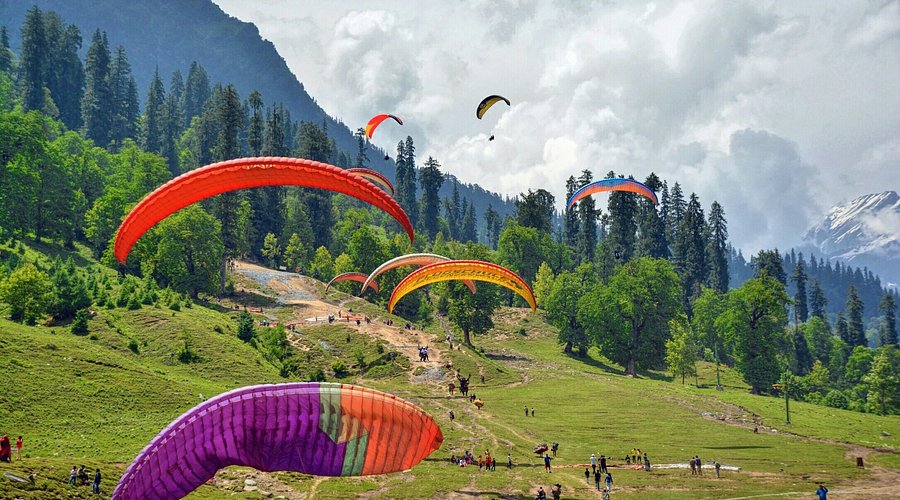
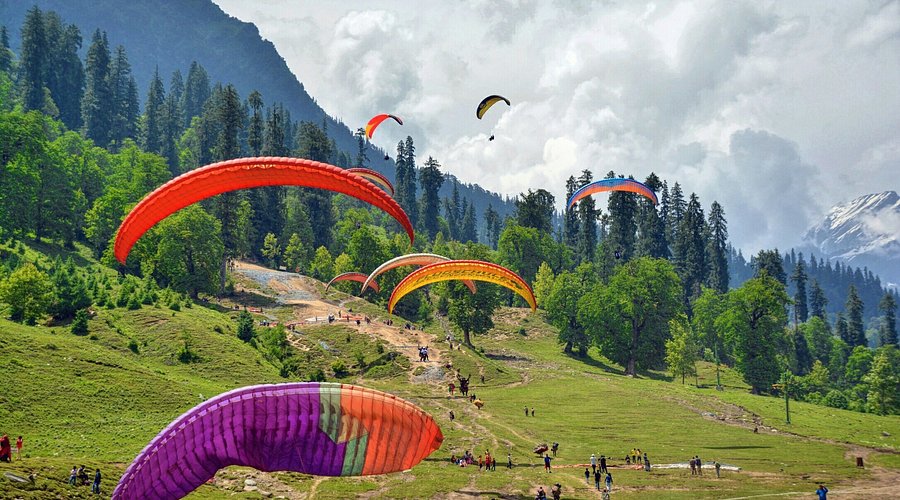
Paragliding is Solang Valley's most popular summer activity. The valley's topography – flat bottom surrounded by elevated take-off points – makes it ideal for this sport. Trained pilots offer tandem flights where you're strapped into a harness with an instructor, allowing you to enjoy the experience without any prior training.
Experience: The flight typically lasts 10-15 minutes, depending on weather conditions. You soar high above the valley, getting a bird's-eye view of the surrounding peaks and the meandering river below. The sensation of floating on air, with the wind in your face and mountains beneath you, is indescribable.
Cost: Tandem paragliding costs ₹800-1,500 per person, depending on flight duration. Longer flights (30 minutes to 1 hour) are available for experienced flyers.
Best Time: April to June and September to October, when the weather is stable and winds are predictable.
Skiing
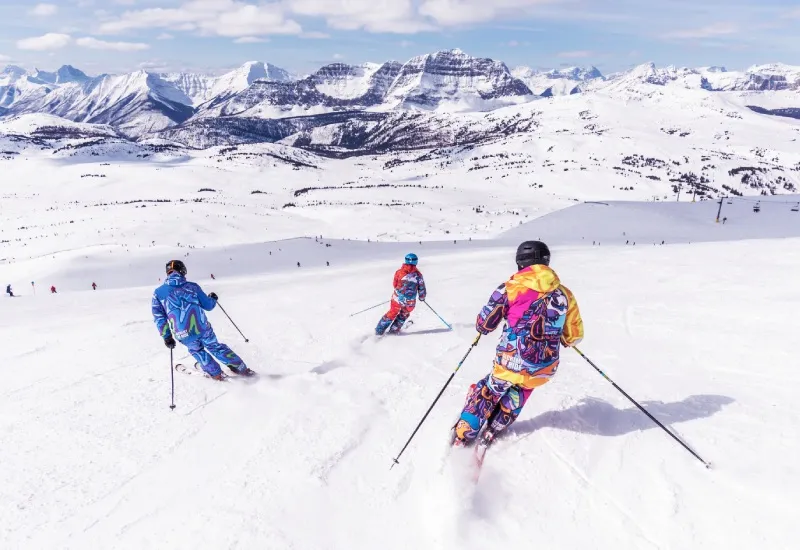
When winter arrives and Solang Valley is covered in snow, skiing becomes the main attraction. The gentle slopes are perfect for beginners, while there are steeper sections for advanced skiers. Unlike some skiing destinations where you need to trek to high altitudes, in Solang, the ski slopes start right from the valley floor.
For Beginners: Ski instructors offer lessons that cover the basics – balancing, turning, and stopping. Most beginners can manage simple runs within a day or two. The feeling of sliding down snow-covered slopes with mountains all around is exhilarating.
Equipment Rental: Skis, boots, and poles are available for rent. Expect to pay ₹500-1,000 per day for a complete set.
Best Time: December to February, when snow conditions are optimal.
Zorbing
Zorbing is a fun activity where you're strapped inside a large transparent plastic ball and rolled down a gentle slope. It's safe, thrilling, and hilarious – making it popular with families and groups of friends. The ball cushions you from bumps, and the rolling sensation creates a unique thrill ride experience.
Experience: Each run lasts 2-3 minutes as the ball rolls 100-150 meters down the slope. You can go solo or with a partner (tandem zorbing).
Cost: ₹150-300 per person.
Best Time: Year-round, though summer (when the grass is green) is more popular.
Snowboarding
Snowboarding, like skiing, is a winter activity in Solang Valley. Snowboarding enthusiasts find the powder snow in Solang excellent for carving turns. The sport has gained popularity in recent years, and equipment is readily available for rent.
Learning: Like skiing, snowboarding requires some practice. Instructors are available, and most people get the hang of it within a couple of days.
Equipment Rental: Snowboard and boots cost ₹500-800 per day.
Ropeway Cable Car
The Solang Valley Ropeway is a relatively new addition that offers spectacular views of the valley and surrounding peaks. The cable car takes you from the valley floor to a higher point, from where you get panoramic views. In winter, the ropeway is used by skiers to access higher slopes. In summer, it's a scenic ride perfect for photography.
Experience: The ride takes 10-15 minutes one way. At the top, spend time enjoying the views and clicking photos before taking the return ride.
Cost: ₹500-800 per person for a round trip.
ATV Rides
All-Terrain Vehicle (ATV) rides are available in Solang Valley, offering an off-road adventure through rough terrain. These four-wheeled bikes are easy to operate and can handle bumpy paths, river crossings, and steep inclines. Guided ATV tours take you through scenic routes that you wouldn't be able to access on foot.
Experience: Rides last 30 minutes to 1 hour, covering various terrains around the valley.
Cost: ₹500-1,000 per person.
Trekking and Camping
For those who prefer land-based adventures, Solang Valley serves as a starting point for several treks. Day treks to nearby viewpoints offer stunning Himalayan panoramas without requiring extensive trekking experience. Overnight camping is also possible, and few experiences compare to sleeping under the stars in the Himalayas, with the sound of the river as your lullaby.
Best Time to Visit Solang Valley
The best time to visit Solang Valley depends on what activities you're interested in. The valley offers distinctly different experiences in summer and winter.
Summer Season (April to June)
Summer is perfect for paragliding, zorbing, trekking, and camping. The weather is pleasant during the day (10°C to 25°C) though nights can be cold. The valley is lush green, with wildflowers blooming everywhere. This is peak tourist season, so expect crowds.
Monsoon Season (July to September)
The monsoon brings heavy rainfall to the region, making it less ideal for outdoor activities. However, if you enjoy the rain and want to see the valley at its greenest, this is the time. Fewer tourists mean lower prices for accommodation and activities. Just be prepared for wet weather and potential landslides that can block roads.
Autumn (October to November)
Autumn is an excellent time to visit – the monsoon has passed, the skies are clear, and the crowds have thinned. The weather is pleasant, and the views of the Himalayas are crystal clear. This is an ideal time for photography and trekking.
Winter Season (December to February)
Winter is all about snow activities. Skiing, snowboarding, and playing in the snow are the main attractions. The temperature drops well below freezing (as low as -10°C at night), so pack heavy woolens. If you've never seen snow, this is the time to experience Solang Valley's winter magic.
Spring (March)
March is a shoulder season – winter is receding but there's still some snow on the ground. The weather is warming up, making it pleasant for outdoor activities. You might get the best of both worlds – some snow for winter activities and pleasant weather for summer sports.
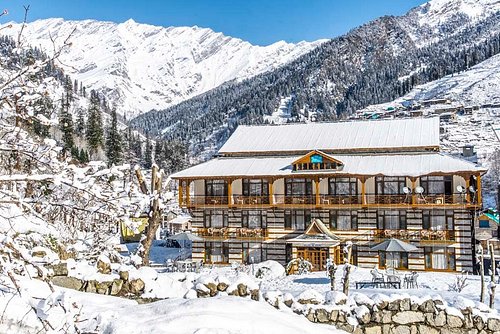
How to Reach Solang Valley
Reaching Solang Valley is straightforward as it's well-connected by road. The valley is 14 kilometers from Manali town, and most visitors reach it via Manali.
By Air
The nearest airport is Bhuntar Airport (Kullu-Manali Airport), located approximately 45 kilometers from Solang Valley. The airport has limited connectivity – flights are available primarily from Delhi. From the airport, hire a taxi or take a bus to Manali, and then proceed to Solang Valley.
By Road
Manali is well-connected by road to major North Indian cities. From Delhi, it's a 12-14 hour drive (530 kilometers) via NH44. Buses are available from Delhi, Chandigarh, and other cities. Private taxis and self-drive rentals are also options.
From Manali to Solang: Once you're in Manali, Solang Valley is 14 kilometers away. You can:
- Hire a taxi: The most convenient option. Taxis charge ₹500-800 for a round trip, with a waiting period while you enjoy activities in the valley.
- Take a shared taxi: Shared jeeps are available from Manali bus stand. They cost ₹50-100 per person but operate on a fill-up-first basis.
- Drive yourself: If you have a rental car or your own vehicle, the drive is scenic. The road is well-maintained but narrow and winding in sections, so drive carefully.
- Walk: Not recommended due to the distance and elevation gain, but fit individuals do trek up (3-4 hours).
Parking
Parking is available at multiple points in Solang Valley. During peak season, parking lots fill up quickly, so arrive early. Parking charges are nominal (₹50-100 for the day).
Summer vs Winter Experience
Deciding between summer and winter in Solang Valley depends on your preferences and interests. Both seasons offer unique experiences that showcase the valley's versatility.
Summer Highlights
Summer in Solang Valley is about green meadows, blue skies, and adrenaline-pumping aerial sports. The paragliding season is in full swing, and the sight of colorful paragliders dotting the sky against the backdrop of snow-capped peaks is iconic. Zorbing down the grassy slopes is fun for the entire family. The weather is perfect for camping – the nights are cool enough for bonfires, and the days are warm for outdoor activities.
Trekking is pleasant in summer, with trails accessible and views unobstructed. You can explore nearby villages, interact with locals, and experience the simple mountain lifestyle. The cafes and eateries are in full swing, serving everything from Maggi noodles to traditional Himachali thali.
Winter Highlights
Winter transforms Solang Valley into a completely different destination. The green meadows are replaced by pristine white snow, and the valley becomes a skiing destination. The adventure shifts from aerial to snowy – skiing, snowboarding, sledging, and snow fights take center stage. The silence of a snow-covered landscape, broken only by the sound of skis swooshing down slopes, is magical.
Winter requires more preparation – heavy woolens, snow boots, and cold cream are essentials. The temperatures can be daunting for some, but there's something special about sipping hot tea while surrounded by snow, watching others ski, or trying it yourself. The crowds are smaller than in summer (except around Christmas and New Year), giving the valley a more intimate feel.
Nearby Attractions
While Solang Valley is a destination in itself, combining your visit with nearby attractions can make for a more comprehensive Manali experience.
Rohtang Pass (51 km)
Located 51 kilometers from Manali, Rohtang Pass is one of the highest motorable passes in the world. It offers stunning views of glaciers and peaks. The pass is open from June to October (weather permitting) and is a major tourist attraction.
Kullu (40 km)
The town of Kullu, located 40 kilometers from Solang Valley, is known as the "Valley of Gods." It's famous for its temples, apple orchards, and the Kullu Dussehra festival. The town is a hub for handicrafts, especially shawls and tweed.
Manali Town (14 km)
Manali town, just 14 kilometers away, offers markets, cafes, monasteries, and the Hadimba Temple. It's a good place to stock up on supplies, try local cuisine, or simply relax after a day of adventure activities. Explore more places to visit in Manali for a complete experience.
Old Manali (18 km)
Old Manali has a distinct vibe – more laid-back and bohemian than the main town. It's known for its guesthouses, cafes serving Israeli and continental food, and the Manu Temple.
Naggar (25 km)
Naggar is a heritage village known for the Naggar Castle, now a heritage hotel, and the Roerich Art Gallery. It offers stunning views of the Beas River valley and is less crowded than main tourist spots.
Solang Valley is more than just an adventure sports destination – it's a place where nature thrives, where the Himalayas reveal their magnificence, and where memories are made. Whether you're soaring through the sky on a paraglider, skiing down pristine slopes, or simply sitting by the river soaking in the views, Solang Valley offers experiences that stay with you. Its accessibility, variety of activities, and stunning natural beauty make it a must-visit destination for anyone traveling to Himachal Pradesh. Plan your visit based on your interests, pack accordingly, and prepare for an adventure that will leave you with stories to tell for years to come.
Location
Frequently Asked Questions
Q1.Where is Solang Valley located?
Q2.What is Solang Valley famous for?
Q3.What is the best time to visit Solang Valley?
Q4.What activities can we do in Solang Valley?
Q5.Is Solang Valley good for skiing?
Q6.Can we do paragliding in Solang Valley?
Q7.How far is Solang Valley from Manali?
Q8.How to reach Solang Valley from Manali?
Recommended For You
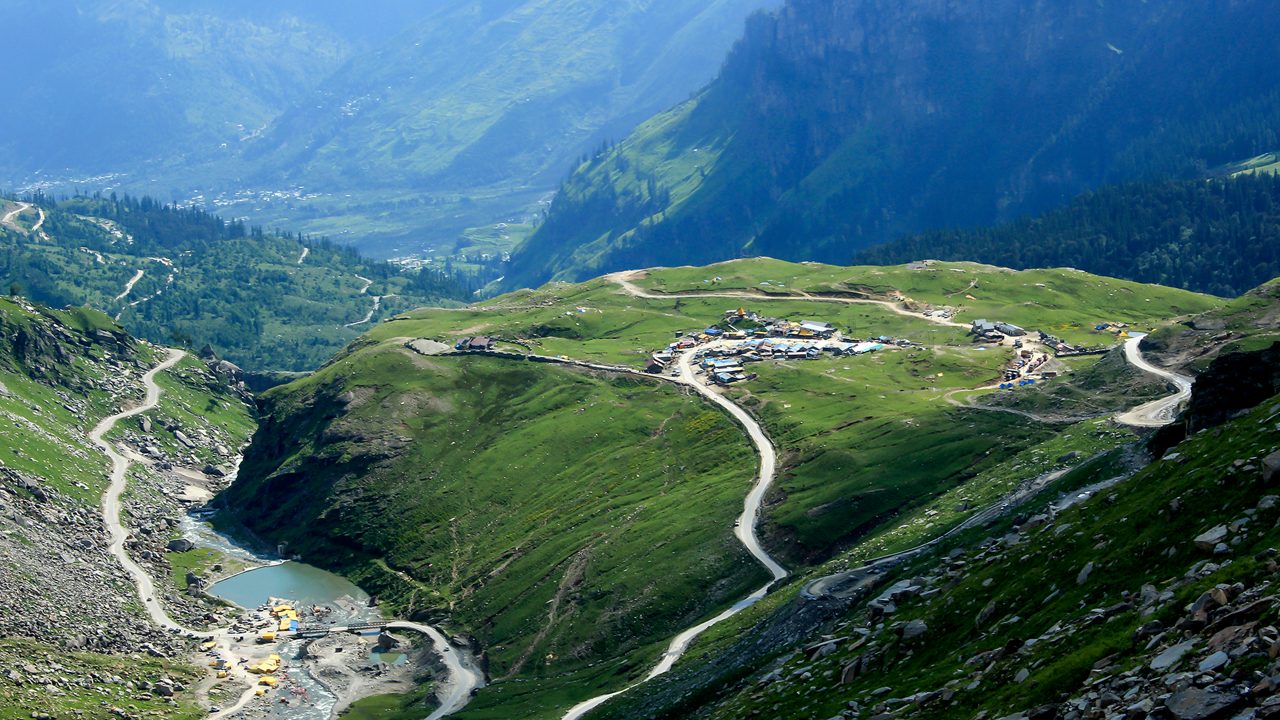
Rohtang Pass Manali: Complete Guide to Himalayan Adventure
Complete Rohtang Pass Manali guide: permits, best time, activities, costs & safety tips. Experience the Himalayas at 3,978 meters.
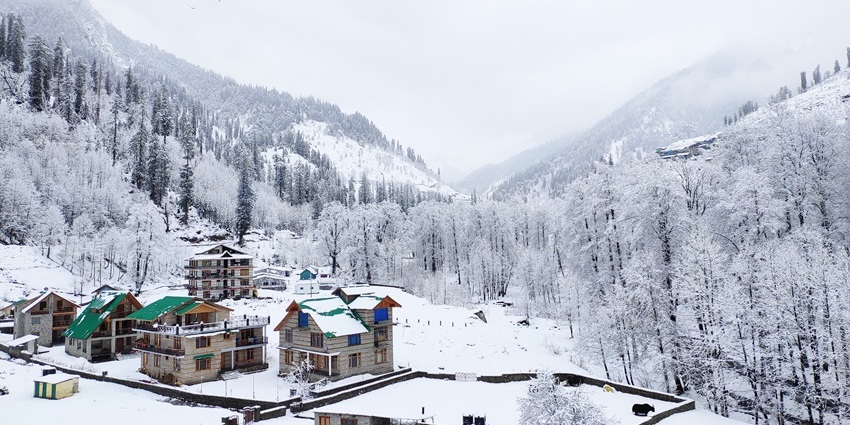
Snowfall in Manali: Best Time, Snow Points & Trip Planning
Experience snowfall in Manali! Guide to best time, weather updates, snow activities, travel tips & how to reach for white winter.
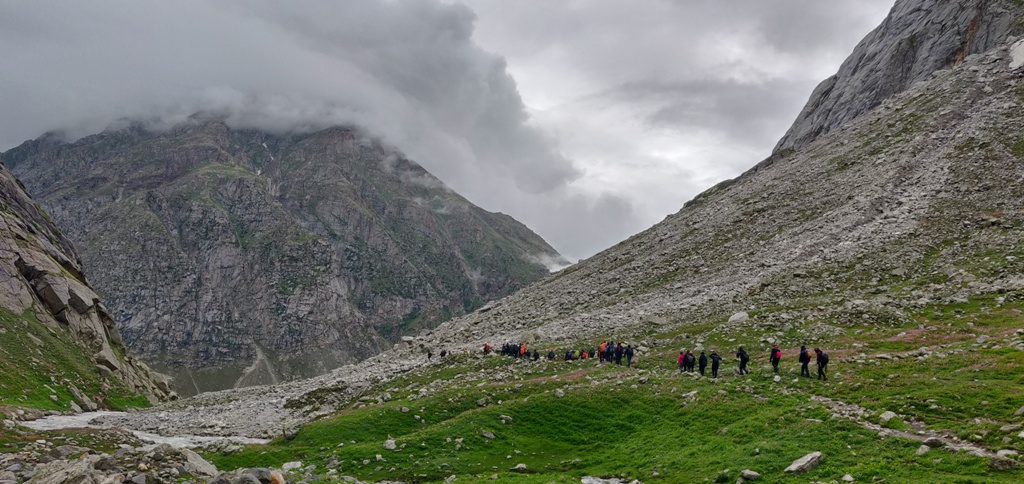
Treks in Manali: Best Routes, Camps & Difficulty Levels
Explore the best treks in Manali with difficulty-wise options, season planning, fitness prep, and practical trekking tips.
Never Miss an Adventure
Get the latest trekking guides, travel tips, and exclusive offers delivered straight to your inbox.
