
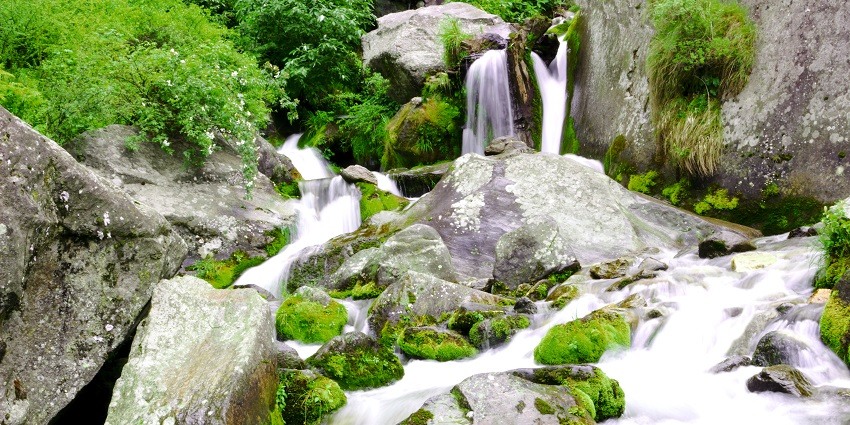
Waterfalls in Manali: 8 Best Falls & Trek Planning

Ananya Sharma
November 11, 2025
Explore waterfalls in Manali with Jogini, Jana, Nehru Kund and Rahalla. Includes trek difficulty, best season, route planning, and practical travel tips.
Introduction: Why Manali Waterfalls Belong in Every Itinerary
Manali is often planned around snow points, cafes, and valley drives, but waterfalls are one of the most rewarding parts of the region. The terrain around Manali creates multiple cascade zones fed by streams, glacial melt, and monsoon rain. Some are easy roadside photo stops, while others need short treks through villages, apple orchards, and pine trails.
What makes waterfalls in Manali special is variety. You can do a quick 20-minute halt at a highway spring, a moderate half-day trek like Jogini, or a scenic village drive to Jana side with food and mountain views. This flexibility makes waterfall travel suitable for couples, families, solo travelers, and friend groups with different fitness levels.
This guide covers the best waterfalls in Manali with realistic planning: distance, trek effort, best season, route logic, and safety. If you want a practical waterfall circuit instead of random stops, this article will help you plan better and save time.
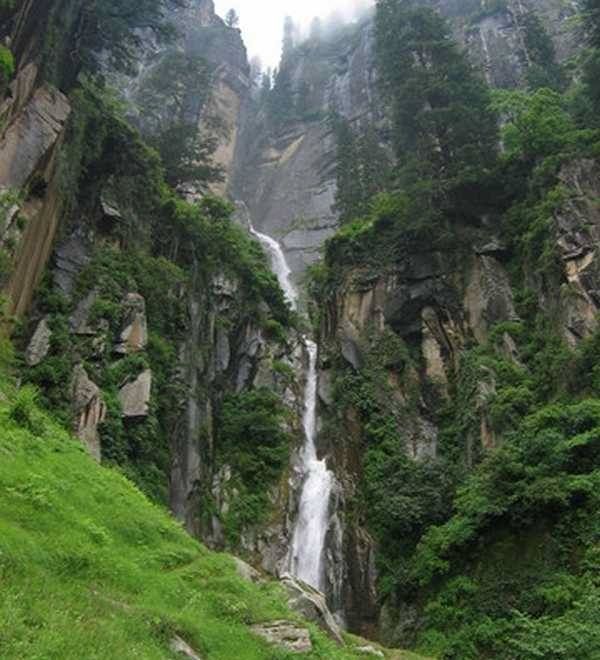
Jogini Waterfall: The Most Popular Waterfall Trek in Manali
Jogini Waterfall is the signature waterfall trek near Manali and one of the most visited nature trails in the region. The trek usually starts from Vashisht village side and moves through mixed terrain with stepped sections, local homes, cafes, and valley views before reaching the waterfall zone. It is popular because it combines adventure and accessibility without requiring technical trekking skills.
Distance and effort: commonly treated as an easy-to-moderate trek, with round-trip time often between 2 and 3 hours depending on pace and crowd.
Why travelers choose Jogini:
- Short adventure trek from Manali base.
- Strong photo value with layered waterfall frame.
- Works for half-day plans.
- Easy to combine with Vashisht hot springs.
During peak season, the final approach can get busy, so start earlier in the day if you want cleaner photo frames and relaxed movement. In rainy months, stones and mud patches become slippery, so grip footwear is essential.
Local shops and tea stalls on route make this trek beginner-friendly, but do not treat it casually. Carry water, keep a stable walking pace, and avoid risky edge poses near wet rock.
Jana Waterfall: Scenic Drive + Rural Himachal Experience
Jana Waterfall sits in the Naggar-Jana village side route and is often included in day plans from Manali when travelers want a quieter natural stop with local food options. Compared with Jogini, this is more of a road-plus-short-walk experience rather than a long trek, which makes it suitable for mixed-age groups.
The route itself is a highlight. You pass traditional village landscapes, forest patches, and open mountain views before reaching Jana side. Many travelers combine Jana with Naggar attractions like Naggar Castle for a fuller day.
What to expect:
- A scenic drive from Manali toward Jana village belt.
- Short approach walk depending on drop point.
- Food stalls and local meal options nearby.
- Less urban feel than central Manali stops.
Jana often looks best in monsoon and post-monsoon periods when flow is stronger and greenery is at peak. In winter, access can remain possible but conditions vary, so check same-day road status before finalizing.
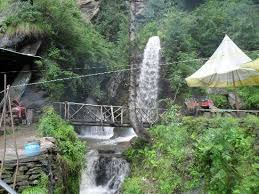
Nehru Kund: Quick and Easy Water Stop on the Highway
Nehru Kund is one of the easiest waterfall and spring-style stops near Manali, located on the highway toward Solang and Rohtang routes. It is named after Jawaharlal Nehru and is often treated as a quick sightseeing halt rather than a full activity destination.
This is ideal when your day is already packed and you need scenic breaks without adding trek effort. Most travelers cover it on the way to Solang Valley or Rohtang-facing drives.
Best use-case: fast stop for photos and short refreshment break.
Time needed: usually 15 to 30 minutes.
Because this is roadside and easy, crowd bursts are common during peak holiday windows. Keep expectations practical: Nehru Kund is not a deep trek waterfall, but it is very useful for route balance and quick nature access.
For route pairing, combine Nehru Kund with Solang Valley or Rohtang side planning instead of visiting it as a standalone long trip point.
Rahalla Falls: Glacier-Fed Beauty on Rohtang Road
Rahalla Falls is a known high-route waterfall stop on the way toward Rohtang side and appears in many Manali mountain drive itineraries. Its setting is different from village waterfalls: you get a colder, higher-altitude environment with mountain-road scenery and strong seasonal visual impact.
In summer and post-snow periods, the flow and surrounding snowline context create impressive landscape frames. Because this is linked to high mountain roads, access depends heavily on road status, weather, permits, and seasonal controls.
Planning note: treat Rahalla as a route stop in a larger day, not a separate city-side outing.
If you are building a full mountain circuit, keep weather flexibility and start early to avoid traffic clusters on narrow stretches.
Other Notable Waterfalls and Seasonal Cascades Near Manali
Beyond the headline names, Manali and nearby valleys have multiple smaller or seasonal cascades that appear strongly in monsoon windows and shoulder seasons.
Hamta Valley Streams
Hamta side routes can show beautiful seasonal waterfall formations, especially after rainfall. These are often best seen on treks or guided movement, not always on direct roadside stops.
Sethan Side Water Channels
On routes linked with Sethan Valley, you may see smaller cascade points and snowmelt-fed channels in specific months. These are less commercial but visually rewarding.
Kothi and Upper Roadside Cascades
Toward upper Manali routes, several unnamed cascades become active with weather changes. They can be beautiful, but infrastructure at these stops may be minimal.
Practical advice: do not chase every seasonal cascade in one trip. Choose 2 to 3 high-value waterfall points and integrate them with nearby attractions for better comfort and timing.
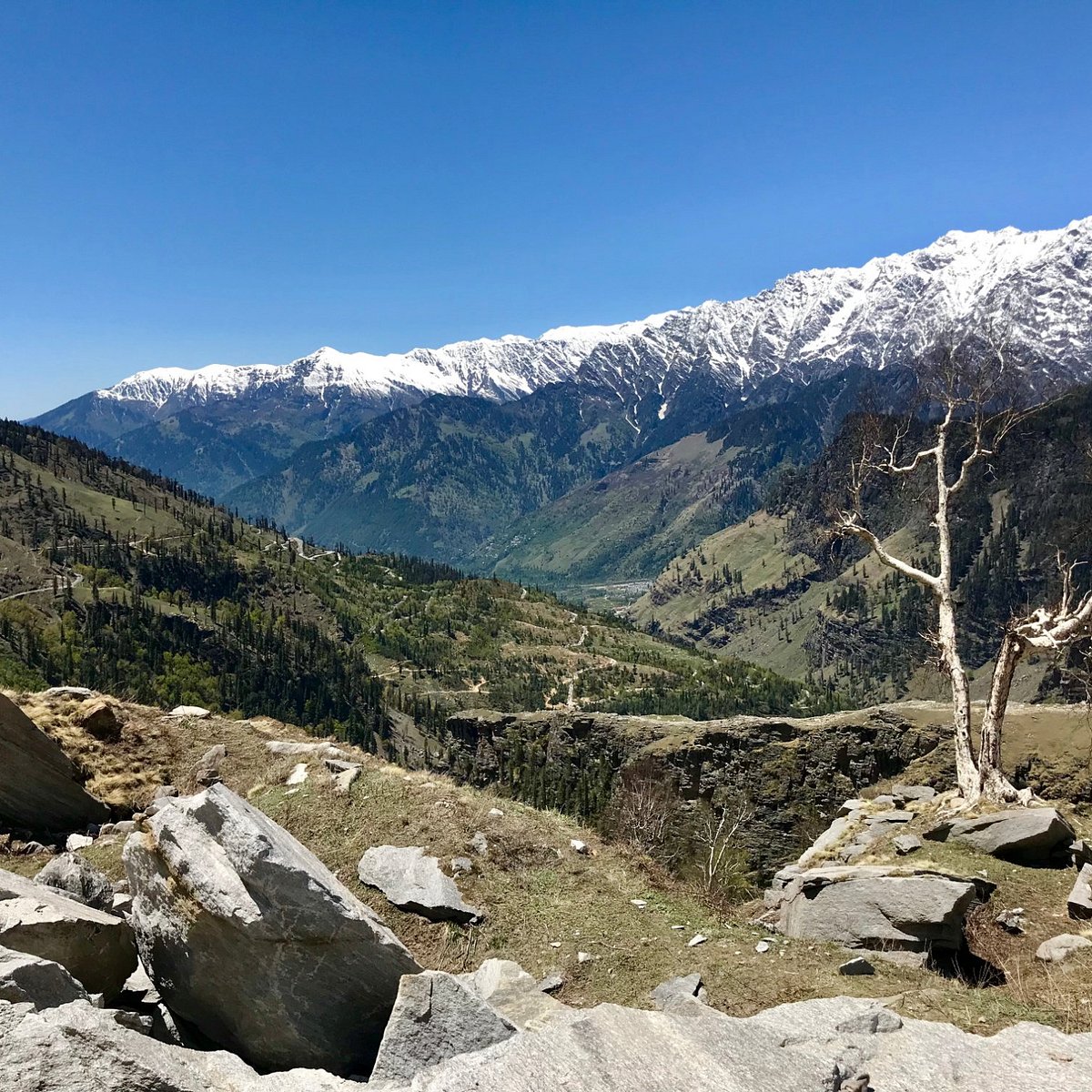
Best Time to Visit Waterfalls in Manali
| Season | Waterfall Experience | Travel Reality |
|---|---|---|
| May to June | Pleasant weather, comfortable trekking, decent flow | Great for family and first-time visitors |
| July to September | Strongest waterfall flow and lush scenery | Slippery trails and rain disruptions possible |
| October | Good post-monsoon mix of greenery and visibility | One of the best balance windows |
| November to February | Reduced flow in some spots, colder conditions | Check road and trail safety before planning |
If waterfalls are your primary goal, post-monsoon and early summer are usually the easiest balance of flow, route comfort, and photography conditions.
Trekking Guide for Manali Waterfalls
Not all waterfalls in Manali require the same effort. Classifying by difficulty helps prevent bad route decisions.
Easy
- Nehru Kund style roadside stops.
- Short approach waterfalls near main roads.
Easy to Moderate
- Jogini Waterfall trek from Vashisht.
- Village-side paths around Jana depending on drop point.
Moderate to Challenging
- Remote seasonal falls accessed through longer local trails.
- High-route stops where weather can change quickly.
Essential gear:
- Trekking shoes with grip.
- Light rain layer and quick-dry clothing.
- Water bottle and small energy snacks.
- Basic first-aid and personal medication.
- Phone power backup for navigation and emergency contact.
If your group includes first-time trekkers, keep one guided trail day and avoid attempting multiple moderate trails on the same date.
How to Reach and Build a Smart Waterfall Route
Manali is the base for most waterfall exploration. From town, you can split routes into three practical clusters:
- Vashisht cluster: Jogini + Vashisht + local cafes.
- Naggar-Jana cluster: Jana Waterfall + Naggar points.
- Rohtang-side cluster: Nehru Kund + Rahalla (season and access dependent).
This route-cluster method reduces backtracking and improves day comfort. It also allows flexibility when weather changes.
For broader itinerary logic, combine waterfall days with Manali travel guide planning and backup options from places to visit in Manali.
Travel Tips That Actually Save Time
- Start early for Jogini and Rohtang-side movements.
- Avoid overpacking one day with all waterfalls.
- Keep cash for local stalls and small parking points.
- Use local driver input for same-day road and weather updates.
- Prioritize footwear and rain protection over heavy camera gear.
- Do not enter deep or fast water zones for swimming.
Simple planning beats aggressive checklists in mountain travel. A focused two-waterfall day usually gives better memories than five rushed stops.
Sample 2-Day Waterfall Plan from Manali
Day 1: Trek and Town Balance
- Start early for Jogini Waterfall trek from Vashisht.
- Take a relaxed breakfast break on return.
- Use afternoon for rest and short local cafe time.
- Keep evening for market walk and low-effort exploration.
Day 2: Drive Cluster Day
- Head toward Naggar and Jana Waterfall side.
- Add Nehru Kund on return if road and traffic allow.
- Keep Rahalla as a weather-dependent option only.
This split balances driving and walking load while keeping buffer for weather, traffic, and route changes common in mountain travel.
Final Takeaway
The best waterfalls in Manali are not about one single location. The strength of Manali is having multiple waterfall styles for different travel moods: Jogini for short trek adventure, Jana for village-scenic comfort, Nehru Kund for quick access, and Rahalla for high-route drama.
If you plan by route clusters, season conditions, and group fitness, you can cover major waterfalls without stress and still keep time for cafes, viewpoints, and local experiences for all budgets.
Location
Frequently Asked Questions
Q1.Which is the best waterfall in Manali?
Q2.How many waterfalls are there in Manali?
Q3.What is the best time to visit Manali waterfalls?
Q4.How far is Jogini Falls from Manali town?
Q5.How difficult is the Jogini Waterfall trek?
Q6.Is Rahalla Falls on the way to Rohtang Pass?
Q7.Can we swim in waterfalls near Manali?
Q8.How can I cover major waterfalls in one trip?
Recommended For You
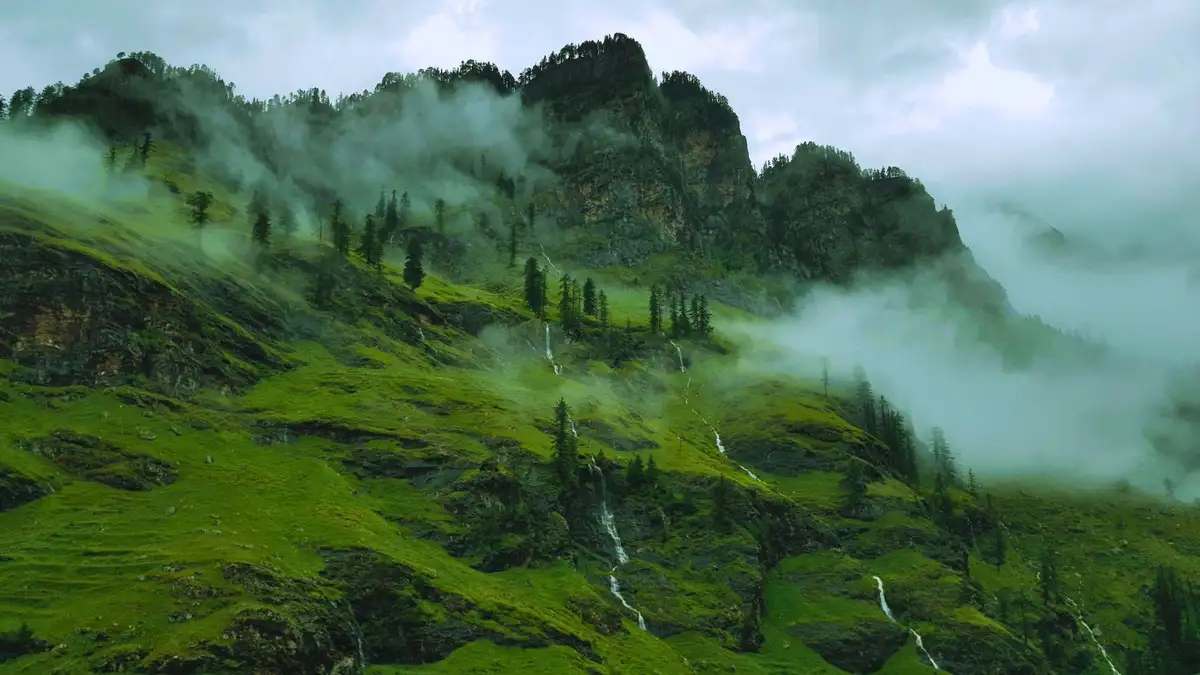
Manali: Complete Travel Plan Places And Weather
Complete Manali travel guide featuring Rohtang Pass, Solang Valley, Hadimba Temple, adventure activities, best time to visit & practical tips.
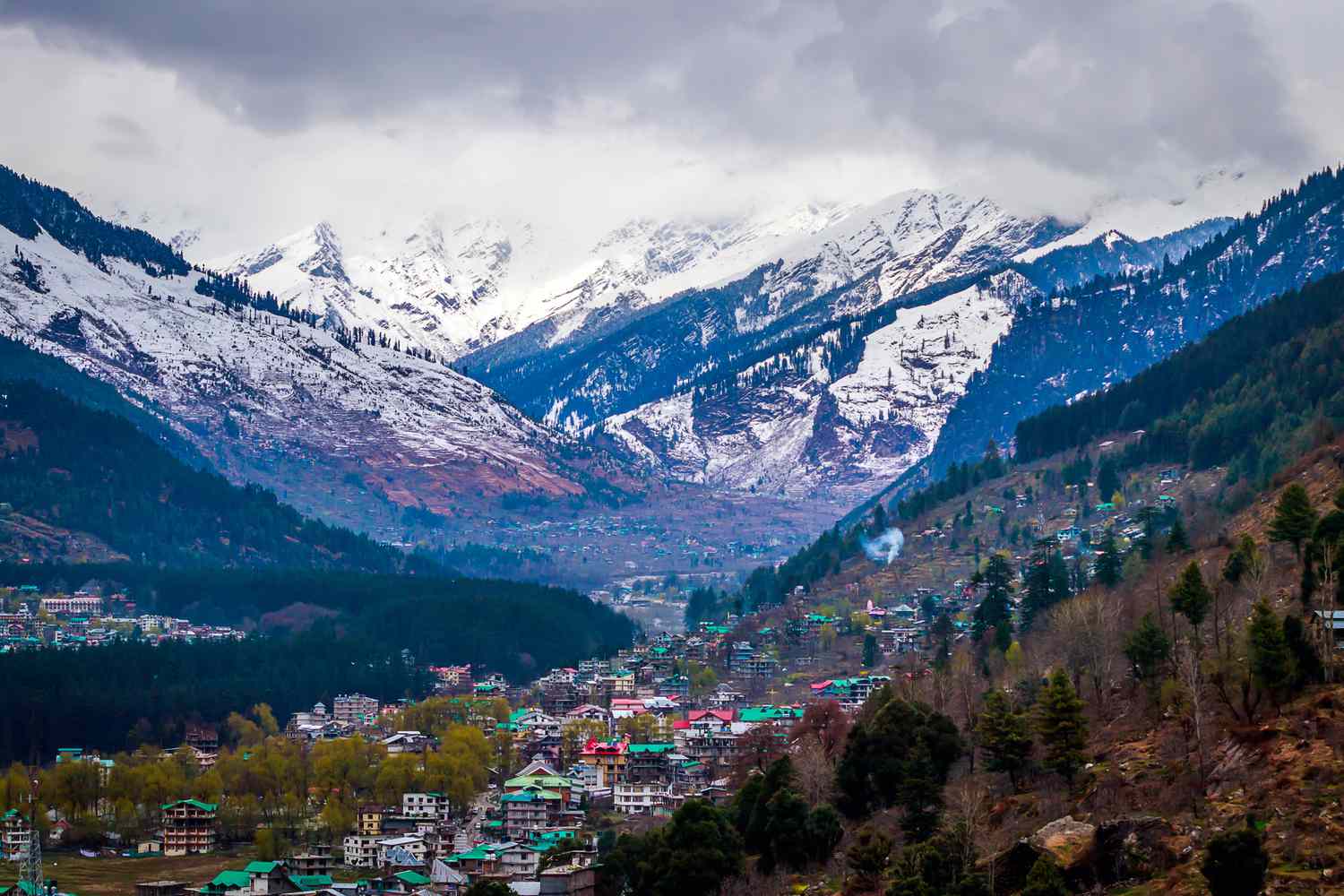
15 Best Places to Visit in Manali: Valleys, Temples & Adventure
Discover 15 best places to visit in Manali - from Rohtang Pass to Hadimba Temple. Complete Himachal travel guide with timings, best season, budget & local tips.
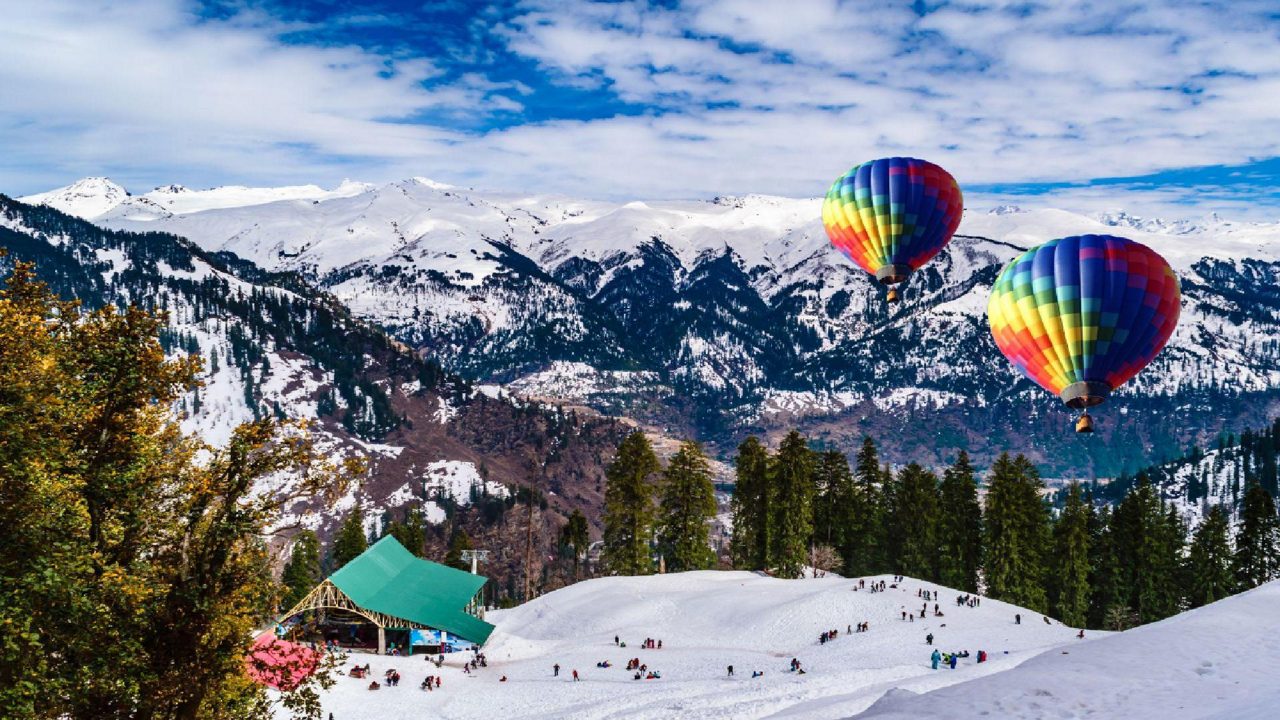
Travel Tips for Manali: Packing, Budget & Route Planning
Essential travel tips for Manali covering best season, routes, permits, stays, packing, budget planning, and practical safety advice for first-time visitors.
Never Miss an Adventure
Get the latest trekking guides, travel tips, and exclusive offers delivered straight to your inbox.
