
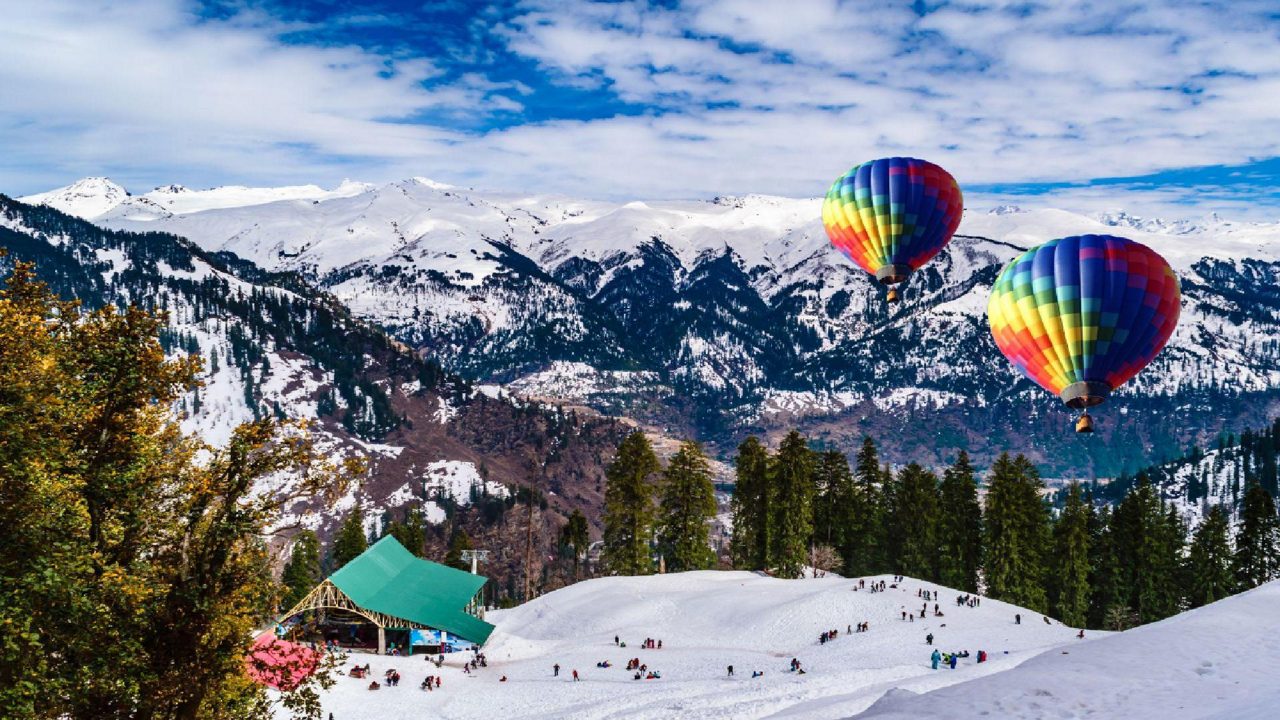
Travel Tips for Manali: Packing, Budget & Route Planning
Rohit Verma
January 6, 2026
Essential travel tips for Manali covering best season, routes, permits, stays, packing, budget planning, and practical safety advice for first-time visitors.
Introduction: Why Manali Needs Smart Trip Planning
Manali is one of the most visited mountain destinations in India, but first-time travelers often underestimate how much planning matters here. Mountain weather shifts quickly, road traffic can stretch travel time by hours, and permit-linked routes like Rohtang and high-altitude stretches are not always available in every season. If you plan only with social media reels, your itinerary can break on day one.
The good news is that Manali is still one of the most beginner-friendly Himalayan destinations when you plan right. It has strong hotel supply, reliable taxi circuits, clear tourist zones like Mall Road and Old Manali, and plenty of activity options for families, couples, backpackers, and adventure travelers. The key is matching season, budget, and activity level before you book transport and stays.
This guide gives practical travel tips for Manali with route choices, seasonal strategy, packing advice, budget splits, stay-area decisions, and safety rules so your trip feels smooth instead of rushed.
Best Time to Visit Manali: Choose by Experience, Not Hype
There is no single best season for everyone. The right month depends on whether you want snow, easy sightseeing, lower prices, or fewer crowds.
Summer (April to June)
Most popular season for family and first-time travel. Day weather is comfortable and activity operators run full schedules. This is ideal for sightseeing and short adventure sessions, but hotel and taxi prices are usually higher.
- Best for: first-time travelers, family vacation, paragliding and local sightseeing.
- Trade-off: crowd and traffic, especially around weekends and holidays.
Monsoon (July to September)
Greenest visuals and lower prices, but road disruption risk rises due to rain-related slips and blockages. Keep buffer days and avoid hyper-tight onward bookings.
- Best for: budget travelers who can handle flexible plans.
- Trade-off: landslide-prone stretches and slower road movement.
Autumn (October to November)
One of the most balanced seasons: clearer skies after rains, cleaner views, and relatively lower crowd than summer peak. Good for photos, cafe days, and relaxed exploration.
- Best for: couples, remote workers, photography-focused trips.
- Trade-off: evenings become colder quickly.
Winter (December to February)
Snow appeal is strongest in winter, especially around New Year demand peaks. This season is great for snow experiences and mountain ambiance but needs proper thermal gear and conservative transport planning.
- Best for: snow travelers, winter holiday vibe.
- Trade-off: colder nights, occasional road or route restrictions.
For broader state-level seasonal planning, read best time to visit Himachal Pradesh.
How to Reach Manali Without Exhausting Day One
By Road from Delhi/NCR
Road travel is the most common approach. Overnight Volvo or private road transfer is widely used. The route duration is highly traffic-sensitive, so keep realistic expectations and avoid planning major sightseeing immediately after arrival.
- Useful tip: keep arrival day light and reserve major outings for next morning.
- If self-driving: start early and avoid aggressive night hill driving if inexperienced.
By Air
Nearest airport access is from Bhuntar side, followed by road transfer to Manali. Flight availability and weather disruptions can affect reliability, so compare total travel certainty and not just scheduled duration.
By Rail + Road Combo
Many travelers take a train to a major gateway city and continue by road. This can be cost-effective but increases segment coordination complexity.
Travel Tip
If you are prone to motion fatigue, carry anti-nausea support and choose front/mid bus seats where possible.
Stay Area Strategy: Where You Sleep Changes the Entire Trip
Mall Road / New Manali
Best for convenience. You get easier market access, more transport options, and simple movement for families and short itineraries.
- Best for: first-time families, short 2-4 day trips.
- Trade-off: more crowd and commercial activity.
Old Manali
Cafe-heavy, slower vibe, popular among backpackers and long-stay travelers. Better for social travel and creative work routines.
- Best for: couples, backpackers, digital nomads.
- Trade-off: road approach and local movement can be less straightforward at peak times.
Vashisht / Quieter Side Areas
Good for travelers who want a calmer setting and lower noise. Choose this zone if your plan is rest + light sightseeing rather than constant market hopping.
Compare options with Airbnbs in Manali and Old Manali guide before booking.
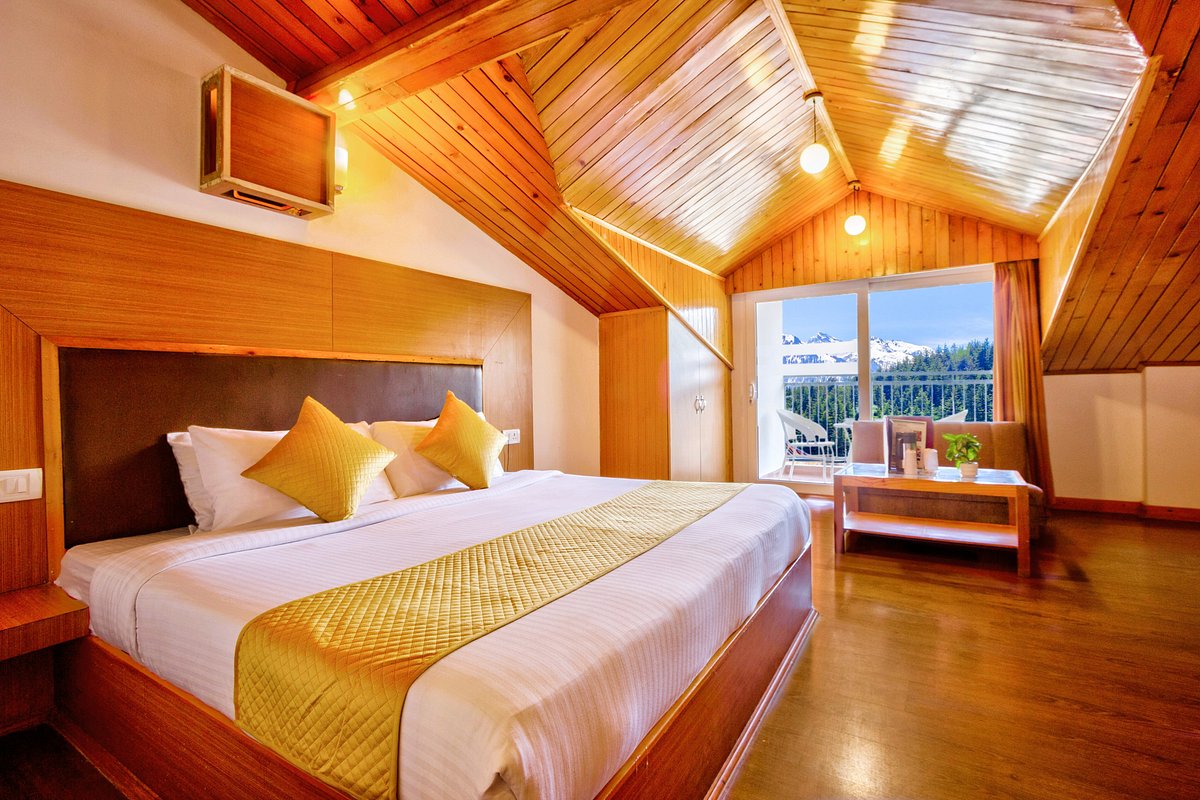
Must-Know Permit and Route Tips
Routes involving high-altitude points and controlled traffic zones can require permits or have entry regulation windows. Rules change with season and local administration directives, so check current status just before travel date, not weeks earlier only.
Rohtang and High Route Planning
- Check official permit availability and daily access rules in advance.
- Keep one backup sightseeing plan in case route remains closed or traffic is restricted.
- Start early for route days to reduce congestion risk.
For route-specific context, see Rohtang Pass Manali and Atal Tunnel Manali.
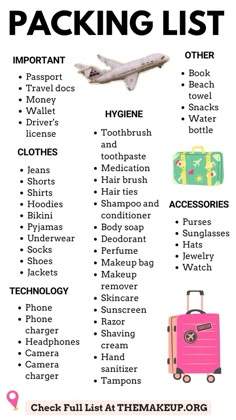
What to Pack for Manali (Season-Wise Practical List)
Core Items for All Seasons
- ID proofs and digital backup copies.
- Comfortable shoes with grip.
- Personal medicines and a basic first-aid kit.
- Power bank and charging cables.
- Reusable water bottle.
Summer Add-ons
- Light layers for evenings.
- Sunscreen and sunglasses (mountain UV can feel strong).
- Light rain shell for occasional showers.
Monsoon Add-ons
- Fast-dry clothing.
- Water-resistant footwear.
- Rain cover for backpack and electronics.
Winter Add-ons
- Thermals, insulated jacket, gloves, woolen cap.
- Warm socks and weather-appropriate footwear.
- Lip balm and skin moisturizer for cold dryness.
Overpacking heavy fashion items is a common mistake. Prioritize mobility and warmth over volume.
Things to Do in Manali: Build by Energy Level
Low-Intensity Days
- Temple and local culture circuits.
- Cafe hopping and river-side walks.
- Market exploration and slow evenings.
Moderate Activity Days
- Day movement to Solang side with selected activities.
- Waterfall outing and short trail walks.
- Photography routes around viewpoints.
Adventure Days
- Paragliding/zip/adventure options where available and weather-appropriate.
- Trek or snow-point plans with early start.
Use one major activity per day. Stacking too many high-effort items usually causes fatigue and cancellation spillover.
Read places to visit in Manali, Solang Valley Manali, and Jogini Waterfall Manali for route-specific planning.
Budget Planning Tips for Manali Trips
Manali can be done on budget, mid-range, or comfort-plus style depending on season and stay choices. Most overspending happens because travelers do not lock category choices early.
| Budget Type | What Works | Where Spend Carefully |
|---|---|---|
| Budget | Hostel/guesthouse + shared commute | Activity add-ons and food impulse spending |
| Mid-range | Good hotel + local taxi mix | Peak-season booking delays |
| Comfort | View stay + private cab flexibility | Holiday surge pricing and late booking |
Money Tips
- Book stay early for peak windows (summer holiday and New Year period).
- Keep buffer for weather-related delay cost.
- Confirm what your package includes (pickup, breakfast, sightseeing scope).
- Carry some cash for smaller vendors and remote-side stops.
Connectivity, Health, and Practical Safety
Network and Digital Access
Primary networks generally work in core areas, but remote stretches and some route sections can be inconsistent. Download offline maps and keep hotel/driver contacts saved.
Altitude and Fatigue
Many travelers feel mild fatigue on arrival due to long road journey and elevation adjustment. Keep first day relaxed, hydrate, and avoid over-scheduling.
Road and Weather Caution
- Check road updates before departure day and again on route morning.
- Avoid late-night unknown detours in bad weather.
- Do not pressure drivers to speed on mountain curves.
Women and Solo Traveler Tips
- Use verified stays with clear reviews and location visibility.
- Share live itinerary with one trusted contact.
- Prefer known taxi references from hotel or verified operators.
Sample Itineraries That Actually Work
3-Day First-Time Plan
- Day 1: Arrival + rest + local evening walk.
- Day 2: Core sightseeing + one activity block.
- Day 3: Solang/route-side outing + return prep.
5-Day Balanced Plan
- Day 1: Arrival and acclimatization.
- Day 2: Local culture + Old Manali cafes.
- Day 3: Solang/adventure side.
- Day 4: Controlled route day (permit/weather dependent).
- Day 5: Shopping + checkout.
Add one empty half-day in any plan for weather or traffic variability. This single buffer saves most mountain itineraries.
Common Mistakes to Avoid
- Reaching in the morning and planning full sightseeing same day.
- Ignoring season-specific road risks and permit rules.
- Choosing stay only by price without location check.
- Booking non-refundable onward transport with no buffer.
- Underpacking winter essentials or overpacking unnecessary items.
- Not verifying activity provider safety standards.
Food and Shopping Tips Most Travelers Miss
Manali planning is not only routes and hotels; daily comfort also depends on food timing and market strategy. During peak traffic days, restaurant wait times in busy zones can get longer than expected. Keep one backup meal option near your stay, especially on arrival day. If you have dietary restrictions, confirm kitchen availability before late evening because some smaller cafes close early in off-season windows.
For shopping, avoid leaving everything for checkout evening. Popular products like local woolens, handcrafted items, and packed food souvenirs are easier to compare when you are not rushing to pack. Set one dedicated shopping block so you can bargain calmly in local markets and still have time for quality checks. If you are carrying fragile items, ask for secure packing and keep space in luggage from day one. This simple planning avoids last-minute overspending and reduces stress on departure day.
Final Takeaway
Manali rewards travelers who plan with mountain logic: season first, route reality second, and activity choices third. If you choose the right stay area, keep one weather buffer, pack as per month, and verify permits before route days, your trip becomes easier, safer, and more enjoyable.
Use this as your core planning checklist, then customize by budget and travel style. A well-planned Manali trip does not need to be expensive, but it does need to be realistic.
Location
Frequently Asked Questions
Q1.How many days are enough for Manali?
Q2.What is the best time to visit Manali?
Q3.Is Manali worth visiting for first-timers?
Q4.Is Manali good in December?
Q5.Can we visit Manali in monsoon?
Q6.How to reach Manali from Delhi?
Q7.Is Manali safe for solo travelers?
Q8.How much does a Manali trip cost?
Recommended For You
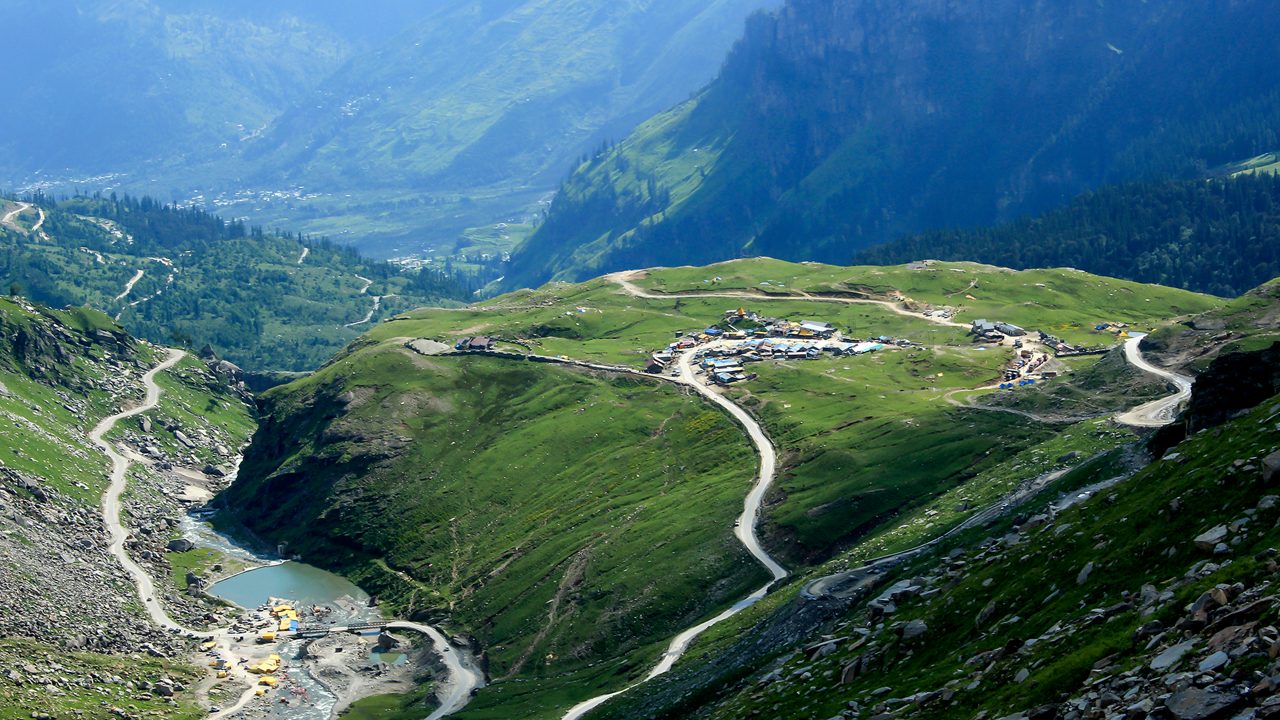
Rohtang Pass Manali: Complete Guide to Himalayan Adventure
Complete Rohtang Pass Manali guide: permits, best time, activities, costs & safety tips. Experience the Himalayas at 3,978 meters.
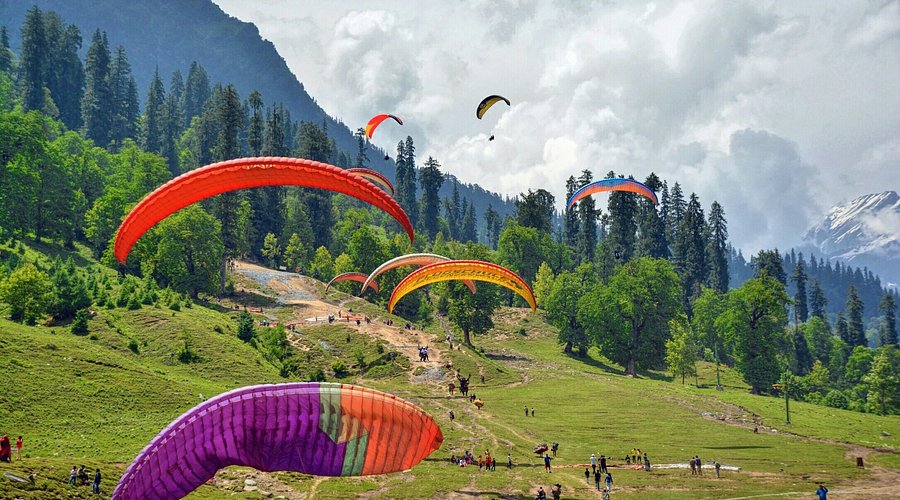
Solang Valley Manali: Activities, Ropeway & Winter Sports
Explore Solang Valley Manali! Guide to adventure activities, best time, how to reach, skiing, paragliding & travel tips.
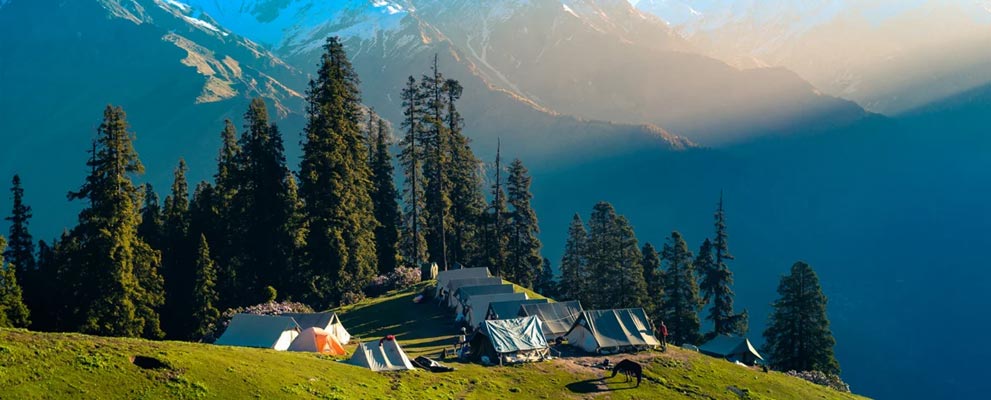
Best Time to Visit Himachal Pradesh: Season-Wise Guide by Region
Find the best time to visit Himachal Pradesh with season-wise guidance for families, snow trips, road journeys, and trekking routes.
Never Miss an Adventure
Get the latest trekking guides, travel tips, and exclusive offers delivered straight to your inbox.
